
8 Surprising Gallstone Causes That Might Come From Your Everyday Habits
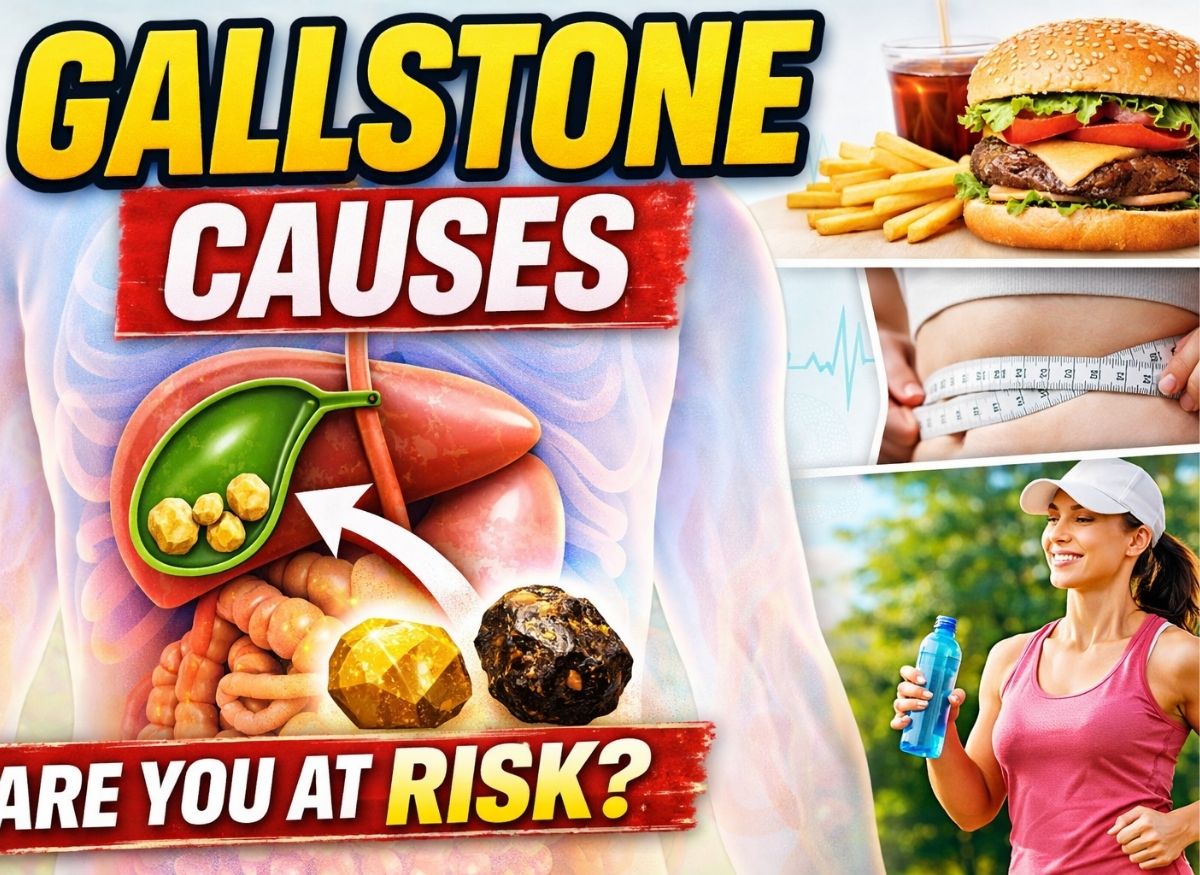
Most people rarely think about gallstone causes until they experience symptoms. However, gallstones can develop gradually, and everyday habits may play a role in how bile is produced, stored, and processed. Diet, meal timing, physical activity, hydration, and changes in body weight can all affect the balance of cholesterol and bile salts inside the gallbladder.
When this balance is disturbed, bile can become more concentrated, making it easier for crystals to form and eventually develop into gallstones.
Many of these habits may seem harmless at first. Skipping meals, eating too many high-fat foods, following restrictive diets, or losing weight quickly may not cause noticeable problems right away. Over time, however, these patterns can interfere with normal gallbladder function and create conditions that encourage stone formation.
In this article, we’ll explore 8 common gallstone causes associated with everyday habits. Understanding these risk factors can help you make practical lifestyle changes that support healthy digestion and may lower the likelihood of gallstones developing.
Gallstones and Their Common Symptoms Explained
Gallstones are hardened deposits that form from digestive fluid inside the gallbladder. The gallbladder is a small organ located beneath the liver, and its main job is to store bile, a digestive fluid that helps the body break down fats.
Gallstones can remain harmless for years without causing symptoms. However, if a stone blocks the flow of bile, it can lead to abdominal pain and other digestive problems. This is why understanding gallstone causes is important. Gallstones usually develop gradually as a result of changes in bile composition and gallbladder function.
Under normal conditions, bile contains a carefully balanced mixture of cholesterol, bile salts, bilirubin, and other substances. When this balance is disturbed, some of these substances can separate from the liquid and form crystals. Over time, the crystals may grow and combine into gallstones.
Small stones that do not block the bile ducts may never cause noticeable symptoms. Problems generally occur when a stone interferes with normal bile flow. This can result in pain, nausea, bloating, and digestive discomfort. More serious blockages may cause inflammation or infection.
To understand how gallstones develop, it helps to look at the different types of stones and the processes behind their formation.
Composition of Gallstones and Their Underlying Causes
Gallstones are mainly divided into two types: cholesterol stones and pigment stones.
Cholesterol stones make up the majority of gallstone cases and are often associated with changes in bile chemistry and lifestyle-related risk factors. Pigment stones, on the other hand, are made primarily from bilirubin and are more commonly associated with certain medical conditions.
Gallstone formation begins when the normal chemical balance of bile is disrupted. Bile contains bile salts and phospholipids that help keep cholesterol dissolved. If there is too much cholesterol or bilirubin compared with the substances that keep them dissolved, crystals can begin to form.
Cholesterol Gallstones and Supersaturation
Cholesterol gallstones can develop when bile contains more cholesterol than the bile salts can keep dissolved. This condition is known as supersaturation.
Excess cholesterol can begin forming tiny crystals. These crystals may gradually grow and combine, eventually becoming larger stones. The process can take months or even years and may be influenced by several common risk factors, including:
- A diet high in saturated fat and low in fiber
- Obesity and metabolic problems
- Rapid weight loss, which can increase cholesterol released into bile
- Irregular eating patterns that reduce gallbladder emptying
Gallbladder movement is also important. When the gallbladder does not contract regularly, bile can remain inside it for longer periods. This allows the bile to become more concentrated and gives crystals more time to settle and grow.
Pigment Gallstones and Bilirubin Imbalance
Pigment stones develop when there is too much bilirubin in the bile.
Bilirubin is a yellow substance produced when red blood cells are broken down. Certain medical conditions can cause bilirubin levels to increase. When excess bilirubin combines with calcium and other substances, it can form hard, dark-colored stones.
Pigment stones are generally divided into two types:
- Black pigment stones, which usually form inside the gallbladder
- Brown pigment stones, which commonly develop in the bile ducts and may be associated with infection
Unlike cholesterol stones, pigment stones are less strongly connected to diet and are more often associated with medical conditions such as:
- Liver diseases, including cirrhosis
- Chronic infections affecting the bile ducts
- Blood disorders such as sickle cell anemia
Main Signs That May Indicate Gallstones
Gallstones can be either asymptomatic or symptomatic. In other words, some people have gallstones without experiencing any noticeable problems, while others develop clear symptoms when a stone blocks the normal flow of bile.
Many people have what are called silent gallstones. These stones do not cause symptoms and may only be discovered accidentally during an imaging test performed for another reason.
Symptoms are more likely to appear when a stone becomes lodged in a bile duct. The resulting blockage can increase pressure inside the gallbladder and surrounding ducts, producing several recognizable symptoms.
Sudden, Intense Pain (Biliary Colic)
One of the most common symptoms of gallstones is sudden, intense abdominal pain.
The discomfort is usually felt in the upper-right portion of the abdomen or in the center of the abdomen beneath the breastbone. Gallstone pain may occur after eating a fatty meal and can also develop during the night.
The pain is often steady and severe rather than coming and going. It may last anywhere from about 30 minutes to several hours and can spread to the back, between the shoulder blades, or toward the right shoulder.
Nausea and Vomiting
Nausea and vomiting can occur during a gallbladder attack. When a gallstone interferes with bile flow, normal digestion can become disrupted, which may lead to gastrointestinal discomfort.
These symptoms can occur alongside the abdominal pain associated with gallstones.
Jaundice
Jaundice is a more serious warning sign that may occur when a gallstone blocks the common bile duct.
When bile cannot move normally into the intestines, bilirubin can build up in the bloodstream. This can cause the skin and whites of the eyes to develop a yellow appearance.
Jaundice can indicate a significant bile duct obstruction and requires prompt medical attention.
Fever and Chills
Fever and chills occurring with abdominal pain may indicate inflammation or infection.
Gallstones can sometimes contribute to conditions such as cholecystitis, which is inflammation of the gallbladder, or cholangitis, an infection of the bile ducts. Pancreatitis can also occur when gallstones interfere with the digestive system.
These complications require urgent medical evaluation.
Changes in Urine and Stool
A blocked bile duct can also change the color of urine and stool.
When bilirubin cannot reach the intestines normally, stools may become pale or clay-colored. At the same time, excess bilirubin can be eliminated through the kidneys, causing urine to become dark or tea-colored.
These changes can provide important clues that bile flow has been disrupted.
8 Surprising Gallstone Causes Hidden in Everyday Habits
Several everyday habits can contribute to the conditions associated with gallstone formation. These include:
- Rapid weight loss and yo-yo dieting
- Relying too heavily on fat-free foods
- Frequently skipping meals
- Eating too little dietary fiber
- Chronic dehydration
- Living a sedentary lifestyle
- Taking certain medications
- Consuming large amounts of refined sugars and carbohydrates
Although these habits may seem unrelated to gallbladder health, they can influence how bile is produced, stored, and released.
Bile needs to maintain a careful balance of cholesterol, bile salts, bilirubin, and other components. When that balance changes, bile can become overly concentrated or contain more cholesterol than it can keep dissolved. This can encourage crystal formation and, eventually, gallstones.
Lifestyle habits can also affect how effectively the gallbladder empties. When bile remains stored for too long, it can become stagnant and more concentrated, creating conditions that may support stone formation.
Rapid Weight Loss and Yo-Yo Dieting as Major Gallstone Causes
Rapid weight loss and repeated cycles of losing and regaining weight are important factors associated with gallstones.
When the body loses weight quickly, particularly during very low-calorie diets or after bariatric surgery, stored fat is broken down rapidly. During this process, the liver may release more cholesterol into the bile. If there is more cholesterol than the bile can keep dissolved, the bile can become supersaturated, allowing crystals to form.
People who lose more than about 1.5 kg (3 pounds) per week have been observed to have a higher risk of developing gallstones. The risk can be particularly noticeable after weight-loss surgery because of the rapid changes that occur in the body.
Rapid weight loss can also affect gallbladder movement. The gallbladder normally contracts when food enters the digestive system, with dietary fat helping stimulate this process. Severe calorie restriction or very low fat intake can reduce this stimulation.
When the gallbladder does not empty regularly, bile can remain inside it for longer periods. This can result in bile stasis, allowing bile to become more concentrated and giving cholesterol crystals more opportunity to grow.
Repeated cycles of weight loss and weight gain may further increase these effects by repeatedly changing cholesterol levels and bile composition.
For this reason, gradual and sustainable weight management may be a better approach for supporting long-term gallbladder health than extreme dieting.
Over-Reliance on Low-Fat or Fat-Free Diets as Gallstone Causes
Reducing unhealthy fats can be part of a balanced diet, but eliminating dietary fat almost completely may interfere with normal gallbladder activity.
The gallbladder stores bile and releases it into the small intestine when it is needed for digestion. Dietary fat helps trigger the release of a hormone called cholecystokinin, or CCK. This hormone signals the gallbladder to contract and release bile.
Regular gallbladder contractions help keep bile moving. When dietary fat intake remains extremely low, this stimulation may be reduced. The gallbladder may then remain inactive for longer periods, allowing bile to sit inside it.
As bile remains in the gallbladder, it can become more concentrated. This can increase the concentration of cholesterol and bilirubin and may encourage the development of microscopic crystals.
Those crystals can accumulate into sludge and may eventually develop into gallstones.
This is one reason why some highly restrictive diets may unintentionally create conditions that are less favorable for gallbladder function. Including appropriate amounts of healthy fats can help stimulate normal gallbladder emptying while supporting a balanced diet.
Skipping Meals and Breakfast as Hidden Gallstone Causes
Regularly skipping meals, including breakfast, can affect the normal rhythm of bile release.
During the overnight fast, the liver continues producing bile, which is stored inside the gallbladder. While the bile remains there, the gallbladder concentrates it by removing water.
Normally, eating a meal stimulates the gallbladder to contract and release bile. A meal containing some dietary fat can stimulate the release of CCK, which signals the gallbladder to empty.
When breakfast is skipped, that first opportunity for the gallbladder to contract is delayed. This means bile can remain stored for longer, potentially contributing to bile stasis and concentration.
Over time, repeatedly leaving long gaps between meals may create conditions that favor cholesterol crystallization.
Although skipping any meal can extend the time between gallbladder contractions, skipping breakfast can be particularly significant because it adds to the naturally long fasting period overnight.
Maintaining a more regular meal schedule can help encourage consistent gallbladder activity and reduce prolonged periods of bile stagnation.
Low-Fiber Diet as a Key Contributor to Gallstone Causes
A diet that consistently provides too little fiber may also be associated with a higher risk of cholesterol gallstones.
Fiber plays an important role in digestion and cholesterol metabolism. Soluble and insoluble fiber support the digestive system in different ways and can contribute to healthier bile composition.
Modern diets that rely heavily on refined grains and processed foods often contain less fiber than diets centered around whole foods.
Soluble fiber, found in foods such as oats, barley, apples, citrus fruits, and legumes, forms a gel-like substance in the digestive tract. This can help bind bile acids and promote their elimination through stool.
When bile acids leave the body, the liver needs to use cholesterol to produce more. This process can help reduce the amount of cholesterol circulating in the body and may also reduce the amount of cholesterol released into bile.
By helping prevent bile from becoming overly saturated with cholesterol, adequate fiber intake may support a healthier environment for the gallbladder.
Insoluble fiber, which is found in foods such as whole grains, nuts, and vegetables, works differently. It adds bulk to stool and helps move food through the digestive tract more efficiently. This can also reduce the amount of bile acids that are reabsorbed.
Chronic Dehydration as an Overlooked Gallstone Cause
Not drinking enough fluids may also affect the consistency of bile.
Bile contains a large amount of water, which helps keep cholesterol, bilirubin, and bile salts dissolved. When the body does not receive enough fluids, bile can become more concentrated.
As bile becomes thicker, cholesterol and bilirubin may have a greater opportunity to separate from the liquid and form microscopic crystals.
Thicker bile can also move more slowly through the biliary system. Reduced movement can contribute to bile stasis, giving crystals additional time to accumulate and grow.
Maintaining adequate hydration throughout the day helps support normal fluid balance and may help keep bile less concentrated.
For people who already have other risk factors, such as major weight fluctuations or an unbalanced diet, staying hydrated is a simple habit that can support overall digestive health.
Chronic Dehydration as a Hidden Gallstone Cause
Chronic dehydration is worth highlighting because insufficient fluid intake can affect the consistency of bile.
Bile is largely made up of water, and maintaining enough fluid helps keep its components properly dissolved. When the body becomes dehydrated, it works to conserve water, which can contribute to more concentrated bile.
As bile becomes thicker and more concentrated, cholesterol and bilirubin may be more likely to form crystals. Thick bile may also move more slowly, contributing to bile stasis.
Over time, these changes can create conditions that encourage crystals to collect and develop into gallstones.
Regularly drinking enough water throughout the day can therefore be a simple way to support normal bile consistency and digestive function.
Sedentary Lifestyle as a Contributor to Gallstone Causes
Physical inactivity is another factor associated with gallstone risk.
Regular movement supports metabolic health and healthy digestive function. Physical activity may also help support normal movement throughout the gastrointestinal system.
When a person spends most of the day sitting and gets very little exercise, several other gallstone risk factors may also become more common, including obesity, elevated triglycerides, and insulin resistance.
These metabolic changes can affect cholesterol levels and bile composition, potentially increasing the conditions that encourage gallstone formation.
Staying physically active on a regular basis can therefore support both overall metabolic health and healthy digestion.
Daily Medications as Overlooked Gallstone Causes
Certain medications may also affect gallstone risk by changing hormone levels, cholesterol metabolism, or bile composition.
One of the better-known connections involves medications containing estrogen, including some oral contraceptives and hormone replacement therapies. Estrogen can increase the amount of cholesterol released into bile while reducing bile salt production. This may contribute to cholesterol-supersaturated bile.
Certain medications used to manage blood lipid levels, such as fibrates, may also affect cholesterol movement into bile. Although these medications can be useful for controlling triglycerides and other blood lipid levels, their effects on bile can contribute to gallstone formation in some people.
Anyone concerned about medication-related gallstone risk should discuss their individual situation with a healthcare professional rather than stopping a prescribed medication on their own.
Medical Tests Used to Confirm Gallstones and Underlying Causes
Doctors use imaging and other diagnostic tests to identify gallstones, evaluate gallbladder function, and look for complications.
An abdominal ultrasound is commonly used as the first-line imaging test. It can visualize the gallbladder and help identify stones, gallbladder wall thickening, inflammation, or signs of obstruction.
Abdominal Ultrasound
An abdominal ultrasound uses high-frequency sound waves to create images of the gallbladder and surrounding structures.
It is non-invasive, does not expose the patient to radiation, and is widely available. During the examination, a transducer is moved across the upper-right portion of the abdomen to look for gallstones and other abnormalities.
Ultrasound can also help doctors evaluate whether inflammation or blockage may be present.
HIDA Scan for Gallbladder Function
A hepatobiliary iminodiacetic acid scan, commonly called a HIDA scan, is used to evaluate how the gallbladder and bile ducts are functioning.
During the test, a radioactive tracer is injected into the bloodstream. Imaging then follows the tracer as it moves through the liver, gallbladder, and small intestine.
A HIDA scan can be particularly useful when a person has symptoms but gallstones are not clearly visible on other imaging tests. It can help identify problems involving bile flow or gallbladder function.
CT Scan for Complications
A CT scan creates detailed cross-sectional images of the abdomen.
Although CT scans are generally less sensitive than ultrasound for detecting gallstones themselves, they can be useful for identifying complications. These may include infection, gallbladder perforation, or pancreatitis.
MRCP for Bile Duct Stones
Magnetic Resonance Cholangiopancreatography, or MRCP, is a specialized MRI technique used to create detailed images of the bile and pancreatic ducts.
It can be particularly helpful when doctors suspect that a gallstone has moved from the gallbladder into a bile duct. Such stones can lead to complications including jaundice and pancreatitis.
Confirming gallstones involves more than simply finding the stones. Doctors also need to understand how the stones are affecting the biliary system and whether complications are present.
An accurate diagnosis helps determine whether the condition is uncomplicated, involves gallbladder dysfunction, or has progressed to a more serious problem.
Who Is Most at Risk for Gallstone Causes
Gallstones can affect people for many different reasons. Biological factors, hormones, genetics, body weight, age, and lifestyle can all contribute to risk.
Gallstones are more likely to form when bile becomes imbalanced or when the gallbladder does not empty efficiently. Certain groups have a higher likelihood of experiencing these changes.
Women and Hormonal Influence
Women are more likely than men to develop gallstones, partly because of the influence of estrogen.
Estrogen can increase the amount of cholesterol released into bile while reducing bile salt production. These changes can make bile more likely to become supersaturated with cholesterol.
The risk can be particularly relevant during pregnancy, when using estrogen-containing contraceptives, or during hormone replacement therapy.
Age Over 40
Gallstone risk tends to increase with age, particularly after the age of 40.
As the body ages, changes in cholesterol regulation, metabolism, and gallbladder function can contribute to a greater likelihood of stone formation.
Obesity and Metabolic Factors
Obesity is a major risk factor for gallstones.
Higher body weight is often associated with increased cholesterol levels in bile, which can contribute to supersaturation and crystal formation.
Obesity can also occur alongside insulin resistance and elevated triglycerides. These metabolic factors may further influence bile composition and increase the likelihood of gallstone development.
Pregnancy and Hormonal Changes
Pregnancy can increase the risk of gallstones because of both hormonal and physical changes.
Higher estrogen levels can alter bile composition, while progesterone may slow gallbladder contractions. Together, these changes can contribute to bile stasis.
Weight changes and reduced physical activity during pregnancy may add to the overall risk.
Rapid Weight Loss
Losing weight very quickly is another major risk factor.
Rapid fat breakdown can cause the liver to release more cholesterol into bile. At the same time, eating significantly less food may reduce the frequency of gallbladder contractions.
The combination of more cholesterol in bile and less frequent gallbladder emptying can create conditions that favor stone formation.
Family History and Genetics
Genetics can also influence gallstone risk.
People with a family history of gallstones may be more likely to develop them, suggesting that inherited differences can affect cholesterol metabolism, bile composition, and gallbladder function.
Family history is therefore another factor worth considering when assessing overall risk.
Quick Daily Habits to Reduce Gallstone Causes
Small, consistent changes can help support healthy bile flow and normal gallbladder function.
Consider these everyday habits:
- Eat regular meals: Consistent meal timing can encourage regular gallbladder contractions and reduce prolonged periods of bile stagnation.
- Stay hydrated: Drinking enough water helps support normal fluid balance and may prevent bile from becoming overly concentrated.
- Include healthy fats in moderation: Foods such as olive oil, avocados, nuts, and fatty fish can provide healthy fats that help stimulate normal gallbladder activity.
- Avoid crash diets and rapid weight loss: Gradual weight management can help avoid sudden changes in cholesterol release and gallbladder function.
- Stay physically active: Regular movement supports metabolic health, digestion, and several factors associated with gallstone risk.
Conclusion
Understanding gallstone causes can help you recognize the everyday habits and risk factors that may contribute to stone formation.
Not every risk factor can be controlled. Age, genetics, hormonal influences, and certain medical conditions can all play a role. However, many lifestyle factors can be managed through gradual and consistent changes.
Eating a balanced diet, maintaining a stable weight, staying hydrated, getting regular physical activity, and maintaining a consistent eating schedule can all support healthy gallbladder function.
It is also helpful to avoid extreme dieting, crash weight-loss plans, and prolonged periods without food whenever possible.
The goal is not to make drastic changes overnight. Instead, focus on sustainable habits that support healthy digestion and normal bile flow over the long term.
By understanding how everyday behaviors may influence gallstone formation, you can become more aware of potential risk factors and take practical steps toward better gallbladder health.