
DIY Tea Tree Oil Skincare for Blemish-Prone Skin
Acne can be stubborn, frustrating, and it always seems to show up at the worst possible time. But what if part of the solution was already available in your kitchen?
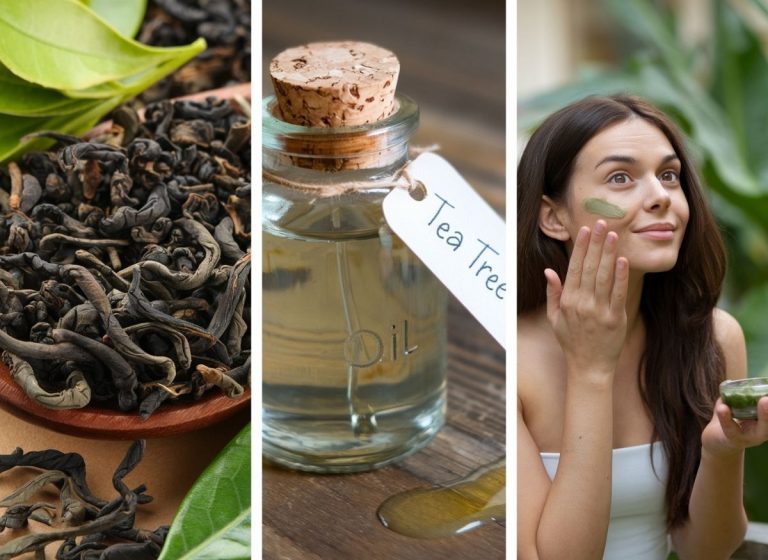
Homemade tea tree oil is a natural option that can help calm breakouts, fight bacteria, and soothe inflammation without relying on harsh chemicals.
Instead of spending on store-bought treatments, making your own tea tree oil remedy at home is both effective and budget-friendly, while helping skin stay healthier overall.
Here’s how to make and use homemade tea tree oil as part of a more natural skincare approach.
The Skincare Benefits of Homemade Tea Tree Oil
Homemade tea tree oil isn’t just a fun DIY project, it genuinely offers a lot for skin. From managing breakouts to calming irritated skin, it covers a lot of ground.
Its antimicrobial properties help target the bacteria behind pimples while reducing redness and swelling. It also helps manage excess oil without over-drying skin, which makes it a good fit for combination or oily skin types.
Homemade tea tree oil can also help with other skin concerns like eczema, psoriasis, or minor cuts, all while staying free of the harsh chemicals and preservatives found in a lot of commercial products.
How to Make Your Own Tea Tree Oil at Home
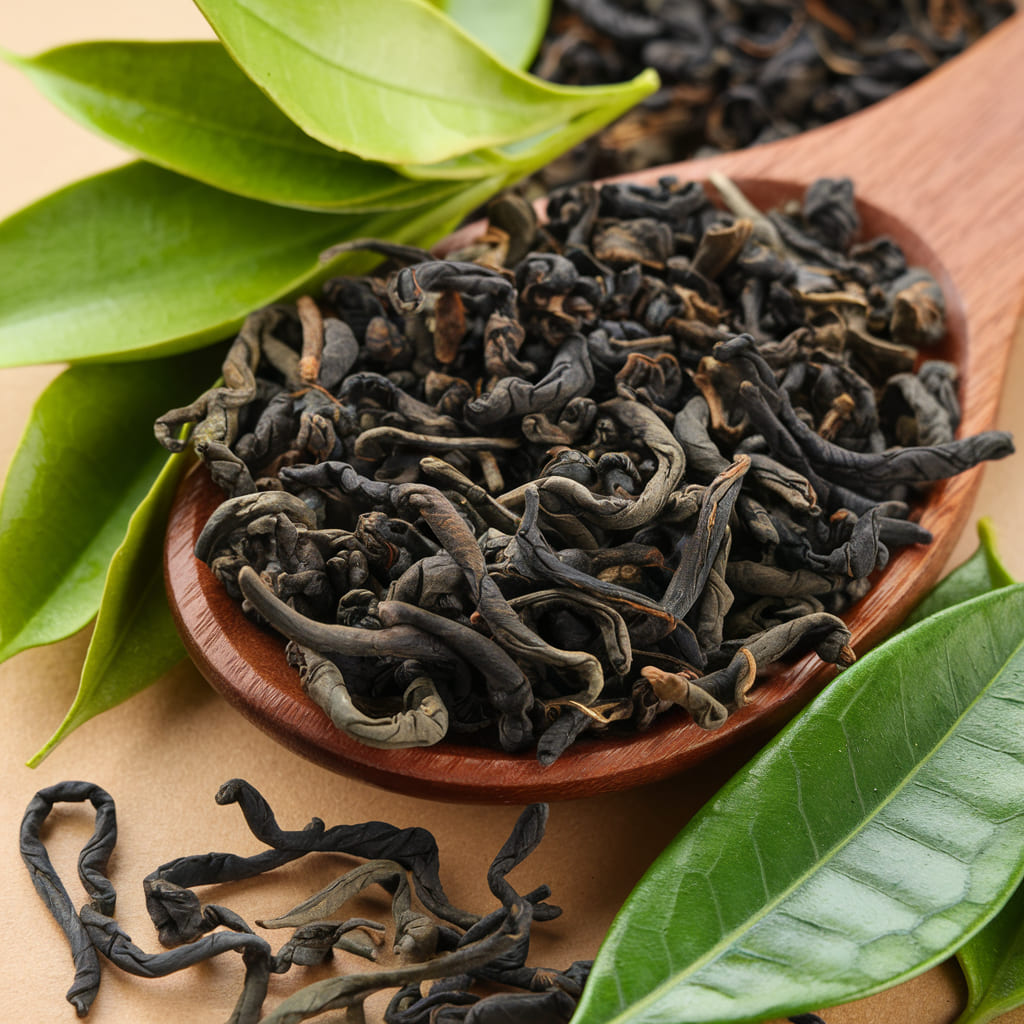
Making tea tree oil from scratch takes a bit of patience, but the result is worth it. True tea tree essential oil is made through steam distillation, but you can create a homemade infused oil that still carries many of the plant’s natural properties.
Ingredients:
- 1 cup fresh tea tree leaves (Melaleuca alternifolia)
- 1 cup carrier oil (olive oil, coconut oil, or jojoba oil)
- A glass jar with a tight lid
- A strainer or cheesecloth
Instructions:
- Crush the leaves. Lightly crush the fresh tea tree leaves to help release their natural oils.
- Combine with carrier oil. Place the crushed leaves in a glass jar and pour in the carrier oil, making sure the leaves are fully submerged.
- Infuse the oil. Seal the jar and place it in a warm, sunny spot for about two weeks, shaking it daily.
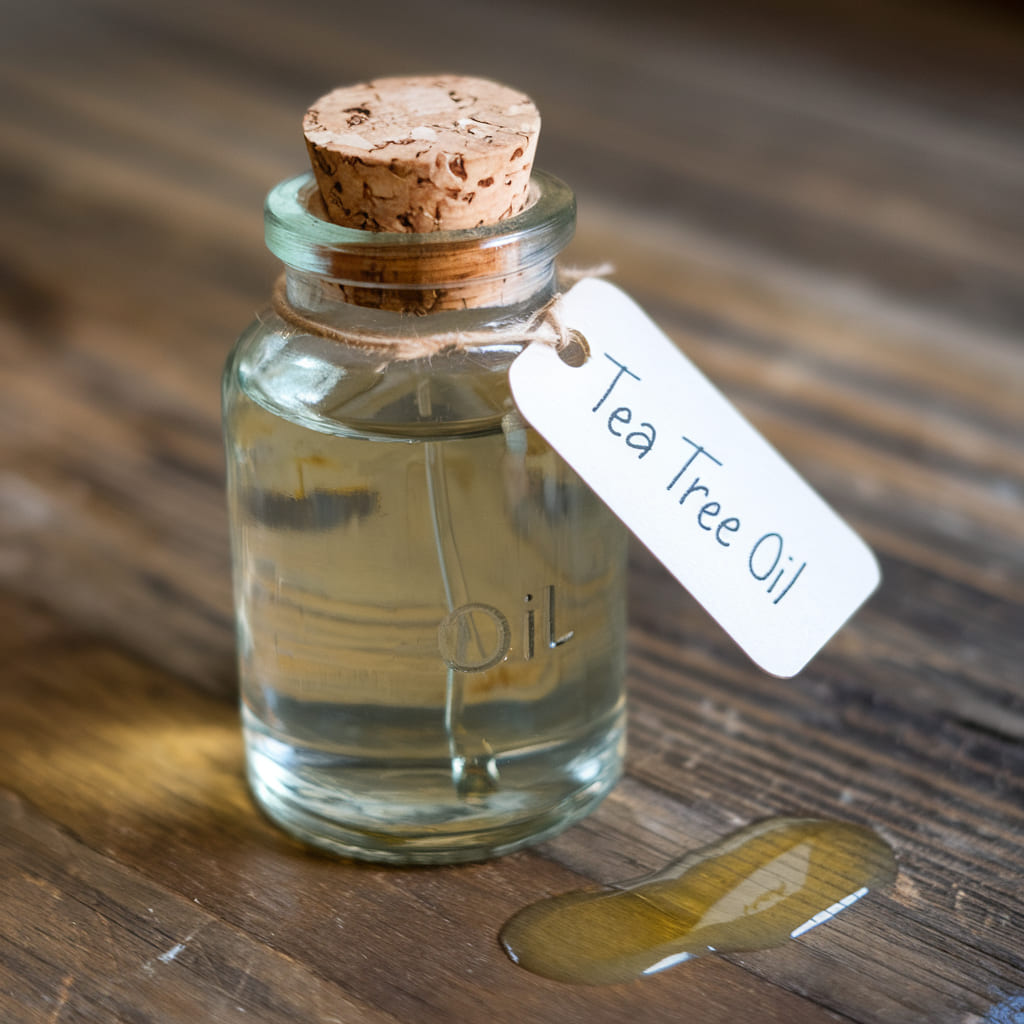
- Strain and store. After two weeks, strain out the leaves using cheesecloth. Store the infused oil in a dark glass bottle to help preserve its potency.
This homemade version won’t be as concentrated as commercial tea tree essential oil, but it still retains meaningful antibacterial and anti-inflammatory properties.
The Best Ways to Use Homemade Tea Tree Oil
- As an acne spot treatment. Mix a few drops with aloe vera gel and apply directly to pimples before bed to help reduce redness, inflammation, and bacteria overnight.
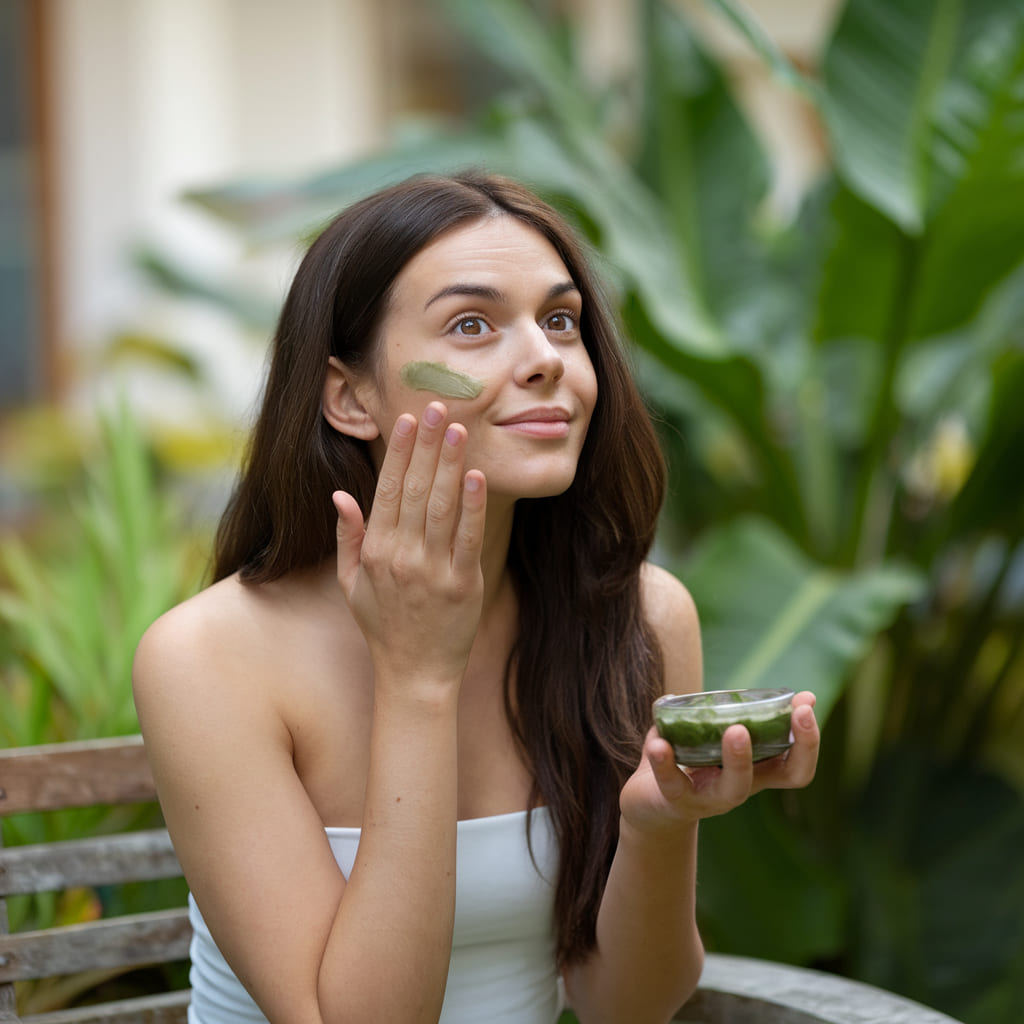
- As a face mask. Combine 1 teaspoon tea tree oil, 1 tablespoon honey, and 1 teaspoon yogurt. Apply to your face and leave on for 15 minutes before rinsing for a hydrating, detoxifying effect.
- As a scalp treatment. Massage a few drops into your scalp before washing your hair to help with dandruff and an itchy scalp.
- As a makeup remover. Mix a few drops with coconut oil and use a cotton pad to gently wipe away makeup while helping prevent breakouts.
- As a body scrub. Combine with sugar and coconut oil for an exfoliating scrub that clears dead skin and helps with body acne.
Tips for Storing and Using Homemade Tea Tree Oil
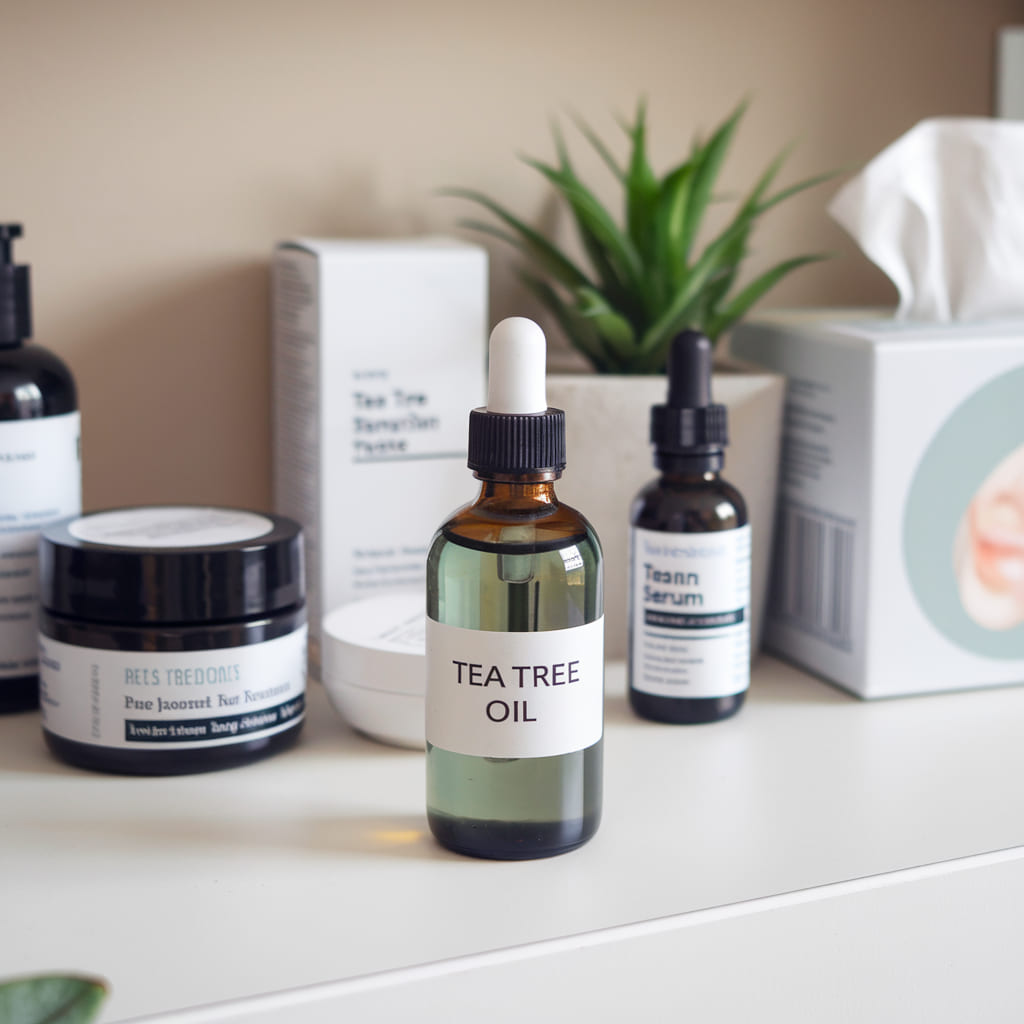
To keep it effective, store your homemade tea tree oil somewhere cool and dark, ideally in a glass bottle, since heat and light can degrade its potency over time. Always patch test before applying it to your skin to check for any sensitivity.
For best results, use it within six months. Since homemade versions lack the preservatives found in commercial oils, they don’t last quite as long.
Common Mistakes to Avoid
- Using too much at once. Tea tree oil is potent, so always dilute it before applying directly to your face.
- Improper storage. Storing it in plastic or leaving it in direct sunlight can reduce its effectiveness.
- Skipping the patch test. Some people experience sensitivity, so testing a small area first is always worth the extra step.
- Expecting instant results. Natural remedies take time and consistency to show meaningful change.
Disclaimer :
This article is for informational purposes only and does not replace professional medical advice. If you have sensitive skin or allergies, consult a dermatologist before using tea tree oil, and always patch test before applying it to your skin.
If you’re looking for a natural, chemical-free way to support your skincare routine, homemade tea tree oil is a solid option. It’s affordable, customizable, and offers real benefits for skin health.