
What Is a Lumbar Puncture? Purpose, Procedure, and Recovery
Being told you need a lumbar puncture can be unsettling, especially if you don’t know what it involves. Most people wonder the same things: why is it needed, will it hurt, and how long will recovery take? The good news is that a lumbar puncture, also called a spinal tap, is a routine procedure. It gives doctors valuable information about the brain and spinal cord, and in some cases it is used to treat neurological conditions as well.
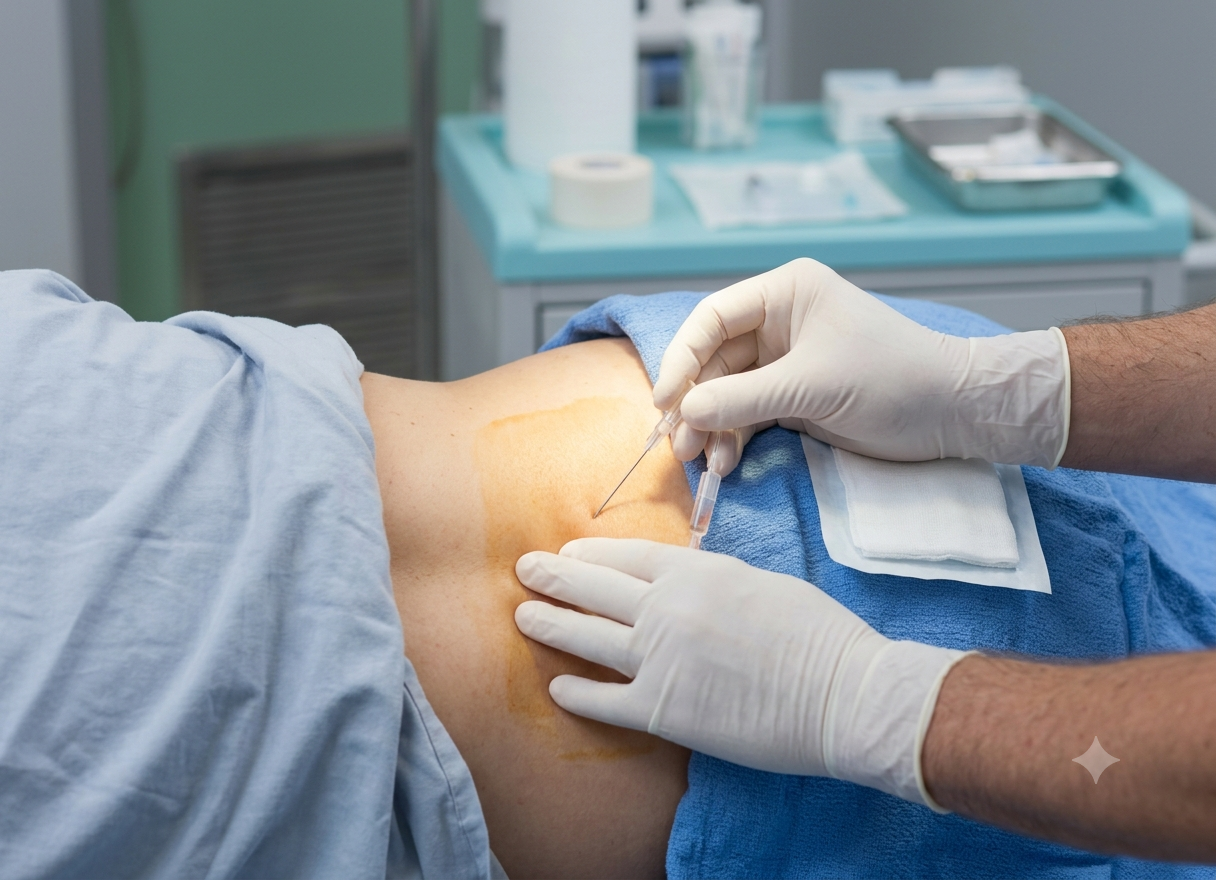
During the procedure, a thin, hollow needle is placed in the lower back to draw a small sample of cerebrospinal fluid (CSF), the clear liquid that cushions the brain and spinal cord. The needle enters below the point where the spinal cord ends, which keeps the risk of injury low. Besides collecting fluid for testing, doctors can use a lumbar puncture to measure CSF pressure or to deliver medicine straight into the spinal fluid.
A doctor may suggest one if they suspect meningitis, encephalitis, multiple sclerosis, an autoimmune disorder, bleeding around the brain, or a cancer that has reached the central nervous system. Testing the fluid often confirms or rules out these conditions, so treatment can begin sooner and with more confidence.
This guide covers what a lumbar puncture is, why it is done, how it is performed, what recovery looks like, and the risks and benefits, so you know what to expect at each stage.
What is a Lumbar Puncture?
A lumbar puncture is a procedure in which a thin needle is inserted into the lower back to collect cerebrospinal fluid or to inject medication. It is also known as a spinal tap, and it is one of the most important tools for diagnosing and treating conditions of the central nervous system.
Main Purpose of a Spinal Tap
A spinal tap has three main uses: collecting CSF for testing, measuring the pressure of the spinal fluid, and delivering medication directly into the spinal canal. This makes it both a strong diagnostic tool and a targeted treatment method.
For diagnosis, the fluid is sent to a laboratory and checked for signs of disease. The lab starts with a cell count. An increase in white blood cells points to infection or inflammation, while red blood cells can mean bleeding in the central nervous system, such as a subarachnoid hemorrhage. Doctors then measure protein and glucose. High protein can signal inflammatory conditions like Guillain-Barré syndrome or multiple sclerosis, and sometimes tumors, while very low glucose is a classic sign of bacterial meningitis because bacteria use up the sugar.
The fluid is also cultured to look for bacteria, fungi, or other organisms. Gram staining and PCR testing can quickly identify the cause of an infection, so the right antibiotic or antiviral treatment can start right away. Under the microscope, doctors look for abnormal or cancerous cells, which helps detect cancers such as leukemia or lymphoma that have spread to the central nervous system. When multiple sclerosis is suspected, the lab tests for oligoclonal bands, specific proteins that are a hallmark of the disease.
Beyond collecting fluid, a spinal tap lets doctors measure pressure inside the skull using a device called a manometer. This is key for diagnosing conditions like hydrocephalus and idiopathic intracranial hypertension.
Steps Involved During a Lumbar Puncture
The procedure follows a clear order: positioning, sterile skin preparation, local anesthetic, needle insertion, fluid collection, and a bandage. Each step is designed to keep you comfortable and safe while getting a good-quality sample.
It begins with positioning. You will usually lie on your side with your knees pulled toward your chest and your chin tucked down. Some people instead sit on the edge of the bed and lean forward over a pillow. Both positions curve the spine and open up the spaces between the vertebrae, which makes it easier for the clinician to place the needle.
Next, the skin on your lower back is cleaned with an antiseptic such as iodine or chlorhexidine to prevent infection. Sterile drapes are placed around the area so only a small clean patch is exposed. A local anesthetic like lidocaine is then injected into the skin and deeper tissue. You will feel a short sting or burning sensation, after which the area goes numb.
Once you are numb, the clinician guides a thin, hollow needle between two lumbar vertebrae, usually at the L3-L4 or L4-L5 level. In adults the spinal cord ends around L1-L2, so this spot is well below it and safe from cord injury. When the needle reaches the spinal canal, the inner stylet is removed and CSF begins to drip out. The fluid is collected in four or five sterile vials. If needed, a manometer is attached first to measure the opening pressure before any fluid is collected. Finally, the needle is withdrawn and a sterile bandage is placed over the site.
What Happens to The Cerebrospinal Fluid After Collected?
Right after collection, the vials are labeled and sent to the lab, where the fluid is tested for cells, chemistry, and microorganisms. Each of the four or five tubes is set aside for a particular type of test.
Collecting the fluid in sequence matters for another reason too. If the needle itself caused some bleeding, the first tube will contain more red blood cells than the last one. This helps doctors tell a traumatic tap apart from a true subarachnoid hemorrhage.
The first test is a cell count. Normal CSF contains very few red or white cells, so a high white cell count (pleocytosis) suggests infection or inflammation. A differential count shows which types of white cells are present, which helps separate bacterial, viral, and fungal infections. The lab also measures protein and glucose. High protein can point to inflammation, infection, or a tumor, and low glucose suggests bacterial meningitis. Doctors get the most accurate interpretation by comparing the CSF glucose with the patient’s blood glucose.
To find a specific germ, a Gram stain gives a fast first look at any bacteria present. The fluid is also placed in culture media, which can take several days but gives a definite answer. For viral infections, sensitive PCR tests detect the genetic material of viruses such as herpes simplex or enterovirus. If cancer is suspected, a pathologist examines the fluid under a microscope for malignant cells. For suspected multiple sclerosis, the lab looks for oligoclonal bands and measures the IgG index, both markers of inflammation within the central nervous system. All of these results go to the ordering doctor, who uses them to reach a diagnosis and plan treatment.
Reasons for Performing a Lumbar Puncture
A lumbar puncture is done for two main reasons: diagnosis, to identify neurological conditions, and treatment, to deliver medicine directly to the central nervous system. As a diagnostic tool, it offers a direct look at the environment around the brain and spinal cord.
CSF analysis can reveal infection, inflammation, cancer, or bleeding that blood tests, and sometimes even MRI or CT scans, may miss. That makes it essential for sudden, serious problems like meningitis as well as long-term conditions like multiple sclerosis. The information from the fluid often guides critical, even life-saving, treatment decisions.
Medical Conditions A Lumbar Puncture Can Help Diagnose
A lumbar puncture can help identify infections, inflammatory disorders, bleeding, and some cancers of the central nervous system. It is often the deciding test for confirming or ruling out these serious illnesses.
One of the most urgent uses is diagnosing infections. It helps identify bacterial, viral, or fungal meningitis (inflammation of the membranes around the brain and spinal cord) and encephalitis (inflammation of the brain itself). By checking the fluid for white cells, protein, glucose, and germs, doctors can find the cause quickly and start the right treatment, which can prevent serious brain damage or death.
The test is also important for other neurological conditions. In multiple sclerosis (MS), a long-term disease in which the immune system attacks the protective coating around nerves, the CSF often contains oligoclonal bands and a raised IgG index that do not appear in the blood. In Guillain-Barré syndrome, an autoimmune disorder that causes muscle weakness and paralysis, the CSF typically shows high protein with a normal white cell count.
A spinal tap can also detect a subarachnoid hemorrhage, which is bleeding between the brain and its surrounding membranes. A CT scan is the first test, but it can miss small bleeds. If someone has a sudden, severe “thunderclap” headache and a negative CT, a lumbar puncture can look for red blood cells or blood breakdown products to confirm the bleed.
The procedure can find cancers that have spread to the membranes around the brain and spine, a condition called meningeal carcinomatosis. This is especially relevant for leukemia, lymphoma, and solid tumors such as breast or lung cancer, where examining the CSF can reveal malignant cells. Finally, it helps diagnose, and sometimes treat, pressure-related conditions such as idiopathic intracranial hypertension (also called pseudotumor cerebri), which causes brain-tumor-like symptoms without a tumor, and normal pressure hydrocephalus, which leads to walking problems, dementia, and loss of bladder control in older adults.
Treatments Through a Spinal Tap
A spinal tap can be used to give spinal anesthesia, chemotherapy for central nervous system cancers, and antibiotics for severe infections. Giving medicine this way is called an intrathecal injection, meaning it goes directly into the fluid-filled space around the spinal cord.
This route bypasses the blood-brain barrier, the protective lining that keeps many substances in the blood from entering the brain. It allows higher drug concentrations to reach the target area with fewer side effects in the rest of the body.
Spinal anesthesia is the most common therapeutic use. Anesthesiologists inject local anesthetic into the CSF to numb and relax the lower body for surgeries such as cesarean sections, hip or knee replacements, and hernia repairs. Opioids like morphine or fentanyl can also be given this way for long-lasting pain relief at smaller doses than would be needed by mouth or through a vein.
For cancers that have spread to the central nervous system, such as acute lymphoblastic leukemia or certain lymphomas, chemotherapy given through a vein often cannot cross the blood-brain barrier. Drugs like methotrexate or cytarabine are therefore injected into the CSF so they reach the cancer cells directly. The same idea applies to severe infections. Some antibiotics and antifungals do not reach the brain well through the bloodstream, so when a meningitis infection is life-threatening or not responding to IV treatment, doctors may deliver these drugs into the spinal fluid to get a strong dose to the infection site.
A spinal tap can also be used to inject contrast dye for a myelogram, an X-ray study that shows the spinal cord, nerve roots, and surrounding structures. This is less common today because of advanced MRI, but it can still help detect herniated discs, spinal stenosis, or tumors.
Risks and Side Effects of a Lumbar Puncture
The most common problems are a headache after the procedure and back pain at the needle site. Very rarely, more serious complications such as bleeding, infection, or nerve irritation can occur.
When performed by an experienced clinician, the procedure is generally safe, and most side effects are mild and go away on their own with simple care. Serious complications are very uncommon thanks to modern techniques, sterile protocols, and careful patient selection. Screening beforehand for bleeding disorders or signs of high pressure in the skull lowers the risk further, so for most patients the benefits clearly outweigh the downsides.
Is a Lumbar Puncture Procedure Painful?
Usually not very. A local anesthetic numbs the skin and deeper tissue before the spinal needle goes in, though you will likely feel some pressure and brief discomfort.
The most noticeable part is the numbing shot, which feels like any other numbing injection, with a sting that lasts a few seconds. After that, the skin and tissue underneath are numb. As the needle passes between the vertebrae, what you mostly feel is deep pressure in the lower back, which is normal and expected.
Sharp pain is not typical, but some people feel a quick, electric-shock-like sensation down one leg if the needle brushes against a nerve root. It can be startling, but it is brief. The clinician adjusts the needle slightly and the feeling passes. It is important to tell them right away if this happens.
How much discomfort you feel can depend on your anatomy, your anxiety level, and the clinician’s skill. For most people, the worry beforehand is worse than the procedure itself, and needle insertion and fluid collection take only a few minutes.
Common Side Effects After a Spinal Tap
The most common side effect is a post-lumbar puncture headache (PLPH), often together with mild back soreness at the needle site.
This headache is thought to be caused by CSF leaking through the tiny hole the needle leaves in the dura, the tough membrane around the spinal cord. The leak lowers the volume and pressure of the fluid cushion around the brain. When you sit or stand, the brain may sag slightly and stretch pain-sensitive membranes, causing a throbbing headache. The key sign is that it gets worse when you are upright and improves or disappears when you lie flat. It can come with dizziness, nausea, ringing in the ears, or blurred vision. It usually starts within 24 to 48 hours and affects only a minority of patients, and the use of smaller “atraumatic” needles has made it less common.
Treatment starts with simple measures. Lying flat is the most effective relief, and drinking plenty of fluids helps too, including caffeinated drinks like tea or coffee, since caffeine may narrow blood vessels in the brain and boost CSF production. Over-the-counter pain relievers can ease the symptoms. If the headache is severe or lasts more than a few days, an epidural blood patch may be offered, in which a small amount of your own blood is injected near the puncture site to form a clot and seal the leak.
The other common side effect is back soreness, which feels like a mild bruise where the needle went in. It usually fades within a day or two, and an ice pack can help with tenderness or swelling.
Rare But Serious Complications of a Lumbar Puncture
Serious complications are very rare, but they include infection, significant bleeding in the spinal canal, nerve damage, and brainstem herniation. Providers take many precautions to prevent them, including strict sterile technique and screening for bleeding disorders or dangerously high pressure in the skull.
Bacteria introduced during the procedure could cause bacterial meningitis, which needs urgent antibiotic treatment. Thorough skin cleaning and sterile gloves, drapes, and equipment keep this risk very low. Bleeding is another possibility. Blood can collect at the puncture site as a spinal epidural or subdural hematoma, and the risk is highest in people with bleeding disorders or those taking blood thinners. A large hematoma can press on the spinal cord or nerves, causing severe back pain, weakness, numbness, or loss of bladder and bowel control, and it may need emergency surgery. This is why a careful medication review is always done beforehand.
The needle may briefly irritate a nerve root and cause a shooting pain down the leg, but permanent nerve damage is extremely rare because the needle enters low in the spine, well below the end of the spinal cord.
Brainstem herniation is the most serious complication and also the rarest. It can happen if the procedure is done on someone with very high pressure inside the skull, for example from a large tumor, abscess, or major swelling. Removing CSF can cause a sudden pressure drop, letting parts of the brain shift downward into the opening at the base of the skull (the foramen magnum), which can lead to coma or death. To prevent this, a CT or MRI of the brain is almost always done first if there is any suspicion of raised pressure.
How to Prepare for and Recover From a Lumbar Puncture
To prepare, talk with your doctor about your medications and medical history. Recovery mainly means resting, drinking extra fluids, and watching for side effects.
Good preparation and aftercare make the procedure safer and more comfortable and lower the chance of complications like a post-lumbar puncture headache. Being open with your care team beforehand lets them tailor the plan to you, and following the aftercare instructions is the best way to recover smoothly.
Preparation Before a Lumbar Puncture
Preparation involves a medication review, signing an informed consent form, arranging a ride home, and staying well hydrated.
The medication review comes first. Tell your provider about everything you take, including prescriptions, over-the-counter medicines, vitamins, and herbal supplements. Blood thinners are especially important. These include warfarin (Coumadin), rivaroxaban (Xarelto), apixaban (Eliquis), dabigatran (Pradaxa), and antiplatelet drugs such as clopidogrel (Plavix), ticagrelor (Brilinta), and even daily aspirin. They raise the risk of bleeding, so your doctor may tell you to pause them for a set time before the procedure.
Before the procedure begins, the doctor will go through informed consent. They will explain why the lumbar puncture is needed, how it works, and its benefits and risks. This is your chance to ask questions, and once you understand and agree, you will sign a consent form.
You may need to rest afterward and could feel dizzy or sore, so it is best not to drive yourself home. Arrange for a friend, family member, or ride service to take you. In most cases there are no food or drink restrictions unless you will be sedated. Drinking plenty of fluids in the day or two beforehand is often encouraged because it helps maintain CSF volume, and it is wise to wear loose, comfortable clothing to your appointment.
Recovery and Aftercare Process
Recovery centers on lying flat for a set period, drinking plenty of fluids, avoiding strenuous activity, and managing any discomfort. Following these steps is the best way to prevent or reduce a post-lumbar puncture headache.
Right after the procedure you will be asked to lie on your back for one to four hours. The evidence on the ideal length varies, but the aim is to let the puncture in the dura begin sealing and reduce CSF leakage. Your blood pressure and heart rate may be checked during this time. For the rest of the day you should take it easy, and for at least 24 to 48 hours you should avoid strenuous activity, heavy lifting, bending, and twisting. Light activity is usually fine the next day, but listen to your body and stop if something causes discomfort.
Drink extra fluids for the next 24 to 48 hours. Water, juice, and other non-alcoholic drinks help your body replace CSF more quickly, and many providers suggest caffeinated drinks like coffee, tea, or soda since caffeine may ease or prevent a headache. Some soreness in the lower back is common. You can use an ice pack for 15 to 20 minutes at a time and take acetaminophen (Tylenol) if needed. If a headache develops, the same approach applies: lie flat, stay hydrated, and take pain relief. You can remove the bandage after about 24 hours, and the area should be kept clean and dry.
Contact your doctor right away if you have a severe headache that does not improve with rest and medication, a fever, redness, swelling, or discharge at the puncture site, numbness, weakness, or tingling in your legs, or problems with bladder or bowel control. These can be signs of a rare but serious complication that needs urgent care.
Further Considerations and Alternatives to a Lumbar Puncture
A lumbar puncture is a critical test, but it needs careful thought about when it is unsafe, how it compares with other tests, and how it should be adapted for different patients. It is not always the first step, and its results must be read alongside symptoms and other test results. Vulnerable patients such as infants need a specialized approach to keep the procedure safe and accurate.
Situations Lumbar Puncture Is Not Recommended
A lumbar puncture is not done when the risks outweigh the benefits. These situations are called contraindications.
The most important one is suspected raised pressure inside the skull, particularly when a mass such as a brain tumor or large abscess is possible. A spinal tap can create a pressure difference between the skull and the spine, pushing the brainstem downward through the base of the skull, a life-threatening event called brain herniation. If there are warning signs such as focal neurological deficits or papilledema (swelling of the optic disc), a CT or MRI is done first. Another absolute contraindication is infection at the needle site, such as cellulitis or an abscess, because the needle could carry bacteria into the CSF and cause meningitis.
Bleeding risk is the next concern. Conditions like hemophilia or a very low platelet count (thrombocytopenia) raise the chance of a spinal epidural hematoma, which can compress the spinal cord and cause permanent damage or paralysis. People on blood thinners such as warfarin or the newer oral anticoagulants need careful management, and the procedure is often delayed until the medication wears off or is reversed. Finally, structural problems in the lower spine, such as advanced scoliosis, previous spinal fusion surgery, or severe disc degeneration, can make it hard or impossible to reach the spinal fluid safely. This is considered a relative contraindication.
Lumbar Puncture vs. MRI or CT scan
A lumbar puncture and imaging scans give different kinds of information, so they work together rather than replace each other. Imaging shows structure, while a lumbar puncture tests the chemistry and cells of the fluid inside that structure.
A CT scan uses X-rays to make cross-sectional images and is best for quickly spotting fractures, fresh bleeding, and large tumors. An MRI uses magnets and radio waves to produce detailed pictures of soft tissue, which makes it better for the brain, spinal cord, nerves, and subtle lesions such as those seen in multiple sclerosis. In short, scans show what the nervous system looks like, while a lumbar puncture shows what is happening inside it.
In multiple sclerosis, for example, an MRI may show lesions that fit the disease, and a lumbar puncture can help confirm it by finding oligoclonal bands. Imaging shows the effect, and CSF analysis helps reveal the cause. In a person with fever and severe headache, a CT may come first to rule out an abscess or bleed. If it is clear, a lumbar puncture checks for meningitis through white cells, bacteria, and changes in protein or glucose, none of which appear on a scan. For suspected subarachnoid hemorrhage, CT is the first test, but if it is negative and suspicion stays high, a lumbar puncture looks for red blood cells or xanthochromia (a yellow pigment from broken-down blood), which is definitive evidence of bleeding in the CSF space.
Spinal Tap Results
Normal CSF is clear and colorless, with very few cells and little protein. Doctors look at several features to diagnose or rule out conditions.
The first step is measuring opening pressure with a manometer. High pressure can suggest hydrocephalus, meningitis, or bleeding in the head. Next, the doctor notes how the fluid looks. Cloudy fluid strongly suggests infection because of white cells or microbes, while a reddish tint suggests fresh blood, either from a traumatic tap or a subarachnoid hemorrhage. Yellow fluid (xanthochromia) means blood has been present for several hours and is breaking down, which confirms a hemorrhage rather than a procedural artifact.
The lab then narrows things down. A high white cell count signals inflammation or infection. A majority of neutrophils usually points to bacterial meningitis, while mostly lymphocytes are more typical of viral meningitis or inflammatory conditions like MS. High protein can mean the blood-brain barrier has broken down, as happens with infection, inflammation, or tumors. CSF glucose is compared with blood glucose, and a markedly low level is a hallmark of bacterial meningitis. Gram stain and culture are used to see and grow the bacteria responsible, and cytology screens for cancer cells that have spread to the central nervous system. In suspected multiple sclerosis, oligoclonal bands indicate an immune response inside the central nervous system and support the diagnosis.
Lumbar Puncture On Children or Infants
The goal is the same as for adults, which is to obtain a CSF sample, but the technique, pain control, and anatomy considerations are adapted to a child’s body and stage of development.
Positioning is one of the biggest differences. Adults usually lie on their side, but infants are often held sitting upright and curled forward, which opens the spaces between the vertebrae in their small, flexible spines. Staying perfectly still is essential for safety, so comfort and pain control are handled differently. Infants may be given a pacifier dipped in sucrose solution, and older, anxious children may need sedation from a trained pediatric team.
Anatomy also changes the approach. An infant’s spinal cord ends lower, around L3, compared with L1-L2 in adults, so the needle usually goes in lower, at L4-L5 or L5-S1, for a wider safety margin. Smaller, shorter, thinner needles are used to reduce tissue trauma and the risk of post-puncture headache, although that headache is less common in young children. A needle with a stylet is sometimes used to keep skin cells from entering the spinal canal.
Infants also have far less CSF than adults, so only the minimum needed is collected, often just 1-2 mL per tube, to avoid instability. Opening pressure is measured less often in infants unless it is specifically needed, since a crying or agitated child makes an accurate reading hard to get.
FAQs
1. Is a lumbar puncture very painful?
Most people do not find it very painful. The skin and deeper tissues are numbed first, so you feel a brief sting from the injection, followed by pressure rather than sharp pain. Some people have mild lower back soreness afterward, which usually improves within a few days.
2. What is the main reason for a lumbar puncture?
The main reason is to collect and test cerebrospinal fluid. This helps doctors diagnose conditions of the brain and spinal cord, such as infections, inflammation, bleeding, and other neurological disorders. It can also be used to measure CSF pressure or give medication.
3. What diseases can be diagnosed with a lumbar puncture?
It can help diagnose meningitis, encephalitis, multiple sclerosis, Guillain-Barré syndrome, subarachnoid hemorrhage, and certain cancers involving the brain or spinal cord. The fluid can show signs of infection, inflammation, bleeding, or abnormal cells.
4. How long are you on bed rest after a lumbar puncture?
Many providers recommend lying flat or resting for one to several hours, though the advice varies. Resting, drinking fluids, and avoiding strenuous activity for the rest of the day may lower the chance of developing a headache.
5. How risky is a lumbar puncture?
It is generally safe when done by trained professionals. The most common side effect is a temporary headache, and less common risks include bleeding, infection, or temporary nerve irritation. Serious complications are rare but possible in high-risk situations, which is why providers assess each patient beforehand.
6. How many minutes will a lumbar puncture take?
The procedure itself usually takes 15 to 30 minutes. The whole appointment can be longer to allow for preparation, positioning, and observation afterward.
7. Can you walk after a lumbar puncture?
Yes, most people can walk after the recommended observation period if they feel well. Avoid heavy lifting, vigorous exercise, and other strenuous activity for at least 24 hours. If you develop a severe headache, dizziness, or other worrying symptoms, contact your healthcare provider.
Conclusion
A lumbar puncture is a valuable diagnostic and treatment procedure that reveals important information about the brain and spinal cord. A spinal tap can sound intimidating, but knowing why it is done, how it works, and what recovery involves can ease your worries and help you feel prepared.
For many neurological conditions, it plays a central role in reaching an accurate diagnosis and choosing the right treatment. Temporary headaches or back soreness can happen, but serious complications are uncommon when experienced professionals perform the procedure.
If your healthcare provider recommends a lumbar puncture, feel free to ask why it is needed, how to prepare, and what recovery will look like. Being well informed helps you approach the procedure with confidence and know when to seek medical help if something unusual happens afterward.