
Yeast & Rice Skincare Hacks for Hydrated, Radiant-Looking Skin
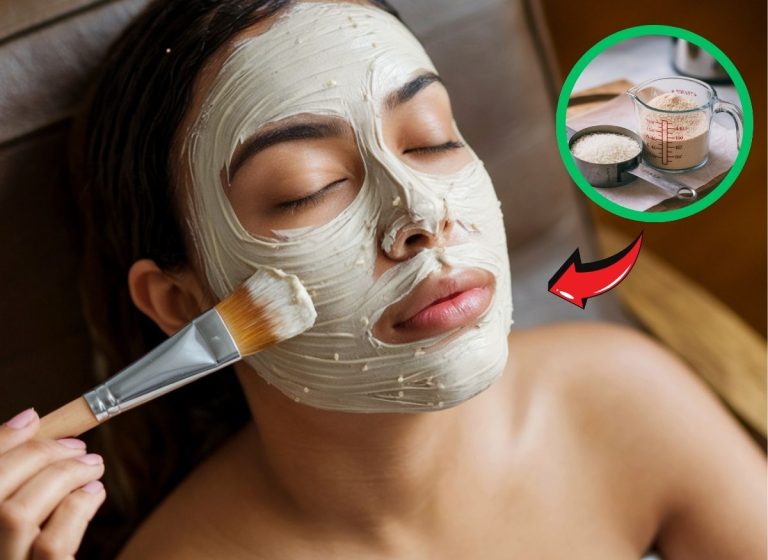
When it comes to skincare, we often reach for the newest creams and serums, chasing that one miracle ingredient. But what if something already sitting in your kitchen could deliver glowing, youthful looking skin?
Yeast and rice, two simple, everyday ingredients, tend to get overlooked in favor of flashier skincare solutions. Yet this pairing has been used in traditional beauty practices for centuries, offering real benefits for skin health.
Together, these ingredients bring a wide range of skincare perks that can help you achieve clear, glowing skin the natural way. Let’s look at effective ways to use them topically and explore some simple DIY recipes you can try at home.
1. The Skincare Benefits of Yeast and Rice
Yeast and rice aren’t just good for your health, they’re also excellent for your skin. Combined, they deliver a powerful mix of nutrients that nourish, protect, and refresh your complexion. Here’s how they work:
- Yeast’s Skin Revitalizing Power: Yeast is packed with B vitamins, amino acids, and antioxidants, all essential for healthy skin. It also carries natural anti-inflammatory properties, which can help calm redness and irritation.
- Rice’s Brightening and Soothing Effects: Rice, particularly rice water, has been part of beauty traditions across Asia for generations. It’s rich in antioxidants, vitamins, and minerals that help brighten skin, fade hyperpigmentation, and improve overall tone.
- Balanced Hydration: Both ingredients help maintain the skin’s moisture balance. Yeast is especially good at helping skin retain moisture, keeping it hydrated and plump, while rice water helps soften and smooth skin, boosting elasticity.
2. How Yeast and Rice Help Combat Acne and Breakouts
Acne is one of the most common skin struggles, and a natural remedy that actually works can make a real difference. Yeast and rice both offer properties that help clear breakouts:
- Yeast’s Antibacterial and Antifungal Qualities: Yeast contains natural antimicrobial compounds that help fight the bacteria behind acne. Using yeast based masks or treatments can target the root cause of breakouts and help prevent new ones.
- Rice’s Oil Absorbing Power: Rice is excellent at controlling excess oil, a major factor in acne development. Rice water has a gentle astringent quality that helps tighten pores and regulate oil production, keeping skin clearer and shine free.
3. DIY Yeast and Rice Skincare Remedies
Now that you know the benefits, here are a few simple, effective DIY remedies you can whip up at home.
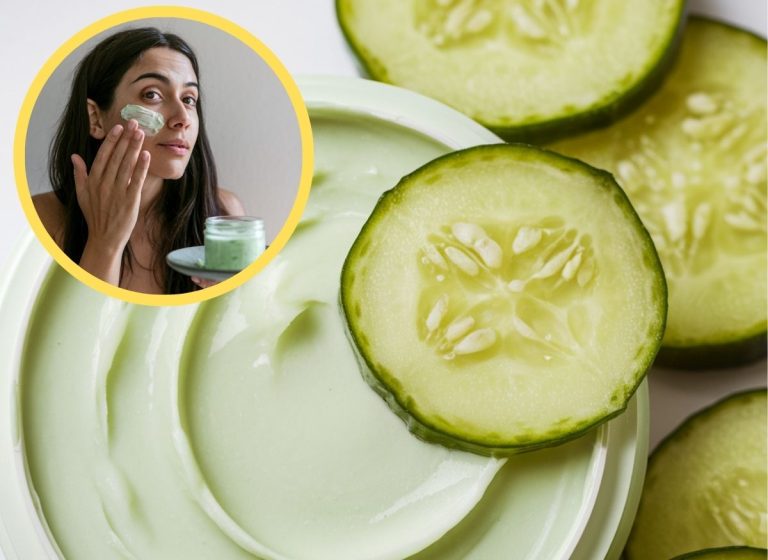
Yeast and Rice Face Mask for Glowing Skin
This easy mask combines yeast and rice to deliver essential nutrients to your skin, leaving behind a healthy glow.
What you’ll need:
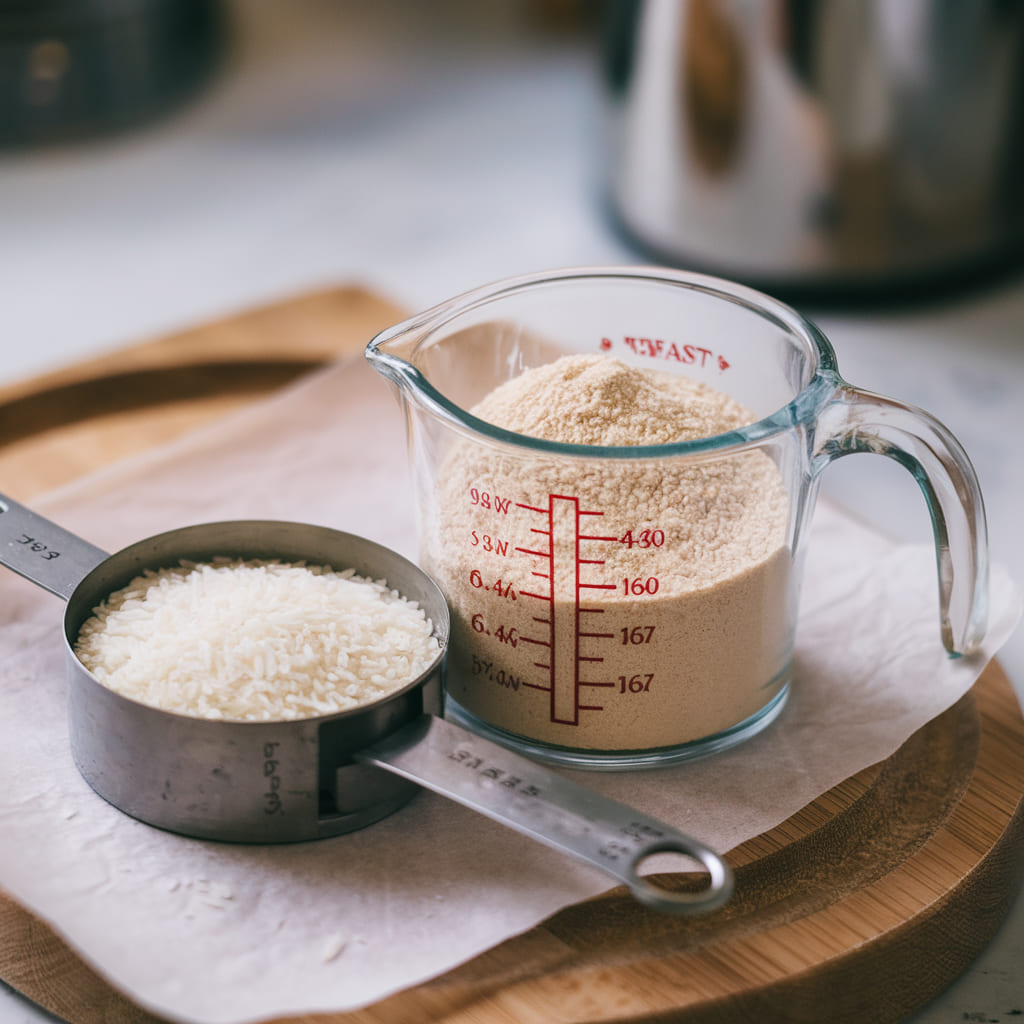
- 1 tablespoon yeast (active dry or brewer’s yeast)
- 2 tablespoons rice flour
- 1 tablespoon honey
- 1 to 2 tablespoons water or rose water
How to make it:
- In a small bowl, combine the yeast and rice flour.
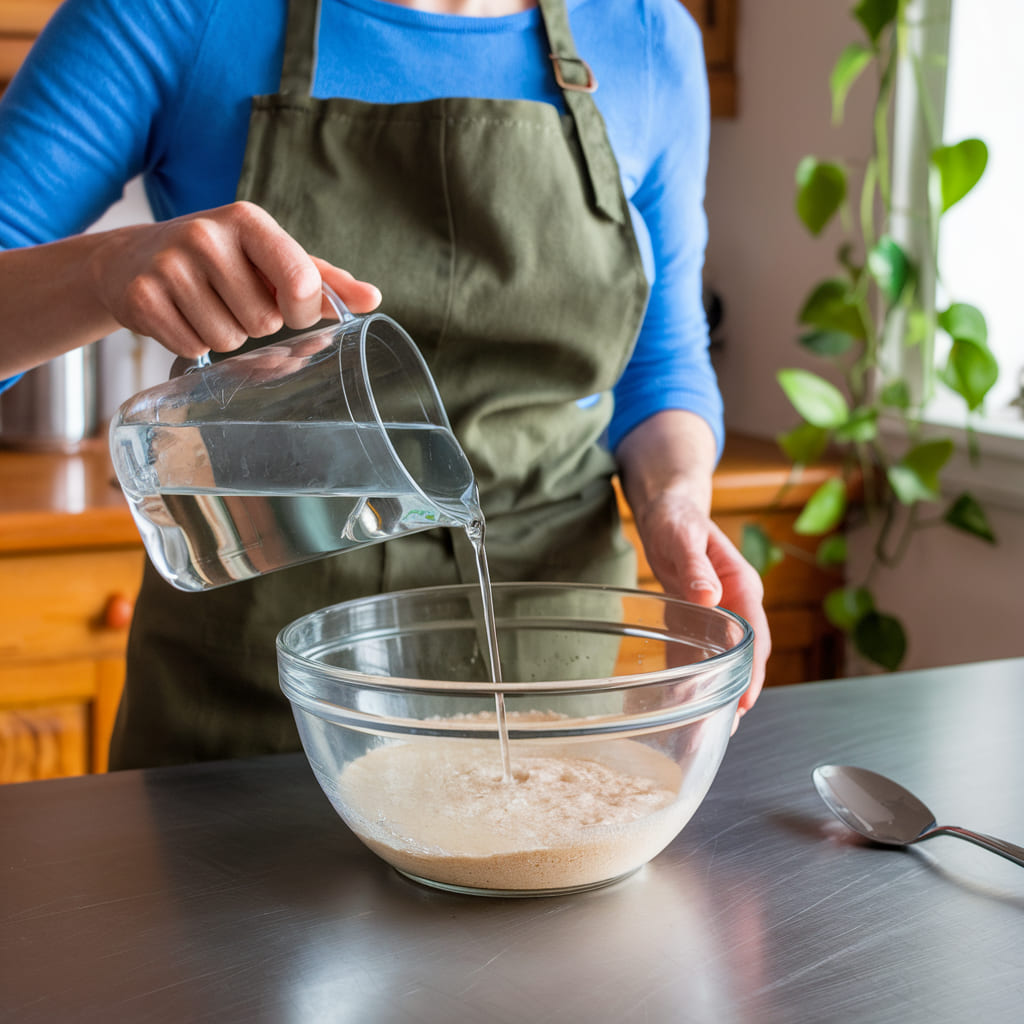
- Add the honey and water (or rose water) to form a smooth paste.
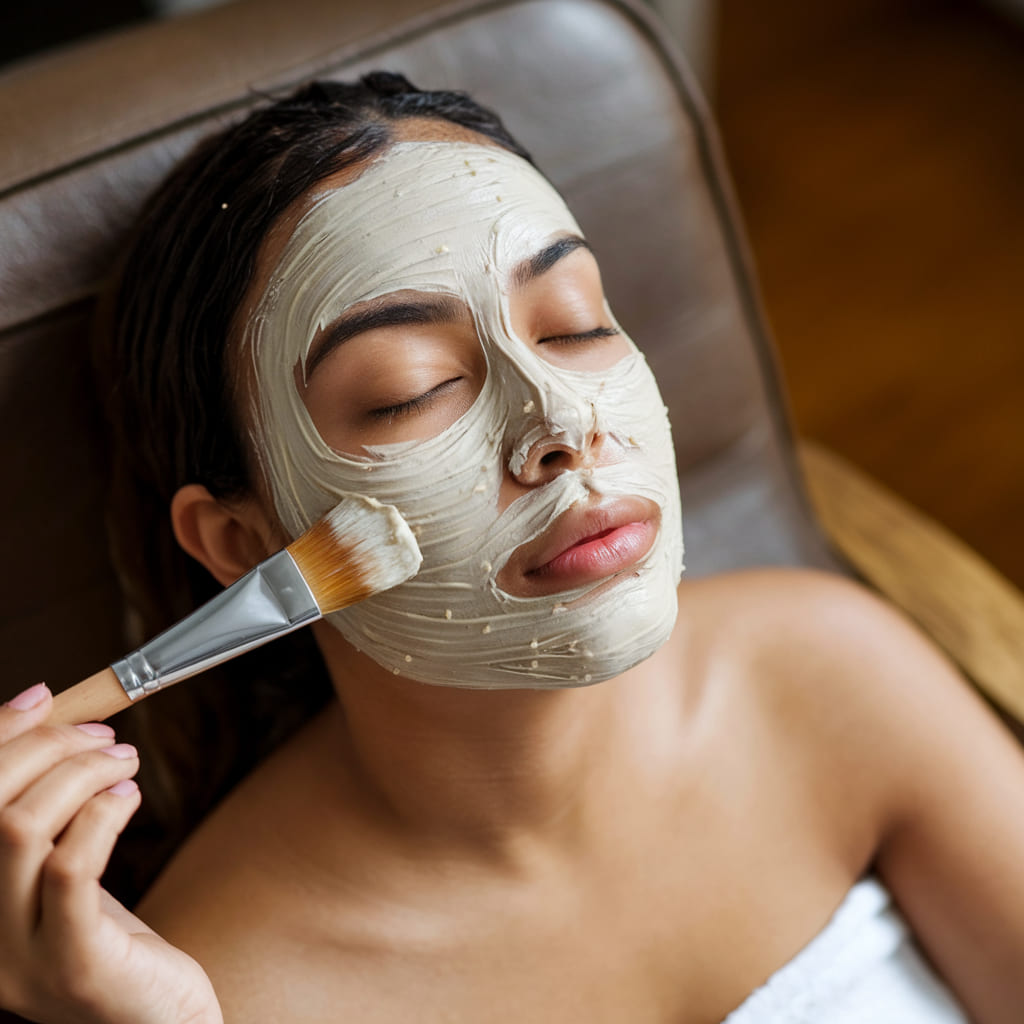
- Apply the mask to your face, avoiding the eye area.
- Leave on for 15 to 20 minutes, then rinse off with lukewarm water.
Rice Water and Yeast Acne Spot Treatment
This targeted treatment helps address individual acne spots, calming inflammation and fighting bacteria using the combined power of yeast and rice.
What you’ll need:
- 1 tablespoon yeast
- 2 tablespoons rice water (soak rice in water for 15 minutes, then strain)
- A few drops of tea tree oil (optional)
How to make it:
- Combine the yeast and rice water to form a paste.
- Apply the paste directly onto acne spots.
- Leave on for 10 to 15 minutes, then rinse off with water.
4. Nutritional Benefits for Healthy Skin
Beyond topical use, yeast and rice also offer valuable nutrients when included in your diet.
- Yeast for Skin Health: Nutritional yeast, which differs from baking yeast, is a rich source of B vitamins, including biotin, a nutrient that plays an important role in supporting healthy skin, hair, and nails.
- Rice for Skin Nourishment: Rice offers antioxidants and essential minerals like magnesium and zinc, which help protect skin against free radical damage and support healthy cell turnover.

5. Precautions to Keep in Mind
Yeast and rice are natural and generally well tolerated, but a few things are worth considering:
- Allergies: Some people may be allergic to yeast. If you know you have a yeast sensitivity or allergy, it’s best to skip yeast based skincare products, or at least patch test before applying them to your face.
- Rice Sensitivities: Although uncommon, some people may notice irritation or breakouts from rice based products. Always patch test before applying to your whole face.
- Use in Moderation: Both ingredients offer great benefits, but overuse isn’t recommended. Aim to use yeast based products about 2 to 3 times a week, and use rice based treatments in moderation as well to avoid clogged pores or irritation, especially on sensitive skin.

6. Disclaimer
This content is meant for general informational purposes only and isn’t a substitute for professional medical advice. Always consult a dermatologist or healthcare provider if you have specific skin concerns or allergies.
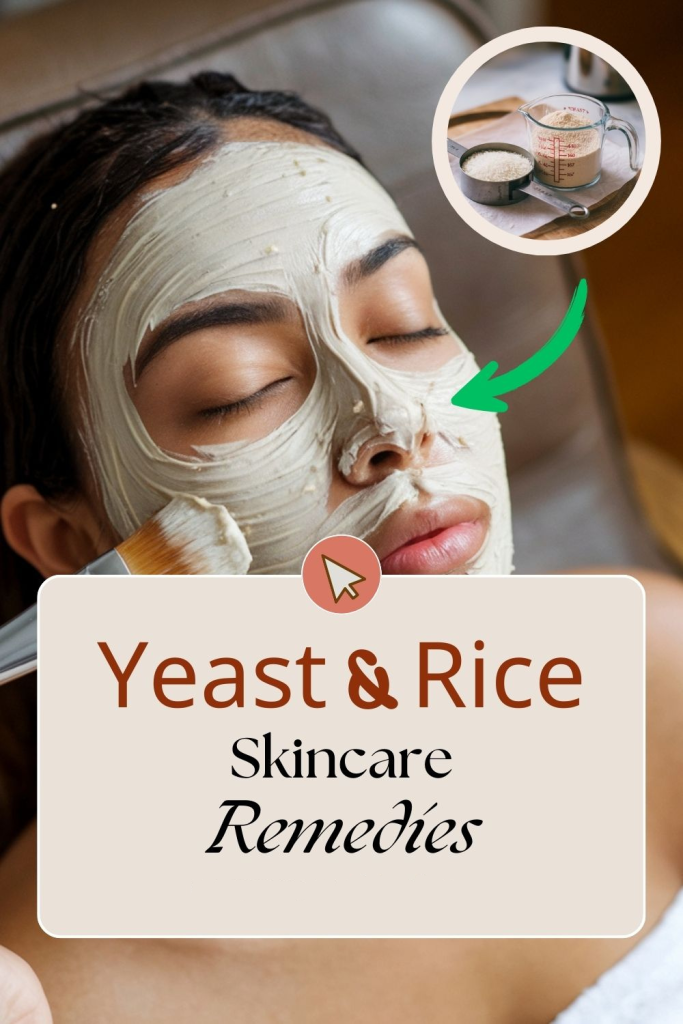
Yeast and rice might seem like ordinary pantry ingredients, but together they form a surprisingly powerful skincare duo that can enhance your natural beauty. You might be amazed at the difference they can make.