
7 Signs of MASH Liver Disease That Can Be Easy to Miss
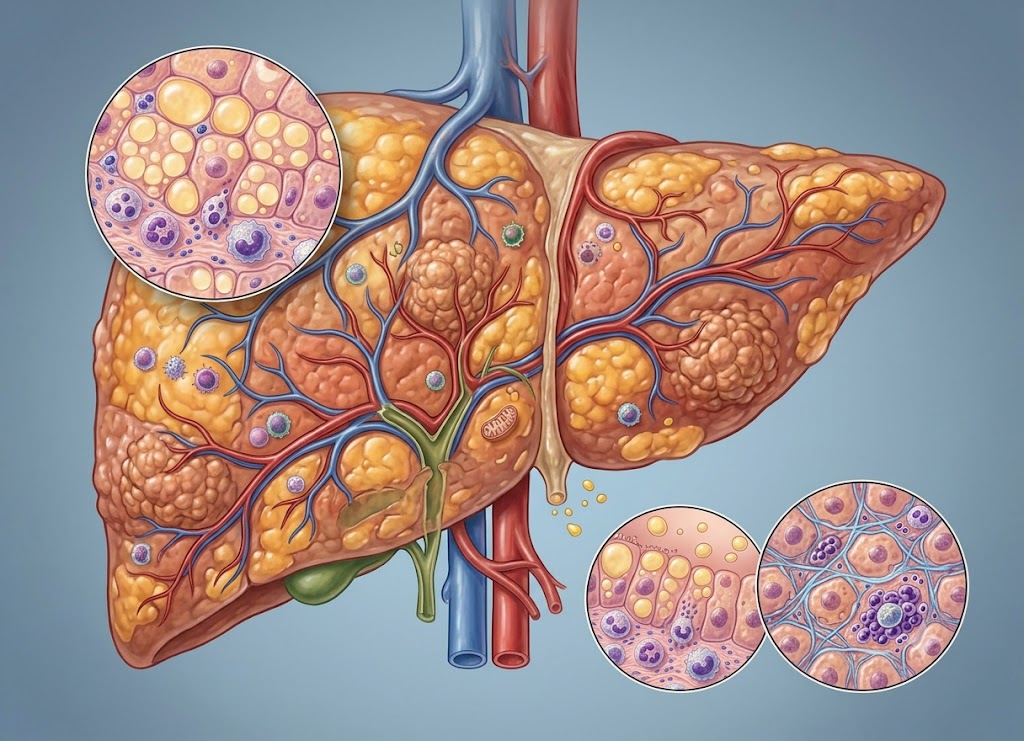
MASH liver disease, short for metabolic dysfunction-associated steatohepatitis, is a serious type of fatty liver disease associated with metabolic health problems. It develops when excess fat accumulates in the liver and causes inflammation and liver cell damage. Over time, this damage can lead to scarring.
One of the challenging things about MASH is that it can remain unnoticed for years. Many people have few or no obvious symptoms in the early stages and may only discover the condition after abnormal liver blood tests, imaging, or an evaluation related to diabetes, obesity, high cholesterol, or high blood pressure.
Recognizing possible signs of MASH can help people seek medical evaluation before liver damage becomes more advanced. Symptoms such as ongoing fatigue, upper-right abdominal discomfort, brain fog, skin changes, jaundice, swelling, and appetite or weight changes may be easy to overlook because they can resemble other common problems.
What is MASH Liver Disease?
Metabolic dysfunction-associated steatohepatitis (MASH) is a progressive form of liver disease in which excess fat in the liver occurs alongside inflammation and liver cell injury. It is considered a more serious form of metabolic dysfunction-associated steatotic liver disease (MASLD).
Understanding the difference between simple fatty liver and MASH is important. While simple fat accumulation may cause little immediate damage, MASH involves active inflammation and cellular injury. Over time, this can increase the risk of fibrosis, cirrhosis, liver failure, and liver cancer.
MASH is also closely associated with metabolic conditions such as type 2 diabetes, insulin resistance, obesity, abnormal cholesterol levels, and high blood pressure.
Deconstructing the Medical Term MASH
MASH stands for Metabolic dysfunction-associated steatohepatitis. The name describes both the metabolic factors associated with the condition and the changes taking place in the liver.
- Metabolic dysfunction-associated: This reflects the strong connection between MASH and metabolic problems such as insulin resistance, type 2 diabetes, obesity, and abnormal blood fats.
- Steatohepatitis: “Steato” refers to fat accumulation, while “hepatitis” refers to inflammation of the liver.
Together, these terms describe a condition in which excess liver fat is accompanied by inflammation and liver cell injury.
Metabolic Dysfunction-Associated
MASH is primarily associated with metabolic dysfunction rather than excessive alcohol consumption. Common contributing factors include insulin resistance, abdominal obesity, type 2 diabetes, high triglycerides, and unhealthy cholesterol levels.
These conditions can interfere with how the body processes fats and sugars, increasing the amount of fat stored in the liver.
Steatohepatitis
Steatohepatitis describes two important features of MASH:
- Steato-: Refers to steatosis, or an abnormal buildup of fat inside liver cells.
- -hepatitis: Refers to inflammation and injury involving liver tissue.
When excess fat causes cellular stress, inflammation may develop and gradually contribute to liver damage and scarring.
The Steatotic Liver Disease Spectrum: MASLD vs. MASH
MASH is part of the broader spectrum of metabolic dysfunction-associated steatotic liver disease, or MASLD.
At one end of the spectrum, a person may have excess fat in the liver without significant inflammation or injury. At the other end, MASH involves active inflammation, liver cell damage, and an increased risk of progressive fibrosis.
Simple Steatosis
Simple steatosis refers to fat accumulation in the liver without significant active inflammation or tissue injury. It generally carries a lower risk of serious liver damage than MASH, particularly when metabolic risk factors are addressed.
Active Steatohepatitis (MASH)
MASH develops when excess liver fat is accompanied by cellular stress, inflammation, and liver cell injury. Continued injury can activate the body’s healing response, leading to the formation of scar tissue called fibrosis.
If fibrosis becomes extensive, it can eventually progress to cirrhosis and impair normal liver function.
Structural Damage Profiles: Progression to Cirrhosis
Long-term inflammation and liver cell injury can change the structure of the liver. As the organ repeatedly attempts to repair itself, scar tissue may accumulate.
The general progression can be understood as:
Fat accumulation → Liver cell injury → Inflammation → Fibrosis → Advanced cirrhosis
As MASH progresses, several changes may occur:
- Liver Cell Injury: Excess fat and cellular stress can cause liver cells to become damaged.
- Fibrosis Development: Ongoing inflammation activates the liver’s repair processes, resulting in the formation of scar tissue.
- Advanced Cirrhosis: With severe and progressive scarring, healthy liver architecture can become significantly disrupted. This can interfere with blood flow and liver function and increase the risk of liver failure and liver cancer.
Systemic Metabolic Comorbidities
MASH is often associated with other metabolic health conditions. Because the same metabolic problems can affect both the liver and cardiovascular system, managing the condition usually involves more than focusing on the liver alone.
Commonly associated conditions include:
- Insulin resistance and obesity: These can increase the flow of fatty acids to the liver and promote liver fat accumulation.
- Type 2 diabetes: High blood sugar and insulin resistance can contribute to ongoing metabolic stress and liver injury.
- Cardiovascular disease: Metabolic dysfunction is also associated with an increased risk of cardiovascular problems.
Understanding these connections is important because improving overall metabolic health can be an important part of managing MASH.
7 Subtle Symptoms of MASH Liver Disease That Are Easy to Miss
The seven subtle signs discussed in this article are persistent fatigue, a dull ache in the upper-right abdomen, brain fog, spider angiomas, mild jaundice, swelling in the legs, and unexplained weight loss or appetite changes.
Early Systemic Signs of Liver Stress
The liver has a considerable ability to continue functioning even when it is under stress. Because of this, early or intermediate MASH may cause few noticeable symptoms.
When symptoms do appear, they can be vague and may easily be blamed on stress, poor sleep, aging, or other everyday issues.
Persistent, Rest-Resistant Fatigue
Ongoing tiredness that does not improve with adequate rest can occur in people with liver disease. Fatigue is also common in many other conditions, so it is not specific to MASH.
Inflammation and metabolic changes associated with MASH may contribute to feelings of low energy and general exhaustion.
Persistent Brain Fog
Some people with significant liver dysfunction may experience difficulty concentrating, memory problems, or a feeling of mental sluggishness.
More serious liver dysfunction can affect the body’s ability to process substances such as ammonia. However, brain fog has many possible causes, so this symptom alone cannot establish that someone has MASH.
Localized and Vascular Indicators
As liver disease becomes more advanced, physical changes may sometimes appear in the abdomen or on the skin.
Dull Upper-Right Abdominal Ache
A dull ache, pressure, or feeling of fullness in the upper-right part of the abdomen can sometimes occur when the liver becomes enlarged.
The liver itself has limited pain-sensing nerves, but its surrounding capsule contains nerve endings. Swelling or enlargement of the liver can stretch this capsule and contribute to discomfort beneath the right rib cage.
Because abdominal discomfort has many possible causes, it should not automatically be attributed to MASH.
Spider Angiomas
Spider angiomas, sometimes called spider nevi, are small visible blood vessels that can have a spider-like appearance. They may occur on areas such as the face, neck, upper chest, or arms.
They can be associated with chronic liver disease, although they are not exclusive to liver conditions. Their presence should be interpreted by a healthcare professional alongside other findings.
Advanced Markers of Liver Dysfunction
As liver disease progresses and significant scarring develops, the liver may become less effective at performing some of its normal functions.
Mild Jaundice
Jaundice causes the skin or, more noticeably, the whites of the eyes to develop a yellowish color. It occurs when bilirubin builds up in the blood and tissues.
Liver disease can interfere with the normal processing and removal of bilirubin. Jaundice should always be medically evaluated because it can have several causes and may indicate significant liver dysfunction.
Peripheral Edema
Swelling of the legs, ankles, or feet can occur when advanced liver disease affects fluid balance.
The liver produces albumin, a protein that helps keep fluid inside blood vessels. When severe liver disease reduces albumin production, fluid can move into surrounding tissues and cause swelling.
Edema can also result from heart, kidney, vein, medication, or other health problems, so it requires appropriate evaluation.
Metabolic and Appetite Changes
Ongoing inflammation and advanced liver dysfunction can sometimes affect appetite, nutrition, and body weight.
Unexplained Weight Loss or Appetite Changes
A noticeable reduction in appetite or unintentional weight loss can occur in people with advanced liver disease. Chronic illness and inflammation may contribute to reduced appetite and changes in how the body uses nutrients.
Unexplained weight loss should be discussed with a healthcare professional because it can have many possible causes.
Summary Matrix of Subtle MASH Symptoms
| Subtle MASH Sign | Possible Connection | Why It May Be Missed |
|---|---|---|
| Persistent Fatigue | Inflammation and metabolic changes may contribute to low energy. | It may be blamed on stress, poor sleep, or everyday tiredness. |
| Upper-Right Abdominal Ache | Liver enlargement may stretch the surrounding capsule. | It may be mistaken for indigestion, muscle discomfort, or another abdominal problem. |
| Brain Fog | Advanced liver dysfunction can affect cognitive function. | It may be attributed to poor sleep, stress, or difficulty concentrating. |
| Spider Angiomas | Can occur in association with chronic liver disease. | They may be viewed as ordinary skin changes. |
| Mild Jaundice | Bilirubin can accumulate when liver function is impaired. | A subtle change in skin or eye color may initially go unnoticed. |
| Peripheral Edema | Advanced liver dysfunction can contribute to fluid retention. | It may be attributed to standing, diet, or circulation problems. |
| Unexplained Weight Loss or Appetite Changes | Chronic illness may affect appetite and nutritional status. | It may be mistaken for an intentional diet or lifestyle change. |
If several symptoms occur together, particularly in someone with metabolic risk factors, medical evaluation can help determine whether liver disease or another condition is involved.
The Primary Causes and Risk Factors for MASH Liver Disease
MASH is strongly associated with metabolic dysfunction. Major risk factors include abdominal obesity, insulin resistance, type 2 diabetes, high blood pressure, high triglycerides, and abnormal cholesterol levels.
These factors can affect the way the body handles fats and sugars. Over time, excess energy may be stored in the liver, where it can contribute to inflammation and liver cell injury.
Diet, physical activity, genetics, and other health conditions may also influence a person’s risk.
Is There a Link Between MASH and Metabolic Syndrome?
Yes. MASH has a strong association with metabolic syndrome, a collection of metabolic risk factors that commonly occur together.
Metabolic syndrome generally involves at least three of the following:
- Excess abdominal fat
- High blood pressure
- High blood sugar or type 2 diabetes
- High triglycerides
- Low HDL cholesterol
Insulin resistance is an important underlying factor for many people with metabolic syndrome.
These metabolic problems can increase the amount of fat reaching or being produced in the liver. Continued fat accumulation can create cellular stress and contribute to the inflammation and injury seen in MASH.
Can Your Diet and Lifestyle Lead to MASH Liver Disease?
Diet and lifestyle can contribute to the metabolic problems associated with MASH. A diet consistently high in calories, added sugars, refined carbohydrates, and unhealthy fats may increase the risk of excess liver fat, particularly when combined with physical inactivity.
Sugary drinks and foods containing large amounts of added sugars can contribute to excess calorie intake and metabolic dysfunction.
A sedentary lifestyle may also worsen insulin resistance and promote the accumulation of visceral fat around internal organs. Regular physical activity can support insulin sensitivity, metabolic health, and liver health.
Lifestyle changes are therefore an important part of preventing and managing metabolic liver disease.
How Is MASH Liver Disease Diagnosed and Monitored?
MASH is evaluated using a combination of medical history, blood tests, imaging, fibrosis assessment, and, in selected cases, liver biopsy.
Monitoring may involve repeating certain tests over time to determine whether liver inflammation or scarring is progressing.
The Histological Stages of Liver Scarring (F0–F4)
Fibrosis describes the amount of scar tissue present in the liver. Clinicians commonly describe fibrosis using stages from F0 to F4.
F0 → F1 → F2 → F3 → F4
- F0 (No Fibrosis): No significant liver scarring is present.
- F1 (Mild Fibrosis): Early scar tissue is present.
- F2 (Moderate Fibrosis): Fibrosis is more established and extends beyond the earliest areas of scarring.
- F3 (Advanced/Bridging Fibrosis): More extensive bands of scar tissue develop and begin connecting different areas of the liver.
- F4 (Cirrhosis): Extensive scarring has altered the normal structure of the liver and represents cirrhosis.
The amount of fibrosis is an important factor when assessing the severity and long-term risk of liver disease.
The Diagnostic Protocol: Labs, Imaging, and Tissue Biopsy
Evaluating suspected MASH usually involves several types of testing.
Initial Laboratory and Standard Imaging Assessments
Blood tests may include liver enzymes such as ALT and AST. Abnormal results can indicate liver injury, although liver enzymes alone cannot confirm or exclude MASH.
An abdominal ultrasound may also be used to look for excess fat in the liver. However, standard ultrasound cannot reliably determine the full extent of inflammation or accurately stage fibrosis.
Specialized Non-Invasive and Invasive Tools
- Transient Elastography (FibroScan): This non-invasive test measures liver stiffness and can help estimate the degree of fibrosis.
- Liver Biopsy: In selected cases, a biopsy may be performed when more detailed information about inflammation, liver cell injury, or fibrosis is needed.
A biopsy involves taking a small sample of liver tissue for examination under a microscope. It can provide detailed information about fat accumulation, inflammation, cell injury, and fibrosis.
Structural Comparison: MASH vs. Alcohol-Related Liver Disease
MASH and alcohol-related liver disease can produce some similar changes in liver tissue, including fat accumulation, inflammation, and scarring.
The main difference is the underlying cause. MASH is associated with metabolic dysfunction, while alcohol-related liver disease results from excessive alcohol exposure.
Because liver changes can overlap, healthcare professionals consider a person’s medical history, alcohol use, laboratory findings, imaging, and other information when determining the likely cause of liver disease.
The “Lean MASH” Phenotype: Metabolic Issues Beyond BMI
Being within a healthy weight range does not completely eliminate the possibility of metabolic fatty liver disease.
Some people can develop fatty liver disease despite having a normal BMI. This is sometimes described as lean MASH when MASH is present.
Several factors may contribute:
- Visceral Fat: Fat stored around internal organs may contribute to metabolic dysfunction even when a person’s overall weight appears normal.
- Genetic Factors: Certain genetic variations may influence how the body stores and processes fat.
- Hidden Metabolic Problems: Insulin resistance, abnormal triglycerides, high blood pressure, and other metabolic abnormalities can occur regardless of body size.
This is why metabolic health cannot be judged by body weight alone.
Conclusion
MASH liver disease can be difficult to recognize because it often causes few or no noticeable symptoms during its earlier stages. When symptoms do develop, they may include persistent fatigue, upper-right abdominal discomfort, brain fog, skin changes, jaundice, swelling, appetite changes, or unintentional weight loss.
Because MASH can progress to fibrosis, cirrhosis, liver failure, or liver cancer, identifying liver disease and addressing its underlying risk factors are important.
If you have metabolic risk factors or persistent symptoms that could be related to liver problems, a healthcare professional can determine whether blood tests, imaging, fibrosis assessment, or specialist evaluation may be appropriate.
Frequently Asked Questions
1. What Is MASH Liver Disease?
MASH stands for metabolic dysfunction-associated steatohepatitis. It is a form of fatty liver disease in which excess fat is accompanied by liver inflammation and cell injury.
Over time, ongoing inflammation can contribute to fibrosis and, in some people, cirrhosis and other serious liver complications. MASH was previously known as NASH, or nonalcoholic steatohepatitis.
2. What Are Common Signs of MASH Liver Disease?
Many people with MASH do not experience noticeable symptoms, especially in the early stages.
When symptoms occur, they may include fatigue, weakness, discomfort in the upper-right abdomen, reduced appetite, or unexplained changes in weight. More advanced liver disease may cause itching, swelling, jaundice, dark urine, or pale stools.
These symptoms can have many causes and should be evaluated by a healthcare professional.
3. Who Is at Risk for MASH Liver Disease?
People with obesity, type 2 diabetes, insulin resistance, high triglycerides, abnormal cholesterol, or high blood pressure have an increased risk.
MASH can also occur in people who are not overweight. Genetics, diet, physical inactivity, and other metabolic or health conditions may contribute to risk.
4. How Is MASH Liver Disease Diagnosed?
Doctors may use blood tests, imaging studies, fibrosis assessments, and sometimes a liver biopsy.
Blood tests can identify signs of liver injury, but normal liver enzymes do not always rule out liver disease. Imaging can detect liver fat or signs of scarring, while elastography can help estimate liver stiffness.
A biopsy may be considered when doctors need detailed information about inflammation, liver cell injury, or fibrosis.
5. How Is MASH Liver Disease Treated?
Management commonly focuses on improving metabolic health through healthy eating, regular physical activity, weight management when appropriate, and control of conditions such as diabetes, high cholesterol, and high blood pressure.
Some people with more advanced disease may be candidates for medications under medical supervision. Those with cirrhosis or serious complications may require ongoing specialist care and, in severe cases, evaluation for liver transplantation.