
Baking Soda and Banana Peels: A Natural Way to Fight Wrinkles and Aging Skin
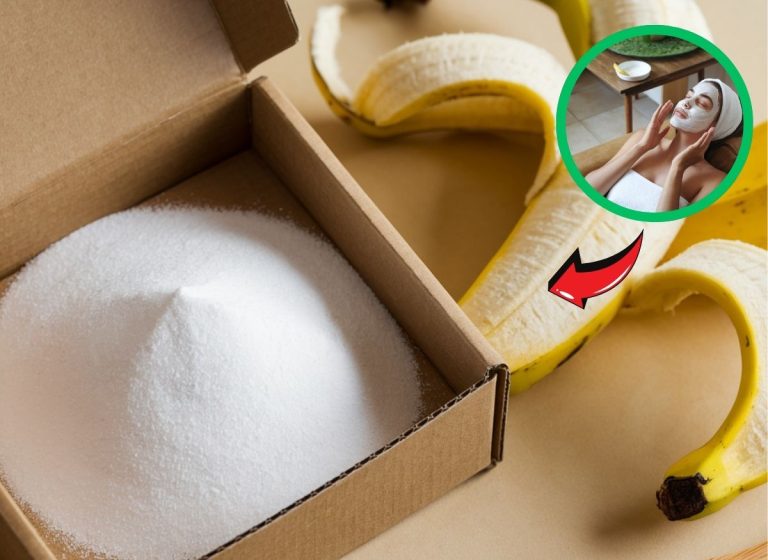
Sometimes the best skincare ingredients are already sitting in your kitchen. Baking soda and banana peels are two everyday items that many people swear by for smoother, younger-looking skin and the best part is, they cost almost nothing.
This guide walks through why these two ingredients work well together, how to use them at home, and how often you should try them for the best results.
The Anti-Aging Benefits of Baking Soda and Banana Peels
Natural Exfoliation for Smoother Skin
Both ingredients act as natural exfoliants. Baking soda has a fine, slightly gritty texture that helps buff away dead skin cells, while banana peels bring antioxidants that nourish and brighten skin as you exfoliate.
Exfoliating regularly clears the way for fresh, new skin cells to surface, which over time can soften the look of fine lines and wrinkles.
Rich in Antioxidants to Fight Wrinkles
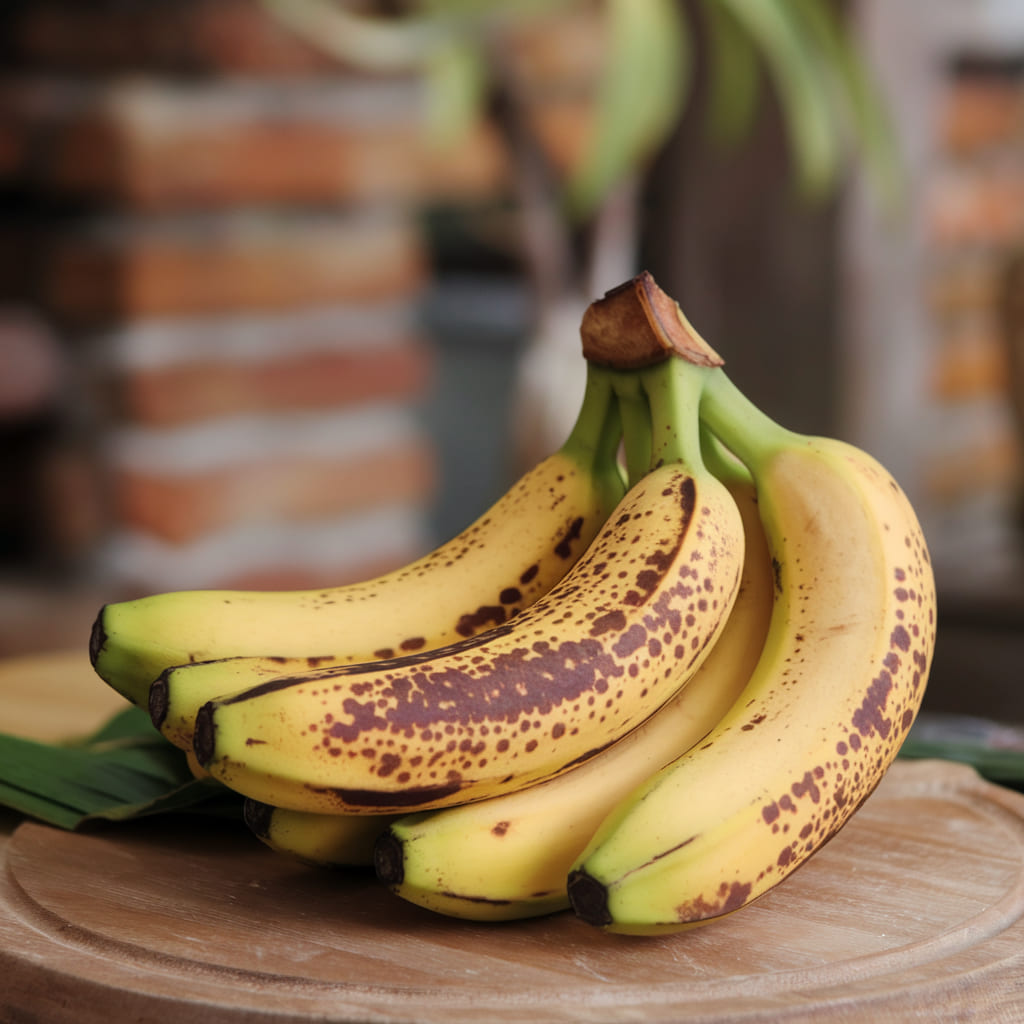
Banana peels are a surprisingly good source of antioxidants, including vitamin C and vitamin E. These nutrients help shield skin from everyday stressors like pollution and sun exposure two of the biggest culprits behind premature wrinkles.
Used together, baking soda and banana peels can help calm oxidative stress on the skin, supporting a more youthful appearance over time.
Helps Promote Collagen Production
Collagen keeps skin firm and bouncy, but production naturally slows with age, leading to sagging and creasing. The vitamin C in banana peels plays a role in collagen synthesis, while baking soda helps balance your skin’s pH creating conditions that are more favorable for collagen to do its job.
DIY Remedies Using Baking Soda and Banana Peels for Anti-Aging
1. Baking Soda and Banana Peel Face Mask
Ingredients:
- 1 ripe banana peel
- 1 teaspoon baking soda
- 1 tablespoon honey (optional)
How to make it:
- Cut the banana peel into small pieces.
- Blend until you get a smooth paste.
- Stir in the baking soda (and honey, if using).
- Spread the mixture over your face and let it sit for 10–15 minutes.
- Rinse with warm water, then moisturize as usual.
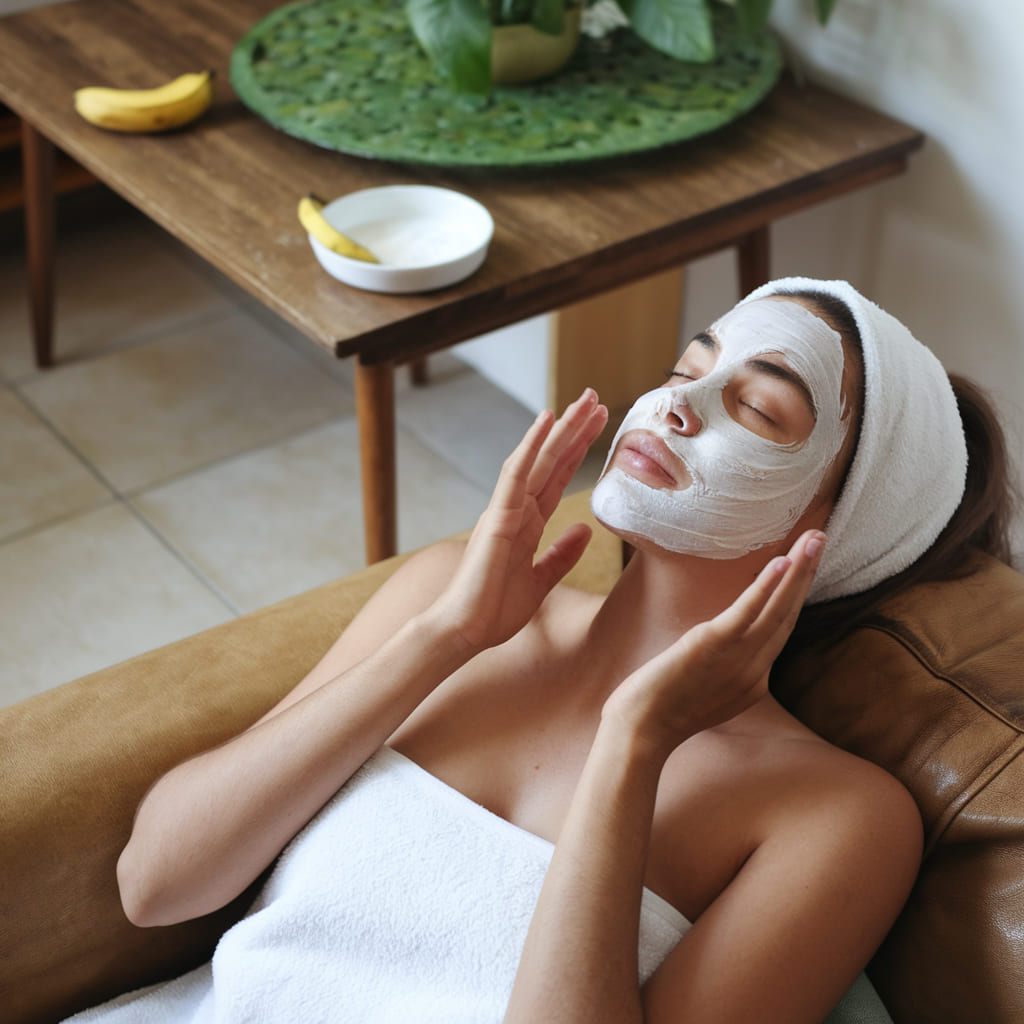
This mask combines hydration with exfoliation, leaving skin feeling soft and refreshed while the antioxidants and gentle exfoliation work together.
2. Banana Peel and Baking Soda Scrub
You’ll need:
- 1 banana peel
- 1 teaspoon baking soda
- 1 teaspoon olive oil or coconut oil
How to make it:
- Blend the banana peel into a smooth paste.
- Mix in the baking soda and oil.
- Massage onto skin in small circles for 2–3 minutes.
- Rinse with warm water and pat dry.
The oil keeps skin moisturized while the banana peel supplies antioxidants and the baking soda smooths away rough texture and fine lines.
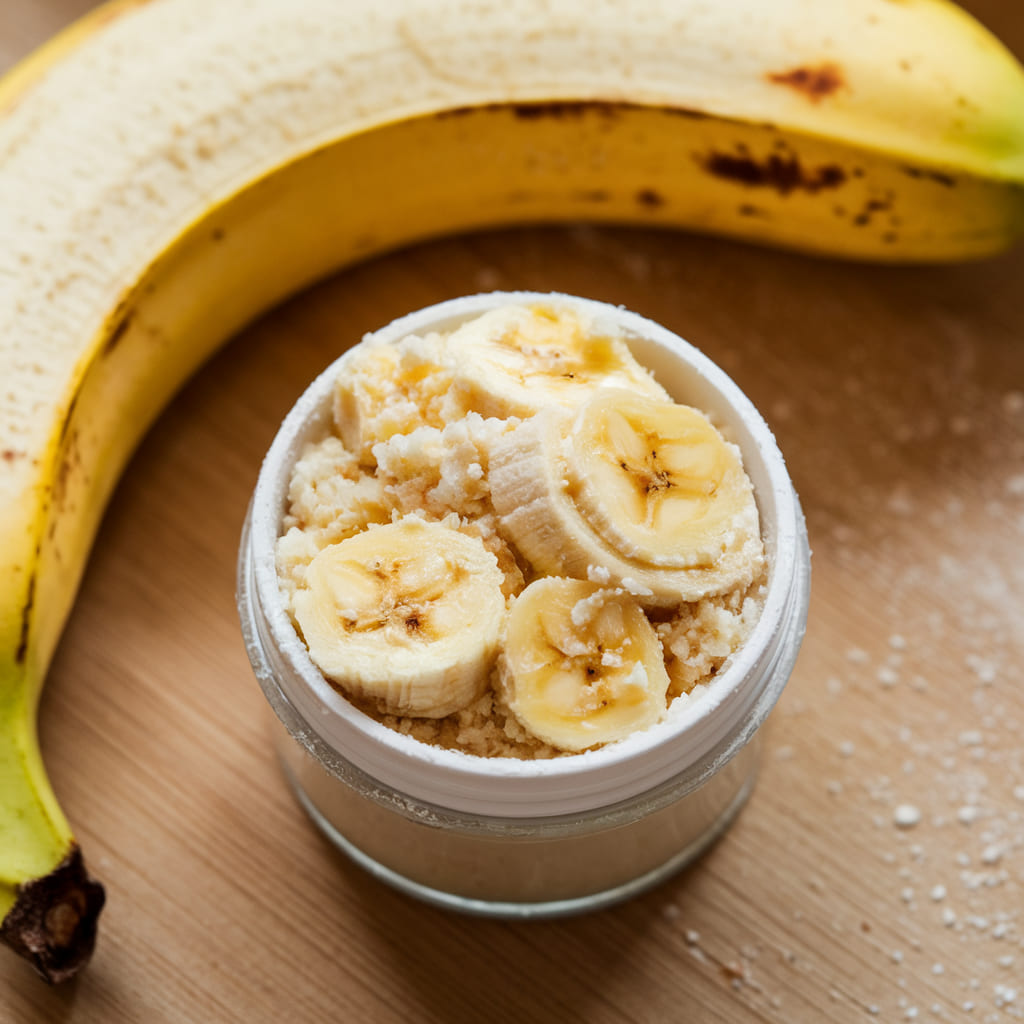
3. Baking Soda and Banana Peel Toner
You’ll need:
- 1 banana peel
- 1 teaspoon baking soda
- ½ cup water
How to make it:
- Blend the banana peel into a smooth paste.
- Mix in the baking soda and water.
- Sweep over your face with a cotton pad and leave on for a few minutes.
- Rinse with lukewarm water.
This lightweight toner helps tighten the look of pores and even out skin tone, thanks to the soothing effect of banana peel and the pH-balancing properties of baking soda.
How Often Should You Use Baking Soda and Banana Peels
- Masks and scrubs: 1–2 times per week is enough to exfoliate without over-doing it.
- Toner: Can be used daily, morning or night, as part of your regular routine.
- Consistency matters: Sticking with these remedies over time tends to bring the best results smoother texture, fewer fine lines, and a brighter complexion.
Why Baking Soda and Banana Peels Are a Natural, Affordable Solution
- Easy on the wallet: No need for pricey serums these ingredients are cheap and easy to find.
- Free of harsh chemicals: A gentler, more eco-conscious alternative, and a smart way to repurpose banana peels instead of tossing them.
- Generally gentle: Suitable for most skin types, whether your skin runs sensitive, dry, or oily.
Disclaimer
As with any new skincare routine, do a patch test first, and check with a dermatologist if you have sensitive skin or any existing skin conditions.
This article is meant for general information only and isn’t a substitute for professional medical advice.