
7 Symptoms of Hyperbilirubinemia That Are Easy to Miss
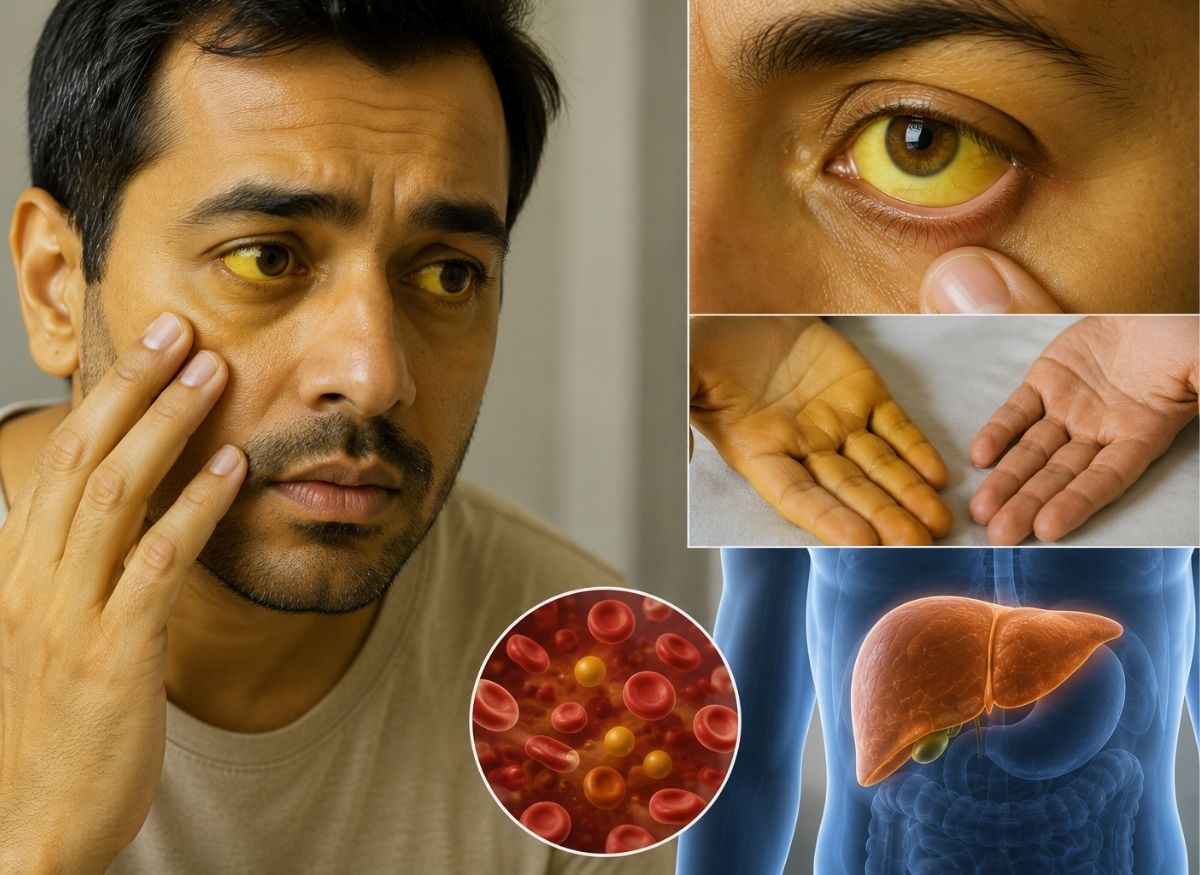
Hyperbilirubinemia may sound like a complicated medical term, but at its core, it simply means a buildup of bilirubin in the blood, something that can quietly affect the body in ways people don’t always recognize right away. Bilirubin is a yellowish substance produced when the body breaks down old red blood cells. Normally, the liver processes it and helps remove it through digestion. When something interferes with that process, bilirubin levels can rise and cause symptoms that are surprisingly easy to overlook or mistake for something else entirely.
Many people associate high bilirubin only with yellowing skin or eyes, but the reality is often subtler. Fatigue, dark urine, abdominal discomfort, itchy skin, nausea, or digestive changes can appear gradually and get blamed on dehydration, stress, poor sleep, or everyday stomach issues.
In some cases, people notice no symptoms at all until routine bloodwork reveals elevated levels. Because the warning signs can feel vague, hyperbilirubinemia sometimes goes unnoticed until an underlying liver, gallbladder, or blood-related condition becomes more apparent. Below, we cover seven symptoms of hyperbilirubinemia that are easy to miss, and what they might mean for your health.
What is Hyperbilirubinemia?
Hyperbilirubinemia means an overabundance of bilirubin in the bloodstream. This yellow pigment is a natural byproduct of red blood cell breakdown. In a healthy system, the liver captures bilirubin from the blood and converts it, through a process called conjugation, into a water-soluble form that’s excreted via bile into the digestive tract.
Elevated bilirubin occurs when this balance between production and clearance breaks down. It can signal accelerated red blood cell destruction, impaired liver function, or a blockage in the bile ducts. While many people associate this with newborn jaundice, it can appear at any stage of life, and it’s a signal of an underlying issue rather than a disease in itself.
How Serious Is It?
Elevated bilirubin isn’t automatically dangerous. The clinical significance depends on age, the specific level, and which form of bilirubin is elevated. A common, benign cause is Gilbert’s syndrome, a hereditary condition affecting an estimated 3-7% of people, where a minor enzyme deficiency causes intermittent, harmless spikes that need no treatment.
In other contexts, elevated bilirubin is a more significant red flag. In newborns, excessively high unconjugated bilirubin can be neurotoxic, risking a rare but serious form of brain damage called kernicterus. In adults, high levels more often point toward organ dysfunction or an obstruction, such as cholestasis or serious liver damage from cirrhosis or hepatitis. Because even a moderate elevation can mask a serious underlying condition, it always warrants medical review.
Conjugated vs. Unconjugated Bilirubin
The key diagnostic distinction is whether bilirubin is “conjugated” or “unconjugated,” which tells doctors where the problem originates.
Unconjugated (indirect) bilirubin elevation typically points to a “pre-hepatic” issue, meaning the liver is overwhelmed by a surge in red blood cell breakdown (as in hemolytic anemia) or simply can’t keep up with conjugation due to genetic factors.
Conjugated (direct) bilirubin elevation points to a “post-hepatic” or structural problem. This form has already been processed by the liver into a water-soluble state, but it’s failing to exit the body, usually because of a blockage in the bile ducts or damaged liver cells unable to transport it properly. Identifying which type is elevated is the most critical step in determining the right treatment.
The 7 Subtle Symptoms
1. Unexplained, persistent fatigue. A profound exhaustion that rest doesn’t fix is often the earliest sign that the liver’s metabolic functions are struggling. The liver plays a role in energy regulation and detoxification, so when it can’t process bilirubin efficiently, blood sugar can become unstable and toxins like ammonia can build up, causing mental fog and lethargy. This often precedes more visible signs.
2. Dark, tea-colored urine. Brownish or cola-colored urine is a fairly specific marker of elevated conjugated bilirubin. Unlike the dark yellow urine of simple dehydration, this happens when conjugated bilirubin, which is water-soluble, spills into the bloodstream because it can’t exit through the bile ducts, and the kidneys filter it out instead. This is often an early sign of a blockage, like gallstones or a biliary tumor, appearing before the skin turns yellow.
3. Pale or clay-colored stools. Known medically as acholic stools, this happens when a biliary obstruction prevents bile from reaching the intestines. Normal brown stool color comes from stercobilin, a byproduct of bilirubin metabolism in the gut; without bile flow, stool loses that pigment and turns pale or gray. This often occurs alongside dark urine, since the body is rerouting bilirubin excretion from the gut to the kidneys.
4. Widespread itchy skin (pruritus). Intense itching without a visible rash is linked to impaired bile flow. The itch isn’t caused by bilirubin itself but by bile salts building up in the bloodstream and irritating nerve endings in the skin, often worse at night. This symptom is a strong indicator of impaired bile flow and should prompt investigation.
5. Subtle yellowing of the eyes (scleral icterus). The earliest visible sign of rising bilirubin is often a faint, creamy discoloration in the whites of the eyes, since the tissue there has a high affinity for binding bilirubin. It’s most noticeable in natural daylight and may appear as a slight yellow tinge before jaundice shows up anywhere else, since the eyes are more sensitive to these changes than skin.
6. Upper right abdominal pain or discomfort. Pain in the area where the liver and gallbladder sit often accompanies elevated bilirubin. An inflamed liver, as in hepatitis, swells and stretches its outer capsule, causing a dull ache. Gallstones can cause sharper, cramping pain (biliary colic). When paired with other symptoms on this list, this points strongly toward a liver or bile-related cause.
7. Nausea and loss of appetite. Persistent queasiness and disinterest in food are common effects of liver dysfunction. When the liver can’t produce enough bile to digest fats or clear metabolic waste, indigestion and general malaise can follow. Over time, this can lead to unintentional weight loss, signaling that the underlying cause needs attention.
What Causes Hyperbilirubinemia
The condition generally stems from one of three types of disruption: a surge in bilirubin production (pre-hepatic), a failure of the liver to process it (hepatic), or a physical blockage preventing its excretion (post-hepatic).
Liver-Related (Hepatic) Causes
When liver cells are damaged, the liver can’t efficiently capture, convert, or excrete bilirubin. Causes include:
- Hepatitis and inflammation, whether from viral infection, heavy alcohol use, or an autoimmune response, which damages the liver’s processing capacity
- Cirrhosis and fibrosis, chronic scarring from long-term alcohol use or fatty liver disease that permanently disrupts the liver’s function
- Genetic conditions, ranging from mild (Gilbert’s syndrome) to more severe (Crigler-Najjar or Rotor syndromes)
- Toxic or drug-induced injury, from things like acetaminophen overdose, certain antibiotics, or herbal toxins, which can trigger acute liver failure
Blood-Related (Pre-Hepatic) Causes
In these cases, the liver is often healthy but overwhelmed by red blood cells breaking down faster than normal (hemolysis). Causes include:
- Hemolytic anemias like sickle cell anemia, thalassemia, or hereditary spherocytosis, which produce fragile red blood cells
- Immune responses, such as autoimmune hemolytic anemia or a reaction to an incompatible blood transfusion
- Infections and toxins, including malaria (which destroys red blood cells as it replicates) or certain snake venoms
Bile Duct Obstruction (Post-Hepatic) Causes
Here, the liver produces conjugated bilirubin normally, but it has no path to the intestines, so it leaks back into the blood. Causes include:
- Gallstones, the most common cause, when a stone blocks the common bile duct
- Tumors, including cancers of the pancreas, gallbladder, or bile ducts
- Autoimmune scarring conditions like Primary Sclerosing Cholangitis or Primary Biliary Cholangitis
- Biliary atresia, a rare condition in newborns where bile ducts are underdeveloped, requiring prompt treatment
How It’s Diagnosed
Diagnosis starts with a blood test measuring total bilirubin, then breaking it down into its indirect (unconjugated) and direct (conjugated) fractions to help narrow down the cause.
Further blood tests often include:
- Liver function tests, measuring enzymes like ALT and AST that indicate liver cell damage
- Complete blood count, checking for hemolytic anemia or infection
- Direct Coombs test, used in newborns to detect antibodies attacking red blood cells
Imaging and procedures become important when a structural issue is suspected:
- Ultrasound, CT, or MRI to visualize the liver, gallbladder, and bile ducts, useful for finding gallstones or tumors
- Liver biopsy, for complex or chronic cases, examining tissue under a microscope to identify specific inflammation or fibrosis
Hyperbilirubinemia in Newborns
Newborns face a unique version of this condition. Their livers are still developing and lack sufficient levels of the enzyme needed to conjugate bilirubin, creating a bottleneck right when their red blood cells, which have a much shorter lifespan than an adult’s, are breaking down rapidly.
This combination of high production and slow processing causes physiologic newborn jaundice, which is remarkably common, affecting over 50% of full-term infants. For most babies, it’s temporary and clears within the first two weeks as the liver matures. Unlike in adults, where elevated bilirubin nearly always signals a real problem, mild elevation in newborns is often just part of normal development.
The main concern is kernicterus, a rare but serious form of brain damage that can occur when very high levels of unconjugated bilirubin cross a newborn’s developing blood-brain barrier. This is why monitoring bilirubin levels is a priority in every maternity ward.
Pathologic jaundice is different from the normal kind: it’s suspected if yellowing appears within the first 24 hours, rises quickly, or persists beyond two weeks. This warrants investigation into causes like blood type incompatibility between mother and baby, or a genetic metabolic disorder.
Feeding-related jaundice comes in two forms:
- Breastfeeding jaundice, usually in the first week, caused by insufficient milk intake slowing bilirubin clearance
- Breast milk jaundice, less common and longer-lasting, thought to be caused by substances in breast milk that temporarily interfere with liver processing
Both types are generally manageable without stopping breastfeeding; treatment usually focuses on increasing feeding frequency to help clear bilirubin.
When to See a Doctor
Mild symptoms may improve on their own, especially if caused by something temporary like dehydration or a short illness. But persistent or worsening symptoms shouldn’t be ignored, since elevated bilirubin can point to liver, gallbladder, bile duct, or blood-related conditions that benefit from early attention.
Consider seeing a doctor if you notice yellowing of the skin or eyes, dark urine, pale stools, persistent fatigue, nausea, itching, or unexplained abdominal discomfort, especially if these symptoms last more than a few days or seem to be worsening.
Seek care promptly if symptoms appear alongside severe abdominal pain, fever, vomiting, confusion, abdominal swelling, unexplained weight loss, or extreme weakness, since these can point to more serious liver or gallbladder problems needing urgent evaluation.
Frequently Asked Questions
What is hyperbilirubinemia?
A condition where too much bilirubin builds up in the blood. Bilirubin is created when the body breaks down old red blood cells, and the liver normally removes it. When the liver can’t process it properly, or bile flow is blocked, levels rise, and symptoms can range from mild fatigue to visible yellowing of skin or eyes.
What causes it?
Liver conditions like hepatitis or cirrhosis, gallstones, bile duct blockages, infections, certain medications, or blood disorders affecting red blood cell breakdown. Some people also have inherited conditions, like Gilbert’s syndrome, that mildly affect bilirubin processing.
Is it always serious?
Not always. Some cases, like Gilbert’s syndrome, are mild and cause only occasional, harmless elevations. Others, particularly persistent or significantly elevated levels, can signal liver disease, gallbladder problems, or blocked bile ducts that need evaluation.
When should I see a doctor?
If you notice yellowing of the eyes or skin, dark urine, pale stools, persistent fatigue, unexplained itching, or abdominal discomfort, especially if these worsen or occur with fever, severe pain, nausea, or unexplained weight loss.
Can it be treated?
Yes, in most cases treatment focuses on the underlying cause, managing liver conditions, removing gallstones, adjusting medications, or treating infections. Mild inherited conditions may need no treatment at all. Once the cause is identified, bilirubin levels typically improve with proper care.
The Bottom Line
Hyperbilirubinemia symptoms don’t always show up in obvious ways, which is part of why they’re easy to overlook or mistake for everyday issues like fatigue, dehydration, or stress. While yellowing of the skin and eyes gets the most attention, other subtle symptoms can develop well before that happens. Paying attention to patterns, especially symptoms occurring together or recurring, can offer important clues about what the body is signaling. The reassuring part is that elevated bilirubin often improves once the underlying cause is identified and treated. If symptoms seem persistent, unusual, or hard to explain, getting proper testing can bring both answers and peace of mind.