This Kitchen-Cabinet Duo Could Be Your New Anti-Aging Secret
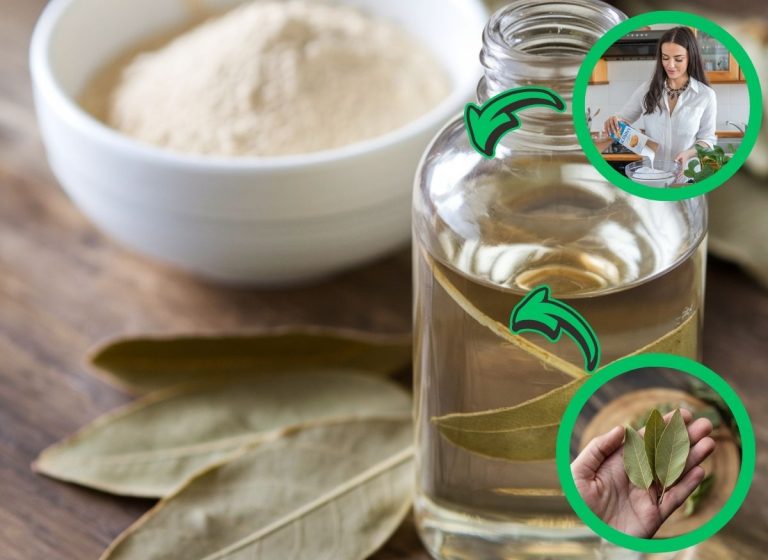
Natural skincare fans are always hunting for simple, affordable ingredients that actually work and bay leaves paired with cornstarch might just be the next combo worth adding to your shelf. On their own, each ingredient offers real benefits for your skin. Together, they may do even more.
Here’s a closer look at why this pairing has caught people’s attention, plus a few easy at-home recipes to try.
Why This Combo Works for Aging Skin
Bay Leaves Bring Antioxidant Power
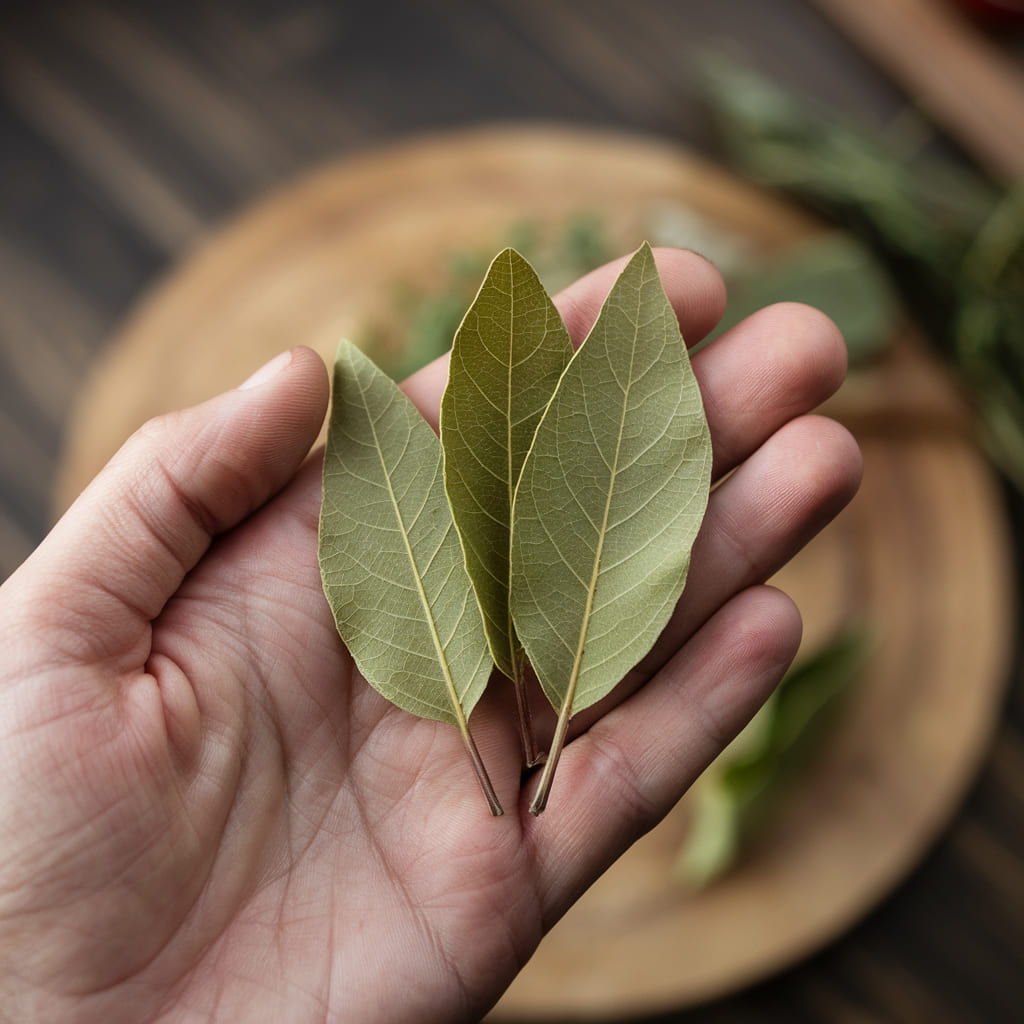
Bay leaves contain antioxidants, including vitamin C, which help neutralize free radicals the unstable molecules known to speed up wrinkles, fine lines, and a tired-looking complexion. Working antioxidants into your routine is one way to help shield skin from everyday environmental stress and keep it looking fresher for longer.
Cornstarch Softens and Calms
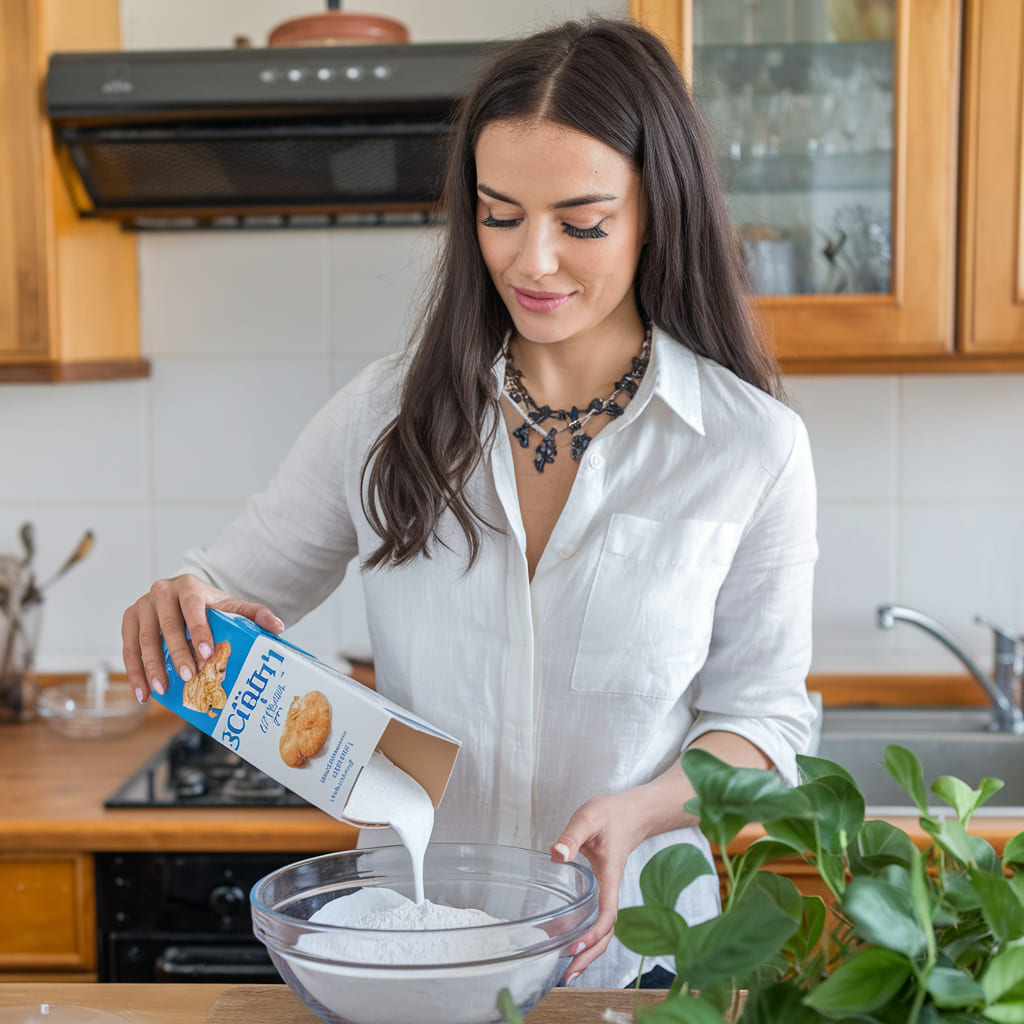
Cornstarch is a gentle, soothing ingredient that’s often used to ease redness, irritation, and inflammation, which makes it a good fit for sensitive skin types. It also helps the skin hold onto moisture, so it feels softer and less prone to dryness or dullness.
Together, They May Support Firmer Skin
Both ingredients are associated with supporting collagen activity, the protein responsible for keeping skin firm and elastic. More collagen support can mean fewer visible fine lines and a smoother overall texture over time.
Three DIY Recipes to Try at Home
1. Anti-Aging Face Mask
You’ll need:
- 1 tablespoon dried, ground bay leaf (or 2 fresh leaves, finely chopped)
- 1 tablespoon cornstarch
- 1 tablespoon honey
- 1/4 cup water
How to make it:
- Grind dried bay leaves into a fine powder, or finely chop fresh ones.
- Combine the bay leaf, cornstarch, and honey in a small bowl.
- Add water gradually until you get a thick, spreadable paste.
- Apply to clean skin and leave on for 15–20 minutes.
- Rinse with lukewarm water and follow with your usual moisturizer.
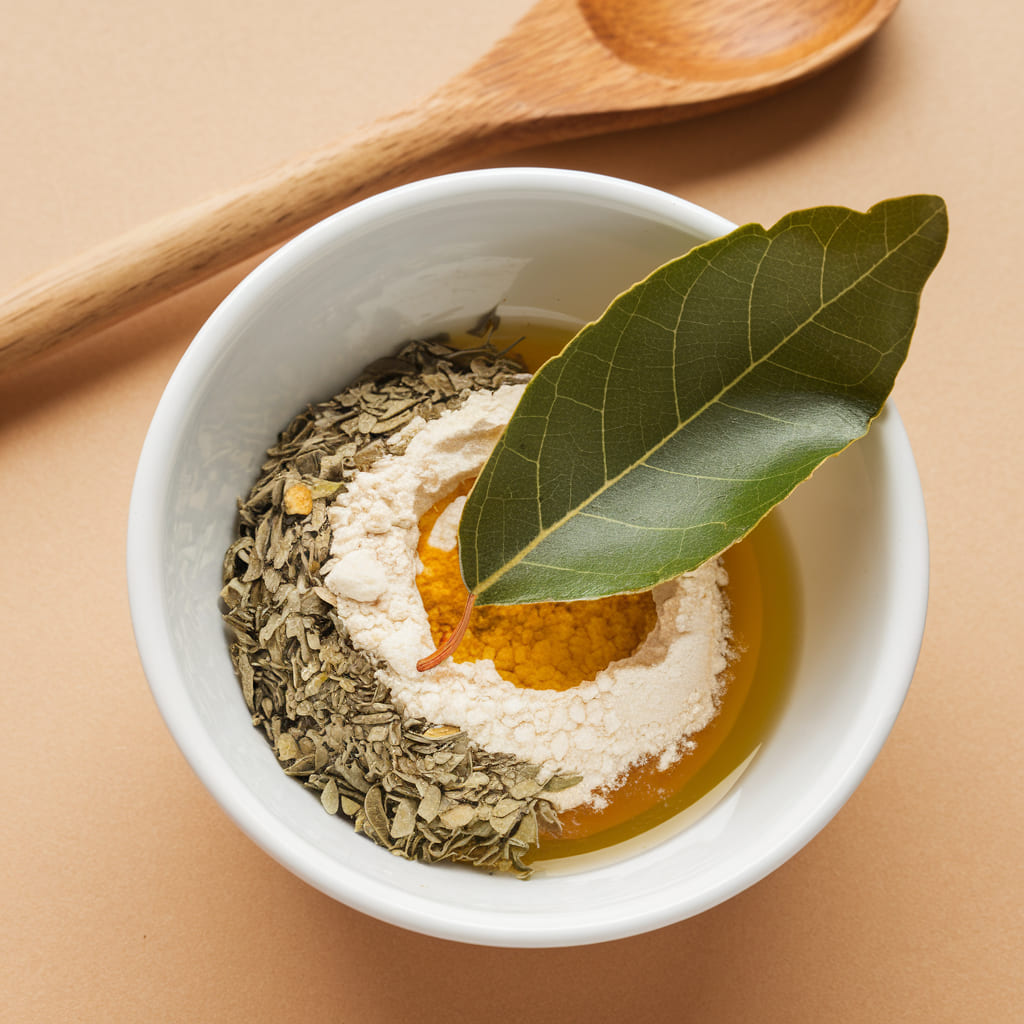
This mask is meant to leave skin feeling soft and refreshed, combining the antioxidant boost from bay leaves with the moisture-locking effect of cornstarch.
2. Bay Leaf and Cornstarch Hydrating Toner
You’ll need:
- 1 cup water
- 2 bay leaves
- 1 teaspoon cornstarch
- 1 teaspoon rose water
How to make it:
- Bring the water to a boil, add the bay leaves, and let steep for 10 minutes.
- Strain out the leaves.
- Mix the cornstarch with a splash of cold water to make a smooth slurry, then stir it into the warm bay leaf infusion.
- Add the rose water and let the mixture cool completely.
- Sweep over your face with a cotton pad after cleansing.
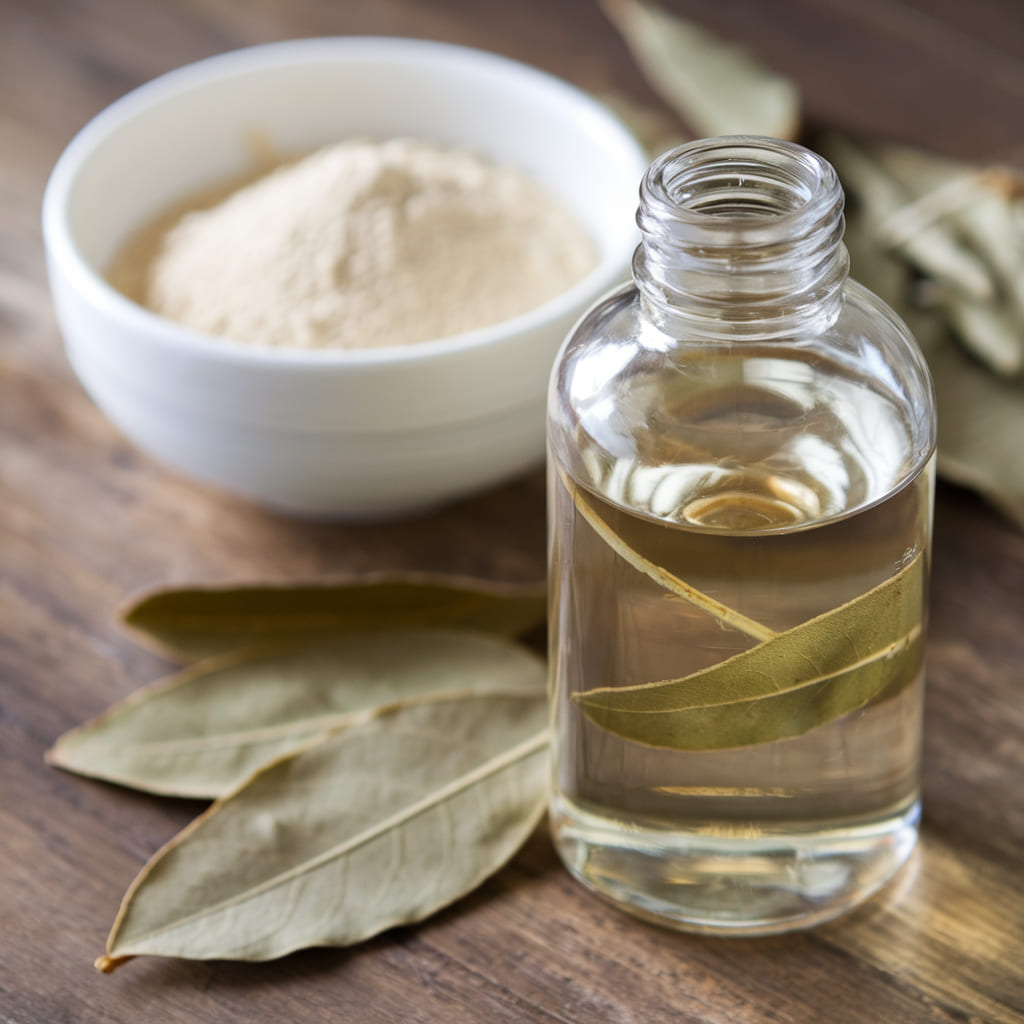
This toner is designed to refresh and hydrate skin throughout the day while helping maintain a healthy moisture balance.
3. Bay Leaf and Cornstarch Spot Treatment
You’ll need:
- 1 bay leaf, ground into powder
- 1 teaspoon cornstarch
- 1 teaspoon aloe vera gel
How to make it:
- Mix the bay leaf powder, cornstarch, and aloe vera gel into a smooth paste.
- Dab directly onto blemishes or dark spots.
- Leave on for 15 minutes, then rinse with warm water.
This spot treatment pairs the soothing properties of aloe with bay leaves and cornstarch to help calm irritation and support an even skin tone.
The Skin Lightening Effects of Bay Leaves and Cornstarch
Uneven tone and hyperpigmentation tend to become more noticeable with age, and this ingredient pair may offer some help here too:
- Bay leaves contain flavonoids, plant compounds linked to skin-brightening effects that may help fade dark spots by limiting excess melanin production.
- Cornstarch acts as a mild, natural exfoliant, sloughing away dead skin cells to reveal a brighter surface underneath.
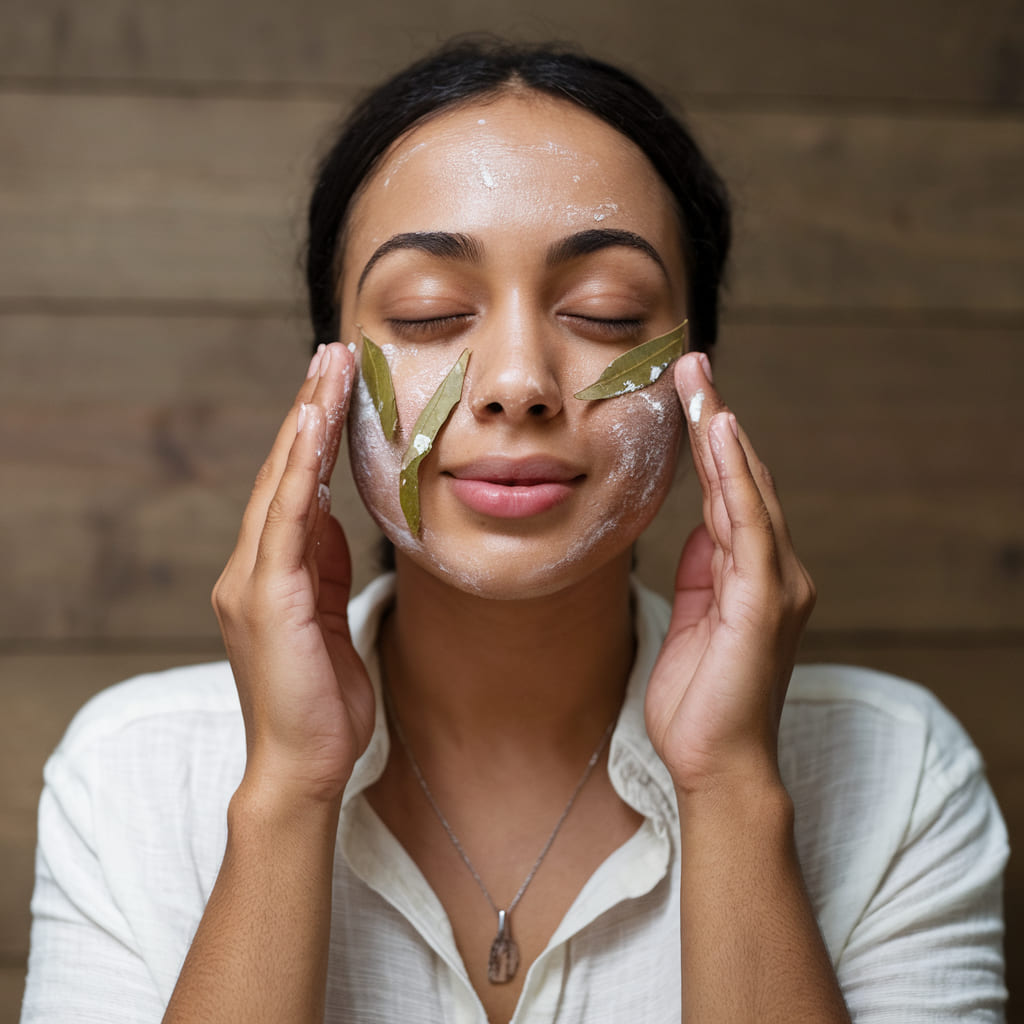
Why Bay Leaves and Cornstarch Are Great for Sensitive Skin
If your skin reacts easily to new products, this combination is worth considering:
- Soothes irritation — many people find it calming for redness or discomfort linked to conditions like rosacea or eczema.
- Won’t strip natural oils — cornstarch is mild enough to hydrate and protect without disrupting your skin’s natural barrier.
Disclaimer
Everyone’s skin reacts differently. If you notice any irritation, stop using the treatment and check in with a dermatologist.
This article is meant for general information only and isn’t a substitute for professional medical advice.