
8 Ways to Prevent Stye Eye from Coming Back
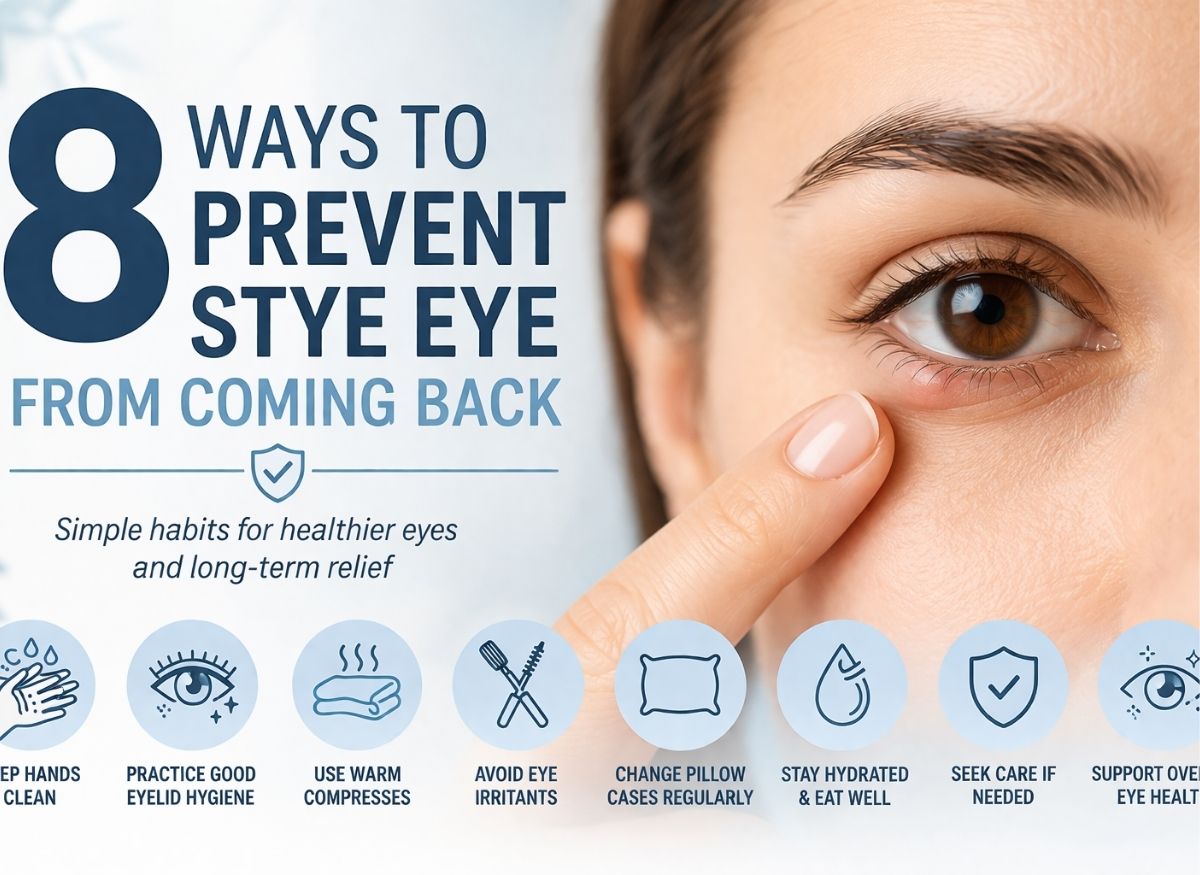
Waking up to a painful, red, and swollen bump on your eyelid is an experience nobody wants to repeat. Known medically as a hordeolum, a stye is essentially a small bacterial infection affecting the oil glands or eyelash follicles. While often compared to a pimple on the eyelid, styes can cause significant discomfort, light sensitivity, and a gritty sensation that makes every blink a chore.
If you find yourself dealing with these infections frequently, it’s a sign that the delicate ecosystem of your eyelid health is out of balance. Simply waiting for a stye to drain isn’t enough; you need a proactive strategy to break the cycle of recurrence. Whether you’re a contact lens wearer, a makeup enthusiast, or someone dealing with chronic inflammation like blepharitis, understanding the root causes is the first step toward relief. This guide explores 8 science-backed ways to prevent a stye from coming back, helping you maintain clear, healthy, and pain-free vision for the long haul.
Understanding the Science: What Is a Stye?
To effectively prevent a stye, you first have to understand what’s happening beneath the surface of your skin. A stye, or hordeolum, is a localized infection caused by bacteria that enters the glands or follicles of the eyelid. While the human body naturally carries these bacteria, they only become a problem when they’re trapped in a confined space.
These infections are generally categorized by their location. An external stye begins at the base of the eyelash, usually starting in the hair follicle or the sweat glands, and often resembles a common pimple. An internal stye occurs in the Meibomian glands deeper within the eyelid tissue. These are often more painful because the infection is compressed against the eye. The root cause is almost always a blockage; when the tiny oil glands that keep your eyes lubricated become clogged with dead skin, thickened oils, or debris, it creates a stagnant environment where bacteria multiply and trigger inflammation.
It’s also important to distinguish a stye from a chalazion. While both appear as bumps on the lid, a chalazion is a firm, usually painless lump caused by a long-term blockage. If your bump is tender, red, and swollen, you’re likely dealing with an active stye infection that requires immediate hygiene intervention.
Identifying the Root Causes of a Persistent Stye
A stye is more than just a temporary blemish; for many, it becomes a recurring medical frustration characterized by a cycle of localized bacterial infection and chronic inflammation. Recurrent styes are primarily driven by the persistent presence of Staphylococcus aureus bacteria and the functional failure of the meibomian glands. When these glands become obstructed, they create a stagnant, nutrient-rich environment that acts as a breeding ground for infection, leading to the repeated formation of a painful stye.
To effectively manage a stye and prevent it from returning, it’s essential to look beyond the immediate symptoms and address the foundational disruption of the eyelid ecosystem. Whether the infection appears as an internal stye or a lower lid stye, the recurrence is often a symptom of underlying health conditions, poor eyelid hygiene, or habitual bacterial transfer. Understanding the causes is the first step toward a long-term solution and breaking the cycle of chronic eyelid inflammation.
The Role of Bacteria in a Recurring Stye
It’s widely established that a stye is fundamentally a bacterial infection. The vast majority of cases are caused by Staphylococcus aureus, a bacterium that resides naturally on the skin but becomes harmful when it enters a vulnerable area like an eyelash follicle or an oil gland. Recurrence often happens because the bacteria are repeatedly reintroduced to the eyelid margin through compromised hygiene habits. The infection typically takes hold when the bacterial load exceeds the body’s local defenses, leading to a localized infection.
Specifically, the transfer of bacteria from the hands or nose to the eyes is a primary reason for stye development. Every time someone rubs an itchy eye or handles contact lenses with unwashed hands, they risk seeding the eyelid with bacteria. Once the bacteria infiltrate a follicle, the immune system responds by sending white blood cells to the site, resulting in the characteristic pus, swelling, and redness associated with an internal stye. For those who find a stye forming frequently, it often suggests a persistent bacterial reservoir on the skin or a repetitive habit that facilitates this transfer, creating a perpetual cycle of infection.
How Blocked Oil Glands Trigger a Stye
The mechanical blockage of the meibomian glands is a secondary but equally critical factor in the development of a stye. These tiny glands are responsible for secreting meibum, the oily layer that prevents tear evaporation. When the opening of a gland becomes clogged, often due to old makeup, dead skin cells, or conditions like Meibomian Gland Dysfunction, the oil thickens and stagnates. This creates an ideal environment for bacteria to multiply, leading to an internal stye or a chalazion.
Once a gland is obstructed, the trapped oil becomes a food source for Staphylococcus aureus. The warm, oxygen-deprived environment deep within the lid allows these bacteria to proliferate without restraint, triggering an intense inflammatory response. This is why a stye behind the eyelid is often so tender and painful. Maintaining clear and functional glands is a cornerstone of stye prevention, as it removes the physical environment where the infection takes root. Without addressing the underlying causes and gland blockages, patients will continue to experience styes repeatedly.
Differentiating Between a Stye and a Chalazion
When dealing with a bump on your eyelid, it’s important to distinguish between a stye and a chalazion. While both appear as a painful pimple on the eyelid, a stye is an acute, painful bacterial infection of an oil gland or hair follicle. In contrast, a chalazion is typically a chronic, non-infectious lump caused by the backup of secretions in a blocked gland. They may look similar, but chalazion treatment often requires more persistent warm compresses or even medical intervention to resolve the firm, painless lump.
Understanding this distinction is vital for choosing the right treatment. While stye treatment focuses on clearing the acute infection, managing both styes and chalazia requires a comprehensive approach to eyelid health. If you have a bump on your eyelid that persists for several weeks without pain, it may have transitioned into a chalazion, requiring a different treatment strategy to encourage the drainage of the hardened oils.
Early Signs and Symptoms of a Forming Stye
Recognizing the early signs of a stye is crucial for starting treatment before the infection worsens. Most people first notice localized tenderness or a small bump forming along the lash line. Common signs and symptoms include:
- Localized Swelling: A visible bump, on either the upper or lower lid.
- Pain and Tenderness: A painful stye often feels like a foreign object is in the eye.
- Redness and Crusting: The eyelid margin may appear red, and you may notice crusting along the lashes, a sign of underlying causes like blepharitis.
- Sensitivity to Light: A more severe stye can cause the eye to feel irritated and watery.
If you notice a stye beginning to form, it’s vital to avoid popping it. Attempting to pop a stye can push the infection deeper into the eyelid tissue or spread the bacteria to the surrounding area, potentially leading to a more serious infection called orbital cellulitis. Instead, focus on natural remedies like warm compresses, which is the safest way to help a stye heal and ensure the infection drains naturally. Early intervention is key to relief, whatever form the stye takes.
8 Key Eyelid Habits to Prevent a Stye
To effectively manage a stye, you need to shift from reactive treatments to proactive prevention. Adopting these 8 key eyelid habits is the most reliable prevention strategy, since these practices systematically address bacterial load and gland function. These habits include meticulous hand hygiene, daily eyelid cleansing, avoiding eye contact, strict makeup safety, proper contact lens care, managing underlying conditions like blepharitis, boosting immunity, and using preventative warm compresses. By making these habits automatic, you create an environment where a stye is far less likely to form, addressing the causes at their source.
Meticulous Hand Hygiene: Your First Line of Defense
Meticulous hand hygiene is the most effective way to prevent the transfer of Staphylococcus aureus from your environment to your eyelids. Your hands act as a vector for countless microorganisms; every time you rub your face or adjust a contact lens, you risk seeding the delicate lash line with bacteria. This simple transfer is often the triggering event that turns a slightly clogged pore into a painful stye.
To maximize prevention, handwashing must be thorough. This involves scrubbing with soap and warm water for at least 20 seconds, making sure you clean under the nails where bacteria often hide. This routine is essential before you touch your eyes for any reason, whether you’re checking for the beginning of a stye or applying medication. By establishing this barrier, you significantly reduce the introduction of pathogens, lower the risk of an internal stye, and protect the health of the entire eye area.
The Correct Way to Perform Daily Eyelid Cleansing
Daily eyelid cleansing is a vital habit for stye prevention because it disrupts the bacterial buildup and prevents the gland blockages that lead to a chalazion. A gentle, systematic approach ensures that dead skin cells, makeup residue, and excess oils are removed before they can obstruct the meibomian glands. Keeping these openings clear is the most effective way to prevent recurrence.
To clean your eyelids correctly, follow this routine:
- Warm Compress: Apply a clean, warm cloth to closed lids for 2 to 3 minutes to soften oils.
- Gentle Scrub: Use a diluted tear-free baby shampoo or a specialized eyelid cleanser on a cotton swab.
- Lash Line Focus: Carefully scrub along the base of the upper and lower lashes to remove debris.
- Rinse: Use fresh water to clear the solution and pat dry with a clean towel.
Making this part of your daily hygiene, similar to brushing your teeth, is a foundational habit that prevents an internal stye from ever developing.
Why You Must Stop Touching and Rubbing Your Eyes
Breaking the habit of touching and rubbing your eyes is essential to stop the cycle of recurrent styes. Rubbing not only introduces a high concentration of bacteria but also uses physical force to push debris into the openings of the oil glands. This friction can create micro-abrasions, providing easy entry points for infection and leading to a stye inside the eyelid or along the lash line.
Rubbing is also often a response to allergies or dryness, which can worsen stye symptoms. The physical pressure can stimulate more inflammation, making the eyelid more susceptible to a severe stye. To break this cycle:
- Use eye drops: Instead of rubbing, use sterile, lubricating drops to soothe itching.
- Practice mindfulness: Be aware of automatic touching during the day.
- Try cold compresses: If your eyes feel inflamed, a cold compress can provide relief without the risks associated with manual rubbing.
Makeup Safety and Contact Lens Protocols
Improper makeup use and poor contact lens hygiene are frequent causes of styes. To prevent a stye on the upper or lower lid, you must adhere to strict safety rules. Never share cosmetics, as this is the fastest way to spread a stye infection between individuals. Always discard eye makeup every three months to prevent bacterial buildup in the containers.
For those who wear contact lenses, the risk of a stye is higher due to frequent eye contact. Ensure your lenses and cases are cleaned with sterile solution, never tap water. If you feel the beginning of a stye, switch to glasses immediately. Continuing to wear lenses during an active infection can trap bacteria against the eye, potentially turning a simple stye into a more serious infection or even pink eye. Following these protocols is the best way to get rid of a stye and keep it from returning.
Contact Lens Care: Eliminating Bacterial Reservoirs
Proper contact lens care is a critical component of stye prevention, as lenses can act as a reservoir for Staphylococcus aureus if not handled with impeccable hygiene. Because lenses sit directly on the eye’s surface, they can increase the bacterial load in the tear film, giving pathogens easy access to the meibomian glands. Every step of your lens routine is an opportunity to prevent or encourage infection.
To minimize the risk of a stye, follow a strict disinfecting regimen. Always dry your hands with a lint-free towel before handling lenses to prevent the transfer of oils and microbes. It’s vital to use only fresh, commercially prepared solution; topping off old solution or using tap water can introduce dangerous organisms that cause infection. Furthermore, replacing your lens case every three months and following a strict wearing schedule ensures that your cornea receives adequate oxygen, preserving the eye’s natural defenses against an internal stye.
Managing Blepharitis and Ocular Rosacea
Effectively managing chronic conditions like blepharitis and ocular rosacea is a vital stye prevention strategy. These conditions cause persistent eyelid inflammation and the production of thick, poor-quality oil that easily clogs gland openings. The crusty debris often seen with blepharitis is a concentrated buildup of bacteria, creating a high bacterial load exactly where styes form. People with these conditions are in a constant state of vulnerability to an internal stye or a chalazion.
For these individuals, managing the condition requires active care under professional guidance. This often involves a long-term regimen of daily warm compresses to liquefy thickened oils and dedicated eyelid scrubs to remove bacterial byproducts. In more severe cases, a doctor may prescribe topical antibiotics or anti-inflammatory drops to control the overgrowth of bacteria. By stabilizing the eyelid environment, you address the underlying causes at a systemic level, dramatically reducing the frequency of flare-ups.
Boosting Immunity to Combat Eyelid Infections
A robust immune system is one of your best defenses against styes, since it allows you to neutralize small bacterial invasions at the lash line before they escalate into a painful stye. When your defenses are compromised by stress, poor nutrition, or lack of sleep, the body’s response is slower, allowing Staphylococcus aureus to multiply within a follicle or gland. Your overall systemic health is therefore directly connected to your susceptibility to styes.
You can support your immune function and reduce your risk through several lifestyle habits:
Nutrient Density: Diets rich in vitamins A, C, and E, along with zinc, provide the fuel for immune cells. Omega-3 fatty acids are particularly beneficial, as they improve the quality of meibomian oil and reduce the likelihood of a stye forming.
Restorative Sleep: Getting 7 to 9 hours of sleep allows the body to release proteins that target infection and inflammation.
Stress Management: High cortisol levels can suppress the immune system, making you more prone to a recurrent stye. Practices like meditation or regular exercise help keep your defenses ready.
The Proactive Power of the Warm Compress
Using a warm compress is an exceptional habit for stye prevention because the consistent heat thins the natural oils within the eyelids, preventing the blockages that lead to an internal stye. For many, this oil can become thick, causing it to solidify and clog the glands. A warm compress melts these oils, allowing them to flow freely and eliminating the stagnant environment where infection takes root.
To use this as an effective preventive habit, incorporate it into your daily routine. Soak a clean cloth in comfortably warm water, wring it out, and place it over your closed eyes for at least five minutes. This practice maintains the health of your glands and is a proactive step rather than just reacting to a painful pimple on the eyelid. It’s the best way to keep your meibomian glands clear, functional, and free from the causes of styes.
Clinical Indicators: When a Stye Demands Medical Attention
While many find relief using home remedies, certain clinical markers indicate that the infection has escalated beyond the scope of self-care. A stye typically begins to drain or diminish within a few days of consistent warm compress application; however, if a stye shows no improvement after one week, a professional evaluation by an optometrist or ophthalmologist is essential. Persistence is often a sign that the bacterial load is too high for the body to manage alone, or that the stye has become encapsulated, requiring medical drainage.
The severity and spread of symptoms are the most critical factors in determining the urgency of a doctor’s visit. Seek immediate care if the redness and swelling extend beyond the immediate lid area to involve the cheek or other parts of the face. This progression could signal preseptal cellulitis, a serious infection that requires systemic antibiotics. Furthermore, any painful stye that’s large enough to press on the cornea and blur your vision, or one that causes extreme, throbbing pain, requires prompt clinical intervention to prevent secondary complications.
The Importance of Evaluating Persistent Recurrence
The most significant reason to consult a specialist is for a recurrent stye, especially if it appears in the exact same location repeatedly. A stye that refuses to resolve or keeps returning suggests that a gland or follicle hasn’t fully drained and remains prone to re-blocking. In these cases, a simple home remedy is insufficient, as the underlying mechanical obstruction or chronic causes must be addressed. A doctor may need to perform a minor procedure to express the gland or prescribe targeted medication to clear deep-seated bacteria.
In rare instances, a recurring bump that appears to be a chalazion or a persistent internal stye can mask more serious conditions. A bump that stays in the same spot without changing can occasionally be an early sign of a rare form of skin cancer affecting the oil glands. A medical professional can perform a biopsy if necessary to rule out malignancy. Watch for these red flags:
- Lack of improvement: The stye doesn’t diminish or worsens after 7 days of dedicated home treatment.
- Widespread inflammation: Swelling moves to the cheek or around the eye socket, indicating a spreading infection.
- Vision changes: The stye is large enough to distort your sight or causes intense, unmanageable pain.
- Anatomical recurrence: A stye keeps forming in the identical location, which warrants investigation into potential cysts or chronic gland failure.
Seeking a professional treatment plan when these symptoms arise is the best way to safely resolve a stye and ensure your long-term ocular health remains uncompromised. Whether the diagnosis is a simple stye or a more complex chalazion, early medical guidance is key to lasting relief.
Conclusion
Maintaining healthy eyes requires more than just an occasional splash of water; it demands a consistent commitment to eyelid hygiene. While a stye is usually a minor localized infection, its recurrence is often a message from your body that bacteria or oils are being trapped where they don’t belong. By implementing these eight preventative strategies, you can create an environment where bacteria struggle to thrive.
Consistency is key. While it might take a few extra minutes in your nightly routine to ensure every trace of makeup is gone or to disinfect your contact lens case, the payoff is a life free from the irritation and embarrassment of a stye. However, keep in mind that if you experience vision changes, extreme swelling that spreads to the cheek, or a bump that refuses to heal after two weeks, you should consult an optometrist or ophthalmologist immediately. Take control of your ocular health today so you can stop worrying about the next breakout and start enjoying clear, comfortable sight.
Frequently Asked Questions About Stye Prevention
Can stress or a poor immune system cause a stye to return?
While a stye is a bacterial infection, high levels of stress can lead to systemic inflammation and a weakened immune response, making it harder for your body to fight off bacteria. Additionally, stress often leads to poor sleep and eye rubbing, both of which increase the likelihood of gland blockages. Maintaining a healthy lifestyle and managing stress can indirectly keep your eyelid health in check.
Is a stye contagious to other people in my household?
The stye itself isn’t contagious in the way a cold is, but the bacteria within the pus can be spread through shared items. If you touch your eye and then touch a shared towel or pillowcase, you could potentially pass the bacteria to someone else. It’s best to use separate linens and wash your hands frequently until the infection has completely cleared.
Does wearing blue light glasses or spending too much time on screens cause styes?
Screen time doesn’t directly cause a stye, but it significantly reduces your blink rate, which can lead to dry eyes and stagnant oil in the meibomian glands. When you don’t blink fully or often enough, the oils in your eyelids aren’t pumped out effectively, leading to the clogs that eventually become infected. Taking regular breaks and practicing mindful blinking can help maintain proper oil flow.
Should I use eye drops or ointments to prevent a stye?
General lubricating eye drops won’t prevent a stye, but medicated lid scrubs or antibiotic ointments may be prescribed by a doctor if you suffer from chronic recurrences. For most people, over-the-counter preservative-free artificial tears can help keep the eye surface clean of debris. However, you should never use leftover antibiotic drops without a professional’s advice, as this can lead to antibiotic resistance.
Can certain foods or allergies trigger a stye?
Allergies often cause itchy eyes, leading to frequent rubbing which introduces bacteria and increases the risk of a stye. While no specific food is a trigger, diets high in sugar or trans fats may increase general bodily inflammation and thicken the oils in your skin. Conversely, staying hydrated and eating anti-inflammatory foods can help keep your glandular secretions at a healthy, thin consistency.
Why does my stye keep coming back in the exact same spot?
If a stye recurs in the same location, it may indicate that the specific oil gland has become permanently damaged or is chronically blocked. In some cases, what appears to be a recurring stye might actually be a chalazion that never fully drained or, rarely, a more serious growth. If you notice a persistent bump in a single spot, it’s essential to have an eye doctor perform a detailed examination.
Can I wear eye makeup again immediately after a stye heals?
It’s tempting to cover the redness with concealer, but you should wait at least 24 to 48 hours after all symptoms have vanished before applying makeup. Applying cosmetics too soon can trap lingering bacteria back into the follicle and cause a secondary infection. When you do return to your routine, make sure you’re using fresh, uncontaminated products and clean brushes to avoid a relapse.