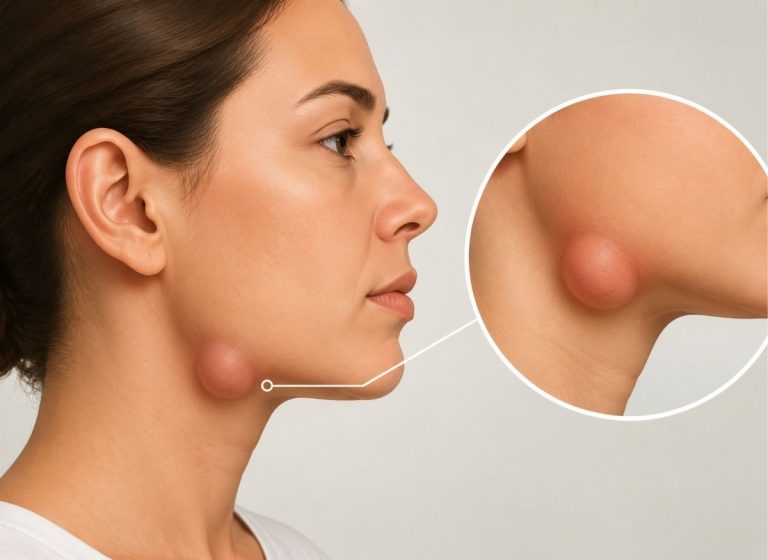

9 Symptoms and Warning Signs of Esophageal Strictures
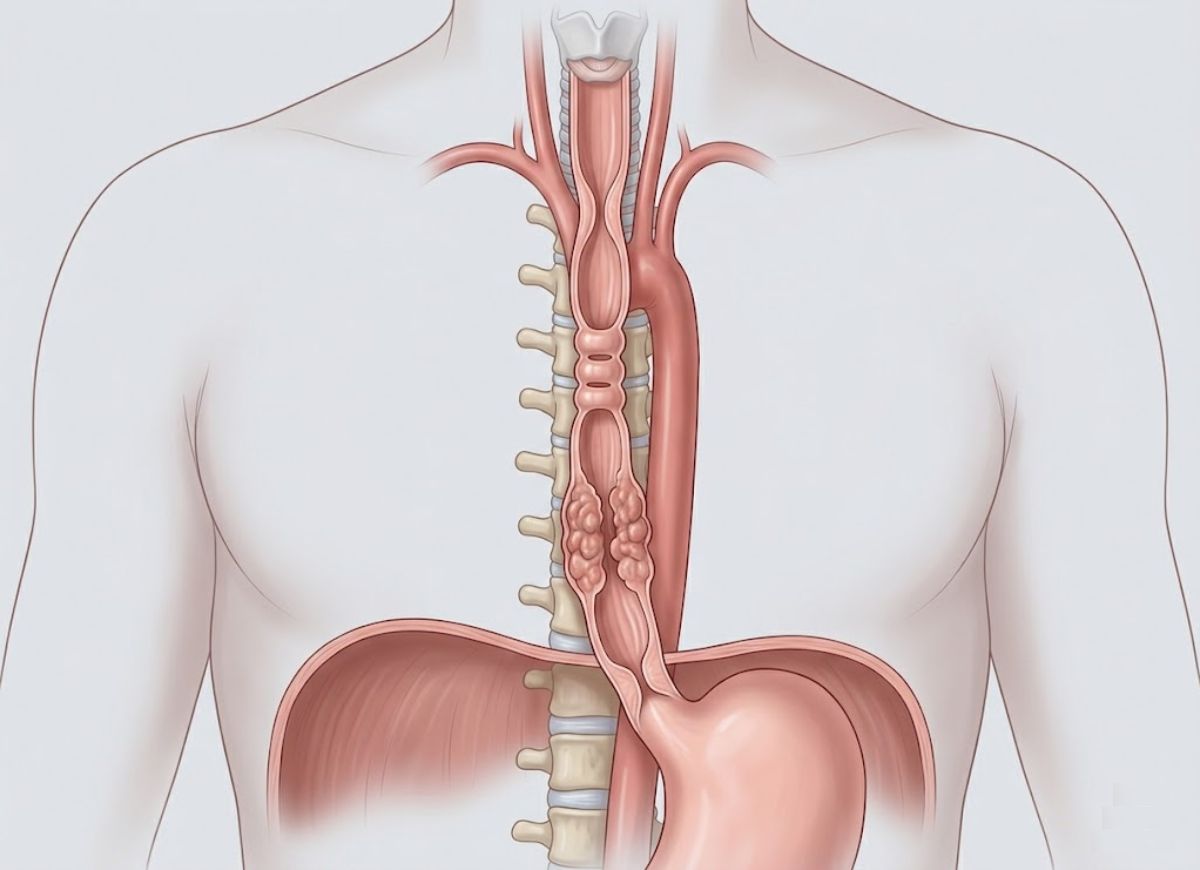
The esophagus is an important part of the digestive system. It carries food and liquids from the mouth to the stomach. When this muscular tube becomes unusually narrow, an esophageal stricture can develop, making it more difficult for food to pass normally. The narrowing may develop slowly, so some people do not recognize a problem until swallowing becomes increasingly difficult or uncomfortable.
Several conditions can contribute to an esophageal stricture. These include long-term acid reflux, ongoing inflammation, scar formation, certain medical treatments, and injuries to the esophageal lining. As the passage becomes narrower, eating and drinking may become increasingly challenging. Depending on the severity, symptoms can interfere with nutrition, weight, and everyday activities.
Difficulty swallowing is one of the most common signs. People may notice problems particularly with solid foods such as meat, bread, or vegetables. Food may feel as though it is stuck in the throat or chest, and some people may need to drink liquid to help it move down. In more advanced cases, even liquids may become difficult to swallow.
Recognizing these symptoms early is important because an evaluation can help identify the reason for the narrowing and determine appropriate treatment. Some symptoms overlap with other digestive conditions, but ongoing swallowing difficulties should be assessed rather than ignored. Depending on the cause, treatment may involve medication, procedures to widen the esophagus, or treatment of the underlying condition.
This article covers 9 important symptoms and warning signs of esophageal strictures, how they can affect eating and daily life, and when medical attention may be needed.
9 Warning Signs of An Esophageal Stricture
Difficulty Swallowing (Dysphagia)
Difficulty swallowing, medically known as dysphagia, is the most common symptom of an esophageal stricture. A person may feel that food is moving slowly or becoming stuck somewhere between the throat and chest.
In the early stages, swallowing problems may only occur with certain solid foods. Tough meat, bread, and firm vegetables can be especially difficult to pass. People may naturally begin taking smaller bites, chewing more carefully, avoiding certain foods, or drinking more liquid while eating.
As the narrowing becomes more severe, swallowing difficulties can become more frequent. Foods with softer textures may eventually cause problems as well.
In advanced cases, swallowing liquids or saliva can also become difficult. This requires prompt medical assessment because it may indicate significant narrowing.
Some people describe a sensation of something being lodged in the throat or behind the breastbone. This feeling can be uncomfortable and may make eating stressful. When food cannot move normally through the narrowed area, the esophagus may contract more forcefully in an attempt to push it downward, sometimes producing discomfort or spasms.
Painful Swallowing
Pain during swallowing is called odynophagia. Although difficulty swallowing is more typical of an esophageal stricture, painful swallowing can also occur, particularly when inflammation or irritation is present.
The discomfort may feel burning, sharp, or painful behind the breastbone or in the upper abdomen. It may begin shortly after swallowing and can sometimes make a person reluctant to eat.
Inflamed or irritated tissue can become painful when food passes over it. This may be particularly relevant when the stricture is associated with conditions such as acid reflux or other forms of esophageal injury.
Pain may occur every time a person swallows or only occasionally. Painful swallowing and the sensation that food is stuck are different symptoms, although they can occur together. Persistent odynophagia should be evaluated to determine whether inflammation, ulceration, or another underlying condition is present.
Weight Loss and Regurgitation
Weight loss and regurgitation can occur when an esophageal stricture makes eating and swallowing difficult.
As swallowing becomes uncomfortable or challenging, people may begin eating smaller portions or avoiding foods that are harder to swallow. Over time, this can reduce calorie intake and lead to unintended weight loss. If the problem continues, inadequate nutrition may also develop.
Regurgitation is another possible symptom. It occurs when food or liquid comes back into the throat or mouth from the esophagus. Unlike vomiting, regurgitation is generally not forceful and does not require the same abdominal contractions.
When food cannot pass easily through a narrowed area, it may remain in the esophagus and eventually come back upward. The material may still look like recently eaten food because it may not have reached the stomach.
Regurgitation can happen soon after eating or later, particularly when bending over or lying down.
Chest and Respiratory Signs
Chest and respiratory symptoms can occur with esophageal strictures, particularly when the underlying condition involves acid reflux or when swallowed material backs up.
Frequent heartburn is common when chronic gastroesophageal reflux disease (GERD) is responsible for the stricture. Repeated exposure to stomach acid can irritate the esophageal lining and contribute to scar formation. A narrowed esophagus may also make it more difficult for refluxed material to clear normally.
Coughing or choking may occur if food or liquid comes back up and enters the airway instead of remaining in the esophagus. This is called aspiration. The body’s natural cough reflex may then activate to clear the airway.
Aspiration can sometimes happen during or after meals and may be more concerning when it occurs while lying down. Repeated aspiration can increase the risk of respiratory complications, including aspiration pneumonia.
Hoarseness or changes in the voice may also occur when refluxed or regurgitated material irritates the throat and vocal cords.
What Exactly is An Esophageal Stricture?
An esophageal stricture is a narrowed section of the esophagus that can interfere with the normal movement of food and liquids toward the stomach. It often develops because of inflammation, injury, or scar tissue that changes the structure and flexibility of the esophageal wall.
Esophageal strictures can be benign or malignant. Benign strictures are non-cancerous and are often related to chronic inflammation or previous injury. Malignant strictures are associated with cancer affecting or compressing the esophagus.
Regardless of the cause, narrowing of the esophageal passage can produce symptoms such as dysphagia and the sensation that food is getting stuck.
Normal Esophagus Function
The esophagus is a muscular tube that transports food and liquids from the throat to the stomach. It does this through coordinated muscle movements called peristalsis.
Swallowing begins when the upper esophageal sphincter opens, allowing food or liquid to enter the esophagus. Once the material has passed through, the sphincter closes to help prevent it from returning to the throat.
Muscles within the esophageal wall then contract in a coordinated sequence. These wave-like movements push the swallowed material toward the stomach. Gravity can assist the process, but the esophagus can move food downward through muscular activity even without relying entirely on gravity.
The esophageal lining also produces mucus that helps reduce friction as food passes through. At the lower end, the lower esophageal sphincter opens to allow food to enter the stomach and then closes to help prevent stomach contents from flowing back into the esophagus.
A healthy esophagus therefore needs both an open passage and properly coordinated muscle activity for swallowing to occur comfortably.
Causes of The Esophagus
An esophageal stricture commonly develops when repeated injury or inflammation causes scar tissue to form. This process, known as fibrosis, can make the esophageal wall thicker and less flexible.
The process often starts with damage to the esophageal lining. Chronic acid reflux, eosinophilic esophagitis, radiation treatment, and exposure to caustic substances are among the possible causes.
When the esophagus is injured, the body begins an inflammatory and healing response. With a single minor injury, the tissue may recover normally.
However, repeated or long-lasting inflammation can cause excessive scar formation. Cells called fibroblasts produce collagen and other connective tissue as part of the healing process. When this process continues for too long, excess scar tissue can accumulate.
The resulting fibrosis can cause the esophageal wall to become less flexible and the internal passage to narrow. This reduction in the size of the esophageal opening can make it harder for food to pass, leading to dysphagia.
The Most Common Causes and Risk Factors for An Esophageal Stricture
Esophageal strictures generally develop because of ongoing inflammation or direct damage to the esophageal lining. Gastroesophageal reflux disease (GERD) is one of the most common causes of benign strictures.
Other possible causes include eosinophilic esophagitis, radiation treatment, certain medical procedures, and exposure to caustic substances. These conditions can damage the esophagus and trigger the formation of scar tissue.
Risk factors often depend on the underlying cause. For example, people who experience significant or long-standing acid reflux may have a greater risk of developing a peptic stricture.
Gastroesophageal Reflux Disease (GERD)
GERD is a major cause of benign esophageal strictures. Strictures associated with chronic acid reflux are often called peptic strictures.
GERD occurs when stomach contents repeatedly flow backward into the esophagus. Because the esophageal lining is less resistant to stomach acid than the stomach lining, repeated exposure can cause inflammation and damage.
Over time, chronic inflammation may lead to erosions, ulcers, and scar formation. As the scar tissue develops and contracts, the esophageal passage can gradually become narrower.
People with severe or long-lasting reflux may therefore have a higher risk of developing a stricture. A hiatal hernia can also contribute to reflux in some people and may increase the likelihood of reflux-related esophageal damage.
Managing the underlying reflux can be an important part of preventing additional damage and reducing the chance of recurrence after treatment.
Other Medical Conditions
GERD is not the only condition that can cause an esophageal stricture. Eosinophilic esophagitis (EoE) is another important cause. It is an inflammatory condition in which eosinophils, a type of immune cell, accumulate in the esophageal lining.
Persistent inflammation from EoE can contribute to scarring, narrowing, and the formation of rings within the esophagus. It can cause ongoing swallowing problems and may be associated with food allergies or other allergic conditions.
Radiation therapy involving the chest, neck, or head can also damage the esophagus in some patients. Scarring may develop after the initial inflammation and can sometimes appear months or years after treatment.
Certain medical procedures may occasionally cause localized injury and subsequent scarring. For example, some treatments performed during endoscopy can leave tissue that later heals with scar formation.
Swallowing caustic substances can cause severe injury to the esophageal lining. As the damaged tissue heals, significant scarring may develop and narrow the esophagus.
Other possible contributors include prolonged use of certain tubes and medications that can irritate the esophagus if they remain lodged there. Some medicines, including certain bisphosphonates and NSAIDs, can cause esophageal injury under particular circumstances.
Esophageal Strictures Diagnosis
Doctors typically use a combination of tests to determine whether an esophageal stricture is present, where it is located, and what may have caused it. Two commonly used diagnostic approaches are a barium swallow and an upper endoscopy.
A barium swallow, also called an esophagram, is an X-ray examination performed after the patient drinks a liquid containing barium. The barium coats the inside of the esophagus, allowing its shape and movement to be seen on imaging.
As the liquid travels toward the stomach, the images can show areas where the passage has become narrow. The test can help doctors assess the location, length, and severity of the narrowing.
An upper endoscopy, or esophagogastroduodenoscopy (EGD), provides a direct view of the esophagus. During the procedure, a thin flexible tube with a camera is passed through the mouth and into the digestive tract.
The doctor can inspect the esophageal lining and examine the narrowed area directly. An important advantage of endoscopy is that tissue samples can be collected through a biopsy when needed.
A biopsy can help identify the cause of the stricture and determine whether abnormal or cancerous cells are present. This is particularly important when the appearance or symptoms raise concern about a malignant narrowing.
The Difference Between Benign and Malignant Strictures
The distinction between benign and malignant esophageal strictures is important because the underlying causes and treatments are different.
A benign stricture is non-cancerous and is often caused by scar tissue. Long-term GERD is a common cause, but eosinophilic esophagitis, radiation, caustic injuries, and other forms of esophageal damage can also result in benign narrowing.
Although benign strictures can cause significant swallowing problems, they do not contain cancerous cells or spread to other parts of the body. Treatment often involves widening the narrowed area while addressing the condition responsible for the inflammation or injury.
A malignant stricture, on the other hand, results from cancer affecting the esophagus. Tumors can grow within the esophageal wall and reduce the size of the passage.
The symptoms of benign and malignant strictures can overlap, particularly during the early stages. However, rapidly worsening swallowing problems, unexplained weight loss, or other concerning symptoms may require further investigation.
An upper endoscopy with biopsy can help distinguish between the two. If cancer is identified, treatment depends on the type and stage and may involve approaches such as surgery, chemotherapy, radiation therapy, or other cancer treatments.
How Does Esophageal Dilation Treat a Stricture?
Esophageal dilation is a common treatment for many benign esophageal strictures. The purpose is to enlarge the narrowed section so that food and liquids can pass through more easily.
The procedure is generally performed during an upper endoscopy, often with sedation. Once the narrowed area is identified, the doctor uses a specialized device to carefully widen it.
One method uses flexible dilators called bougies. These devices come in different sizes and may be used progressively to stretch the narrowed area.
Another method uses a balloon dilator. The deflated balloon is positioned across the stricture and then carefully inflated to widen the narrowed section.
The choice of technique depends on factors such as the location, length, severity, and characteristics of the stricture.
Dilation can improve swallowing, but it does not always permanently prevent the narrowing from returning. Scar tissue can sometimes develop again, meaning some people need additional dilation procedures over time.
Treating the underlying cause, such as acid reflux or eosinophilic esophagitis, can also be important in reducing the risk of recurrence.
How to Manage Esophageal Stricture Symptoms
Dietary changes cannot remove an established esophageal stricture, but they may make swallowing easier and reduce the chance of food becoming stuck.
Choosing foods that are soft and easy to swallow can be helpful. Examples may include yogurt, soups, smoothies, mashed foods, and well-cooked vegetables. Tough meats, dry bread, and other hard or fibrous foods may need to be avoided or modified.
Food preparation can make a significant difference. Cooking foods until they are tender, cutting them into small pieces, and using softer textures can reduce the effort required to swallow.
Eating habits also matter. Take small bites, chew food thoroughly, and eat slowly. Smaller meals may be easier to manage than large portions.
Drinking appropriate amounts of liquid with meals may also help some people move food through the esophagus more comfortably, although individual recommendations can vary.
Remaining upright while eating and for some time afterward may help reduce reflux symptoms. People with swallowing problems should also discuss large pills or medication forms with a healthcare professional rather than crushing or altering medicines without guidance.
These measures can help manage symptoms, but they should not replace medical treatment when a stricture is suspected or confirmed.
FAQs
1. Will an esophageal stricture heal itself?
An established esophageal stricture usually does not disappear on its own because scar tissue is often responsible for the narrowing. Treating inflammation or acid reflux may prevent additional damage, but existing scar tissue may require medical treatment. Depending on the situation, treatment can include medication, dietary adjustments, or an esophageal dilation procedure.
2. What is the rule of 3 for esophageal strictures?
The rule of 3 is a traditional guideline sometimes used during esophageal dilation. It refers to limiting the amount of dilation performed during a single session and gradually increasing the size of the dilator. Doctors may adjust the approach based on the individual stricture and current medical practice.
3. Are esophageal strictures serious?
They can be, particularly when they interfere with eating and drinking. Significant narrowing may cause persistent swallowing problems, food impaction, inadequate nutrition, or unintended weight loss. The seriousness depends on the cause and severity of the stricture, which is why persistent symptoms should be evaluated.
4. What foods should be avoided with esophageal stricture?
Foods that are dry, tough, hard, or difficult to chew may be more likely to cause problems. Examples can include tough meats, dry bread, raw vegetables, and large pieces of food. Softer foods, smaller bites, thorough chewing, and adequate moisture may make swallowing easier.
5. What vitamins are good for esophagus health?
No particular vitamin can cure an esophageal stricture. A balanced diet that provides adequate vitamins, minerals, protein, and other nutrients supports general health and normal tissue maintenance. Anyone considering supplements should discuss them with a healthcare professional, especially if swallowing difficulties have affected nutrition.
6. What is stage 4 esophagitis?
The meaning of stage 4 esophagitis depends on the grading system being used. Severe esophagitis generally refers to extensive inflammation or damage to the esophageal lining and may be associated with complications such as ulcers or narrowing. Treatment focuses on controlling inflammation and addressing the underlying cause.
7. What heals your esophagus naturally?
Healthy habits can help reduce irritation and support esophageal health, but they cannot reliably reverse an established stricture. Depending on the cause, helpful measures may include managing reflux, eating smaller meals, avoiding personal food triggers, and staying upright after eating. Persistent swallowing problems require medical evaluation.
Conclusion
Esophageal strictures can make everyday eating and drinking difficult by narrowing the passage between the throat and stomach. Symptoms may develop gradually, but problems such as food sticking, painful swallowing, regurgitation, or unintended weight loss should not be overlooked.
Identifying the underlying cause is an important part of treatment. While dietary adjustments can help make swallowing more manageable, established strictures may require medical procedures or treatment for the condition that caused the narrowing.
If swallowing difficulties continue, become worse, or interfere with eating and drinking, seeking medical evaluation can help determine the cause and appropriate treatment. Early assessment can also help reduce the risk of complications and support better digestive health.