
Mycoplasma Explained: Symptoms, Causes, and How Infections Spread
Mycoplasma isn’t your typical bacteria. It skips the rigid cell wall most bacteria rely on, which gives it an unusual amount of flexibility, makes it trickier to spot in some tests, and leaves it naturally immune to a whole class of common antibiotics that normally work by attacking that wall. This one quirk shapes almost everything about how mycoplasma behaves how easily it spreads, how it makes people feel, and which medications actually work against it.
The most familiar member of this bacterial family is Mycoplasma pneumoniae, best known for causing “walking pneumonia.” The nickname is fitting many people feel sick enough to cough and drag through the day, but not sick enough to stay in bed, all while unknowingly passing the infection to others. For some, though, it hits harder, bringing fever, a sore throat, tightness in the chest, headaches, and a cough that refuses to quit for weeks.
Mycoplasma doesn’t stop at the lungs, either. Certain strains settle into the urinary or genital tract instead, where they can cause burning when you pee, pelvic discomfort, or unusual discharge. Some people carry the bacteria without any symptoms at all, which is exactly what makes it so easy to miss.
What makes mycoplasma worth paying attention to isn’t that it’s always dangerous it’s that it’s sneaky. It can drag on, spread quietly, and get mistaken for something else entirely. Here’s a closer look at how it works, what it causes, and when it’s worth getting checked out.
What is Mycoplasma and How Does It Cause Infection?
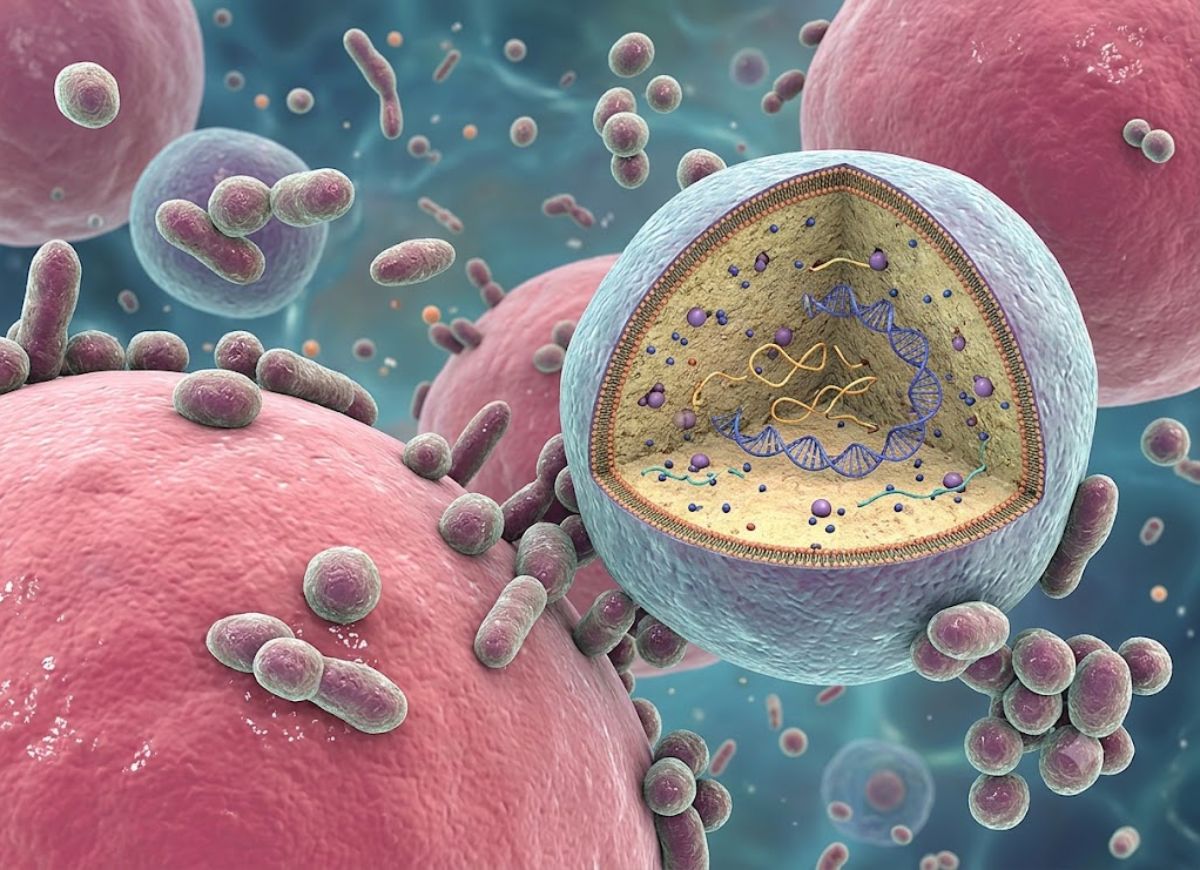
Mycoplasma is a group of bacteria set apart by one missing piece: a cell wall. Without it, these organisms infect by sticking to the surface of host cells and causing damage and irritation right where they land, rather than burrowing inside. That single structural difference drives nearly everything else about how the bacteria look, how they resist treatment, and how they make people sick.
Infection starts when the bacterium reaches the epithelial cells that line the respiratory or urogenital tract. Using a specialized structure built for gripping, it clamps onto the surface of a host cell.
From there, it doesn’t need to break in. Instead, it releases waste products and toxins that injure the cell surface, disrupt normal function, and set off a strong reaction from the immune system. That ongoing inflammation not an invasion is what actually produces most of the symptoms people experience.
What Defines Mycoplasma as a Unique Bacterium?
Three things set mycoplasma apart from nearly every other bacterium: it has no rigid protective cell wall, it’s remarkably tiny with a stripped-down genome, and as a result, it can shift shape freely. Together, these traits explain why mycoplasma infections tend to be so persistent and hard to shake.
The missing cell wall is the biggest factor. Most bacteria are wrapped in a tough outer layer called peptidoglycan, which gives them a fixed shape round, rod-like, or otherwise. Mycoplasma has none of that. All it has is a soft, flexible membrane.
That absence has real consequences. It makes mycoplasma completely immune to beta-lactam antibiotics the penicillin and cephalosporin family because those drugs work specifically by blocking cell wall construction. No wall means nothing for the drug to target.
On top of that, mycoplasmas rank among the smallest free-living bacteria known, with some species barely reaching 0.2 to 0.3 micrometers across. Their genetic material has been trimmed down through evolution, shedding genes for functions they no longer need because they lean on their host to supply the rest. This tiny size lets them slip through filters that would normally catch other bacteria something that actually delayed scientists from discovering them in the first place.
Since there’s no wall dictating its shape, mycoplasma can morph sometimes round, sometimes pear-shaped, sometimes stretched into thread-like filaments. That flexibility lets it squeeze into cramped spaces and may help it dodge parts of the immune system. It also helps the bacterium stay pressed close against host cells to pull in nutrients.
Because their own biosynthesis abilities are so limited, mycoplasmas depend heavily on the host. They even borrow cholesterol and fatty acids straight from host cell membranes to build their own something no other type of bacteria does. This dependence is why mycoplasma is never found living freely; it’s always attached to a host in some way.
How Does Mycoplasma Attach to and Damage Host Cells?
Mycoplasma latches onto host cells with a specialized attachment structure, then causes damage by releasing byproducts that trigger oxidative stress and a strong immune reaction all without ever actually entering the cell.
Everything about the infection depends on close, sustained contact with epithelial cells lining the respiratory or urogenital tract. Attachment comes first. Species like Mycoplasma pneumoniae have a dedicated structure at one end of the cell often described as an attachment organelle built specifically for this job.
That structure is tipped with adhesin proteins, the standout being P1 adhesin, which binds tightly to sialic acid receptors on epithelial cell surfaces. The grip is strong enough that the bacteria can hold their position even as mucus tries to flush them away.
Once locked in place, the damage begins all while the bacterium stays on the surface. In the airway, M. pneumoniae is especially rough on ciliated cells the ones lined with tiny hair-like structures that sweep mucus and debris out of the lungs. The bacterium pumps out hydrogen peroxide and other reactive molecules as part of its metabolism.
These compounds create oxidative stress that stalls the cilia’s movement (a state called ciliostasis) and eventually causes those cells to die off and shed. That knocks out the lungs’ main cleanup system, letting mucus and debris pile up which is exactly why the cough associated with this infection lingers so long.
By staying attached so tightly, mycoplasma also siphons nutrients like amino acids and cholesterol straight from the host cell, weakening it and eventually pushing it toward cell death. The bacterium even folds host-derived cholesterol into its own membrane, blurring the line between itself and the cell it’s feeding on which may help it stay hidden from immune detection.
All of this the cell damage plus the presence of bacterial proteins on the mycoplasma surface sets off a strong immune response. Immune cells flood the area with inflammatory signals like interleukins and TNF-alpha. That response is meant to clear the infection, but because mycoplasma tends to stick around, the inflammation becomes chronic. It’s really this prolonged inflammatory response, not the bacteria itself, that causes most of the sore throat, bronchitis, and pneumonia symptoms people experience.
Common Infections Caused by Mycoplasma
Mycoplasma infections fall into two main buckets, based on where they set up shop: respiratory illness, mostly driven by Mycoplasma pneumoniae, and urogenital infections, tied mainly to Mycoplasma genitalium and Ureaplasma species. Out of more than 200 known mycoplasma species, only a small number actually cause disease in humans.
Each type of mycoplasma tends to colonize a specific mucosal surface, producing its own distinct pattern of illness. M. pneumoniae is one of the world’s leading causes of community-acquired respiratory infection, hitting people of every age but showing up most often in school-age kids and young adults.
Meanwhile, M. genitalium, M. hominis, and Ureaplasma species stick mainly to the genitourinary tract and typically spread through sexual contact, leading to a range of issues that can affect reproductive health.
Primary Respiratory Illnesses Caused by Mycoplasma pneumoniae
Mycoplasma pneumoniae is behind several respiratory conditions, most notably atypical pneumonia (the classic “walking pneumonia”), tracheobronchitis, and pharyngitis. It’s estimated to cause somewhere between 15% and 20% of all community-acquired pneumonia cases.
The illness can range from a mild upper-respiratory nuisance to a more serious lower-respiratory infection. Atypical pneumonia is the condition most people associate with this bacterium. Unlike classic pneumonia from something like Streptococcus pneumoniae which tends to hit hard and fast with high fever and chills this version builds slowly.
Patients typically deal with a low fever, general tiredness, headache, and a dry, hacking cough that can stretch on for weeks or even months. The “walking” part of the name comes from the fact that people are often well enough to keep going about their day, even though they don’t feel great.
Beyond pneumonia, M. pneumoniae is also a common cause of milder respiratory trouble. Tracheobronchitis inflammation of the windpipe and the larger airways is actually the most common way this infection shows up, more so than full-blown pneumonia.
The main symptom is a stubborn, often severe cough, which may start dry and later bring up small amounts of mucus. It’s usually joined by sore throat, headache, and fever. Most cases clear up on their own, but the cough tends to outlast everything else, reflecting how slowly the damaged airway cells recover.
M. pneumoniae can also inflame the throat directly, causing pharyngitis. This sore throat often shows up before the deeper cough sets in. Plenty of viruses and bacteria cause sore throats, but mycoplasma is worth considering when a sore throat is followed by a persistent lower-airway cough.
In rarer cases, M. pneumoniae infections reach beyond the respiratory system entirely triggering skin rashes (like erythema multiforme), joint pain, a form of anemia, or, very rarely, serious neurological issues such as encephalitis or meningitis. These wider effects are generally blamed on the body’s overall inflammatory reaction rather than the bacteria actually spreading to those organs.
Main Urogenital Infections Linked to Mycoplasma genitalium and Ureaplasma Species
Mycoplasma genitalium and Ureaplasma species are linked to several urogenital conditions, including non-gonococcal urethritis (NGU) in men and cervicitis or pelvic inflammatory disease (PID) in women. These organisms are gaining recognition as significant sexually transmitted pathogens with the potential for lasting reproductive effects.
Mycoplasma genitalium in particular has become a notable cause of urogenital illness worldwide and a difficult one to manage, partly because resistance to standard antibiotics keeps growing. In men, it’s a leading cause of NGU, meaning urethral inflammation not caused by gonorrhea.
Typical symptoms include a watery or milky discharge, a burning feeling while urinating, and sometimes testicular pain. That said, many infected men have no symptoms at all, which makes it easy to unknowingly pass the infection along.
In women, the effects can run deeper. M. genitalium is a recognized cause of cervicitis inflammation of the cervix which can bring changes in discharge, pain during sex, or bleeding between periods or after intercourse. Just like in men, plenty of women with cervicitis from M. genitalium have no noticeable symptoms, which is part of why screening matters in higher-risk groups.
Left untreated, an infection like this can travel upward from the lower genital tract into the upper reproductive organs, resulting in PID inflammation affecting the uterus, fallopian tubes, or ovaries. PID carries serious risks, including long-term pelvic pain, ectopic pregnancy, and infertility caused by scarred fallopian tubes. M. genitalium is now considered a major driver of PID, on par with better-known culprits like chlamydia.
Ureaplasma urealyticum and Ureaplasma parvum are also frequent residents of the urogenital tract. They can exist as part of the normal flora, but they’re also known to cause NGU and prostatitis in men, plus bacterial vaginosis in women when given the chance.
Ureaplasma species have additionally been tied to pregnancy complications, including preterm labor, early rupture of membranes, and inflammation of the fetal membranes. Newborns exposed during birth can also develop respiratory illness or meningitis linked to these bacteria.
Symptoms of a Mycoplasma Infection
Symptoms vary a lot depending on the species involved and where it settles commonly showing up as a lingering cough for M. pneumoniae, or as broader signs like deep fatigue and a mild fever.
Unlike infections that hit hard and fast, mycoplasma tends to build gradually, with symptoms developing over one to four weeks after exposure. Because the early picture often looks like a typical virus, diagnosis can get delayed. M. pneumoniae, the most common culprit, mainly affects the airways it colonizes.
But the body’s overall inflammatory reaction can also produce symptoms well outside the lungs touching the skin, joints, and even the nervous system. Urogenital mycoplasma infections, by contrast, tend to stay localized to that area or produce no symptoms whatsoever, which is how they often spread unnoticed.
Typical Respiratory Symptoms of a Mycoplasma Infection
A Mycoplasma pneumoniae infection usually centers around a persistent, hacking cough, joined by a mild fever, sore throat, headache, and chest discomfort. The cough is the defining feature often the symptom that lasts the longest. It usually starts dry, then may eventually bring up small amounts of clear or white mucus.
That cough is a direct result of damage to the airway’s ciliated cells, which normally sweep mucus and debris away. Without them working properly, the cough can drag on for three to six weeks, often getting worse at night and it’s usually what finally convinces someone this isn’t just a cold.
Several other symptoms round out the picture. Fever tends to stay low-grade, often around 101°F (38.3°C) or lower a contrast to the high, sudden fevers seen with more typical bacterial pneumonia. Chills can occur too, but they’re generally milder than what you’d get with flu.
A sore throat often shows up early, sometimes before the cough really kicks in, ranging from mild irritation to real pain when swallowing a sign of early inflammation in the upper airway.
A dull, ongoing headache is also common, likely tied to the body’s broader inflammatory response rather than the infection itself.
Chest discomfort shows up too, usually described as more of an ache than a sharp pain. It tends to worsen with deep breaths or coughing, driven by inflamed lung tissue and the surrounding lining, plus the physical toll of constant coughing. Ear pain, somewhat unexpectedly, is another symptom that shows up fairly often.
Non-respiratory or Systemic Symptoms That Can Occur
Beyond the lungs, mycoplasma can trigger fatigue, general malaise, skin rashes, and occasionally joint pain, anemia, or neurological problems. Even though M. pneumoniae is mainly a respiratory bug, the body-wide inflammatory response it sets off can produce effects far outside the airway.
Fatigue and malaise are almost universal. People often describe feeling completely worn out a level of exhaustion that seems out of proportion to how mild their respiratory symptoms might be. This tiredness can stick around for weeks, even in milder walking pneumonia cases.
A smaller group of patients develop more specific complications. Skin issues are actually the most common of these, showing up in as many as 1 in 4 patients. Rashes can range from simple spots or small blisters to more distinctive patterns like erythema multiforme, which produces target-shaped lesions. Rarely, this can escalate into a severe condition called Stevens-Johnson syndrome, involving blistering of the skin and mucous membranes.
Joint pain is another possibility usually an inflammatory reaction from the immune system rather than the bacteria directly infecting the joint. It’s generally temporary and fades as the infection clears.
Some people develop “cold agglutinins” antibodies that make red blood cells clump together in cooler temperatures. This can cause a mild form of anemia, leading to added fatigue, paleness, or shortness of breath.
Neurological complications are rare affecting roughly 1 in 1,000 cases but they’re the most serious when they happen. These include encephalitis, meningitis, acute disseminated encephalomyelitis (ADEM), and Guillain-Barré syndrome, with symptoms ranging from confusion to seizures or paralysis. These are thought to stem either from the bacteria reaching the nervous system directly or from an autoimmune reaction the infection sets off.
Mycoplasma Infection Diagnosis
Diagnosing mycoplasma isn’t straightforward, since symptoms like a lingering cough, fever, and fatigue overlap heavily with other common illnesses. Doctors rely on lab testing rather than symptoms alone, and the go-to method today is PCR testing.
This test looks directly for the bacteria’s genetic material, usually from a throat swab, sputum sample, or other respiratory fluid. It’s fast and highly accurate, often delivering results within hours.
Blood testing (serology) is another option, checking for antibodies the body makes in response to infection.
IgM antibodies typically appear first, signaling a recent or active infection.
IgG antibodies show up later and can stick around for years, pointing to a past infection or possible immunity. Testing twice, a few weeks apart, and watching for a rise in IgG can also help confirm a recent infection.
Growing the bacteria in a lab culture is technically possible, but it’s rarely used clinically mycoplasma grows painfully slowly and needs a specialized nutrient medium, making the process impractical for everyday diagnosis.
Can a Mycoplasma Infection Lead to Long-term Complications?
Most mycoplasma infections walking pneumonia included clear up without any lasting impact. But a small number of cases do lead to longer-term problems, usually because the immune system’s response to the infection ends up doing more damage than the bacteria itself, sometimes reaching well past the lungs.
In some cases, a severe mycoplasma infection can worsen existing conditions like asthma, or occasionally contribute to ongoing respiratory issues. Inflammation from the infection can damage the airway lining, sometimes leaving behind lingering wheezing or heightened airway sensitivity.
The more serious long-term effects tend to happen outside the lungs. Reactive arthritis is one possibility joint pain, stiffness, and swelling, often in the knees or ankles, caused by the immune system’s reaction rather than a direct joint infection.
In very rare, severe cases, neurological complications can follow, including encephalitis, aseptic meningitis, or Guillain-Barré syndrome an autoimmune condition where the immune system mistakenly attacks nerve tissue, causing weakness or paralysis.
Other uncommon complications include skin conditions like erythema multiforme, hemolytic anemia, and inflammation of the heart muscle or its surrounding lining (myocarditis or pericarditis).
Mycoplasma Infection vs. Typical Bacterial Infection
Mycoplasma behaves very differently from a typical bacterial infection like strep throat, largely because of its unusual cell structure. The biggest difference is the missing cell wall. Most bacteria, including Streptococcus pyogenes, are wrapped in a thick protective layer of peptidoglycan.
That wall gives bacteria their shape and also happens to be the main target of common antibiotics like penicillin. Since mycoplasma has no wall, those drugs simply don’t work against it treatment has to rely on antibiotics that interfere with other processes instead, like protein production (think macrolides or tetracyclines).
Mycoplasma also holds the title of smallest known free-living bacteria. Its tiny size and flexible membrane let it stay in close, almost intracellular contact with host cells sometimes clinging so tightly it behaves almost like it’s living inside them. Streptococcus, by comparison, stays extracellular, multiplying in the spaces between cells, like on the surface of the throat.
That close, quiet relationship with host cells is part of why mycoplasma infections tend to creep in slowly, producing the drawn-out symptoms of walking pneumonia. Typical bacterial infections, on the other hand, often trigger a faster, more intense inflammatory response hence the sudden, severe sore throat that comes with strep.
Mycoplasma’s ability to mimic and alter its own surface proteins also helps it slip past parts of the immune system, which is a big part of why it causes a slow-burning, persistent illness instead of a short, sharp one.
Can Mycoplasma Infections Be Prevented?
There’s no vaccine for mycoplasma right now, so prevention comes down to good habits and basic hygiene. Respiratory mycoplasma, like M. pneumoniae, spreads mainly through airborne droplets released when someone coughs or sneezes.
Those droplets can be breathed in directly or land on surfaces, where the bacteria survive for a short time. That’s why prevention efforts focus on cutting off that path of transmission especially in close-contact settings like schools, dorms, military barracks, or nursing homes, where outbreaks tend to spread faster.
Basic infection control goes a long way. Washing hands thoroughly with soap and water for at least 20 seconds is one of the most effective habits. When soap isn’t available, an alcohol-based hand sanitizer with at least 60% alcohol works as a backup.
Covering your mouth and nose with a tissue or your elbow when coughing or sneezing helps contain respiratory droplets just be sure to toss the tissue and wash your hands right after.
If someone nearby is sick, keeping some physical distance helps cut down transmission risk. That also means avoiding shared items like cups, utensils, or towels with anyone showing respiratory symptoms. And staying home while sick remains one of the simplest ways to keep the infection from spreading further.
FAQs
1. Why is it called mycoplasma?
The name comes from words meaning “fungus” and “formed,” since early researchers thought these organisms had fungus-like traits. Today we know mycoplasma is actually a type of bacteria just an unusual one without a cell wall.
2. What is special about mycoplasma?
Its defining trait is the missing cell wall. That makes it flexible in shape and naturally resistant to antibiotics that target cell walls, like penicillin meaning treatment usually requires a different class of drugs.
3. Is mycoplasma infection serious?
Most mycoplasma infections, especially respiratory ones from M. pneumoniae, are mild. But some cases can become more serious, particularly in young children, older adults, or people with weakened immune systems, sometimes leading to pneumonia, worsened asthma, or infections beyond the lungs.
4. Can I kiss with mycoplasma?
If you have a respiratory mycoplasma infection, it’s best to avoid kissing until symptoms clear, since the bacteria spreads through respiratory droplets. If it’s a genital infection, intimate contact should be avoided until testing and treatment are complete.
5. Is Mycoplasma an STD?
Some types can be sexually transmitted, especially Mycoplasma genitalium, which can lead to urethritis, cervicitis, PID, or other reproductive health issues. But not all mycoplasma infections are STDs M. pneumoniae, for instance, spreads mainly through coughing and close respiratory contact.
6. What are two diseases caused by Mycoplasma?
Walking pneumonia (usually from M. pneumoniae) and urethritis (often linked to M. genitalium) are two well-known examples different species tend to target different parts of the body.
7. How long can Mycoplasma survive?
Mycoplasma doesn’t survive very long outside the body compared to many other germs. How long depends on the species, surface, moisture, and temperature but in most everyday situations, spread happens through close contact rather than lingering on objects.
8. How many days is Mycoplasma contagious?
Mycoplasma pneumoniae can remain contagious for as long as symptoms persist, sometimes several weeks, mostly through coughing and close contact. For sexually transmitted forms, a person stays contagious until they’ve been properly treated and cleared by a healthcare provider.
Conclusion
Mycoplasma is a small but distinctive bacterium capable of causing infections in the lungs, throat, urinary tract, or genital tract. Its missing cell wall sets it apart from most other bacteria and directly shapes which antibiotics can actually treat it.
For many people, a mycoplasma infection is mild and clears up with time and basic care. For others, it can mean a stubborn cough, pneumonia, pelvic discomfort, urinary symptoms, or complications that need medical attention. Since the symptoms often overlap with other illnesses, testing can be key when the cause isn’t clear.
Understanding how mycoplasma spreads, how long it stays contagious, and why treatment choices matter can help people protect both themselves and those around them. If symptoms persist, get worse, or come with breathing trouble, chest pain, pelvic pain, or unusual discharge, it’s worth getting checked out by a doctor.