
The Best DIY Lotion To Keep Your Skin Moisturized All Winter
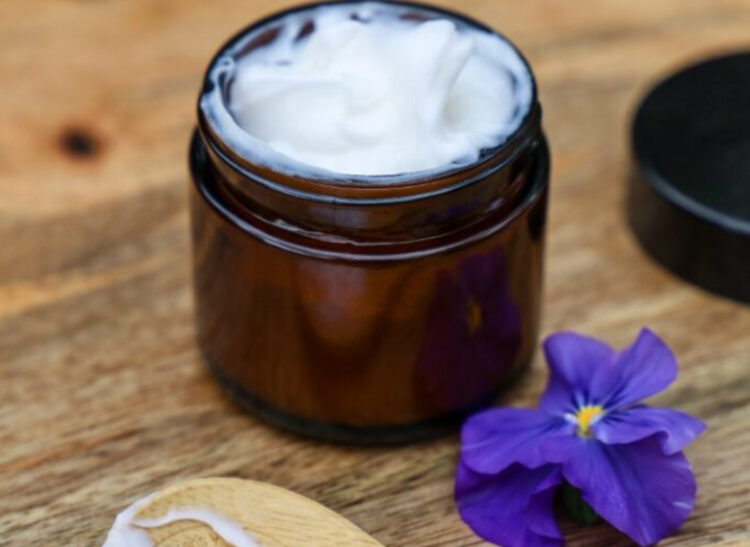
Commercial moisturizers can work well, but many contain harsh chemicals and preservatives that can irritate sensitive skin.
If store-bought products aren’t cutting it, or you’d simply rather save money on pricey cosmetics, making your own lotion at home is a great alternative.
Contrary to what many think, it’s actually not difficult to make, and this guide will show you how.
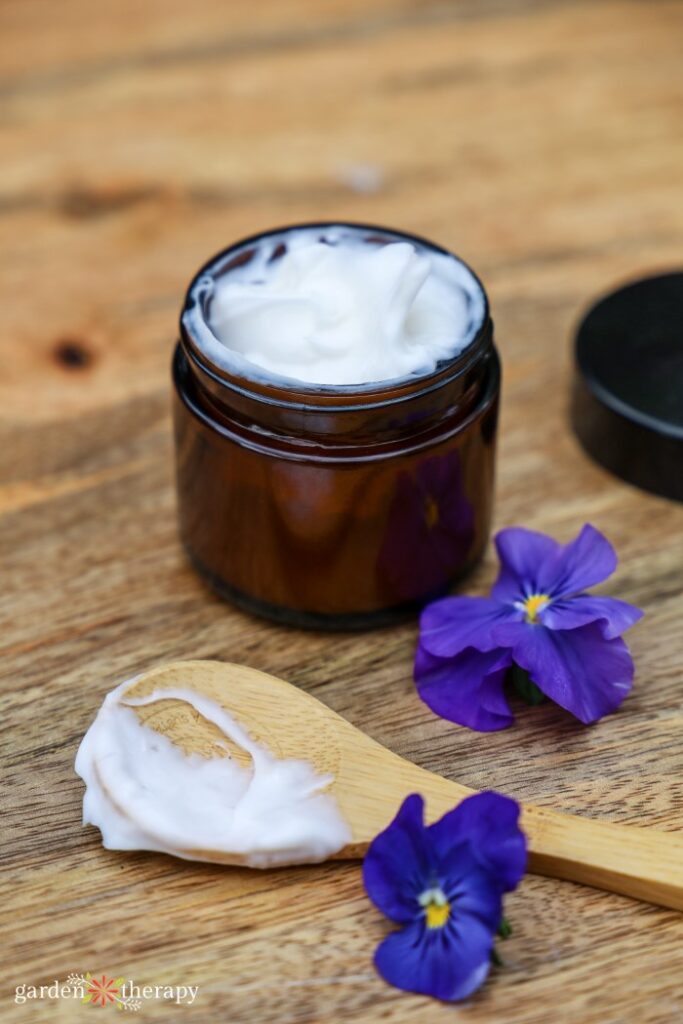
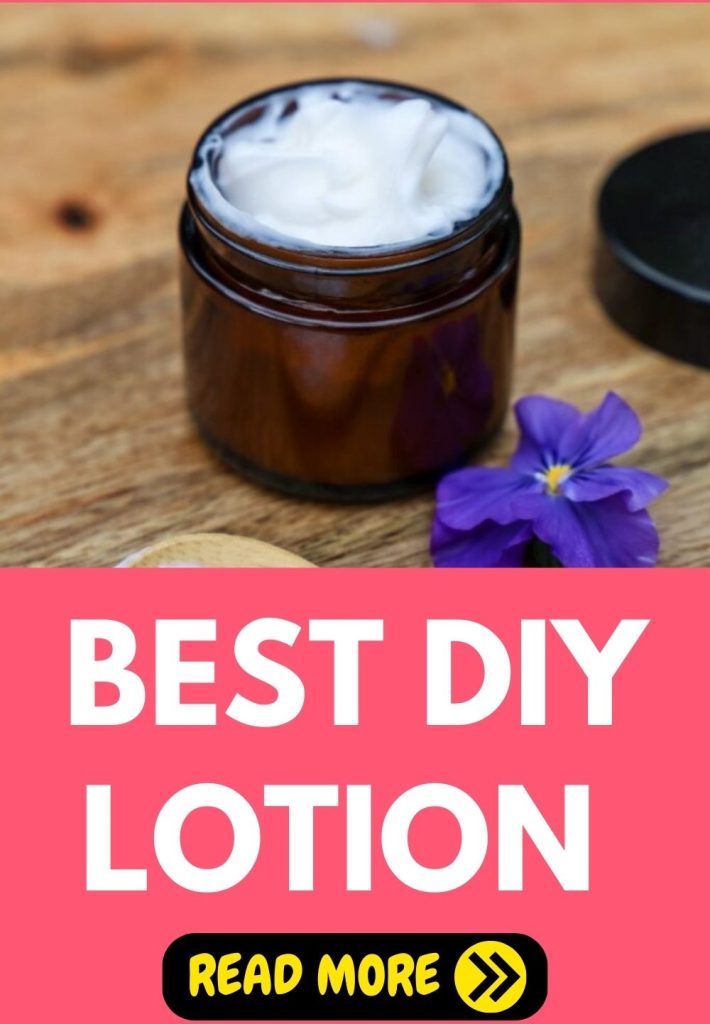
This DIY lotion recipe requires just a handful of ingredients and a bit of patience. It’s especially helpful for nourishing and moisturizing skin during the colder months.
Keep reading to see how it’s done.
What You’ll Need for the DIY Lotion
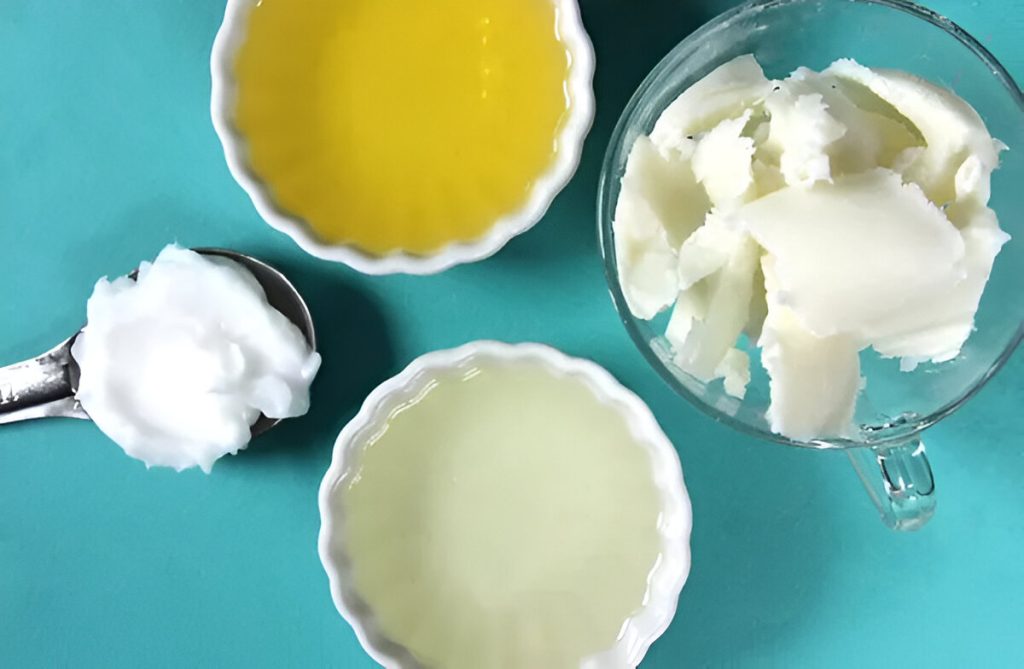
- 65 ml distilled water (floral water or an equal amount of pure aloe vera gel also work well)
- 30 ml oil (jojoba, sweet almond, grapeseed, coconut, or avocado oil all work)
- 4 grams emulsifying wax
- 3 drops lactic acid
- 0.6 grams Rokonsol or 3.5 grams Leucidal
- 0.5% of your favorite fragrance (optional)
- 10 drops pure essential oil (optional)
Understanding the Ingredients
Water
Water typically makes up about 70 to 80 percent of body lotion. It thins the mixture and helps it spread more easily.
Using only body butter and oils without water would result in a heavy, greasy texture rather than a smooth lotion.
Butter and Oils
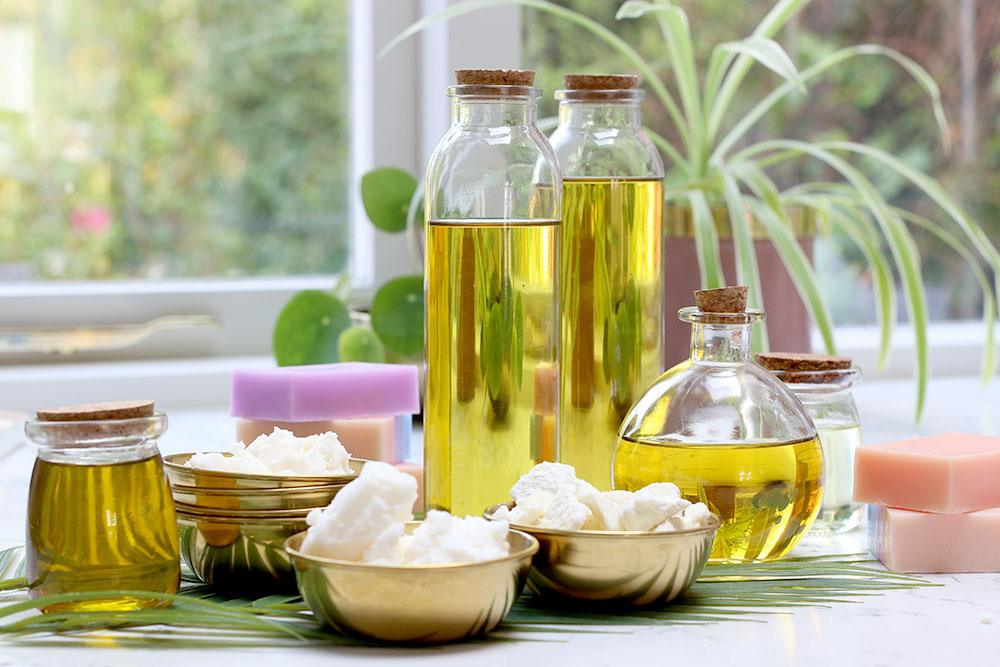
Body butters and oils are rich in nutrients, antioxidants, and skin-nourishing properties.
They’re especially beneficial for very dry skin and can help reduce the appearance of fine lines and wrinkles.
Common choices include shea butter, cocoa butter, sweet almond oil, avocado oil, and sunflower oil.
Emulsifiers and Wax
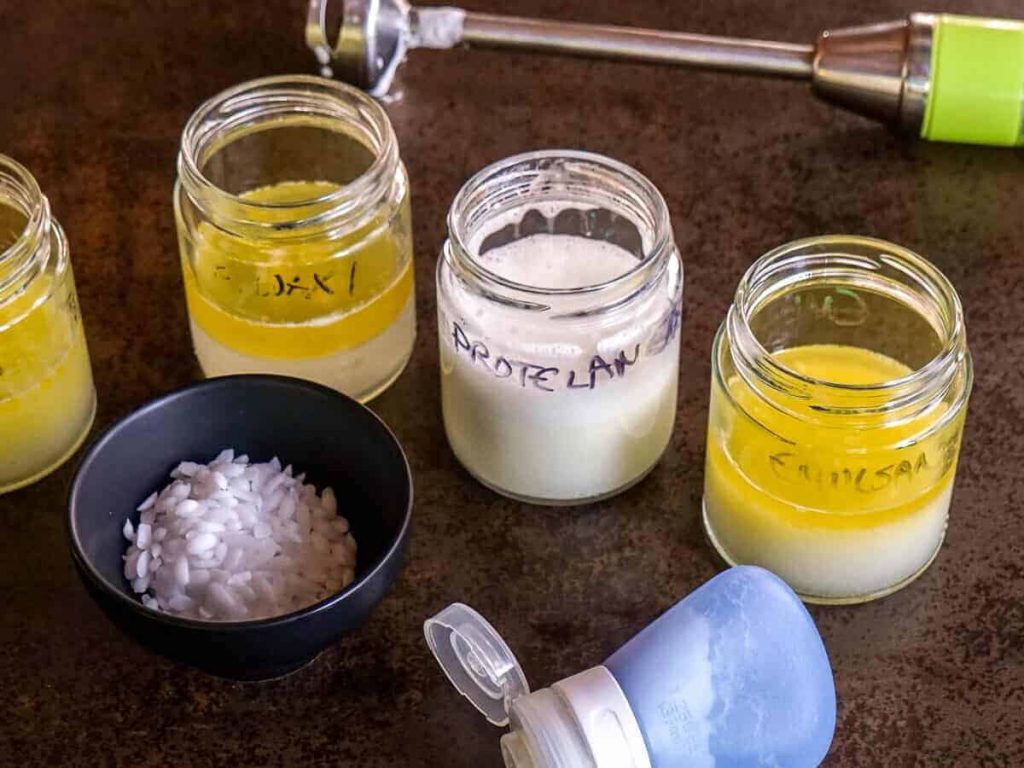
Oil and water don’t naturally combine. Without an emulsifier, they’ll separate.
Emulsifying wax acts as a bonding agent, helping blend and stabilize water and oil together in your lotion.
DIY lotions should contain no more than 10 percent emulsifier, and it’s important to note that beeswax and candelilla wax do not work as emulsifiers.
The texture of your finished lotion will depend on which emulsifier you choose. Popular options include emulsifying wax, Polawax, BTMS 50, and Olivem 1000.
Preservatives
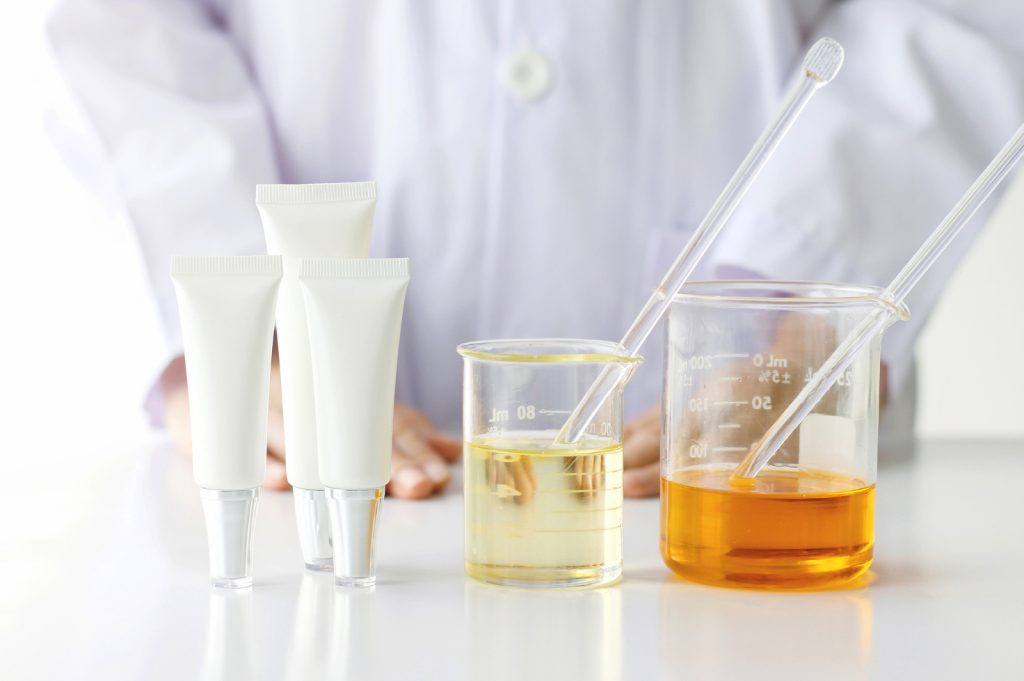
Any DIY skincare product meant to last longer than a month needs a preservative.
While the word “preservative” might sound off-putting for a homemade product, natural preservatives can safely extend your lotion’s shelf life by two to three months.
Leucidal, Rokonsal, and Geogard 221 (Cosgard) are gentle, natural options that have all received ECO-CERT approval.
Some DIY enthusiasts assume that coconut oil, essential oils, vitamin E, and potassium sorbate can serve as natural preservatives. While these ingredients may offer some antibacterial or antifungal properties, they can’t reliably prevent bacterial or mold growth. Vitamin E and grapefruit seed extract can help slow oil rancidity, but they won’t stop mold, and potassium sorbate doesn’t effectively inhibit bacterial growth either.
DIY Lotion Recipe
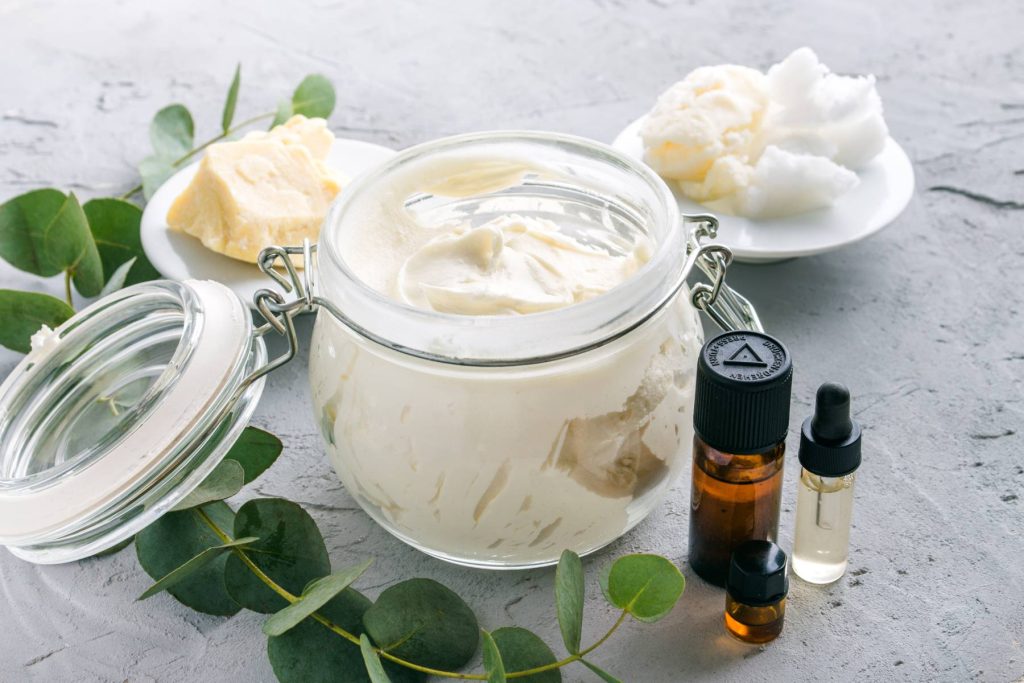
- Warm the distilled water in a clean glass bowl to around 70 to 75°C, matching the temperature of your oils. This supports proper emulsification.
- In a separate bowl, combine the oils and wax. Heat over a double boiler, stirring until melted, keeping the temperature around 70 to 75°C.
- Combine the water with the oil and wax mixture. Whisk until it thickens and turns opaque. If it separates, reheat over the double boiler and continue whisking until combined.
- Let the mixture cool slightly, then test the pH using a pH strip. It should read between 3 and 8 if using Leucidal, or below 5.5 if using Rokonsol.
- If using Rokonsol and the pH is above 5.5, add a few drops of lactic acid and mix until it drops below 5.
- Once fully cooled, add your preservative, essential oils, and fragrance. Whisk until well combined.
- Transfer to airtight containers, letting the mixture cool completely before sealing with lids.
Frequently Asked Questions About DIY Lotion

You can naturally thicken your lotion by adding melted stearic acid.
Shea butter isn’t necessarily better than lotion, it depends on your skin. Body butters like shea butter are more natural and can work well for rough, dry skin, but they may clog pores and aren’t ideal for acne-prone skin. Lotions tend to spread more easily and absorb better overall.
Coconut oil can help hydrate skin, but it shouldn’t fully replace lotion, since it can clog pores over time.
This DIY lotion recipe is a solid starting point, but feel free to adjust it based on your skin’s needs and preferences.
Start with small batches, and always patch test before applying anything new to your skin. Once you get the hang of it, you’ll be able to whip up a batch of homemade lotion in no time.