10 Important Signs of Osteomyelitis You Shouldn’t Ignore
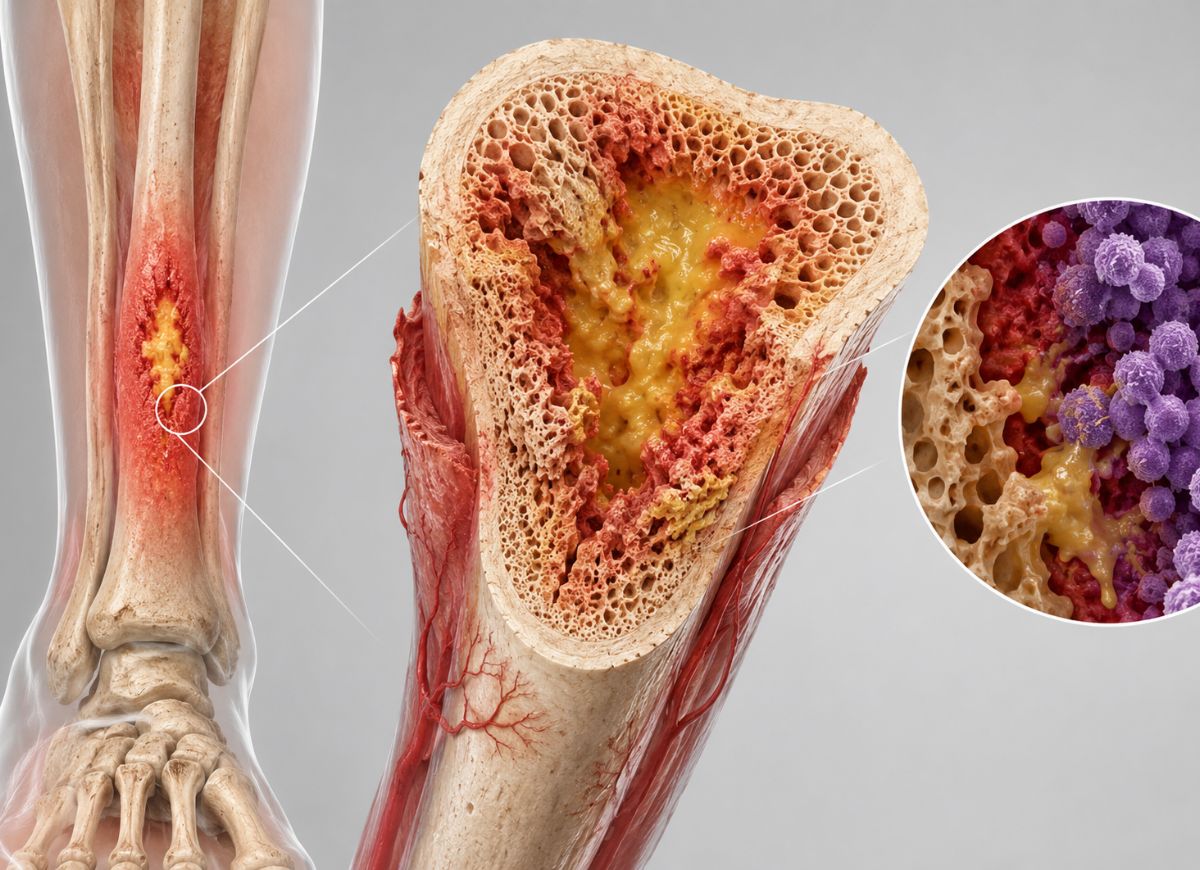
Osteomyelitis, an infection of the bone, is far more common than most people assume. In the United States alone, more than 50,000 new cases are diagnosed each year, and countless others go unnoticed because early symptoms are so easy to mistake for something minor. People living with diabetes, weakened immunity, or recent injuries face the highest risk, which makes early awareness genuinely important.
The tricky part about osteomyelitis is that its first symptoms — mild aches, tiredness, slight swelling — rarely scream “bone infection.” That subtlety is exactly why so many cases are caught late. And because the infection can spread quickly once it takes hold, catching the warning signs early can make a real difference in how smoothly recovery goes.
Osteomyelitis isn’t picky about location either — it can settle into the long bones of the arms and legs, the spine, or even the small bones of the hands and feet. Most cases respond well to treatment, but waiting too long to act is where things tend to go wrong.
This guide walks through 10 signs worth paying attention to, so you can recognize a possible bone infection before it becomes a bigger problem.
10 Key Signs of Osteomyelitis
Persistent, Localized Bone Pain
The hallmark symptom of osteomyelitis is a deep, steady ache in one specific spot — very different from the soreness of a pulled muscle. This pain comes straight from the bone itself: as bacteria multiply inside the marrow, the immune system reacts with inflammation, and because bone is a rigid, closed space, that inflammation builds pressure quickly. The result is pressure on nerve endings and a gnawing, boring kind of discomfort.
Unlike a strained muscle that eases with rest, this pain often gets worse at night or during quiet moments, sometimes interrupting sleep entirely.
A few things set it apart diagnostically: patients can usually point to the exact spot that hurts, pressing on that area makes it noticeably worse, and the pain tends to escalate as internal pressure builds. It can range from a dull ache in long-standing infections to sharp, severe pain in acute ones, and it typically worsens with movement or weight-bearing — which is why a limp is often one of the first visible clues.
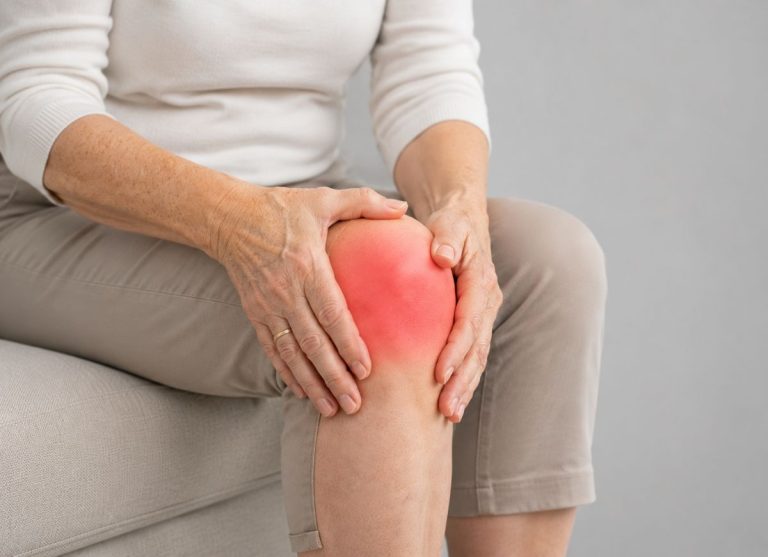
Swelling, Warmth, and Redness Over the Affected Bone
These three signs — swelling, heat, and redness — are the body’s visible inflammatory response to infection. When bacteria invade bone tissue, the immune system floods the area with white blood cells, and nearby blood vessels widen to speed up delivery. That extra blood flow is what makes the skin feel warm and look flushed.
At the same time, vessel walls become leaky, letting fluid and immune cells seep into surrounding tissue — this is what causes the swelling, which can feel soft and puffy or firm and tight depending on how deep the infection sits. It often restricts movement in nearby joints too.
The skin overhead usually feels distinctly warmer than the surrounding area, and its color may shift toward pink, red, or even purplish. Worth noting: on darker skin tones, redness can be much harder to spot, so warmth and swelling become the more reliable clues to watch for.
Unexplained Fever and Chills
Fever and chills signal that the infection has grown serious enough to trigger a body-wide response — and possibly reached the bloodstream. A fever (generally 100.4°F/38°C or higher) isn’t an illness on its own; it’s the brain’s hypothalamus deliberately raising body temperature in reaction to pyrogens released by bacteria and immune cells, since higher heat slows bacterial growth and boosts immune function.
Chills usually show up first, as shivering that generates heat to help the body reach its new, higher temperature target.
In sudden, acute infections, fever and chills can hit hard and fast. In longer-running chronic infections, though, fever may stay low-grade, come and go, or sometimes not appear at all — which makes diagnosis trickier. When present, it’s often paired with headache, body aches, and general fatigue.
Pus or Fluid Drainage From an Open Wound
When fluid or pus drains from a wound near a bone, it’s a strong indicator that infection has tunneled a path to the surface — what doctors call a sinus tract. This is especially common in long-standing (chronic) osteomyelitis, or after a compound fracture, surgery, or deep pressure sore. Essentially, the infection has burrowed from deep inside the bone, through muscle and tissue, until it broke through the skin.
The drainage itself offers clues: it’s typically thick and opaque (yellow, green, or brownish), made up of dead white cells, bacterial debris, and tissue fluid. Sometimes it’s tinged with blood, or thinner and clearer.
A foul odor is common too, caused by bacterial byproducts — certain bacteria even produce a distinct sweet smell, while others produce something more putrid. A wound that keeps draining and simply won’t heal, particularly over a bony area, should always raise concern for osteomyelitis, since surface treatments alone can’t reach an infection rooted this deep.
General Unwellness or Malaise
Malaise goes beyond ordinary tiredness — it’s a full-body sense of being unwell, run-down, and low on energy. It happens because the immune system is fighting a serious internal battle, and that fight consumes a huge amount of the body’s resources.
Immune cells release signaling chemicals called cytokines, which coordinate the response but also cause the classic “sick” feeling — fatigue, appetite loss, general discomfort — the same chemicals responsible for how flu makes you feel.
Fighting a deep infection also raises the body’s resting energy use, so people feel drained even without doing anything strenuous. In chronic cases, ongoing inflammation can even interfere with red blood cell production, leading to a form of anemia that deepens the fatigue further.
Reduced Range of Motion or Inability to Use a Limb
Pain, swelling, and protective muscle tightening often combine to limit movement in the affected limb. The body naturally guards an injured area to avoid pain, which shows up as stiffness or reluctance to move it at all.
In infants and young children, this shows up as “pseudoparalysis” — the child simply won’t move the affected arm or leg. A baby with a hip or thigh-bone infection, for instance, might hold the leg bent and cry sharply if someone tries to straighten it. It’s not true paralysis — the pain is just too intense to allow movement.
Adults may be unable to put weight on an affected leg and need crutches; if the infection sits near a joint, that joint can become stiff and painful to bend. Several factors contribute: swelling physically restricts movement, pain discourages it, and inflammation can spread into nearby joint linings or muscles, compounding the stiffness.
Night Sweats
Night sweats tied to osteomyelitis are intense enough to soak through clothing and bedding — not the kind caused by a warm room or heavy blankets. They stem from the body’s inflammatory response, driven by cytokines that interfere with the hypothalamus’s temperature control.
During the day, the body may run a fever; at night, as cytokine levels shift, the internal thermostat can suddenly drop, triggering a rapid sweating response to cool down.
These are known as a “B symptom” — a category that also includes fever and weight loss, seen in various chronic infections and inflammatory conditions. They’re more typical of chronic osteomyelitis, where the body has been fighting a low-level but ongoing infection for a long stretch. Bone pain paired with drenching night sweats is a combination worth investigating promptly.
Unexplained Weight Loss
Losing weight without trying is a warning sign tied to chronic osteomyelitis, driven by two things happening together: a higher metabolic rate and reduced appetite.
Fighting a long-term infection puts the body into overdrive, burning through fat and muscle reserves to fuel constant immune activity. Meanwhile, the same cytokines responsible for fatigue and fever also suppress appetite — food may seem unappealing, and people often feel full quickly.
General malaise and low-grade fever add to the reduced eating, since the body’s focus stays on fighting infection rather than digestion. When unexplained weight loss shows up alongside chronic bone pain or a wound that won’t heal, it’s a strong signal that something more serious — like advanced osteomyelitis — may be at play.
Irritability or Lethargy In Young Children
In infants and toddlers who can’t describe pain, behavior changes are often the clearest clue. Irritability shows up as unusual fussiness or inconsolable crying, especially when the affected limb is touched or moved even slightly.
Lethargy is the opposite extreme — a normally active child becomes unusually sluggish, uninterested in play, sleeps excessively, or feeds poorly. This happens because the body is redirecting all its energy toward fighting the infection.
These two states often alternate — bursts of irritability followed by exhaustion — and together they’re a strong signal something is wrong. In severe cases, a child may appear pale, listless, and seriously unwell (“toxic” in clinical terms). Combined with fever and refusal to use a limb, this pattern points strongly toward osteomyelitis.
The Development of a New, Non-healing Sore
A sore that refuses to heal, especially over a bony area, can be an external sign of infection underneath — particularly in people with diabetes, poor circulation, or reduced sensation from spinal injuries.
In these cases, even a minor injury like a shoe blister can go unnoticed. Poor blood flow keeps it from healing properly, letting surface bacteria work their way deeper — through fat and muscle — until they reach bone.
The sore typically fails to improve over weeks, may grow larger, develop a deep crater-like shape, and show hardened edges. A doctor probing the wound and hitting a hard, gritty surface is often testing for exposed infected bone. These sores commonly appear on the heel, ankle bones, ball of the foot, or tailbone in bedridden patients. Any diabetic foot ulcer that’s large, deep, or long-lasting should be treated as a possible bone infection until proven otherwise.
What are the Common Causes of Osteomyelitis?
Bacteria reach bone tissue through three main routes: traveling through the bloodstream, spreading from a nearby infected area, or entering directly through trauma or surgery. Staphylococcus aureus is by far the most common culprit, though fungi can occasionally cause it too.
Bacteria Spreading From the Bloodstream
This route — called hematogenous osteomyelitis — happens when bacteria from an infection elsewhere in the body travel through the blood and settle in bone. It’s the leading cause in children, though adults with weakened immunity or IV drug use are also at risk.
It typically starts with an infection somewhere else — skin, urinary tract, ears, lungs — that lets bacteria slip into the bloodstream. Certain bone regions are especially vulnerable because of how blood flows through them.
In children, the growth-plate areas of long bones (like the femur and tibia) have slow, looping capillaries that make an easy landing spot for circulating bacteria. In adults, the spine is the most common target, often causing gradually worsening back pain that can be hard to pin down. Older adults, people with weak immune systems, IV drug users, and dialysis patients face higher risk.
Infections From Nearby Tissue
Called contiguous osteomyelitis, this happens when a severe soft-tissue infection spreads directly into an adjacent bone — more common in adults than children.
It’s a direct invasion: infection eats through skin, fat, and muscle until it reaches bone. The classic example is a diabetic foot infection, where nerve damage (reduced sensation) and poor blood flow let small wounds turn into deep ulcers that eventually reach bone.
People who are bedridden or in wheelchairs face similar risk from pressure sores over the tailbone, hips, or heels. Even an untreated dental abscess can spread into the jawbone this way.
Direct Contamination
Also called direct inoculation, this happens when bacteria enter bone directly from an outside source — bypassing the skin’s natural protection entirely. It’s almost always linked to trauma or a medical procedure.
Open (compound) fractures, where broken bone pierces the skin, create an obvious entry point for environmental bacteria and require urgent cleaning and antibiotics. Surgeries involving bone — joint replacements, fracture repairs with hardware, spinal fusion — also carry infection risk, even with sterile technique, and hardware-related infections can be especially stubborn to treat. Puncture wounds from nails, glass, or animal bites can likewise carry bacteria straight into bone.
When to Seek Medical Help?
See a doctor right away if you notice deep, worsening, localized bone pain — especially alongside fever, chills, or a general sense of being unwell. Osteomyelitis can cause lasting bone damage and serious complications if it isn’t treated promptly, so it’s not something to wait out.
Osteomyelitis Signs That are a Medical Emergency
Severe localized bone pain combined with high fever should be treated as an emergency — head to urgent care or an ER rather than waiting. This combination often points to an aggressive infection that can escalate quickly.
If bacteria spread into the bloodstream in large numbers, it can trigger sepsis — a life-threatening, body-wide inflammatory response marked by fever, rapid heartbeat, rapid breathing, confusion, and dropping blood pressure.
Pressure from pus and inflammation can also cut off blood flow to sections of bone, killing that tissue (a process called sequestrum formation). Dead bone can’t be reached by antibiotics and often has to be surgically removed. Abscesses — pockets of trapped pus — may form and typically need surgical drainage. In severe cases involving poor circulation, amputation can become the only way to save the limb or the patient’s life.
Kind of Doctor to Consult for These Symptoms
Start with a primary care physician for developing symptoms, or an ER for acute, severe ones. The initial visit usually includes a physical exam, symptom history, blood tests, and imaging like an X-ray.
From there, you’ll likely be referred to specialists. An orthopedic surgeon handles diagnosis and treatment of the bone itself — including biopsies to identify the infection and surgery to clean out infected tissue or remove hardware. An infectious disease specialist manages antibiotic therapy, choosing the right medication based on culture results and overseeing a treatment course that often runs four to six weeks or longer. Together with your primary doctor, this team manages the full course of care.
Osteomyelitis Diagnosis
Diagnosis moves from general signs to specific confirmation. It starts with a physical exam looking for localized pain, swelling, warmth, and systemic symptoms like fever. Blood tests then check inflammation markers — ESR and CRP — though these confirm infection is present without pinpointing where.
Imaging fills that gap. X-rays are often first but may not show changes for weeks. An MRI is far more sensitive for catching early bone inflammation, abscesses, and soft tissue involvement, while CT scans help visualize bone destruction. The definitive test is a bone biopsy — a sample removed and cultured to identify the exact bacteria, which guides antibiotic choice.
Blood cultures may also be drawn to check whether infection has entered the bloodstream, and in some cases a bone scan using a small amount of radioactive tracer helps highlight areas of unusually high bone activity. The biopsy remains the gold standard since it directly confirms infection and rules out look-alike conditions like tumors or fractures.
Potential Complications If Osteomyelitis is Left Untreated
Untreated osteomyelitis can cause serious harm. Blocked blood flow can kill bone tissue (osteonecrosis), leading to collapse and lasting pain. Infection can spread into nearby joints, causing septic arthritis and permanent joint damage. In children, it can damage growth plates, potentially stunting bone growth or causing limb-length differences.
The most dangerous outcome is systemic spread — sepsis, which can lead to organ failure. Left unaddressed, acute infections can turn chronic, forming draining sinus tracts, weakening bone to the point of fracturing under normal stress, and in rare long-term cases, even contributing to skin cancer within a chronic draining tract.
The Difference Between Acute and Chronic Osteomyelitis
Acute osteomyelitis develops fast — days to weeks — with sudden, intense pain, fever, chills, and visible swelling. It’s most common in children and usually responds well to four to six weeks of antibiotics, since the bone’s blood supply is still intact enough to deliver treatment effectively.
Chronic osteomyelitis lingers or develops slowly over months, more common in adults following an open fracture, surgery, or an incompletely treated acute infection. Symptoms tend to be milder but persistent — dull pain with occasional flare-ups of swelling and drainage. Its hallmark is dead bone tissue (sequestrum) that shields bacteria from both antibiotics and the immune system, usually requiring surgical removal alongside prolonged antibiotic treatment.
Osteomyelitis vs. Cellulitis
Both are bacterial infections, but they affect very different depths of tissue. Cellulitis is a more common, milder infection of the skin and tissue just beneath it, usually from Streptococcus or Staphylococcus entering through a break in the skin. It causes spreading redness, warmth, and tenderness, and typically clears up with 7–14 days of oral antibiotics.
Osteomyelitis goes much deeper, infecting the bone and marrow itself. It can look similar on the surface — redness and swelling over the bone — but involves far more serious tissue damage and requires weeks or months of antibiotics, often combined with surgery to drain abscesses or remove infected bone.
FAQs
Can you recover from osteomyelitis?
Yes — with early diagnosis and proper treatment, most people recover fully. Treatment usually involves weeks of antibiotics, and severe or chronic cases may need surgery to remove damaged bone. Recovery speed depends on location, overall health, and how quickly treatment starts; some people also need physical therapy afterward.
Is osteomyelitis extremely painful?
It can be moderately to severely painful. Pain often starts as a localized ache and can progress to sharp or throbbing discomfort as infection worsens, frequently accompanied by swelling, warmth, and tenderness that disrupt sleep and daily activity.
Can you live a long life with osteomyelitis?
Yes. Most people go on to live normally after effective treatment. Acute cases typically resolve fully with antibiotics and sometimes surgery, while chronic cases may need ongoing monitoring — but with proper management, life expectancy isn’t typically affected.
Who is at high risk for osteomyelitis?
People with diabetes, weakened immune systems, recent bone injuries, or surgical implants face the highest risk. Children are more prone to long-bone infections, while adults more often see it in the spine, pelvis, or feet — especially with poor circulation or chronic wounds.
How fast does osteomyelitis spread?
It depends on the type. Acute infections can progress within hours to days, while chronic infections develop over weeks or months. Rapid progression raises the risk of severe bone damage or systemic infection, which is why early treatment matters.
What is the most common age for osteomyelitis?
It can occur at any age but is most common in children under 12 and adults over 50. Children tend to get long-bone infections, while adults more often see it in the spine, pelvis, or feet, especially alongside conditions like diabetes.
What is a Stage 4 bone infection?
This refers to advanced chronic osteomyelitis involving dead bone tissue, abscesses, and sometimes systemic illness. It generally requires surgical removal of infected tissue plus long-term antibiotics, and usually results from infections left untreated for too long.
How to avoid osteomyelitis?
Prevention centers on prompt wound care, good hygiene, and managing chronic conditions like diabetes. Cleaning injuries properly, avoiding contamination, wearing protective gear during risky activities, and staying on top of overall health all help reduce risk.
Which wound has the highest risk of osteomyelitis?
Open (compound) fractures carry the highest risk, along with deep puncture wounds, surgical wounds, and chronic ulcers — particularly in people with diabetes or weakened immunity, since these wounds give bacteria a direct path to bone.
Can bone regenerate after osteomyelitis?
Yes, though how much depends on the severity of the original infection. Minor cases often heal fully with antibiotics alone; more severe ones may need surgical removal of dead bone followed by healing or grafting, sometimes with rehabilitation afterward.
Why is osteomyelitis so difficult to cure?
Bone has limited blood supply, which makes it hard for antibiotics to fully reach an infection. Bacteria can also form protective biofilms that resist treatment, and chronic infections or underlying conditions like diabetes add further complications — making prolonged antibiotics and often surgery necessary.
Conclusion
Osteomyelitis is a serious infection that can affect anyone, though children, older adults, and people with chronic health conditions face the greatest risk. Catching the early warning signs, understanding what puts you at risk, and getting medical attention quickly are the best ways to avoid severe complications.
With timely treatment — antibiotics, proper wound care, and surgery when needed — most people recover fully and regain normal bone function. Staying informed about the symptoms and risk factors is the best first step toward protecting your bone health long-term.
Want this saved as a downloadable file (Word doc or markdown)?