
10 Signs Sleepwalking May Need Medical Attention
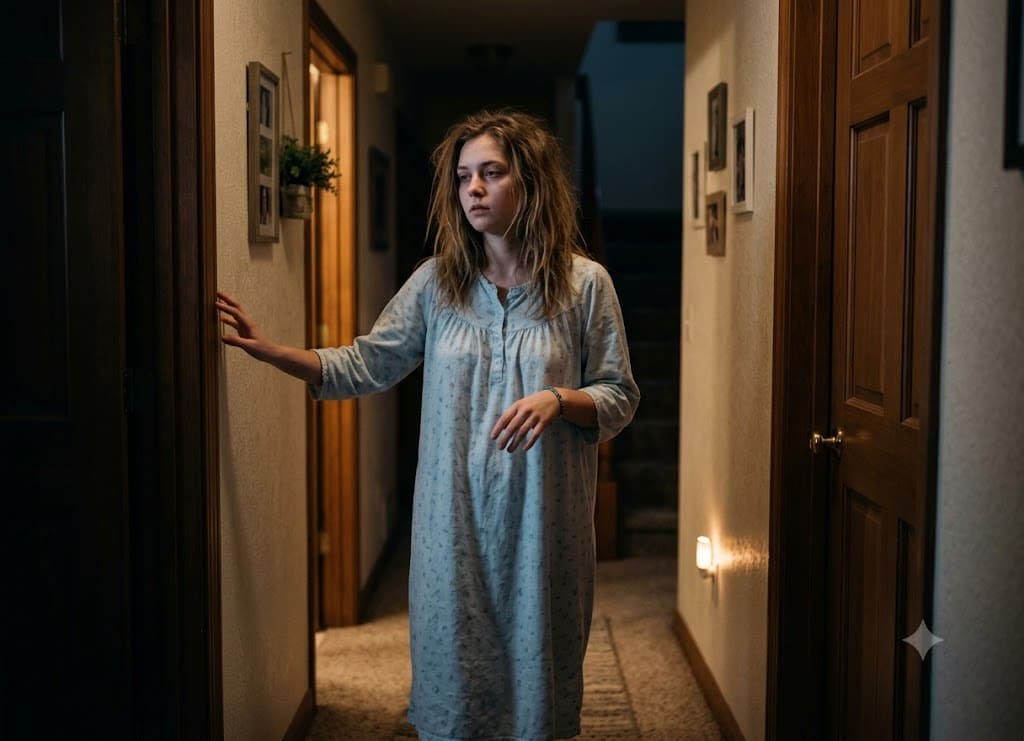
Sleepwalking is a type of parasomnia, a group of sleep conditions that can cause unusual behaviors while a person is asleep. Someone may sit up, walk around, talk, open doors, move things, eat, or even attempt to leave the home without being fully awake. It is more common in children and often decreases with age, but adults can experience it as well. Occasional episodes may not be serious, but certain patterns can indicate that medical evaluation is needed.
Recognizing when sleepwalking should be discussed with a doctor can improve safety and help identify possible underlying problems. Frequent episodes, injuries, excessive daytime tiredness, breathing difficulties during sleep, sleepwalking that begins during adulthood, or behaviors that place the person or others in danger should receive attention.
Sleepwalking can be associated with sleep deprivation, stress, fever, certain medications, alcohol, sleep apnea, restless legs syndrome, and other sleep disorders. This article covers 10 signs that sleepwalking may require medical attention and explains why professional guidance can help make nighttime behavior safer.
What Is Sleepwalking?
Sleepwalking is a sleep disorder in which a person gets out of bed and performs activities while remaining partly asleep. It generally occurs during deep non-REM sleep, often within the first few hours after falling asleep. During an episode, a person may walk around, speak, sit upright, open doors, move objects, eat, or carry out other actions without being completely aware of them.
Although a sleepwalker may appear awake because their eyes can be open, their brain is not fully alert. They may seem confused, respond slowly, or be difficult to wake. In many cases, the person has little or no memory of what happened after the episode. Sleepwalking is particularly common in children, but adults may also experience it, especially when sleep is disturbed by stress, insufficient sleep, fever, alcohol, certain medicines, or another sleep disorder.
Occasional sleepwalking is not necessarily dangerous, but it can become a safety concern when someone uses appliances, climbs stairs, leaves the house, or gets hurt. For this reason, protecting the sleep environment is an important part of managing the condition. If episodes become frequent, start during adulthood, result in injury, or interfere with everyday life, speaking with a healthcare provider or sleep specialist may be appropriate.
When Sleepwalking Transitions from Curious to Concerning
Although sleepwalking, medically known as somnambulism, is often considered a harmless and unusual sleep behavior, it can sometimes become a serious parasomnia with meaningful safety risks. During an episode, a person can enter a state of partial arousal in which their body is capable of moving and performing actions while conscious awareness and judgment remain reduced.
Recognizing when sleepwalking has become more concerning is important. Certain patterns suggest that the episodes may be more than an occasional nighttime behavior and could warrant professional evaluation.
High-Risk Demographics and Frequency Red Flags
The age at which sleepwalking begins and how often it occurs can provide useful clues about the possible cause.
Adult-Onset Presentation: Sleepwalking is much more common during childhood, affecting a notable percentage of children and often decreasing as the nervous system matures. In adults, it is less common. When sleepwalking first appears during adulthood, it may sometimes be associated with another issue, such as a neurological condition, psychological stress, or a reaction to a medication. For that reason, new-onset adult sleepwalking deserves medical attention.
High Weekly Frequency: An occasional episode in a child may not be a major concern. However, sleepwalking that happens several times each week or repeatedly during the same night may indicate significant disruption of the normal sleep-wake cycle. Frequent episodes can interfere with restorative sleep and contribute to daytime tiredness, difficulty concentrating, and other problems.
Dangerous Nighttime Behaviors
The actions a person performs while sleepwalking are an important factor when deciding whether medical help is needed. Sleepwalking behavior can range from simple movements to complex activities that create serious hazards.
- Leaving a Safe Environment: One of the most concerning behaviors is leaving the house while asleep. A person may unlock doors, open windows, or walk outside, where they can encounter traffic, severe weather, bodies of water, or dangerous heights.
- Operating Machinery and Appliances: Sleepwalkers may attempt activities that require full awareness, including turning on a stove or oven, handling kitchen knives, or trying to drive a vehicle. Sleep driving is an especially serious safety concern.
- Aggressive Defenses: A sleepwalker who is touched or redirected by a family member or partner may react with confusion or sudden aggression. Shouting, pushing, or hitting can occur and may put both the sleepwalker and others at risk.
Physical Injury as an Absolute Threshold
Any physical injury that occurs during a sleepwalking episode is an important reason to seek professional medical advice.
                       [The Escalation of Sleepwalking Risks]
                                         │
        ┌────────────────────────────────┴────────────────────────────────┐
        ▼                                                                 ▼
[Documented Physical Peril]                                      [The Risk of Escalation]
- Bumping into furniture, minor cuts                             - Small trips can become falls down stairs
- Proof that protective instincts are offline                    - Minor cuts can escalate to severe lacerations
- Immediate threat to bed partners                              - Demands proactive intervention before catastrophe
An injury demonstrates that the person can be exposed to danger while their normal awareness and protective responses are reduced. Even a small bruise or cut can become more serious if the behavior continues. Seeking medical advice can help identify the cause and reduce the chance of future injuries.
Compounding Sleep Symptoms and Underlying Triggers
When doctors investigate sleepwalking, they also consider other symptoms that occur during sleep. Another sleep or medical condition may repeatedly interrupt deep sleep and contribute to sleepwalking episodes.
- Obstructive Sleep Apnea (OSA): OSA causes repeated pauses in breathing, choking, or gasping during sleep. These interruptions can cause sudden arousals that may contribute to confused or unusual nighttime behavior.
- Restless Legs Syndrome (RLS): The uncomfortable urge to move the legs, particularly in the evening, can repeatedly disturb sleep and may contribute to parasomnias.
- Excessive Daytime Sleepiness (EDS): Feeling unusually tired during the day despite getting enough time in bed may suggest that sleep is being disrupted by an underlying problem.
- Vivid Dream Recollection: Most people who sleepwalk do not clearly remember their episodes. If an adult repeatedly remembers vivid or frightening dreams while physically acting them out, another condition, such as REM Sleep Behavior Disorder (RBD), may need to be considered.
The Immediate Peril: Physical Injury Risks
Among the concerns associated with untreated parasomnia, physical injury is one of the most immediate. During sleepwalking, a person may have their eyes open and be physically active while still having limited awareness of their surroundings. This can turn ordinary household objects and spaces into potential hazards.
                    [Nocturnal Injury Vectors in Untreated Somnambulism]
                                             │
         ┌───────────────────────────────────┼───────────────────────────────────┐
         ▼                                   ▼                                   ▼
 [Structural Falls]                  [Domestic Hazards]                 [Automotive Risks]
 - Misnavigating staircases           - Handling sharp kitchen knives    - "Sleep driving" vehicles
 - Accidental window falls            - Turning on stoves/ovens          - Extreme risk to public
Common forms of injury can include:
- Structural Falls: Misjudging stairs can cause broken bones, head injuries, or other serious trauma. In homes with multiple levels, falls from balconies or windows can be particularly dangerous.
- Domestic Cuts and Lacerations: A sleepwalker may enter the kitchen and pick up knives, glass objects, or other sharp items. They may also walk into glass doors or other obstacles without recognizing the danger.
- Severe Thermal Burns: Turning on a stove, opening a hot oven, or handling hot liquids while asleep can result in significant burns that may require urgent medical treatment.
- Automotive Accidents: In rare but extremely dangerous cases, a person may find car keys and attempt to drive. Because awareness and judgment are impaired, sleep driving can create a serious risk of collision and injury.
Relationship Strain and Social Isolation
The effects of unmanaged sleepwalking can extend beyond physical injuries. Repeated episodes may also affect relationships, emotional well-being, and social activities.
Impact on Bed Partners: A partner may repeatedly wake up because of sudden movements, talking, or nighttime wandering. Ongoing sleep disruption can lead to daytime fatigue, irritability, and frustration. If the sleepwalker becomes aggressive or unpredictable, the partner may also feel unsafe during the night.
Shame and Psychological Distress: People may feel embarrassed, helpless, or anxious about what they do while asleep. Worry about accidentally hurting someone, undressing, urinating in inappropriate locations, or behaving strangely can create significant emotional stress.
Self-Imposed Social Isolation: Fear of sleepwalking in unfamiliar surroundings may cause people to avoid staying overnight with friends or family, group vacations, or work-related travel. While this may reduce embarrassment, it can also contribute to loneliness and social withdrawal.
Sleepwalking as a Secondary Symptom of Underlying Illness
One important reason to investigate frequent sleep walking—particularly sleep walking in adults—is that the behavior may sometimes be associated with another medical or sleep-related condition. In some cases, the parasomnia is not the primary problem but instead occurs because another condition is repeatedly disrupting normal sleep.
- Obstructive Sleep Apnea (OSA): Repeated airway blockage can cause frequent awakenings and gasping episodes. These disruptions may contribute to unstable sleep and unusual nighttime behaviors.
- Restless Legs Syndrome (RLS): Repeated discomfort and movement of the legs can interfere with deep sleep and may contribute to parasomnias.
- Neurological Disorders: Some forms of epilepsy, including nocturnal frontal lobe epilepsy, can produce unusual movements and behaviors during sleep that may resemble sleepwalking. In certain situations, parasomnia-like behaviors can also occur alongside neurological conditions.
- Medication Side Effects: Some medicines can affect sleep patterns and may contribute to sleepwalking. These can include certain sedatives, sleeping medications, antidepressants, antipsychotics, and other drugs. Alcohol consumed near bedtime can also disturb sleep and increase the likelihood of episodes. A healthcare professional can review medications and other factors when determining possible causes.
Clinical Evaluation and Diagnostic Pathways
Finding the reason behind frequent or severe sleepwalking may require a detailed medical assessment. Since possible causes range from disrupted sleep to medication effects and other conditions, healthcare professionals may use information from the patient, family members, and sleep testing.
                           [The Parasomnia Diagnostic Sequence]
                                             │
         ┌───────────────────────────────────┴───────────────────────────────────┐
         ▼                                                                       ▼
[Clinical Assessment]                                                   [Polysomnography (PSG)]
- Multi-week patient sleep diaries                                      - Records EEG brain wave activity
- Witness descriptions of motor actions                                 - Helps identify sleep-stage arousals
- Screening for high-stress lifestyle factors                           - Helps evaluate epilepsy & sleep apnea
The evaluation may include several important steps:
Comprehensive History and Symptom Logs: A doctor may ask about how often episodes occur, when they happen, what the person does during them, and how long they last. Since sleepwalkers often do not remember their behavior, observations from a partner or family member can be very helpful. A sleep diary may also track bedtime, wake time, stress, alcohol use, medications, and possible triggers.
Polysomnography (PSG): An overnight sleep study may be recommended when the episodes are unusual, severe, or difficult to diagnose. Polysomnography monitors brain activity with an electroencephalogram (EEG), along with other body functions during sleep. It can help determine whether nighttime behaviors are associated with particular sleep stages and can also help identify conditions such as sleep apnea or certain forms of epilepsy.
Differential and Behavioral Screening: Video monitoring during a sleep study can allow specialists to compare physical movements with changes in brain and body activity. This can help distinguish sleepwalking from conditions that can look similar, including nocturnal epilepsy, and may reveal an underlying sleep disorder such as obstructive sleep apnea.
Differentiating Complex Parasomnias
Accurate diagnosis requires distinguishing sleepwalking from other parasomnias because they can involve very different sleep stages and symptoms.
Sleepwalking (Somnambulism): This NREM parasomnia usually develops during the earlier part of the night while the person is in deep sleep. The individual may perform complicated movements or activities while having limited awareness. They can be difficult to wake and are often confused if awakened. Memory of the event is usually absent or very limited.
Sleep Terrors: Sleep terrors also generally occur during deep NREM sleep early in the night and may happen alongside sleepwalking. The main feature is intense fear or panic, often accompanied by sweating, a rapid heartbeat, screaming, or other signs of strong physical arousal. The person may remain in bed and usually does not remember the event afterward.
REM Sleep Behavior Disorder (RBD): RBD occurs during REM sleep, which is more common later in the night. Normally, muscles are largely prevented from acting out dreams during REM sleep, but this protective mechanism is reduced in RBD. As a result, the person may punch, kick, shout, or jump while appearing to act out a vivid dream. Unlike typical sleepwalking, the person may wake easily and remember the dream in detail.
Common Lifestyle and Environmental Triggers
When investigating what causes sleep walking, doctors often consider everyday habits and environmental factors that can interfere with normal sleep and make episodes more likely.
Sleep Deprivation and Irregular Schedules: Not getting enough sleep can increase the likelihood of sleepwalking. Sleep deprivation can increase the amount of deep sleep that occurs afterward, potentially making partial arousals more likely. Shift work and inconsistent bedtimes can also disrupt normal sleep patterns.
Substance Use and Alcohol: Alcohol consumed shortly before bedtime can alter normal sleep architecture. Although it may initially make someone sleepy, it can contribute to disrupted sleep later in the night and may increase the chance of unusual arousals.
Medication Side Effects: Some medications that affect the central nervous system can contribute to sleepwalking. Examples may include certain sedative-hypnotics, antidepressants, and antipsychotic medications.
Internal and External Stressors: Emotional stress, anxiety, fever, loud noises, illness, or even needing to urinate can interrupt sleep. These disruptions may contribute to the partial awakenings associated with sleep walking.
Age-Specific Treatment Strategies
The approach to managing sleepwalking can differ depending on whether the person is a child or an adult. Treatment decisions depend on the individual’s sleepwalking causes, how often episodes happen, and whether safety risks or another medical condition is involved.
Pediatric Management: Reassurance and Safety
Sleepwalking is relatively common during childhood and often decreases as children grow older. It may become more noticeable during certain developmental periods and frequently resolves by adolescence.
- Environmental Safety: The most important step is making the home safer. Parents can use stair gates, remove objects that could cause trips, secure windows, and make exterior doors more difficult to open during sleep.
- Sleep Hygiene and Anticipatory Awakening: Consistent bedtimes, adequate sleep, and a calming bedtime routine may reduce episodes. When a child regularly sleepwalks around the same time each night, anticipatory awakening may help. This involves gently waking the child approximately 15 to 30 minutes before the usual episode. Medication is generally not the first approach for children and should only be considered with medical guidance.
Adult Management: Proactive Intervention
In comparison, sleep walking in adults is less common and may be associated with another sleep, medical, psychological, or medication-related issue. Management therefore often focuses on identifying and addressing possible causes.
- Targeting the Root Cause: The first step may be identifying and treating conditions that interfere with sleep, such as obstructive sleep apnea or restless legs syndrome. Managing stress and other contributing problems may also help reduce episodes.
- Behavioral and Psychological Therapies: Depending on the circumstances, adults may benefit from approaches such as Cognitive Behavioral Therapy (CBT), relaxation methods, stress management, or other behavioral techniques designed to improve sleep quality.
- Pharmacological Options: Medication is not necessary for every person with sleepwalking. When episodes are severe, frequent, or dangerous and other approaches have not helped, a physician may consider medication based on the individual’s circumstances. Certain medicines may be used under close medical supervision to reduce nighttime episodes.
Conclusion
Sleepwalking is often harmless when it occurs occasionally and does not cause injuries or major disruption. However, medical attention may be appropriate when episodes become frequent, dangerous, disruptive, or associated with other symptoms. Warning signs can include injuries, leaving the house, aggressive behavior, breathing problems during sleep, severe daytime sleepiness, new sleepwalking during adulthood, or persistent episodes that continue into the teenage years. When sleepwalking creates safety concerns or affects daily life, a healthcare provider or sleep specialist can help identify possible triggers, rule out other sleep disorders, and recommend appropriate safety and treatment strategies.
Frequently Asked Questions
1. What is sleepwalking?
Sleepwalking is a sleep disorder in which a person gets out of bed or performs activities while still asleep. It most often happens during deep non-REM sleep, usually during the earlier part of the night. Although the person may appear awake, they can be confused, difficult to redirect, and unable to remember the episode later. Sleepwalking may involve simple movements or more complicated activities that create safety concerns.
2. When should sleepwalking be checked by a doctor?
Sleepwalking should be discussed with a doctor when it occurs frequently, causes injuries, seriously interrupts sleep, or creates concern for the person or household. Medical evaluation is especially important if someone leaves the home, attempts to drive, becomes aggressive, or performs dangerous activities while asleep. Adults who develop sleepwalking for the first time should also consider medical evaluation. A healthcare professional can look for possible contributors such as medications, stress, insufficient sleep, fever, alcohol, sleep apnea, or another sleep disorder.
3. Can sleepwalking be dangerous?
Yes. Sleepwalking can become dangerous when a person climbs stairs, opens doors or windows, uses appliances, handles sharp objects, or leaves the home while asleep. Because awareness and judgment may be reduced, the person may not recognize hazards around them. Falls, burns, cuts, collisions, and other injuries can occur. Securing doors and windows, removing hazards, keeping floors clear, and making the home safer can help lower the risk while the underlying cause is being evaluated.
4. Is sleepwalking in children normal?
Sleepwalking is fairly common during childhood and often improves naturally as children become older. Poor sleep, fever, stress, irregular schedules, and other disruptions can make episodes more likely. Parents should seek medical advice when sleepwalking is frequent, dangerous, causes injuries, or continues into the teenage years. A doctor can determine whether additional evaluation or treatment is necessary.
5. How is sleepwalking treated?
Treatment depends on how often sleepwalking occurs, whether it creates safety risks, and whether another condition is contributing to the episodes. Many people benefit from maintaining a consistent sleep schedule, getting adequate sleep, reducing stress, and limiting factors that disturb nighttime rest. If sleepwalking is connected to sleep apnea, medication, fever, alcohol, or another medical issue, addressing that underlying factor may reduce episodes. For more severe cases, a sleep specialist may recommend further testing, behavioral strategies, or medication when appropriate.