
8 Worst Foods for Gallbladder Issues You Should Avoid Today
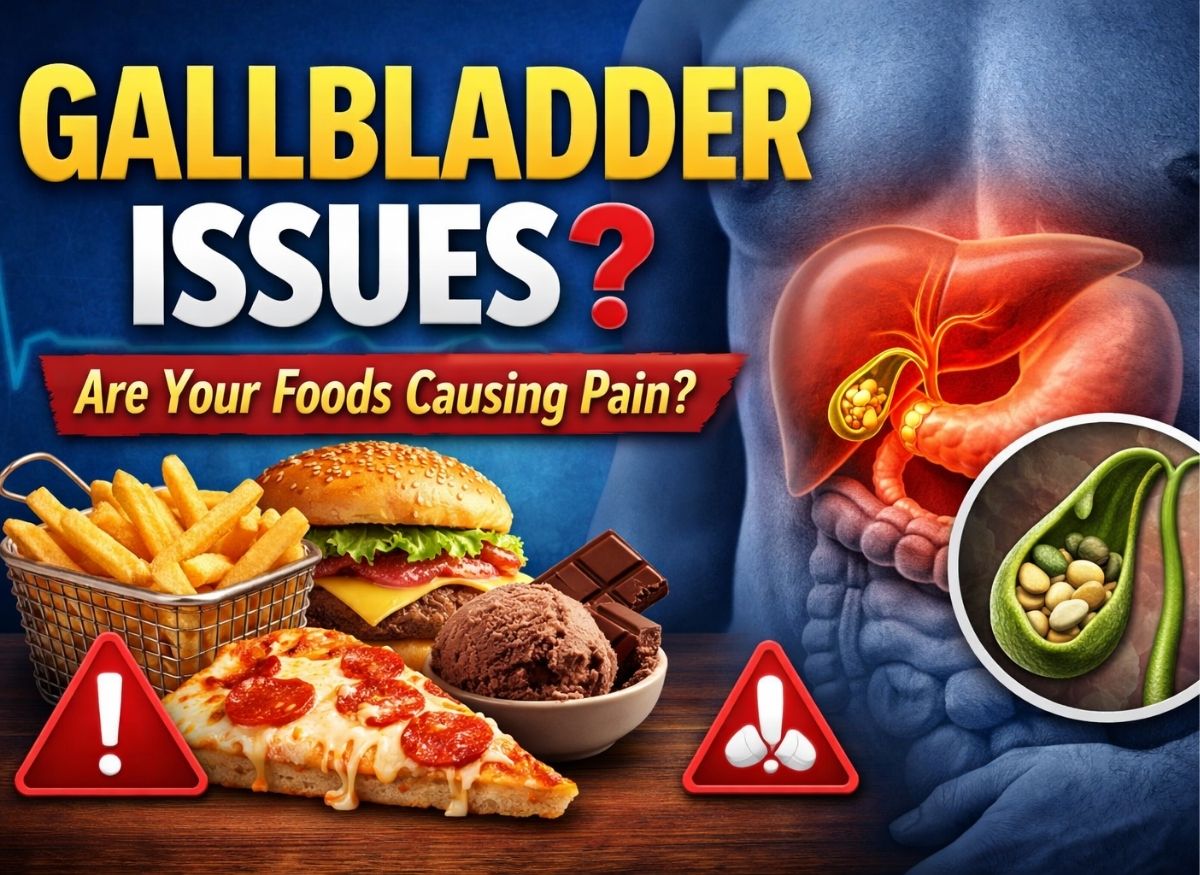
Gallbladder issues can develop gradually, and their early symptoms are often easy to dismiss. Mild discomfort after meals, occasional bloating, or a heavy feeling in the upper abdomen may not seem concerning at first. However, these symptoms can become more noticeable and frequent when certain foods repeatedly trigger digestive problems.
Diet can have a significant effect on gallbladder issues. The gallbladder stores and releases bile, which helps the body digest fat. When the gallbladder is irritated or bile flow becomes blocked, certain foods can make symptoms worse. Meals that are especially high in unhealthy fats, heavily processed, or difficult to digest may contribute to pain, nausea, and other digestive discomfort.
Knowing which foods may trigger symptoms can make gallbladder issues easier to manage. Making simple changes to your meals may help reduce digestive strain, support better digestion, and lower the chance of recurring flare-ups. In this guide, you’ll learn about 8 foods commonly associated with gallbladder symptoms, why they may cause problems, and what choices may be easier to tolerate.
How Diet Directly Contributes to Gallbladder Issues and Pain
The foods you eat can influence gallbladder pain in several ways. Certain meals can cause the gallbladder to contract when a blockage is present, while long-term eating patterns may contribute to conditions that encourage gallstone formation. This connection is especially important when meals are consistently high in fat or low in fiber.
When the body regularly receives high-fat or heavily processed foods, the gallbladder may need to release more bile to support digestion. For someone who already has gallbladder issues, increased contractions can become painful if bile flow is restricted. Over time, certain dietary patterns may also affect the composition of bile and increase the possibility of gallstone development.
To understand why food matters, it helps to look at how the gallbladder works and how cholesterol contributes to gallstone formation.
The Role of the Gallbladder in Digestion and Gallbladder Issues
The gallbladder stores and concentrates bile, a digestive fluid made by the liver that helps the body process fats. Understanding this function makes it easier to see why certain foods can affect gallbladder issues.
The liver continuously produces bile containing water, bile salts, cholesterol, and bilirubin. When digestion is not taking place, the gallbladder stores this fluid and concentrates it, making it more effective when it is eventually needed.
After a meal containing fat, the body releases the hormone cholecystokinin (CCK). This hormone tells the gallbladder to contract and release bile into the small intestine. At the same time, the sphincter of Oddi relaxes so that bile can move into the digestive tract.
Normally, this process works smoothly. However, gallstones or other gallbladder problems can interfere with it. If a stone blocks a bile duct, bile may not flow properly, causing pressure to build up inside the gallbladder. This blockage can result in the severe discomfort associated with a gallbladder attack.
Even without a functioning gallbladder, bile can still travel from the liver to the intestine. However, it is released in a more continuous and less concentrated manner. This can make high-fat foods harder for some people to tolerate and may contribute to digestive discomfort.
Cholesterol Imbalance as a Core Cause of Gallbladder Issues
Cholesterol has an important connection with gallbladder issues because many gallstones are made primarily of cholesterol. These stones can develop when bile contains more cholesterol than it can keep dissolved.
Healthy bile maintains a balance between cholesterol and bile salts. Bile salts help keep cholesterol dissolved so that it remains in liquid form. When that balance changes, cholesterol can begin to separate from the bile.
If the liver produces too much cholesterol or there are not enough bile salts to keep it dissolved, the bile can become supersaturated. Tiny cholesterol crystals may then begin to form, creating the early stages of gallstone development.
Over time, these crystals can combine with mucus and other materials inside the gallbladder, producing a thick substance known as biliary sludge. If the process continues, the sludge can eventually develop into solid gallstones.
Dietary habits may influence this process. Eating patterns high in saturated fats, trans fats, and refined sugars can affect cholesterol production and metabolism. Increased cholesterol in bile may contribute to crystal formation and the development or worsening of gallbladder issues.
Why Dietary Choices Matter for Gallbladder Issues
The connection between food and gallbladder issues shows why everyday dietary choices can matter. Some foods may cause symptoms soon after eating by stimulating stronger gallbladder contractions, while other dietary patterns may contribute to conditions associated with gallstone development over time.
Reducing foods that commonly cause problems and choosing a more balanced eating pattern may help manage symptoms and reduce the likelihood of future flare-ups related to gallbladder issues.
8 Trigger Foods That Can Worsen Gallbladder Issues
There are 8 main categories of foods that may aggravate gallbladder issues or contribute to painful symptoms: fried and high-fat foods, fatty and processed meats, full-fat dairy, creamy sauces and dressings, refined carbohydrates, spicy foods, sugary drinks, and chocolate.
These foods can be troublesome for different reasons. Some encourage stronger gallbladder contractions, while others may contribute to dietary patterns associated with gallstone formation. For people who already experience gallbladder issues, certain triggers may make symptoms such as abdominal pain, nausea, bloating, and digestive discomfort more noticeable.
Knowing how each food category affects the body can make it easier to identify personal triggers and make more comfortable food choices.
Fried and High-Fat Foods as Major Triggers for Gallbladder Issues
Fried and high-fat foods are among the most common dietary triggers for gallbladder issues because they can place extra demands on the gallbladder. A high-fat meal stimulates the release of cholecystokinin (CCK), which causes the gallbladder to contract and release bile.
For someone with gallstones or another gallbladder problem, a strong contraction may cause a stone to move into a bile duct and interfere with bile flow. The resulting pressure can lead to the intense discomfort associated with a gallbladder attack or biliary colic.
Common examples include french fries, fried chicken, onion rings, chips, and deep-fried pastries. These foods already contain significant amounts of fat and may absorb even more oil during frying.
When fatty foods reach the digestive system, the small intestine signals the body to release bile to help process the fat. This process is usually normal, but when gallbladder issues are present, the stronger contraction can become painful if a stone obstructs bile flow. Discomfort may sometimes extend toward the back or shoulder.
Fatty and Processed Meats and Their Impact on Gallbladder Issues
Fatty and processed meats may also contribute to gallbladder issues because they can contain substantial amounts of saturated fat and cholesterol. These foods can stimulate gallbladder activity while also contributing to dietary patterns associated with gallstone formation.
Non-lean cuts of beef, pork, and lamb can be particularly high in saturated fat. Processed options such as bacon, sausages, hot dogs, and salami can also contain considerable amounts of fat and other added ingredients.
Regularly eating these foods can increase the amount of cholesterol processed by the body. When bile contains more cholesterol than it can keep dissolved, cholesterol crystals may form and eventually contribute to gallstones.
Foods such as marbled steak, pork ribs, and fatty deli meats can therefore become problematic when eaten frequently. They may also trigger symptoms soon after a meal because their fat content stimulates gallbladder contraction.
Replacing fatty meats with leaner protein options such as skinless poultry, fish, and plant-based proteins may help reduce the dietary fat load and make meals easier to tolerate.
Full-Fat Dairy Products as a Trigger for Gallbladder Issues
Full-fat dairy products may worsen gallbladder issues because they contain significant amounts of saturated fat. Whole milk, butter, heavy cream, full-fat cheese, and rich ice cream can require a greater release of bile during digestion.
Eating these foods stimulates CCK, which signals the gallbladder to contract. If gallstones are present, this contraction may contribute to pain when a stone interferes with bile flow.
People dealing with gallbladder inflammation may also find that high-fat dairy contributes to symptoms such as bloating, nausea, or abdominal discomfort. In addition, diets consistently high in saturated fat can affect cholesterol metabolism and may contribute to conditions associated with gallstone formation.
Foods such as cheddar cheese, cream cheese, butter, and rich dairy-based desserts can deliver a large amount of fat in a relatively small serving. Choosing lower-fat options such as skim milk, low-fat yogurt, and reduced-fat cheese may make meals easier to digest and reduce the overall fat load.
Creamy Sauces and Dressings as Hidden Triggers for Gallbladder Issues
Creamy sauces and dressings can be easy to overlook when considering foods that may affect gallbladder issues. Although they may be served in small portions, they can contain concentrated amounts of fat.
Common examples include ranch dressing, Caesar dressing, mayonnaise-based sauces, Alfredo sauce, and rich gravies. Many are made with ingredients such as oils, cream, egg yolks, or cheese, which can significantly increase the fat content of a meal.
For people with gallbladder issues, these foods may stimulate the gallbladder to contract more strongly. If gallstones are present, this can potentially interfere with bile flow and contribute to pain or digestive discomfort.
The hidden fat is particularly easy to miss. A salad or grilled meal may seem relatively light, but adding a rich dressing or sauce can substantially increase its fat content. Cream-based sauces and butter-heavy gravies can have a similar effect.
Lighter alternatives can provide flavor without adding as much fat. Vinegar-based dressings, lemon juice, herbs, and tomato-based sauces without excess cream or oil can be useful options.
Refined Carbohydrates and Sugary Foods as Hidden Triggers for Gallbladder Issues
Refined carbohydrates and sugary foods may contribute to gallbladder issues, particularly when they make up a large part of the diet. Unlike a very fatty meal, they may not always cause immediate gallbladder pain, but they can contribute to dietary and metabolic conditions associated with gallstone formation.
Examples include white bread, white rice, white pasta, pastries, cookies, cakes, and sugary cereals. Processing removes much of the natural fiber from many of these foods, leaving carbohydrates that can be digested and absorbed quickly.
A diet high in refined carbohydrates may contribute to changes in blood sugar and insulin levels. These metabolic changes can affect cholesterol production and metabolism, potentially influencing the composition of bile.
These foods are also often low in fiber. Fiber is important for healthy digestion and may help the body eliminate excess cholesterol and bile acids. A consistently low-fiber eating pattern may therefore contribute to factors associated with gallstone formation.
How Sugary Diets Contribute to Gallbladder Issues Over Time
Eating large amounts of refined sugars and carbohydrates is associated with metabolic conditions such as obesity, insulin resistance, and metabolic syndrome. These conditions are also associated with a greater risk of gallbladder issues and gallstones.
Frequent high-sugar meals can affect how the body stores fat and manages cholesterol. Over time, these changes may make bile more likely to support stone formation.
Many desserts also combine sugar with significant amounts of fat. Cakes, cookies, and chocolate-based desserts may contain butter, shortening, or other saturated fats along with refined sugar. This combination can contribute to long-term risk while also making certain foods more likely to trigger symptoms in people who already have gallbladder problems.
Spicy Foods as Potential Irritants for Gallbladder Issues
Spicy foods may aggravate gallbladder issues in some people, although they are not considered a direct cause of gallstones. Unlike fatty foods, spicy ingredients do not necessarily cause strong gallbladder contractions. However, they can irritate the digestive system and make existing discomfort more noticeable.
Capsaicin, the compound responsible for the heat in spicy foods, can stimulate the gastrointestinal tract and may increase stomach acid in some people. When digestive symptoms are already present, this added irritation may contribute to discomfort.
Heartburn, bloating, abdominal cramping, and indigestion can become more noticeable after spicy meals. Because some of these symptoms overlap with gallbladder-related discomfort, it may be difficult to determine the exact source without proper medical evaluation.
When the gallbladder is already inflamed, nearby digestive tissues may also be more sensitive. Spicy foods can add to this discomfort in people who are particularly sensitive.
However, tolerance varies considerably. Some people can eat spicy foods without problems, while others notice symptoms after even small amounts. During periods of active symptoms, avoiding known personal triggers may help reduce digestive discomfort.
Carbonated and Sugary Drinks as Aggravating Factors for Gallbladder Issues
Carbonated and sugary beverages can contribute to digestive discomfort and may also be associated with dietary patterns that increase the risk of gallbladder issues.
Carbonation can increase gas and bloating, creating additional pressure or discomfort in the abdomen. For someone already experiencing gallbladder-related pain or sensitivity, this may make existing symptoms feel worse.
Sugary beverages, including drinks containing high-fructose corn syrup, can also contribute to high overall sugar intake. Regularly consuming large amounts of sugar may affect insulin and cholesterol metabolism, which can contribute to factors associated with gallstone formation.
For example, regular soda consumption can add a considerable amount of sugar to the diet without providing much nutritional value. Over time, frequent intake may contribute to metabolic changes linked with gallbladder issues.
In the short term, these drinks may increase bloating and digestive discomfort. In the long term, regularly consuming large amounts of sugary beverages may contribute to dietary patterns associated with gallbladder problems.
Chocolate as a Potential Trigger for Gallbladder Issues
Chocolate may trigger symptoms in some people with gallbladder issues, particularly those who are sensitive to dietary fat or already have gallstones. Different types of chocolate can contain varying amounts of fat and sugar, which may affect how well they are tolerated.
Fat is one of the main concerns. Milk chocolate and white chocolate can contain substantial amounts of cocoa butter and milk fat. Digesting this fat requires bile, which stimulates the release of CCK and causes the gallbladder to contract.
If gallstones are present, a stronger contraction may contribute to bile duct blockage and pain. Richer, creamier chocolate products tend to contain more fat and may therefore be more difficult for some people to tolerate.
Chocolate also contains stimulants such as caffeine and theobromine. These compounds can affect the digestive system and may contribute to cramping or discomfort in some individuals.
Dark chocolate is sometimes viewed as a better option because it generally contains less sugar and more cocoa compounds. However, it still contains fat and caffeine, so it may remain a trigger for people with gallbladder sensitivity.
Individual responses vary. Some people may tolerate a small amount, while others may notice symptoms even after eating a modest portion.
Broader Strategies for Managing Gallbladder Issues Effectively
Managing gallbladder issues involves more than simply removing a few trigger foods. A broader approach can include supportive eating habits, healthy lifestyle choices, awareness of symptoms, and understanding when medical care may be necessary.
A supportive routine may include nutrient-rich foods, maintaining a stable and healthy weight, staying physically active, and paying attention to early warning signs. These habits can help reduce the frequency of digestive flare-ups and support overall health.
It is also important to recognize that lifestyle changes do not resolve every gallbladder problem. Some conditions may require medical treatment or a procedure, particularly when symptoms are frequent, severe, or associated with complications.
Gallbladder-Friendly Foods That Support Better Digestion
A digestion-friendly eating pattern can help reduce the burden placed on the gallbladder while still providing the nutrients the body needs.
Lean proteins are useful choices. Skinless chicken, turkey, and fish are generally lower in saturated fat and may be easier to tolerate than fatty meats. Fatty fish such as salmon and mackerel also provide omega-3 fatty acids as part of a balanced diet.
Plant-based protein sources, including beans, lentils, and tofu, can provide protein while also adding fiber. Their relatively low saturated-fat content makes them useful alternatives to many high-fat animal products.
Fruits and vegetables are important because they provide fiber and water. Options such as leafy greens, broccoli, bell peppers, apples, berries, and citrus fruits can contribute to a balanced diet while supporting regular digestion.
Whole grains, including oats, brown rice, quinoa, and whole-wheat bread, provide fiber and can help create more balanced meals.
Fat does not necessarily need to be eliminated completely. Small portions of foods containing unsaturated fats, such as olive oil, avocados, and nuts, can be included according to individual tolerance.
Adequate hydration is also important. Drinking enough water supports normal digestion and helps maintain healthy fluid balance.
Low-Fat Diet Versus Surgical Removal in Managing Gallbladder Issues
A low-fat diet and surgical gallbladder removal are different approaches that may be used depending on the nature and severity of gallbladder issues.
A low-fat diet is generally considered a conservative way to manage symptoms. Reducing greasy and high-fat foods decreases the amount of fat that needs to be processed and may reduce the intensity of gallbladder contractions. For people with mild or occasional symptoms, dietary adjustments may help reduce discomfort and flare-ups.
However, changing the diet does not remove existing gallstones. As a result, symptoms may return if the underlying gallbladder problem remains.
Gallbladder removal, medically known as cholecystectomy, is a more definitive treatment. Removing the gallbladder eliminates the organ in which gallstones develop and can prevent future gallstone-related attacks. It may be recommended when symptoms are persistent or severe, or when complications such as inflammation or infection occur.
After the gallbladder is removed, bile continues to be produced by the liver but flows directly into the small intestine. Most people adjust to this change, although some may experience temporary digestive changes, especially after eating high-fat foods.
The appropriate approach depends on the individual situation, the severity and frequency of symptoms, and medical evaluation. Discussing these options with a healthcare professional can help determine the most suitable course of care.
Conclusion
Managing gallbladder issues does not mean eliminating every food you enjoy. Instead, the focus is on making thoughtful choices that reduce digestive strain and help minimize known triggers. The foods you eat can influence gallbladder activity, and reducing common problem foods may help decrease the frequency or intensity of symptoms.
Once you understand which foods tend to cause trouble, it becomes easier to build meals around foods that your body tolerates well. Simple changes, such as cutting back on fried foods, limiting heavily processed ingredients, and choosing lighter meals, can make everyday eating more comfortable.
Consistency also matters. Paying attention to how your body responds after different meals can help you recognize personal triggers and create a more sustainable eating routine. With supportive dietary habits and appropriate medical care when needed, gallbladder issues can be managed more effectively while supporting long-term digestive health.
FAQs About Gallbladder Issues
Can long periods of sitting after meals worsen gallbladder issues?
Staying inactive after eating may contribute to digestive discomfort for some people. Gentle movement, such as taking a short walk, can support normal digestion and may be more comfortable than remaining seated for a long period.
Why do some people feel gallbladder pain only after “healthy” meals?
Even foods generally considered healthy can contain fat. Avocados, nuts, and olive oil, for example, may stimulate bile release. If someone has gallstones or another gallbladder problem, that increased gallbladder activity may sometimes trigger symptoms.
Can drinking cold beverages trigger gallbladder issues?
Some people report discomfort after consuming very cold beverages, although this is not considered a universal gallbladder trigger. Individual sensitivity can vary, particularly when digestive symptoms are already present.
Do gallbladder issues feel different after repeated attacks?
Symptoms may change over time, particularly if inflammation or other complications develop. Pain can become more frequent or last longer, and its location or intensity may vary between episodes.
Can irregular sleep patterns affect gallbladder issues?
Irregular sleep can affect appetite, digestion, and overall metabolic health. These changes may indirectly influence factors associated with gallbladder issues and can make it harder for some people to maintain consistent eating habits.
Is it possible for gallbladder issues to mimic muscle pain?
Yes. Gallbladder-related discomfort can sometimes spread toward the back or shoulder area, making it feel similar to muscle discomfort. This happens because pain signals can travel through shared nerve pathways.
Can small, frequent meals reduce gallbladder issues symptoms?
Smaller meals may be easier for some people with gallbladder issues to tolerate because they can reduce the amount of fat consumed at one time. However, individual responses vary, so it is useful to pay attention to personal food triggers.
Why do gallbladder issues sometimes worsen during travel or routine changes?
Travel can change meal timing, food choices, hydration, activity levels, and sleep schedules. These changes may make digestive symptoms more noticeable, especially when unfamiliar or high-fat foods are consumed.
Can dehydration symptoms feel similar to gallbladder issues?
Dehydration can contribute to symptoms such as discomfort and digestive changes, which may sometimes be confused with other abdominal problems. Staying adequately hydrated supports normal digestive function.
Do gallbladder issues affect how full you feel after eating?
Some people with gallbladder issues report feeling unusually full, heavy, or uncomfortable after meals. Digestive symptoms can be more noticeable after fatty foods, particularly when bile flow is affected.
Can certain cooking methods make gallbladder issues worse?
Yes. Deep-frying and pan-frying can substantially increase the amount of fat in a meal. Cooking methods such as steaming, baking, grilling, or boiling generally require less added fat and may be easier to tolerate.
Why do gallbladder issues sometimes improve temporarily without treatment?
Gallbladder symptoms can sometimes settle when a temporary blockage resolves or when triggering foods are avoided. However, temporary improvement does not necessarily mean the underlying problem has disappeared, and symptoms may return.