
10 Most Common Phobias and How to Manage Them

A phobia is an intense and persistent fear of a particular object, situation, or activity. Unlike everyday fear, a phobia can cause overwhelming anxiety, panic, and strong avoidance even when there is little or no actual danger.
Some phobias involve familiar triggers such as spiders or heights, while others are connected to specific situations, social settings, or physical sensations. When these fears begin interfering with work, relationships, travel, or everyday activities, they can have a significant effect on quality of life.
Phobias can develop for many reasons, including genetics, life experiences, learned behaviors, and environmental influences. They may appear during childhood or develop later in life. Common examples include arachnophobia, acrophobia, cynophobia, claustrophobia, and fear of flying.
Recognizing the signs and understanding how phobias work can make it easier to seek appropriate support and learn healthier ways to respond to fear.
10 Most Common Phobias
People can develop intense fears of almost anything, but certain triggers appear repeatedly among common anxiety-related conditions. The following phobias involve persistent fear that can lead to distress, avoidance, and limitations in everyday life.
Understanding these fears also helps distinguish a specific phobia from broader anxiety conditions. While some people can go about their normal routines until they encounter a particular trigger, others experience anxiety across many different situations.
Arachnophobia (Fear of Spiders)
Arachnophobia is an intense fear of spiders. For some people, even seeing a spider, web, or realistic photograph can cause an immediate anxiety response.
The reaction may include panic, crying, rapid breathing, trembling, or an overwhelming need to leave the area. People with severe arachnophobia may also avoid places where they believe they might encounter spiders.
Ophidiophobia (Fear of Snakes)
Ophidiophobia refers to an intense fear of snakes. Although caution around potentially dangerous animals is normal, a phobia can cause a much stronger reaction than the actual situation warrants.
Someone with this fear may experience significant distress when seeing a snake in person, watching one on television, or even discussing snakes. This can sometimes lead to avoiding outdoor activities or certain environments.
Acrophobia (Fear of Heights)
Acrophobia is an intense fear of being at a significant height. While many people naturally feel uneasy near a steep drop, someone with acrophobia may experience severe anxiety even when they are in a relatively safe elevated location.
Symptoms can include sweating, dizziness, trembling, freezing, rapid heartbeat, and panic. Balconies, tall buildings, bridges, or ladders may become difficult to use because of the fear.
Agoraphobia (Fear of Open, Trapped, or Crowded Spaces)
Agoraphobia is a complex anxiety condition involving fear of situations where escape may feel difficult or help may not be readily available.
A person may feel anxious in crowded areas, public transportation, shopping centers, open spaces, or other places where leaving quickly seems difficult. In some cases, the fear is connected to concerns about experiencing panic or another distressing physical reaction in public.
Cynophobia (Fear of Dogs)
Cynophobia is an intense fear of dogs. It may develop after a frightening experience, such as being bitten or chased, although direct trauma is not always involved.
Someone with cynophobia may avoid parks, neighborhoods, homes, or other places where dogs might be present. Even hearing a dog bark or seeing one from a distance can trigger a strong anxiety response.
Astraphobia (Fear of Thunder and Lightning)
Astraphobia is a severe fear of thunderstorms, thunder, or lightning. Although storms can naturally make people feel startled or uneasy, individuals with astraphobia may experience overwhelming anxiety whenever severe weather approaches.
Some people constantly check weather forecasts, hide during storms, or avoid windows and outdoor areas. The sound of thunder, flashes of lightning, or anticipation of a storm can all become triggers.
Claustrophobia (Fear of Enclosed Spaces)
Claustrophobia is an intense fear of being trapped in a small or enclosed space. Elevators, airplanes, MRI machines, crowded rooms, and windowless spaces may trigger anxiety.
The fear often involves feeling unable to escape, losing control, or being unable to breathe. Symptoms can include rapid breathing, sweating, dizziness, chest tightness, and panic.
Mysophobia / Germophobia (Fear of Germs)
Mysophobia, often called germophobia, involves an excessive fear of contamination, germs, or illness.
A person may become preoccupied with avoiding germs and may repeatedly wash their hands, clean surfaces, avoid touching shared objects, or stay away from public places. When these behaviors become excessive, they can interfere with normal routines and relationships.
Aerophobia / Flying Phobia (Fear of Flying)
Aerophobia is an intense fear of flying. It can be influenced by several other fears, including fear of heights, enclosed spaces, losing control, or experiencing a panic attack while on an airplane.
For some people, anxiety begins days or even weeks before a flight. Severe fear of flying can interfere with vacations, family visits, education, or career opportunities that require travel.
Trypophobia (Fear of Holes)
Trypophobia describes a strong aversion or distress response to clusters of small holes, bumps, or repeating patterns. Examples may include honeycombs, lotus seed pods, or certain textured surfaces.
Trypophobia is not recognized as a distinct mental health disorder in the DSM-5, but people who experience it can still experience genuine discomfort. Reactions may include nausea, skin-crawling sensations, disgust, anxiety, or panic.
Specific Phobias vs. Complex Phobias: The Structural Split
Phobic and anxiety-related conditions can differ significantly in how broadly they affect a person’s life. A specific phobia is generally focused on a particular object or situation, while broader anxiety conditions can involve many areas of daily life.
Specific Phobias
Specific phobias center on a clearly identifiable trigger, such as an animal, height, storm, injection, or particular situation.
Someone with a specific phobia may function normally most of the time and experience significant anxiety mainly when exposed to the feared trigger. Avoidance tends to be focused on that particular object or situation.
For example, someone with arachnophobia may avoid basements or camping because of the possibility of seeing spiders, while otherwise experiencing little anxiety related to the phobia.
Complex Phobias
Some anxiety conditions involve broader fears and can affect many areas of life. Social anxiety disorder, for example, involves a persistent fear of being judged, embarrassed, rejected, or negatively evaluated by others.
This type of anxiety may affect activities such as making phone calls, eating around other people, speaking in public, attending social events, or meeting unfamiliar people.
Unlike a narrowly focused specific phobia, broader anxiety conditions can create ongoing worry and avoidance across many different situations.
Overcoming Phobic Triggers
Phobias can often be managed with appropriate treatment and coping strategies. Common approaches include:
- Exposure Therapy: Gradual exposure allows a person to face a feared object or situation in a controlled and manageable way. The process is usually structured so that anxiety can decrease over time without relying on avoidance.
- Cognitive Behavioral Therapy (CBT): CBT helps people recognize fearful or catastrophic thoughts and learn healthier ways of interpreting and responding to them.
- Relaxation and Grounding Techniques: Slow breathing, muscle relaxation, mindfulness, and grounding exercises can help reduce physical tension and manage anxiety when it begins to rise.
The Causes and Symptoms
A clinical phobia is more than ordinary nervousness or dislike. It involves persistent fear or anxiety that can lead to significant distress and avoidance.
People with phobias may understand that their fear is excessive, yet still feel unable to control their physical and emotional reaction when faced with the trigger.
Understanding the symptoms and possible causes can help explain why these reactions feel so powerful.
The Anatomy of a Phobic Reaction: Symptoms and Panic
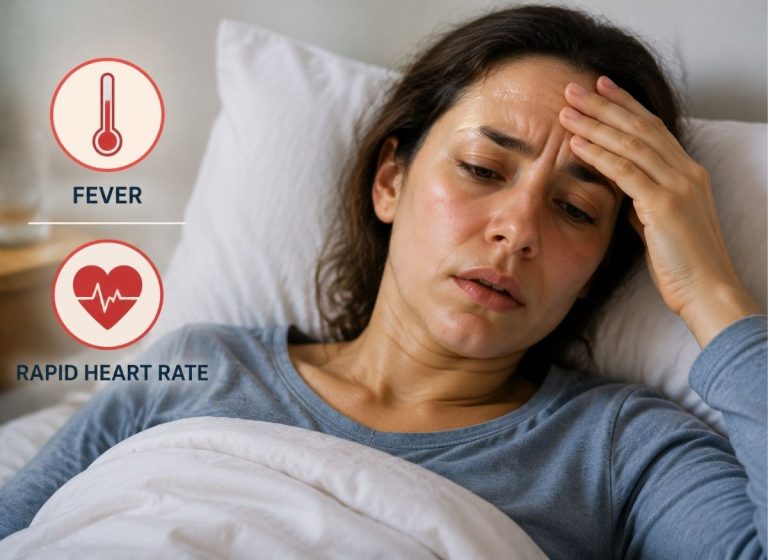
When someone encounters a feared trigger, the body’s natural threat-response system can become activated. This can produce a rapid wave of physical and emotional symptoms.
Severe Physical Symptoms
A phobic reaction can cause noticeable physical changes, including:
- Cardiovascular and respiratory symptoms: Rapid heartbeat, chest tightness, fast breathing, shortness of breath, or a sensation of choking.
- Neurological and physical symptoms: Dizziness, trembling, sweating, hot or cold sensations, numbness, or tingling.
- Gastrointestinal symptoms: Nausea, stomach discomfort, dry mouth, or an unsettled feeling in the stomach.
Debilitating Psychological Symptoms
The emotional response can be just as intense as the physical symptoms.
- Loss of control and dread: A person may feel that something terrible is about to happen or fear fainting, becoming seriously ill, or losing control.
- Strong urge to escape: The person may feel an immediate need to leave the situation or get away from the trigger.
- Dissociation: During intense anxiety, some people experience derealization, where their surroundings feel unreal, or depersonalization, where they feel detached from themselves.
The Roots of Panic
Phobias can develop through several interacting factors. Personal experiences, learned responses, genetics, and temperament can all contribute to the development of a fear.
Direct Negative Experiences (Classical Conditioning)
A frightening experience can create a strong association between a particular situation and danger.
For example, someone who experiences severe turbulence during a flight may later develop a fear of flying. Similarly, a person who is bitten or chased by a dog may develop a lasting fear of dogs.
The brain can begin treating the previously neutral situation as a warning signal, even when the original danger is no longer present.
Observational Learning (Vicarious Conditioning)
People can also learn fear by observing others. Children, in particular, may notice how parents or caregivers respond to certain situations and develop similar reactions.
For example, a child who repeatedly sees a parent become extremely frightened during thunderstorms may become anxious about storms themselves.
Repeated exposure to messages about contamination, illness, or danger can also contribute to fear-related behaviors.
Genetic and Biological Factors
Some people may have a greater biological vulnerability to anxiety. Genetics can influence how the brain responds to stress and how strongly a person reacts to potential threats.
Research has also linked specific phobias with differences in fear-processing systems in the brain. Temperamental traits such as behavioral inhibition, which can involve being especially cautious or hesitant in unfamiliar situations, may also increase vulnerability.
Understanding Complex Phobias and Broader Fears
When looking at different types of phobias, it is useful to distinguish between focused fears and broader anxiety conditions:
- Specific Phobias: These involve a particular object or situation, such as spiders, dogs, heights, injections, or flying. Anxiety is usually strongest when the specific trigger is present or anticipated.
- Broader Anxiety Conditions: Conditions such as agoraphobia and social anxiety disorder can affect multiple areas of life. The fears may involve being unable to escape, experiencing panic, being judged, or feeling embarrassed in public.
- Unusual or Less Common Fears: People can develop intense fears involving unusual objects, situations, or experiences. However, having a name for a particular fear does not automatically mean it is a formally recognized mental health diagnosis.
Retraining the Brain’s Fear Response
Although living with a phobia can feel overwhelming, effective treatments can help reduce fear and avoidance.
Cognitive Behavioral Therapy (CBT): CBT helps identify the thoughts and beliefs that intensify fear. A therapist can help a person examine catastrophic predictions and develop more balanced ways of thinking.
Gradual Exposure Therapy: Exposure involves carefully approaching the feared situation rather than continually avoiding it. When carried out at an appropriate pace, it can help reduce fear and build confidence.
Somatic Grounding Exercises: Slow breathing, progressive muscle relaxation, and grounding exercises can help manage physical symptoms of anxiety and make stressful situations feel more manageable.
The Treatments for Conquering
Phobias are treatable, and the goal of treatment is not necessarily to eliminate every feeling of fear. Instead, treatment aims to reduce the intensity of the fear and prevent it from controlling everyday decisions.
Professional therapy, combined with practical coping strategies, can help people respond differently to situations that once caused overwhelming anxiety.
Professional, Evidence-Based Psychotherapies
Mental health professionals may use treatments that address both fearful thoughts and avoidance behaviors.
Cognitive Behavioral Therapy (CBT)
CBT focuses on the relationship between thoughts, emotions, and behaviors. When someone has a phobia, they may automatically interpret a situation as far more dangerous than it actually is.
A therapist can help identify these thought patterns and gradually replace them with more realistic interpretations.
For example, someone with a fear of flying may interpret ordinary turbulence as evidence that the plane is in immediate danger. CBT can help the person examine these thoughts and learn more accurate ways of interpreting normal flight sensations.
Exposure Therapy (The Gold Standard)
Exposure therapy focuses on gradually confronting feared situations instead of continually avoiding them. Avoidance can temporarily reduce anxiety but may reinforce the belief that the situation is dangerous.
A carefully structured exposure plan can help a person discover that they can tolerate the anxiety and that the feared outcome may not occur.
- Systematic Desensitization (The Fear Ladder): A person creates a hierarchy of situations ranging from less frightening to more challenging. For someone with arachnophobia, this might begin with a simple drawing of a spider and gradually progress to photographs, videos, and eventually being near a spider in a controlled setting.
- Virtual Reality Exposure Therapy (VRET): Virtual reality can provide realistic simulations of certain feared situations. This can be useful when real-world exposure is difficult to arrange or needs to begin in a controlled environment.
Practical Self-Help Strategies for On-Demand Calm
Self-help techniques can complement professional treatment and may be useful for managing anxiety in the moment.
Somatic Relaxation Techniques
When fear is triggered, the body can become tense and alert. Relaxation exercises can help reduce some of these physical sensations.
- Diaphragmatic Breathing (Deep Belly Breathing): Slow, controlled breathing can help reduce rapid breathing and encourage a calmer physical state. Try breathing in gently through the nose and making the exhale slower and longer.
- Progressive Muscle Relaxation (PMR): This technique involves briefly tightening and then relaxing different muscle groups. Moving gradually through the body can help identify and release physical tension.
- Mindfulness Grounding: Mindfulness encourages you to notice anxious thoughts and physical sensations without automatically reacting to them. This can make it easier to recognize that anxiety is temporary and manageable.
Mental Rehearsal and Visualization
Visualization can help some people prepare for situations that cause anxiety. In a calm environment, you can imagine yourself approaching a feared situation while remaining safe and composed.
For example, someone working on a fear of crowds might visualize entering a busy public space, noticing their surroundings, breathing slowly, and remaining present rather than immediately escaping.
- Specific Triggers: Fears involving a clearly defined object or situation may be easier to organize into a step-by-step exposure plan because the trigger is easy to identify.
- Complex Backgrounds: Conditions involving broader fears, such as agoraphobia or social anxiety, may require more extensive CBT work because several thoughts, situations, and behaviors can contribute to the anxiety.
- Conceptual Variations: Unusual fears may still involve the same basic cycle of fear, avoidance, and short-term relief. Treatment focuses on understanding the individual pattern rather than simply relying on the name given to the fear.
How are those fears officially diagnosed by mental health professionals?
A phobia is not diagnosed simply because someone dislikes or feels uncomfortable around something. Mental health professionals look at the severity, persistence, symptoms, avoidance, and effect on everyday functioning.
Clinicians may use criteria from the Diagnostic and Statistical Manual of Mental Disorders, Fifth Edition (DSM-5), along with a clinical interview and detailed history.
The Comprehensive Diagnostic Process
A professional assessment may include several parts:
- The Clinical Interview: The clinician may ask when the fear began, what triggers it, how often it occurs, and what physical and emotional symptoms appear.
- Reviewing Behavioral History: The professional may look at avoidance patterns and how the fear affects work, school, relationships, travel, or other activities.
- Differential Diagnosis (Ruling Out Other Conditions): Similar symptoms can occur in different anxiety disorders. A clinician may need to determine whether the fear is related to a specific phobia, agoraphobia, social anxiety disorder, PTSD, or another condition.
Core DSM-5 Diagnostic Criteria for Specific Ones
A diagnosis of specific phobia generally involves several important features:
Marked and Persistent Fear
The person experiences significant fear or anxiety related to a particular object or situation.
Immediate Anxiety Response
The feared object or situation typically produces an immediate anxiety response when encountered or anticipated.
Active Avoidance or Intense Endurance
The person may actively avoid the trigger or endure it with significant distress.
Disproportional Fear
The fear is substantially greater than the actual danger associated with the object or situation, taking the person’s cultural and situational context into account.
Significant Impairment or Distress
The fear or avoidance causes meaningful distress or interferes with important areas of daily life.
Chronicity and Persistence
For specific phobia, the symptoms generally persist for six months or longer.
Understanding Where Unique Fears Fall on the Spectrum
Not every unusual fear represents a separate official diagnosis. Mental health professionals focus on the person’s symptoms, impairment, and the nature of the fear rather than simply the label attached to it.
Specific Biological Triggers: Fears involving clearly defined objects or situations, such as animals, injections, or vomiting, may fall within the specific phobia category when they meet the relevant diagnostic criteria.
Complex Environmental Anxieties: Conditions such as agoraphobia and social anxiety disorder involve broader patterns of fear and avoidance and have their own diagnostic criteria.
Conceptual Interferences: Unusual fears can still cause substantial distress, but their clinical classification depends on the actual symptoms and functional impact rather than how unusual the fear may sound.
Deeper Aspects of Understanding Fears
Understanding a phobia involves more than identifying what someone is afraid of. Mental health professionals also consider how intense the fear is, how long it lasts, what situations trigger it, and how much it affects daily life.
This helps distinguish a normal protective fear from an anxiety condition that may require treatment.
Fear vs. Phobia: The Proportionality Baseline
Fear is a normal biological response that helps protect people from genuine danger. A phobia occurs when the fear response becomes excessive, persistent, or disruptive in relation to the actual situation.
The Analytical Framework
Several factors help distinguish normal fear from a clinical phobia:
Proportionality and Threat Assessment: A healthy fear generally matches the level of danger. For example, feeling alarmed when approached by an aggressive, unleashed dog is a reasonable response. Experiencing extreme panic when a calm, leashed dog is far away may indicate a disproportionate fear response.
Functional Impact on Daily Life: Ordinary fears usually fade when the danger disappears. A phobia can lead to ongoing avoidance that changes how someone works, travels, socializes, or manages everyday responsibilities.
Chronicity and Cognitive Disconnect: Phobias tend to persist over time. Adults may also recognize that their fear is excessive while still feeling unable to control their physical response when confronted with the trigger.
The Developmental Divide: Childhood vs. Adult Phobias
Phobias can appear differently in children and adults. Young children may not have the language or emotional awareness needed to explain what they are feeling.
The Manifestation of Panic
Instead of describing their fear directly, children may show anxiety through behavior, such as:
- Intense tantrums or prolonged crying.
- Freezing, shaking, or becoming unusually quiet.
- Clinging tightly to a parent, caregiver, or trusted adult.
The Diagnostic Evolution
Because children are still developing emotionally and cognitively, professionals consider age when evaluating their fears.
The Insight Requirement: Adults may recognize that their fear is excessive or unreasonable. Children may not have the developmental ability to understand their fear in the same way.
Contextualizing Normative Fears: Many childhood fears are temporary and developmentally normal. Fear of darkness, loud noises, animals, or separation can occur as children grow. A clinician becomes more concerned when a fear is unusually intense, persists over time, and interferes with school, friendships, sleep, or other important activities.
The Clinical Crossroads: Self-Help vs. Professional Care
Whether someone can manage a phobia independently depends on its severity, complexity, and impact on daily life.
When Self-Help is Effective
For mild and narrowly focused fears that cause limited disruption, self-help strategies may be useful.
- Self-Directed Exposure: A person can create a gradual fear ladder, beginning with something mildly uncomfortable and slowly progressing toward more challenging situations.
- Somatic Regulation: Slow breathing, progressive muscle relaxation, and other calming strategies can be practiced alongside gradual exposure.
When Professional Intervention is Non-Negotiable
Professional support is especially important when a phobia is severe, complex, or significantly affecting daily life. Trying to confront a severe fear too quickly without guidance can increase distress.
Professional care may be appropriate when:
- High Functional Impairment: The fear prevents someone from working, attending school, traveling, leaving home, maintaining relationships, or completing important daily activities.
- Complex Clinical Profiles: Anxiety affects many situations rather than one clearly defined trigger, as can occur with social anxiety disorder or agoraphobia.
- High-Distress Biological Triggers: Fears involving vomiting, contamination, illness, or other health-related concerns can sometimes lead to restrictive or repetitive behaviors that require professional support.
Reclaiming Your Mental Freedom
Phobias can vary widely in their triggers and severity, but many involve the same basic cycle: fear leads to avoidance, avoidance provides temporary relief, and that relief can reinforce the fear.
Understanding this cycle can be an important part of treatment. With appropriate assessment, gradual exposure, CBT, relaxation strategies, and professional guidance when needed, people can learn to respond to feared situations in healthier ways.
The goal is not to eliminate every feeling of fear. Instead, treatment aims to reduce the power that fear has over everyday decisions and help people participate more fully in their lives.
Conclusion
Living with a phobia can be difficult, especially when fear begins to influence everyday choices. However, understanding the trigger and learning how the fear response works can make it easier to manage symptoms and seek appropriate support.
Treatments such as cognitive behavioral therapy, gradual exposure, relaxation techniques, and supportive counseling can help reduce anxiety and avoidance. Early attention can also prevent a fear from becoming increasingly restrictive.
With the right tools and support, people can learn to respond differently to their fears. Identifying the problem, understanding its patterns, and taking gradual steps toward managing it can help improve confidence and everyday functioning.
FAQ
What is a phobia?
A phobia is an intense and persistent fear of a particular object, situation, or activity. It can cause significant anxiety and may lead to avoidance that interferes with everyday life. Common examples include fears of spiders, heights, dogs, flying, and enclosed spaces.
What are the most common phobias?
Common phobias include arachnophobia, acrophobia, cynophobia, claustrophobia, fear of flying, and fear of snakes. Other significant fears may involve storms, injections, contamination, or certain social situations. The severity varies from person to person.
How can phobias be managed?
Phobias can often be managed with treatments such as cognitive behavioral therapy, gradual exposure, relaxation exercises, mindfulness, and other coping strategies. A mental health professional can help determine which approach is appropriate. Medication may also be considered in certain situations.
Can phobias go away on their own?
Some mild fears may become less intense over time, but persistent phobias can continue or become more disruptive when avoidance is repeatedly reinforced. Seeking appropriate support can help prevent the fear from increasingly limiting everyday activities.
When should I seek professional help for a phobia?
Consider professional help when a phobia interferes with work, school, relationships, travel, or other daily activities, or when it causes severe anxiety or panic. A mental health professional can assess the symptoms and recommend treatment suited to the individual’s needs.