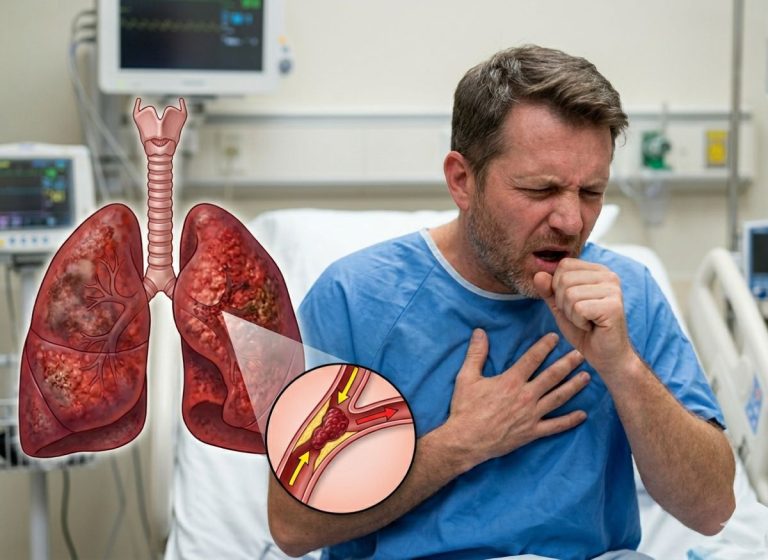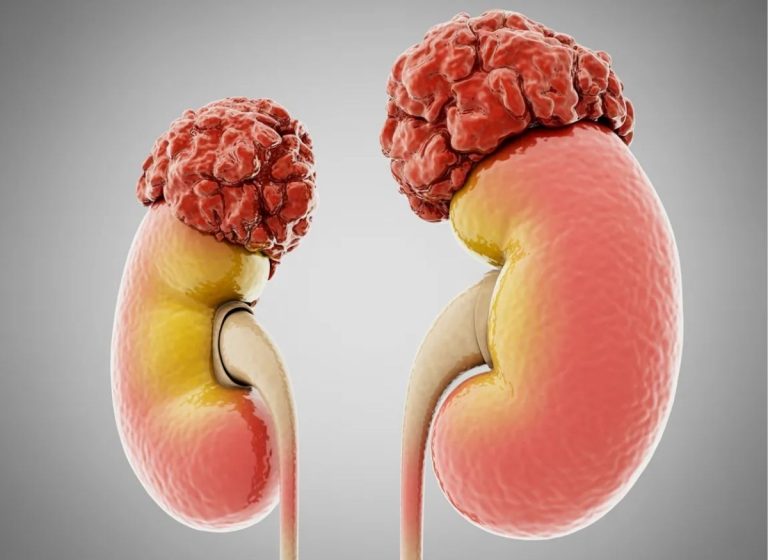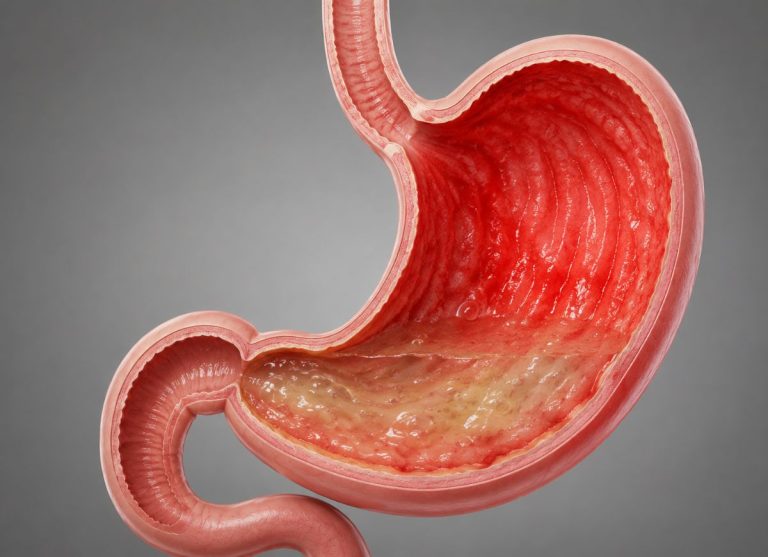

7 Common Gout Symptoms Might Be Ignored
Gout is a common form of arthritis, but many people still misunderstand what it looks like. Around 4% of adults in the United States are affected by this painful condition, making it a significant health concern. Although gout is often associated with older men who eat rich foods or drink alcohol, the condition can affect anyone. Women can also develop gout, especially after menopause, while people with conditions such as high blood pressure or diabetes may have a greater risk.
Gout develops when uric acid builds up in the body and forms crystals that settle inside the joints. These crystals can trigger sudden and intense inflammation and pain. The big toe is a common location for an attack, but gout can also affect the knees, ankles, elbows, wrists, and other joints. Early symptoms may be easy to dismiss and can include stiffness, mild soreness, tenderness, or occasional swelling. Without proper management, these symptoms may progress into repeated and more painful flare-ups.
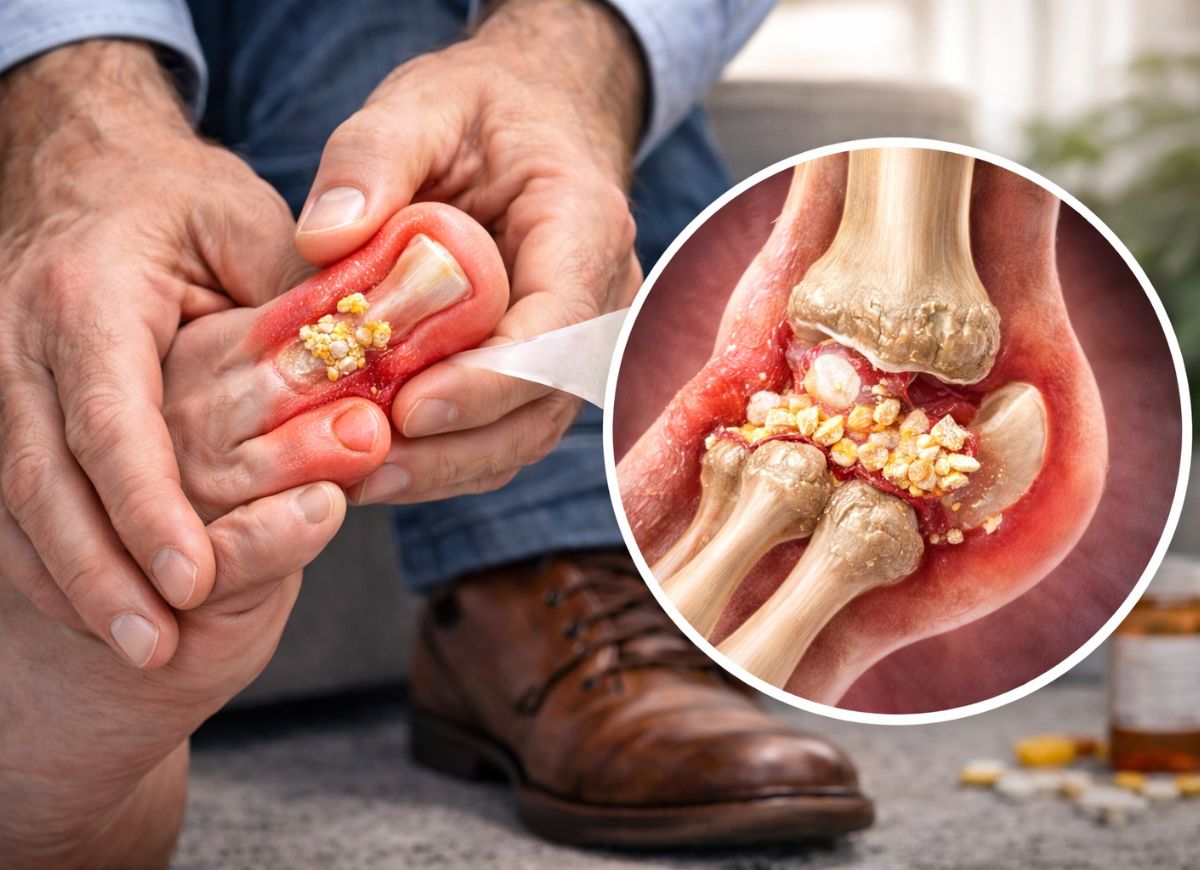
Gout does not always begin with a dramatically swollen joint. Some people first notice occasional pain, redness, or tenderness that disappears and returns later. When gout is not treated, attacks may become more severe and make normal movement difficult. Long-term gout can also damage joints and affect the kidneys. Over time, uric acid crystals may collect beneath the skin and form firm lumps called tophi.
In this article, we’ll look at the warning signs and symptoms of gout that are sometimes overlooked. Understanding these early changes can help you recognize the condition and seek appropriate medical care before complications develop.
7 Key Gout Symptoms
There are several important symptoms associated with gout, including intense joint pain, swelling, redness, warmth, lingering discomfort, reduced movement, tophi, and fever. Some symptoms occur during an acute flare, while others can develop after gout has been present for a longer period.
Intense Joint Pain
Gout pain is usually much more severe than ordinary joint discomfort. People often describe an attack as throbbing, crushing, burning, or extremely painful. The pain can become intense within just a few hours and may reach its worst point within 4 to 12 hours.
The big toe is a common location for a first gout attack, a condition known as podagra. However, gout can also affect the ankles, knees, elbows, wrists, and fingers. During a severe flare, even light pressure against the affected joint may feel unbearable.
Swelling and Redness
Gout can cause noticeable swelling and redness around the affected joint. This happens because the immune system responds to the urate crystals by sending inflammatory cells into the area.
The skin around the joint may become stretched, shiny, red, or sometimes purple. The combination of swelling and discoloration is often a visible sign that significant inflammation is taking place inside and around the joint.
Warmth
Another common symptom is increased warmth around the affected joint. The area may feel noticeably hotter than the surrounding skin because inflammation increases blood flow to the region.
Warmth can occur alongside pain, redness, and swelling. Because these symptoms can sometimes resemble a joint infection such as septic arthritis, getting an accurate medical diagnosis is important, particularly when symptoms appear suddenly or become severe.
Fever
Some people with gout may develop a low-grade fever, chills, or a general feeling of being unwell during an intense flare. This can happen when the body’s inflammatory response becomes more widespread.
Inflammatory substances called cytokines can circulate through the body and contribute to these symptoms. Fever is not present in every case of gout, but when it occurs alongside a hot, swollen joint, medical evaluation is important to rule out infection.
Lingering Discomfort
The discomfort caused by gout does not always disappear as soon as the worst pain ends. After an acute attack, some people continue to experience soreness, stiffness, or a dull ache in the affected joint for several days or even weeks.
This lingering discomfort can make the joint feel different even after the main flare has settled. Repeated episodes may gradually affect how comfortably and normally the joint functions.
Limited Range of Motion
Repeated gout attacks can eventually interfere with normal joint movement. Ongoing inflammation and the buildup of urate crystals may damage cartilage and bone over time.
As a result, someone may have difficulty completely bending a knee, moving an ankle, or making a fist when the hands are affected. Reduced mobility can make everyday activities harder and may negatively affect quality of life.
Tophi (Nodules)
Tophi are firm lumps that develop beneath the skin when large amounts of monosodium urate crystals accumulate. They are generally associated with chronic or severe gout and may develop around the fingers, toes, elbows, Achilles tendons, and outer ears.
Tophi may not hurt at first, but they can become inflamed and interfere with movement. They can also contribute to damage within nearby joints.
In advanced cases, a tophus can become large enough to stretch or break the skin. A chalky white substance may then be released, increasing the possibility of a secondary infection.
What Are Gout Causes?
Hyperuricemia
One of the main factors behind gout is hyperuricemia, which means there is too much uric acid in the bloodstream. When uric acid levels remain high, the body may form sharp, needle-like monosodium urate crystals that settle inside joints and trigger inflammation.
Hyperuricemia can occur when the body produces too much uric acid or when the kidneys do not remove enough of it. Genetics, diet, lifestyle habits, medications, and certain medical conditions can all influence uric acid levels.
When the amount of uric acid in the blood becomes too high, it may no longer remain dissolved. Instead, it can form microscopic crystals. These crystals tend to collect in cooler parts of the body, including joints such as the big toe, as well as nearby tendons and bursae.
The process often begins when urate crystals accumulate in synovial fluid, the liquid that helps lubricate joints. These deposits may initially cause no symptoms, but they can make the joint more vulnerable to a future inflammatory attack.
The immune system recognizes the crystals and responds to them as a threat. Immune cells, including neutrophils, move into the joint and attempt to remove the crystals.
This response causes the release of inflammatory substances, including cytokines and interleukins such as interleukin-1 beta. These chemicals increase blood flow and make nearby blood vessels more permeable.
The resulting inflammation produces the familiar symptoms of gout, including severe pain, redness, warmth, and swelling. This inflammatory reaction is responsible for the sudden and intense nature of many gout attacks.
Dietary Triggers
Some foods and drinks contain high amounts of purines. The body breaks purines down into uric acid, so consuming large amounts of certain purine-rich foods may raise uric acid levels.
Common examples include red meat such as beef and lamb, organ meats including liver and kidneys, and certain seafood such as anchovies, sardines, mussels, scallops, and trout. Sugary beverages, particularly those containing high-fructose corn syrup, can also contribute to higher uric acid levels.
Alcohol Consumption
Alcohol can be an important trigger for gout attacks. Beer is particularly concerning because it contains purines and may contribute to increased uric acid levels.
Alcohol can also interfere with the kidneys’ ability to remove uric acid from the body. Drinking large amounts of alcohol or binge drinking may therefore increase the likelihood of a flare.
Lifestyle and Medical Triggers
Dehydration can make gout more likely because a lack of fluids can cause uric acid to become more concentrated. Not drinking enough water may therefore contribute to crystal formation.
Other possible triggers include injuries or physical stress affecting a joint, surgery, and sudden or severe illness. These situations can place stress on the body and potentially trigger inflammation in a joint where urate crystals are already present.
Medications
Some medications can raise uric acid levels by affecting how efficiently the kidneys remove it. Examples include low-dose aspirin and certain diuretics, commonly known as water pills.
Thiazide and loop diuretics are frequently prescribed for conditions such as high blood pressure and heart failure. If you take these medications and have gout or elevated uric acid, discuss your treatment with your healthcare provider rather than stopping medication on your own.
Gout Diagnosis
Gout is diagnosed by combining symptoms, medical history, examination findings, laboratory testing, and sometimes imaging. The most definitive approach is identifying urate crystals in fluid taken from an affected joint.
Doctors may use arthrocentesis, blood tests, ultrasound, or dual-energy CT scans when evaluating possible gout. A sudden episode of severe pain accompanied by redness and swelling can strongly suggest gout, but other conditions can produce similar symptoms.
The first test may involve collecting joint fluid through arthrocentesis. During this procedure, a healthcare professional uses a needle to remove a small amount of synovial fluid from the affected joint.
The fluid is examined under a polarized light microscope. If monosodium urate crystals are identified, this provides strong confirmation of gout. Joint fluid testing can also help doctors distinguish gout from infections such as septic arthritis.
Blood testing can measure the amount of uric acid circulating in the bloodstream. However, a high uric acid result does not automatically mean a person has gout because some people have hyperuricemia without developing gout. Uric acid can also be normal or lower than expected during an acute attack. For this reason, blood testing is generally considered supportive rather than definitive by itself.
Imaging can provide additional information about crystal deposits and joint damage. Ultrasound may identify urate deposits on cartilage, sometimes producing what is known as the double-contour sign. Dual-energy CT, or DECT, can also detect urate deposits and may be particularly useful when gout is chronic or a joint fluid sample cannot be obtained.
Finally, doctors consider the location and pattern of attacks along with factors such as diet, alcohol intake, family history, and previous episodes. Gout affecting the big toe, known as podagra, can provide an important clinical clue.
Gout Treatment
Gout treatment generally involves two main goals: controlling acute attacks and lowering uric acid over the long term to prevent future flares and complications. Lifestyle changes can support both approaches.
During an acute flare, treatment is aimed at reducing pain and inflammation as quickly as possible. Common medications include:
– Nonsteroidal Anti-Inflammatory Drugs (NSAIDs): Prescription-strength NSAIDs such as naproxen or indomethacin may be used to control inflammation and pain. In some situations, over-the-counter medicines such as ibuprofen may also be appropriate.
– Colchicine: This medication can help reduce inflammation associated with gout. It is often most effective when treatment begins early in a flare and works by limiting the inflammatory activity of immune cells responding to urate crystals.
– Corticosteroids: Medicines such as prednisone can be taken by mouth or, in certain circumstances, injected into an affected joint. They can provide rapid relief from significant inflammation and may be considered when NSAIDs or colchicine are not suitable.
People who experience repeated attacks, develop tophi, or have gout-related joint damage may need long-term urate-lowering therapy. A commonly used treatment target is a serum uric acid level below 6.0 mg/dL, although treatment goals can vary.
Medications include:
– Xanthine Oxidase Inhibitors (XOIs): Allopurinol and febuxostat are commonly used to reduce uric acid production. They work by blocking the xanthine oxidase enzyme involved in uric acid formation.
– Uricosurics: Medicines such as probenecid help the kidneys remove more uric acid through urine. They may be considered when xanthine oxidase inhibitors are not effective or cannot be tolerated.
Lifestyle and dietary adjustments can also support gout management. These may include limiting alcohol, particularly beer, reducing high-purine foods, staying adequately hydrated, and maintaining a healthy weight.
Gout and Rheumatoid Arthritis
Gout and rheumatoid arthritis (RA) can both cause painful, swollen joints, but they are different conditions with different underlying causes and patterns.
Gout develops when urate crystals accumulate in the joints and trigger inflammation. Rheumatoid arthritis is an autoimmune disease in which the immune system attacks the lining of the joints.
Gout attacks often develop suddenly and may affect one joint at a time. They can cause severe pain and inflammation before gradually improving. RA, on the other hand, generally causes longer-lasting inflammation and often affects matching joints on both sides of the body, such as both hands or both wrists.
The timing of symptoms is another difference. A gout attack may develop very quickly, sometimes overnight, and can reach peak intensity within about a day. RA symptoms generally develop more gradually and may include prolonged morning stiffness.
Testing also differs. Gout can be confirmed by identifying monosodium urate crystals in joint fluid. RA may be associated with blood markers such as rheumatoid factor (RF) and anti-citrullinated protein antibodies (ACPA), although diagnosis depends on the overall clinical picture.
Gout and Kidney Disease
Gout and kidney disease can be closely connected because the kidneys play a major role in removing uric acid from the body. When kidney function is reduced, uric acid may accumulate more easily, increasing the risk of gout and uric acid kidney stones.
The Impact of Gout on Kidney Function
People with gout may have a higher risk of kidney problems, particularly when uric acid levels remain elevated or gout is poorly controlled.
Uric acid can contribute to the formation of kidney stones, and repeated problems with uric acid may place additional stress on the kidneys. Over time, kidney disease can become progressive, meaning kidney function gradually declines.
Because gout and kidney health can influence one another, people with gout may benefit from having kidney function monitored regularly by a healthcare professional.
Managing Both Gout and Kidneys
When gout occurs alongside kidney disease, controlling uric acid becomes especially important. Dietary changes, including reducing excessive intake of purine-rich foods, may help support management.
People with kidney disease may have additional dietary requirements, including possible adjustments to protein, sodium, or fluid intake depending on their individual condition. These changes should be discussed with a healthcare professional rather than followed without guidance.
Medications such as allopurinol or febuxostat may be used to control uric acid, but treatment often needs to be adjusted based on kidney function and other health factors. A doctor can determine the appropriate medication and dose and monitor for potential side effects.
Gout and Pseudogout
Gout and pseudogout can look very similar because both conditions may cause sudden pain, swelling, and inflammation in a joint. However, the crystals responsible for the two conditions are different.
Gout results from deposits of monosodium urate (MSU) crystals, which form when uric acid levels become high. Pseudogout is associated with calcium pyrophosphate (CPP) crystals and is medically known as calcium pyrophosphate deposition (CPPD) disease.
Joint fluid analysis can distinguish between these conditions. Under polarized light microscopy, gout crystals are needle-shaped and have negative birefringence. CPP crystals associated with pseudogout are generally rhomboid or rod-shaped and show positive birefringence.
The joints affected can also vary. Gout commonly affects the big toe but may also involve the foot, ankle, or knee. Pseudogout frequently affects larger joints such as the knee, wrist, and shoulder.
Imaging can provide additional clues. Long-term gout may cause characteristic bone erosions, while pseudogout can be associated with chondrocalcinosis, a type of calcium buildup visible in cartilage.
Although some treatments for acute attacks overlap, the long-term management of gout and pseudogout is different because the underlying crystal deposits are different.
Complications of Gout
When gout remains untreated or poorly controlled for many years, it can progress and cause significant complications.
One possible complication is chronic tophaceous gout. Tophi are chalky deposits of urate crystals that can develop beneath the skin, around joints, or within soft tissues such as tendons and bursae.
Large or persistent deposits can damage cartilage and bone, potentially causing chronic pain, joint deformity, and reduced mobility. In some cases, severe joint damage may eventually require surgery. Tophi can also stretch and weaken the skin, making it more vulnerable to ulcers and secondary infections.
Gout can also affect the kidneys. High amounts of uric acid may contribute to the formation of uric acid kidney stones, which can cause pain, blockage, and infection.
In some cases, urate can accumulate within kidney tissue and contribute to kidney damage. Chronic gout is also associated with other health conditions, including cardiovascular disease, which is why proper long-term management is important.
Gout Friendly Diet: What to Eat and What to Avoid
Gout can cause painful flare-ups, but dietary habits may play a helpful role in managing uric acid levels and reducing triggers.
Focus on Low Purine Foods for Gout
One of the main dietary strategies for gout is to limit foods that are particularly high in purines. The body converts purines into uric acid, so consuming large amounts of certain purine-rich foods can contribute to higher uric acid levels.
Red meat, organ meats such as liver, and certain seafood including sardines and anchovies are examples of foods that may need to be limited.
Instead, emphasize vegetables, fruits, whole grains, low-fat dairy products, and legumes. Although vegetables such as spinach and asparagus contain moderate amounts of purines, they generally do not appear to increase gout risk in the same way that certain meats and seafood can.
A varied diet containing colorful fruits and vegetables, along with fiber-rich foods such as oats and brown rice, can support overall health. Cherries have also been studied for their potential role in reducing gout flare risk.
Embrace Healthy Fats
Healthy fats can be included as part of a balanced diet for people with gout. Olive oil is one useful option, while foods such as avocados and nuts provide beneficial fats and other nutrients.
Replacing less healthy fats with these options can support overall cardiovascular and joint health without adding significant amounts of purines to the diet.
Hydration Is Key
Staying hydrated is important for people managing gout. Adequate fluid intake supports the kidneys in removing uric acid through urine and may help reduce the chance of crystal formation.
Water is generally the best choice. It is also helpful to limit sugary drinks and alcohol, especially beer, because these can contribute to higher uric acid levels and trigger attacks.
Rather than relying on a fixed number of glasses for everyone, fluid needs should be based on individual health, activity, climate, and medical guidance.
Limiting Certain Foods
Along with high-purine foods, certain sugary and highly processed foods may be worth limiting. Sugary drinks and products containing high-fructose corn syrup can increase uric acid production.
Highly processed carbohydrates and heavily fried foods may also be less beneficial as part of an overall healthy eating pattern. Choosing minimally processed foods more often can support healthy weight management and general health.
The Role of Dairy Products
Low-fat dairy products, including milk and yogurt, can be useful additions to a gout-friendly diet. Research suggests that dairy may help support lower uric acid levels and may be associated with a reduced risk of gout attacks.
Choosing lower-fat options can also help limit saturated fat intake. Dairy choices should still fit within an individual’s overall nutritional needs and any other medical dietary restrictions.
FAQs
1. What are the symptoms of gout in foot?
Gout in the foot most commonly affects the big toe, although it can also involve the ankle, heel, or other parts of the foot. Common symptoms include sudden and severe pain, swelling, redness, warmth, and tenderness.
The pain may feel sharp, throbbing, or extremely intense. Even gentle pressure, such as a bedsheet touching the affected area, can sometimes make the discomfort worse. Stiffness may also develop and can make standing or walking difficult.
2. Can gout in feet lead to kidney disease?
Gout and kidney disease can be related, particularly when uric acid levels remain elevated over time. Uric acid can contribute to kidney stone formation and may be associated with reduced kidney function.
For people with gout, managing uric acid through appropriate medication, diet, hydration, and regular medical care can help reduce the risk of complications. Anyone with gout and known kidney problems should work closely with a healthcare professional.
3. What are elevated uric acid symptoms?
High uric acid levels do not always cause noticeable symptoms. Many people can have hyperuricemia without experiencing any problems.
When high uric acid contributes to gout, symptoms may include sudden joint pain, swelling, redness, warmth, and tenderness, particularly in the feet, ankles, and knees. Long-standing gout can also lead to tophi and may be associated with uric acid kidney stones.
4. What are causes of high uric acid levels?
High uric acid can have several possible causes. Diets high in certain purine-rich foods, alcohol consumption, genetics, obesity, dehydration, and reduced kidney function can all contribute.
Some medications, including certain diuretics, can also increase uric acid levels. Health conditions such as high blood pressure, diabetes, and metabolic syndrome may also be associated with elevated uric acid.
5. What is the best diet for high uric acid levels?
A diet for high uric acid generally emphasizes reducing foods that can contribute to elevated uric acid, particularly large amounts of red meat, organ meats, and certain seafood.
Limiting alcohol and sugary drinks may also be helpful. Instead, include plenty of vegetables, fruits, whole grains, low-fat dairy, and adequate fluids.
Some research suggests that cherries or cherry products may help reduce the risk of gout attacks, although they should not replace prescribed treatment.
6. What is pseudo gout treatment?
Pseudogout, also called calcium pyrophosphate deposition disease (CPPD), occurs when calcium pyrophosphate crystals build up in a joint. It can cause symptoms that resemble gout, including sudden pain, swelling, redness, and warmth.
Treatment may involve anti-inflammatory medicines such as NSAIDs, draining excess fluid from the affected joint, or corticosteroid treatment when appropriate. The best treatment depends on the person’s overall health and the severity of the attack.
7. What causes gout disease?
Gout is primarily caused by excess uric acid in the blood, which can lead to the formation of urate crystals inside joints. High uric acid may result from the body producing too much uric acid or the kidneys not removing enough.
Genetics, diet, obesity, kidney problems, dehydration, and certain medications can increase the risk. Conditions such as high blood pressure and diabetes may also be associated with a greater likelihood of developing gout.
Conclusion
Recognizing the early signs of gout can help you address the condition before attacks become more frequent or severe. Sudden foot pain, swelling, redness, warmth, or persistent joint tenderness should not be ignored, especially when these symptoms repeatedly occur.
Managing uric acid through appropriate treatment, healthy dietary choices, hydration, and lifestyle changes can help reduce gout flare-ups and protect joint health. If you think you may have gout, getting an accurate diagnosis and starting appropriate treatment early can help reduce discomfort and lower the risk of long-term complications.