
7 Symptoms of Bone Metastasis That Should Not Be Ignored
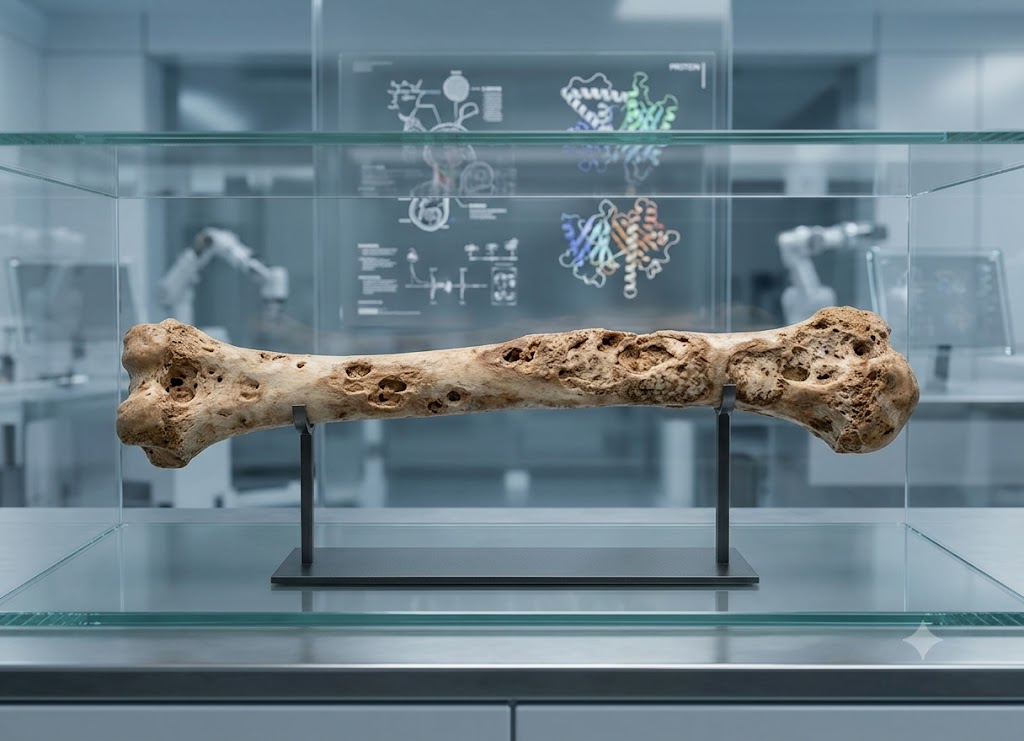
Bone metastasis happens when cancer cells travel from where they first started like the breast, prostate, lungs, kidneys, or thyroid and settle in the bones. It’s not a new, separate bone cancer; it’s the original cancer showing up in a new place. The spine, pelvis, ribs, and the long bones of the arms and legs are the areas it affects most often. Catching it early matters, because treatment can ease symptoms, protect the bones from further damage, and lower the chances of serious complications.
Symptoms differ from person to person depending on which bones are involved and how far the disease has progressed. Ongoing bone pain is usually the first thing people notice, but fractures, numbness, weakness, and unusually high calcium levels can also show up. None of these should be brushed off especially if you have a history of cancer. Below are seven symptoms worth paying attention to, along with how doctors diagnose the condition and the treatments available.
What is Bone Metastasis and Why are Some Symptoms Misinterpreted?
Bone metastasis is a secondary cancer cancer cells from a tumor somewhere else in the body (commonly the lung, breast, or prostate) that make their way into the bone and begin growing there. People often mistake the early warning signs for something far less serious, like arthritis, general aging, a pulled muscle, or osteoporosis. Because the symptoms build slowly and don’t scream “cancer,” it’s easy to let them slide until they become impossible to ignore.
To understand why this mix-up happens so often, it helps to look at how metastasis actually unfolds in the body and why its first symptoms are so easy to write off.
Defining the Cascade: How Malignant Cells Migrate
Answering the question of what metastatic bone cancer actually is means following the path cancer cells take once they leave their original tumor. It starts with local invasion cells at the primary site (breast, prostate, lungs, etc.) push through the tissue around them and find their way into the bloodstream or lymphatic system.
Bone becomes an attractive destination for these traveling cells largely because of how bone marrow is built. It’s packed with tiny, slow-moving blood vessels called sinusoids, and that sluggish flow gives circulating cancer cells the perfect opportunity to slow down, latch onto the vessel walls, and slip into the surrounding bone.
Once settled, the bone environment practically feeds the invading cells it’s rich in the growth factors they need to multiply. From there, the cancer throws off the normal balance between osteoclasts (cells that break bone down) and osteoblasts (cells that rebuild it). This imbalance leads to either large weak spots in the bone (osteolytic lesions) or overly dense, disorganized bone growth (osteoblastic lesions).
Why Skeletal Symptoms are Frequently Overlooked
The earliest signs of bone metastasis tend to be mild, come and go, and don’t point clearly to cancer which makes them easy to confuse with everyday aches and pains.
The most common early sign is a deep, dull ache that shows up now and then. Because it feels a lot like a strained muscle, overdoing it at the gym, or an arthritis flare, most people just reach for an over-the-counter pain reliever and move on.
One key difference, though: pain caused by bone metastasis tends to get worse at night or when you’re resting the opposite of what you’d expect from a typical injury. Even so, many people don’t see a doctor until the pain becomes constant, intense, and stops responding to regular pain medication.
The Diagnostic Overlap with Common Ailments
Age and existing health conditions make it even harder to spot bone metastasis early, since both patients and doctors can easily attribute the signs to something more familiar.
The Degenerative Trait Illusion
For older adults, new back pain or stiff joints barely raises an eyebrow it’s simply chalked up to disc degeneration, arthritis, or “getting older.” Unless the pain suddenly spikes, nobody’s first thought is an aggressive tumor quietly growing in the bone.
The Intersection of Bone Cancer and Osteoporosis
If someone with a history of both bone cancer and osteoporosis breaks a bone after a small fall, it’s almost automatically blamed on weak, brittle bones from osteoporosis. But that assumption can mask the real problem a metastatic tumor may have already hollowed out the bone from the inside, making it far more likely to break.
Systemic Fatigue Confusion
Advanced bone tumors change the way the whole body uses energy, leading to deep exhaustion. But fatigue is so common in everyday life that most people blame it on stress or poor sleep. It usually takes a level of exhaustion that doesn’t improve no matter how much rest you get before anyone considers it a sign of something more serious.
Skeletal Survival Realities
When people ask how long someone can live once cancer reaches the bones, the honest answer depends heavily on where the cancer started. Bone metastasis isn’t a death sentence it’s better thought of as a serious, chronic condition that can often be managed for a long time.
| Original Cancer | Typical Survival Range | How It Behaves in Bone |
|---|---|---|
| Lung Cancer | 6–10 months | Fast-moving, breaks down bone structure aggressively |
| Breast Cancer | 14–48 months | Grows more slowly, responds well to hormone-based treatment |
| Prostate Cancer | 24–60+ months | Slow bone buildup, often manageable for years |
Today’s treatments have pushed these numbers further than ever. Bone-strengthening medications can stop the ongoing breakdown of bone tissue, while targeted radiation and minimally invasive procedures (like bone cement injections) help stabilize weight-bearing bones keeping patients mobile, more comfortable, and independent for longer.
7 Overlooked Symptoms of Bone Metastasis
Beyond the classic symptom of bone pain, there are seven other warning signs worth knowing: numbness or weakness, deep fatigue, loss of bladder or bowel control, nausea, excessive thirst, confusion, and muscle cramps. These come from complications like spinal cord pressure or high calcium levels, and sometimes they show up before pain does making them just as important to recognize.
Numbness, Tingling, or Weakness: Neurological Emergencies
Numbness, a tingling “pins and needles” feeling, or growing weakness in your arms or legs can mean a tumor has reached the spine. The spine’s vertebrae are common targets for bone metastasis, and as a tumor grows inside one, it can either push into the spinal canal or cause the bone itself to collapse. Either way, it puts pressure on the spinal cord a condition called metastatic spinal cord compression (MSCC).
That pressure interrupts the signals traveling between the brain and the rest of the body. A tumor in the mid-back can cause weakness or clumsiness in the legs, making walking harder. If it’s higher up, in the neck area, the symptoms can spread to the arms as well.
Because ordinary back strain is so common, the appearance of these neurological symptoms alongside pain is a red flag that calls for urgent medical attention waiting too long can lead to permanent nerve damage or paralysis.
Severe Fatigue: The Systemic Drain of Marrow Infiltration
Deep, unrelenting fatigue is one of the clearest signs that bone metastasis has progressed, because it reflects just how much strain the disease puts on the entire body. It’s not the kind of tired that a good night’s sleep fixes it comes from several things happening at once:
- Marrow crowding and anemia Bone marrow normally makes red blood cells, but when cancer cells move in, they crowd out the healthy cells doing that job. The result is anemia too few red blood cells to properly carry oxygen which leads to weakness, breathlessness, and constant tiredness.
- Inflammation overload The immune system releases proteins called cytokines to fight the cancer, but these same proteins trigger a “sickness” response in the body that saps energy and motivation.
- Metabolic drain Fast-growing tumor cells use up a large share of the body’s energy resources, leaving less for everything else.
Loss of Bladder or Bowel Control: Cauda Equina Compression
Suddenly losing control of your bladder or bowels is a serious, late-stage warning sign and needs emergency care. It happens when a tumor in the lower spine presses on the cauda equina the bundle of nerves near the base of the spinal cord.
These nerves control the bladder and bowel and provide feeling to the groin and inner thighs. When they’re compressed, it can cause urine retention (followed by leaking), loss of bowel control, or sudden severe constipation.
This is often accompanied by numbness in the groin area (sometimes called “saddle numbness”) and weakness in both legs. Surgery or emergency radiation is needed within 24–48 hours to relieve the pressure and protect long-term nerve function.
Nausea and Vomiting: Hypercalcemia and Gut Motility
Nausea and vomiting linked to bone metastasis usually trace back to hypercalcemia dangerously high calcium levels in the blood. When bone tissue breaks down, it releases calcium faster than the kidneys can filter it out.
The body depends on tightly balanced calcium levels to function properly. When those levels spike, digestion slows down the stomach and intestines don’t contract as they should, leading to bloating, constipation, appetite loss, and nausea.
In more serious cases, high calcium directly triggers the brain’s vomiting center. If a cancer patient develops nausea that has nothing to do with chemotherapy, checking blood calcium should be one of the first steps.
Increased Thirst and Frequent Urination: The Renal Flushing Cycle
Feeling unusually thirsty and needing to urinate often are both classic signs of hypercalcemia caused by bone metastasis, and they’re closely connected.
The kidneys work overtime trying to filter out the extra calcium, which means producing much more urine than usual to flush it out.
All that fluid loss leads to dehydration, which triggers the brain’s thirst response so you end up drinking more, which then leads to more urination as the kidneys keep trying to clear the calcium. It becomes a difficult cycle to break without treatment.
Confusion and Mental Fogginess: Central Nervous System Impairment
Confusion, forgetfulness, or trouble concentrating can happen because high calcium levels interfere with how nerve cells in the brain communicate. Calcium plays a key role in transmitting electrical signals between neurons.
When calcium levels rise too much, those signals slow down, and communication between brain cells becomes less reliable.
Early on, this might just look like mild forgetfulness or difficulty focusing. Left unchecked, it can progress to serious disorientation and drowsiness and because it develops gradually, family members sometimes mistake it for normal aging or early dementia.
Muscle Cramps and Spasms: Altered Muscle Excitability
Unexplained cramps, spasms, or general weakness can also point to high calcium levels from underlying bone tumors. Muscles rely on precise calcium balance to contract and relax properly.
When blood calcium rises, it disrupts the electrical signals between nerves and muscles. Instead of smooth, controlled movement, muscles can twitch involuntarily or cramp painfully.
Interestingly, very high calcium levels can also cause the opposite effect deep muscle weakness and heaviness because it becomes harder for muscle cells to receive the electrical signal needed to contract at all.
Skeletal Health and Prognosis Realities
Managing the overlap between bone cancer and osteoporosis is a major focus in advanced cancer care. Cancer treatments like hormone therapy can weaken bones throughout the body, adding to the damage already being done by the tumors themselves.
As for how long someone might live once cancer reaches the bones, it comes down to where the cancer originated. Bone metastasis is classified as stage IV, but that doesn’t mean it isn’t treatable:
| Cancer Origin | Typical Survival Window | Common Pattern in Bone |
|---|---|---|
| Lung Cancer | 6–10 months | Fast bone breakdown, sudden high calcium |
| Breast Cancer | 14–48 months | Gradual changes, ongoing fatigue and pain |
| Prostate Cancer | 24–60+ months | Slow bone buildup, possible spinal pressure |
Modern treatment bone-strengthening drugs, targeted radiation, and procedures like bone cement injections can significantly slow bone damage and help patients stay mobile and independent for years.
What Steps Should Be Taken If These Symptoms Appear?
If you notice any of these symptoms, especially with a history of cancer, write them down and see a doctor right away. Don’t dismiss new weakness, loss of bladder or bowel control, ongoing nausea, or confusion as minor getting checked promptly is the best way to catch bone metastasis or its complications early and protect your quality of life.
When to Seek Immediate Medical Attention
See a doctor immediately if you notice new limb weakness, loss of bladder or bowel control, ongoing nausea, or confusion particularly if these symptoms are getting worse quickly or you have a current or past cancer diagnosis. Anyone with a history of breast, prostate, lung, kidney, or thyroid cancer the types most likely to spread to bone should report any new, unexplained symptom to their doctor without delay.
Catching something like spinal cord compression early can be the difference between keeping the ability to walk and permanent paralysis, so don’t wait it out.
Before an urgent visit, it helps to write down when each symptom started, whether it comes and goes or stays constant, and what makes it better or worse. Bring your cancer history too past pathology reports, radiation dates, and a list of your current medications.
Diagnostic Tests Used to Confirm Bone Metastasis
Doctors typically combine imaging, blood tests, and sometimes a biopsy to confirm bone metastasis and assess the risk of complications.
Advanced Imaging Modalities
- Bone Scan A small amount of radioactive tracer is injected and collects in areas of fast bone turnover, showing up as “hot spots” that map possible tumor locations across the skeleton.
- MRI The best option for looking closely at the spine and checking for spinal cord compression, since it captures detailed images of soft tissue and nerves.
- PET/CT Scan Combines a tracer that highlights active cancer cells with a CT scan that builds a precise picture of bone structure.
- CT Scan Alone Gives a detailed structural view of the bone, helping doctors tell whether a lesion is a weak spot (osteolytic) or overly dense growth (osteoblastic), and how likely it is to fracture.
Metabolic Blood Analysis
Blood tests can catch dangerous changes early. A standard panel checks calcium levels to screen for hypercalcemia, along with alkaline phosphatase (ALP), an enzyme that rises when bone turnover speeds up, and tumor markers that can signal a cancer recurrence.
Histopathological Biopsy
When imaging isn’t conclusive, or doctors need to confirm whether the issue is a new tumor, a primary bone cancer, or osteoporosis-related bone loss, a needle biopsy is done. Using CT guidance, a small tissue sample is taken from the bone and examined under a microscope to confirm what’s actually happening.
Quick Reference Framework
- What is bone metastasis? A stage IV cancer where cells from another organ spread to and grow in the bone.
- What is bony metastatic disease? Another term for the same condition cancer cells disrupting the bone’s normal remodeling process.
- How long can someone live after cancer spreads to bone? It varies widely anywhere from under a year for aggressive cancers to 5+ years for slower-growing ones, especially with modern bone-protective treatment.
What is the Broader Context of Diagnosis and Management?
Managing bone metastasis is about more than treating the bone itself it involves identifying the original cancer, distinguishing it from a primary bone cancer, and shifting the focus toward relieving symptoms and preserving quality of life rather than chasing a cure. This shift matters for patients and families to understand: once cancer has reached the bones, treatment goals change from curing the original tumor to managing the disease long-term.
That doesn’t mean giving up it means focusing on comfort, mobility, and dignity. Diagnosis usually starts with imaging (bone scans, CT, MRI) and is confirmed with a biopsy matching the bone cells to the original cancer type. From there, a team of specialists oncologists, radiation experts, orthopedic surgeons, and palliative care providers work together to manage pain, prevent fractures, and treat complications like high calcium levels.
Origin of Cancer Cells: Bone Metastasis vs. Primary Bone Cancer
Understanding metastatic bone cancer starts with knowing where the cancer cells actually came from. Bone metastasis is a secondary cancer it doesn’t start in the bone. Instead, cells break away from a tumor elsewhere (breast, lungs, prostate, etc.), travel through the blood or lymph system, and settle in the bone.
Primary bone cancer is different and much rarer it starts in the bone’s own cells, showing up as conditions like osteosarcoma or Ewing sarcoma.
Under a microscope, cells always keep the identity of where they came from. If breast cancer spreads to the femur, the tumor there is still made of breast cancer cells, not bone cancer cells. That distinction drives the entire treatment approach care focuses on the original cancer type, using hormone therapy or chemotherapy alongside treatments that protect the bone locally.
High-Propensity Malignancies: The Primary Sources
While any advanced cancer can theoretically spread to bone, some types do it far more often. Doctors sometimes remember the main culprits with the phrase “BLT with a Kosher Pickle” Breast, Lung, Thyroid, Kidney, and Prostate.
Breast and prostate cancers are the most frequent causes of bone metastasis. In prostate cancer, the cells tend to build up excess, disorganized bone (osteoblastic lesions). In lung cancer especially non-small cell lung cancer the cells usually break bone down aggressively (osteolytic lesions).
Kidney and thyroid cancers also commonly spread to the spine and long bones, and sometimes bone metastasis is actually the first sign that alerts doctors to an undiagnosed cancer elsewhere.
Palliative and Multi-Disciplinary Management Strategies
Once bone metastasis is advanced, treatment shifts from trying to cure the cancer to managing it long-term focusing on pain relief, mobility, and overall quality of life.
- Bone-Modifying Agents Drugs like bisphosphonates (e.g., zoledronic acid) or denosumab block the cells that break bone down, helping strengthen bones and lower fracture risk.
- Targeted Radiation Damages the DNA of cancer cells directly, shrinking painful tumors and providing lasting pain relief.
- Orthopedic Stabilization When a weight-bearing bone becomes dangerously weak, surgeons can reinforce it with rods, plates, or screws before it breaks.
The Scope of Secondary Prevention
There’s no guaranteed way to prevent bone metastasis, but treating the original tumor thoroughly is the best defense against it spreading.
After the main tumor is removed or treated (through surgery or radiation), doctors often follow up with systemic therapies chemotherapy, hormone blockers, or targeted drugs to clear out any stray cancer cells that may have already entered the bloodstream.
Ongoing monitoring and follow-up scans are essential after treatment. Catching a recurrence early through imaging or rising tumor markers gives doctors the best chance to act before the cancer can settle into the bone.
Quick Reference Diagnostic Guide
- What is bony metastatic disease? A condition where advanced cancer cells travel from another organ to the skeleton, disrupting normal bone remodeling.
- How long can someone live after cancer spreads to the bone? It’s an advanced diagnosis, but survival varies a lot based on the original cancer slower-growing types can be managed for years as a chronic condition.
Conclusion
Left untreated, bone metastasis can lead to serious complications but recognizing it early and getting proper care can ease pain, protect mobility, and improve quality of life. Treatment usually combines bone-strengthening medication, radiation, surgery, chemotherapy, hormone therapy, or targeted therapy, depending on the original cancer type. Persistent bone pain, unexplained fractures, numbness, weakness, or symptoms of high calcium shouldn’t be ignored especially for anyone with a current or past cancer diagnosis. Staying in close contact with your care team is the best way to catch problems early and get a treatment plan that fits your situation.
Frequently Asked Questions
1. What is bone metastasis?
Bone metastasis happens when cancer cells spread from their original location to one or more bones. It’s a stage of advanced cancer, not a separate type of bone cancer. Breast, prostate, lung, kidney, and thyroid cancers are the most likely to spread this way, and it can weaken bones and cause pain if left untreated.
2. What are the first symptoms of bone metastasis?
Persistent bone pain is usually the earliest sign often dull at first, then gradually more intense. It tends to worsen at night or with movement and doesn’t improve much with rest. As it progresses, symptoms like swelling, fractures, weakness, or numbness can appear. Some people have no symptoms at all until it’s found on imaging.
3. Which cancers commonly spread to the bones?
Breast and prostate cancers are the most common causes, followed by lung, kidney, and thyroid cancers. Other cancers can spread to bone too, but less often it largely depends on the type and stage of the original cancer.
4. How is bone metastasis diagnosed?
Doctors use a mix of imaging and lab tests X-rays, CT scans, MRI, bone scans, and PET scans to spot areas of bone involvement, plus blood tests to check calcium and other markers. A biopsy may be done if the diagnosis isn’t clear. Together, these results show how far the disease has spread and guide the treatment plan.
5. Can bone metastasis be treated?
It’s usually not curable, but it’s very manageable. Treatment focuses on relieving pain, strengthening weak bones, preventing fractures, and slowing the cancer’s spread. Depending on the original cancer, options include radiation, surgery, bisphosphonates, denosumab, chemotherapy, hormone therapy, targeted therapy, or immunotherapy and many people see real improvement with the right treatment.
6. Is bone metastasis always painful?
No. Some people have little to no pain early on, and it’s sometimes found by chance during routine imaging. Pain tends to become more noticeable as the cancer progresses. Still, any persistent or unexplained bone pain especially with a history of cancer is worth having checked out.