How to Make Homemade Mustard Oil for Stronger Strands and Less Hair Fall
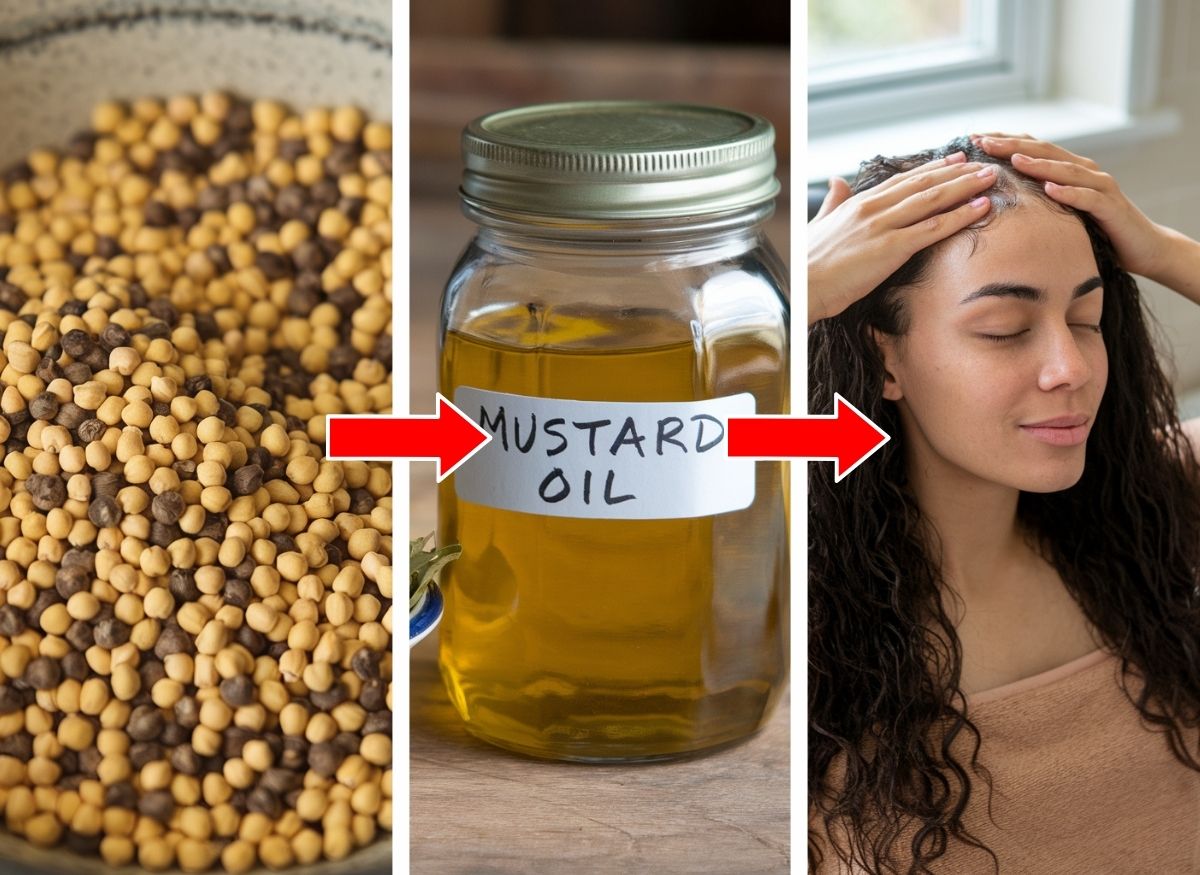
Mustard oil might be best known for the bold kick it adds to cooking, but your hair could end up loving it even more than your taste buds do. Used for centuries in Ayurvedic hair care, this golden oil is a genuine powerhouse for scalp health, hair growth, and deep conditioning.
Loaded with omega-3 fatty acids, vitamins, and natural antibacterial properties, mustard oil helps address dandruff, hair fall, and dryness all at once. So why buy a bottle when you can make your own pure, chemical-free version at home?
With just a handful of simple steps, you can put together a batch of DIY mustard oil that takes your hair care routine up a notch. Ready to give your hair some spicy love? Let’s dive in.
1. Why Homemade Mustard Oil Is a Hair Care Powerhouse
Homemade mustard oil is loaded with the kind of nutrients that make a real difference for hair health.
Packed with omega-3 fatty acids, antioxidants, and strong antibacterial properties, this oil doesn’t just strengthen strands, it also helps fight dandruff, itchiness, and even premature graying.
When worked into the scalp, it boosts blood circulation, waking up dormant hair follicles and encouraging thicker, healthier growth. It also acts as a natural conditioner, adding shine while helping lock in moisture.
If dry or brittle hair has been a struggle, homemade mustard oil is the nourishing treatment your hair has been missing.
2. How to Make Your Own Mustard Oil at Home
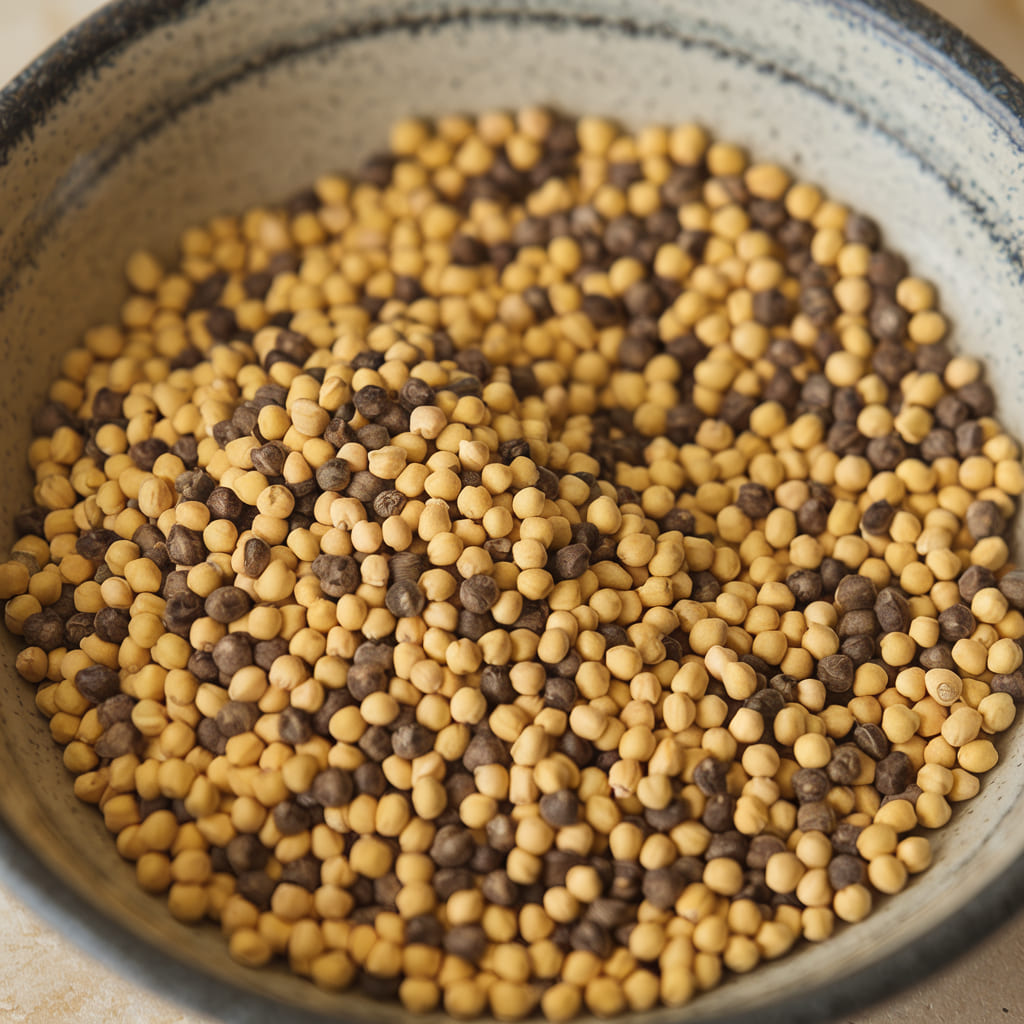
Making mustard oil yourself guarantees maximum purity and effectiveness. All you need is fresh mustard seeds and a few straightforward steps to create this golden hair elixir.
Ingredients:
- 1 cup mustard seeds
- 2 cups carrier oil (such as coconut oil or olive oil)
- 1 cup water
Instructions:
- Grind the mustard seeds. Use a blender or grinder to crush the seeds into a fine powder.
- Simmer with water. In a pan, combine the ground seeds with water and heat on low until it starts to boil.
- Add the carrier oil. Pour in your chosen carrier oil, stirring continuously.
- Cook on low heat. Let it simmer for roughly 30 to 40 minutes so the oil can absorb the nutrients from the mustard seeds.
- Cool and strain. Once cooled, strain the oil into a clean glass bottle, removing any residue.
- Store properly. Keep the oil in an airtight container in a cool, dry place. It’s now ready to use.
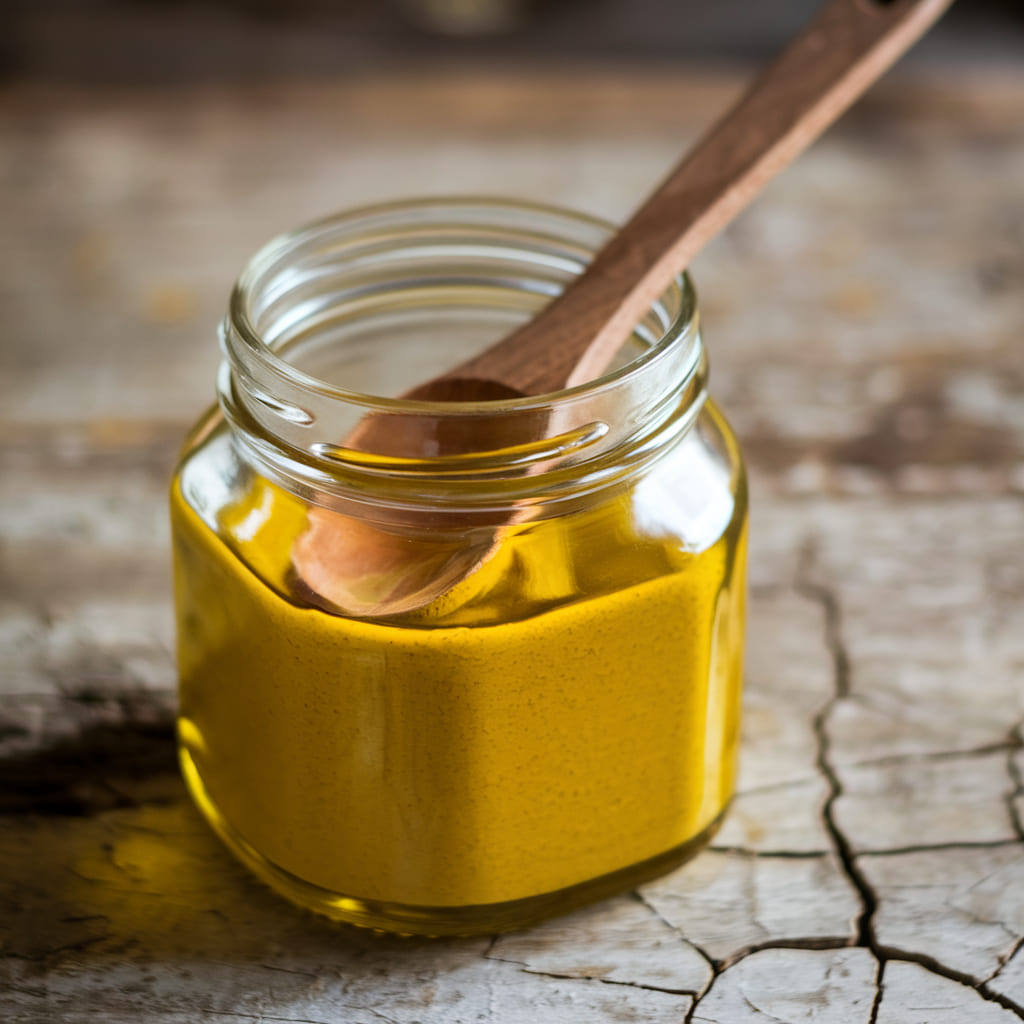
3. Best Hair Remedies Using Homemade Mustard Oil
Mustard Oil Scalp Massage for Hair Growth
A simple scalp massage with homemade mustard oil can do wonders for hair regrowth and overall scalp nourishment.
How to use: Warm the oil slightly and gently massage it into your scalp in circular motions for 10 to 15 minutes. Leave it on for at least an hour, or overnight for maximum absorption, before washing with a mild shampoo.

Mustard Oil and Aloe Vera for Dandruff Relief
Dandruff and an itchy scalp can be genuinely frustrating, but a blend of mustard oil and aloe vera can bring real relief.
How to use: Mix 2 tablespoons of mustard oil with 1 tablespoon of fresh aloe vera gel. Apply to your scalp and leave it on for 30 minutes before rinsing. Repeat twice a week for best results.
Mustard Oil and Yogurt Hair Mask for Deep Conditioning
For soft, hydrated, silky hair, this deep conditioning mask is a lifesaver.
How to use: Combine 2 tablespoons of mustard oil with 3 tablespoons of yogurt. Apply evenly through your hair, focusing on the ends. Let it sit for 45 minutes before rinsing with lukewarm water and shampooing as usual.
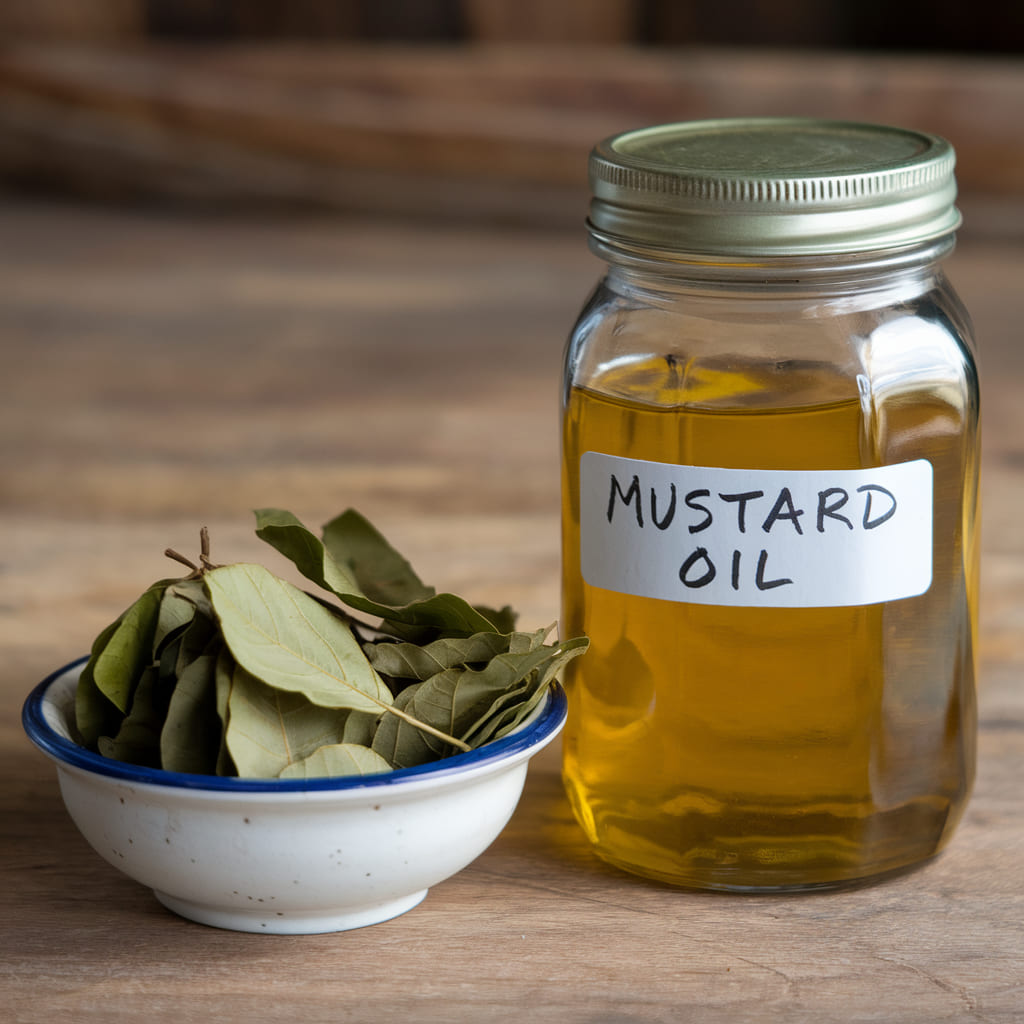
Mustard Oil and Curry Leaves for Premature Graying
If gray hairs have been showing up earlier than expected, this treatment may help slow the process.
How to use: Boil a handful of curry leaves in 3 tablespoons of mustard oil for 10 minutes. Strain the oil and apply it to your scalp. Use it twice a week to help darken hair naturally over time.
Mustard Oil and Egg Hair Pack for Strengthening Hair
Weak, brittle hair needs a real protein boost, and eggs combined with mustard oil deliver exactly that.
How to use: Whisk an egg and mix it with 2 tablespoons of mustard oil. Apply to your hair and scalp, leaving it on for 30 minutes before rinsing with a mild shampoo.
4. Tips for Using Homemade Mustard Oil Effectively
Always run a patch test before applying mustard oil to your scalp to make sure you don’t have any sensitivity to it.
- Use it warm. Slightly heating the oil improves absorption and boosts its benefits.
- Massage gently. Too much pressure can weaken hair roots, so keep a light touch.
- Stay consistent. For visible results, use mustard oil at least twice a week.
- Don’t overdo it. Mustard oil is nourishing, but overuse can lead to buildup and greasiness.

5. Precautions and Possible Side Effects of Homemade Mustard Oil
Mustard oil is a genuinely effective natural remedy, but it isn’t right for everyone. Some people may experience irritation or an allergic reaction, so a patch test before full application is always worth doing.
If your scalp tends to be oily, limit use to once a week to avoid excess buildup. Pregnant women and those with sensitive skin should check with a doctor before using mustard oil on the skin.
6. Disclaimer
This article is for informational purposes only and shouldn’t be taken as medical advice. Always do a patch test before using mustard oil on your scalp, and check with a dermatologist if you have sensitive skin or an existing scalp condition.
Homemade mustard oil is a genuine powerhouse ingredient that nourishes, strengthens, and revitalizes hair naturally. And making it at home means you get the purest, most effective version possible.