
11 Signs of High Platelet Count You Shouldn’t Ignore
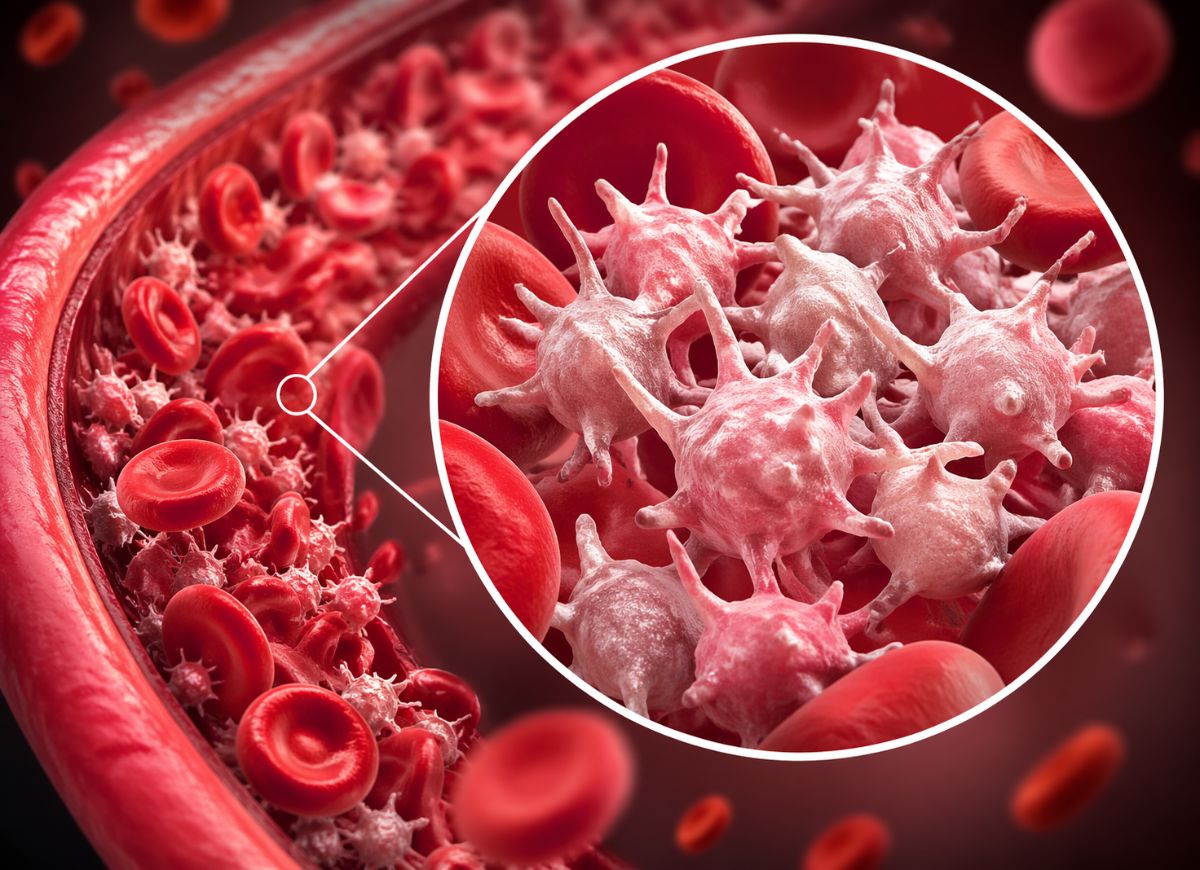
A high platelet count, medically known as thrombocytosis, means there are more platelets in your blood than normal. Platelets are important because they help your blood clot and support healing after an injury. However, having too many platelets can sometimes increase the risk of abnormal blood clots and other complications.
A persistently elevated platelet count may be associated with problems such as blood clots, stroke, or heart attack. That’s why it’s important to understand the possible warning signs and know when to seek medical advice.
Many people with thrombocytosis have no noticeable symptoms, particularly when the platelet increase is mild. In other cases, however, symptoms may develop depending on the underlying cause and whether abnormal clotting or bleeding occurs.
Below are 11 signs that may occur with a high platelet count. Some are relatively mild, while others can signal a serious medical emergency.
If you experience unusual or unexplained symptoms, especially sudden neurological symptoms, chest pain, or difficulty breathing, seek medical attention promptly.
11 Key Signs of High Platelet Count to Watch For
1. Unexplained Headaches
Recurring headaches can sometimes occur in people with significantly elevated platelet levels. Some headaches may feel throbbing or pulsating and can occur along with visual changes, such as flashes of light or temporary blind spots.
In certain platelet disorders, abnormal blood flow in small blood vessels may contribute to these symptoms. However, headaches have many possible causes, so they should not automatically be attributed to a high platelet count.
2. Dizziness and Lightheadedness
Some people with thrombocytosis may experience dizziness, lightheadedness, or problems with balance.
These symptoms may occur when abnormal blood flow affects areas involved in balance and coordination. Because dizziness can result from many different conditions, persistent or unexplained symptoms should be evaluated by a healthcare professional.
3. Weakness and Fatigue
Unusual tiredness or weakness may occur alongside a high platelet count, particularly when an underlying condition such as inflammation, infection, or anemia is responsible.
This type of fatigue may feel more persistent than ordinary tiredness and may not improve fully with rest. However, fatigue is a very common symptom and is not specific to thrombocytosis.
4. Chest Pain or Heart Attack Symptoms
A blood clot that blocks a coronary artery can reduce blood flow to the heart and cause a heart attack.
Possible warning signs include:
- Pressure, squeezing, or pain in the chest
- Pain that spreads to the arm, shoulder, neck, jaw, or back
- Shortness of breath
- Sweating
- Nausea or vomiting
Chest pain accompanied by these symptoms requires immediate emergency medical attention.
5. Slurred Speech or One-Sided Weakness
A blood clot that blocks an artery supplying the brain can cause an ischemic stroke.
Stroke symptoms often appear suddenly and may include:
- Facial drooping
- Weakness or numbness, particularly on one side of the body
- Slurred or difficult speech
- Sudden vision changes
- Confusion
- Trouble walking or maintaining balance
- A sudden, severe headache
Remember F.A.S.T.: Face drooping, Arm weakness, Speech difficulty, and Time to seek emergency help.
6. Numbness, Coldness, or Pain in the Hands and Feet
Abnormal clotting can sometimes interfere with circulation in the arms or legs.
Depending on the location and type of clot, symptoms may include pain, swelling, redness, warmth, numbness, or a cold sensation. A condition called erythromelalgia, which can occur with certain myeloproliferative disorders, may cause burning pain, redness, and warmth in the hands or feet.
Sudden swelling or pain in one limb should be evaluated promptly because it may indicate a blood clot.
7. Easy Bruising and Tiny Red Spots
Although thrombocytosis can increase the risk of clotting, some people can also experience bleeding problems.
You may notice bruises that develop after very minor bumps or sometimes without an obvious injury. Tiny red or purple spots known as petechiae may also appear on the skin.
These findings can have many causes, so they should be assessed rather than assumed to be caused by high platelets.
8. Frequent or Prolonged Nosebleeds
Repeated nosebleeds or bleeding that takes longer than usual to stop can sometimes occur with platelet disorders.
The nasal passages contain many small blood vessels that can bleed easily. Abnormal platelet function can interfere with normal clot formation, even when the platelet count itself is high.
Frequent, heavy, or difficult-to-control nosebleeds should be discussed with a healthcare provider.
9. Bleeding Gums or Blood in the Stool or Urine
Bleeding from the gums, blood in the stool, or blood in the urine can be signs of a bleeding problem.
Blood in the digestive tract may appear as:
- Black, tarry stool
- Bright red blood
Blood in the urine may make it appear pink, red, or darker than usual.
These symptoms have many possible causes and should receive medical evaluation, particularly when the bleeding is unexplained or persistent.
10. Enlarged Spleen
The spleen helps filter the blood and remove old or abnormal blood cells. Certain disorders that cause excessive platelet production can also cause the spleen to become enlarged.
An enlarged spleen may produce symptoms such as:
- Discomfort or fullness in the upper-left abdomen
- Feeling full after eating only a small amount
- Abdominal pressure or pain
Splenomegaly is more commonly associated with certain underlying blood disorders than with mild reactive thrombocytosis.
11. Unexplained Itching
Persistent itching, especially itching that becomes worse after exposure to warm water, can occur with certain myeloproliferative neoplasms.
This type of itching is sometimes called aquagenic pruritus. It may occur without an obvious skin rash and is thought to involve chemical signals released by abnormal blood cells.
Although this symptom can occur with some platelet-related disorders, itching by itself does not mean that your platelet count is high.
What Is a High Platelet Count?
Thrombocytosis refers to a platelet count that is higher than the normal range. It is commonly defined as a platelet count of more than 450,000 platelets per microliter of blood.
Platelets, also called thrombocytes, are small blood components produced in the bone marrow. Their main job is to help stop bleeding when a blood vessel is damaged.
How Do Platelets Normally Work?
When a blood vessel is injured, platelets move toward the damaged area and attach themselves to the exposed surface. They then become activated and attract additional platelets.
Together, these platelets form an initial plug over the injury. The body’s clotting system then activates proteins that produce fibrin, a strong protein network that reinforces the platelet plug.
This creates a stable clot that helps prevent further blood loss while the blood vessel heals.
Once healing is complete, the body gradually breaks down the clot.
What Platelet Level Is Considered Dangerously High?
Thrombocytosis begins at a platelet count above approximately 450,000 per microliter, but the level itself does not determine the entire risk.
Very high counts, particularly those approaching or exceeding 1 million platelets per microliter, require careful medical evaluation. At extremely high levels, some people may face risks of both abnormal clotting and bleeding.
In certain conditions, extremely high platelet counts can interfere with normal clotting proteins such as von Willebrand factor. As a result, a person may experience bleeding despite having an unusually large number of platelets.
The underlying cause, platelet function, other health conditions, and a person’s overall risk factors are all important when determining how concerning a high platelet count is.
What Causes a High Platelet Count?
Thrombocytosis generally falls into two broad categories:
- Primary or essential thrombocythemia
- Secondary or reactive thrombocytosis
The distinction is important because the causes, risks, and treatments can be very different.
Primary vs. Secondary Thrombocytosis
Essential thrombocythemia (ET) is a chronic bone marrow disorder in which the marrow produces excessive numbers of platelets. It belongs to a group of conditions called myeloproliferative neoplasms.
Mutations involving genes such as JAK2, CALR, or MPL are commonly associated with ET. The platelets may also function abnormally, which can increase the risk of both clotting and bleeding.
By contrast, secondary thrombocytosis occurs because another condition stimulates the body to produce more platelets. The bone marrow itself is not necessarily diseased.
Once the underlying problem is treated or resolves, the platelet count often returns toward normal.
Common Causes of Reactive Thrombocytosis
Several conditions can lead to a temporary or persistent increase in platelets, including:
- Acute infections
- Chronic inflammation
- Iron-deficiency anemia
- Major surgery
- Trauma or tissue injury
- Burns
- Removal of the spleen
- Certain cancers
- Inflammatory diseases
Chronic conditions such as rheumatoid arthritis and inflammatory bowel disease can also contribute to elevated platelet levels.
Iron deficiency is another well-recognized cause of reactive thrombocytosis. Treating the underlying iron deficiency may allow the platelet count to return to normal.
Some cancers can also be associated with elevated platelet counts because tumors or the body’s response to cancer can increase inflammatory signals that stimulate platelet production.
Dangers of a High Platelet Count
The potential complications depend heavily on the underlying cause and the degree of platelet elevation.
Serious Complications
Some platelet disorders can increase the risk of abnormal blood clots, including:
- Heart attack
- Ischemic stroke
- Deep vein thrombosis (DVT)
- Pulmonary embolism
A heart attack occurs when blood flow to part of the heart becomes blocked.
An ischemic stroke occurs when a blood vessel supplying the brain becomes blocked.
A DVT is a blood clot that develops in a deep vein, often in the leg. If part of the clot travels to the lungs, it can cause a pulmonary embolism, which can be life-threatening.
Sudden chest pain, severe shortness of breath, coughing up blood, sudden weakness, facial drooping, or difficulty speaking should be treated as emergency symptoms.
Is a High Platelet Count Always Dangerous?
No. A high platelet count does not automatically mean that a person is in immediate danger.
Reactive thrombocytosis is often temporary and may improve once the underlying infection, inflammation, iron deficiency, or other trigger is treated.
Essential thrombocythemia is different because it is a chronic bone marrow disorder that can require long-term monitoring and treatment.
The level of risk depends on several factors, including:
- The cause of the thrombocytosis
- How high the platelet count is
- Whether the platelets function normally
- Age
- Previous blood clots
- Other cardiovascular risk factors
- Other medical conditions
For this reason, doctors evaluate the entire clinical picture rather than relying on the platelet number alone.
How Is a High Platelet Count Diagnosed?
The first test is usually a complete blood count (CBC). This measures the number of platelets along with other blood cells.
If the platelet count is elevated, a doctor may order additional tests to identify the cause.
A peripheral blood smear may be used to examine blood cells under a microscope and confirm the platelet count.
Other testing may include:
- Iron studies
- Inflammation-related tests
- Tests for infection
- Genetic testing
- Other blood tests based on symptoms and medical history
When essential thrombocythemia or another bone marrow disorder is suspected, doctors may test for mutations such as JAK2, CALR, and MPL.
In selected cases, a bone marrow biopsy may be recommended to examine the cells responsible for producing blood components.
How Is a High Platelet Count Treated?
Treatment depends on why the platelet count is elevated.
Treatment for Reactive Thrombocytosis
When thrombocytosis is caused by another condition, treatment usually focuses on that underlying problem.
For example:
- An infection may require appropriate treatment.
- Iron deficiency may be treated with iron replacement.
- An inflammatory condition may require treatment to control inflammation.
- Platelet levels may gradually fall after recovery from surgery or significant injury.
The platelet count often improves as the underlying condition resolves.
Treatment for Essential Thrombocythemia
People with essential thrombocythemia may need treatment to reduce the risk of blood clots or bleeding.
Depending on individual risk factors, doctors may recommend medications such as low-dose aspirin or drugs that reduce blood cell production.
Possible treatments include:
- Low-dose aspirin in appropriate patients
- Hydroxyurea
- Anagrelide
- Interferon-based treatment
Treatment should always be individualized by a healthcare professional. Aspirin and other medications that affect clotting should not be started or stopped without medical guidance.
High Platelet Count vs. Low Platelet Count
Thrombocytosis and thrombocytopenia are opposite platelet abnormalities.
With thrombocytosis, the platelet count is too high. Depending on the cause, the major concern may be abnormal blood clotting, although bleeding can also occur in some situations.
With thrombocytopenia, the platelet count is too low, which can increase the risk of bleeding.
High platelet counts may result from bone marrow disorders or reactions to conditions such as infection, inflammation, or iron deficiency.
Low platelet counts can occur because the bone marrow does not produce enough platelets, platelets are destroyed too quickly, or too many platelets become trapped in an enlarged spleen.
How to Manage Platelet Levels
There is no specific diet that can cure thrombocytosis. Medical treatment should address the underlying cause.
However, a generally balanced diet can support overall cardiovascular health.
Foods that provide healthy fats, fiber, vitamins, minerals, and antioxidants include:
- Fatty fish such as salmon and sardines
- Walnuts
- Flaxseeds
- Berries
- Leafy green vegetables
- Other colorful vegetables
Garlic, ginger, turmeric, and cinnamon have also been studied for their potential effects on inflammation and platelet activity. However, food should not be used as a substitute for prescribed treatment.
Some foods and supplements may also interact with medications that affect blood clotting. If you take aspirin, anticoagulants, or other blood-related medications, talk with your healthcare provider before making major dietary or supplement changes.
Staying adequately hydrated is also important for general health. However, drinking extra water does not directly lower a high platelet count.
FAQs
1. What causes a high platelet count?
A high platelet count can develop for many reasons. Common causes include infections, inflammation, iron deficiency, recent surgery, tissue injury, and certain cancers.
It can also result from a bone marrow disorder such as essential thrombocythemia, in which the body produces too many platelets.
2. What will a doctor do if platelets are high?
A doctor will usually investigate why the platelet count is elevated.
Depending on your situation, testing may include repeat blood counts, a blood smear, iron studies, inflammation tests, genetic testing, or other investigations.
If an underlying condition is identified, treatment will focus on that cause. People with a bone marrow disorder may need additional treatment to reduce the risk of clotting or bleeding.
3. Is a platelet count of 450 high?
A platelet count of 450,000 per microliter is generally at or just above the threshold used to define thrombocytosis.
A mildly elevated result does not necessarily mean that a serious disease is present. Doctors usually consider whether the elevation persists and look for possible causes such as infection, inflammation, or iron deficiency.
4. Which cancers can cause high platelets?
Some cancers can be associated with reactive thrombocytosis. These may include certain cancers of the lung, gastrointestinal tract, breast, or ovaries, as well as some blood and bone marrow cancers.
However, a high platelet count alone does not mean that someone has cancer. Doctors consider other symptoms, test results, medical history, and risk factors when investigating the cause.
5. Can you live a long life with high platelets?
Yes. Many people with elevated platelets do well, particularly when the increase is reactive and the underlying cause is successfully treated.
People with essential thrombocythemia may require ongoing monitoring and treatment because the condition can increase the risk of clotting or bleeding.
With appropriate medical care, the risks can often be managed over the long term.
6. What does the body feel like when platelets are high?
Many people do not feel any different when their platelet count is elevated.
When symptoms do occur, they may include headaches, dizziness, weakness, unusual bruising, nosebleeds, or symptoms related to abnormal blood clots.
Sudden chest pain, difficulty breathing, facial drooping, one-sided weakness, or trouble speaking requires emergency medical attention.
7. Can a high platelet count return to normal?
Yes. Reactive thrombocytosis often improves after the underlying cause is treated.
For example, platelet levels may return toward normal after an infection resolves or iron deficiency is corrected.
If the high platelet count is caused by essential thrombocythemia or another chronic bone marrow disorder, long-term monitoring and treatment may be necessary.
8. What should you avoid when platelets are high?
If you have a high platelet count, ask your healthcare provider what precautions are appropriate for your specific condition.
Avoid smoking because it increases cardiovascular and clotting risks. Staying active and avoiding prolonged periods of immobility may also support healthy circulation.
Do not start or stop aspirin, blood thinners, or other medications that affect clotting without medical advice. Some of these medications can increase bleeding risk.
9. Can drinking too much water lower platelets?
No. Drinking large amounts of water does not directly reduce the number of platelets in your blood.
Adequate hydration supports normal body function and circulation, but it does not treat thrombocytosis.
If dehydration causes the blood to become more concentrated, some blood test values may appear higher, but drinking excess water is not a treatment for a genuinely elevated platelet count.
Conclusion
A high platelet count, or thrombocytosis, can have many different causes. Sometimes it is a temporary response to infection, inflammation, iron deficiency, surgery, or another condition. In other cases, it may be related to a chronic bone marrow disorder such as essential thrombocythemia.
Many people have no symptoms, while others may experience headaches, dizziness, unusual bleeding, or symptoms related to blood clots.
Because the potential risks depend on the underlying cause and the individual’s overall health, an elevated platelet count should be evaluated rather than ignored.
If you have a persistently high platelet count or unexplained symptoms, speak with a healthcare professional. Prompt evaluation can help identify the cause and determine whether monitoring, treatment, or additional testing is needed.