
8 Warning Signs of Ocular Rosacea to Watch for
Your eyes often show what’s happening inside your body before anything else does. When redness, irritation, or discomfort sticks around instead of fading, it can be tempting to blame tiredness or allergies but sometimes it points to something more specific: ocular rosacea. This condition, closely tied to skin rosacea, affects the eyelids, tear glands, and the surface of the eyes, and it can quietly disrupt everyday comfort if it goes unnoticed.
Because ocular rosacea tends to creep in slowly, its early symptoms burning, grittiness, extra sensitivity, watery eyes, or on-and-off redness are easy to mistake for something milder. Learning to spot the real pattern matters, since it’s the first step toward getting proper care.
Rosacea itself isn’t rare; it’s estimated to affect somewhere between 5% and 10% of adults worldwide, and a large share of that group also experiences symptoms in their eyes some estimates put it as high as half of all rosacea cases. The severity, though, varies enormously from person to person.
For some, ocular rosacea means a bit of irritation now and then. For others, it interferes with reading, screen time, wearing contacts, or simply getting through the day comfortably. Certain triggers wind, bright sun, heat, spicy food, stress, or harsh skincare tend to make things worse.
It’s a long-term condition, but catching it early and managing it consistently can go a long way toward keeping the eyes comfortable and protected. Below are eight signs worth paying attention to, along with what typically triggers them and when it’s time to see a specialist.
8 Warning Signs of Ocular Rosacea
Persistent Eye Redness
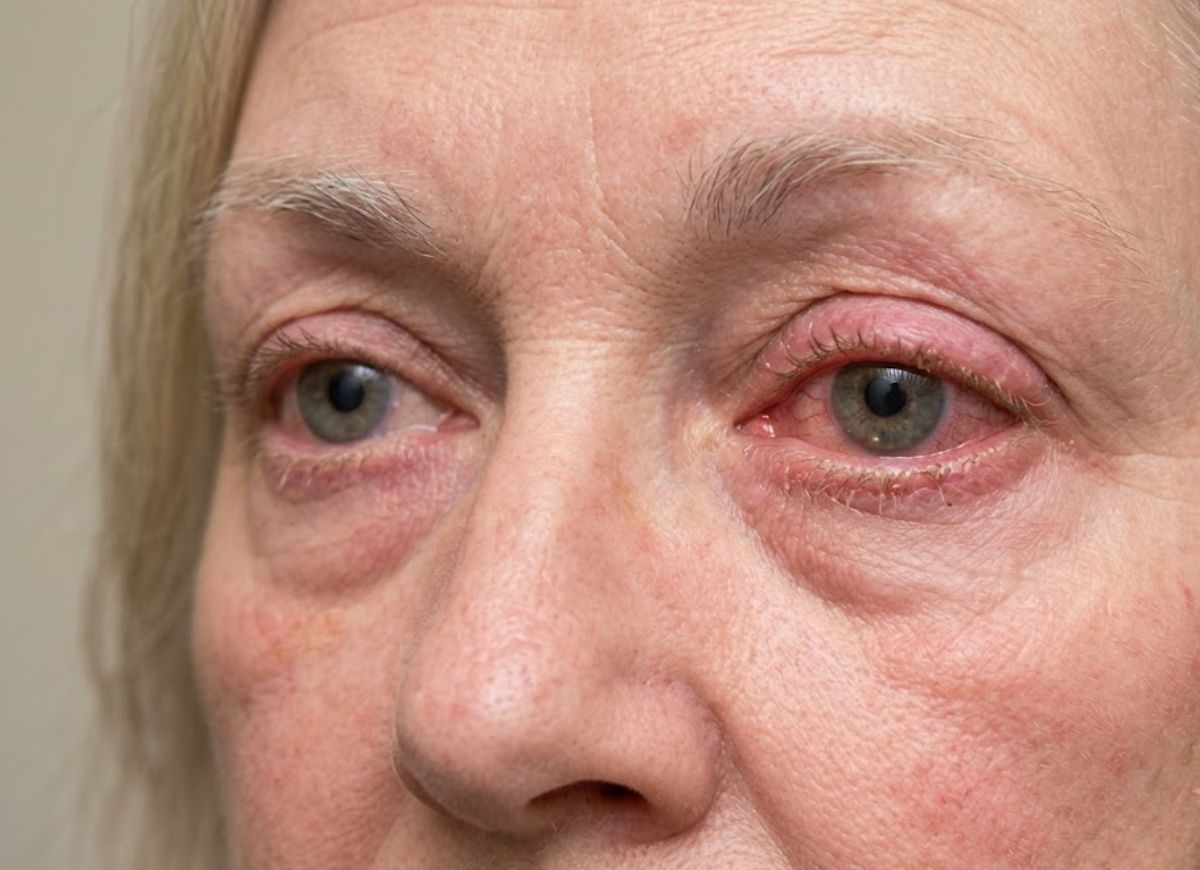
Ongoing redness is usually the most noticeable clue that something’s going on. Unlike the fleeting redness that comes from being tired or briefly irritated, this kind lingers and it traces back to inflammation in the conjunctiva, the clear membrane that covers the white of the eye and lines the inside of the eyelids. As that tissue becomes inflamed, its blood vessels widen and become more visible, giving the eye a semi-permanent flushed look.
One thing an eye doctor watches for specifically is telangiectasia small, wavy, visibly dilated blood vessels along the eyelid edges or across the sclera. These aren’t something you’d typically see with ordinary dry eyes or allergic conjunctivitis, which is exactly why they’re such a useful marker for rosacea-driven inflammation.
Redness tends to ebb and flow, often spiking after sun exposure, alcohol, or spicy meals. When it shows up, it’s a signal that the eye’s surface is inflamed and letting it go unchecked gives the condition room to progress toward more serious symptoms.
Burning, Stinging, or Itchy Eyes
A near-constant burning, stinging, or itchy feeling is one of the more uncomfortable hallmarks of ocular rosacea, and it comes down to two things: ongoing inflammation and an unstable tear film. Normally, tears spread evenly across the eye with each blink, keeping everything lubricated.
In ocular rosacea, the meibomian glands tiny oil-producing glands along the eyelids often become blocked and inflamed, a problem known as Meibomian Gland Dysfunction (MGD). Without enough oil in the mix, the watery part of the tear film evaporates too fast, leaving dry patches that irritate nerve endings and trigger that burning or stinging sensation. The itchiness that comes with it can be hard to ignore, and rubbing the eyes while tempting only stirs up more redness and inflammation, making things worse rather than better.
This isn’t the same as allergy-related itching, which usually responds well to antihistamines. Because the root cause here is inflammation paired with dryness, it needs a different kind of treatment altogether.
Gritty Sensation in the Eyes
A gritty, sandy, “something’s in my eye” feeling is another telltale sign medically called a foreign body sensation and it points to a tear film that’s no longer doing its job properly.
When MGD disrupts the oil layer of the tears, tiny dry patches form across the surface of the eye. Every blink then drags across these rough spots, creating friction that feels like actual grit or debris, even though nothing is there.
This sensation is often worst right after waking (tear production naturally slows during sleep) or after long stretches of screen time, reading, or driving, all of which reduce how often you blink. It’s more than a minor annoyance it can make it genuinely hard to concentrate and adds a layer of discomfort that follows you through the day.
Blurred Vision
Vision that blurs on and off rather than staying consistently blurry is a symptom worth taking seriously. It stems from the same unstable tear film issue: since the cornea relies on a smooth, even layer of tears to focus light properly, any dry patches on its surface scatter light unpredictably and blur what you see.
Many people notice their vision sharpens again right after blinking, since that spreads a fresh layer of tears across the eye but the clarity doesn’t last. Left untreated, the inflammation behind this can eventually lead to more serious corneal issues: keratitis, abnormal blood vessel growth, thinning, or scarring, any of which can permanently affect vision.
Increased Sensitivity to Light (Photophobia)
Light sensitivity, or photophobia, shows up as discomfort, squinting, or even pain when exposed to bright light sunlight, indoor lighting, or screens included.
This happens because chronic inflammation and dryness leave the nerve endings on the cornea and conjunctiva overly sensitive. The light itself isn’t damaging anything; it’s the irritated nerves overreacting that causes the pain or discomfort.
For someone with ocular rosacea, ordinary tasks like driving on a sunny day or sitting under office lighting can become surprisingly difficult. Photophobia tends to intensify during flare-ups, making it a fairly reliable signal that inflammation is active and needs attention.
Swollen Eyelids (Blepharitis)
Ocular rosacea is one of the leading causes of chronic blepharitis inflammation along the eyelid margins and the connection is a direct one. The same inflammatory response that causes facial redness in skin rosacea also affects the meibomian glands lining the eyelids.
Once these glands become inflamed, they clog with thick, abnormal oil, which blocks the healthy oil flow needed for a stable tear film. The eyelids often become visibly red, puffy, and tender. Many people also notice flaky, crusty debris collecting at the base of their eyelashes, especially first thing in the morning and the blocked glands can become a breeding ground for bacteria, adding to the inflammation.
Blepharitis isn’t just a cosmetic concern; it’s often the main driver behind the dry eye symptoms and irritation that define ocular rosacea.
Recurrent Styes or Chalazia
Getting styes or chalazia repeatedly is a strong indicator of ocular rosacea. Both are lumps on the eyelid, but they form slightly differently.
A stye is a painful, red bump usually from a bacterial infection in an eyelash follicle or nearby gland. A chalazion sits further back on the eyelid, is firmer and less painful, and forms when a meibomian gland gets blocked. In ocular rosacea, chronic gland dysfunction creates ideal conditions for both to keep happening.
Thickened, waxy oil clogs the glands easily, trapping debris and setting the stage for infection or blockage. A single stye can happen to anyone, but frequent recurrences usually point to an underlying issue with eyelid gland health often ocular rosacea.
Watery Eyes (Epiphora)
It sounds contradictory, but a condition rooted in dryness can also cause excessive tearing a response called reflex tearing. When the surface of the eye becomes irritated from evaporating too fast, the brain reacts by flooding the eye with tears in an attempt to wash away the irritation and re-lubricate the surface.
The catch is that these reflex tears are mostly water they’re missing the oil and mucus components needed to actually stick to the eye and provide lasting relief. So instead of solving the dryness, they spill over the eyelids, leaving you with watery eyes that don’t fix the underlying problem. It’s an uncomfortable loop: dryness triggers tearing, but the tearing doesn’t relieve the dryness.
What Is Ocular Rosacea?
Ocular rosacea is a long-term inflammatory condition affecting the eyes and eyelids essentially the eye-focused version of rosacea, a skin condition known for facial redness and visible blood vessels. While rosacea is often thought of purely as a skin issue, its effect on the eyes can be just as disruptive, and sometimes more damaging if ignored.
Symptoms range from persistent redness and irritation to dryness and light sensitivity, all stemming from inflammation around the eyes particularly in the meibomian glands. When these glands stop functioning properly, the tear film becomes unstable, leading to the dry eye and eyelid inflammation typical of this condition.
It shows up most often in adults between 30 and 50, and understanding it as a genuine chronic condition rather than passing irritation is key to managing it well over time.
How Does Ocular Rosacea Relate to Skin Rosacea?
Ocular rosacea isn’t a separate illness it’s simply rosacea showing up in the eyes rather than (or in addition to) the skin. How the two relate varies from person to person. Often, skin symptoms like flushing and bumps appear first, with eye symptoms following later.
But that’s not always the order: in roughly 1 in 5 cases, eye symptoms actually come first, sometimes years before any skin changes, which can make diagnosis trickier. Some people experience both together, and others only ever develop the ocular form, with no skin involvement at all.
The underlying process seems to be the same in both cases a mix of neurovascular irregularities, an overactive immune response, and inflammation. That’s why the same triggers, like spicy food or sun exposure, can cause both facial flushing and eye irritation at once. Given this overlap, anyone diagnosed with skin rosacea should stay alert to eye symptoms, and anyone with unexplained chronic eye irritation may want to be evaluated for rosacea.
Who Is Most at Risk for Developing This Eye Condition?
The people most likely to develop ocular rosacea are adults aged 30 to 50, especially those with fair skin or a family history of rosacea. It shows up most often in people of Celtic or Northern European descent, mirroring the pattern seen with skin rosacea generally.
Interestingly, while skin rosacea is more common in women, ocular rosacea affects men and women in roughly equal numbers though some research suggests men tend to experience more severe cases when they do develop it.
The biggest single risk factor is already having skin rosacea; over half of people with skin rosacea go on to experience some degree of eye involvement. A family history of rosacea or severe acne also raises the odds, as genetics and immune-system factors appear to play a meaningful role. That said, ocular rosacea can still appear in people outside these typical risk categories.
Causes of Ocular Rosacea
Flare-ups happen when specific triggers spark inflammation and widen blood vessels around the face and eyes. It’s worth noting this isn’t caused by poor hygiene or an infection it’s a chronic condition that cycles between calm periods and flare-ups.
The exact root cause of rosacea remains somewhat unclear, but it likely involves a mix of genetics, immune system overactivity, environmental exposure, and skin microbes. A flare happens when something the body perceives as a threat sets off blood vessel dilation and inflammatory chemical release.
Triggers differ from person to person but usually fall into a few categories diet, environment, stress, and physical exertion. Learning your own triggers and avoiding them is one of the most effective ways to reduce flare-up frequency and protect the eyes and eyelid glands long-term.
Foods and Drinks
Certain foods and drinks are known to widen blood vessels or promote inflammation, both of which can spark a flare. Spicy food tops the list the capsaicin in chili peppers can stimulate nerve receptors and set off flushing.
Hot drinks like coffee, tea, or soup can trigger symptoms too, less because of what’s in them and more because of their temperature, which naturally dilates blood vessels. Alcohol, especially red wine, is another common culprit thanks to its histamine and tyramine content both are strong vasodilators.
Some people also react to cinnamaldehyde, found in cinnamon, tomatoes, citrus, and chocolate, while dairy and histamine-rich foods like aged cheese or processed meats can be problematic for others. Keeping a simple food diary can help pinpoint which specific items tend to set things off.
Environmental Factors
Environmental triggers are some of the most common and hardest to avoid. Sun exposure ranks high on the list UV rays generate reactive compounds that inflame and damage blood vessels, worsening both skin and eye symptoms. Wide-brimmed hats and UV-blocking sunglasses go a long way here.
Wind is another major factor, both irritating the eyes directly and speeding up tear evaporation, which worsens dryness and grittiness. Extreme heat or cold can also provoke flushing saunas, hot showers, and warm weather on one end, harsh cold on the other. Shifts in humidity, high or low, can throw off the eye’s natural moisture balance too. Beyond weather, things like smoke, dust, pollen, and strong fragrances or chemicals can also set off an inflammatory response.
When to Seek Medical Help?
If you notice persistent redness, burning, grittiness, or blurred vision that isn’t going away on its own, it’s worth booking an appointment with an eye doctor either an ophthalmologist or optometrist. This becomes especially important if symptoms are recurring, long-lasting, or getting worse over time.
It’s easy to write these symptoms off as allergies or ordinary dryness and reach for over-the-counter drops. Those might bring short-term relief, but they won’t touch the underlying inflammation. Getting an accurate diagnosis matters for two reasons: it opens the door to treatment that actually works, and it helps prevent serious complications including corneal inflammation, scarring, or abnormal blood vessel growth that can threaten vision if left unaddressed. Anyone already diagnosed with skin rosacea should be especially watchful for eye symptoms, even before anything feels obviously wrong.
Ocular Rosacea Diagnosis
Diagnosing ocular rosacea starts with a detailed conversation about your symptoms when they started, how severe they are, and what seems to trigger them along with questions about any personal or family history of rosacea or related inflammatory conditions. Having skin rosacea is a helpful clue, but its absence doesn’t rule out the eye version.
The main diagnostic tool is a slit-lamp exam, which lets the doctor examine the eye structures up close. They’ll look for telangiectasia along the eyelid margins, signs of blepharitis like crusting, and assess how the meibomian glands are functioning sometimes by gently pressing on the eyelid to check the oil quality, which in ocular rosacea often looks thick and cloudy rather than clear.
Tear film stability gets checked too, often with a dye that reveals how quickly tears break up and where dry spots form on the cornea. Finally, the cornea itself is examined for inflammation, scarring, or unusual blood vessel growth. Diagnosis is largely based on this overall clinical picture, after ruling out similar conditions like allergic conjunctivitis or standard bacterial blepharitis.
First-line Treatments for Managing the Condition
Managing ocular rosacea usually means combining several approaches: reducing inflammation, improving how the eyelid glands function, keeping the eyes lubricated, and steering clear of personal triggers.
Eyelid hygiene is foundational gently cleaning the lid margins daily with a lid scrub or mild, tear-free cleanser helps clear away crusting and bacteria. Warm compresses, applied for 5–10 minutes once or twice daily, help soften and loosen the thickened oils blocking the glands, especially when followed by gentle massage.
Preservative-free artificial tears are typically recommended throughout the day to make up for the compromised natural tear film. For more significant inflammation, doctors often prescribe low-dose doxycycline not for its antibiotic effect, but for how it calms inflammation. In more stubborn cases, prescription eye drops like topical steroids (short-term) or immunomodulators such as cyclosporine or lifitegrast may be added for longer-term control.
Alongside all of this, learning and avoiding personal triggers whether dietary or environmental plays a central role in keeping flare-ups less frequent and less intense.
Ocular Rosacea vs. Chronic Dry Eye
Because ocular rosacea and chronic dry eye share so many symptoms redness, grittiness, burning, light sensitivity telling them apart can be tricky. The real difference lies in the cause: ocular rosacea is an inflammatory condition tied to a broader systemic issue, while chronic dry eye usually stems from either too little tear production or tears that evaporate too fast.
One useful clue is the presence of other rosacea signs more than half of people with ocular rosacea also show some skin symptoms, like flushing or persistent facial redness. Doctors also look for specific physical markers: telangiectasia on the eyelid margins, recurring styes or chalazia, and meibomian gland dysfunction that produces a thick, toothpaste-like discharge.
Tests like the Schirmer’s test (measuring tear production) and tear breakup time (measuring tear film stability) help confirm the picture. While gland dysfunction can cause plain evaporative dry eye too, the broader inflammation and telangiectasia point more specifically toward ocular rosacea.
Potential Complications If Ocular Rosacea Is Left Untreated
Most of ocular rosacea’s symptoms are uncomfortable rather than dangerous but ignoring the underlying inflammation for too long can lead to real complications. Chronic blepharitis and gland dysfunction can worsen over time, creating broader problems with the eye’s surface.
The biggest risks involve the cornea. Ongoing inflammation can spread there, causing keratitis, which leaves the eye more vulnerable to injury and infection while increasing pain and light sensitivity. If keratitis goes untreated, the corneal tissue can break down into an open sore, which is not only painful but can leave permanent scarring.
Chronic inflammation can also cause the cornea to scar over, clouding vision, or trigger abnormal blood vessel growth into the cornea, which further obscures sight and weakens the eye’s structure. In rare, severe cases, the combined damage from scarring, abnormal vessels, or corneal perforation can lead to permanent vision loss which is exactly why early treatment matters.
Lifestyle Changes and At-home Care to Support Medical Treatment
Alongside medical treatment, everyday habits make a real difference in managing ocular rosacea. Consistent eyelid hygiene is central: warm compresses for 5–10 minutes daily help loosen clogged oils, and following up with a gentle lid scrub or diluted baby shampoo clears away debris and bacteria.
Protecting the eyes from irritants matters too. Wraparound sunglasses shield against wind, dust, and UV rays outdoors, while a humidifier indoors can help prevent tears from evaporating too quickly, especially in dry or climate-controlled rooms.
Identifying personal triggers spicy food, alcohol (red wine especially), hot drinks, temperature extremes, sun, and stress and tracking them in a simple diary can help you spot patterns and make targeted adjustments. It also helps to stick with gentle, fragrance-free skincare and cosmetics near the eyes, avoiding alcohol, witch hazel, and other harsh ingredients that can provoke flare-ups.
Advanced Therapies for Severe or Persistent Cases
When standard treatments antibiotics, topical steroids, lifestyle changes aren’t enough, there are more advanced options available. These target inflammation and abnormal blood vessels more directly.
Intense Pulsed Light (IPL) therapy, originally developed for skin rosacea, has proven effective for the ocular form too. The treatment delivers targeted light energy to the skin around the eyes (with the eyes shielded), causing abnormal blood vessels to close down and reducing a major source of inflammation. It’s also thought to help loosen hardened oils in the meibomian glands.
For more severe or systemic inflammation, doctors may prescribe stronger immune-modulating eye drops like cyclosporine or lifitegrast, which reduce inflammation without the risks tied to long-term steroid use. In particularly resistant cases, oral immune-modulating medications such as tacrolimus or methotrexate might be considered, though this is uncommon and reserved for severe, hard-to-manage symptoms.
Researchers are also exploring biologic drugs that target specific inflammatory pathways, which could open up new treatment options for the toughest cases down the line.
FAQs
1. What can be mistaken for ocular rosacea?
Its symptoms redness, burning, watery eyes, grittiness overlap with several other eye conditions, including dry eye syndrome, allergies, conjunctivitis, and general blepharitis. A proper eye exam is the best way to confirm what’s really going on.
2. Should I see a dermatologist or ophthalmologist for ocular rosacea?
An ophthalmologist is generally the right choice since the condition centers on the eyes, though a dermatologist can help manage any related skin symptoms. Many people end up seeing both.
3. What calms rosacea quickly?
There’s no instant fix, but avoiding known triggers, using gentle skincare, protecting the skin and eyes from sun, applying warm compresses, and sticking to prescribed treatment can help ease symptoms. What works best varies by individual.
4. What age does ocular rosacea start?
It most often appears between ages 30 and 60, though it can develop earlier or later. Some people notice eye symptoms before any skin changes; others experience both together.
5. Does ocular rosacea ever go away?
It’s generally a chronic, ongoing condition rather than something that fully disappears but with proper treatment and trigger management, many people keep it well controlled.
6. What vitamin helps with ocular rosacea?
Omega-3 fatty acids and certain eye-supportive vitamins may help with dry eye symptoms for some people, but supplements aren’t a substitute for medical treatment it’s best to check with a doctor first.
7. What worsens ocular rosacea?
Common culprits include sun, wind, temperature extremes, stress, spicy food, alcohol, hot drinks, and harsh skincare products though personal triggers vary.
8. Is ocular rosacea an autoimmune disease?
No it’s classified as an inflammatory condition rather than an autoimmune one. While the immune system is involved, it doesn’t work the same way autoimmune diseases do.
9. Can ocular rosacea lead to blindness?
Rarely, and mostly when it’s severe or left untreated for a long time. With proper management, most people don’t experience vision loss, but regular eye care matters if symptoms persist.
10. How long does ocular rosacea last?
It varies widely some people have occasional flare-ups, others deal with more constant symptoms. Consistent management usually keeps things comfortable long-term.
Conclusion
Ocular rosacea can bring ongoing discomfort, redness, and sensitivity, but recognizing its warning signs early makes a real difference in protecting your eyes. Because its symptoms overlap with other common eye issues, getting a proper evaluation is the best way to know what you’re actually dealing with.
It’s a long-term condition, but with the right mix of medical treatment, lifestyle adjustments, and trigger avoidance, most people manage it well. Staying alert to changes in your eyes and reaching out to an eye care professional when something persists is the best way to stay ahead of complications and keep your eyes comfortable for the long run.





![Understanding BMI: How It Affects Health and Weight Management By Cara May 22, 2026 Body Mass Index (BMI) is a commonly used measurement for evaluating whether a person’s weight is appropriate for their height. It is calculated by dividing weight in kilograms by height in meters squared (kg/m²). Although BMI is simple and convenient, it does not directly measure body fat. Instead, it gives a general indication of whether someone falls into an underweight, healthy weight, overweight, or obese category. Understanding BMI is useful because it is linked with several health risks, including heart disease, diabetes, and some cancers, and can help guide weight-management efforts. BMI can also be affected by age, sex, muscle mass, bone density, and overall body composition. Someone with a large amount of muscle, such as an athlete, may have a higher BMI without having excess body fat. In this article, we will look at how BMI relates to health, its limitations, and practical approaches to maintaining a healthy weight and supporting long-term wellness. Table of Contents What is Body Mass Index (BMI) and How Is It Measured? To better understand body weight and physical composition, healthcare professionals often use a quick and standardized measurement called Body Mass Index. Instead of considering body weight alone, BMI compares weight with height and provides an initial indication of whether a person falls within a healthy range or a higher-risk category. The Formal Definition of Body Mass Index Body Mass Index is an anthropometric measurement that compares weight with height. It is generally expressed in kilograms per square meter (kg/m²). Historical Roots: BMI was originally developed in the 19th century by Belgian mathematician and statistician Adolphe Quetelet and was called the Quetelet Index. Quetelet did not develop it as a diagnostic tool for individual patients. Instead, he used mathematics to describe average characteristics across populations. A Proxy for Body Fatness: During the 20th century, researchers found that BMI had a moderate to strong relationship with more direct measurements of body fat, including DEXA scans and underwater weighing. The Clinical Role: Today, organizations such as the World Health Organization (WHO) use BMI as an inexpensive and convenient screening measurement. It can help identify possible metabolic and cardiovascular risks, but it should be viewed as a starting point rather than a complete measure of health. Standard Mathematical Formulas to Calculate Your BMI BMI can be calculated using either metric or imperial measurements. Both methods produce the same BMI value when the appropriate formula and units are used. Subscribe to Woman & Lifestyle! Receive the latest posts and updates from Woman & Lifestyle directly in your inbox. Subscribe We use your personal data for interest-based advertising, as explained in our Privacy Notice. The Metric Formula (kg and m) The metric BMI formula is used internationally. If you are calculating BMI using kilograms and meters, use the following equation: BMI = Weight (kg) ÷ Height (m)² Step 1: Measure your weight in kilograms, such as 70 kg. Step 2: Measure your height in meters and square the number. For someone who is 1.75 m tall: 1.75 × 1.75 = 3.0625 m² Step 3: Divide the weight by the squared height: 70 ÷ 3.0625 = 22.86 The resulting BMI is approximately 22.9. The Imperial Formula (lbs and in) When using pounds and inches, a conversion factor of 703 is needed to calculate BMI correctly. Step 1: Record your weight in pounds, such as 150 lbs. Step 2: Convert your complete height into inches. For someone who is 5 feet 9 inches tall: (5 × 12) + 9 = 69 inches Step 3: Square the height: 69 × 69 = 4,761 in² Step 4: Divide the weight by the squared height: 150 ÷ 4,761 = 0.031506 Step 5: Multiply the result by 703: 0.031506 × 703 = 22.14 The final BMI score is approximately 22.1. Evaluating Categories on the BMI Scale After calculating your BMI, the result can be compared with the standard weight categories. [THE BMI WEIGHT CLASSIFICATION] │ ┌───────────────────────────┼───────────────────────────┐ ▼ ▼ ▼ [UNDERWEIGHT ZONE] [HEALTHY ZONE] [OVERWEIGHT / OBESE] • BMI: Below 18.5. • BMI: 18.5 – 24.9. • Overweight BMI: 25.0 – 29.9. • Elevated health risks. • Optimal balance. • Obese BMI: 30.0 and Above. Underweight BMI (Below 18.5): A BMI below 18.5 may indicate that a person’s body weight is low for their height. It can sometimes be associated with nutritional deficiencies or concerns involving bone health. Healthy Weight (18.5 – 24.9): This range is generally associated with the lowest statistical risk of several chronic health conditions. Overweight (25.0 – 29.9): This range represents a higher weight relative to height and may encourage further evaluation of lifestyle and cardiovascular health. Obese (30.0 and Above): A BMI of 30 or higher falls within the obesity category. Healthcare professionals may use this as a reason to evaluate possible concerns such as type 2 diabetes, sleep apnea, and joint problems. Obesity can also be divided into Class I, II, and III. Biological Variations: Sex and Age Factors The BMI equation uses the same basic calculation for everyone, but its interpretation can vary depending on age, sex, and body composition. Adult Biological Sex Nuances: Men generally have greater amounts of lean muscle and bone mass, while women naturally have a higher proportion of essential body fat. Because muscle is denser than fat, a muscular athlete may have a high BMI while still having a relatively low body-fat percentage. Although the standard healthy BMI range for adults is generally 18.5 to 24.9, individual body composition should also be considered. Age-Based Metrics: BMI is interpreted differently in children and adolescents, where age- and sex-specific growth charts are used instead of adult cutoffs. In older adults, body composition changes with age, including possible muscle loss and changes in body fat, so BMI should be considered alongside other health measurements. What Do the BMI Categories Mean for Your Health? BMI is more than a number on a chart. It is commonly used as a screening measurement to identify possible long-term health concerns. Because body weight can affect the cardiovascular system, metabolism, and joints, healthcare professionals may consider BMI when evaluating overall health and disease risk. Standard BMI Categories and the Obesity Scale The World Health Organization (WHO) provides standard BMI ranges for adults aged 20 and older. These categories offer a general way to compare body weight with height. Category BMI Range Health Risk Level Underweight BMI Below 18.5 Elevated (Nutritional / Structural) Normal Weight 18.5 – 24.9 Lowest Statistical Risk Overweight 25.0 – 29.9 Increased Risk Obesity Class I 30.0 – 34.9 High Risk Obesity Class II 35.0 – 39.9 Very High Risk Obesity Class III 40.0 and above Extremely High (Severe) Risk Medical Risks Associated with a High BMI If a BMI calculation falls within the overweight or obesity ranges, it may indicate a higher amount of body fat. Fat stored deep within the abdomen, known as visceral fat, is particularly active metabolically and can influence several processes within the body. [HIGH BMI SYSTEMIC IMPACT] │ ┌────────────────────────┼────────────────────────┐ ▼ ▼ ▼ [CARDIOVASCULAR STRAIN] [METABOLIC DISRUPTION] [STRUCTURAL STRESS] • Increases blood pressure. • Triggers insulin resistance. • Accelerates joint wear. • Alters lipid profiles. • Affects blood sugar control. • Causes osteoarthritis. • Leads to atherosclerosis. • Raises diabetes risk. • Triggers sleep apnea. Cardiovascular Disease and Hypertension: Excess body weight can make the heart work harder and is associated with high blood pressure. Over time, high blood pressure together with unhealthy cholesterol and triglyceride levels can contribute to plaque buildup in the arteries, increasing cardiovascular risk. Type 2 Diabetes: Higher BMI is strongly associated with insulin resistance. Abdominal fat can interfere with the way the body responds to insulin, requiring the pancreas to produce more insulin to regulate blood glucose. Over time, this can contribute to type 2 diabetes. Oncology Risks: Public health research has associated obesity with a higher risk of several cancers, including colorectal, kidney, endometrial, esophageal, and postmenopausal breast cancer. Mechanical and Pulmonary Strain: Extra body weight can place additional pressure on the knees, hips, and other joints, contributing to osteoarthritis. Fat around the neck can also affect the airway during sleep and contribute to obstructive sleep apnea. Medical Risks Associated with a Low BMI Although much attention is given to obesity, being in the underweight BMI category can also be associated with important health concerns. Malnutrition and Nutritional Anemia: A low BMI may sometimes indicate inadequate calorie or nutrient intake. Insufficient iron, for example, can interfere with hemoglobin production and contribute to iron-deficiency anemia, fatigue, and dizziness. Osteoporosis and Bone Fractures: Inadequate amounts of nutrients such as calcium, magnesium, and vitamin D can negatively affect bone health. Reduced bone density may increase susceptibility to osteoporosis and fractures. Impaired Immune Function: The immune system needs sufficient energy, protein, and nutrients to produce immune cells and antibodies. Severe undernutrition can weaken immune defenses and may slow wound healing. Reproductive and Hormonal Shutdown: Very low body weight can interfere with reproductive hormone production in women. This may cause the menstrual cycle to stop, a condition known as amenorrhea, and can affect fertility. Clinical Context: One Tool Among Many Although a height-weight-BMI calculator can be useful for identifying possible health concerns, BMI is only a screening measurement and not a complete diagnosis. The BMI equation cannot distinguish between muscle and body fat. As a result, a highly muscular person may fall into an overweight or obese BMI category despite having relatively little body fat. For a more complete health assessment, healthcare professionals may consider BMI together with waist circumference, blood pressure, body composition, and metabolic laboratory results. The Limitations of BMI as a Health Indicator BMI is useful for quick population-level screening, but it has important limitations when applied to individuals. The calculation does not separate muscle, bone, body water, and fat tissue. Using BMI alone can therefore produce an incomplete picture. Some healthy people may be classified as overweight because of their muscle mass, while others with metabolic risks may have a BMI within the normal range. The Muscle vs. Fat Conundrum One of the biggest limitations of BMI is that the calculation cannot tell the difference between lean muscle and body fat. The Dense Tissue Problem: Muscle is denser than fat, meaning the same volume of muscle weighs more than the same volume of fat. The Athlete False Positive: Strength-trained people, bodybuilders, and athletes can have a high weight-to-height ratio because they carry substantial amounts of muscle. As a result, their BMI may fall within the overweight or obese category even when their actual body-fat percentage is relatively low. The Sarcopenic False Negative: An older or inactive person may have a BMI within the normal range while having reduced muscle mass and a higher proportion of body fat. This condition, sometimes described as sarcopenic obesity, may involve metabolic risks that a basic BMI measurement does not reveal. Demographic and Ethnic Disparities in BMI Accuracy Standard adult BMI thresholds do not fully reflect differences in body composition, age, sex, and ethnicity. [ETHNIC AND AGE BMI ADJUSTMENTS] │ ┌───────────────────────────┴───────────────────────────┐ ▼ ▼ [THE AGING TRANSLATION] [ETHNICITY CUTOFF SHIFTS] • Muscle declines; fat increases. • Asian populations may hold more visceral fat. • Same BMI can mean different body fat. • WHO Asian Overweight Threshold: 23.0. • Standard charts may miss some risks. • Higher diabetes risk at lower weights. Biological Sex and Aging Shifts Sex Differences: At the same BMI, women generally have a higher percentage of body fat than men because of natural differences in body composition. The standard BMI scale, however, uses the same adult categories for both sexes. The Aging Shift: Aging can lead to gradual muscle loss and increased body fat even when overall weight remains relatively stable. Therefore, the same BMI can represent different body compositions in younger and older adults. Ethnic-Specific Biomarkers Research indicates that the relationship between BMI, body fat, and metabolic disease risk can vary among ethnic groups. South Asian, Chinese, and Hispanic Populations: People from some of these populations may have a greater tendency to store fat around internal organs rather than beneath the skin. Visceral fat is associated with inflammation and insulin resistance. South Asian populations, in particular, can experience type 2 diabetes and cardiovascular disease at lower BMI levels than some other populations. Altered Clinical Cutoffs: Because standard BMI values may not capture the same level of metabolic risk across all populations, lower BMI thresholds are sometimes used for Asian populations. The overweight threshold may be set at 23.0 and the obesity threshold at 27.5. Conversely, differences in muscle and bone density among other populations can affect how accurately standard BMI categories represent body-fat levels. Metabolically Healthy Obesity (MHO) The concept of “metabolically healthy obesity” demonstrates why overall health cannot always be represented by one BMI number. A person may have a BMI within the obesity range while still having favorable blood sugar, cholesterol, and blood pressure measurements. Good blood sugar control and insulin sensitivity. A healthy lipid profile, including favorable triglyceride and HDL levels. Normal blood pressure. These characteristics may be influenced by genetics, dietary habits, physical activity, cardiovascular fitness, and how body fat is distributed. A Note of Clinical Caution: Metabolic health can change over time. Some people who initially appear metabolically healthy may develop metabolic problems as they age. In addition, higher body weight can continue to contribute to mechanical concerns such as osteoarthritis and sleep apnea. Comprehensive Metabolic Alternatives Because BMI has limitations, healthcare professionals can use additional measurements to gain a broader understanding of body composition and metabolic health. Waist-to-Hip Ratio (WHR): This measurement helps evaluate where body fat is distributed. A higher ratio may indicate greater abdominal and visceral fat. Direct Body Fat Percentage (DEXA / BIA): DEXA scans and Bioelectrical Impedance Analysis (BIA) can provide estimates of body fat, lean muscle mass, and bone density. Comprehensive Metabolic Panels: Measurements such as fasting blood glucose, HbA1c, blood pressure, and other laboratory markers can provide additional information about metabolic health. How should BMI be used for children and adolescents? BMI is interpreted differently in children and adolescents than it is in adults. Since young people are continuously growing and their muscle, bone, and body-fat levels change throughout development, adult BMI categories cannot simply be applied to children. Instead, pediatricians use age- and sex-specific BMI percentile charts to monitor growth patterns and changes over time. Why Static BMI Charts Fail for Growing Bodies For adults, a BMI of 26 falls into the overweight category regardless of whether the person is 25 or 75. For children, however, a single fixed cutoff does not work because body composition changes considerably during development. Fluctuating Adiposity Waves: Children naturally experience changes in body fat throughout development. Body fat may increase during infancy, decrease during early childhood, and rise again as adolescence approaches. The Biological Sex Divergence: Boys and girls develop muscle and body fat at different rates and at different stages of puberty. For this reason, pediatric BMI must be interpreted using age- and sex-specific growth charts rather than adult BMI tables. Deciphering the Pediatric Percentile System When a healthcare provider calculates a child’s BMI, the result is converted into a percentile. This percentile compares the child’s BMI with those of other children of the same age and sex. The CDC divides pediatric BMI results into four primary categories: Underweight BMI (Below the 5th Percentile): A BMI below the 5th percentile may indicate that a child weighs less relative to height than most peers of the same age and sex. A healthcare professional may evaluate nutrition, growth, and possible underlying concerns. Healthy Weight (5th Percentile up to the 85th Percentile): This range represents the standard healthy-weight category for children and adolescents and indicates that weight is generally proportionate to height and development. Overweight (85th Percentile up to the 95th Percentile): A BMI within this range may indicate a higher weight relative to height compared with peers. It can be a reason to review nutrition, physical activity, and overall health habits rather than automatically beginning restrictive dieting. Obesity (95th Percentile and Above): A BMI at or above the 95th percentile falls within the pediatric obesity category. This can prompt healthcare professionals to monitor factors such as blood pressure, insulin resistance, and joint health. The Power of Trend Tracking vs. Single Snapshots For children, the pattern of growth over time is often more informative than one BMI measurement. Ideally, children continue to follow a relatively consistent growth curve as they develop. Stable Growth vs. Sudden Spikes: If a child has consistently followed around the 80th percentile and is otherwise healthy and active, that pattern may simply reflect their individual growth. However, a rapid change from the 50th percentile to the 95th percentile within a short period may warrant further evaluation. A Screening Tool, Not a Diagnosis: Pediatric BMI cannot determine whether a child’s weight comes from muscle, bone, or body fat. A muscular teenager who participates in sports may have a high BMI percentile because of increased muscle mass. For this reason, pediatricians do not rely on BMI percentiles alone. They may also consider sleep, physical activity, screen time, blood pressure, growth history, and overall health when evaluating a child. Conclusion Understanding Body Mass Index can provide useful information about body weight and potential health risks. Staying within a generally healthy BMI range is associated with a lower risk of conditions such as cardiovascular disease, type 2 diabetes, joint problems, and other obesity-related concerns. However, BMI should not be viewed on its own. Measurements such as waist circumference, body-fat percentage, lifestyle habits, and metabolic health can provide a more complete picture. A balanced diet, regular physical activity, sufficient sleep, and effective stress management can support healthy weight management and overall wellness. Speaking with a healthcare professional can also help ensure BMI is interpreted appropriately within a person’s broader health picture. Understanding both the usefulness and limitations of BMI allows people to make informed choices that support long-term health. Read more: Blurry Vision Causes: 8 Reasons Eyes May Be Foggy FAQ What is Body Mass Index and how is it calculated? Body Mass Index (BMI) is a measurement that compares a person’s weight with their height. It is calculated by dividing weight in kilograms by height in meters squared (kg/m²). BMI is commonly used to place people into categories such as underweight, normal weight, overweight, or obese. However, it does not directly measure body fat or account for factors such as muscle mass and bone density. Why is Body Mass Index important for health? BMI is useful because it is associated with several chronic health risks. A BMI outside the standard healthy range may be linked with a greater risk of conditions such as heart disease, high blood pressure, type 2 diabetes, certain cancers, and joint problems. Healthcare professionals can use BMI as one screening measure when evaluating potential health concerns. What are the limitations of Body Mass Index? BMI does not account for muscle mass, body-fat distribution, age, sex, or bone density. For example, athletes and muscular individuals may have a high BMI despite having relatively little body fat. Similarly, an older adult may have a normal BMI while carrying a higher proportion of body fat. For a fuller assessment, BMI can be considered alongside measurements such as waist circumference, body-fat percentage, and metabolic health indicators. How can I maintain a healthy Body Mass Index? Maintaining a healthy BMI can involve balanced nutrition, regular exercise, sufficient sleep, and effective stress management. Eating a variety of fruits, vegetables, whole grains, lean proteins, and healthy fats can support overall nutrition. Limiting highly processed foods and sugary drinks while staying physically active can also support healthy weight management. When should I consult a healthcare professional about my Body Mass Index? Consider speaking with a healthcare professional if your BMI remains consistently above or below the standard healthy range or if you have additional concerns such as high blood pressure, blood sugar problems, or cardiovascular risk factors. A healthcare professional can assess your overall health, identify possible underlying concerns, and help develop an appropriate weight-management approach.](https://dubaiinfohub.com/wp-content/uploads/2026/09/ll-1-768x560.jpg)