
The Skincare Benefits of Shea Butter for Soft, Radiant-Looking Skin
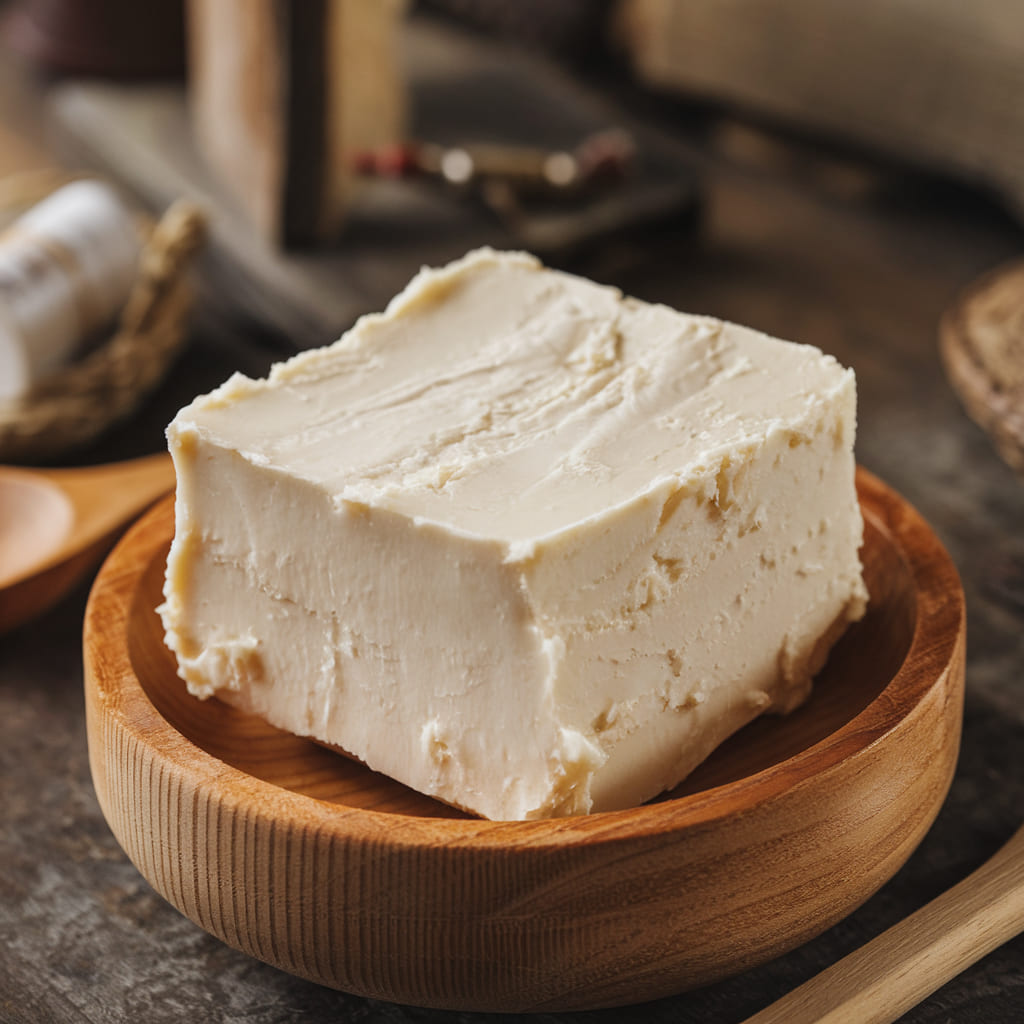
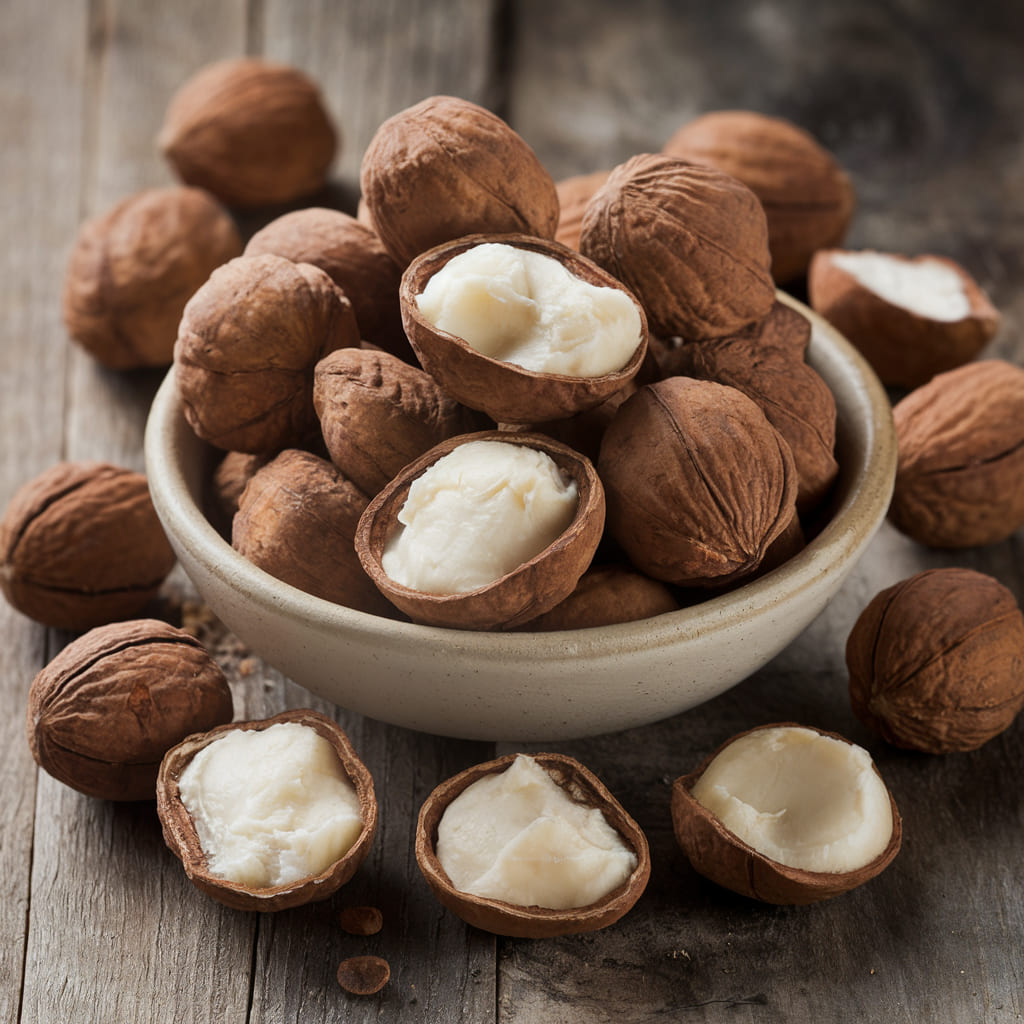
Shea butter, derived from the nuts of the African shea tree (Vitellaria paradoxa), has been a skincare staple for centuries. Rich in vitamins A and E along with essential fatty acids, it deeply nourishes skin, helps combat dryness, and supports a healthier-looking glow.
Whether your skin is sensitive, dry, or just starting to show signs of aging, shea butter is a versatile ingredient worth having in your routine. What makes it so effective, and how do you actually use it well? Let’s get into it.
Why Shea Butter Deserves a Spot in Your Routine
Shea butter isn’t just another moisturizer, it brings a genuinely wide range of skin benefits.
- Deep hydration without clogging pores. Unlike petroleum-based moisturizers, shea butter absorbs without leaving a greasy film. It locks in moisture while letting skin breathe, making it work well for both dry and oily skin types.
- Soothing, anti-inflammatory support. If your skin regularly deals with redness or irritation, including conditions like eczema or psoriasis, shea butter’s anti-inflammatory compounds can help calm things down and support healing.
- Supports collagen production. Shea butter helps stimulate collagen, which can soften the look of fine lines and wrinkles over time. Its antioxidants also help fight free radical damage.
- Skin repair and protection. Pollution, UV exposure, and other environmental stressors take a toll on skin. Shea butter forms a protective layer while supporting cell regeneration, helping damaged skin bounce back faster.
- May help with scars and stretch marks. Regular use can fade the appearance of scars, stretch marks, and blemishes over time. It also supports elasticity, making it a popular choice during pregnancy or periods of weight change.
How to Use Shea Butter for the Best Results
Getting the most out of shea butter comes down to how you use it.
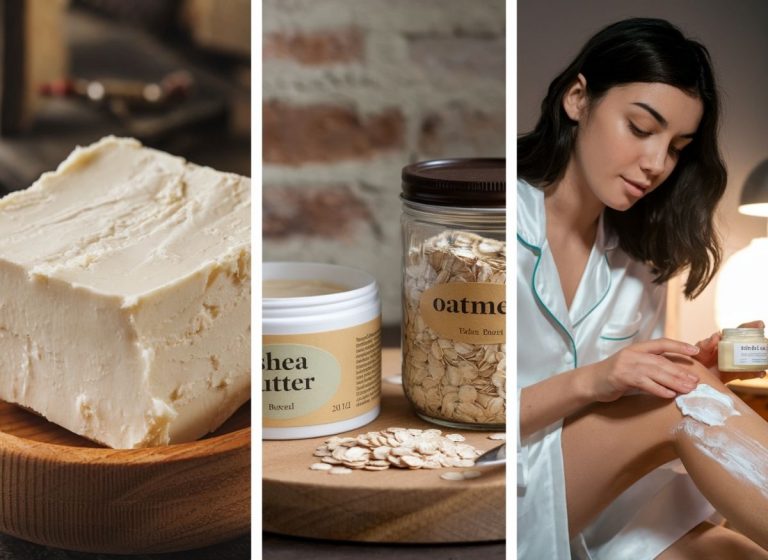
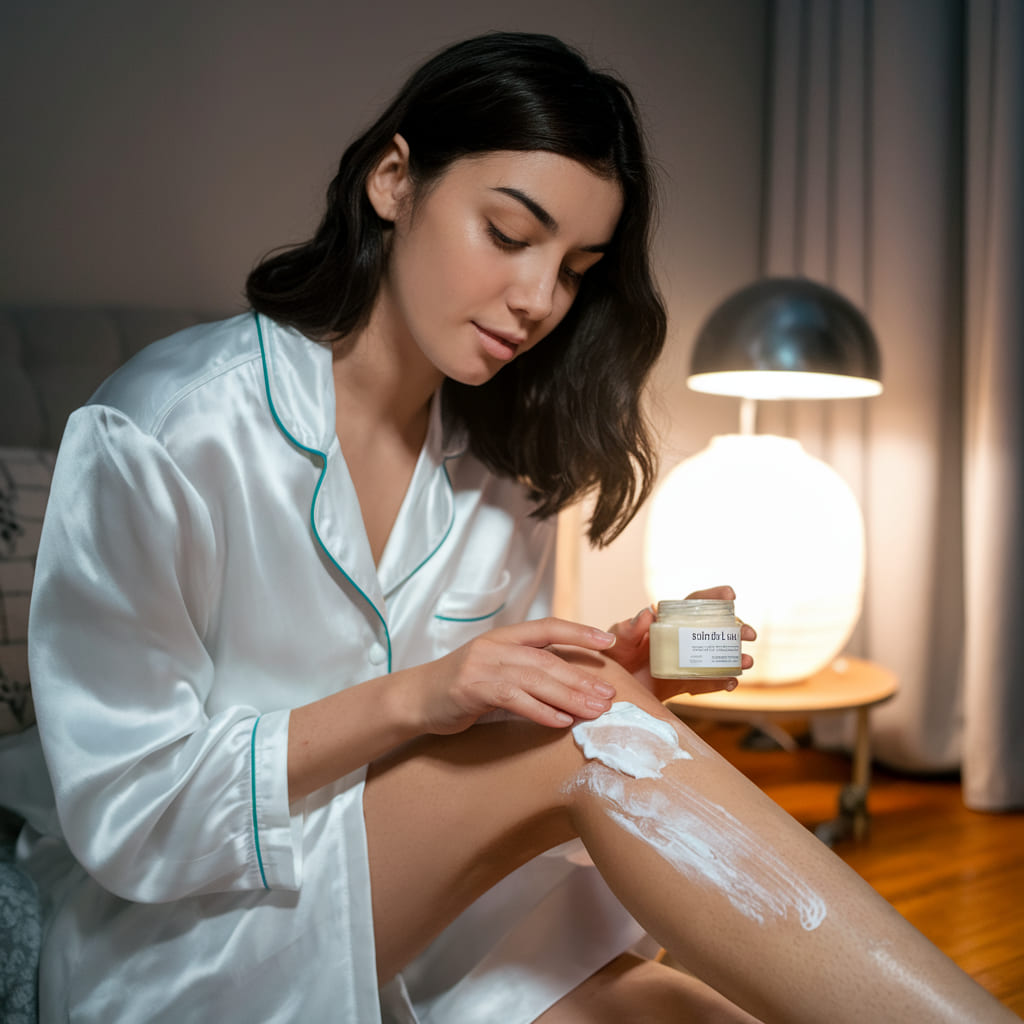
- As a nighttime moisturizer. Warm a small amount of raw shea butter between your fingers and massage into skin before bed. It hydrates deeply overnight, leaving skin soft by morning.
- As a DIY body butter. Whip shea butter together with coconut oil and almond oil for a fluffy, rich body butter, especially useful for dry skin in winter.
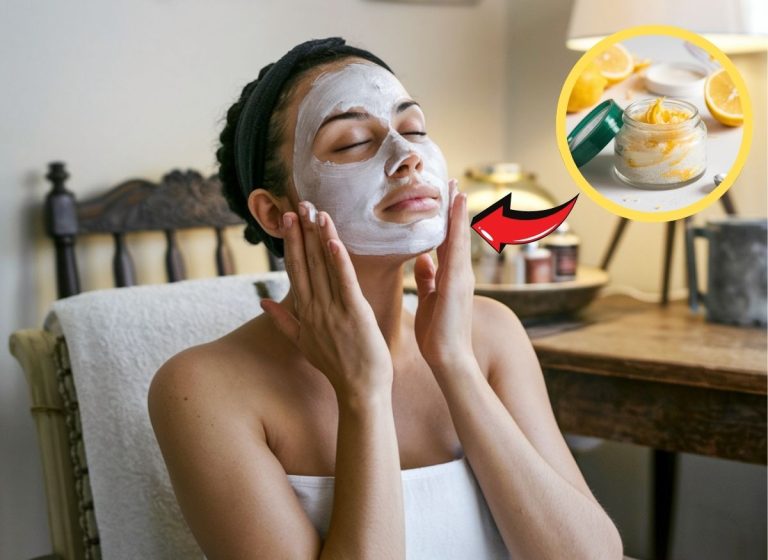
- As a face mask. Combine shea butter with honey and aloe vera for a hydrating mask. Apply for 15 minutes, then rinse with warm water for a natural glow.
- As a cuticle cream. Mix shea butter with vitamin E oil and massage into cuticles to help strengthen nails and soften rough skin.
DIY Recipes Using Shea Butter
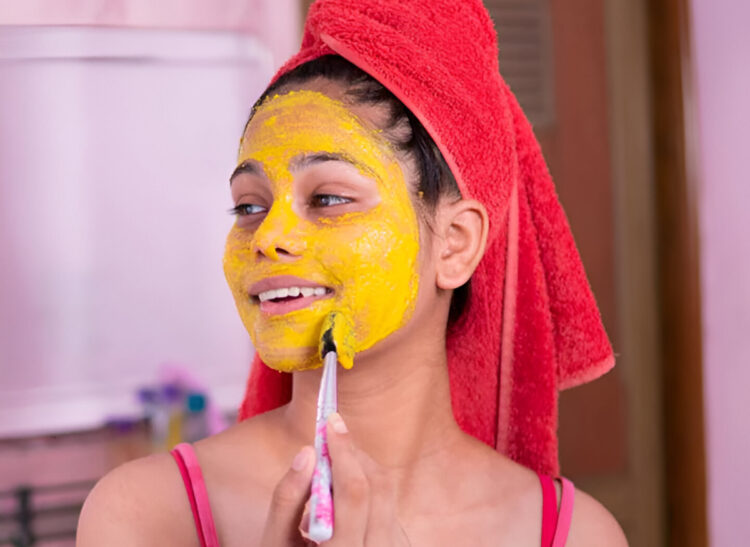
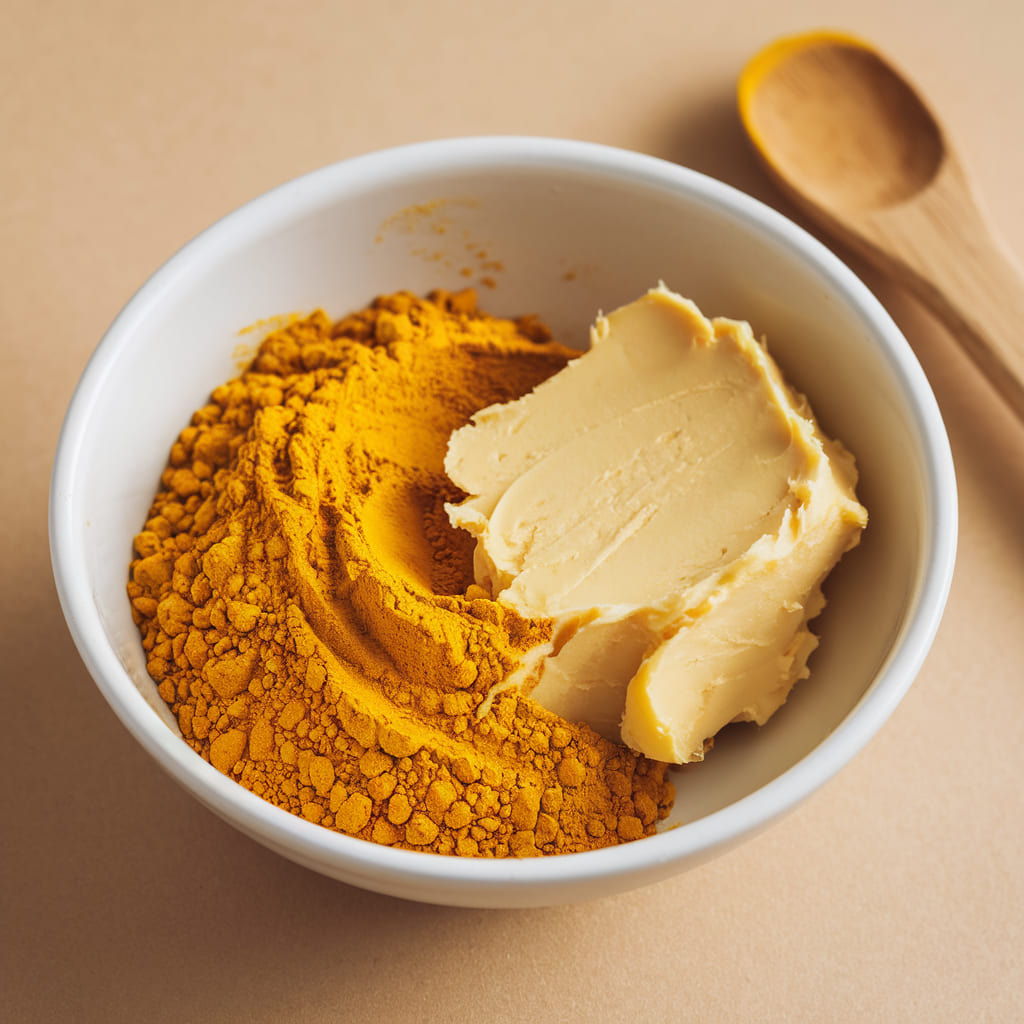
Shea Butter and Turmeric Brightening Face Mask
Ingredients:
- 1 tbsp raw shea butter
- 1 tsp turmeric powder
- 1 tbsp yogurt
- 1 tsp honey
Instructions:
- Melt the shea butter slightly to make it easier to mix.
- Add the turmeric, yogurt, and honey, stirring until smooth.
- Apply to your face and leave on for 10 to 15 minutes.
- Rinse with warm water and pat dry.
Why it works:
Turmeric helps brighten skin and reduce pigmentation, while honey adds antibacterial support.
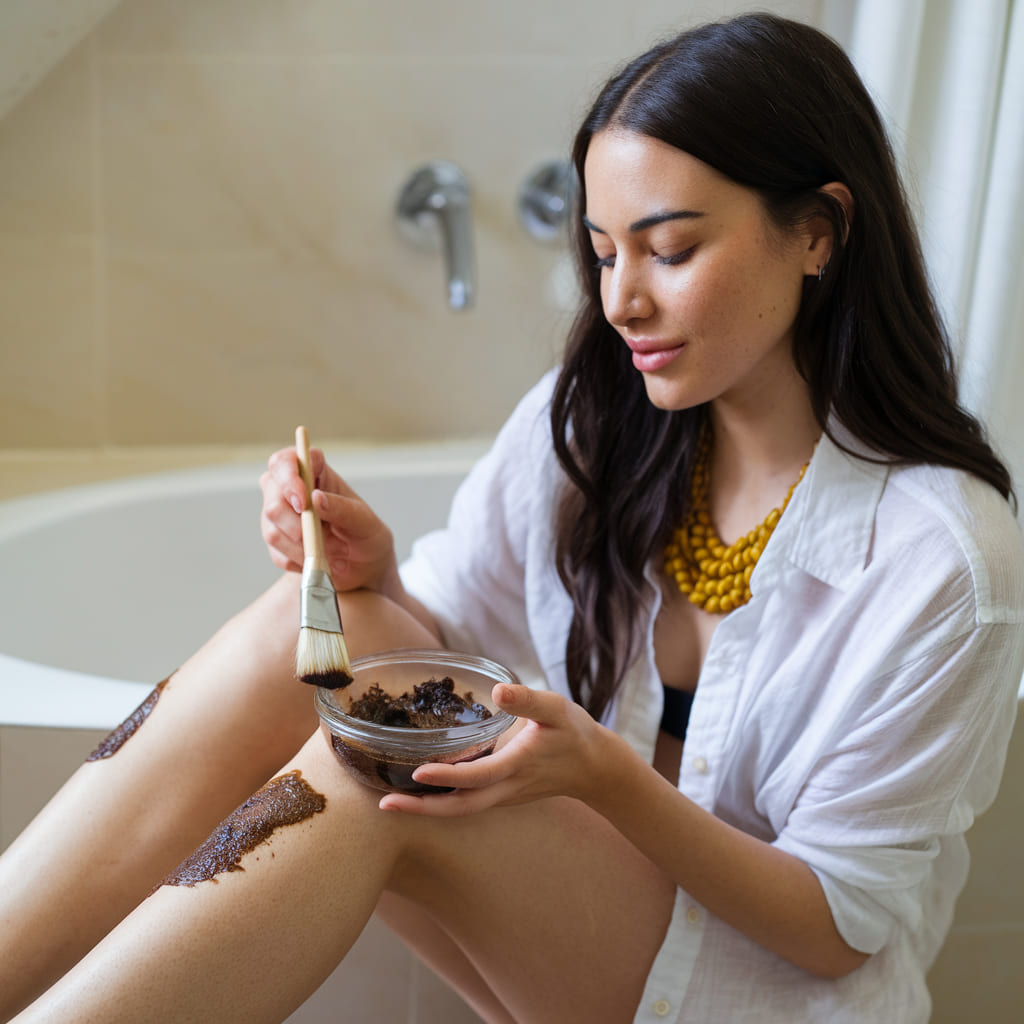
Shea Butter and Coffee Anti-Cellulite Scrub
Ingredients:
- 2 tbsp shea butter
- 3 tbsp coffee grounds
- 1 tbsp coconut oil
- 1 tsp cinnamon
Instructions:
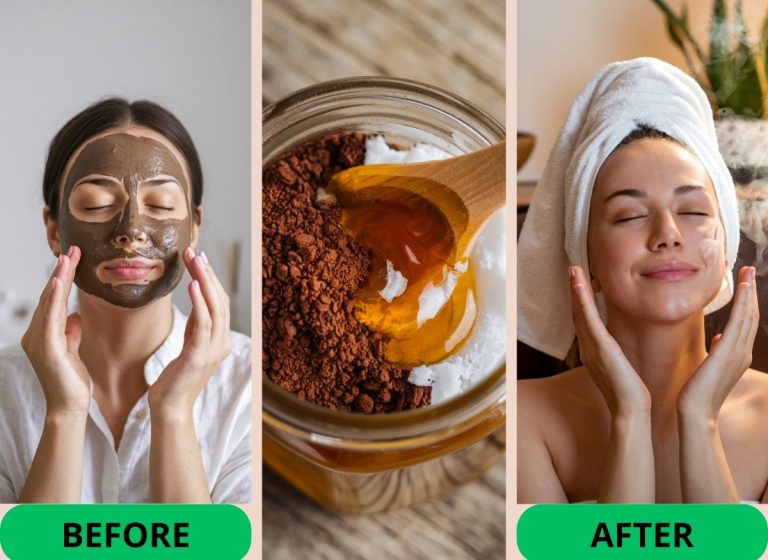
- Melt the shea butter and mix with the other ingredients.
- Massage onto damp skin in circular motions.
- Rinse off for smoother, refreshed skin.
Why it works:
Coffee helps stimulate circulation, which may support reduced cellulite appearance over time.
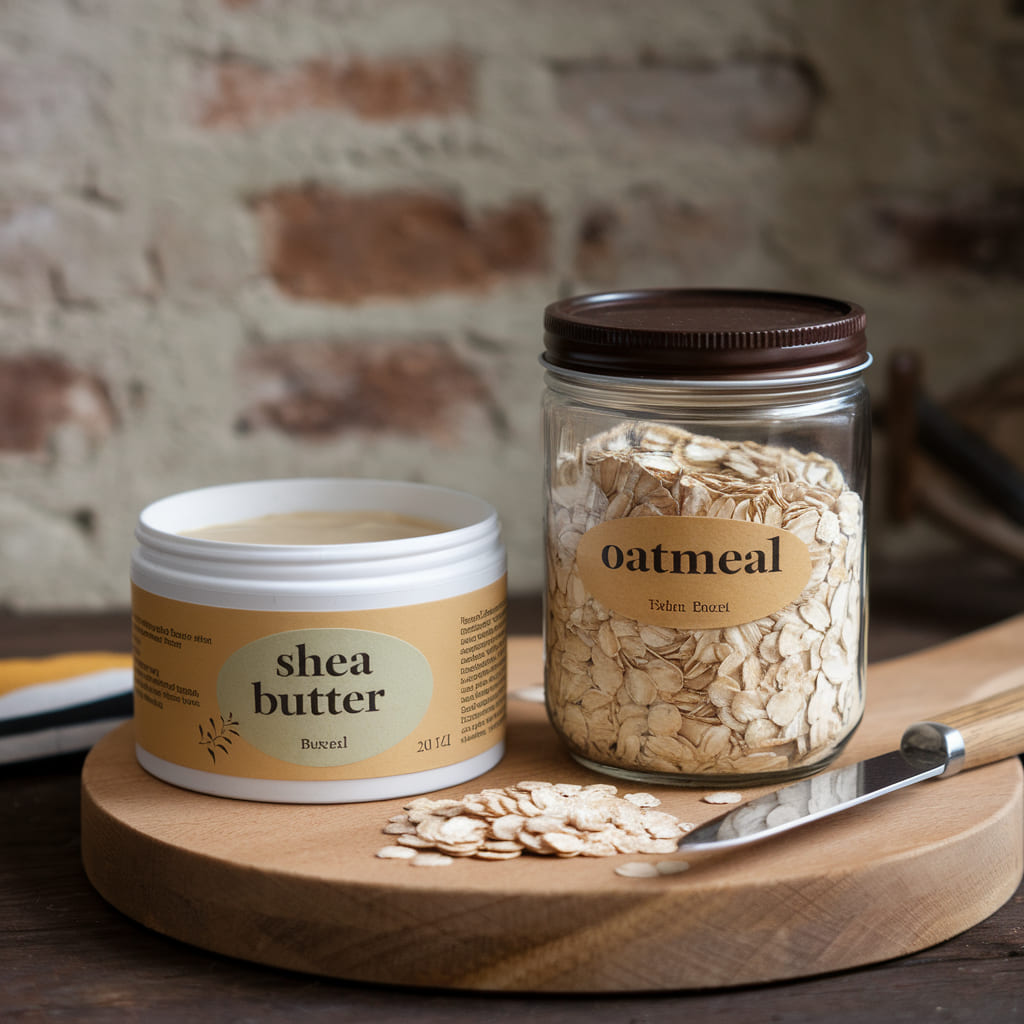
Shea Butter and Oatmeal Calming Face Cleanser
Ingredients:
- 1 tbsp shea butter
- 2 tbsp ground oats
- 1 tsp honey
- 1 tbsp milk
Instructions:
- Mix all ingredients into a paste.
- Gently massage onto your face in circular motions.
- Rinse with lukewarm water.
Why it works:
Oatmeal soothes sensitive skin, while milk and honey cleanse gently without stripping moisture.
Tips for Choosing the Best Shea Butter
Not all shea butter is created equal. A few things worth checking when buying it:
- Unrefined and raw. The less processed it is, the more nutrients it retains.
- Organic and fair trade. Ethically sourced shea butter tends to be purer and supports the communities producing it.
- Yellow vs. white shea butter. Yellow shea butter is richer since it often includes added palm oil, while white shea butter is purer and more versatile for a range of uses.
Disclaimer :
This article is for informational purposes only and should not replace professional dermatological advice. If you have sensitive skin or allergies, patch test before using shea butter, and consult a skincare professional if you experience irritation.
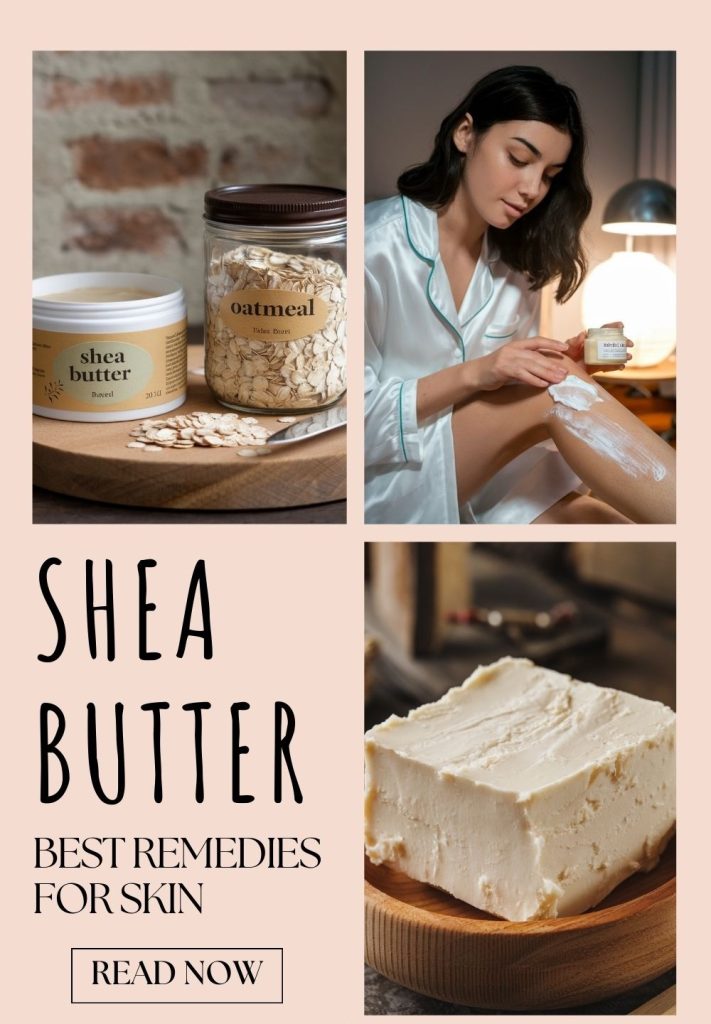
If you’re looking for a natural, multipurpose skincare ingredient, shea butter checks a lot of boxes. Using pure shea butter and working it into your own DIY treatments is a simple way to support healthier, more nourished skin without harsh chemicals.