
Grapeseed Oil Skincare Hacks for Smooth, Radiant-Looking Skin
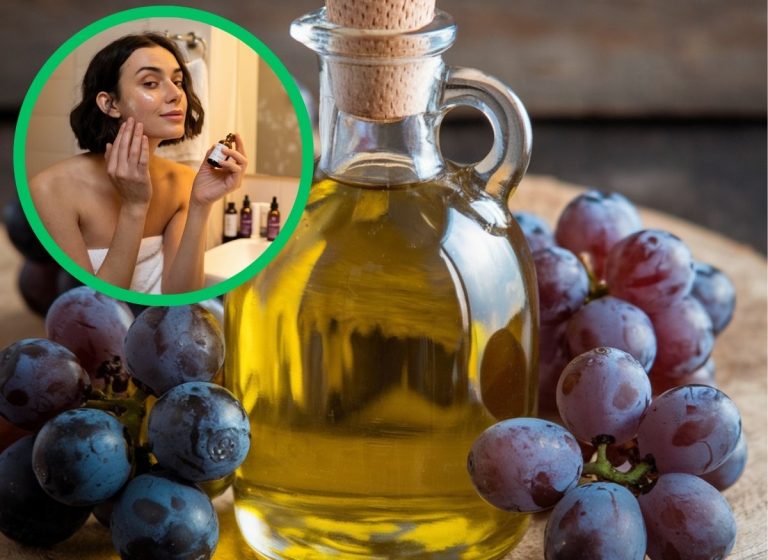
When it comes to natural skincare ingredients, grapeseed oil is an underrated favorite that deserves a spot in your routine. Lightweight, fast-absorbing, and rich in nourishing compounds, this versatile oil contains antioxidants, essential fatty acids, and vitamin E that can help support soft, healthy-looking skin.
Extracted from grape seeds, grapeseed oil is widely used in beauty routines because of its moisturizing and skin-conditioning properties. It can be particularly appealing for people who want a lightweight oil that doesn’t leave behind the heavy, greasy feeling associated with some richer oils.
Whether you’re looking to moisturize dry skin, support an acne-prone complexion, soften the appearance of fine lines, or improve the overall look of uneven skin, grapeseed oil is a simple ingredient worth exploring.
Let’s take a closer look at what makes it useful and how you can incorporate it into your skincare routine.
1. What Makes Grapeseed Oil Beneficial for Skin?
Before adding any natural oil to your face, it helps to understand what makes the ingredient special. Grapeseed oil is produced from the seeds left behind during grape processing, turning what might otherwise be a byproduct into a useful cosmetic ingredient.
- Rich in Vitamin E – Grapeseed oil contains vitamin E, an antioxidant that helps protect skin from oxidative stress and supports a healthy-looking complexion.
- Contains Linoleic Acid – This omega-6 fatty acid plays an important role in maintaining the skin barrier and helping the skin retain moisture.
- Provides Polyphenols – Grapeseed oil naturally contains plant compounds with antioxidant properties that may help support calm, balanced-looking skin.
- Lightweight Texture – Compared with heavier facial oils, grapeseed oil has a thin consistency and absorbs relatively quickly, making it appealing for oily and combination skin.
- Suitable for Many Skin Types – Its lightweight nature makes it a versatile option for people with dry, normal, combination, or oily skin, although individual reactions can vary.
Now that we know what makes grapeseed oil interesting for skincare, let’s explore some of the ways it can be used.

2. How Grapeseed Oil May Benefit Your Skin
One of the biggest advantages of grapeseed oil is its versatility. From moisturizing dry areas to adding softness and glow, it can serve several purposes in a simple skincare routine.
- Moisturizes Without Heavy Residue Grapeseed oil can help soften the skin and reduce moisture loss while maintaining a lightweight feel. This makes it a useful option for those who dislike thick or greasy moisturizers.
- Supports Acne-Prone Skin Because it contains linoleic acid and has a light texture, grapeseed oil may be appealing for people with oily or blemish-prone skin. However, it isn’t a guaranteed acne treatment and may not work for everyone.
- Helps Maintain a Youthful-Looking Complexion Its antioxidant content can help protect against oxidative stress, while regular moisturization can make fine lines appear less noticeable.
- Promotes a Brighter-Looking Appearance Vitamin E and other naturally occurring compounds may help support a more even and healthy-looking complexion over time.
- Calms the Feel of Dry or Stressed Skin Grapeseed oil can provide conditioning moisture that leaves the skin feeling softer and more comfortable.

3. The Best Ways to Use Grapeseed Oil
You don’t need an elaborate beauty routine to incorporate grapeseed oil into your skincare regimen. Here are several simple options.
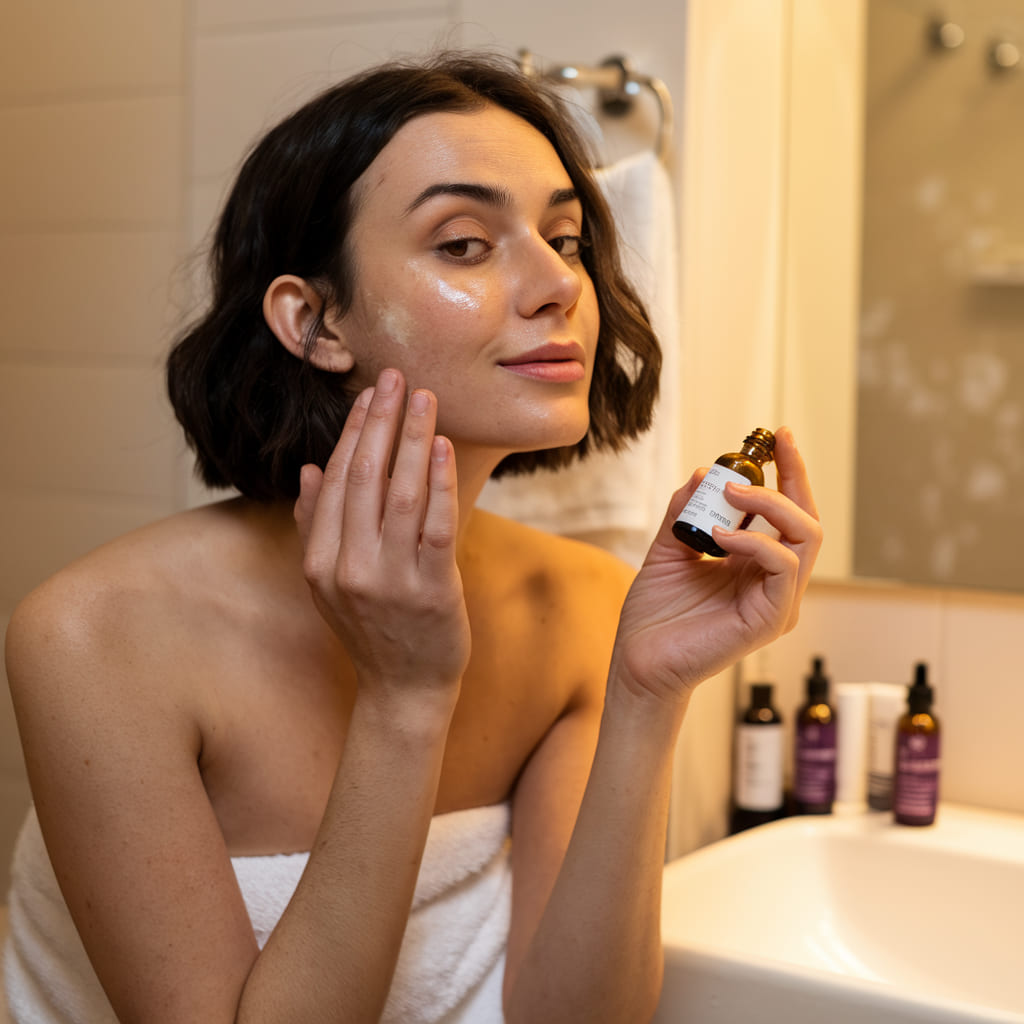
- As a Facial Moisturizer After cleansing, apply a few drops to slightly damp skin. Gently massage it into your face, allowing the oil to form a light moisturizing layer.
- For Blemish-Prone Areas Grapeseed oil can be used on its own as a lightweight facial oil. If you choose to combine it with essential oils such as tea tree oil, make sure the essential oil is properly diluted and patch-tested first.
- As a Makeup Remover A small amount of grapeseed oil can help loosen makeup and sunscreen. Massage it gently over the skin and remove with a soft, warm, damp cloth before cleansing.
- As a Nighttime Facial Oil Apply a few drops in the evening after cleansing and allow it to condition the skin overnight.
- In a DIY Face Mask Combine a small amount of grapeseed oil with ingredients such as plain yogurt and honey for a moisturizing homemade mask. Leave it on for about 10–15 minutes before rinsing thoroughly.
4. Side Effects and Important Precautions
Although grapeseed oil is generally well tolerated by many people, natural ingredients can still cause irritation or allergic reactions.
- Perform a Patch Test – Before applying it to your entire face, test a small amount on a discreet area of skin and monitor for irritation.
- Choose a Quality Oil – Look for pure grapeseed oil from a reputable source. Cold-pressed varieties can be a good option when you want an oil with minimal processing.
- Use a Small Amount – You only need a few drops for most facial applications. Applying too much can leave your skin feeling oily.
- Pay Attention to Your Skin – If you notice itching, redness, burning, or unusual irritation, discontinue use.
- Be Careful With Essential Oils – Essential oils should never be applied directly to the face without appropriate dilution. Some can cause irritation or sensitivity.
- Consult a Professional for Persistent Skin Problems – If you have severe acne, ongoing irritation, or a diagnosed skin condition, speak with a dermatologist before introducing new oils or DIY treatments.

5. Disclaimer
This article is intended for general informational purposes and should not be considered medical or professional skincare advice. Everyone’s skin is different, and even commonly used natural ingredients may cause irritation or allergic reactions. Perform a patch test before introducing grapeseed oil into your routine, particularly if you have sensitive or acne-prone skin. For persistent or severe skin concerns, consult a qualified dermatologist.
Final Thoughts
Grapeseed oil is a simple and versatile ingredient that can bring lightweight moisture and antioxidant-rich nourishment to a skincare routine. Its fast-absorbing texture makes it especially appealing to people who want the conditioning benefits of a facial oil without a heavy finish.
Whether you use it as a moisturizer, makeup remover, nighttime facial oil, or DIY skincare ingredient, grapeseed oil can be an easy addition to your beauty routine. Start with a small amount, patch-test first, and pay attention to how your individual skin responds.