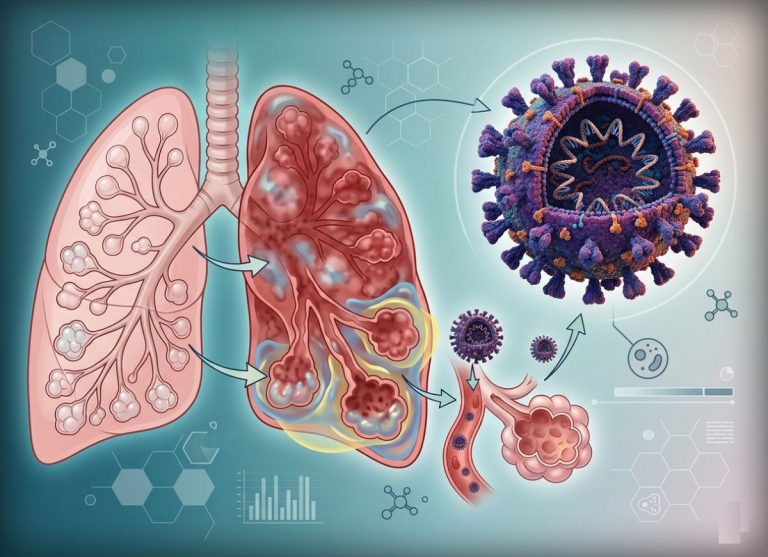
7 Hepatitis B Warning Signs You Should Never Ignore
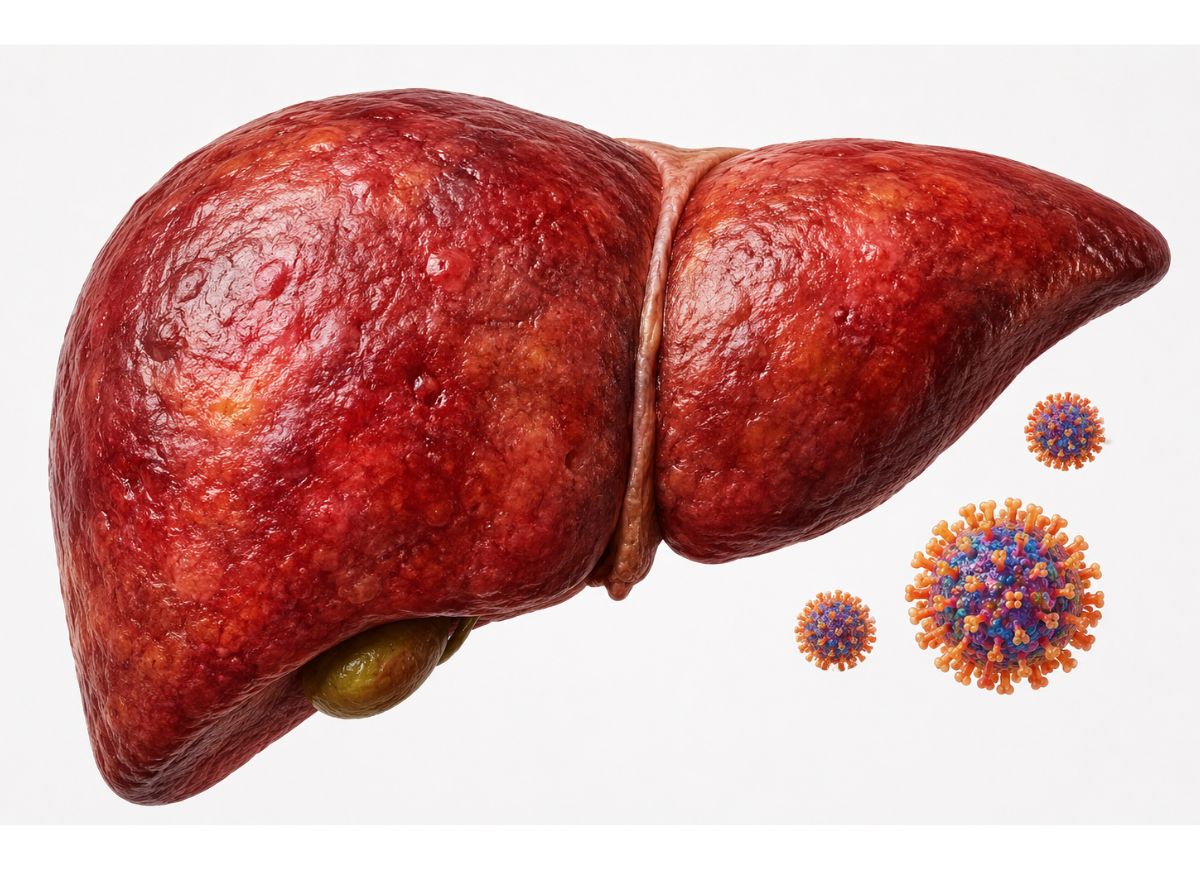
Have you ever felt unusually exhausted, had little interest in food, or experienced an uncomfortable feeling in your upper abdomen and assumed you simply needed more rest? That is one reason hepatitis B can be difficult to recognize. The infection can develop quietly while its early symptoms seem similar to everyday tiredness, digestive problems, or a mild viral infection.
Hepatitis B is a liver infection caused by the hepatitis B virus. Some people recover from a short-term infection, while others develop chronic hepatitis B that can remain in the body for years and increase the risk of serious liver complications. According to the World Health Organization, an estimated 254 million people were living with chronic hepatitis B in 2022, while only around 13% were aware of their infection. Hepatitis B was associated with approximately 1.1 million deaths that year, mainly because of cirrhosis and liver cancer.
Hepatitis B is also an important health concern in the United States. CDC estimates indicate that roughly 640,000 adults in the U.S. are living with chronic hepatitis B, while estimated new infections have remained in the tens of thousands in recent years.
One of the biggest challenges is that hepatitis B may not cause obvious symptoms. Some people feel completely well, while others develop yellow skin or eyes, dark urine, fever, nausea, joint discomfort, abdominal pain, or severe tiredness. These symptoms can easily be overlooked, even when the liver is already being affected.
In this article, you will learn about 7 hepatitis B warning signs you should never ignore. Some may seem minor at first, but they can provide important clues. Recognizing them and seeking testing when appropriate may help protect your liver and reduce the risk of long-term complications.
7 Telltale Signs & Symptoms of Hepatitis B
Fatigue
Fatigue is one of the most common and troublesome early symptoms. It can feel much stronger than normal tiredness and may not improve even after getting enough sleep or rest.
The body uses considerable energy while fighting an infection, and changes in liver function can also affect the way the body manages energy. As a result, a person may feel unusually weak, exhausted, or lacking the energy needed to complete normal daily tasks.
Mild Fever
A low-grade fever, generally below 102°F (38.9°C), can occur as the immune system responds to an HBV infection. The body’s inflammatory response to the virus can raise body temperature.
This fever may occur along with a general feeling of illness or malaise. Because these symptoms can resemble other common infections, hepatitis B may not immediately be suspected.
Loss of Appetite, Nausea, and Vomiting
The liver has an important role in digestion and metabolism. When the liver becomes inflamed, these processes can be affected, sometimes resulting in nausea and a reduced appetite.
Food may become less appealing, and even the smell or thought of certain foods, particularly fatty foods, may make someone feel sick. Reduced food intake can result in unintentional weight loss. Some people may also experience vomiting as the infection affects normal metabolic processes.
Abdominal Pain
Abdominal discomfort associated with hepatitis B is often felt in the upper right side of the abdomen, where the liver is located.
Inflammation can cause the liver to become swollen, which may put pressure on the sensitive tissue surrounding it. The discomfort may range from a dull, ongoing ache to a sharper or more tender sensation, particularly when the area is touched.
Dark Urine and Clay-Colored Stools
Dark urine and pale or clay-colored stools are closely related to changes in how the liver handles bilirubin. Bilirubin is a yellow pigment produced when old red blood cells break down.
Normally, the liver processes bilirubin and releases it through bile, which contributes to the normal brown color of stool. When the liver is inflamed, bilirubin can build up in the blood. The kidneys may then remove more bilirubin through the urine, making it appear dark brown, tea-colored, or similar to cola.
At the same time, reduced bile reaching the intestines can cause stools to become unusually pale, gray, or clay-colored.
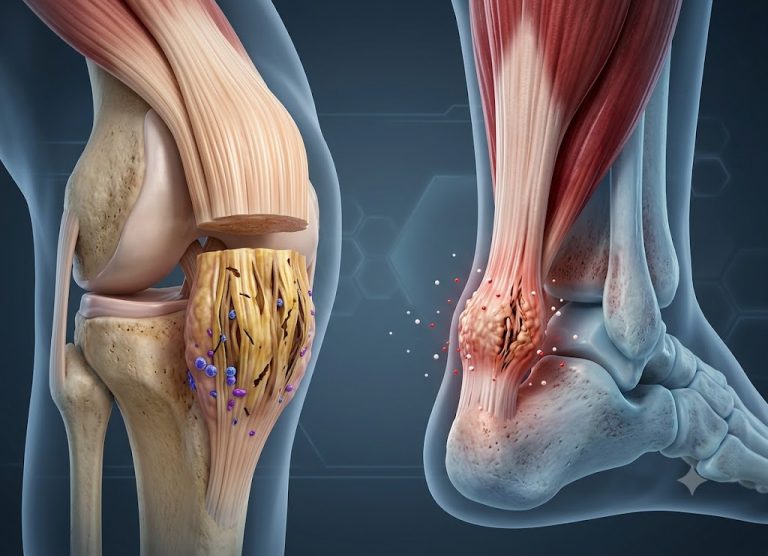
Joint Pain (Arthralgia)
Joint pain is less common than some other hepatitis B symptoms, but it can occur in people with acute infection.
It may be connected to immune complexes, which are combinations of viral antigens and antibodies that can settle in joint tissues and trigger inflammation. The result can feel similar to arthritis, with aching, discomfort, or stiffness affecting different joints.
Jaundice
Jaundice is one of the best-known signs associated with liver problems. It causes the skin and the whites of the eyes to develop a yellow color.
Like dark urine and pale stools, jaundice is linked to elevated bilirubin levels in the blood. When the liver cannot process and remove bilirubin effectively, the pigment can accumulate in body tissues and become visible.
Jaundice should not be ignored and warrants medical evaluation because it can indicate significant liver inflammation or another liver-related problem.
What is Hepatitis B?
Hepatitis B is a potentially serious viral infection that affects the liver. It is caused by the hepatitis B virus (HBV) and can develop as either an acute, short-term infection or a chronic, long-term condition.
Hepatitis can have several causes, including alcohol, toxins, and autoimmune conditions, but Hepatitis B specifically results from infection with HBV. The illness can range from a relatively mild condition lasting several weeks to a serious lifelong infection.
Acute hepatitis B occurs during the first six months following exposure. Many healthy adults are able to clear the virus through their immune response and eventually recover.
In other people, particularly those infected during birth or early childhood, the virus may remain in the body and become chronic. Chronic Hepatitis B is a major worldwide health concern because it can increase the risk of serious liver complications, including cirrhosis, liver failure, and hepatocellular carcinoma, a type of liver cancer.
Hepatitis B Is a Viral Infection of The Liver
Hepatitis B is a viral infection of the liver caused by the hepatitis B virus (HBV), which belongs to the Hepadnaviridae family. The virus specifically targets liver cells, known as hepatocytes.
After entering the bloodstream, HBV reaches the liver and infects these cells, using them to produce additional virus particles. The liver damage associated with Hepatitis B is not simply caused by the virus destroying liver cells directly. Much of the injury results from the immune system’s response to infected cells.
T-cells, which are part of the immune system, identify viral proteins associated with infected liver cells and attempt to destroy those cells. This immune response produces inflammation and damage known as hepatitis.
In many healthy adults, the immune response can successfully clear the infection, resulting in recovery from acute hepatitis B. If the body cannot clear the virus within six months, however, the infection is classified as chronic.
With chronic infection, immune activity may continue for many years. Persistent inflammation can gradually contribute to fibrosis, cirrhosis, and liver cancer.
The Effects of Hepatitis B on The Body
Hepatitis B can affect many of the liver’s important functions. The liver plays major roles in metabolism, detoxification, digestion, and immune function, so inflammation and damage can interfere with several processes throughout the body.
The liver helps remove substances such as toxins, medications, alcohol, and waste products like bilirubin from the blood. When hepatitis B causes inflammation, this process can become less effective. Bilirubin may accumulate, contributing to jaundice, dark urine, and pale stools.
In severe liver disease, other substances can also build up. For example, increased ammonia levels can affect brain function and contribute to a condition known as hepatic encephalopathy.
The liver also helps process carbohydrates, fats, and proteins. It stores glucose as glycogen, helps produce cholesterol, and processes amino acids. Inflammation can interfere with these metabolic functions and contribute to fatigue, reduced appetite, and weight loss.
Another important role of the liver is producing proteins such as albumin and clotting factors. Albumin helps maintain normal fluid balance, while clotting factors help blood clot after an injury. Advanced liver disease can reduce production of these proteins, potentially causing swelling in the legs or abdomen and making bruising or bleeding easier.
The liver also produces bile, which helps the small intestine digest fats. Hepatitis can affect bile production and flow, contributing to digestive symptoms and potentially affecting the absorption of fat-soluble vitamins such as A, D, E, and K.
The Difference Between Acute and Chronic Hepatitis B
The main difference between acute and chronic Hepatitis B is how long the infection remains in the body and what happens afterward.
Acute Hepatitis B is a short-term infection that occurs during the first six months after exposure. During this period, some people experience symptoms such as fatigue, fever, nausea, or jaundice, while others may not have symptoms at all.
Most healthy adults who develop Hepatitis B are able to clear the virus within several months and develop lasting immunity. Chronic Hepatitis B, on the other hand, occurs when the immune system does not eliminate the virus.
If Hepatitis B surface antigen (HBsAg) remains detectable in the blood for more than six months, the infection is considered chronic. Chronic infection can remain for many years and may increase the risk of serious liver disease if it is not appropriately monitored and managed.
The likelihood of developing chronic infection is strongly influenced by the age at which someone becomes infected. Infants infected at birth have a very high risk of developing chronic hepatitis B. This risk decreases as the age at infection increases.
Symptoms are generally more noticeable during acute infection. People with chronic hepatitis B, however, may feel healthy for years or even decades while liver damage gradually develops.
Acute Hepatitis B usually does not require specific antiviral treatment, with care often focused on rest, fluids, nutrition, and symptom management. Chronic Hepatitis B may require ongoing monitoring and, for some people, antiviral medication to suppress the virus and reduce the risk of complications such as cirrhosis and liver cancer.
What Causes Hepatitis B and Who is at Risk?
Hepatitis B is caused by HBV and spreads through contact with infected blood, semen, and certain other body fluids. It is not spread through ordinary casual contact such as hugging, coughing, or sharing food.
The virus is highly infectious and can remain capable of causing infection outside the body for several days under appropriate conditions. Infection occurs when infected blood or body fluids enter another person’s body through broken skin or mucous membranes, including those in the mouth, genitals, or eyes.
Because HBV can spread through several different routes, understanding how transmission occurs and who may have greater exposure risk is important. Vaccination and safer practices are key ways to reduce transmission.
The Hepatitis B Virus Transmitting Between People
Hepatitis B can pass from one person to another through exposure to infected blood or certain body fluids, including semen and vaginal fluids. The most common transmission routes can vary depending on the region, but several important pathways are well recognized.
HBV is not normally spread through contaminated food or water, sharing utensils, breastfeeding, hugging, kissing, holding hands, coughing, or sneezing.
Sexual contact with an infected partner is an important transmission route, particularly when protection is not used consistently. The virus can be present in semen, vaginal fluids, and blood.
Another major route is perinatal transmission, meaning transmission from an infected mother to her baby around the time of birth. Without appropriate preventive measures, an infected mother can pass HBV to her newborn, and infection at birth carries a high risk of becoming chronic.
Blood-to-blood transmission is another important route. People who inject drugs can be exposed when needles, syringes, or other injection equipment are shared.
Healthcare and public safety workers can also be exposed through accidental needle sticks or injuries involving contaminated sharp instruments.
HBV may also spread through improperly sterilized equipment used for medical, dental, tattooing, piercing, or acupuncture procedures. Sharing personal items that may contain traces of blood, such as razors, toothbrushes, or glucose-monitoring equipment, can also create a transmission risk.
Who is Considered High-risk for Contracting Hepatitis B?
People at higher risk of contracting Hepatitis B are generally those who have greater exposure to infected blood or body fluids because of their health, occupation, behavior, or circumstances.
Although anyone who is not immune can become infected, some groups have a higher likelihood of exposure. Public health programs often focus vaccination and education efforts on these populations.
- Infants Born to Infected Mothers: Babies born to mothers with hepatitis B have a high risk of infection, particularly if preventive measures are not provided promptly after birth.
- People Who Inject Drugs: Sharing needles, syringes, or other equipment can directly expose people to infected blood.
- Sexual Partners of People with Hepatitis B: Sexual contact with someone who has an active HBV infection can result in transmission, especially when condoms are not used consistently.
- Individuals with Multiple Sexual Partners: Having more sexual partners can increase the chance of encountering someone who has an undiagnosed infection.
- Men Who Have Sex with Men: This group has historically experienced higher rates of hepatitis B because of sexual transmission risk.
- Healthcare and Public Safety Workers: Doctors, nurses, dentists, emergency responders, and others who may come into contact with blood or body fluids can face occupational exposure.
- Hemodialysis Patients: Frequent vascular access and possible exposure to blood can increase the risk in dialysis settings.
- Travelers to Regions with High Rates of Hepatitis B: People traveling to areas where hepatitis B is common may have increased exposure risk, particularly if they expect to have sexual contact, receive medical care, or participate in other activities involving possible blood or body-fluid exposure.
- Inmates of Correctional Facilities: Close-contact environments, along with higher rates of certain risk behaviors, can contribute to increased transmission within correctional facilities.
When to Seek Medical Help?
You should contact a healthcare professional if you develop symptoms that could be related to Hepatitis B, especially when you also have risk factors for infection. Jaundice in particular should be medically evaluated.
Hepatitis B symptoms can be vague and may look similar to the symptoms of the flu or other less serious illnesses. Because of this, it can be tempting to wait and see if they disappear.
A healthcare provider can use blood tests to determine whether hepatitis B is present. These tests can identify viral antigens and antibodies produced by the immune system.
Early diagnosis is important because it allows a doctor to evaluate liver function, manage symptoms, provide advice about preventing transmission, and determine whether further treatment or monitoring is needed.
If the infection becomes chronic, identifying it early also allows appropriate long-term monitoring and management, which can help reduce the risk of serious complications such as cirrhosis and liver cancer.
Are Hepatitis B Symptoms Always a Medical Emergency?
Hepatitis B symptoms do not always represent a medical emergency, but they should be evaluated by a healthcare professional. Many cases of acute Hepatitis B are mild and eventually resolve, with symptoms managed through rest, adequate fluids, and nutrition.
Symptoms such as tiredness, mild fever, and nausea can be uncomfortable without necessarily requiring emergency treatment. However, these symptoms are not specific to hepatitis B and can also occur with many other illnesses.
It is not possible to determine the cause of these symptoms accurately without medical evaluation. Testing can confirm whether hepatitis B is present and can help guide advice about protecting family members and sexual partners.
A healthcare provider can also monitor liver function through blood tests such as ALT, AST, and bilirubin measurements.
Most adults with acute Hepatitis B recover, but a very small percentage can develop fulminant hepatitis, also known as acute liver failure. Because this complication can be severe, suspected hepatitis B should be medically assessed even when symptoms initially appear mild.
Specific Signs Warranting Immediate Medical Attention
Certain symptoms may indicate acute liver failure, a rare but potentially life-threatening complication of Hepatitis B. If these symptoms occur, emergency medical care should be sought without delay.
Changes in mental or behavioral state are especially concerning. Confusion, disorientation, extreme sleepiness, severe agitation, or unusual personality changes may occur when toxins such as ammonia accumulate and affect brain function. This is known as hepatic encephalopathy and can progress to coma.
Mild nausea can occur with hepatitis B, but severe vomiting that prevents a person from keeping down fluids can cause dehydration and electrolyte problems and may require IV fluids.
Severe, sharp, or debilitating abdominal pain can also indicate significant liver inflammation or another complication. A high fever accompanied by other serious symptoms may indicate a more severe response to infection.
Jaundice should be evaluated by a doctor, particularly when the yellowing of the skin or eyes appears suddenly or becomes significantly worse.
Easy bruising or unusual bleeding can occur when serious liver dysfunction reduces the production of clotting factors. Warning signs can include bleeding gums, repeated nosebleeds, or large bruises without an obvious cause.
Swelling of the abdomen caused by fluid accumulation can also indicate significant liver dysfunction and requires prompt medical assessment.
Hepatitis B Diagnosis
Symptoms alone cannot confirm Hepatitis B. A diagnosis requires specific blood tests that detect parts of the virus or the immune system’s response to infection.
Healthcare professionals commonly use a group of tests known as a Hepatitis B panel. One of the main tests is the Hepatitis B surface antigen (HBsAg). A positive result indicates an active hepatitis B infection.
Another important test checks for the Hepatitis B surface antibody (anti-HBs). A positive result can indicate immunity resulting from vaccination or recovery from a previous infection.
The total Hepatitis B core antibody (anti-HBc) can provide evidence of a current or previous infection. Doctors interpret these markers together to determine whether the infection is acute, chronic, resolved, or related to vaccination.
For example, a person with HBsAg, total anti-HBc, and IgM anti-HBc may have a recent acute infection. Someone with HBsAg and total anti-HBc but without IgM anti-HBc may have chronic infection.
Additional tests may also be ordered. A Hepatitis B viral DNA test can measure the amount of virus present in the blood, while liver function tests can measure enzymes such as ALT and AST to look for liver inflammation or injury.
For people with chronic infection, further testing may be used to assess liver damage. This can include imaging such as ultrasound or FibroScan, which measures liver stiffness. In certain situations, a liver biopsy may be considered to examine liver tissue directly.
How to Prevent Hepatitis B
Hepatitis B can be prevented through vaccination. The Hepatitis B vaccine has been used for decades and is highly effective at protecting against infection.
Depending on the vaccine and vaccination schedule, protection may involve two, three, or four doses given over a period of time. Completing the recommended series is important for developing strong and lasting protection.
In the United States, the CDC recommends hepatitis B vaccination for all infants, beginning with a dose at birth. Vaccinating infants is particularly important because infection during infancy carries a much greater risk of becoming chronic.
Vaccination is also recommended for unvaccinated children and adolescents, as well as adults who have an increased risk of exposure because of their occupation, health status, or other circumstances.
Widespread vaccination is one of the most effective ways to prevent new hepatitis B infections and their long-term complications. More than 95% of infants, children, and young adults who complete the vaccine series develop protective antibody levels.
Adults who were not vaccinated during childhood can also receive the vaccine, particularly if they belong to a higher-risk group. These include healthcare and public safety workers, people with chronic liver or kidney disease, people with HIV, people who inject drugs, and sexual partners of individuals with hepatitis B.
For some people, including certain healthcare workers and those with weakened immune systems, a doctor may recommend blood testing after vaccination. This can check whether adequate Hepatitis B surface antibodies (anti-HBs) have developed.
Potential Long-term Complications of Untreated Chronic Hepatitis B
Chronic Hepatitis B that is not appropriately monitored or managed can cause serious health problems over time. Persistent infection may lead to ongoing inflammation and gradual replacement of healthy liver tissue with scar tissue. This progressive scarring is known as cirrhosis.
As cirrhosis becomes more advanced, the liver may struggle to carry out essential functions such as filtering toxins, producing proteins, and supporting digestion. Early cirrhosis may cause few or no symptoms, but advanced disease can result in major complications.
If liver damage becomes severe enough, liver failure may occur. In cases of advanced liver failure, liver transplantation may be necessary.
Chronic Hepatitis B is also an important risk factor for hepatocellular carcinoma (HCC), a type of liver cancer. Importantly, the risk of liver cancer can exist even when cirrhosis has not developed, which is why people with chronic hepatitis B may need regular monitoring.
Although the liver is the main organ affected, chronic hepatitis B can also have effects elsewhere in the body. Possible extrahepatic complications include certain kidney conditions such as glomerulonephritis, inflammation of blood vessels known as vasculitis, and some forms of nerve damage.
FAQs
1. Can your body fight off hepatitis B on its own?
Yes, many healthy adults are able to clear hepatitis B without long-term infection. In most adult cases, the infection is acute and resolves within approximately six months. After recovery, a person generally develops antibodies that provide protection against future infection.
However, babies, young children, and people with weakened immune systems have a greater chance of developing chronic hepatitis B. In chronic infection, the virus remains in the body and may gradually damage the liver without causing obvious symptoms.
This is why testing is important, even when someone feels completely healthy. The CDC notes that many people with hepatitis B do not know they are infected, and testing is needed to determine their infection status.
2. Can I kiss someone with hepatitis B?
Ordinary kissing is not considered a typical way hepatitis B spreads. The virus is mainly transmitted through infected blood, semen, and certain other body fluids. Common routes include sexual contact, sharing needles, exposure during childbirth, or contact with infected blood.
According to the CDC, hepatitis B is not spread through ordinary activities such as hugging, sharing food or utensils, coughing, sneezing, or breastfeeding.
However, if either person has bleeding gums, open sores, or another source of blood in the mouth, avoiding contact with blood is important. Vaccination is the best protection. People who live with or have close contact with someone who has hepatitis B should ask a healthcare provider about testing and vaccination.
3. Which is more serious, hepatitis B or C?
Both hepatitis B and hepatitis C can become serious because either infection can contribute to chronic liver disease, cirrhosis, liver failure, and liver cancer.
They differ in important ways. Hepatitis B can be prevented with a vaccine, while chronic hepatitis B is generally managed through monitoring and treatment when needed. Hepatitis C does not currently have a vaccine, but modern antiviral medicines can cure most infections.
Hepatitis B has a particularly high chance of becoming chronic when infection occurs at birth or during early childhood. Hepatitis C also commonly becomes chronic following infection in adults.
Rather than focusing only on which infection is more serious, it is important to know your status, seek appropriate care, and take steps to protect others.
4. How long can you have hepatitis B without knowing?
A person can have hepatitis B for years or even decades without realizing it. Many people with chronic hepatitis B have no obvious symptoms and may feel healthy even while the infection is affecting the liver.
The CDC reports that many people are unaware of their hepatitis B infection. Acute infections can also occur without symptoms, particularly in some adults.
Possible symptoms include fatigue, abdominal discomfort, jaundice, dark urine, nausea, or joint pain, but having no symptoms does not necessarily mean the infection is absent. Blood testing is the most reliable way to determine infection status.
5. How long can hepatitis B stay in the body?
When the body successfully clears acute hepatitis B, the active infection generally resolves within six months. After recovery, blood tests may show protective antibodies.
With chronic hepatitis B, however, the virus can remain in the body for many years and sometimes throughout a person’s life.
Chronic infection does not necessarily mean someone will feel sick every day. Some people may have low levels of virus and stable liver tests for long periods, while others may develop ongoing inflammation and scarring.
WHO recognizes hepatitis B as an infection that can cause both acute and chronic disease, with chronic infection increasing the risk of cirrhosis and liver cancer. Regular medical monitoring can help determine whether treatment is necessary.
6. Is hepatitis B always an STD?
No. Hepatitis B can be transmitted sexually, but it is not exclusively a sexually transmitted infection.
The virus can also spread through infected blood, shared needles, improperly sterilized tattoo or piercing equipment, shared razors or toothbrushes, accidental needle-stick injuries, and from an infected mother to her baby during birth.
In many parts of the world, mother-to-child transmission and infection during early childhood are important routes of transmission. Understanding these different routes is important because hepatitis B can affect people for reasons unrelated to sexual activity.
7. How to know if hepatitis B is gone?
Blood testing is the only reliable way to determine whether hepatitis B has cleared. Symptoms alone cannot confirm that the infection is gone.
Doctors may check markers such as HBsAg, anti-HBs, anti-HBc, liver enzymes, and, when appropriate, HBV DNA.
In general, a negative HBsAg result together with protective antibodies may indicate that the body has cleared the infection. If HBsAg remains positive for more than six months, it generally indicates chronic hepatitis B.
Because hepatitis B test results can be complicated, a healthcare professional should interpret the complete set of results.
8. Why are Asians more prone to hepatitis B?
Some Asian regions have historically had higher rates of hepatitis B, largely because transmission from mother to baby at birth and exposure during early childhood have been common where the virus is more widespread.
This does not mean that Asian people are inherently more susceptible because of genetics. Differences in exposure patterns, vaccination coverage, screening, and public health conditions play important roles.
In areas where hepatitis B is common, children may become infected very early in life, when the likelihood of chronic infection is higher. This makes vaccination and appropriate screening particularly important for families from regions with higher hepatitis B prevalence.
9. How many years can a hepatitis B patient live?
Many people with hepatitis B can live long and healthy lives, particularly when the infection is identified early and properly monitored.
Some people may not need medication, while others may benefit from antiviral treatment to reduce the amount of virus and lower the risk of liver damage.
Life expectancy can vary depending on factors such as liver health, viral activity, age at infection, alcohol consumption, other medical conditions, access to treatment, and whether complications such as cirrhosis or liver cancer develop.
Regular medical follow-up, appropriate liver testing, recommended imaging, vaccination of close contacts, and avoiding alcohol when advised by a healthcare professional can all support better long-term health.
Conclusion
Hepatitis B can develop without obvious symptoms, but it should not be overlooked. Some people can live with the infection for years without knowing it, while the virus may gradually affect the liver. Symptoms such as unusual fatigue, dark urine, yellow skin or eyes, nausea, abdominal discomfort, joint pain, and appetite changes deserve attention.
Testing is one of the most important steps because a blood test can help determine whether someone currently has hepatitis B, has immunity from vaccination, or has recovered from an earlier infection.
When hepatitis B is detected, appropriate monitoring and treatment when necessary can help protect the liver and lower the risk of long-term complications. There is no reason for shame or stigma around the condition. With proper information, medical care, and preventive measures, hepatitis B can be managed. Recognizing possible warning signs and getting tested when appropriate can help protect your health and those around you.