
DIY Pomegranate Toner for Fresh, Radiant-Looking Skin

Pomegranate toner is a refreshing addition to a natural skincare routine, offering a simple way to help your complexion look brighter, smoother, and more refreshed. Packed with naturally occurring antioxidants and nourishing compounds, pomegranate can be an appealing ingredient for homemade skincare.
Whether your skin is dry, oily, or somewhere in between, a DIY pomegranate toner can be customized to complement your routine while providing a refreshing dose of hydration.
In this guide, we’ll explore the potential benefits of pomegranate toner, several easy recipes you can make at home, the right way to apply it, and important precautions to keep in mind.
1. Why Pomegranate Toner Deserves a Place in Your Skincare Routine
Pomegranate is best known as a nutrient-rich fruit, but its naturally occurring compounds also make it an interesting ingredient for skincare. Used in a toner, it can provide several skin-friendly benefits.
- Packed with Antioxidants – Pomegranate contains polyphenols and other antioxidant compounds that help protect the skin from oxidative stress caused by free radicals.
- Supports a Youthful Appearance – Its antioxidant content may help support healthier-looking skin and reduce the appearance of premature signs of aging.
- Helps Refresh Dry Skin – When combined with hydrating ingredients, pomegranate toner can help give dry or dehydrated skin a fresh, moisturized feel.
- Soothing Properties – Pomegranate contains compounds with anti-inflammatory properties that may help calm the appearance of redness and irritation.
- Promotes a More Even-Looking Complexion – With regular skincare and sun protection, antioxidant-rich ingredients may help support a brighter and more uniform-looking complexion.
- Suitable for Different Skin Types – Depending on the supporting ingredients, a pomegranate toner can be adapted for dry, oily, or combination skin.
With its combination of refreshing and antioxidant properties, pomegranate makes a lovely ingredient to experiment with in a natural skincare routine.

2. Easy DIY Pomegranate Toner Recipes
One advantage of making toner at home is that you can choose simple ingredients and adjust the formula according to your skincare preferences. Here are three easy combinations to try.
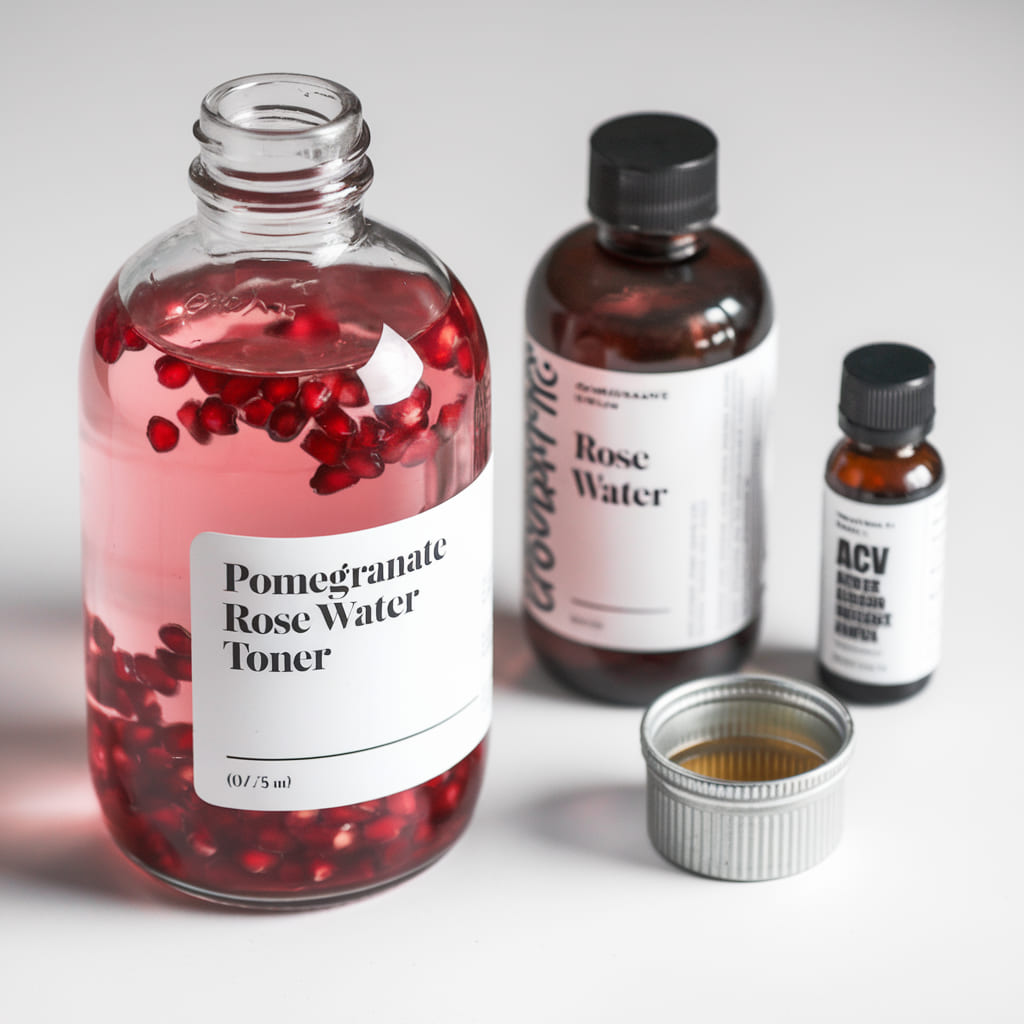
Simple Pomegranate Toner
Ingredients
- 1/2 cup fresh pomegranate juice
- 1/4 cup rose water
- 1 teaspoon witch hazel, optional
Directions
- Extract fresh pomegranate juice and strain it thoroughly to remove seeds and pulp.
- Combine the juice with rose water in a clean container.
- Add witch hazel if desired, particularly if you have oily skin.
- Transfer the mixture to a clean bottle and refrigerate.
- Use within approximately one week and discard it sooner if its appearance, smell, or texture changes.
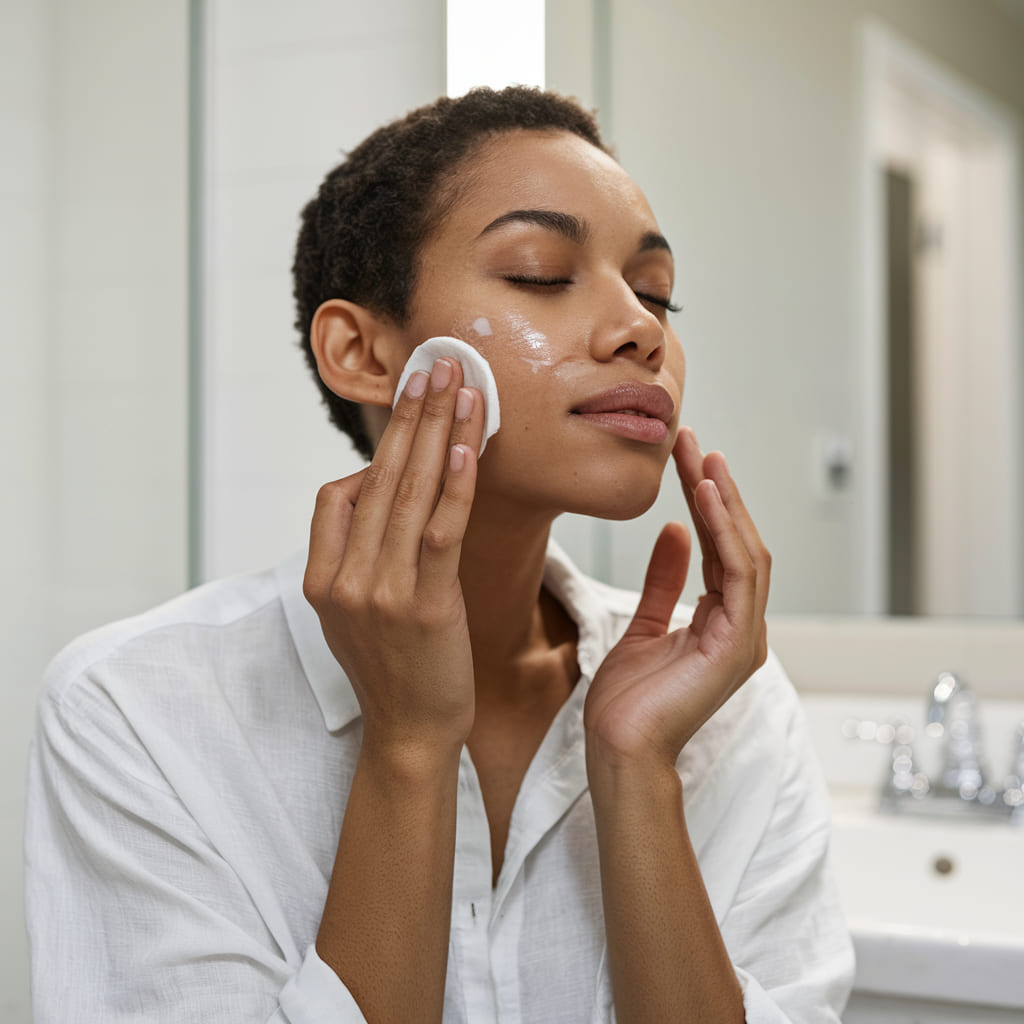
Apply a small amount to freshly cleansed skin using a cotton pad, or use a clean spray bottle to lightly mist your face.

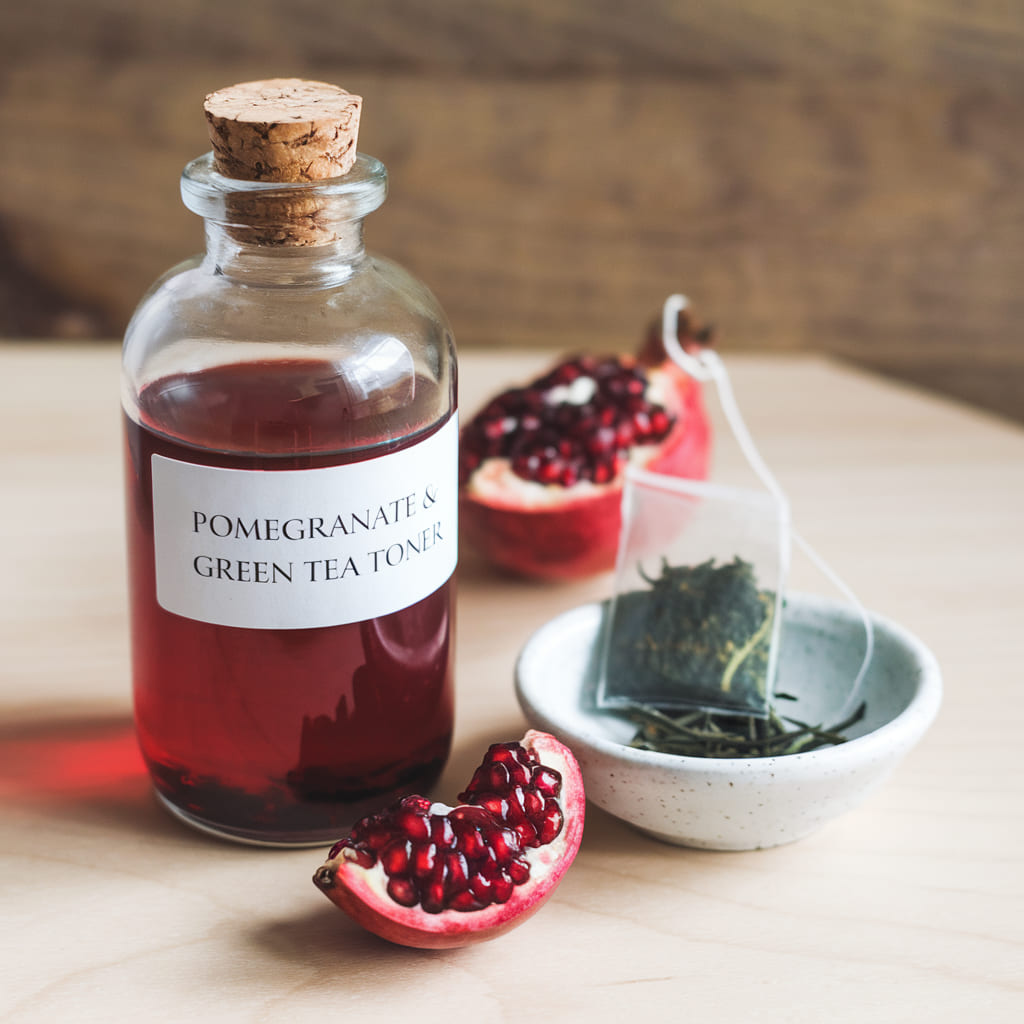
Pomegranate and Green Tea Toner
Ingredients
- 1/2 cup pomegranate juice
- 1/2 cup brewed green tea, completely cooled
- 1 teaspoon aloe vera gel
Directions
- Brew the green tea and allow it to cool completely.
- Mix the cooled tea with the pomegranate juice.
- Stir in the aloe vera gel until well combined.
- Pour the mixture into a clean spray bottle.
- Shake gently before each application.
This combination creates a refreshing toner featuring antioxidant-rich pomegranate and green tea alongside soothing aloe vera.
Pomegranate and Apple Cider Vinegar Toner
Ingredients
- 1/2 cup pomegranate juice
- 1/4 cup apple cider vinegar
- 1 teaspoon glycerin
Directions
- Combine the ingredients in a clean glass container.
- Mix thoroughly before each use.
- Apply a small amount with a cotton pad, concentrating on areas that tend to become oily or blemish-prone.
- Store the mixture appropriately and discontinue use if irritation occurs.
Because apple cider vinegar can be irritating, especially at higher concentrations, this version should be approached cautiously and patch-tested before facial use.
3. How to Add Pomegranate Toner to Your Skincare Routine
Getting the most from any toner depends on how you incorporate it into your routine. Follow these simple steps:
1. Cleanse First
Begin with a gentle cleanser to remove makeup, excess oil, sweat, and daily buildup.
2. Apply the Toner
Gently sweep the toner across your face with a clean cotton pad or lightly mist it over freshly cleansed skin.
3. Allow It to Settle
Give the toner a moment to absorb before moving on to your serum, moisturizer, or other skincare products.
4. Follow With Moisturizer
Applying moisturizer afterward can help maintain the skin’s comfortable, hydrated feel.
5. Use According to Your Skin’s Needs
Rather than automatically applying a homemade toner twice a day, start slowly and see how your skin responds. If irritation or dryness develops, stop using it.
Extra Tip: Keeping a suitable toner refrigerated can provide a pleasant cooling sensation when applied.
4. Pomegranate Toner Compared With Other Natural Toners
Natural toners can offer different benefits depending on their ingredients. Here’s how some popular options compare:
- Pomegranate Toner – A good choice for those interested in antioxidant support, hydration, and a brighter-looking complexion.
- Rose Water Toner – Commonly used as a gentle, refreshing option for skin that needs soothing and hydration.
- Green Tea Toner – Provides antioxidant compounds and may be useful for calming the appearance of irritated skin.
- Apple Cider Vinegar Toner – Often used in DIY skincare for oily or blemish-prone skin, although its acidity means it should be diluted carefully.
- Witch Hazel Toner – Popular among people with oily skin because of its astringent properties.
Every natural toner has its own strengths. Pomegranate stands out because it combines antioxidant-rich fruit compounds with a refreshing, hydrating base when formulated with suitable ingredients.
5. Precautions and Best Practices
Homemade skincare can be enjoyable, but natural ingredients are not automatically suitable for everyone. Keep these precautions in mind:
- Patch Test Before Use – Apply a small amount to a discreet area of skin first and wait to see how your skin reacts.
- Use Fresh Ingredients – Homemade toners generally lack the preservatives found in commercial skincare products, so freshness is important.
- Store Carefully – Keep water- and juice-based homemade toners refrigerated when appropriate and use clean containers and applicators.
- Watch for Irritation – Stop using the toner if you experience burning, itching, excessive dryness, redness, or other signs of irritation.
- Be Careful With Sun Exposure – Continue using broad-spectrum sunscreen during the day as part of your normal skincare routine.
6. Disclaimer
This article is intended for general informational purposes and should not be considered medical or professional skincare advice. Homemade skincare products can cause irritation or allergic reactions, particularly in sensitive individuals. Always patch-test new formulations before applying them to your face. If you have a skin condition, persistent irritation, or known allergies, consult a qualified dermatologist before introducing new DIY skincare products.
Final Thoughts
Pomegranate toner is a refreshing way to bring a fruit-based ingredient into your skincare routine. With its naturally occurring antioxidants and versatile nature, it can be combined with ingredients such as rose water, green tea, or aloe vera to create a simple homemade toner.

If you enjoy experimenting with natural skincare, a DIY pomegranate toner can be a fun addition to your routine. Just remember that gentle formulas, proper storage, patch testing, and daily sun protection are key to keeping your skincare routine safe and effective.