
Easy Rosehip Oil & Beeswax Face Cream Recipe for a Healthy-Looking Glow
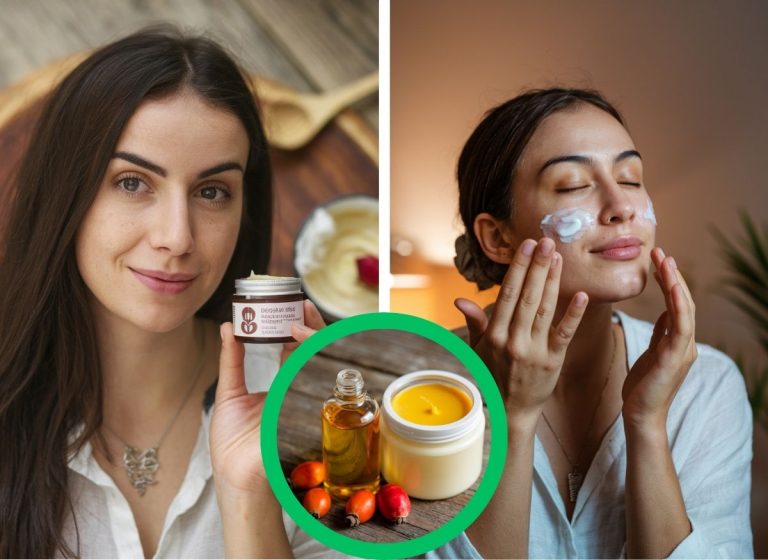
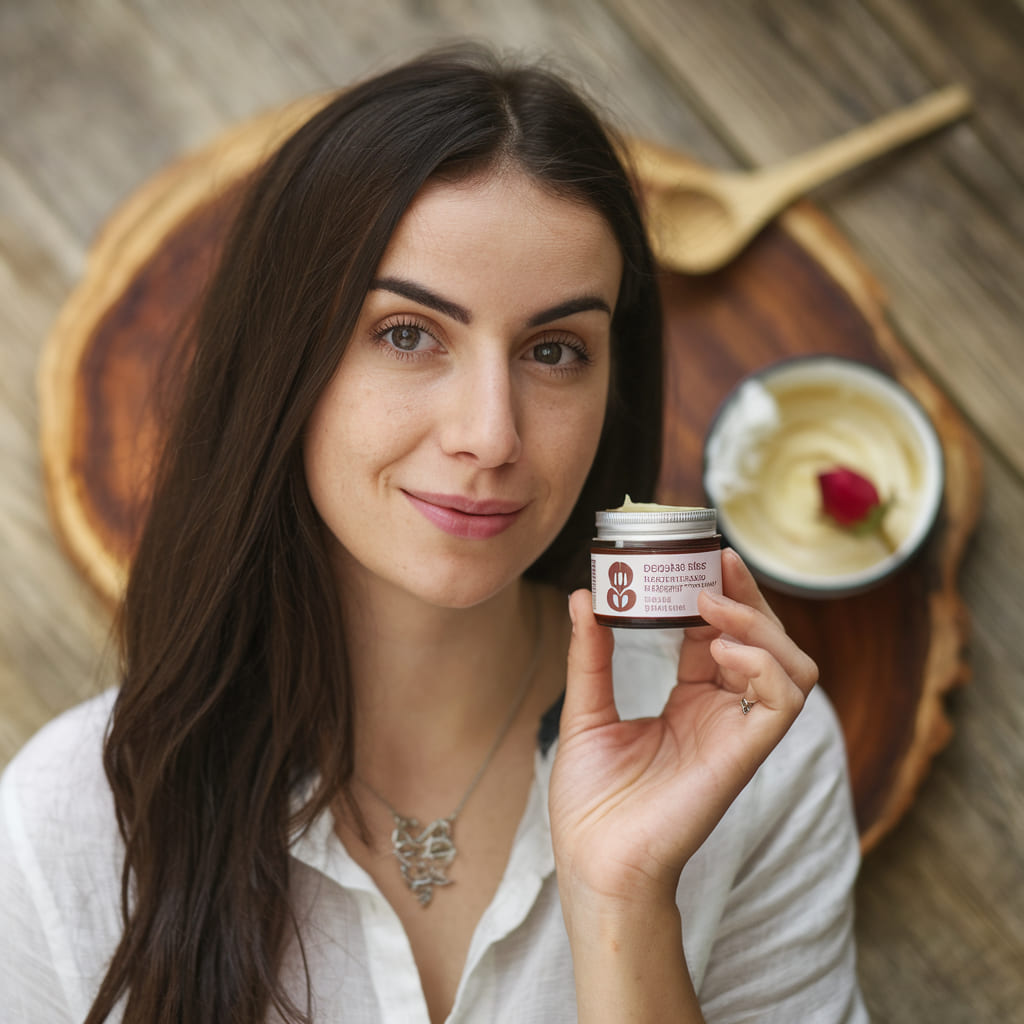
Store-bought moisturizers that leave skin feeling dry, irritated, or overloaded with chemicals are a common frustration, and going all-natural with a DIY solution can genuinely help. Rosehip oil and beeswax make the perfect duo for a deeply hydrating, skin-loving face cream.
Rosehip oil, packed with vitamins A and C, helps brighten, even out skin tone, and fight signs of aging, while beeswax acts as a natural barrier, locking in moisture and protecting against environmental damage. This homemade face cream delivers a rich, nourishing texture that hydrates without feeling greasy. Here’s a simple yet effective recipe for a natural upgrade to any skincare routine.
Why Rosehip Oil and Beeswax Are a Skincare Dream Team
Rosehip oil and beeswax complement each other beautifully in skincare. Rosehip oil is packed with antioxidants, vitamins, and essential fatty acids that help repair and rejuvenate skin, while beeswax creates a protective barrier that locks moisture in.
Rosehip oil is rich in vitamins A and C, which help boost collagen production, reduce hyperpigmentation, and improve overall skin texture. It also contains linoleic acid, an essential fatty acid that hydrates skin and reduces inflammation.
Beeswax, on the other hand, acts as a natural humectant, drawing moisture into the skin while sealing it in. It also carries antibacterial properties, making it an excellent ingredient for preventing breakouts and soothing irritation.
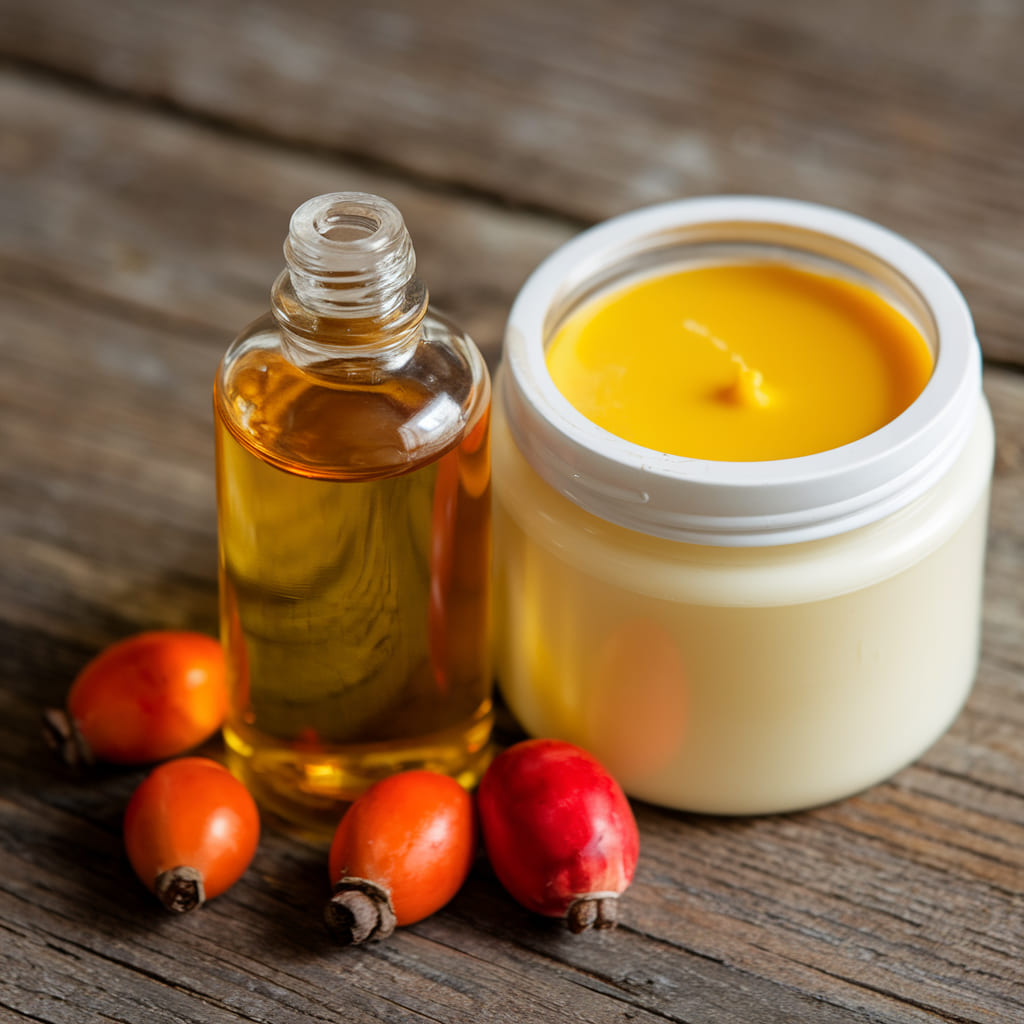
DIY Rosehip Oil and Beeswax Face Cream Recipe
Making face cream at home is not only cost-effective, it also allows full control over the ingredients. Here’s a simple yet deeply nourishing recipe using rosehip oil and beeswax.
Ingredients:
- 2 tbsp beeswax pellets
- 4 tbsp rosehip oil
- 2 tbsp shea butter
- 1 tbsp coconut oil
- 1 tsp vitamin E oil
- 5 drops lavender essential oil (optional, for fragrance)
Instructions:
- In a double boiler, melt the beeswax, shea butter, and coconut oil over low heat until fully combined.
- Remove from heat and stir in the rosehip oil and vitamin E oil.
- Allow the mixture to cool slightly, then whip it with a hand mixer until it reaches a creamy consistency.
- If using lavender essential oil, mix it in at this stage.
- Transfer the cream into a clean glass jar and store it in a cool, dry place.
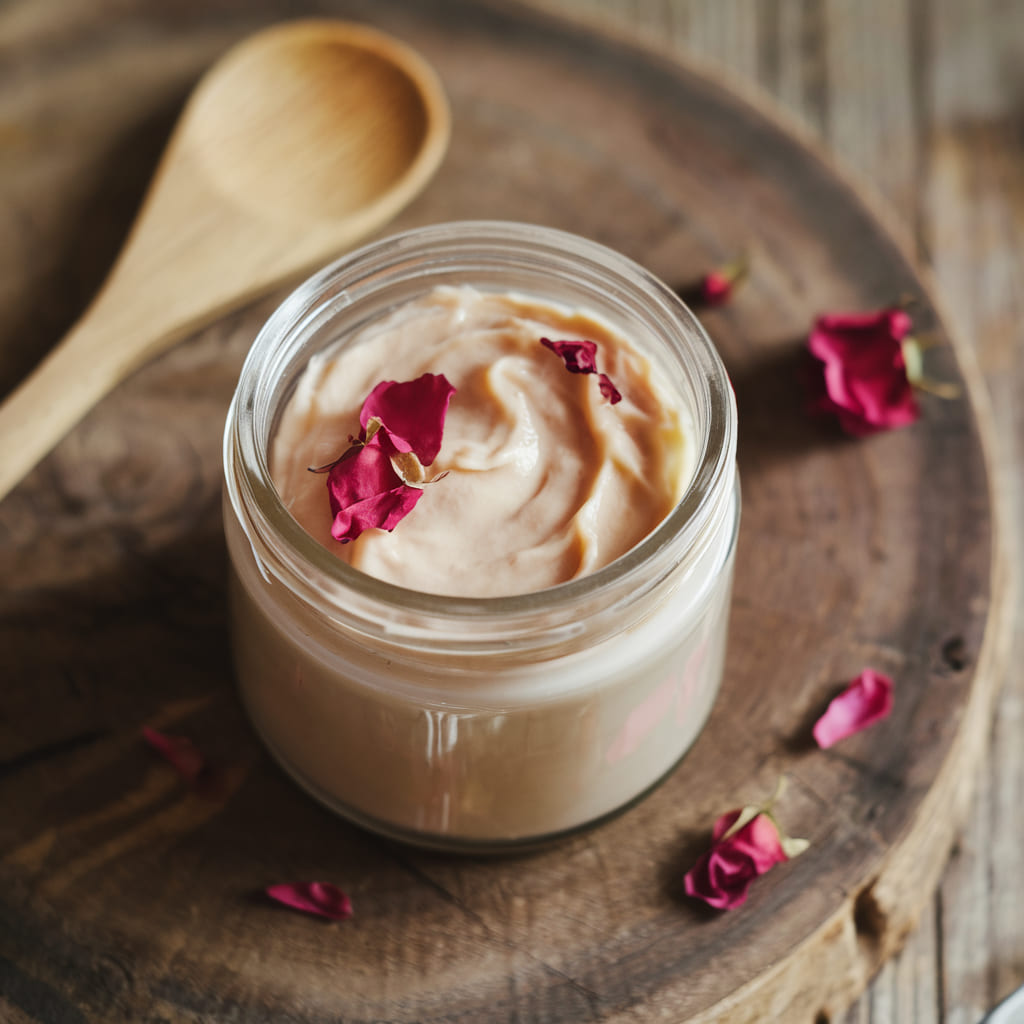
How to Use Rosehip Oil and Beeswax Face Cream for Maximum Benefits
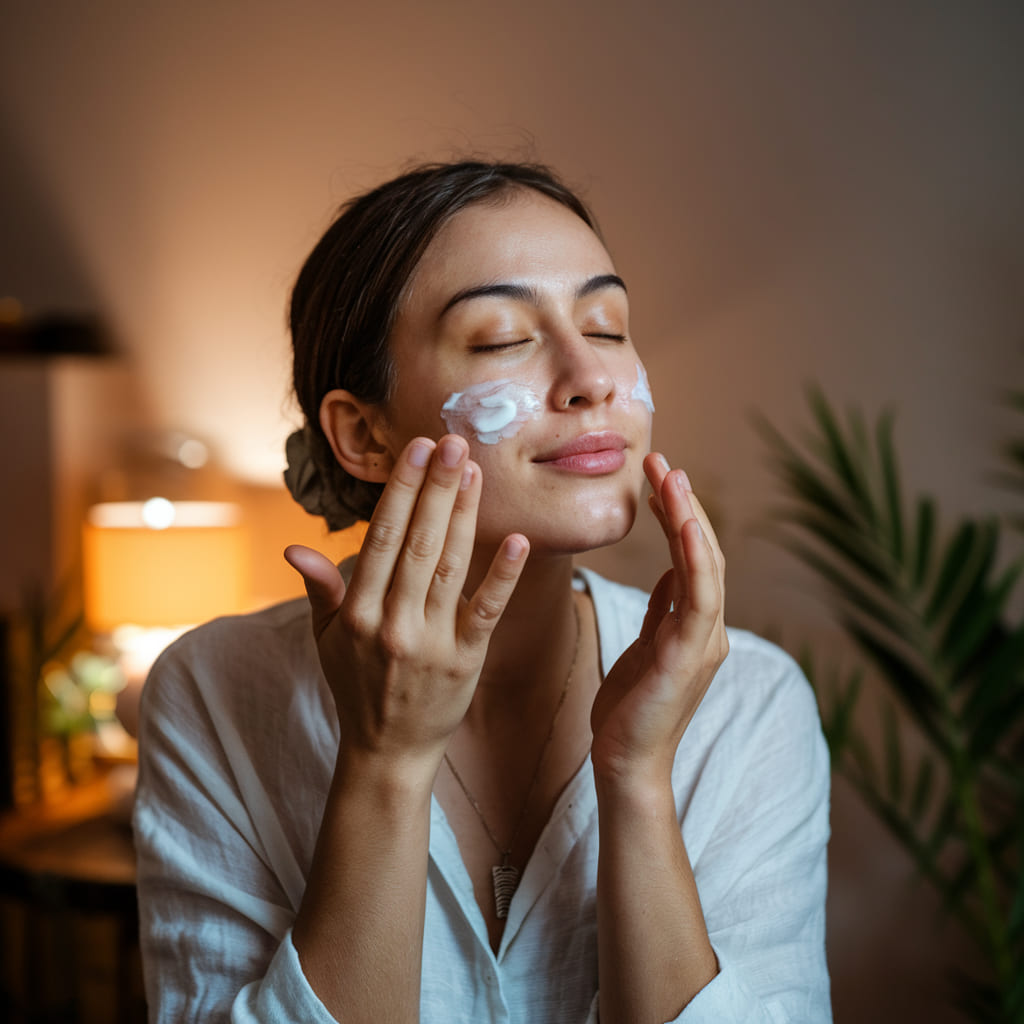
Using this DIY face cream correctly helps maximize its effectiveness. Applying a small amount to clean skin in the morning and before bedtime, then massaging gently in circular motions, promotes better absorption.
Because this cream is rich and deeply hydrating, it works especially well as a night cream or during colder months when skin tends to run drier. For an extra boost, applying a thin layer over damp skin after toner locks in moisture and enhances the cream’s ability to keep skin plump and hydrated. For oilier skin, using it sparingly and focusing on drier areas like cheeks and under the eyes works better.
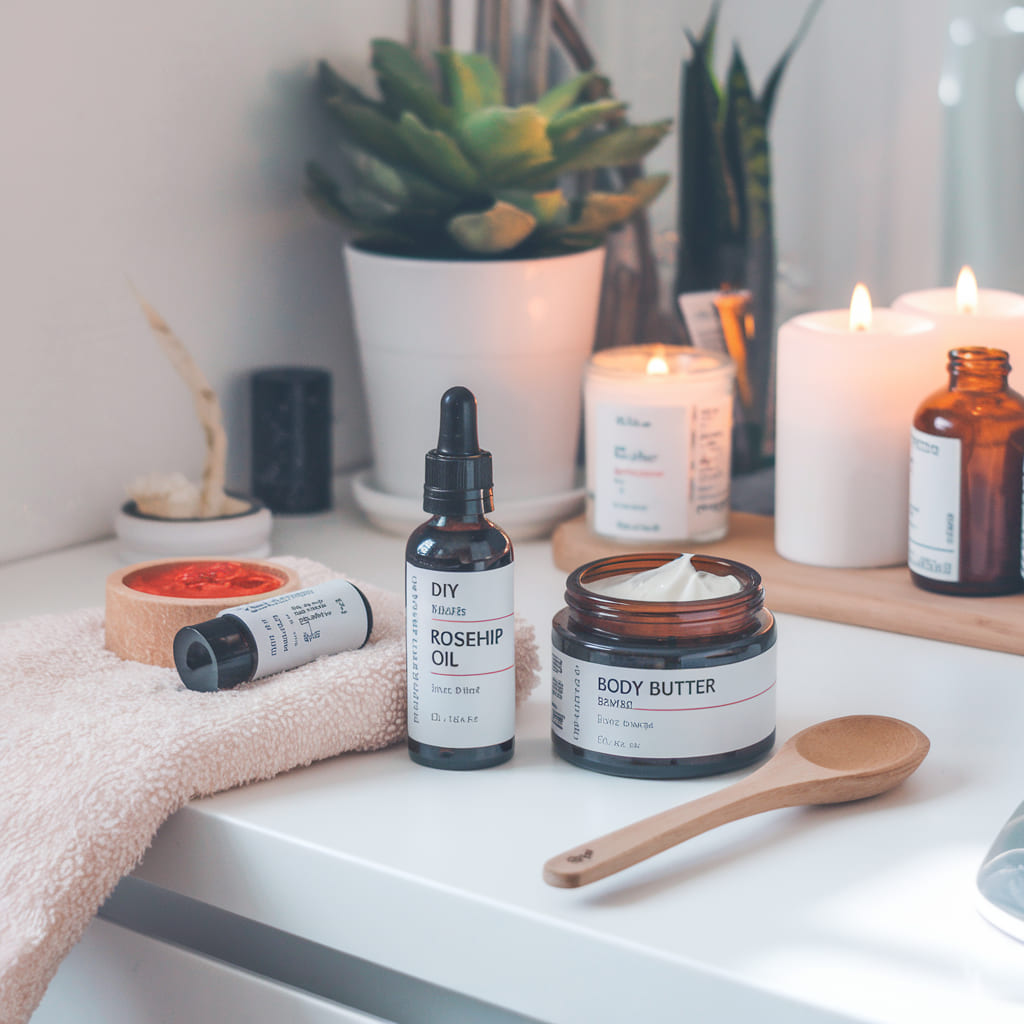
Additional DIY Skincare Remedies Using Rosehip Oil and Beeswax
For anyone who loves making their own skincare, a few more ways to use rosehip oil and beeswax across different beauty treatments:
- Soothing lip balm: Combine 1 tbsp beeswax, 2 tbsp rosehip oil, and 1 tbsp coconut oil for a deeply hydrating lip balm that heals chapped lips.
- Hydrating body butter: Mix melted beeswax, rosehip oil, and shea butter for a luxurious body butter that keeps skin soft and nourished.
- Healing cuticle balm: A blend of beeswax, rosehip oil, and vitamin E oil creates a rich cuticle balm that strengthens nails and soothes dry cuticles.
Why You Should Switch to Natural Face Creams
Many commercial skincare products contain synthetic chemicals, preservatives, and fragrances that can irritate sensitive skin. Making a face cream with rosehip oil and beeswax eliminates harsh additives, ensuring skin receives only natural ingredients. DIY skincare isn’t just healthier, it’s also a fun, creative way to customize a beauty routine.
Rosehip oil and beeswax are also sustainably sourced ingredients offering long-term skin benefits. Unlike synthetic moisturizers, which can clog pores or cause breakouts, this natural combination lets skin breathe while staying hydrated and protected.
A Quick Note
This article is for informational purposes only and isn’t intended as medical advice. Conducting a patch test before trying new skincare products is always worth doing, and consulting a dermatologist for specific skin concerns or allergies matters most. Skin health and safety should always come first.
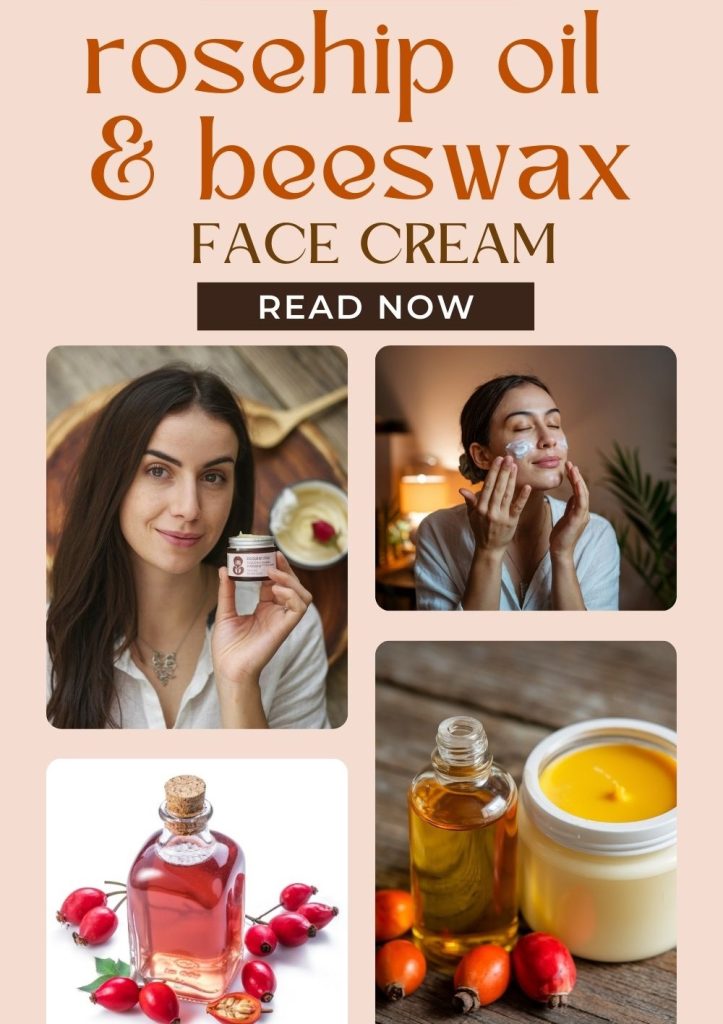
Incorporating rosehip oil and beeswax into a skincare routine can genuinely be a game-changer, a simple batch away from skin that feels nourished, protected, and glowing.