Top Causes of Hemoptysis (Coughing Up Blood)
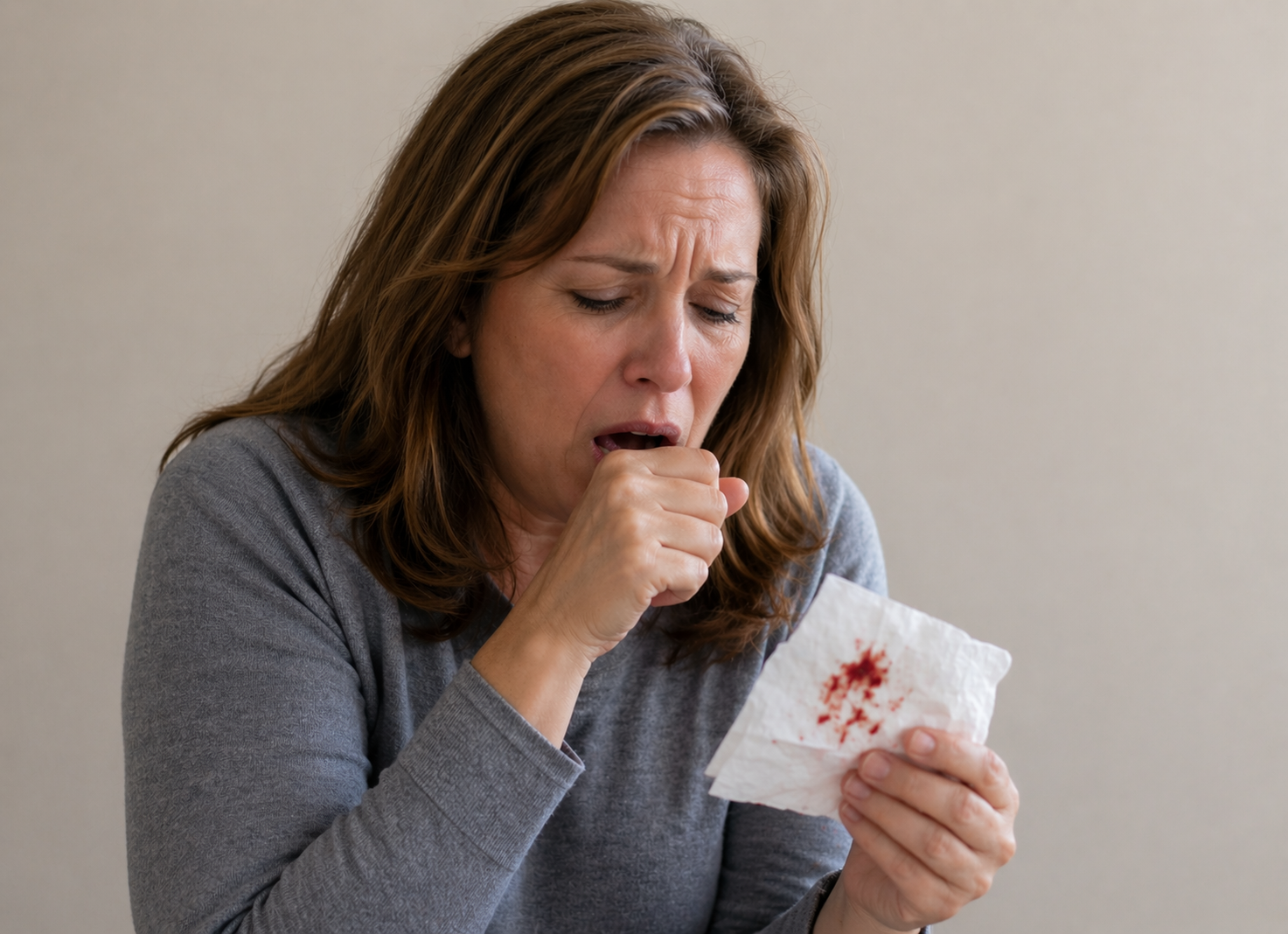
Coughing up blood, medically known as hemoptysis, can be frightening. Seeing blood mixed with mucus may immediately make you worry about a serious health problem. However, hemoptysis can have many different causes, ranging from minor airway irritation and respiratory infections to conditions that require urgent medical attention.
Although serious diseases such as lung cancer and tuberculosis can cause hemoptysis, they are not the only explanations. Bronchitis, pneumonia, bronchiectasis, and other respiratory conditions can also lead to blood appearing in your cough.
The important thing is not to ignore the symptom. Understanding the possible causes, warning signs, and available diagnostic tests can help you know when medical attention is necessary.
Important: Coughing up blood should be discussed with a healthcare professional. Heavy bleeding or blood accompanied by breathing difficulty, chest pain, faintness, or severe weakness requires urgent medical care.
What Is Hemoptysis?
Hemoptysis is the medical term for coughing up blood or mucus containing blood from the lower respiratory tract. The blood may originate from the airways, bronchi, trachea, or lungs.
Hemoptysis is a symptom rather than a disease itself. This means that doctors need to identify the underlying condition responsible for the bleeding.
What Does the Term Hemoptysis Mean?
True hemoptysis occurs when blood comes from a location below the vocal cords. The lungs and airways contain an extensive network of blood vessels, and bleeding can occur when these vessels become irritated, damaged, inflamed, or abnormal.
The lungs receive blood through two main circulatory systems:
- Pulmonary circulation, which carries blood between the heart and lungs for oxygen exchange.
- Bronchial circulation, which supplies blood to the airways and surrounding lung tissues.
Most cases of significant hemoptysis originate from the bronchial arteries. These vessels operate under relatively high pressure and can become enlarged or fragile in conditions such as bronchiectasis and tuberculosis.
Persistent inflammation or infection can weaken these vessels. Forceful coughing may then cause a damaged vessel to bleed, allowing blood to mix with mucus and enter the airways.
Blood from the respiratory tract may appear bright red, pink, or frothy because it mixes with air and mucus. Doctors may use imaging or bronchoscopy to determine exactly where the bleeding is coming from.
How Is Hemoptysis Classified?
Doctors may classify hemoptysis according to the approximate amount of blood produced over a 24-hour period. The exact definitions can differ between medical sources, but cases are generally described as mild, moderate, or massive.
Mild Hemoptysis
Mild hemoptysis usually means small streaks or spots of blood mixed with mucus. It is often associated with conditions such as bronchitis or airway irritation.
Even when the amount is small, recurring hemoptysis should be evaluated because the amount of blood does not always indicate how serious the underlying cause is.
Moderate Hemoptysis
Moderate hemoptysis involves a larger quantity of blood and may be associated with conditions such as bronchiectasis, infections, or tumors.
Medical evaluation becomes particularly important when bleeding continues or increases.
Massive Hemoptysis
Massive hemoptysis refers to severe bleeding from the respiratory tract. Different medical definitions use different volume thresholds, commonly ranging from approximately 200 to 600 milliliters or more within 24 hours.
The greatest immediate danger is often airway blockage rather than blood loss. Blood can interfere with breathing and prevent oxygen from reaching the lungs.
Massive hemoptysis is a medical emergency and may require airway protection, bronchoscopy, and procedures to stop the bleeding.
How Is Hemoptysis Different From Nose or Stomach Bleeding?
Not every instance of blood seen in the mouth or mucus is true hemoptysis. Blood can also originate from the nose, throat, gums, or digestive system.
Hemoptysis
Blood from the lungs is usually produced during coughing. It may be:
- Bright red
- Pink
- Rust-colored
- Mixed with mucus
- Frothy or bubbly
Nose or Throat Bleeding
Blood from the nose or upper airway can drain backward into the throat and later be spit out or coughed up. This is sometimes called pseudohemoptysis.
A recent nosebleed, sinus problem, gum bleeding, or throat irritation can provide clues about the source.
Stomach Bleeding
Blood from the digestive tract is usually vomited rather than coughed up. It may be dark red, brown, or resemble coffee grounds because stomach acid changes the appearance of the blood.
Nausea and vomiting generally occur with gastrointestinal bleeding, while coughing is more typical of hemoptysis.
Because these conditions have different causes and treatments, determining where the blood originated is an important part of medical evaluation.
Main Causes of Hemoptysis
Hemoptysis can result from infections, cancer, blood-vessel problems, heart conditions, structural lung diseases, inflammation, injuries, and certain medical procedures.
1. Respiratory Infections
Respiratory infections are among the common causes of blood-streaked sputum. These include:
- Bronchitis
- Pneumonia
- Tuberculosis
- Lung abscesses
Inflammation can make the lining of the airways swollen and fragile. Repeated coughing can then damage small blood vessels and cause small amounts of blood to appear in mucus.
Bronchitis
Both acute and chronic bronchitis can cause coughing up blood. Persistent coughing may irritate the airway lining and damage tiny blood vessels.
Blood from bronchitis is often present as small streaks mixed with mucus.
Tuberculosis
Tuberculosis can damage lung tissue and form cavities. Blood vessels surrounding these areas can become damaged and bleed.
In severe cases, a complication called a Rasmussen aneurysm can develop when a pulmonary artery near a tuberculosis cavity becomes weakened and enlarged. Rupture can cause serious bleeding.
Pneumonia
Pneumonia causes inflammation and infection in the lung tissue. In some cases, damaged small blood vessels allow blood to enter the airways.
The resulting sputum may have a reddish or rust-colored appearance.
Lung Abscess
A lung abscess is an area of infected, damaged lung tissue containing pus. As the infection destroys surrounding tissue, nearby blood vessels may also be affected, potentially resulting in hemoptysis.
2. Lung Cancer and Other Tumors
Lung cancer is an important cause of newly developing hemoptysis, particularly in adults with significant smoking exposure or other risk factors.
Tumors can grow into or irritate the airways and contain fragile blood vessels that may bleed.
Bronchogenic Carcinoma
Bronchogenic carcinoma refers to cancers originating in the lung or bronchial airways.
Tumors located near the larger airways can cause coughing and bleeding because they may damage blood vessels or the airway lining.
A tumor can also block an airway, contributing to infection or inflammation behind the blockage.
Metastatic Cancer
Cancer that begins elsewhere in the body can sometimes spread to the lungs. Examples include cancers originating in the kidney, colon, breast, or skin.
Lung metastases can occasionally cause bleeding, although this is less common than hemoptysis from primary lung cancer.
Bronchial Carcinoid Tumors
Bronchial carcinoid tumors are uncommon neuroendocrine tumors that often develop in the central airways.
Because these tumors can contain many blood vessels, recurrent hemoptysis may be one of their presenting symptoms.
3. Blood-Vessel and Heart Conditions
Some cases of hemoptysis are caused by abnormalities involving the pulmonary circulation or increased pressure in the blood vessels of the lungs.
Important examples include:
- Pulmonary embolism
- Pulmonary arteriovenous malformations
- Heart failure
- Mitral valve disease
Pulmonary Embolism
A pulmonary embolism occurs when a blood clot travels to the lungs and blocks a pulmonary artery.
In some cases, the affected lung tissue becomes damaged, and bleeding may occur. Hemoptysis associated with sudden shortness of breath or chest pain can be an important warning sign.
Pulmonary Arteriovenous Malformations
Pulmonary arteriovenous malformations, or AVMs, are abnormal connections between pulmonary arteries and veins.
Because these vessels bypass the normal capillary network, they can be fragile and may rupture, occasionally causing significant bleeding.
Some people with AVMs also have a genetic condition called hereditary hemorrhagic telangiectasia (HHT).
Heart Failure and Mitral Valve Disease
When the left side of the heart cannot pump blood efficiently, pressure can build up in the blood vessels of the lungs.
This increased pressure can cause fluid and sometimes blood to enter the air spaces. In pulmonary edema, the sputum may appear pink and frothy.
4. Structural and Inflammatory Lung Diseases
Several chronic lung and autoimmune conditions can also cause hemoptysis.
These include:
- Bronchiectasis
- Granulomatosis with polyangiitis
- Diffuse alveolar hemorrhage
- Goodpasture syndrome
- Chest injuries
- Complications from medical procedures
Bronchiectasis
Bronchiectasis causes permanent widening and structural damage of the airways.
Repeated infections and inflammation can enlarge and weaken nearby bronchial blood vessels. As a result, bronchiectasis can sometimes lead to significant or recurrent hemoptysis.
Autoimmune Vasculitis
Certain autoimmune diseases can cause inflammation and damage to blood vessels in the lungs.
Granulomatosis with polyangiitis, for example, can affect lung tissue and lead to bleeding.
Goodpasture Syndrome
Goodpasture syndrome is an autoimmune condition in which antibodies attack structures in the lungs and kidneys.
When the small blood vessels in the lungs become damaged, bleeding can occur throughout the air sacs. This is known as diffuse alveolar hemorrhage.
Trauma and Medical Procedures
Chest injuries can damage lung tissue or blood vessels and result in hemoptysis.
Bleeding can also occasionally occur after procedures such as:
- Bronchoscopy with biopsy
- Lung needle biopsy
- Pulmonary artery catheter placement
When Is Coughing Up Blood an Emergency?
The urgency of hemoptysis depends on how much blood is being produced, how quickly it is occurring, and what other symptoms are present.
Seek emergency medical care if coughing up blood is accompanied by:
- Significant difficulty breathing
- Severe or sudden chest pain
- Fainting or severe dizziness
- Confusion or extreme weakness
- A large amount of blood
- Bleeding that continues or rapidly increases
Heavy bleeding can obstruct the airways and interfere with breathing. Conditions such as pulmonary embolism, severe pneumonia, and major airway bleeding can also cause life-threatening symptoms.
What If It Is Only a Small Amount?
A few streaks of blood do not necessarily mean that a life-threatening problem is present. A forceful cough or respiratory infection can sometimes irritate small blood vessels.
However, it is still important to discuss unexplained or recurring hemoptysis with a healthcare professional.
A doctor may consider factors such as age, smoking history, recent infections, medications, medical history, and other symptoms when deciding which tests are appropriate.
What Is Massive Hemoptysis?
Massive hemoptysis refers to severe bleeding into the respiratory tract. The exact volume used to define it varies among medical sources, but figures around 200 to 600 mL or more over 24 hours are commonly cited.
The rate of bleeding is also important.
The major danger is that blood can fill the airways and interfere with breathing. For this reason, severe hemoptysis requires immediate medical attention.
Hospital treatment may include:
- Stabilizing breathing and circulation
- Protecting the airway
- Bronchoscopy
- Locating the bleeding vessel
- Bronchial artery embolization
- Treatment of the underlying condition
If doctors know which lung is bleeding, positioning may sometimes be used to reduce the chance of blood entering the healthier lung.
How Is Hemoptysis Diagnosed?
Doctors begin by taking a detailed medical history and performing a physical examination.
They may ask:
- How much blood was produced?
- What did the blood look like?
- How long has it been happening?
- Is there a cough or fever?
- Is there chest pain or shortness of breath?
- Do you smoke or have you previously smoked?
- Are you taking blood-thinning medication?
- Do you have a history of lung disease?
Chest X-Ray
A chest X-ray is often one of the first imaging tests used. It can identify some infections, tumors, fluid accumulation, and other lung abnormalities.
CT Scan
A CT scan provides a more detailed view of the lungs, airways, and surrounding structures.
It can help identify abnormalities that may not be visible on a standard X-ray.
CT Pulmonary Angiography
CT pulmonary angiography uses contrast material to examine the pulmonary blood vessels.
It is particularly useful when doctors suspect a pulmonary embolism.
Bronchoscopy
During bronchoscopy, a doctor guides a small camera through the airways.
The procedure can help locate the bleeding site, collect tissue samples, and sometimes provide treatment.
Blood Tests
Blood tests may include:
- Complete blood count
- Clotting tests
- Tests for infection or inflammation when appropriate
A blood count can help identify anemia or signs of infection, while coagulation tests can reveal problems with blood clotting.
How Is Hemoptysis Treated?
Treatment depends on the cause and severity of the bleeding.
Infections
If a bacterial infection is responsible, antibiotics may be prescribed. Viral respiratory infections are generally managed differently, depending on the specific illness and severity.
Pulmonary Embolism
Treatment for pulmonary embolism commonly involves anticoagulant medication to prevent the clot from growing and reduce the risk of additional clots.
Severe cases may require more urgent clot-directed treatment.
Lung Cancer
When cancer is responsible, treatment depends on the cancer type and stage. Possible treatments include surgery, radiation therapy, chemotherapy, targeted therapy, or other cancer treatments.
Bronchiectasis
Management may include airway-clearance techniques, treatment of infections, and other therapies designed to reduce complications and control symptoms.
Severe Bleeding
When hemoptysis is severe, doctors may need to stop the bleeding directly.
One important treatment is bronchial artery embolization. During this procedure, an interventional radiologist guides a catheter to the blood vessel responsible for the bleeding and blocks it using specialized material.
Rare Causes in Certain Groups
Some causes of hemoptysis are particularly important in specific populations.
Children
In children, inhaling a foreign object is an important possible cause. Food or a small object can enter the airway, causing irritation, inflammation, and bleeding.
Bronchoscopy may be needed to identify and remove the object.
Cystic Fibrosis
People with cystic fibrosis can develop severe bronchiectasis over time. Damaged airways may become prone to recurrent infections and bleeding.
Hereditary Hemorrhagic Telangiectasia
HHT is a genetic disorder associated with abnormal blood vessels.
When pulmonary arteriovenous malformations develop in the lungs, they can sometimes cause significant hemoptysis.
Autoimmune Diseases
Conditions such as granulomatosis with polyangiitis and Goodpasture syndrome can cause bleeding within the lungs.
Treatment usually focuses on controlling the underlying immune-system disorder.
Prognosis: Does Hemoptysis Always Mean Something Serious?
The outlook depends primarily on why the bleeding occurred, rather than on hemoptysis itself.
When blood-streaked sputum is caused by a short-term respiratory infection or minor airway irritation, it may resolve once the underlying problem improves.
Other causes require more extensive treatment. For example, hemoptysis associated with bronchiectasis may recur because of the underlying structural changes in the airways.
When hemoptysis is related to lung cancer, the outlook depends on factors such as the type and stage of cancer, treatment response, and overall medical circumstances.
This is why identifying the underlying cause is so important.
FAQs About Coughing Up Blood
1. Is coughing up blood very serious?
Coughing up blood can have both minor and serious causes.
Respiratory infections, bronchitis, and airway irritation can sometimes produce small blood streaks. However, hemoptysis can also occur with pneumonia, tuberculosis, pulmonary embolism, bronchiectasis, and lung cancer.
A small amount does not automatically mean an emergency, but unexplained or recurring blood in your cough should be evaluated by a healthcare professional.
If you are coughing up a large amount of blood or have breathing difficulty, chest pain, faintness, or severe weakness, seek emergency medical care.
2. Why does blood come out when I cough?
Blood may appear when coughing because small blood vessels in the airways become irritated or damaged.
This can happen with:
- Forceful coughing
- Bronchitis
- Pneumonia
- Other respiratory infections
- Bronchiectasis
- Blood clots
- Tumors
Blood may also come from the nose, mouth, throat, or digestive system, so it is not always possible to determine the source simply by looking at it.
3. Is it normal to spit up a little blood?
Spitting up blood is not considered normal, although small streaks can sometimes occur after severe coughing or airway irritation.
If the bleeding continues, happens repeatedly, or occurs with symptoms such as fever, chest pain, breathing problems, night sweats, or unexplained weight loss, medical evaluation is especially important.
4. Should I go to the ER for coughing up blood?
Emergency care is appropriate when you are coughing up a large amount of blood, the bleeding does not stop, or you have symptoms such as:
- Shortness of breath
- Chest pain
- Fainting
- Severe dizziness
- Confusion
- Significant weakness
For a small amount of blood without severe symptoms, contact a healthcare professional promptly rather than assuming the cause is harmless.
5. How can I tell if the blood is coming from my lungs?
Blood from the respiratory tract is usually produced during coughing and may be mixed with mucus or phlegm.
It can appear bright red, pink, rusty, or frothy.
However, blood from the nose, gums, throat, or stomach can sometimes look similar. A healthcare professional may need to examine you and perform tests to determine the source.
6. What color is blood coughed up from the lungs?
Blood from the lungs may be bright red, pink, or mixed with mucus. It can sometimes appear rusty or frothy.
The appearance alone cannot identify the exact cause. Several different lung conditions can produce similar-looking sputum.
If blood appears in your cough repeatedly, medical assessment is recommended.
7. Should I drink water if I cough up blood?
If your throat is dry and you have only noticed a very small streak after coughing, sipping water may help soothe throat irritation.
However, water does not treat the underlying cause of hemoptysis.
If you are coughing up a significant amount of blood, having difficulty breathing, experiencing chest pain, or feeling faint, seek urgent medical care instead of relying on home remedies.
8. What virus can cause coughing up blood?
Viral respiratory infections can sometimes cause severe coughing, airway inflammation, or pneumonia, which may result in small amounts of blood-streaked mucus.
Examples include influenza and COVID-19.
However, blood in the cough should not automatically be attributed to a virus. Bacterial infections, tuberculosis, bronchiectasis, pulmonary embolism, and other conditions can also cause hemoptysis.
If blood appears alongside breathing problems, chest pain, or significant fever, medical evaluation may be necessary.
9. How much blood is acceptable to cough up?
There is no amount of unexplained blood that should simply be considered normal.
A tiny streak after forceful coughing may have a relatively minor cause, but it can still be worth discussing with a healthcare professional, particularly if it happens again.
Large amounts of blood, ongoing bleeding, or hemoptysis accompanied by chest pain, shortness of breath, dizziness, weakness, or confusion require urgent medical attention.
Conclusion
Coughing up blood can be alarming, but hemoptysis has many possible causes. Sometimes it is related to relatively common problems such as airway irritation, bronchitis, or a respiratory infection. In other cases, it may be associated with conditions such as pneumonia, tuberculosis, bronchiectasis, pulmonary embolism, or lung cancer.
The appearance and amount of blood alone cannot reliably determine the cause.
If you notice blood when coughing, especially if it happens repeatedly, speak with a healthcare professional so the underlying cause can be identified. And if the bleeding is heavy or occurs with serious breathing problems, chest pain, faintness, or severe weakness, seek emergency medical care.
Understanding the possible causes can help reduce unnecessary fear, but professional evaluation is the safest way to determine what is actually happening.