
7 Signs of Prediabetes to Spot Before It’s Too Late
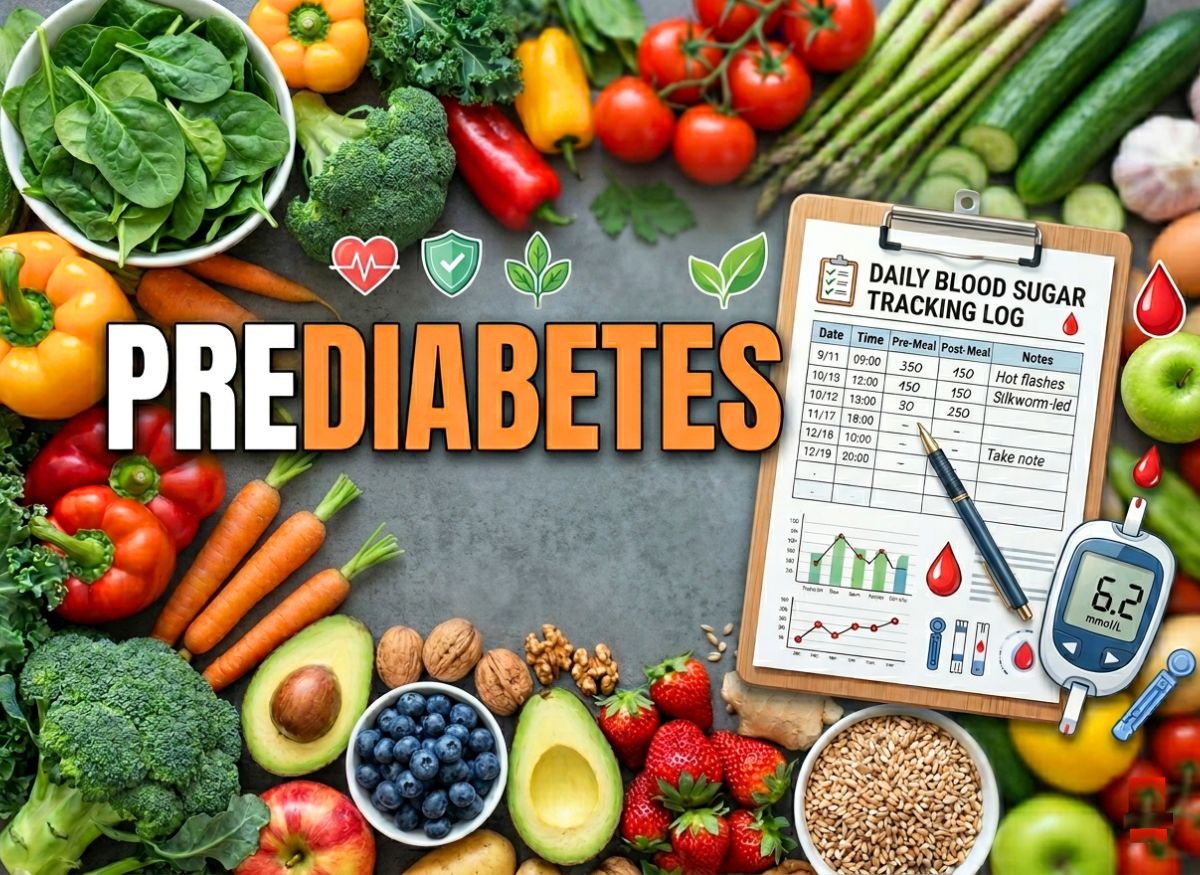
Prediabetes can develop quietly inside the body without causing obvious symptoms. Blood sugar gradually rises, the body becomes less responsive to insulin, and changes in metabolism can occur long before a person realizes anything is wrong.
According to the Centers for Disease Control and Prevention (CDC), more than 96 million adults in the United States have prediabetes, and nearly 80% of them do not know they have it.
That is what makes prediabetes so easy to overlook. You may continue with your normal routine while subtle changes begin to appear. You might feel more tired than usual, notice unusual thirst, experience changes in your vision, or develop skin changes that seem unrelated to blood sugar.
Prediabetes should not be ignored. It is a warning that your body is having difficulty managing glucose and that your risk of developing type 2 diabetes is increasing. The positive side is that early action can make a meaningful difference.
Recognizing possible warning signs and getting appropriate blood tests can give you an opportunity to address the problem before it progresses.
7 Key Signs of Prediabetes
1. Increased Thirst and Frequent Urination
Unusual thirst and needing to urinate more often can occur when blood glucose levels become elevated.
Normally, the kidneys filter glucose from the blood and then reabsorb it. When blood glucose becomes too high, however, the kidneys may not be able to reabsorb all of it. Some of the excess glucose is then released into the urine.
Because glucose draws water with it, the body may produce more urine than usual. This increased fluid loss can leave you dehydrated, which can trigger stronger feelings of thirst.
This creates a cycle: increased urination can lead to dehydration, and dehydration can make you feel increasingly thirsty.
Although these symptoms can have many causes, persistent excessive thirst or frequent urination is worth discussing with a healthcare professional, particularly when other symptoms are present.
2. Feeling Unusually Tired
Persistent fatigue can sometimes be associated with problems regulating blood sugar.
Insulin helps glucose move from the bloodstream into cells, where it can be used as energy. With insulin resistance, cells do not respond to insulin as effectively. As a result, glucose can remain in the bloodstream instead of being used efficiently by the body’s tissues.
At the same time, the pancreas may produce more insulin to compensate for this resistance.
These changes can contribute to fluctuations in blood sugar and feelings of tiredness or low energy. Some people may feel drained even after getting enough sleep.
However, fatigue is a very common symptom with many possible causes. It should not automatically be assumed to be prediabetes, but persistent unexplained tiredness can be a reason to discuss blood sugar testing with a healthcare professional.
3. Blurred Vision
Temporary changes in vision can occur when blood glucose levels rise.
High blood sugar can alter the amount of fluid in and around the lens of the eye. This can temporarily change the lens’s shape and affect the way it focuses light, resulting in blurry or out-of-focus vision.
Because blood glucose can fluctuate, the blurriness may also come and go.
In many cases, vision changes caused by temporary blood sugar fluctuations can improve when glucose levels return toward normal. However, ongoing high blood sugar can eventually contribute to serious eye complications, including diabetic retinopathy.
For that reason, unexplained or persistent changes in vision should be evaluated rather than simply attributed to blood sugar.
4. Dark, Velvety Patches of Skin
One visible clue associated with insulin resistance is a skin condition called acanthosis nigricans.
It can appear as darker, thicker, or velvety-looking areas of skin, particularly around body folds and creases. Common locations include:
- The back and sides of the neck
- The armpits
- The groin
- Areas beneath the breasts
- Sometimes the knuckles, elbows, or knees
Insulin resistance can cause the body to produce higher levels of insulin. Increased insulin activity can influence skin cells and contribute to the characteristic thickening and darkening associated with acanthosis nigricans.
This skin change does not prove that someone has prediabetes, but it can be an important clue that insulin resistance may be present.
If you notice new dark, velvety patches of skin, particularly around the neck or armpits, consider having the cause evaluated.
5. Cuts and Sores That Take Longer to Heal
Blood sugar problems can affect the body’s ability to heal wounds efficiently.
Healthy wound healing depends on good circulation, functioning nerves, and an effective immune response. Persistently elevated blood glucose can interfere with several of these processes.
For example, high glucose levels can affect blood vessels and circulation, potentially reducing the delivery of oxygen and nutrients needed for tissue repair.
Elevated blood sugar can also affect immune-cell function, making it harder for the body to respond effectively to infections.
Changes in nerve function may further complicate the problem. Reduced sensation, particularly in the feet, can make it easier to overlook a small cut, blister, or other injury.
As a result, wounds may take longer to heal and may be more likely to become infected.
A wound that is unusually slow to heal, repeatedly becomes infected, or does not seem to be improving deserves medical attention.
6. Getting Infections More Often
Frequent infections can sometimes be associated with elevated blood sugar.
High glucose levels can interfere with certain immune functions, including the ability of white blood cells to respond effectively to invading microorganisms.
Elevated glucose may also create conditions that allow certain bacteria and fungi to grow more easily.
People with blood sugar problems may be more prone to infections such as:
- Urinary tract infections
- Certain yeast infections
- Skin infections
- Fungal infections
- Gum disease
Frequent infections do not necessarily mean that someone has prediabetes, since many other factors can contribute to recurring infections. Still, when they occur alongside other possible blood sugar symptoms, they may be worth discussing with a healthcare professional.
7. Tingling or Numbness in the Hands and Feet
Tingling, burning, or numbness in the hands and feet can sometimes be linked to blood sugar problems.
Persistently elevated glucose can affect nerves and the small blood vessels that supply them. When nerves become affected, people may notice sensations such as:
- Pins and needles
- Tingling
- Burning
- Sharp or unusual discomfort
- Reduced sensation
- Numbness
These symptoms are more commonly associated with diabetes, but nerve problems can sometimes occur before diabetes is diagnosed.
Reduced sensation can also make injuries harder to notice, particularly on the feet.
Because tingling and numbness can have many other causes, including vitamin deficiencies, nerve compression, and other medical conditions, they should be properly evaluated rather than automatically blamed on prediabetes.
What Exactly Is Prediabetes?
Prediabetes occurs when blood sugar levels are higher than normal but have not reached the range used to diagnose type 2 diabetes.
One of the main factors involved is insulin resistance.
After you eat carbohydrates, your body breaks them down into glucose. The glucose enters your bloodstream, and your pancreas releases insulin. Insulin helps glucose move from the blood into cells, where it can be used for energy.
With insulin resistance, the body’s cells do not respond to insulin as effectively as they should.
The pancreas attempts to compensate by producing more insulin. For a period of time, this extra insulin may help keep blood glucose within or close to the normal range.
Eventually, however, the pancreas may no longer be able to compensate adequately. Blood glucose begins to rise, and this is when prediabetes can develop.
Prediabetes is therefore an important warning that the body’s glucose-regulation system is under increasing strain.
Prediabetes and Other Medical Conditions
Prediabetes vs. Type 2 Diabetes
Prediabetes and type 2 diabetes are closely related, but they are defined by different blood glucose levels.
Both conditions commonly involve insulin resistance. The major difference is the degree to which blood glucose has increased.
Typical diagnostic ranges include:
- Prediabetes: A1C of 5.7%–6.4% or fasting glucose of 100–125 mg/dL
- Diabetes: A1C of 6.5% or higher or fasting glucose of 126 mg/dL or higher, with diagnosis confirmed according to medical guidelines
Prediabetes increases the risk of eventually developing type 2 diabetes and is also associated with increased cardiovascular risk.
Type 2 diabetes, particularly when poorly controlled over time, can contribute to complications involving the nerves, kidneys, eyes, heart, and blood vessels.
The good news is that progression from prediabetes to type 2 diabetes is not inevitable. Lifestyle changes and, when appropriate, medical treatment can help reduce the risk.
Prediabetes vs. Gestational Diabetes
Gestational diabetes is high blood sugar that develops during pregnancy in someone who did not previously have diabetes.
Pregnancy naturally causes changes in insulin sensitivity. In some people, the pancreas cannot produce enough additional insulin to compensate, resulting in gestational diabetes.
Having gestational diabetes is associated with a significantly higher risk of developing type 2 diabetes later in life.
Because of this increased risk, people who have had gestational diabetes are generally advised to have follow-up blood sugar testing after pregnancy and continue periodic screening.
The American Diabetes Association recommends testing women with a history of gestational diabetes between 4 and 12 weeks after giving birth and continuing screening every 1 to 3 years afterward.
Prediabetes and Metabolic Syndrome
Prediabetes can also occur as part of a broader group of health problems called metabolic syndrome.
Metabolic syndrome refers to a combination of risk factors that can increase the likelihood of cardiovascular disease, stroke, and type 2 diabetes.
Its commonly recognized components include:
- Elevated blood glucose
- Increased waist circumference
- High triglycerides
- Low HDL cholesterol
- Elevated blood pressure
Having several of these factors together can indicate a greater level of cardiometabolic risk.
The exact waist-circumference thresholds can vary depending on factors such as sex and ethnicity, so individual assessment is important.
How Is Prediabetes Diagnosed?
Prediabetes cannot reliably be diagnosed based on symptoms alone. Many people have no noticeable symptoms at all.
Blood tests are used to determine whether blood glucose is in the normal, prediabetic, or diabetic range.
Three commonly used tests are:
A1C Test
The A1C test estimates average blood glucose over approximately the previous 2 to 3 months.
Typical ranges are:
- Below 5.7%: Normal
- 5.7%–6.4%: Prediabetes
- 6.5% or higher: Diabetes
Fasting Plasma Glucose Test
This test measures blood glucose after fasting.
Typical ranges are:
- Below 100 mg/dL: Normal
- 100–125 mg/dL: Prediabetes
- 126 mg/dL or higher: Diabetes
Oral Glucose Tolerance Test
For an oral glucose tolerance test, blood glucose is measured after fasting and again after drinking a glucose-containing beverage.
The two-hour results are generally interpreted as:
- Below 140 mg/dL: Normal
- 140–199 mg/dL: Prediabetes
- 200 mg/dL or higher: Diabetes
A healthcare professional may use one or more tests depending on the person’s circumstances. A diabetes diagnosis is generally confirmed with repeat testing unless there are clear symptoms and other diagnostic evidence.
Can Prediabetes Be Treated?
Yes. Prediabetes can often be improved, and in some people blood glucose can return to the normal range.
The most important approach is to identify the factors contributing to elevated blood sugar and make sustainable changes that improve insulin sensitivity and overall metabolic health.
How to Reduce the Risk of Progressing to Type 2 Diabetes
The Diabetes Prevention Program (DPP) provided strong evidence that lifestyle changes can significantly reduce the risk of developing type 2 diabetes in people with prediabetes.
In the study, an intensive lifestyle program focused on healthier eating, increased physical activity, and weight management reduced the risk of developing type 2 diabetes by about 58% over three years.
The reduction was even greater among participants aged 60 and older.
These findings demonstrate that prediabetes does not automatically mean that type 2 diabetes will follow. Early intervention can make a substantial difference.
Helpful Lifestyle Changes
Several evidence-based lifestyle strategies can help improve blood sugar control.
1. Aim for Sustainable Weight Management
For adults who are overweight, losing around 5%–7% of body weight can provide meaningful health benefits and may improve insulin sensitivity.
The goal should be sustainable change rather than extreme dieting or rapid weight loss.
2. Stay Physically Active
A common target is at least 150 minutes of moderate-intensity physical activity per week.
That could mean around 30 minutes of activity on five days each week.
Examples include:
- Brisk walking
- Cycling
- Swimming
- Dancing
- Other moderate aerobic activities
Strength or resistance exercises can also complement aerobic activity.
Regular movement helps muscles use glucose more effectively and can improve insulin sensitivity.
3. Choose a Balanced Diet
Healthy eating does not have to mean extreme food restrictions.
Instead, focus on nutrient-rich, minimally processed foods such as:
- Non-starchy vegetables
- Beans and other legumes
- Whole grains
- Fruits
- Nuts and seeds
- Lean protein sources
- Healthy fats
Fiber can help slow the absorption of carbohydrates and support better blood sugar control.
It can also be helpful to limit foods and drinks that contain large amounts of added sugar or refined carbohydrates, including sugary beverages, sweets, pastries, and highly processed snacks.
The goal is to build eating habits that are realistic enough to maintain over time.
FAQs
1. What should you do if you have prediabetes?
The first step is to take the condition seriously and discuss it with a healthcare professional.
Focus on sustainable improvements in physical activity, eating habits, and overall health. Regular blood sugar testing can help monitor changes over time.
For adults who are overweight, even modest weight loss may improve insulin sensitivity.
2. What foods should someone with prediabetes limit?
Foods and drinks that can cause rapid increases in blood glucose are generally best limited.
These include:
- Sugary soft drinks
- Sweetened coffee and tea
- Many fruit juices
- Refined grains
- Pastries and sweets
- Candy
- Highly processed snack foods
Instead, emphasize vegetables, whole grains, legumes, lean proteins, nuts, seeds, and other minimally processed foods.
3. Can prediabetes return to the normal range?
Yes. Many people with prediabetes can bring their blood glucose back into the normal range through lifestyle changes and, when appropriate, medical treatment.
Results vary from person to person, so regular testing is important.
4. Is prediabetes serious?
Prediabetes should be taken seriously because it indicates an increased risk of developing type 2 diabetes and cardiovascular problems.
However, it is also an important opportunity to act early. Identifying the condition and making appropriate changes can reduce the risk of future complications.
Conclusion
Prediabetes often develops without obvious warning signs. A person may feel perfectly normal while blood sugar and insulin regulation are gradually changing.
Possible clues such as increased thirst, frequent urination, unexplained fatigue, temporary blurred vision, darkened skin patches, slow-healing wounds, recurring infections, or tingling in the hands and feet should not be ignored—especially when several occur together.
At the same time, these symptoms are not enough to diagnose prediabetes. Many have other possible causes, and some people with prediabetes have no symptoms at all. Blood testing is the reliable way to determine whether blood glucose is in the prediabetic range.
The encouraging news is that prediabetes can be a valuable opportunity to take action. Regular physical activity, balanced eating habits, sustainable weight management when appropriate, and routine medical checkups can all support better blood sugar control.
Recognizing the possibility early gives you more time to make informed changes and reduce the risk of progressing to type 2 diabetes.