7 Signs of Leptospirosis You Shouldn’t Ignore

Leptospirosis is a bacterial infection caused by bacteria in the Leptospira genus, usually found in water contaminated by the urine of infected animals like rodents, livestock, or pets. People catch it through contact with contaminated water, soil, or animal tissue, which makes it a real concern for certain occupations, outdoor enthusiasts, and anyone in flood-prone areas.
Catching it early matters a lot, since leptospirosis can range from mild, flu-like symptoms all the way to serious complications like liver damage, kidney failure, or meningitis. Spotting the warning signs early makes it possible to start antibiotics and supportive care in time, which dramatically improves the outcome.
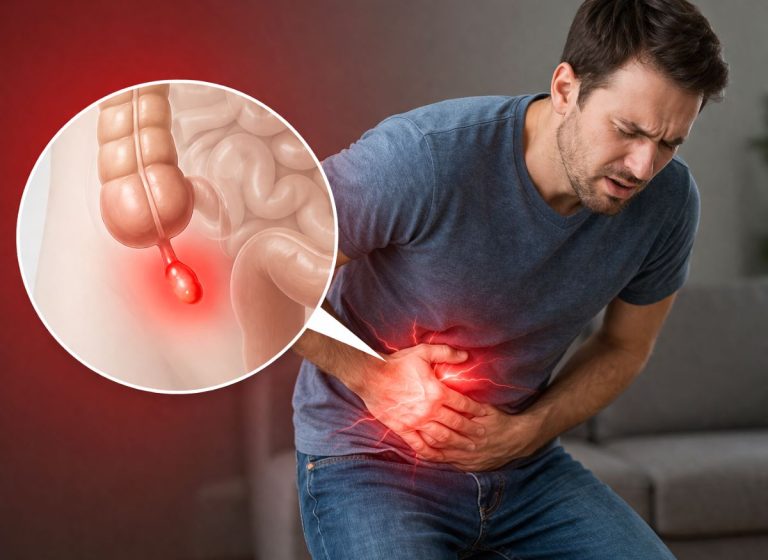
The tricky part is that leptospirosis symptoms are often vague easy to mistake for the flu or dengue fever. Early signs typically include fever, headache, muscle aches, vomiting, and red eyes, with more serious symptoms showing up if the infection isn’t caught in time. This guide walks through seven key warning signs of leptospirosis and when it’s time to see a doctor.
What Is Leptospirosis?
Leptospirosis is a widespread zoonotic disease meaning it naturally lives in animal populations but can spill over and cause serious illness in humans. It’s actually the most common zoonotic disease worldwide, and it’s especially prevalent in tropical and subtropical regions, where warm weather, heavy rain, and flooding create ideal conditions for the bacteria to survive and spread.
Understanding how this bacteria operates and how it typically reaches people is key to protecting yourself, especially if you spend a lot of time outdoors or work in a higher-risk setting.
The Biological Catalyst: The Leptospira Bacteria
The cause of leptospirosis is a group of bacteria in the Leptospira genus spirochetes, meaning thin, tightly coiled, spiral-shaped organisms with distinctive hooked ends.
That corkscrew shape gives them powerful mobility, letting them actively burrow through tissue and move through thick, viscous environments inside a host’s body rather than just drifting passively.
A diverse family of strains: Scientists have identified more than 250 distinct pathogenic strains (serovars) within this genus, each adapted to a particular animal host. The Icterohaemorrhagiae serovar, for instance, is closely associated with wild rats, while Canicola is commonly found in dogs.
The renal reservoir: The bacteria set up a long-term, usually symptomless home in the kidneys of their host animals rodents, dogs, cattle, pigs, and other wildlife. These animals seem perfectly healthy while continuously shedding live bacteria into the environment every time they urinate. Wild rats, given their huge numbers and proximity to human settlements, are the single most significant reservoir worldwide.
Environmental survival: Once shed, Leptospira needs warm, humid, slightly alkaline conditions to survive it can’t handle complete dryness, but it can live for weeks or months in fresh water like lakes, slow rivers, stagnant ponds, and damp mud. This is exactly why cases spike after heavy rain or seasonal flooding, which washes contaminated animal urine directly into public water sources.
How the Pathogen Breaches the Human Body
Humans are what’s called “dead-end” hosts for this bacteria with rare exceptions, it doesn’t spread person to person. Instead, people pick it up through direct or indirect contact with a contaminated environment.
Indirect contact with contaminated water or soil
is the most common route. Swimming, wading, kayaking, or walking through floodwater or damp mud containing infected animal urine gives the bacteria an opening and it doesn’t need a large wound to get in. It can slip through tiny cuts, minor abrasions, or the mucous membranes of the eyes, nose, and mouth. This is a real occupational hazard for farmers, agricultural workers, sewer workers, and military personnel, and a recreational risk for adventure athletes and travelers in tropical freshwater areas.
Direct contact with infected animals
raises the risk for veterinarians, slaughterhouse workers, and livestock handlers who come into contact with the urine, blood, or tissue of an infected animal, as well as pet owners cleaning up after a sick dog.
Accidental ingestion or inhalation
can also introduce the bacteria drinking untreated water from a stream or pond, or eating food that’s been exposed to rodent urine, can lead to infection. In rare cases, a high-pressure hose or fast-moving floodwater can aerosolize contaminated water into a fine mist that gets inhaled directly into the lungs.
7 Key Symptoms of Leptospirosis
Catching leptospirosis early is genuinely tricky, because the illness follows a deceptive, two-phase pattern. It typically opens with a sudden wave of non-specific symptoms that look a lot like a bad case of the flu or dengue.
If the infection progresses past that first stage, it enters a second phase where the symptoms become more specific, signaling that the bacteria has started invading vital organs. Recognizing all seven signs across both phases is essential for getting diagnosed quickly and starting treatment before complications set in.
Phase 1: The Acute Septicemic Phase (Days 1–7)
The first phase hits suddenly, usually 5 to 14 days after exposure. During this window, the bacteria are actively multiplying in the bloodstream and cerebrospinal fluid, triggering a strong immune response. Four symptoms dominate this first week:
Sudden high fever and chills: The illness typically announces itself with a sharp temperature spike, often between 102°F and 104°F (39°C–40°C), accompanied by intense, uncontrollable shivering a pattern that sets it apart from slower-building viral illnesses.
Severe headache behind the eyes: A throbbing headache localized directly behind the eyes is common and notoriously resistant to standard over-the-counter pain relief, reflecting a broader systemic inflammatory response.
Severe muscle tenderness: This is one of the most reliable clues doctors look for. Muscle pain is intense and concentrates heavily in the calves and lower back, often tender to the touch on physical exam.
Phase 2: The Severe Immune Phase (Week 2 Onward)
After roughly three to seven days of intense illness, the fever often breaks and the patient may seem to be recovering. But for around 15% of people, that relief is temporary a second, more dangerous phase follows, as the immune system’s fight against the bacteria triggers widespread blood vessel inflammation and organ damage. Three signs mark this dangerous shift:
Conjunctival suffusion (red eyes):
A classic, signature sign of leptospirosis a striking, dark-red coloration across the whites of the eyes from widespread blood vessel dilation. Crucially, this redness is completely dry, with no pus or discharge, which is what sets it apart from typical pink eye.
Jaundice:
When the skin, mucous membranes, and eye whites turn a distinct yellow, it means the bacteria has reached the liver, disrupting its ability to process bilirubin. Jaundice alongside the other symptoms above signals progression into Weil’s disease, requiring immediate hospitalization.
Systemic skin rash:
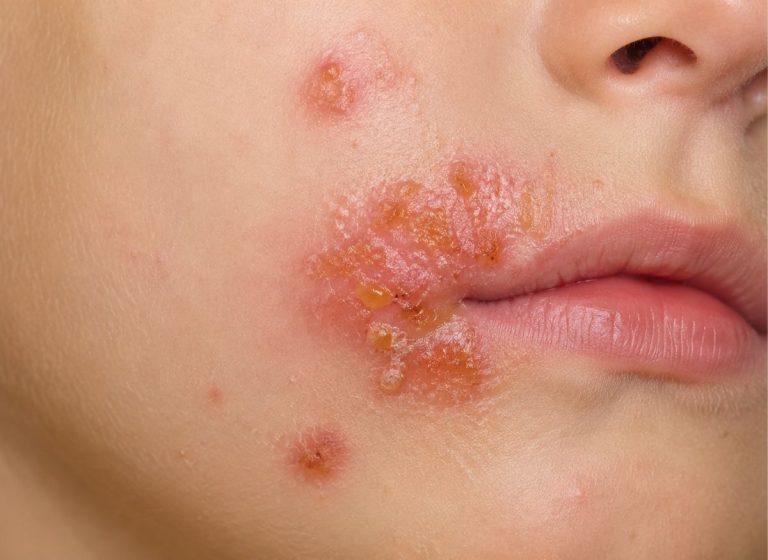
A rash can appear during either phase, starting as flat red patches or small raised bumps, but it can evolve into pinpoint purple or red spots (petechiae or purpura) as blood vessel damage worsens a sign of a serious clotting disorder with a poor outlook if untreated.
Severe internal chills:
The seventh hallmark sign is persistent, deep chills that bridge both phases. Unlike ordinary viral chills, which fade once the fever breaks, these are driven by ongoing inflammation as the bacteria settle into deeper tissue a continuous warning sign that the infection is still active.
What is Weil’s Disease?
Weil’s disease is the most severe, life-threatening form of leptospirosis the dangerous second stage where the bacteria invades vital organs directly. Named after physician Adolf Weil, it occurs in roughly 5% to 15% of people infected with Leptospira.
Unlike the milder, flu-like early phase, Weil’s disease is a genuine medical emergency, with a mortality rate that can reach 10% to 15% or higher even with modern intensive care. It’s defined by a classic triad: severe jaundice, acute kidney failure, and internal bleeding all driven by widespread blood vessel inflammation.
Profound Jaundice and Liver Dysfunction
The jaundice in Weil’s disease is intense, often shifting to a deep orange-bronze hue across the skin and eyes. This happens because the bacteria disrupts connections between liver cells, blocking the liver’s ability to process bilirubin. Unlike severe viral hepatitis, though, this rarely causes permanent liver tissue destruction with early, aggressive treatment, the liver damage is usually fully reversible.
Acute Kidney Failure
Kidney involvement is a dangerous hallmark of Weil’s disease. The bacteria physically migrate into kidney tissue, embedding themselves in the tiny kidney tubules and triggering severe inflammation (acute interstitial nephritis). As the kidneys lose filtering ability, urine output drops sharply sometimes stopping altogether letting toxic waste build up rapidly in the blood. Patients almost always need temporary dialysis alongside IV antibiotics to survive this phase while the kidneys heal.
Severe Internal Bleeding (Hemorrhagic Diathesis)
The third piece of this syndrome is a widespread bleeding tendency. The bacteria and the immune response strip away the protective inner lining of blood vessels, making capillaries fragile and leaky, while platelet counts drop sharply, undermining the body’s ability to clot. This shows up as nosebleeds, bleeding gums, large bruises, and a dense, dark-red rash. The most dangerous version is pulmonary hemorrhage, where blood vessels in the lungs rupture and the patient coughs up blood a leading cause of death in severe cases.
Timely Action and Clinical Reversal
Because the jump from early body aches to full organ failure can happen fast during the second week, catching signs like dry eye redness or deep muscle pain early really matters. Once a physician suspects leptospirosis, treatment usually starts immediately with high-dose IV antibiotics like penicillin G or ceftriaxone, paired with intensive organ support in an ICU. Acting quickly stops the infection’s progression and prevents a treatable illness from turning fatal.
Leptospirosis Can Cause Lasting Organ Damage
Leptospirosis can leave lasting, sometimes irreversible damage. Many people who get early, targeted treatment recover fully, but those who progress to the severe immune phase or Weil’s disease face a higher risk of long-term complications, tied closely to how severe the initial illness was and how quickly treatment started.
Chronic Kidney Scarring and Fibrosis
The kidneys are especially vulnerable to lasting damage. During the acute phase, the bacteria invade the kidney tubules directly, causing acute kidney injury. Even after the infection clears with antibiotics, the resulting inflammation can leave permanent scarring in a subset of survivors a condition called interstitial fibrosis which can gradually reduce kidney function over months or years and, in some cases, progress to chronic kidney disease. Survivors of a severe renal crisis often need lifelong monitoring from a nephrologist.
Lung Tissue Destruction and Pulmonary Fibrosis
The most dangerous complication of severe infection is pulmonary hemorrhage syndrome, where the bacteria damage the lining of the lung’s capillaries, causing extensive bleeding into the airways. For survivors, recovery can be long the tissue damage and healing process can leave the lungs permanently scarred and stiff (pulmonary fibrosis), leading to lasting issues like chronic shortness of breath, a persistent dry cough, and reduced exercise capacity.
Persistent Post-Infectious Neurological Complications
During the first week of infection, the bacteria often cross into the central nervous system, triggering aseptic meningitis inflammation of the membranes surrounding the brain and spinal cord. While antibiotics and the immune system typically clear the active infection, the inflammation can leave a lasting neurological footprint. Many survivors report chronic headaches, fatigue, mood changes like anxiety or depression, and cognitive “brain fog” that can persist for months or even years after blood tests return to normal.
The Exception: The Liver’s Remarkable Recovery
Not every organ affected by severe leptospirosis is left with permanent damage. The jaundice seen in severe cases can look frightening, turning the skin a deep bronze color and signaling serious liver dysfunction. But unlike conditions such as Hepatitis C, which can cause permanent liver scarring, the liver damage from leptospirosis tends to be temporary. The liver has a remarkable ability to regenerate once antibiotics clear the bacteria, follow-up checks generally show the liver has repaired itself fully, with no lasting chronic liver disease.
How Do Doctors Diagnose Leptospirosis?
Diagnosing leptospirosis takes careful investigation, since its early symptoms mimic common illnesses like the flu, malaria, or dengue. A doctor can’t confirm it from symptoms alone they need to combine a detailed exposure history with targeted, time-sensitive lab testing. Because the bacteria moves through different parts of the body as the illness progresses, which test is used depends heavily on how many days it’s been since symptoms started.
Phase 1: Early Stage Diagnostics (Days 1–7)
During the first week the bacteremic phase the bacteria are actively circulating in the blood and cerebrospinal fluid, so doctors use direct detection methods.
PCR testing is the fastest and most effective early diagnostic tool, looking for the bacteria’s genetic material directly in a blood sample. Because it detects the actual pathogen rather than waiting for an immune response, a positive PCR result confirms the diagnosis right away, allowing treatment to start immediately.
Dark-field microscopy lets a technician examine a live blood sample under specialized lighting to spot the bacteria’s distinctive shape and movement, since it’s invisible under standard microscopes. It requires real expertise and carries a higher risk of false negatives, so it’s largely been replaced by PCR.
Bacterial cultures can grow the bacteria from a blood sample, but Leptospira grows slowly results can take weeks to months, making cultures impractical for guiding urgent treatment.
Phase 2: Late Stage Diagnostics (Week 2 and Beyond)
By the second week, the infection moves into the immune phase the bacteria clear from the bloodstream and move into deeper tissue, so blood PCR tests can give a false negative. At this point, the bacteria can be found in urine, and the immune system has started producing detectable antibodies.
ELISA testing is the standard screening tool at this stage, checking the blood for IgM antibodies specific to the infection a quick way to confirm the immune system is actively fighting it.
The Microscopic Agglutination Test (MAT) is the definitive gold-standard test. A specialist mixes blood serum with live samples of various Leptospira strains if matching antibodies are present, they visibly clump together with the bacteria.
The paired titer rule: Since antibodies can linger long after an illness passes, a single positive test doesn’t always confirm an active infection. Doctors typically order a “paired titer” one sample right away, a second two weeks later and a four-fold or greater rise in antibody levels between the two confirms an active, current infection.
The Foundation: Clinical and Exposure Context
No matter how advanced the testing, doctors usually don’t order these specialized panels without a reason to suspect leptospirosis in the first place. Your recent exposure history drives the whole process physicians typically ask about recent travel to tropical regions, exposure to flooding or heavy rain, occupational risks (farming, veterinary work, sewer maintenance), and recreational activities like swimming or kayaking in freshwater. Matching that history with targeted testing is what cuts through the flu-like symptoms and delivers a clear diagnosis.
Who is Most At Risk for Contracting Leptospirosis?
Because Leptospira depends on warm, wet conditions and animal hosts to survive, exposure risk tends to fall into three categories: occupation, recreation, and living conditions.
High-Risk Occupations: Working on the Front Lines
Certain jobs involve prolonged, direct contact with soil, stagnant water, or animal tissue, giving the bacteria plenty of opportunity to slip in through minor cuts or mucous membranes.
Agricultural and slaughterhouse workers rice farmers, sugarcane harvesters, and general agricultural laborers spend hours in muddy fields frequented by rodents, while slaughterhouse and meatpacking workers handle the organs, blood, and fluids of potentially infected livestock.
Veterinary and animal care professionals, including vets, vet techs, and livestock handlers, regularly come into contact with infectious animal urine while treating sick animals.
Sewer and utility workers, miners, and drainage technicians operate in the dark, damp environments where rat populations thrive, exposing them to concentrated contaminated runoff.
Recreational Exposure: The Danger in Adventure Sports
You don’t need a high-risk job to encounter this bacteria outdoor vacations and adventure sports are a common source of exposure, especially in tropical climates.
Freshwater water sports like kayaking, canoeing, rafting, and open-water swimming can splash contaminated water directly into the eyes, nose, or mouth.
The post-rainfall spike: Entering a river or pool right after heavy rain is especially risky, since the rushing water washes months of accumulated animal urine directly into public waterways, dramatically raising bacteria concentrations.
Environmental and Household Exposure: Hidden Threats at Home
Sometimes the risk shows up much closer to home, shaped by weather, local infrastructure, or pets.
Flash flooding and poor sanitation in crowded urban areas with aging drainage or high rodent populations create a constant baseline risk flash floods can mix rising water with rodent urine, contaminating entire streets.
Backyard gardening can be a risk if rodents frequent your garden digging or weeding bare-handed can let bacteria in through small cuts.
Household pets can unknowingly bring the infection home a dog that drinks from a contaminated puddle can develop leptospirosis and shed bacteria in its urine, which can then spread to household members during cleanup if proper hygiene isn’t followed.
The Possibility of Preventing Leptospirosis
Leptospirosis is very preventable. Because it depends on predictable environmental conditions and clear transmission routes, a few proactive steps can meaningfully cut your risk combining personal habits, environmental management, and pet care.
Personal Protection and Behavioral Avoidance
The most effective defense is creating a physical barrier between yourself and potentially contaminated water or soil.
Avoid high-risk waterways skip swimming or wading in freshwater lakes, slow rivers, or stagnant ponds, especially in the tropics or right after heavy rain, and never enter urban floodwater after a storm.
Protect any cuts or scrapes if you have to be in floodwater or damp mud, clean any open skin thoroughly and cover it with a waterproof dressing beforehand.
Wear protective gear if your job involves higher exposure risk thick rubber boots, waterproof gloves, and protective clothing go a long way toward keeping bacteria off your skin.
Practice good water hygiene never drink directly from an open freshwater source, no matter how clean it looks; use proper filtration or stick to bottled water.
Environmental Control and Rodent Management
Since wild rodents are the main global reservoir for this bacteria, reducing their presence around your home matters.
- Eliminate foraging opportunities keep feed and pet food sealed in rodent-proof containers, and don’t leave food bowls out overnight.
- Manage waste properly keep trash in covered bins, and clear brush, weeds, or clutter from around your home that could serve as rodent nesting spots.
- Seal entry points check for gaps or cracks in your foundation or outbuildings and seal them up.
Domestic Animal Vaccination and Pet Safety
Your dog can unknowingly bring the bacteria home from a park or trail, so a few precautions go a long way:
- Annual vaccination protects against the most common canine Leptospira strains, preventing both illness in the dog and bacteria shedding in its urine.
- Steering dogs away from stagnant puddles cuts off a common source of exposure on daily walks.
- Wearing gloves when cleaning up after pets or handling wildlife reduces direct contact with potentially infectious fluids.
Getting an annual multi-strain vaccine for your dog is one of the smartest preventive steps even if a vaccinated dog is exposed, it’s far less likely to get sick or shed bacteria, breaking the transmission chain before it reaches your household.
Conclusion
Though leptospirosis can initially look like a mild flu, recognizing the signs early matters a lot for preventing serious complications. Understanding the seven key symptoms fever, muscle pain, vomiting, jaundice, red eyes, and more helps you know when to seek care. Getting antibiotics started early can effectively manage the infection and prevent lasting organ damage.
Preventive steps like avoiding contaminated water, wearing protective gear, and practicing good hygiene go a long way toward reducing risk. If you suspect leptospirosis or notice any of these warning signs, seeing a doctor promptly can make all the difference. Awareness and timely action are the best protection for yourself and your community.
FAQ
What is leptospirosis and how do people get it?
Leptospirosis is a bacterial infection caused by Leptospira bacteria, usually found in water contaminated by infected animal urine. People typically get it through contact with contaminated water, soil, or animal tissue, especially through cuts or abrasions. Outdoor workers, farmers, swimmers, and people in flood-prone areas face a higher risk. Good hygiene and avoiding potentially contaminated water go a long way toward reducing exposure.
What are the most common symptoms of leptospirosis?
Early symptoms include fever, chills, headache, muscle aches, vomiting, and red eyes, with some people also experiencing fatigue, diarrhea, or abdominal pain. Symptoms typically appear within 2 days to 4 weeks after exposure. Because these symptoms overlap with other common illnesses, it’s worth seeking medical evaluation if you suspect you’ve been exposed.
How serious can leptospirosis get?
It ranges from mild to life-threatening. Severe cases can involve kidney damage, liver failure with jaundice, meningitis, or bleeding complications. Without timely treatment, the risk of these complications rises sharply. Early detection and antibiotics usually lead to a full recovery, but delayed treatment can result in longer-term health problems.
How is leptospirosis diagnosed and treated?
Diagnosis typically involves blood or urine testing to detect the bacteria or the antibodies your immune system produces against it. Treatment usually means antibiotics like doxycycline or penicillin along with supportive care for symptoms like fever and dehydration. Getting medical care early is key to avoiding severe complications and speeding up recovery.
Can leptospirosis be prevented?
Yes avoiding contact with potentially contaminated water, wearing protective clothing around animals or wet environments, and practicing good hygiene like thorough handwashing all help prevent infection. Vaccination is available for livestock in some regions, which reduces transmission risk to humans as well. Being aware of high-risk environments and taking sensible precautions are the best ways to stay protected.