7 Early Symptoms of Shigella Infection You Shouldn’t Ignore
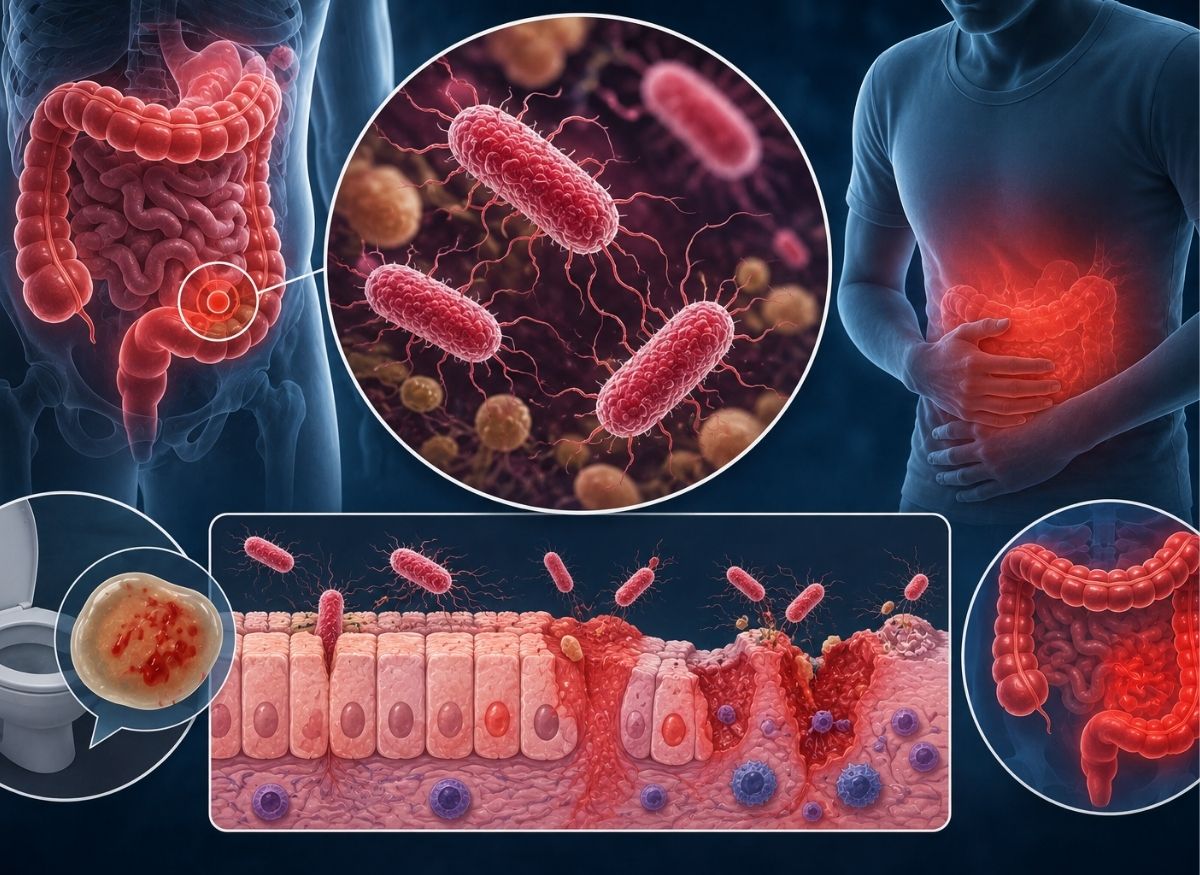
Shigella is a bacterial infection that inflames the intestines, triggering diarrhea, stomach cramps, and often fever. It spreads easily through the fecal-oral route usually via tainted food, water, or close contact with someone who’s infected. Anyone can catch shigellosis, but young children, older adults, and people with weaker immune systems face the highest risk. Catching the symptoms early matters: it means faster treatment, less dehydration, and a lower chance of passing the infection on.
Signs usually show up somewhere between 12 and 96 hours after exposure, and can range from a mild upset stomach to intense diarrhea streaked with blood or mucus. Below are seven early warning signs to watch for, along with guidance on managing them and knowing when to see a doctor.
What Is Shigella?
Shigella is a bacterium behind an intestinal illness called shigellosis, which inflames the gut and causes diarrhea. It’s highly contagious and travels mainly by the fecal-oral route through contaminated food or water, or direct contact with an infected person. Because it takes only a tiny amount of bacteria to cause illness, outbreaks crop up easily in daycares, schools, and other crowded settings.
The illness usually shows up as diarrhea (sometimes bloody), cramping, fever, nausea, vomiting, and general exhaustion. Most healthy people bounce back on their own, but young children, seniors, and immunocompromised individuals can develop more serious complications and dehydration. Good hand hygiene, sanitation, and food-safety habits go a long way toward preventing infection, while spotting the symptoms early keeps treatment on track and limits spread.
7 Early Warning Signs of a Shigella Infection
Shigellosis is caused by a group of rod-shaped bacteria called Shigella species. It’s remarkably potent fewer than 100 organisms can trigger a full-blown case.
Once swallowed, the bacteria travel through the stomach and burrow into the cells lining the colon and rectum. As they multiply, they kill off host cells, form bleeding ulcers, and set off a strong inflammatory reaction.
The illness tends to strike fast, usually within one to two days of exposure, bringing on a recognizable pattern of gut and body-wide symptoms.
Inflammatory, Watery, or Bloody Diarrhea
Diarrhea is the defining symptom. It typically starts suddenly and comes on frequently some people have 10 to 20 or more small bowel movements in a single day.
Why it happens: As bacteria tunnel into the intestinal wall, they damage cells and create ulcers. The colon can no longer absorb water properly, so stools start out watery.
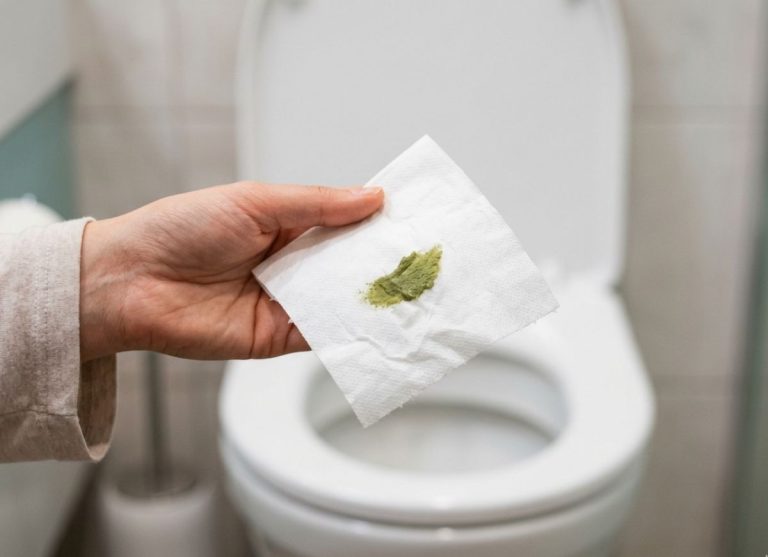
What to watch for: As the lining breaks down further, stool often shifts from watery to streaked with bright red blood, pus, and mucus a pattern known as bacillary dysentery, which sets shigella apart from milder food poisoning.
Sudden, High-Grade Fever
A quick jump in temperature is often one of the earliest signs, sometimes appearing before any digestive trouble starts. Fevers of 102°F (38.9°C) or higher are common.
Why it happens: Once bacteria breach the intestinal lining, immune cells recognize them as invaders and release pyrogens chemical messengers that travel to the brain’s temperature control center and push the body’s internal thermostat higher to slow the bacteria down.
What to watch for: A sudden fever along with chills, headache, and overall exhaustion.
A note for parents: In toddlers and infants, a sharp fever spike can trigger febrile seizures. A high fever paired with diarrhea in a child warrants prompt medical attention.
Severe, Spasmodic Abdominal Cramping
This isn’t ordinary stomach discomfort it’s sharp, intense pain, usually centered in the lower belly.
Why it happens: Bacterial invasion inflames and swells the intestinal walls. In response, the large intestine’s muscles contract forcefully and erratically as the body tries to expel the bacteria and damaged tissue.
What to watch for: Sharp pain that comes in waves, often with a bloated, tender abdomen. Passing stool may bring brief relief, but the cramps usually return within minutes.
Tenesmus (Persistent Rectal Urgency)
Tenesmus is a distinctive symptom that helps distinguish shigella from other infections.
Why it happens: Shigella tends to target the lower colon and rectum. As ulcers form there, irritated nerve endings send the brain a constant “you need to go” signal even when the rectum is empty.
What to watch for: A persistent, painful urge to have a bowel movement that, when acted on, produces little more than a bit of mucus or nothing at all leaving the person feeling unrelieved.
Nausea and Vomiting
Even though the main damage happens lower in the gut, the upper digestive system gets caught up in the early stages too.
Rectal Lining Ulceration ──► Local Nerve Endings Irritated ──► Continuous "Fullness" Signals Sent to Brain ──► Painful StrainingWhy it happens: This comes from a mix of factors the body’s overall inflammatory response, disrupted gut movement from lower-bowel spasms, and bacterial toxins. Some strains, like Shigella dysenteriae, release Shiga toxin, which can act on the brain’s vomiting center.
What to watch for: Ongoing nausea and difficulty keeping fluids down, usually in the first one to two days of illness.
Acute Nausea and Vomiting
Going off food entirely is a common response as the body redirects energy toward fighting the infection.
Why it happens: The immune system releases cytokines that dull hunger signals in the brain. On top of that, eating stimulates gut movement, which can worsen cramping so people naturally avoid food.
What to watch for: Refusing food or drink, which can quickly lead to weakness and nutrient loss especially risky for children and older adults.
Dehydration
Dehydration is the most serious risk from a shigella infection and often determines whether someone needs hospital care.
Why it happens: Heavy diarrhea, vomiting, and fever-related sweating drain the body of fluids and key electrolytes like sodium, potassium, and chloride.
Systemic Loss of Appetite (Anorexia)
Early signs:
- Intense thirst
- Dry, sticky mouth
- Dark or infrequent urination
- No tears when infants cry
Severe signs:
- Sunken eyes, extreme fatigue
- Fast heartbeat with low blood pressure
- Skin that stays “tented” when pinched
- Confusion or dizziness
What Causes a Shigella Infection and How Is It Transmitted?
Shigellosis comes from a group of rod-shaped bacteria that live almost exclusively in humans, which is why person-to-person spread is so efficient.
What makes shigella especially easy to catch is its tiny infectious dose as few as 10 to 100 bacterial cells can cause illness, far less than most other foodborne bacteria require.
The four species behind shigellosis:
- Shigella sonnei most common in wealthier nations, usually causes a milder illness.
- Shigella flexneri common where water infrastructure is weaker, often causes classic dysentery and can recur.
- Shigella boydii less common, concentrated in South Asia and parts of Africa.
- Shigella dysenteriae the most dangerous type, producing Shiga toxin, which can enter the bloodstream and trigger hemolytic-uremic syndrome (HUS), a serious condition involving kidney failure and blood disorders.
How the infection takes hold: Unlike bacteria that just sit on the intestinal surface, shigella actively invades the cells lining the colon, multiplies inside them, and spreads to neighboring cells provoking the inflammation and ulceration behind the fever, cramping, and bloody stool.
Person-to-person spread is the main driver, largely because so little bacteria is needed to cause infection:
- Hand hygiene lapses unwashed hands after using the bathroom are the top transmission route.
- Daycare and childcare settings toddlers in diapers easily spread bacteria to toys and surfaces.
- Long-term care facilities close living quarters speed transmission.
- Sexual contact oral-anal contact can transmit the bacteria directly.
- Silent shedding people can keep shedding bacteria in stool for one to two weeks after symptoms disappear, meaning they can still infect others even after feeling fully recovered.
Food and water also spread the bacteria, since it survives for days or weeks outside the body:
- Contaminated food raw, ready-to-eat items like salads and sandwiches are common culprits, especially when handled by an infected food worker. Flies can also carry bacteria to exposed food.
- Contaminated water untreated drinking water in areas with weak sanitation, or recreational water (pools, lakes, splash pads) contaminated by a fecal accident, can spark outbreaks when swallowed.
Clinical Management and Prevention Priorities
How Do Doctors Officially Diagnose a Shigella Infection?
Because shigella’s symptoms closely resemble those of Salmonella, Campylobacter, and certain E. coli infections, doctors rely on lab testing rather than symptoms alone.
Stool culture is the traditional gold standard:
- A fresh stool sample is collected and sent to a lab.
- It’s spread onto selective growth plates that suppress normal gut bacteria while letting shigella grow.
- The plates incubate at body temperature for 24–72 hours until visible colonies form.
- Lab specialists examine the colonies to confirm the exact species.
PCR testing offers a faster alternative scanning the sample for shigella’s genetic material and delivering results in under four hours, compared to days for a culture. The trade-off: PCR can pick up leftover bacterial DNA even after antibiotics have started working, and it can’t tell doctors which antibiotics will actually be effective, since it doesn’t grow live bacteria.
Why lab confirmation matters:
- Antibiotic testing reveals which drugs will actually work against the specific strain.
- Public health tracking confirmed cases must be reported, helping health departments trace outbreaks to their source.
- Ruling out mimics prevents mistakes like giving anti-diarrheal medication, which can be dangerous in a true shigella infection because it traps bacteria and toxins inside the colon.
The Most Effective Ways to Prevent a Shigella Infection
Because it takes so little bacteria to cause illness, prevention comes down to careful hygiene and sanitation.
Hand Hygiene: The Critical First Line of Defense
- Wash with soap and warm water for at least 20 seconds, including between fingers and under nails.
- Wash after using the bathroom or changing a diaper, and before handling or eating food.
- Hand sanitizer is a poor substitute for soap and water when it comes to physically removing shigella bacteria.
The 20-Second Rule
- Disinfect diaper-changing areas and bathroom surfaces with bleach-based cleaners.
- Seal soiled diapers in a lined trash bin to keep flies away from food.
- Regularly disinfect shared surfaces like doorknobs, light switches, and faucet handles.
- Keep infected individuals especially food handlers, healthcare workers, and daycare-age children away from work or school until cleared by a doctor.
Critical Wash Windows
- Rinse fruits and vegetables thoroughly before eating.
- Use separate cutting boards for raw meat and produce.
- Refrigerate leftovers within two hours of cooking.
Water safety:
- Avoid swallowing water while swimming in pools, lakes, or water parks.
- When traveling somewhere with unreliable water treatment, stick to sealed bottled water or boil water for at least a minute before drinking or brushing teeth.
Conclusion
Most shigella infections resolve on their own, but recognizing the early signs can help prevent dehydration, prolonged illness, and further spread. Staying hydrated, getting supportive care, and when necessary taking antibiotics can shorten how long the illness lasts. Good hygiene and food-safety habits remain the best defense.
Parents, caregivers, and healthcare providers should stay alert to early symptoms, particularly in group settings like daycares and nursing homes. Awareness and prompt care go a long way toward faster recovery and limiting the infection’s spread through the community.
FAQ
What is shigella and how does it spread?
Shigella is a bacterial gut infection causing diarrhea, cramping, and sometimes fever. It spreads through the fecal-oral route often via contaminated hands, food, water, or surfaces making outbreaks common in daycares and schools. Good hygiene and food handling help prevent it.
What are the early symptoms of shigella infection?
Symptoms usually appear within one to four days and include diarrhea (sometimes bloody), cramping, fever, nausea, vomiting, fatigue, and tenesmus a painful urge to pass stool even when the bowels are empty. Catching these signs early supports faster treatment and helps prevent dehydration.
How is shigella infection diagnosed?
Diagnosis is confirmed through a stool sample test that identifies the bacteria. Doctors also weigh symptoms, exposure history, and recent travel to areas where shigella is common.
How is shigella treated?
Treatment centers on rehydration and electrolyte replacement. Antibiotics may be used in more severe cases to shorten illness and reduce bacterial shedding. Anti-diarrheal medications are generally discouraged without medical guidance, particularly for children.
Can shigella infection cause complications?
Yes possible complications include severe dehydration, hemolytic uremic syndrome (rare), prolonged diarrhea, and secondary infections. Young children, older adults, and immunocompromised people face the highest risk.
How can shigella infection be prevented?
Prevention relies on consistent hand hygiene, sanitation, safe food prep, and avoiding contaminated water. Teaching children to wash their hands after the bathroom and before eating, along with isolating infected individuals during outbreaks, helps stop the spread.