
What Is Irritable Bowel Syndrome? Key Symptoms, Causes, and Warning Signs
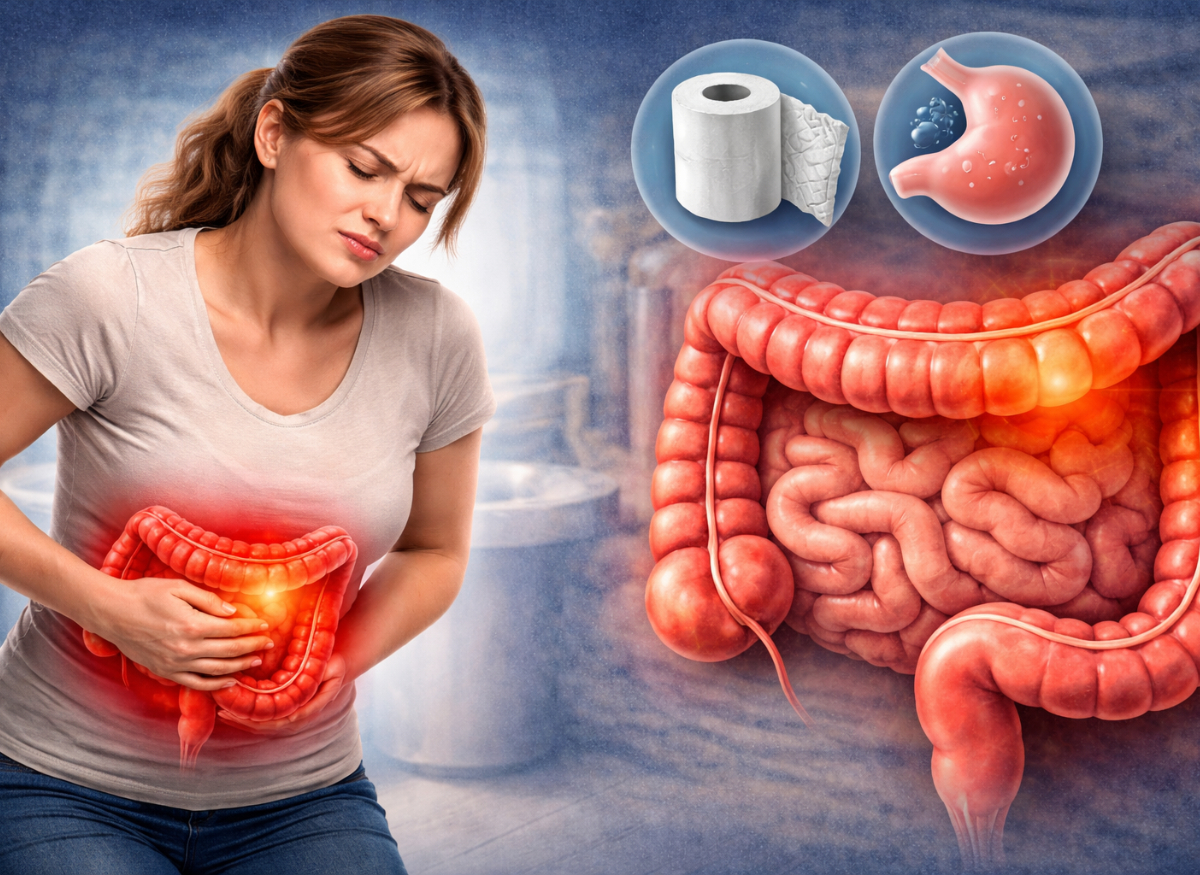
Digestive problems are often treated as minor issues, especially when they appear and disappear. Many people experience bloating, stomach discomfort, or changes in bowel habits for years without realizing that these symptoms may be connected to irritable bowel syndrome (IBS). Because the symptoms can sometimes be mild, people often wonder privately, “Do I have IBS?” without talking to a healthcare professional.
Learning what is IBS is an important first step toward understanding the condition. IBS does not cause visible damage to the digestive tract, but it can change the way the digestive system functions. For this reason, it is known as a functional gastrointestinal disorder. Although it does not permanently damage the intestines, IBS can still have a noticeable effect on everyday life, particularly when symptoms are frequent or unpredictable.
For many people, especially women, IBS symptoms may follow different patterns. Searches such as female IBS symptoms, symptoms of IBS in women, and IBS symptoms women are common because hormonal changes can influence digestive symptoms. This can sometimes make the condition harder to recognize and may cause unnecessary concern about other health problems.
In this detailed guide, you will learn more about irritable bowel syndrome IBS, including common IBS symptoms, possible causes, how doctors diagnose the condition, and ways to manage it. The aim is to provide clear and practical information that can help you understand your digestive health and take appropriate steps toward relief.
What Is Irritable Bowel Syndrome (IBS)?
To understand IBS properly, it helps to begin with the basic question: what is irritable bowel syndrome?
Irritable bowel syndrome (IBS) is a long-term functional gastrointestinal condition that affects the way the intestines move and process food. Unlike inflammatory bowel diseases such as Crohn’s disease and ulcerative colitis, IBS does not cause visible inflammation or permanent damage to the digestive tract. However, it can change normal digestive function and lead to uncomfortable or disruptive symptoms.
IBS is commonly classified according to bowel movement patterns. Some people mainly experience constipation, while others primarily have diarrhea. Some people experience both constipation and diarrhea at different times, which is called mixed IBS. Because of these different patterns, irritable bowel syndrome symptoms can look quite different from one person to another.
IBS is generally considered a long-term condition. Symptoms may improve for periods of time and then return, often in response to certain foods, stress, or hormonal changes. Although there is no complete cure for IBS, many people are able to control their symptoms with appropriate treatment and lifestyle changes.
Understanding IBS Symptoms in Detail
IBS symptoms can range from mild to severe, and they may not be the same for everyone. Recognizing common symptoms can help you understand whether your digestive problems may be associated with IBS.
One of the main IBS symptoms is recurring abdominal pain or cramping. This discomfort often improves after having a bowel movement. The pain can feel sharp, dull, aching, or like pressure, and it may occur in different parts of the abdomen. Bloating is another common problem. The stomach or abdomen may feel swollen, full, or tight, particularly after eating.
Changes in bowel habits are also a major feature of IBS. Some people have frequent loose or watery stools, while others have difficulty passing hard or lumpy stools. Some individuals switch between diarrhea and constipation, which can make their symptoms difficult to predict.
Other irritable bowel syndrome symptoms may include excessive gas, mucus in the stool, and the feeling that the bowel has not been completely emptied after using the bathroom. Some people also experience nausea, tiredness, or problems with concentration. These symptoms may be connected to the close relationship between the digestive system and the brain.
Since many IBS symptoms can also occur with other digestive conditions, it is understandable that people may be unsure about the cause. This often leads to the question, “Do I have IBS?”
Symptoms of IBS in Women
When looking at IBS, it is important to understand that symptoms of IBS in females may not always follow the same pattern as those experienced by men. Women are diagnosed with IBS more often, and hormonal fluctuations may influence how symptoms develop or change.
Many women notice that their digestive symptoms become more noticeable at certain points during their menstrual cycle. Abdominal pain and bloating, for example, may become worse shortly before or during menstruation. Hormonal changes can influence both intestinal movement and how sensitive the digestive system feels.
Among female IBS symptoms, constipation is often reported, although diarrhea and alternating bowel patterns can also occur. Women may also experience significant bloating that causes discomfort or interferes with normal daily activities. Fatigue and mood changes may occur alongside digestive symptoms, making the overall experience more difficult.
Searches such as ibs symptoms women and symptoms of ibs in women show how important it is to understand these patterns. Recognizing how symptoms change over time can help women discuss their concerns with a healthcare professional and avoid unnecessary worry.
What Causes IBS?
One of the most common questions people have is what causes IBS. There is no single known cause. Instead, researchers believe that several factors may work together to contribute to the condition.
The communication between the brain and digestive system is one important factor. The gut and nervous system are closely connected, and changes in this communication can influence how the intestines function. This relationship is often called the gut-brain axis.
Problems with intestinal movement may also contribute to IBS. The muscles of the intestines can sometimes contract too quickly or too slowly. Faster movement may contribute to diarrhea, while slower movement can contribute to constipation.
Another factor is increased sensitivity in the digestive tract. People with IBS may experience pain or discomfort from normal digestive activity that would not usually cause noticeable symptoms in other people. This may explain why ordinary gas, bloating, or intestinal movement can feel particularly uncomfortable.
Changes in the gut microbiome may also have an influence. The balance of bacteria in the digestive system can affect digestion and other aspects of gut function. In some people, IBS begins after a gastrointestinal infection. This type is sometimes referred to as post-infectious IBS.
Stress and emotional factors are not considered the sole cause of IBS, but they can make symptoms worse. Many people notice more frequent or stronger flare-ups during periods of anxiety, emotional pressure, or significant stress. This is another reason why the gut-brain connection is important when managing IBS.
Do I Have IBS? Recognizing the Signs
If you have been dealing with recurring digestive problems, you may have asked yourself, “Do I have IBS?” Only a healthcare professional can properly diagnose the condition, but certain symptom patterns may suggest that IBS should be considered.
One important feature is recurring abdominal pain that happens regularly over time. The pain is generally associated with changes in bowel habits, such as constipation, diarrhea, or alternating between the two. Rather than appearing completely randomly, IBS symptoms often follow recognizable patterns.
Another common feature is that abdominal discomfort may improve after a bowel movement. Symptoms can also become more noticeable after eating particular foods or during stressful periods.
It is important to remember that certain symptoms are not typical warning signs of IBS. Unexplained weight loss, blood in the stool, or severe and persistent abdominal pain should not simply be assumed to be IBS. These symptoms require medical evaluation because they may be associated with another condition that needs treatment.
How IBS Is Diagnosed
Diagnosing IBS usually involves reviewing your symptoms and making sure other possible conditions have been considered. There is no single test that can confirm IBS, so diagnosis is generally based on a person’s symptoms and medical history.
Doctors may use the Rome IV criteria when evaluating IBS. These criteria focus on recurring abdominal pain together with changes in bowel habits over a specific period of time.
Depending on your symptoms and medical history, a healthcare professional may order blood tests or stool tests. These can help look for infections, inflammation, or other digestive problems. In certain situations, a colonoscopy or other testing may also be recommended, particularly when warning signs are present or when screening is appropriate based on age and individual risk factors.
The purpose of the diagnostic process is not only to identify IBS but also to make sure that another underlying digestive condition is not being overlooked.
Treatment and Management of IBS
Although irritable bowel syndrome (IBS) does not have a complete cure, its symptoms can often be managed successfully. Treatment is generally focused on reducing discomfort, limiting flare-ups, and improving everyday quality of life.
1. Diet Control (Most Important)
Diet can play an important role in managing symptoms of IBS. Certain foods may make digestive symptoms worse, although triggers are different for everyone.
Common approaches include:
- Limiting foods that trigger symptoms, such as fatty meals, caffeine, dairy products, or highly processed foods
- Trying a low FODMAP diet to help reduce symptoms such as gas and bloating
- Eating smaller meals at regular times instead of consuming very large portions
Because everyone’s digestive system responds differently, keeping track of personal food triggers can be more useful than avoiding foods unnecessarily.
2. Medications (Based on Symptoms)
Medication may be considered when IBS symptoms are moderate, severe, or difficult to control through lifestyle changes alone.
- For constipation: fiber supplements or appropriate laxatives may be used
- For diarrhea: anti-diarrheal medicines may help control frequent loose stools
- For abdominal pain: antispasmodic medicines may help relax intestinal muscles
- In some situations: low-dose antidepressants may be prescribed to help reduce gut sensitivity and manage certain symptoms
The appropriate treatment depends on your specific symptoms and type of irritable bowel syndrome IBS.
3. Stress Management
Stress can make IBS symptoms worse because of the strong connection between the brain and digestive system.
Helpful approaches may include:
- Practicing mindfulness or controlled breathing exercises
- Trying yoga or other gentle relaxation activities
- Using cognitive behavioral therapy (CBT) as part of longer-term symptom management
Learning to manage stress may help reduce the frequency or intensity of IBS flare-ups for some people.
4. Lifestyle Habits for Long-Term Relief
Everyday habits can also make a difference when managing IBS over the long term.
- Try to eat meals at consistent times
- Drink enough water, particularly if constipation is a problem
- Exercise regularly to support healthy digestion
- Follow a consistent sleep routine and maintain good sleep habits
Small lifestyle adjustments, when followed consistently, may help make symptoms easier to manage.
5. Track Symptoms and Triggers
Keeping a simple food and symptom diary can help you recognize patterns and understand how your body responds to different situations.
- Write down the foods you eat and any symptoms that follow
- Look for recurring patterns or possible trigger foods
- Use what you learn to make informed changes to your daily routine
This can be particularly useful if you are still wondering, “Do I have IBS?” or are trying to understand why your symptoms keep returning.
Key Takeaway
Managing IBS usually requires a personalized approach. A combination of dietary adjustments, appropriate medication, stress management, and healthy daily habits can help reduce irritable bowel syndrome symptoms and make everyday life more comfortable.
Conclusion
Irritable bowel syndrome (IBS) is a long-term digestive condition that can be challenging, but it is often manageable. Understanding what is IBS, recognizing irritable bowel syndrome symptoms, and learning your personal triggers can help you take a more informed approach to your digestive health.
If you frequently find yourself asking, “Do I have IBS?”, consider discussing your symptoms with a healthcare professional. Identifying the pattern of your symptoms and receiving an appropriate evaluation can help determine whether IBS or another condition may be responsible.
Although living with IBS can sometimes be frustrating, you do not have to manage it without support. With appropriate guidance, lifestyle adjustments, and a treatment plan suited to your symptoms, many people can reduce their discomfort and improve their quality of life.
Frequently Asked Questions About IBS
1. What is irritable bowel syndrome (IBS)?
Irritable bowel syndrome (IBS) is a long-term condition that affects the way the digestive system functions. It does not usually cause permanent damage to the digestive tract, but it can lead to symptoms such as abdominal pain, bloating, diarrhea, constipation, or changes in bowel habits. Many people manage IBS through a combination of diet, lifestyle adjustments, and appropriate treatment.
2. What are the main IBS symptoms?
The most common IBS symptoms include recurring abdominal pain or cramping, bloating, and changes in bowel habits. Some people mainly experience diarrhea, while others primarily have constipation. Some experience both at different times. IBS symptoms may improve after a bowel movement but can return periodically.
3. What are symptoms of IBS in females?
Symptoms of IBS in females may include abdominal pain, bloating, constipation, diarrhea, or alternating bowel habits. Some women notice that their symptoms become more noticeable around their menstrual cycle, possibly because of hormonal changes. Female IBS symptoms can sometimes occur alongside fatigue or mood changes.
4. What causes IBS?
The exact cause of IBS is not completely understood. Several factors may be involved, including changes in the gut-brain connection, increased sensitivity in the intestines, altered bowel movement patterns, and changes in gut bacteria. Stress can also trigger or worsen irritable bowel syndrome symptoms in some people.
5. How do I know if I have IBS?
If you often wonder, “Do I have IBS?”, your overall symptom pattern is important. Recurring abdominal pain together with ongoing changes in bowel habits may be consistent with IBS. However, a healthcare professional should evaluate your symptoms and rule out other possible conditions before determining what is causing them.