
10 Telltale Signs of Walking Pneumonia You Never Ignore
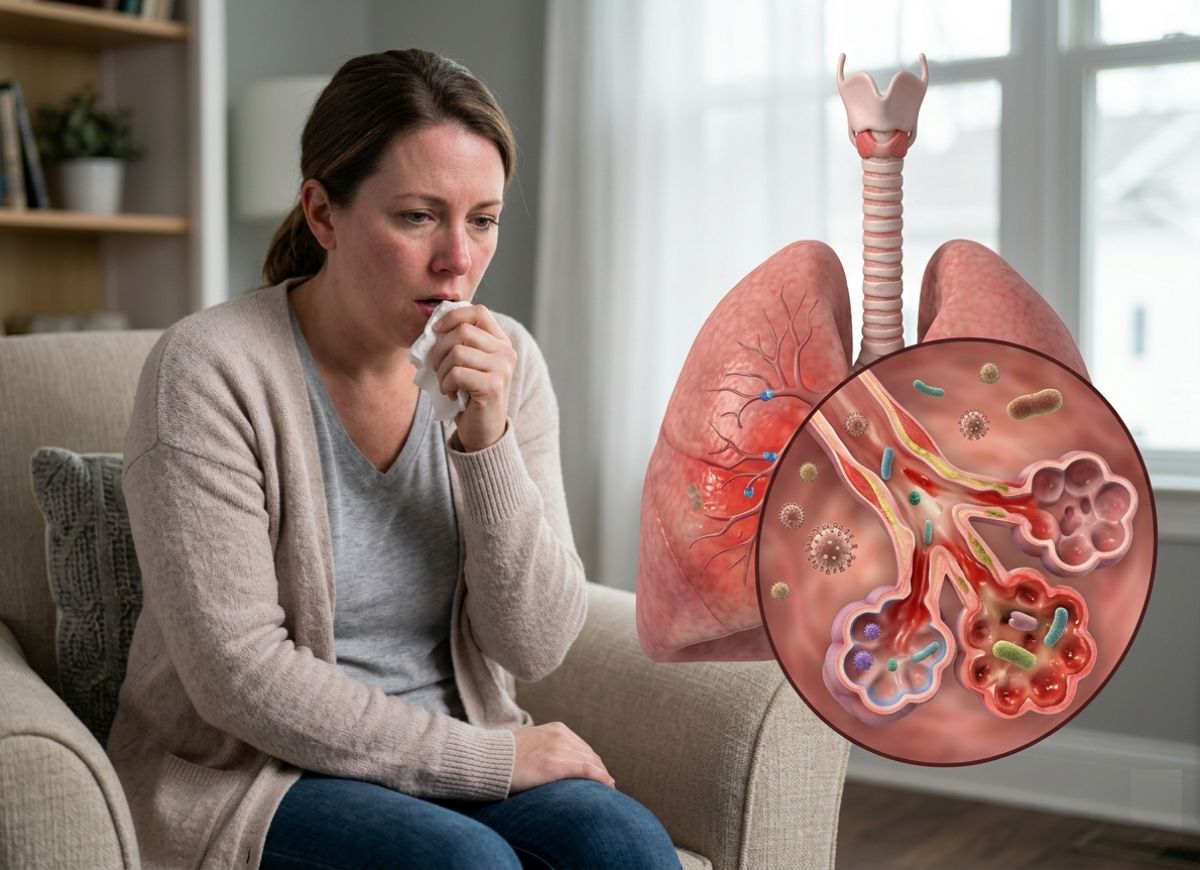
Walking pneumonia may sound like something minor, but the name can be misleading. It is a form of pneumonia that is often linked to Mycoplasma pneumoniae and can cause symptoms mild enough for a person to continue their normal routine. Even so, the infection should not automatically be considered harmless.
Unlike more severe forms of pneumonia that can leave someone bedridden or require hospitalization, walking pneumonia may allow a person to keep working, attending school, or handling everyday responsibilities. The problem is that these relatively mild symptoms can make it easy to overlook the infection and delay medical care.
Respiratory infections can spread more easily in crowded environments, especially when people are in close contact for long periods. Exposure to respiratory illnesses and certain environmental irritants may also affect respiratory health.
The illness can begin with symptoms such as tiredness, a dry cough, a sore throat, headache, or a low-grade fever. Because these signs can resemble a cold or mild flu, many people may initially assume that they will disappear on their own. However, symptoms that continue, become more intense, or interfere with normal activities deserve attention.
In this article, we’ll look at the signs and symptoms commonly associated with walking pneumonia. It can be difficult to distinguish the condition from an ordinary cold or bronchitis based on symptoms alone, so knowing what to watch for may help you recognize when medical evaluation is appropriate.
Symptoms such as a persistent cough, chest discomfort, unusual fatigue, or shortness of breath can be important clues. Early evaluation can help identify pneumonia and reduce the chance of complications.
How Do You Define Walking Pneumonia?
Walking pneumonia is an informal term commonly used for a milder form of pneumonia in which a person may remain active despite having an infection in the lungs.
It is often associated with atypical pneumonia, particularly infections caused by organisms such as Mycoplasma pneumoniae. These infections can produce a different pattern of symptoms from the more sudden and severe presentation often associated with typical bacterial pneumonia.
People with walking pneumonia may feel unwell but still be able to go to work, attend school, or complete household activities. They may experience significant tiredness, a lingering cough, mild fever, or other respiratory symptoms without becoming completely bedridden.
The condition can spread through respiratory secretions when an infected person coughs or sneezes. Close and prolonged contact can make transmission easier, particularly in places such as schools, dormitories, military facilities, and other shared environments.
The term “walking” refers to the fact that the illness may not be severe enough to prevent a person from remaining mobile. Someone may feel as though they have a stubborn cold or bronchitis while still continuing with everyday activities.
This is one reason the condition can be overlooked. A person may assume that a lingering cough is simply the final stage of a cold and continue their routine without realizing that pneumonia may be involved.
Typical bacterial pneumonia can produce more obvious symptoms, including high fever, chills, significant breathing difficulties, chest pain, and a productive cough. Walking pneumonia may develop more gradually and can have less dramatic symptoms.
However, “mild” does not mean that the infection should always be ignored. Some people can develop complications, especially those who are very young, older adults, or people with underlying medical conditions or weakened immune systems.
Because symptoms may develop gradually, some individuals wait days or weeks before seeking medical advice. During that time, they may continue interacting with others while potentially spreading the infection.
The term walking pneumonia is therefore mainly a description of how the illness may affect a person’s ability to remain active rather than a guarantee that the infection is insignificant. The symptoms and severity can vary considerably from one person to another.
Common Causes of Walking Pneumonia
One of the best-known causes of walking pneumonia is the bacterium Mycoplasma pneumoniae. It can cause respiratory infections ranging from relatively mild illness to pneumonia.
Unlike many common bacteria, Mycoplasma pneumoniae does not have a traditional cell wall. This characteristic affects which antibiotics can be effective against it and is one reason certain antibiotics, such as penicillin, do not work against this organism.
The bacteria spread primarily through respiratory secretions during close contact. Because symptoms can develop gradually and the incubation period can be relatively long, people may not realize they have been infected immediately.
Another organism associated with atypical pneumonia is Chlamydia pneumoniae. It can cause respiratory infections with symptoms such as sore throat, hoarseness, cough, and tiredness. The cough may continue for an extended period even after other symptoms begin improving.
Legionella pneumophila can also cause pneumonia, although it is more commonly associated with Legionnaires’ disease, which can be serious. People can become infected after inhaling contaminated water droplets or aerosols from certain water systems.
Viruses can also cause pneumonia that ranges from mild to severe. Examples include influenza viruses, respiratory syncytial virus (RSV), adenoviruses, and SARS-CoV-2, the virus responsible for COVID-19.
Because bacterial and viral respiratory infections can produce similar symptoms, it is not always possible to determine the cause simply by looking at symptoms. Medical evaluation and, when appropriate, testing can help identify the underlying infection.
10 Signs and Symptoms of Walking Pneumonia
A Persistent Cough
A persistent cough is one of the most recognizable symptoms associated with walking pneumonia. It often begins as a dry, irritating cough and may continue for days or weeks.
In some cases, small amounts of clear or white mucus may eventually appear. The cough can become frequent and difficult to control, with repeated coughing episodes that may become especially troublesome at night.
This differs somewhat from the deep, productive cough that can occur with some forms of bacterial pneumonia. However, the appearance of mucus alone cannot determine which type of respiratory infection someone has.
One of the most noticeable features is how long the cough lasts. A typical cold-related cough often improves as the infection resolves, while a cough associated with pneumonia can remain for considerably longer.
Even after treatment begins and the infection starts clearing, airway inflammation may take time to settle. As a result, coughing can sometimes continue for several weeks during recovery.
A cough that is persistent, worsening, or accompanied by fever, chest pain, breathing difficulty, or significant fatigue should be evaluated by a healthcare professional.
Low-grade Fever
A low-grade fever can occur with walking pneumonia and may be less dramatic than the high fever sometimes seen with more severe infections.
Some people may experience a temperature that rises and falls rather than remaining consistently elevated. Others may simply feel warm, flushed, or feverish without checking their temperature.
A fever develops as part of the body’s immune response to infection. Infections caused by atypical organisms may produce a different pattern of fever compared with some typical bacterial infections.
Low-grade fever can occur alongside chills, sweating, headache, tiredness, and general discomfort. When it appears together with a cough that refuses to go away, it may be a sign that the illness is more than a routine cold.
However, fever alone cannot identify walking pneumonia. Similar symptoms can occur with influenza, COVID-19, other viral infections, and several other respiratory conditions.
A healthcare professional may consider the complete pattern of symptoms, physical examination findings, and testing when determining whether pneumonia is present.
Chills and Shivering
Chills and mild shivering can accompany walking pneumonia, particularly when a person has a fever.
These chills may be less intense than the severe shaking chills that sometimes occur with high fevers. Instead, a person may simply feel unusually cold, develop goosebumps, or experience brief periods of shivering.
Chills occur because the body’s temperature-regulating system responds to infection. When the internal temperature set point changes during a fever, the body may generate heat through muscle contractions, producing the sensation of shivering.
They generally occur alongside other symptoms rather than appearing by themselves. A person may experience chills together with fever, headache, muscle aches, cough, and fatigue.
If chills occur with a persistent respiratory illness, particularly when symptoms are getting worse rather than better, medical evaluation may be appropriate.
Fatigue
Extreme tiredness can be one of the most noticeable parts of walking pneumonia. A person may have only a mild fever and an irritating cough yet feel far more exhausted than expected.
This type of fatigue can make normal activities difficult. Working, studying, shopping, climbing stairs, or concentrating for long periods may require considerably more effort than usual.
Malaise is another term used to describe a general feeling of being unwell. Someone may not feel severely ill in an obvious way but may still feel drained, weak, and unable to function at their normal level.
The body’s immune response to infection requires energy, and ongoing inflammation can contribute to feelings of exhaustion.
One frustrating aspect of walking pneumonia is the mismatch between the visible symptoms and how tired a person feels. Someone may look relatively well while experiencing significant fatigue internally.
Fatigue can also last beyond the initial respiratory symptoms. Even after the fever and cough begin improving, energy levels may take additional time to return to normal.
Allowing the body enough time to recover, staying hydrated, and following medical advice can support the recovery process.
Sore Throat
A sore throat can appear early during a respiratory infection and may occur before the more persistent cough becomes noticeable.
When organisms such as Mycoplasma pneumoniae or Chlamydia pneumoniae infect the respiratory tract, irritation can develop in the throat and upper airways.
The discomfort may feel scratchy, dry, irritated, or mildly painful, making it easy to mistake the illness for a common cold.
With walking pneumonia, however, the sore throat may be followed by a cough that gradually becomes more persistent. Other symptoms such as headache, fever, and fatigue may also develop.
A typical pattern can begin with a sore throat and general discomfort before progressing into a dry, irritating cough over the following days.
The sequence is not enough by itself to diagnose pneumonia, but it can provide useful information when a healthcare provider is reviewing the history of an illness.
If a sore throat is followed by a cough that continues for weeks or is accompanied by breathing problems, chest discomfort, or persistent fever, professional medical advice is recommended.
Lingering Headache
Headaches can occur during walking pneumonia and may accompany other early symptoms such as sore throat, fever, and fatigue.
The headache may feel dull, generalized, or pressure-like rather than resembling the sharp or throbbing pain associated with some types of migraine.
Infections can trigger inflammation throughout the body, and fever, dehydration, poor sleep, and repeated coughing can all contribute to headaches.
For many people, the headache is part of a broader flu-like feeling rather than a symptom that occurs by itself.
When headache occurs alongside a persistent cough, fever, fatigue, and other respiratory symptoms, it can become part of the overall clinical picture.
Adequate fluids, rest, and appropriate over-the-counter pain medication may provide relief for some people. However, medication should be used according to the label and a healthcare professional’s advice when necessary.
A severe, unusual, or persistent headache—particularly one accompanied by neurological symptoms—requires medical attention rather than being assumed to be part of walking pneumonia.
Chest Pain or Discomfort
Chest discomfort can develop with walking pneumonia for several reasons. Frequent, forceful coughing can strain the muscles between the ribs and the chest wall, creating soreness or aching.
Inflammation in the airways and lungs may also create a sensation of tightness, irritation, or congestion in the chest.
Some people experience pleuritic pain, which is typically sharp and becomes worse when taking a deep breath, coughing, sneezing, or laughing. This can happen when the thin tissues surrounding the lungs become inflamed.
Muscle strain from repeated coughing is another possible explanation. In this situation, the chest may feel sore, particularly after a prolonged coughing episode or when the affected area is touched or moved.
Some individuals may also describe a burning or uncomfortable sensation behind the breastbone because the respiratory tract is irritated.
Chest pain should not automatically be attributed to pneumonia. Because heart and lung conditions can also cause chest discomfort, new, severe, unexplained, or persistent chest pain should be medically evaluated.
Shortness of Breath or Wheezing
Shortness of breath may become noticeable during physical activity. A person who normally walks quickly or climbs stairs without difficulty may suddenly become winded much sooner.
Inflammation in the lungs can interfere with normal breathing and oxygen exchange. Even when the affected area is limited, breathing may feel more difficult during exertion.
Mild breathlessness with activity can occur during respiratory infections, but worsening symptoms deserve attention.
Wheezing may also occur when the airways become narrowed or inflamed. It produces a high-pitched whistling sound, often more noticeable when breathing out.
People who already have asthma or another respiratory condition may notice that an infection makes their usual symptoms worse.
Shortness of breath that occurs at rest, becomes severe, or is accompanied by chest pain, confusion, rapid breathing, or blue or gray lips or skin can indicate a medical emergency and requires immediate medical attention.
Ear Pain or Sinus Infections
Respiratory infections can affect more than just the lungs. Inflammation and congestion in the upper respiratory tract may involve the sinuses and the passages connecting the nose and throat to the middle ear.
When sinus drainage becomes blocked, fluid and mucus can accumulate. This may contribute to pressure, facial discomfort, congestion, headache, or a secondary sinus infection.
The Eustachian tubes connect the middle ear to the back of the throat and help regulate pressure. Inflammation in the surrounding tissues can interfere with their normal function.
This may cause ear pressure, fullness, muffled hearing, or ear pain. In some cases, fluid behind the eardrum can become infected and lead to an ear infection.
These complications are particularly relevant in children, who may be more prone to ear infections during respiratory illnesses.
Mycoplasma pneumoniae can also produce less common symptoms outside the lungs. Rare complications may involve the skin, joints, blood, or nervous system.
Therefore, persistent respiratory symptoms accompanied by unusual ear, sinus, skin, or neurological symptoms should be discussed with a healthcare professional.
Long Lasting Symptoms of Walking Pneumonia
Walking pneumonia can take several weeks to fully resolve. Fever and general illness may improve sooner, while coughing and tiredness can continue for considerably longer.
The incubation period may last several days to weeks depending on the organism involved. During the early phase, symptoms can be vague and resemble a common cold, including sore throat, headache, tiredness, and fever.
As the illness develops, the cough may become more persistent. Chest discomfort and breathlessness during physical activity can also appear.
Fatigue can become particularly noticeable during this period, even when the respiratory symptoms do not appear extremely severe.
During later recovery, the fever and other systemic symptoms may disappear while the cough gradually becomes less frequent. Some people may continue to experience tiredness while the body recovers.
Recovery times vary from person to person. Rest, hydration, and following the treatment plan provided by a healthcare professional can help support recovery.
When to Seek Medical Help
You should consider seeing a healthcare professional when respiratory symptoms continue without improvement, particularly when a cough lasts longer than expected or becomes increasingly severe.
Walking pneumonia can resemble a cold, influenza, bronchitis, or other respiratory illnesses, making it difficult to identify based on symptoms alone.
A cough that continues for more than a week, especially when accompanied by persistent fever, significant fatigue, chest discomfort, or breathing difficulties, deserves medical evaluation.
A doctor may need to determine whether pneumonia or another respiratory infection is responsible for the symptoms. Getting an accurate diagnosis is also important because treatment depends on the underlying cause.
If a bacterial infection such as Mycoplasma pneumoniae is suspected, a healthcare provider may prescribe an antibiotic that is appropriate for that organism. Antibiotics do not treat viral infections.
Seek urgent medical care for severe difficulty breathing, severe or persistent chest pain, confusion, bluish or gray lips or skin, or other signs of a serious illness.
Complications of Walking Pneumonia
Although walking pneumonia can be relatively mild, complications are possible. In some cases, an infection can become more severe and cause greater inflammation or involvement of the lungs.
The risk of complications can be higher among young children, older adults, people with chronic conditions, and individuals with weakened immune systems.
A respiratory infection can sometimes progress to more extensive pneumonia, making breathing and oxygen exchange more difficult. In severe cases, hospitalization, supplemental oxygen, or other intensive treatment may become necessary.
Complications are not limited to the lungs. Certain organisms, including Mycoplasma pneumoniae, have occasionally been associated with problems affecting other parts of the body.
Rare complications can include inflammation involving the brain or nervous system, blood-related problems, kidney complications, skin reactions, and joint symptoms.
Severe complications are uncommon, but they are one reason persistent or worsening symptoms should not simply be ignored.
Early medical evaluation can help determine the cause of the illness and whether treatment or monitoring is necessary.
Walking Pneumonia Diagnosis
Diagnosing walking pneumonia begins with a healthcare provider reviewing the person’s symptoms and medical history.
The doctor may ask when the cough began, whether there has been fever, how long the fatigue has lasted, whether breathing has become difficult, and whether symptoms are improving or worsening.
During the physical examination, the healthcare provider may listen to the lungs with a stethoscope. Abnormal breathing sounds may provide useful clues, although a normal-sounding chest examination does not always rule out pneumonia.
A chest X-ray may be used when pneumonia is suspected. It can show areas of inflammation or infection in the lungs and help distinguish pneumonia from some other causes of respiratory symptoms.
Additional testing may be considered depending on the situation. Blood tests can provide information about the body’s response to infection, while specific tests may identify organisms such as Mycoplasma pneumoniae.
If someone is producing significant mucus, a respiratory sample may sometimes be collected for laboratory testing. The need for such testing depends on the person’s symptoms and clinical situation.
Because several infections can cause similar symptoms, diagnosis should be based on the overall clinical picture rather than on one symptom alone.
Walking Pneumonia and The Flu or a Common Cold
Walking pneumonia, influenza, and the common cold can all cause coughing, fatigue, sore throat, and other respiratory symptoms, but they are caused by different infectious organisms and can follow different patterns.
Walking pneumonia is commonly associated with bacteria such as Mycoplasma pneumoniae. Influenza is caused by influenza viruses, while the common cold can be caused by many different viruses, including rhinoviruses.
Influenza often begins suddenly. A person may develop fever, chills, body aches, headache, and significant fatigue within a relatively short period.
A common cold generally produces more upper-respiratory symptoms, such as a runny or blocked nose, sneezing, sore throat, and cough.
Walking pneumonia can develop more gradually. A persistent cough, fatigue, headache, and fever may become noticeable over several days.
The duration can also differ. Many common colds improve within about a week or two, although coughing can last longer. Influenza often improves over several days to a couple of weeks, while fatigue may remain for longer.
Walking pneumonia can produce a cough and tiredness that persist for several weeks. Because these patterns overlap, symptoms alone cannot always establish the diagnosis.
Is Walking Pneumonia Contagious?
Walking pneumonia can be contagious. Organisms commonly associated with it, including Mycoplasma pneumoniae, can spread through respiratory secretions during close contact.
When an infected person coughs, sneezes, or otherwise releases respiratory droplets, another person nearby may become exposed.
Transmission is more likely with prolonged or close contact, which is why respiratory infections can spread in households, schools, workplaces, dormitories, and other crowded environments.
One important feature of Mycoplasma pneumoniae infection is its relatively long incubation period. Symptoms may not appear until days or weeks after exposure.
People may therefore spread the organism without immediately realizing that they are infected.
The length of time a person remains contagious can vary depending on the organism and whether treatment has been started. People with respiratory infections should follow medical advice regarding staying home, limiting close contact, and returning to normal activities.
Not everyone exposed to the bacteria will develop pneumonia. Some people may develop a milder respiratory illness, while others may have few or no noticeable symptoms.
Good hand hygiene, covering coughs and sneezes, improving ventilation, and avoiding close contact when sick can help reduce the spread of respiratory infections.
Who Is Most At Risk For Developing Walking Pneumonia?
Walking pneumonia can affect people of different ages, but some environments and groups may have a greater chance of exposure or complications.
Close, prolonged contact with other people is an important factor because respiratory organisms can spread more easily in crowded settings.
School-aged children and teenagers can be frequently exposed because schools and childcare settings involve close interaction. Outbreaks of Mycoplasma pneumoniae can occur in these environments.
College students living in dormitories, military personnel living in barracks, and people in other communal living arrangements may also experience increased exposure to respiratory infections.
Older adults and people with weakened immune systems may face a greater risk of developing serious complications from pneumonia.
Individuals with chronic respiratory conditions such as asthma or COPD may also have more difficulty when they develop a respiratory infection.
Other underlying conditions can increase the risk of severe illness as well. For this reason, people with chronic medical conditions should follow their healthcare provider’s advice when they develop persistent respiratory symptoms.
FAQs
1. What is the meaning of walking pneumonia?
Walking pneumonia is an informal term for a relatively mild form of pneumonia that may allow a person to remain active despite having a lung infection.
It is commonly associated with Mycoplasma pneumoniae and can cause symptoms such as persistent cough, tiredness, sore throat, headache, and fever.
Because the symptoms may resemble a cold or flu, people may not realize that pneumonia is involved. Even when symptoms are mild, medical evaluation may be necessary if they persist or become worse.
2. Is it safe to be around someone with walking pneumonia?
Walking pneumonia can spread from person to person, so close contact with someone who is infected can carry a risk of transmission.
Respiratory organisms such as Mycoplasma pneumoniae can spread through respiratory secretions when an infected person coughs or sneezes.
If someone has a respiratory infection, reducing close contact when possible, washing hands regularly, covering coughs and sneezes, and following medical advice can help reduce transmission.
3. How can I tell if I have walking pneumonia?
Walking pneumonia can be difficult to identify because its symptoms overlap with those of colds, influenza, bronchitis, and other respiratory infections.
Common symptoms may include a persistent cough, fatigue, low-grade fever, headache, sore throat, chest discomfort, and shortness of breath with activity.
If symptoms continue, become worse, or interfere with normal activities, it is best to seek medical advice. A healthcare professional may use a physical examination, chest imaging, or other testing to determine whether pneumonia is present.
4. What are the four stages of walking pneumonia?
Walking pneumonia is not medically divided into four universally recognized stages, but its progression can be described broadly.
- Incubation period: The infection develops after exposure, and symptoms may not appear for days or weeks.
- Early symptoms: Mild symptoms such as sore throat, tiredness, headache, or dry cough may begin.
- Full-blown infection: The cough may become more persistent, with fever, fatigue, chest discomfort, or shortness of breath developing.
- Recovery: Symptoms gradually improve, although coughing and tiredness may continue for weeks in some people.
The exact course varies depending on the infectious organism and the person’s overall health.
5. What’s the worst type of pneumonia to have?
There is no single type of pneumonia that can be considered the “worst” for every person. Severity depends on the cause, the person’s age and health, and how quickly the infection is treated.
Some forms of bacterial pneumonia can become severe and lead to complications such as respiratory failure, bloodstream infection, or sepsis.
Aspiration pneumonia and hospital-acquired pneumonia can also be serious, particularly in people who have other medical conditions or weakened immune systems.
Any pneumonia that causes significant breathing difficulty, low oxygen levels, confusion, or severe illness requires prompt medical attention.
6. Why is pneumonia called the silent killer?
Pneumonia is sometimes described as a “silent killer” because certain people may develop the infection without dramatic symptoms during the early stages.
This can be especially concerning in older adults and people with weakened immune systems, who may not always develop a high fever or obvious respiratory symptoms.
As pneumonia progresses, however, it can interfere with oxygen exchange and lead to serious complications such as respiratory failure.
Recognizing persistent symptoms and seeking medical evaluation when necessary can help identify pneumonia before it becomes more serious.
7. What is walking pneumonia treatment?
Treatment for walking pneumonia depends on what is causing the infection.
If a bacterial organism such as Mycoplasma pneumoniae is responsible, a healthcare provider may prescribe an appropriate antibiotic. Antibiotics do not work against viral infections.
Supportive care can include adequate rest, drinking enough fluids, and using appropriate over-the-counter medication to help relieve fever, aches, or other discomfort.
It is also important to avoid pushing through severe fatigue or breathing difficulties simply because the illness is called “walking” pneumonia.
Following the treatment plan provided by a healthcare professional and allowing enough time for recovery can help reduce the chance of complications.
Conclusion
Walking pneumonia can be easy to overlook because its symptoms may initially resemble a common cold, flu, or mild bronchitis. A persistent cough, unusual fatigue, fever, headache, chest discomfort, and shortness of breath can all occur with the condition.
Although it may be less severe than some other forms of pneumonia, walking pneumonia is still a lung infection and should not automatically be dismissed as harmless.
If respiratory symptoms continue for longer than expected, become worse, or are accompanied by significant breathing problems or chest pain, medical evaluation is important. Identifying the cause early can help ensure appropriate treatment and support a smoother recovery.