
Appendicitis in Kids: 7 Symptoms and When to Go to the ER
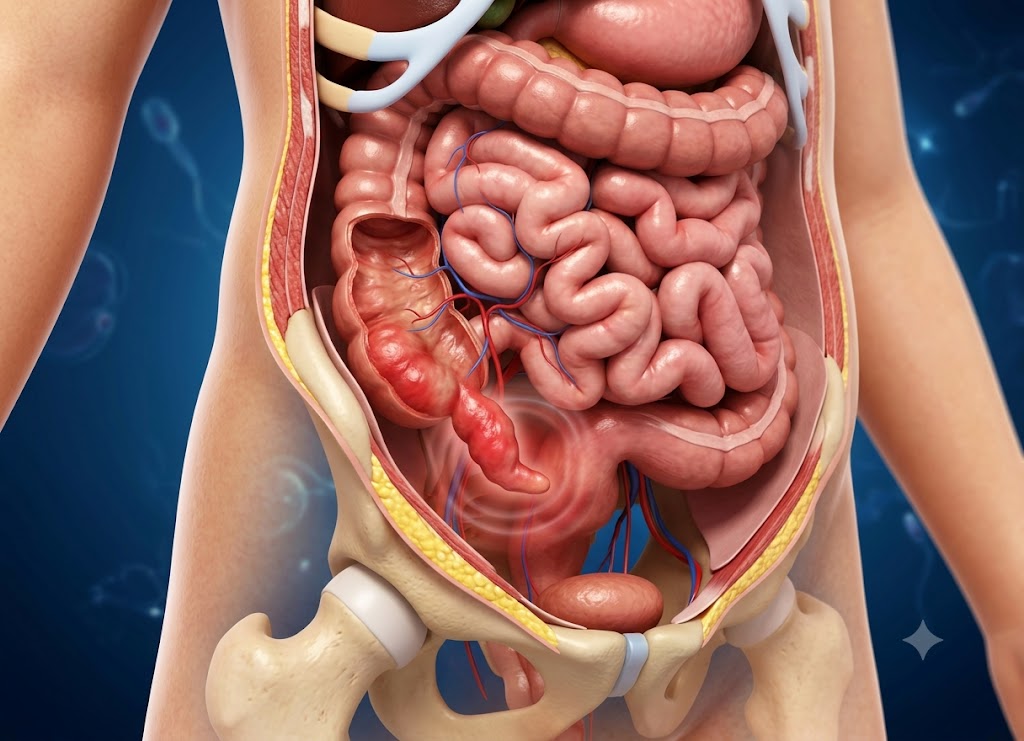
Appendicitis in kids is a medical emergency that happens when the appendix becomes inflamed and infected. The appendix is a small, finger-shaped pouch attached to the large intestine. Although its exact purpose is not fully understood, an inflamed appendix can become dangerous if it is not treated.
As swelling increases, the appendix can rupture and spread infection throughout the abdomen. Recognizing the symptoms early is especially important because children may have difficulty explaining exactly how they feel.
The signs of appendicitis can sometimes resemble a stomach virus, constipation, or another digestive problem. Common symptoms include abdominal pain, loss of appetite, nausea, vomiting, fever, and changes in bowel habits.
Pain often starts near the belly button and may later move toward the lower right side of the abdomen. This guide explains seven symptoms parents should watch for, when a child may need emergency care, and how doctors diagnose and treat appendicitis.
Key Symptoms of Appendicitis in Kids
When appendicitis is suspected, it is important to pay attention to how the symptoms develop over time. What may begin as a general stomachache can become more focused and severe as the inflammation progresses.
Children may not always be able to describe their discomfort clearly, so parents should watch for changes in behavior, eating, movement, and bowel habits along with physical symptoms.
Expanding the 7 Red Flag Symptoms: What to Look For
When looking for possible appendicitis in kids, doctors consider several symptoms together rather than relying on one sign. A stomach virus may cause vomiting and diarrhea early, while appendicitis often begins with abdominal pain.
1. Progressive Abdominal Pain
Abdominal pain is one of the most important symptoms of appendicitis. It often starts as a dull ache, cramping, or uncomfortable feeling around the belly button.
As inflammation increases, the pain may move toward the lower right side of the abdomen. It can become sharper, stronger, and more constant. Movement may also make the discomfort worse. A child may complain that coughing, jumping, laughing, or riding in a car over bumps hurts.
You may also notice your child walking carefully, holding their abdomen, bending forward, or avoiding movements that make the pain worse.
2. Acute Loss of Appetite
A sudden loss of appetite is another common sign of appendicitis in kids. A child who normally enjoys eating may suddenly refuse food and show little interest in their favorite snacks.
Loss of appetite can occur with many childhood illnesses, so it should be considered along with other symptoms. When it happens together with worsening abdominal pain, nausea, vomiting, or fever, medical evaluation is important.
3. Sequential Nausea and Vomiting
Nausea and vomiting can occur after abdominal pain begins. The order in which symptoms appear can provide useful information to doctors.
With appendicitis, abdominal discomfort often develops before nausea or vomiting. With a stomach virus, vomiting may begin before significant abdominal pain.
Vomiting can occur once or several times, but repeated vomiting combined with worsening abdominal pain should not be ignored.
4. Low-Grade to High-Grade Fever
Fever can occur as the body responds to inflammation and infection in the appendix. It may begin as a mild fever and become higher if the condition becomes more serious.
A high or rapidly increasing fever, especially when combined with severe abdominal pain, vomiting, weakness, or a swollen abdomen, requires urgent medical attention because it may indicate a complication such as a ruptured appendix.
5. Localized Abdominal Tenderness and Guarding
A child with appendicitis may have significant tenderness, particularly in the lower right part of the abdomen.
You may notice that your child pulls away, tenses their stomach muscles, or becomes uncomfortable when the area is touched. The abdomen may also appear swollen or feel firmer than usual.
Parents should avoid repeatedly pressing on the painful area. If the child has significant or worsening abdominal pain, it is safer to have them evaluated by a medical professional.
6. Disrupted Bowel Patterns
Appendix inflammation can affect nearby parts of the digestive system and cause changes in bowel movements.
Some children may become constipated, while others may experience loose stools or diarrhea. They may also feel like they need to use the bathroom without getting relief afterward.
Because bowel changes can occur with many common illnesses, they are most useful when considered alongside other symptoms such as persistent abdominal pain, fever, vomiting, and loss of appetite.
7. Rebound Tenderness (Peritoneal Signs)
Rebound tenderness is a physical finding that doctors may check when evaluating possible appendicitis. It refers to increased pain when pressure placed on the abdomen is released.
This can happen when the lining of the abdominal cavity, called the peritoneum, becomes inflamed. It is a clinical sign that should be assessed by a healthcare professional rather than tested repeatedly at home.
Detailed Age Breakdown: Toddlers vs. Older Kids
Appendicitis can look different depending on a child’s age. Younger children may not have the words or ability to explain where their pain began or how it has changed.
The Diagnostic Hurdle in Toddlers and Preschoolers (Under 5)
In children younger than five, recognizing appendicitis can be particularly difficult because the symptoms may be vague or resemble common childhood illnesses.
Parents may notice:
- Inconsolable Irritability: The child may become unusually fussy, cry frequently, refuse to be comforted, or become difficult to settle.
- Early and Persistent Vomiting: Vomiting may be an early symptom in very young children, which can make appendicitis look like a stomach virus.
- The “Psoas Sign” and Mobility Refusal: In some cases, movement of the right leg may increase abdominal discomfort. A child may refuse to walk, develop a limp, or prefer to remain still with their knees drawn up.
Because younger children may have less typical symptoms, appendicitis can be harder to recognize and may be diagnosed later.
The Clearer Timeline in School-Aged Children and Teenagers
Older children and teenagers can usually explain their symptoms more clearly. They may be able to describe where the pain began, whether it moved, and what makes it worse.
They can also tell doctors about changes in appetite, nausea, vomiting, fever, and bowel movements. This clearer history can help healthcare providers decide which examinations, blood tests, and imaging studies may be needed.
When Does Suspected Appendicitis in a Child Warrant an ER Visit?
Knowing when abdominal pain requires emergency care can be difficult for parents. Mild stomach discomfort is common in children, but persistent or worsening pain can sometimes indicate a more serious problem.
Simple Stomach Ache vs. Surgical Emergency
Not every stomachache means a child has appendicitis. Gas, indigestion, constipation, and stomach viruses can all cause abdominal discomfort.
The following differences may help parents recognize symptoms that deserve medical evaluation:
| Characteristic | Benign Stomach Ache / Virus | Potential Pediatric Appendicitis |
|---|---|---|
| Pain Pattern | Pain may come and go and affect different areas of the abdomen. | Pain is often persistent and becomes worse over time. |
| Pain Migration | Pain may remain general or change with gas and bowel movements. | Pain may begin around the belly button and move toward the lower right side. |
| Response to Motion | The child can usually walk and move normally. | Walking, jumping, coughing, or other movement may make pain worse. |
| Order of Symptoms | Vomiting or diarrhea may appear before abdominal pain. | Abdominal pain often develops before nausea or vomiting. |
| Appetite | The child may still accept fluids or small amounts of food. | Appetite may decrease significantly, and the child may refuse food. |
When to Head Straight to the Emergency Room
Seek emergency medical care if your child develops severe or persistent abdominal pain, especially when the pain becomes focused on the lower right side.
Other concerning signs include:
The pain becomes focused and severe: The discomfort becomes constant, increasingly painful, or localized to the lower right abdomen.
A noticeable behavioral change: The child stops playing, becomes unusually quiet, refuses food or fluids, walks carefully, or avoids standing upright because of pain.
Several symptoms occur together: Worsening abdominal pain combined with vomiting, fever, tenderness, or significant loss of appetite should be evaluated promptly.
Identifying a True Medical Emergency (Appendix Rupture)
If appendicitis is not treated, the appendix may rupture. This allows infected material to spread into the abdominal cavity and can cause a serious infection called peritonitis.
Critical Red Flag: The “False Relief” Sign
If severe abdominal pain suddenly seems to improve after becoming progressively worse, do not assume the child is recovering. A rupture can sometimes cause a temporary change in pain before more widespread abdominal pain develops. A child with this pattern needs immediate medical evaluation.
Call emergency services or go to the nearest emergency department immediately if your child has:
- A High, Spiking Fever: A rapidly rising or high fever combined with severe abdominal symptoms.
- Signs of Systemic Infection (Sepsis): The child looks pale, sweaty, unusually weak, confused, or difficult to wake.
- Advanced Physical Changes: Rapid breathing, a very fast heartbeat, significant abdominal swelling, or a very firm abdomen.
- Inability to Move: Severe pain that prevents the child from walking or moving normally, or extreme discomfort with even gentle contact.
A ruptured appendix usually requires urgent hospital treatment. Treatment may include surgery, IV antibiotics, fluids, and other care depending on the child’s condition.
How is Appendicitis Diagnosed and Treated in Children?
Diagnosing appendicitis in kids involves looking at the child’s symptoms, performing a physical examination, and using laboratory tests or imaging when necessary. Since several childhood illnesses can cause similar symptoms, doctors may use multiple methods before confirming the diagnosis.
Step 1: The Pediatric Diagnostic Protocol
There is no single test that identifies every case of appendicitis. Doctors combine the child’s medical history, physical examination, laboratory results, and imaging findings.
1. The Hands-On Physical Examination
The physical examination is an important part of evaluating suspected appendicitis. The doctor will ask when the pain started, where it began, whether it has moved, and what makes it worse.
They may gently examine different areas of the abdomen and look for tenderness, muscle tightening, or other signs of inflammation. Depending on the child’s age and condition, the doctor may also assess whether coughing or movement increases the pain.
2. Targeted Laboratory Lab Work
- Complete Blood Count (CBC): A CBC can show whether the white blood cell count is elevated, which may indicate infection or inflammation.
- C-Reactive Protein (CRP): CRP measures inflammation in the body and may provide additional information when combined with other findings.
- Urinalysis (Urine Test): A urine test can help rule out conditions such as urinary tract infections and other causes of abdominal discomfort.
3. Medical Imaging Studies
Imaging can help doctors look for inflammation of the appendix and identify other possible causes of abdominal pain.
Abdominal Ultrasound: Ultrasound is commonly used as an initial imaging test in children because it does not use radiation. It may show an enlarged or inflamed appendix and can also help identify other abdominal problems.
Computed Tomography (CT) Scan: CT scans provide detailed images of the abdomen and pelvis. Because CT uses radiation, doctors may reserve it for situations where ultrasound is unclear or additional information is needed.
Step 2: Surgical Treatment Options
When appendicitis is confirmed, an appendectomy is commonly performed to remove the inflamed appendix. The surgery is done under general anesthesia, so the child is asleep during the procedure.
Laparoscopic Appendectomy (Minimally Invasive)
Laparoscopic appendectomy uses several small incisions in the abdomen. A thin camera called a laparoscope allows the surgeon to see inside the abdomen while specialized instruments are used to remove the appendix.
This approach often results in smaller incisions, less postoperative discomfort, and a quicker recovery compared with traditional open surgery.
Open Appendectomy (Traditional Surgery)
An open appendectomy uses a larger incision to access and remove the appendix.
Although laparoscopic surgery is commonly used, an open procedure may be needed in certain situations, including some cases involving a ruptured appendix, extensive infection, or other surgical complications.
The Recovery Journey: What to Expect Next
Recovery depends on whether the appendix was removed before or after it ruptured.
If the appendix did NOT rupture: Recovery is generally quicker. Children can often begin drinking fluids and gradually return to regular foods as tolerated. Pain is usually managed with medication, and some children can go home within a day or two.
If the appendix DID rupture: Recovery may take longer because of the infection and inflammation inside the abdomen. The child may need to stay in the hospital for several days and receive IV antibiotics while doctors monitor their recovery.
After returning home, children usually need plenty of rest and should avoid strenuous activity until their healthcare provider confirms that it is safe to resume normal activities.
Other Conditions and Complications Related to Pediatric Appendicitis
Understanding appendicitis in kids also means recognizing conditions that can produce similar symptoms and knowing what complications may develop if the appendix ruptures.
Conditions That Mimic Appendix Pain in Kids
Several common childhood conditions can cause abdominal pain, nausea, vomiting, or fever. Doctors may need to rule out these possibilities before confirming appendicitis.
Gastroenteritis (Stomach Flu): A stomach virus can cause abdominal pain, vomiting, diarrhea, and fever. The pain is often more widespread and cramp-like rather than steadily becoming focused in one area.
Severe Constipation: Significant constipation can cause strong abdominal pain, bloating, nausea, and sometimes vomiting. Symptoms may improve after a bowel movement, although severe or persistent pain still requires medical evaluation.
Mesenteric Adenitis: This condition involves swollen lymph nodes in the abdomen and can occur after an infection such as a cold or sore throat. It can cause abdominal pain and fever that resemble appendicitis.
Urinary Tract Infections (UTIs): UTIs can cause lower abdominal pain, fever, nausea, and changes in urination. Burning during urination, frequent urination, or unusual urine odor may suggest a urinary cause.
Gynecological Issues (for Teenage Girls): In teenage girls, conditions such as an ovarian cyst or ovarian torsion can cause sudden lower abdominal pain and may resemble appendicitis. These conditions require prompt medical assessment.
What Happens If a Child’s Appendix Ruptures?
If appendicitis continues without treatment, pressure and inflammation can weaken the appendix wall and eventually cause it to rupture.
When this happens, bacteria and infected material can spread into the abdominal cavity, causing peritonitis, a serious inflammation and infection of the abdominal lining.
Complications of a Rupture Include:
Widespread Pain and Rigidity: After a rupture, abdominal pain may spread and become much more severe. The abdomen can become swollen, firm, and extremely tender.
Abscess Formation: The body may attempt to contain the infection by forming a pocket of infected fluid called an appendiceal abscess. Treatment may involve drainage, antibiotics, and surgery depending on the situation.
Surgical Complexity: A ruptured appendix can make treatment more complicated because the infection may have spread throughout the abdomen. Children may require longer antibiotic treatment and closer monitoring.
The Post-Appendectomy Recovery Process
Recovery time depends largely on whether the appendix was removed before it ruptured.
Recovery from Uncomplicated Appendicitis
When the appendix is removed before rupture, recovery is usually faster.
- Hospital Stay: Many children can go home within 1 to 2 days, depending on their recovery.
- Diet: Fluids and food are gradually reintroduced as tolerated.
- Pain Management: Pain is usually controlled with medications recommended by the healthcare team.
- Activity: Children may return to school relatively soon, but strenuous exercise, heavy lifting, and rough physical activity should be avoided until the surgeon gives permission.
Recovery from Complicated (Ruptured) Appendicitis
A ruptured appendix generally requires a longer recovery.
- Hospital Stay: Children may need to remain in the hospital for several days or longer, depending on the severity of the infection and their response to treatment.
- Intensive Therapy: IV antibiotics, fluids, pain control, and sometimes drainage may be needed.
- Activity: Strenuous exercise and sports should be avoided until the surgical team confirms that the abdomen has healed sufficiently.
Can Appendicitis Return After Removal?
The short answer is no. Once the appendix has been completely removed, traditional appendicitis cannot develop again because the organ is no longer present.
The 1-in-50,000 Exception: Stump Appendicitis
A very rare condition called stump appendicitis can occur when a small portion of appendix tissue remains after surgery.
That remaining tissue can become inflamed and produce symptoms similar to the original appendicitis. Although this complication is extremely uncommon, it is possible.
If stump appendicitis occurs, doctors may need to remove the remaining appendix tissue and provide appropriate treatment for infection.
Conclusion
Appendicitis in kids needs prompt medical attention because delayed treatment can increase the risk of rupture and serious infection. Worsening abdominal pain, particularly pain that moves toward the lower right side, along with fever, vomiting, loss of appetite, or difficulty moving should not be ignored.
Many childhood stomach problems are minor, but persistent or severe symptoms should be evaluated by a healthcare professional. Early diagnosis and appropriate treatment, often including surgery to remove the appendix, can help reduce complications and support a safe recovery.
Frequently Asked Questions
1. What is appendicitis in kids?
Appendicitis in kids occurs when the appendix becomes inflamed, often because something blocks the appendix and allows inflammation or infection to develop. Without treatment, the appendix can rupture and cause a serious abdominal infection.
2. What are the first signs of appendicitis in kids?
Early symptoms may include pain around the belly button, loss of appetite, nausea, and fever. As the condition progresses, the pain may move toward the lower right side of the abdomen and become more severe. Children may also avoid walking or other movements because they make the pain worse.
3. When should parents take a child with possible appendicitis to the ER?
Seek emergency care when a child has severe, persistent, or worsening abdominal pain, especially when it becomes focused on the lower right side. Repeated vomiting, fever, abdominal swelling, extreme weakness, confusion, or difficulty moving are also warning signs that require urgent evaluation.
4. How is appendicitis in kids diagnosed?
Doctors use a combination of the child’s symptoms, physical examination, blood tests, urine tests, and imaging when needed. Ultrasound is commonly used in children, while CT scans may be considered when additional information is necessary.
5. How is appendicitis in kids treated?
The standard treatment is usually an appendectomy, which removes the inflamed appendix. Antibiotics and other supportive treatments may also be given. In selected situations, doctors may consider antibiotic treatment without immediate surgery, but careful medical monitoring is needed.
6. Can appendicitis in kids go away on its own?
Appendicitis generally should not be left untreated. The inflammation can worsen and cause the appendix to rupture, potentially leading to an abscess or peritonitis. Prompt medical evaluation helps determine the safest treatment.