
7 Warning Signs of Pinworm Infection to Watch For
Pinworm infection is a common health problem that many people feel uncomfortable discussing. It often begins with one noticeable symptom: intense itching around the anus, especially at night. From there, the discomfort can lead to restless sleep, frequent scratching, irritability, and concern when something unusual is noticed around the bathroom or bedding.
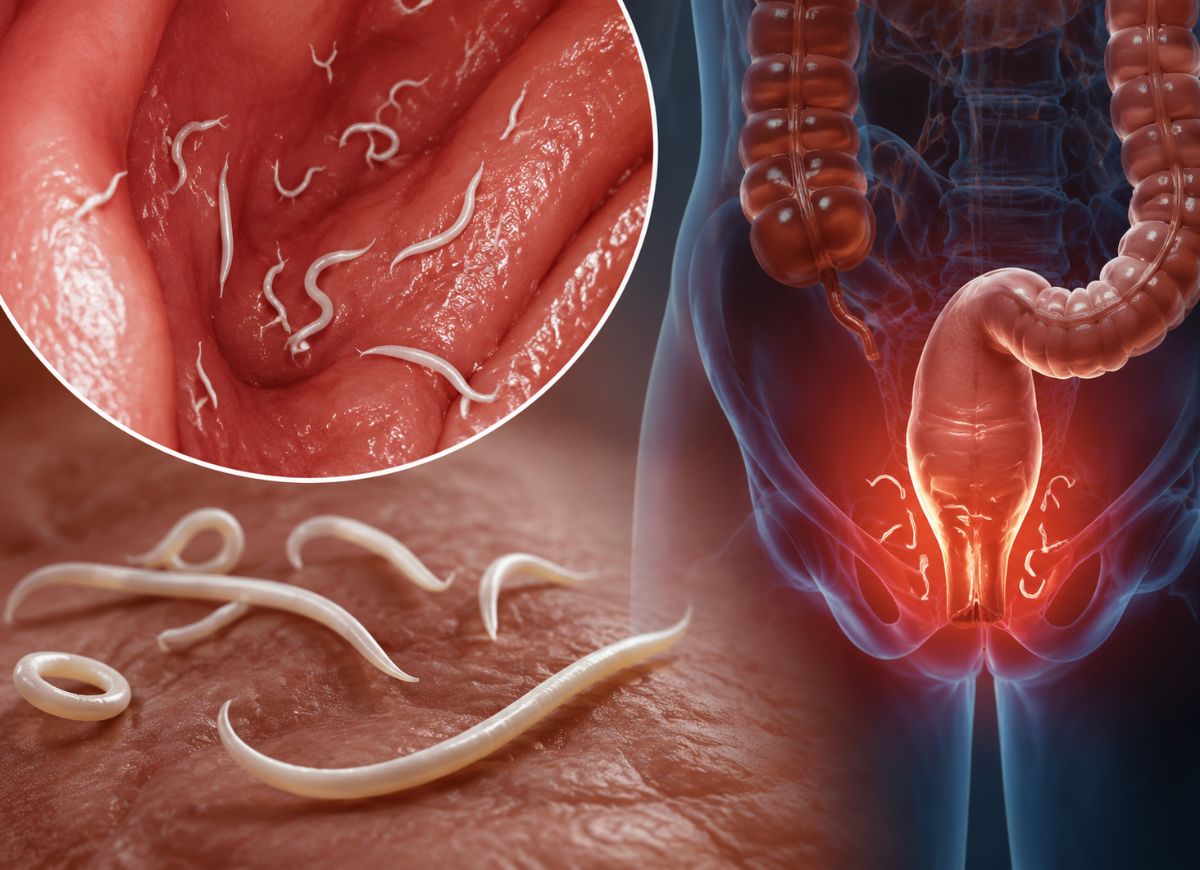
For some people, the first clear clue is seeing the worms themselves. Pinworms are tiny, thin, white worms that can resemble short pieces of thread. They may sometimes be seen around the anus, on toilet paper, in underwear, on bedding, or occasionally on the surface of stool. They are especially likely to be noticed at night or early in the morning.
Pinworm infections are particularly common in children, but adults can become infected too. The infection spreads easily because microscopic eggs can transfer from hands and fingernails to clothing, bedding, towels, toys, bathroom fixtures, and other shared surfaces. More than one person in a household may become infected, even when only one person has noticeable symptoms.
Some people have no obvious symptoms at all. Others may experience nighttime itching, disturbed sleep, abdominal discomfort, or skin irritation from repeated scratching. Knowing the warning signs can help you recognize an infection sooner, seek appropriate treatment, and reduce the chance of passing it back and forth within the household.
What is a Pinworm Infection (Enterobiasis)?
A pinworm infection, also known as enterobiasis, is an intestinal infection caused by a small parasitic worm called Enterobius vermicularis. The worms are white and thread-like, with adult females generally measuring around 8 to 13 millimeters long. Males are smaller.
Pinworms primarily infect humans and are found throughout the world. They are especially common among preschool and school-aged children, as well as people who live or spend time in close-contact environments.
The infection begins when microscopic pinworm eggs are swallowed. After reaching the small intestine, the eggs hatch and develop into larvae. The young worms eventually move into the large intestine, where they mature into adults.
After mating, female worms travel toward the anus, usually at night, and lay their eggs on the surrounding skin. The eggs can then spread to fingers, clothing, bedding, and other surfaces, allowing the infection to move from one person to another or return to the same person.
7 Telltale Signs of Pinworm Infection
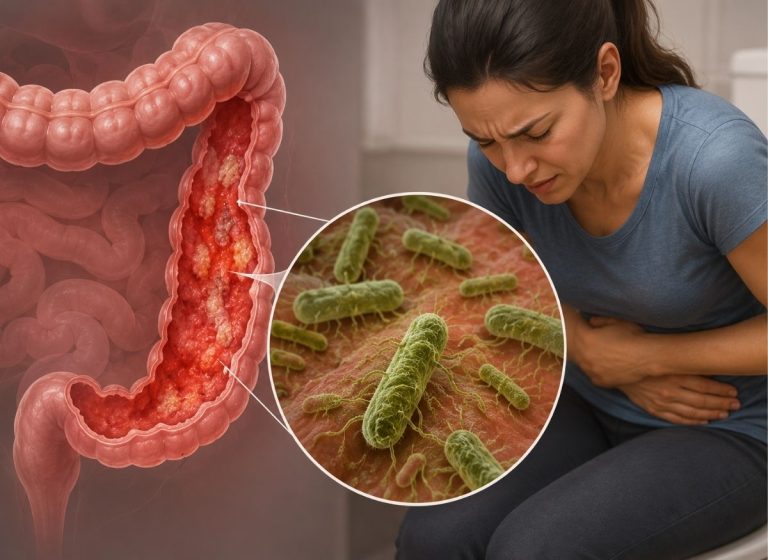
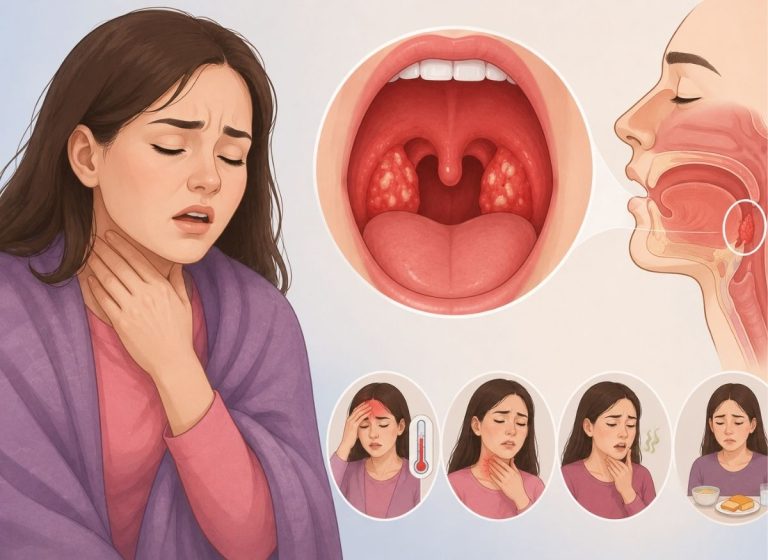
Pinworm symptoms can range from a very specific nighttime itch to more general problems such as poor sleep or abdominal discomfort. Some people may have only one symptom, while others notice several at the same time.
Intense Anal or Vaginal Itching (Pruritus Ani)
The most recognizable symptom of pinworms is intense itching around the anus, particularly at night.
The itching occurs because female worms travel out of the intestine and lay eggs on the skin surrounding the anus. Their movement and the presence of the eggs can irritate the sensitive skin and create a strong urge to scratch.
In some cases, pinworms may travel toward the vaginal area and cause irritation or itching there as well.
Insomnia and Irritability Due to Itching At Night
Nighttime itching can make it difficult to fall asleep or cause repeated awakenings. Over time, poor sleep may lead to daytime tiredness, irritability, difficulty concentrating, and changes in mood.
Children may become especially restless or cranky when the itching repeatedly interrupts their sleep. Parents may notice behavioral changes before the child clearly explains that something is bothering them.
Restless Sleep and Teeth Grinding (Bruxism)
Pinworm-related itching can cause restless sleep, with frequent movement, waking, or discomfort during the night.
Teeth grinding may sometimes be reported alongside parasitic infections, but the connection between pinworms and bruxism has not been firmly established. Teeth grinding alone should not be considered proof of a pinworm infection.
Intermittent Abdominal Pain or Nausea
Some people with pinworms experience mild abdominal discomfort, cramping, or nausea. These symptoms are usually not severe and may come and go.
However, stomach pain and nausea have many possible causes. They become more suggestive of pinworms when they occur alongside nighttime anal itching or visible worms.
Visible Pinworms In the Anal Region or On Stools
Actually seeing the worms can provide an important clue.
Adult pinworms are small, white, and thread-like. They may be noticed around the anus a few hours after a person falls asleep, when the female worms commonly come out to lay eggs. They may also occasionally be seen on underwear, pajamas, toilet paper, or the surface of stool.
Because the worms are small, they can easily be overlooked.
Loss of Appetite
Some people with a heavier infection may experience a reduced appetite. Abdominal discomfort, nausea, or the general irritation caused by the infection may make food less appealing.
Significant weight loss is not a typical feature of most pinworm infections. If appetite loss or unexplained weight loss continues, another underlying cause should also be considered.
Occasional Skin Irritation or Secondary Bacterial Infection From Scratching
Repeated scratching can damage the skin around the anus. This may cause redness, soreness, swelling, or small open areas.
Once the skin becomes broken, bacteria can enter and cause a secondary infection. Increasing redness, warmth, swelling, pain, pus, or fever should be evaluated by a healthcare professional.
Why is the Pinworm Itch Typically Worse at Night?
The nighttime itching is closely related to the pinworm’s life cycle.
After a person swallows pinworm eggs, they hatch in the digestive tract and eventually develop into adult worms in the large intestine. Female worms later move toward the anus, usually during the night, to deposit their eggs on the surrounding skin.
This activity can cause a noticeable crawling or itching sensation. The eggs and material used to attach them to the skin can add to the irritation.
Nighttime scratching also makes it easier for eggs to get onto a person’s fingers and underneath their fingernails. From there, the eggs can spread to bedding, clothing, bathroom surfaces, toys, and other objects or be accidentally swallowed again.
This is one of the main reasons pinworm infections can repeatedly circulate within a household.
Pinworm Infection Without Any Symptoms
Not everyone with a pinworm infection develops noticeable symptoms. Some people may have very few worms and experience little or no itching, stomach discomfort, or sleep disruption.
This can make the infection difficult to recognize. A person without symptoms can still carry and spread pinworm eggs to other people or surfaces.
Children in particular may have difficulty explaining nighttime itching or may simply scratch without mentioning the problem. Adults may also overlook mild symptoms or mistake them for another issue.
When pinworms are identified in one household member, other people living in the home may also need evaluation or treatment according to the advice of a healthcare professional. Good hygiene is especially important because eggs can easily move between people and household surfaces.
Causes of Pinworm Infection
Pinworm infection occurs when a person accidentally swallows microscopic eggs of Enterobius vermicularis. The eggs can spread through direct contact with an infected person or through contaminated objects and surfaces.
An infection is not necessarily a sign of poor hygiene. Pinworm eggs are tiny and can spread easily, especially in homes, schools, childcare settings, and other places where people are in close contact.
One common route is from scratching the anal area. Eggs can become trapped under the fingernails and then move to the mouth when a person touches their face or eats without washing their hands.
The eggs can also spread through contaminated bedding, underwear, pajamas, towels, toys, bathroom fixtures, and frequently touched surfaces. Someone who touches these items can pick up the eggs and later swallow them.
Careful handling of laundry is important because shaking contaminated bedding or clothing can spread eggs to nearby surfaces.
In some cases, a person can also become reinfected by transferring eggs from the skin back into the mouth. This is one reason thorough handwashing and keeping fingernails short are important parts of treatment.
Pinworm Infection Diagnosis
Pinworm infection is usually diagnosed by looking for the characteristic eggs or adult worms.
The most common diagnostic method is the tape test. It is generally performed in the morning, before bathing, using the toilet, or changing clothes. A piece of clear adhesive tape is pressed against the skin around the anus and then examined for pinworm eggs.
Because eggs may not be present every day, a healthcare provider may recommend repeating the test on several consecutive mornings.
In some cases, the infection can be identified by seeing the adult worms around the anus, particularly at night when female worms are laying eggs. They may also occasionally be noticed on underwear, pajamas, or toilet paper.
A stool test is generally less useful for diagnosing pinworms because the eggs are usually deposited around the anus rather than passed regularly in stool.
How to Manage Pinworms Effectively
Treatment for pinworms usually involves an anti-parasitic medication combined with careful hygiene. The medication targets the adult worms, while hygiene measures help remove eggs from the environment and reduce reinfection.
Treatment commonly involves a second dose about two weeks after the first. This is important because the initial medication does not reliably kill the eggs. The follow-up dose helps eliminate worms that may have developed after the first treatment.
Depending on the situation, healthcare professionals may recommend treating household members at the same time because pinworms can spread easily and some infected people have no symptoms.
Good hygiene should continue during treatment. Helpful measures include washing hands thoroughly, showering in the morning, keeping fingernails short, changing underwear and pajamas regularly, and washing bedding and towels frequently.
How to Prevent Pinworm from Reinfection
Preventing reinfection requires breaking the cycle between the infected person, their hands, and the surrounding environment.
A morning shower can help remove eggs deposited around the anus overnight. Changing into clean underwear afterward can also reduce the number of eggs that remain on clothing.
Bedding, towels, pajamas, and underwear should be washed regularly, preferably using hot water when appropriate for the fabric. Avoid shaking contaminated laundry because this may spread eggs into the surrounding environment.
Everyone in the household should wash their hands thoroughly with soap and water, especially after using the bathroom, changing diapers, and before preparing or eating food.
Keep fingernails short and discourage nail-biting or scratching around the anus. Frequently touched household surfaces, toys, and bathroom fixtures should also be cleaned regularly.
Following the treatment plan and maintaining these hygiene habits can significantly reduce the risk of the infection returning.
Potential Complications of a Severe or Untreated Pinworm Infection
Most pinworm infections are not dangerous, but persistent itching and repeated scratching can cause complications.
The most common problem is irritated or broken skin around the anus. Scratching can create small wounds that allow bacteria to enter, potentially leading to a secondary skin infection.
In some females, pinworms may move from the anal area toward the vagina and cause irritation or inflammation. Urinary or genital symptoms should be evaluated rather than automatically assumed to be caused by pinworms.
More serious complications are uncommon. Severe abdominal symptoms, persistent pain, fever, significant weight loss, or other unusual symptoms should be evaluated by a healthcare professional because they may indicate another condition or a rare complication.
The Differences Between Pinworm and Other Intestinal Worms
Pinworms have a distinctive symptom pattern that helps distinguish them from many other intestinal parasites.
The most characteristic feature is intense itching around the anus that becomes worse at night. This happens because female pinworms leave the intestine to lay eggs on the skin surrounding the anus.
Other intestinal worms can cause different symptoms.
Roundworms, such as Ascaris lumbricoides, may cause abdominal discomfort, nausea, vomiting, diarrhea, or other digestive symptoms. During part of their life cycle, the larvae can travel through the lungs and cause coughing or breathing symptoms.
Tapeworms may cause few or no symptoms. When symptoms occur, they can include abdominal discomfort, appetite changes, or weight loss. Passing worm segments that resemble small pieces of rice can be a noticeable clue.
Hookworms can cause abdominal symptoms and may contribute to iron-deficiency anemia because the parasites feed on blood. Fatigue and pale skin can occur when anemia becomes significant.
Because symptoms overlap between different infections, proper testing can help determine which parasite is responsible.
Effective Home Remedies for Treating Pinworm Infections
Many home remedies for pinworms are promoted online, including garlic, coconut oil, carrots, and various herbal preparations. However, there is not enough reliable clinical evidence to show that these foods or remedies can eliminate a pinworm infection.
Eating nutritious foods can support general health, but diet alone should not be relied upon to kill pinworms or their eggs.
The main challenge is that successful treatment requires breaking the entire life cycle. Adult worms need to be eliminated, while eggs must also be removed from hands, clothing, bedding, and household surfaces to reduce reinfection.
Using an appropriate anti-parasitic medication and following recommended hygiene measures is a more reliable approach. If you suspect a pinworm infection, a healthcare professional or pharmacist can advise you about appropriate treatment, particularly for young children, pregnant people, or anyone with other health conditions.
FAQs
1. What does pinworm poop look like?
Pinworm infection usually does not cause a noticeable change in the appearance of stool. Many people have normal-looking bowel movements and instead notice nighttime itching around the anus.
When visible, pinworms look like tiny white threads. They may sometimes be seen on the surface of stool, around the anus, on toilet paper, or on underwear.
Not every white or string-like substance in stool is a worm. Mucus, undigested food, and dietary fiber can sometimes look similar. Repeated nighttime itching or clearly visible moving worms makes pinworm infection more likely.
2. What foods do pinworms hate?
There is no particular food that has been proven to eliminate pinworms. Garlic, pumpkin seeds, coconut, carrots, and other foods are sometimes promoted as natural treatments, but they should not replace proven medical treatment.
A balanced diet can support general health, but medication and hygiene are more important for clearing the infection and preventing reinfection.
3. Can pinworms live in pillows?
Adult pinworms live in the intestine rather than inside pillows. However, their microscopic eggs can contaminate pillows, sheets, blankets, pajamas, towels, and other fabrics.
Bedding may therefore contribute to reinfection if eggs are transferred onto hands or clothing. Washing bedding and avoiding shaking contaminated sheets can help reduce the spread of eggs.
4. Does showering remove pinworm eggs?
A morning shower can help remove eggs from the skin around the anus. Because female worms commonly lay eggs during the night, washing in the morning can reduce the number of eggs that remain on the body.
Changing into clean underwear afterward is also helpful. During an active infection, showers may be preferable to baths because bathwater can potentially spread eggs to other areas of the body.
5. Will everyone in the house get pinworms?
Not necessarily, but household members are at increased risk because pinworm eggs spread easily through hands, clothing, bedding, towels, toys, and shared surfaces.
Some infected people have no symptoms, so it may not be obvious who has been exposed. When one person is diagnosed, healthcare professionals may recommend treatment or evaluation for other household members depending on the circumstances.
6. Can I sleep in the same bed as someone with pinworms?
Sharing a bed with someone who has an active pinworm infection can increase the chance of coming into contact with contaminated bedding or clothing.
If possible, separate sleeping arrangements during treatment may reduce exposure. Regardless of sleeping arrangements, frequent washing of bedding, daily changes of underwear and pajamas, careful handwashing, and short fingernails can help limit transmission.
7. How long are you contagious with pinworms?
A person can continue spreading pinworm eggs as long as the infection remains active and eggs are being transferred to hands, clothing, bedding, or surfaces.
The eggs can survive outside the body for a period of time, which is why reinfection can occur even after treatment. Following the recommended medication schedule and maintaining good hygiene helps break the cycle.
8. How to stop itching from pinworms immediately?
A morning shower can help remove eggs from the skin and may reduce irritation. A cool compress can provide temporary relief, while clean underwear and loose clothing may make the area more comfortable.
Try to avoid scratching because broken skin can become irritated or infected. Keeping fingernails short also reduces the chance of eggs becoming trapped underneath them.
The itching may continue until the infection is treated and the egg cycle is interrupted. Persistent or severe irritation should be discussed with a healthcare professional.
9. Is it okay to leave pinworms untreated?
Pinworms are usually not dangerous, but leaving an infection untreated can allow it to continue spreading and cause repeated reinfection.
Ongoing nighttime itching can interfere with sleep, while frequent scratching can damage the skin and occasionally lead to a secondary infection. Proper treatment combined with careful hygiene can help clear the infection and reduce household transmission.
Conclusion
Pinworm infection is common, treatable, and nothing to be embarrassed about. The most recognizable warning sign is intense itching around the anus at night, but restless sleep, irritability, abdominal discomfort, appetite changes, and visible white worms can also provide clues.
Because the microscopic eggs spread easily between hands, clothing, bedding, and household surfaces, reinfection can happen even after symptoms improve. Treating the infection as recommended and maintaining good hygiene can help break this cycle.
Morning showers, regular handwashing, short fingernails, clean underwear, frequent laundering of bedding, and appropriate treatment all play a role in preventing the infection from returning. If symptoms persist, worms are repeatedly visible, or the skin becomes painful or infected, medical advice can help determine the right next step.