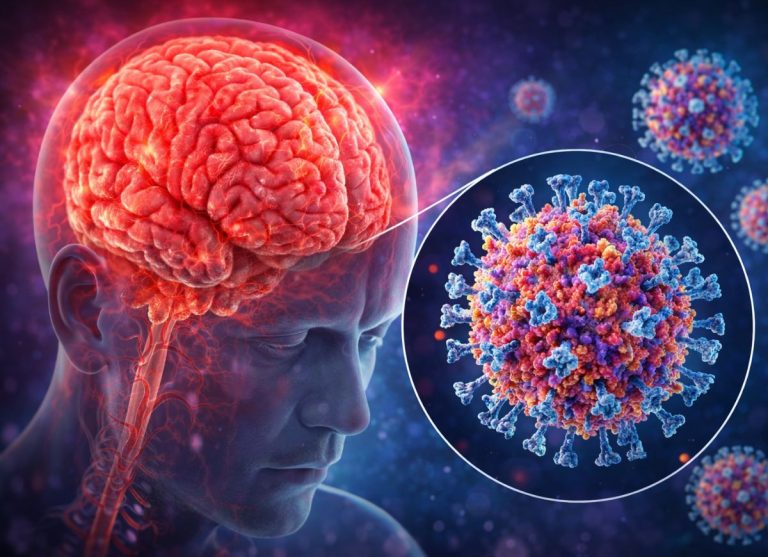

6 Symptoms That May Be Linked to Night Sweats and Their Meaning
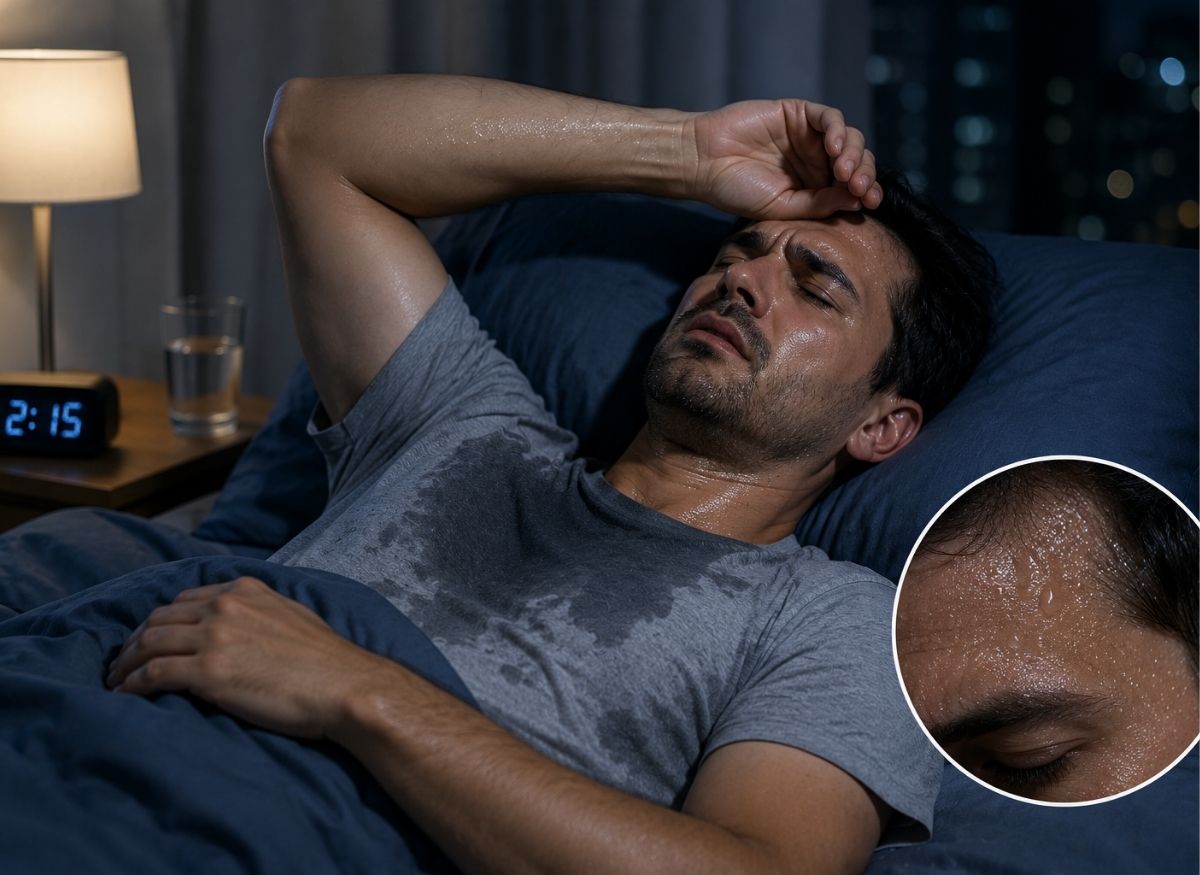
Waking up drenched in sweat can feel confusing, uncomfortable, and sometimes alarming, especially when it happens more than once. Sleeping in a warm room or under heavy blankets can certainly leave you feeling overheated, but true night sweats are different: they involve repeated episodes of excessive sweating that soak clothing or bedding, even when the room feels comfortable.
For some people, night sweats happen occasionally, linked to temporary issues like stress, spicy food, or a mild infection. For others, they become frequent enough to disrupt sleep and raise real questions about what the body might be signaling. Night sweats aren’t a condition on their own but a symptom that can connect to many different health concerns, hormonal shifts, infections, medication side effects, thyroid issues, anxiety, sleep disorders, and more.
When night sweats appear alongside things like unexplained weight loss, fever, fatigue, or swollen lymph nodes, that combination can offer important clues. Below, we cover six symptoms that may accompany night sweats and what they could mean.
What Are Night Sweats?
Night sweats, medically called sleep hyperhidrosis, involve repeated episodes of extreme perspiration intense enough to leave you waking up drenched. The defining feature is intensity: while ordinary sweating might leave you feeling clammy, a true episode soaks through pajamas and bedsheets.
What’s Actually Happening Internally
True night sweats stem from an internal mismatch in the body’s temperature regulation system, controlled by the hypothalamus. Normally, body temperature drops slightly during deep sleep. But when an internal trigger, a hormonal surge, infection, or medication reaction, comes into play, the hypothalamus can mistakenly perceive the body as overheating, triggering a major cooling response. This is why some people wake up feeling both cold and sweaty: the sweat rapidly evaporates to cool the skin, even while an internal fever or hormonal surge is still underway.
Common Causes
- Hormonal fluctuations, especially during perimenopause, pregnancy, or the postpartum period, as estrogen and progesterone levels rebalance
- Infections, where the body uses fever and subsequent sweating to fight off illness, as with the flu
- Lifestyle triggers, like alcohol, caffeine, or spicy food close to bedtime, which can dilate blood vessels or stimulate the nervous system
- Medications, including certain antidepressants, diabetes medications (which can cause nighttime low blood sugar), and hormone therapies
Night sweats become more concerning when persistent or paired with what doctors call “B symptoms”: persistent fever, unexplained weight loss, and drenching sweats multiple times a week. Combined with swollen lymph nodes or localized pain, this pattern can point toward more serious conditions like lymphoma or a chronic infection.
True Night Sweats vs. Regular Nighttime Sweating
Telling these apart starts with recognizing whether your body is reacting to its environment or an internal trigger.
Environmental vs. internal cause. Regular sweating is a straightforward response to heat, a warm room or heavy blankets. A true night sweat happens even in a cool room, because an internal factor has tricked the hypothalamus into thinking the body’s core temperature is too high.
Intensity. With regular sweating, you might feel damp around the neck or chest, easily solved by removing a layer or flipping the pillow. With true night sweats, pajamas and sheets become physically wet, often requiring a full change of clothes and bedding.
Consistency. Environmental sweating is situational, tied to a hot night or a broken AC. True night sweats tend to be persistent, occurring multiple times a week regardless of season, and often come with the paradoxical experience of feeling cold and sweaty at once as the sweat evaporates while an internal fever or hormonal surge continues.
Causes Beyond Room Temperature
Since a truly hot room can’t be the sole explanation for a clinical night sweat, when the environment is ruled out, the underlying cause is internal.
Hormonal fluctuations are a leading cause in women, from perimenopause-related drops in estrogen to postpartum sweating as the body sheds excess pregnancy fluid.
Infections, beyond the common flu, chronic infections like tuberculosis or endocarditis (a heart valve infection) are classic causes.
Malignancy, particularly lymphoma, is notorious for causing drenching night sweats as the body reacts to cytokines produced by cancer cells.
Medications, including antidepressants, diabetes medications (via low blood sugar), and hormone-blocking drugs, are frequently the hidden cause behind nighttime sweating.
6 Symptoms Worth Paying Attention To
Recognizing when night sweats shift from a minor sleep disturbance to something worth investigating matters for timely care. While many causes are benign, certain accompanying symptoms suggest the body is dealing with a significant metabolic or inflammatory burden.
1. Unexplained weight loss. Losing more than 5% of body weight without changes in diet or exercise suggests a hypermetabolic state, where the body is burning through its own energy reserves to fight an internal issue.
2. Persistent fever. A low-grade fever (around 100.4°F) combined with drenching sweats and weight loss forms what’s known clinically as the “B symptoms” triad, a term originating from lymphoma staging, where these systemic signs often point to a more advanced disease process.
3. Swollen lymph nodes. Firm, painless, persistent swelling in the neck, armpits, or groin, especially alongside night sweats, is a hallmark of conditions like leukemia or lymphoma and warrants evaluation.
4. Localized pain. Deep bone pain or chest pressure alongside night sweats can indicate an infection like endocarditis, or in some cases, cancer that has spread to the bone.
5. Chronic fatigue. A profound exhaustion that rest doesn’t resolve, different from ordinary post-poor-sleep tiredness, can signal that the immune system is expending enormous energy fighting a chronic infection like tuberculosis, or reflect the intense hormonal shifts of pregnancy and postpartum recovery.
6. Recurrence regardless of environment or cycle. Night sweats that happen almost every night, independent of room temperature or (for women) the menstrual cycle, and that don’t respond to simple environmental fixes, suggest an internal rather than external cause.
Underlying Causes of Concerning Night Sweats
Chronic infections. Infections release substances called pyrogens that trigger fever. Tuberculosis is a classic example known for causing drenching sweats. Endocarditis (heart valve infection) and osteomyelitis (bone infection) create ongoing inflammation that causes wild temperature swings during sleep. Advanced HIV/AIDS can produce similar patterns as the body fights off opportunistic infections.
Malignancy. Night sweats are a hallmark of blood and lymphatic cancers. Lymphoma is most notably associated with this symptom, especially alongside the B symptoms triad, since cancer cells release cytokines that directly interfere with the hypothalamus. Leukemia can cause similar sweating due to rapid, abnormal white blood cell growth and the resulting systemic inflammation.
Hormonal and endocrine issues. An overactive thyroid (hyperthyroidism) speeds up the entire metabolic rate, causing heat intolerance and drenching sweats as the body works to dissipate excess heat. Rarer causes include pheochromocytoma (an adrenal gland tumor releasing adrenaline-like chemicals) and carcinoid syndrome (tumors releasing serotonin, causing flushing and sweating).
Menopause vs. Something More Serious
Menopausal night sweats stem from declining estrogen levels affecting the hypothalamus, typically accompanied by daytime hot flashes and gradual, expected changes over time. Cancer-related sweats tend to be more relentless and progressive, occurring almost nightly regardless of hormonal cycle, and are nearly always accompanied by the B symptoms of rapid weight loss and persistent fever.
How Doctors Diagnose the Cause
Diagnosis starts with a detailed history, exploring whether someone is truly waking up drenched or just feeling a bit clammy, and whether B symptoms like fever or weight loss are present.
Physical exam. A doctor checks the neck, armpits, and groin for swollen lymph nodes (a possible sign of lymphoma or leukemia) and listens to the heart and lungs, since a new heart murmur might suggest endocarditis.
Blood tests.
- A complete blood count can reveal elevated white blood cells (suggesting infection) or abnormal cell types (suggesting blood cancer)
- FSH and estrogen levels can confirm whether perimenopause is the cause
- Thyroid-stimulating hormone (TSH) can rule out hyperthyroidism
- Inflammatory markers like CRP or ESR can confirm the immune system is actively fighting something, without naming a specific cause
- Blood glucose testing can rule out nighttime low blood sugar, a common but often overlooked cause in people with diabetes
Imaging. If blood work and physical exam are inconclusive, a chest X-ray can screen for tuberculosis or enlarged lymph nodes in the chest. A CT scan of the chest, abdomen, and pelvis can identify deeper tumors or abscesses not detectable by physical exam alone.
Primary vs. Secondary Hyperhidrosis
These are fundamentally different conditions worth telling apart.
Primary focal hyperhidrosis occurs without any external trigger or underlying disease, essentially an overactive nerve response controlling sweat glands, often centered on the palms, feet, or underarms. It typically starts in childhood or puberty, has a genetic component, and, notably, almost always happens during the day and stops when the person falls asleep. It’s driven by nerve activity or emotional stress, not systemic illness.
Secondary hyperhidrosis results from an underlying medical factor, infection, malignancy, or hormonal changes, and tends to be generalized rather than localized, affecting the whole body rather than just the palms or feet. Crucially, it occurs during sleep, and often comes paired with B symptoms like fever or weight loss, distinguishing it from the isolated nature of primary hyperhidrosis.
How Lifestyle Choices Contribute
Everyday habits are common, often-overlooked causes of night sweats, working by triggering the body’s internal temperature-control mechanisms.
Alcohol is a potent vasodilator, widening blood vessels near the skin’s surface and creating a false sense of warmth that the brain interprets as overheating, triggering a cooling response. Alcohol also disrupts the nervous system’s ability to regulate temperature during deep sleep, which is why some people experience a cold-and-sweaty cycle as it’s metabolized overnight.
Spicy food contains capsaicin, which binds to heat-sensing nerve receptors and can cause sweating that persists well after a meal, especially if eaten close to bedtime.
Caffeine, as a stimulant, raises heart rate and metabolic speed, generating internal heat that prompts the hypothalamus to trigger sweating to keep the body’s core temperature stable.
Hot food or drinks before bed can directly raise core temperature just as the body is naturally trying to cool down for sleep.
These triggers typically have a lead time of four to six hours, so noticing a pattern, sweating specifically on nights following a heavy or spicy meal, or drinking, can help identify lifestyle as the primary driver.
Frequently Asked Questions
What exactly are night sweats?
Repeated episodes of excessive sweating during sleep intense enough to soak pajamas or bedding, even in a comfortable room. They’re not a disease themselves, but a symptom linked to many possible causes, hormonal changes, infections, medications, anxiety, thyroid conditions, and sleep disorders among them.
Are night sweats always a sign of something serious?
Not necessarily. Many cases are linked to manageable or temporary factors like menopause, stress, certain medications, spicy food, or an overly warm bedroom. But frequent night sweats, or ones accompanied by fever, unexplained weight loss, fatigue, or swollen lymph nodes, are worth discussing with a doctor.
What medications can cause night sweats?
Antidepressants are among the most commonly linked, but some fever reducers, hormone therapies, diabetes medications, and steroids can also play a role, generally by affecting temperature regulation or hormone levels. If night sweats start shortly after beginning a new medication, it’s worth discussing with a doctor rather than stopping treatment independently.
When should I see a doctor?
If night sweats happen regularly, interfere with sleep, or come with fever, unexplained weight loss, chest pain, swollen glands, or severe fatigue. Persistent sweating with no obvious cause, especially if it’s worsening, deserves evaluation.
Can anxiety or stress cause night sweats?
Yes, stress hormones can activate the body’s fight-or-flight response, raising body temperature and triggering sweating even during sleep. This is often accompanied by racing thoughts, vivid dreams, or disrupted sleep. Stress-related sweating is usually manageable, but ongoing symptoms are still worth monitoring to rule out another cause.
The Bottom Line
Night sweats can be frustrating and occasionally concerning, particularly when they happen often or come with symptoms that seem unusual. Occasional sweating during sleep may not signal anything serious, but recurring night sweats paired with fatigue, fever, unexplained weight changes, swollen glands, or ongoing discomfort deserve closer attention. The reassuring part is that many underlying causes are treatable once identified, sometimes the explanation is as simple as stress, medication, or hormonal shifts, while other cases may call for testing to understand what’s happening. Paying attention early can make it easier to find answers before symptoms become more disruptive over time.