
Homemade Charcoal Soap for Clean, Fresh-Looking Skin
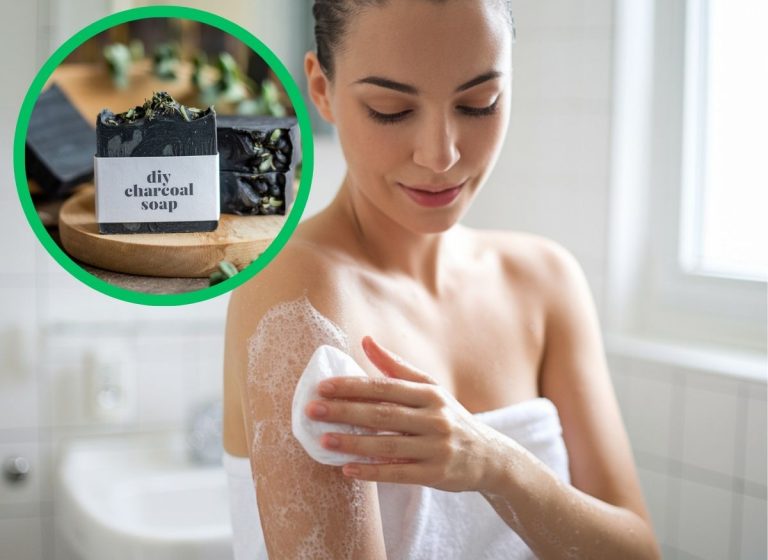
Ever wanted a skincare routine that leaves your skin feeling fresh and clean without spending a lot? DIY charcoal soap might be worth adding to the mix.
This soap offers a natural way to cleanse skin, pull out impurities, and support a healthier-looking glow. Whether you deal with acne, oily skin, or just want a refreshing addition to your routine, activated charcoal has something to offer.
Here’s why charcoal soap has become such a popular pick, and how to make your own bar at home.
Why DIY Charcoal Soap Deserves a Spot in Your Routine
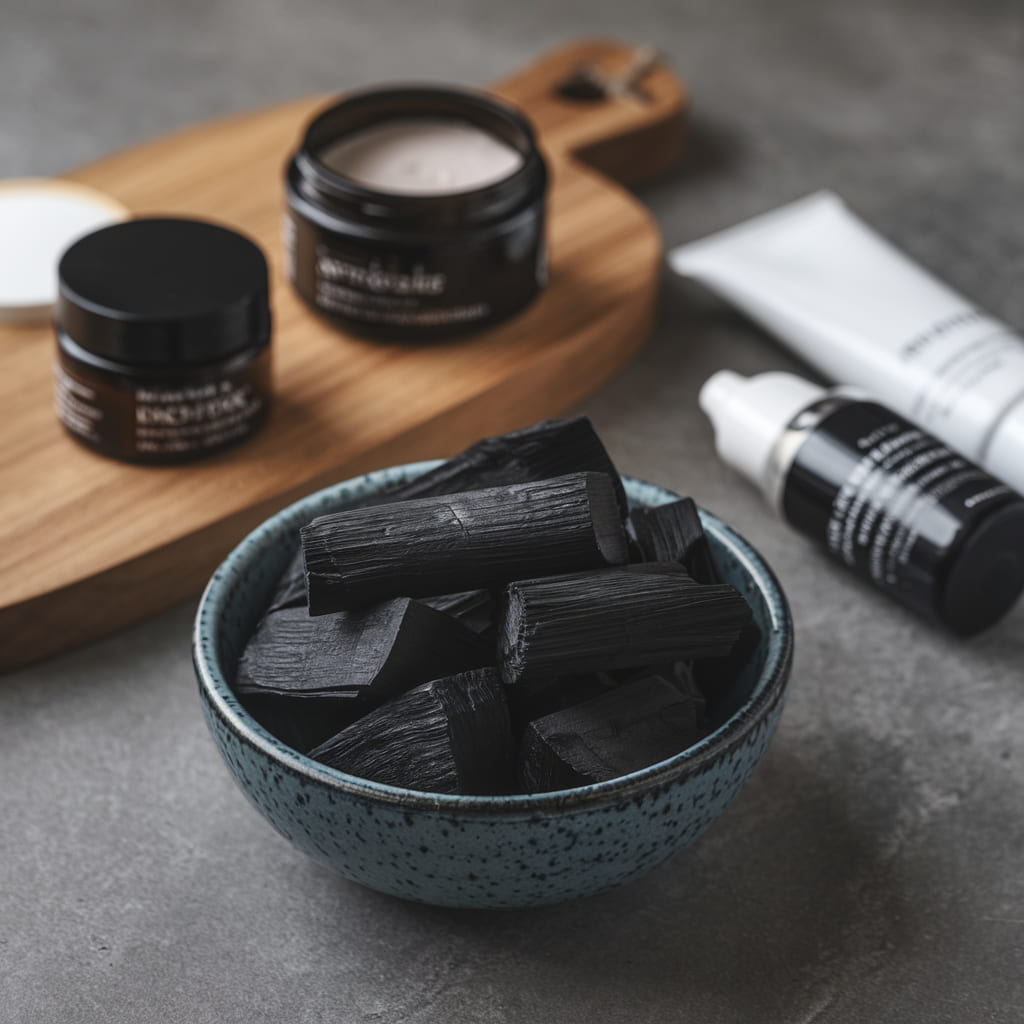
Activated charcoal isn’t just for purifying water, it also does real work on skin. It acts almost like a magnet, drawing dirt, oil, and impurities out from deep within pores.
Unlike some harsher commercial soaps that strip natural oils away, DIY charcoal soap cleanses gently while helping maintain moisture balance. With regular use, it can help minimize the look of blackheads, manage excess oil, and support a more even skin tone.
It’s a solid option for acne-prone or sensitive skin, and making it yourself means you can customize the formula with ingredients like essential oils, honey, or shea butter for extra benefit.
The Skincare Benefits of DIY Charcoal Soap
- Deep cleansing and detox. Charcoal binds to toxins, dirt, and excess oil, pulling them away from skin. This helps unclog pores and can reduce breakouts, leaving skin feeling refreshed.
- Helps with acne and blemishes. Charcoal soap may help combat acne-causing bacteria while calming inflammation, particularly useful for oily or combination skin where it helps regulate oil production and keep pores clearer.
- Balances oily skin. For a shiny T-zone, charcoal soap absorbs excess oil without over-drying skin, helping strike a better balance between hydration and shine control.
- Gentle exfoliation. Many DIY charcoal soap recipes include mild exfoliants like ground oats or sea salt, helping remove dead skin cells for a smoother finish.
- Helps with odor and irritation. Charcoal’s natural antibacterial properties make it useful for neutralizing body odor and soothing irritated skin, including for those prone to eczema, psoriasis, or rashes.
How to Make DIY Charcoal Soap at Home
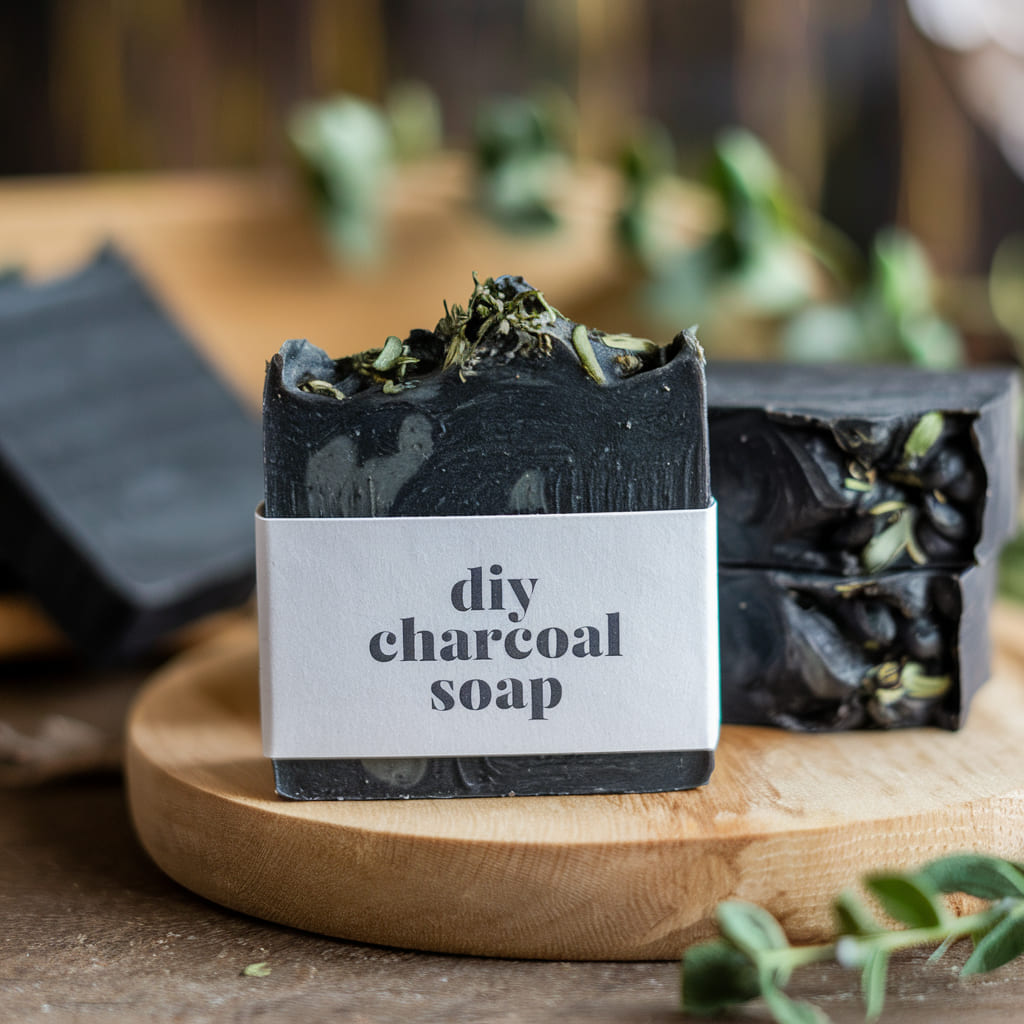
Making your own charcoal soap is simpler than it sounds. Here’s a straightforward recipe to start with.
Ingredients:
- 1 lb melt-and-pour soap base (goat’s milk, shea butter, or glycerin)
- 1 tbsp activated charcoal powder
- 1 tsp coconut oil (for added moisture)
- 10 drops tea tree or lavender essential oil (optional, for fragrance and extra antibacterial benefit)
- 1 tsp bentonite clay (boosts detoxifying effect)
- Silicone soap molds
Instructions:
- Cut the soap base into small cubes and melt using a double boiler or microwave, stirring every 30 seconds until fully melted.
- Stir in the activated charcoal, coconut oil, essential oils, and bentonite clay until well combined.
- Pour the mixture into silicone molds and let set for 24 hours.
- Once hardened, remove from the molds and let cure for a few days before using.
The result is a homemade soap free of harsh chemicals and tailored to your skin’s specific needs.
How to Use DIY Charcoal Soap for Best Results
For facial cleansing. Lather the soap in your hands and apply to damp skin using circular motions. Rinse with warm water and follow with a moisturizer.
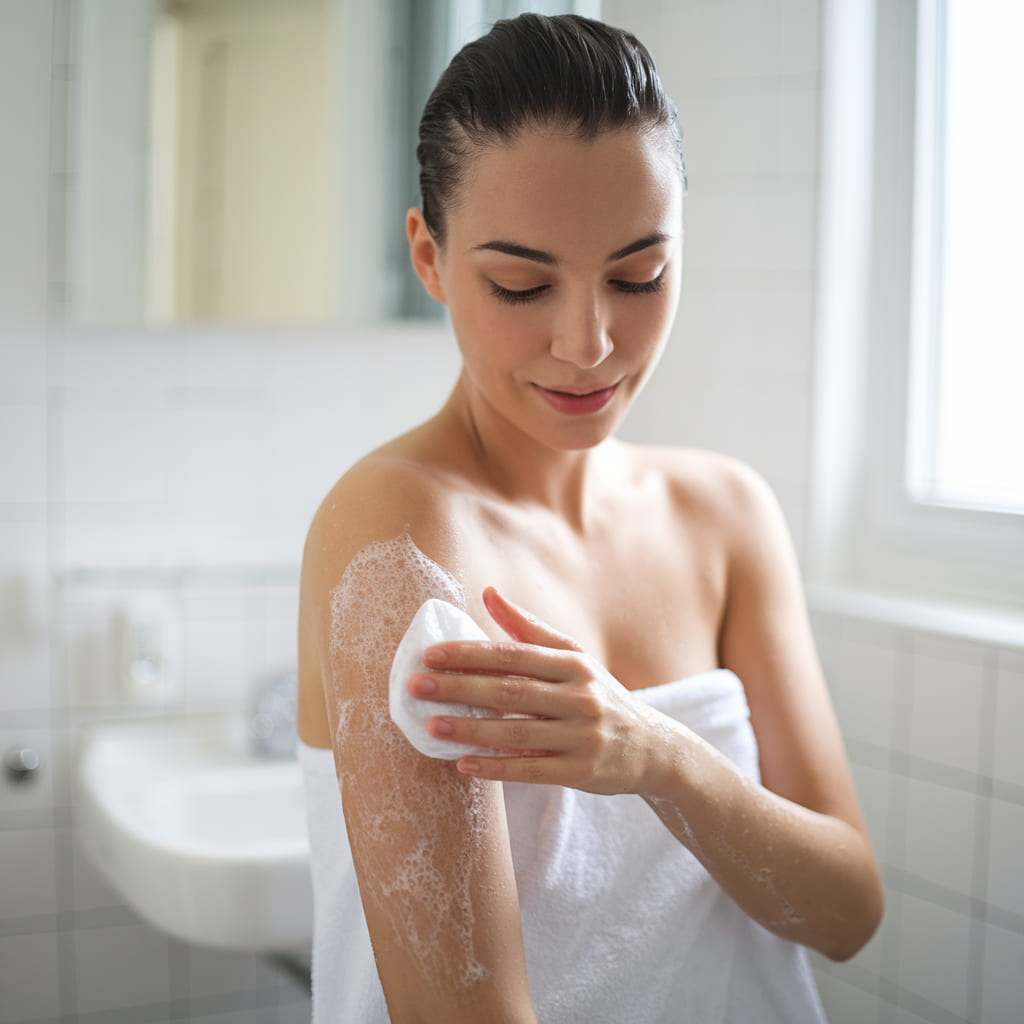
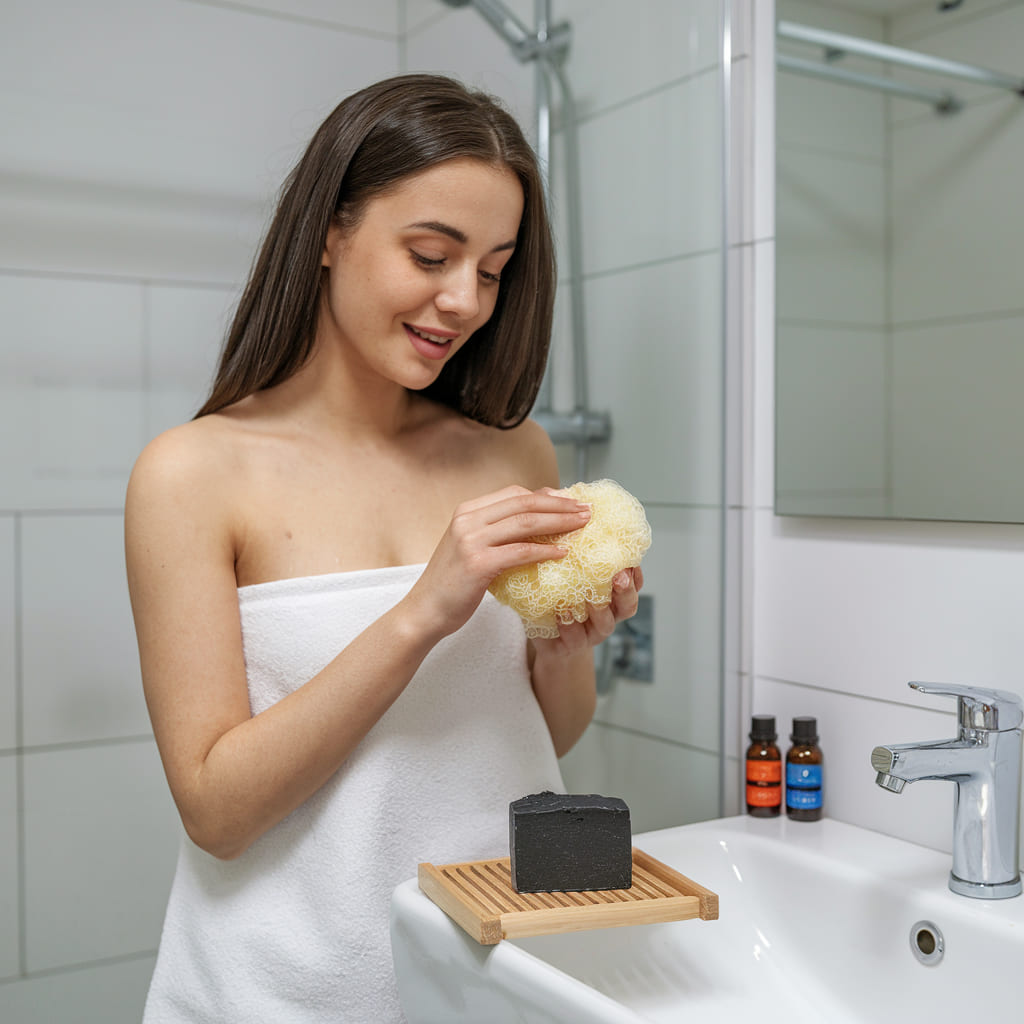
- As a body wash. Work the soap into a rich lather with a loofah or sponge before applying to skin.
- As a spot treatment. Leave a bit of lather on a breakout for a minute before rinsing for extra detoxifying effect.
- For deeper exfoliation. Choose a recipe that includes added exfoliants like oats or sea salt for extra texture.
Disclaimer :
This article is for informational purposes only and does not constitute medical advice. If you have sensitive skin, allergies, or any skin conditions, consult a dermatologist before using charcoal soap. Always patch test before trying any new skincare product.
DIY charcoal soap is a simple, natural way to work toward clearer, healthier-looking skin. It’s worth giving a try to see how activated charcoal works for your skin specifically.