10 Symptoms of Kidney Cancer You Should Watch Out For
Cancer is a word that can immediately bring feelings of fear and uncertainty. Receiving a cancer diagnosis can be overwhelming, and among the many forms of the disease, kidney cancer can be particularly difficult to recognize because it often develops without obvious symptoms in its early stages. It can remain hidden until the disease becomes more advanced, making awareness especially important. In the United States, the American Cancer Society estimates that approximately 79,000 people will be diagnosed with kidney cancer this year. As these numbers continue to increase, understanding the condition and recognizing potential warning signs becomes increasingly important.
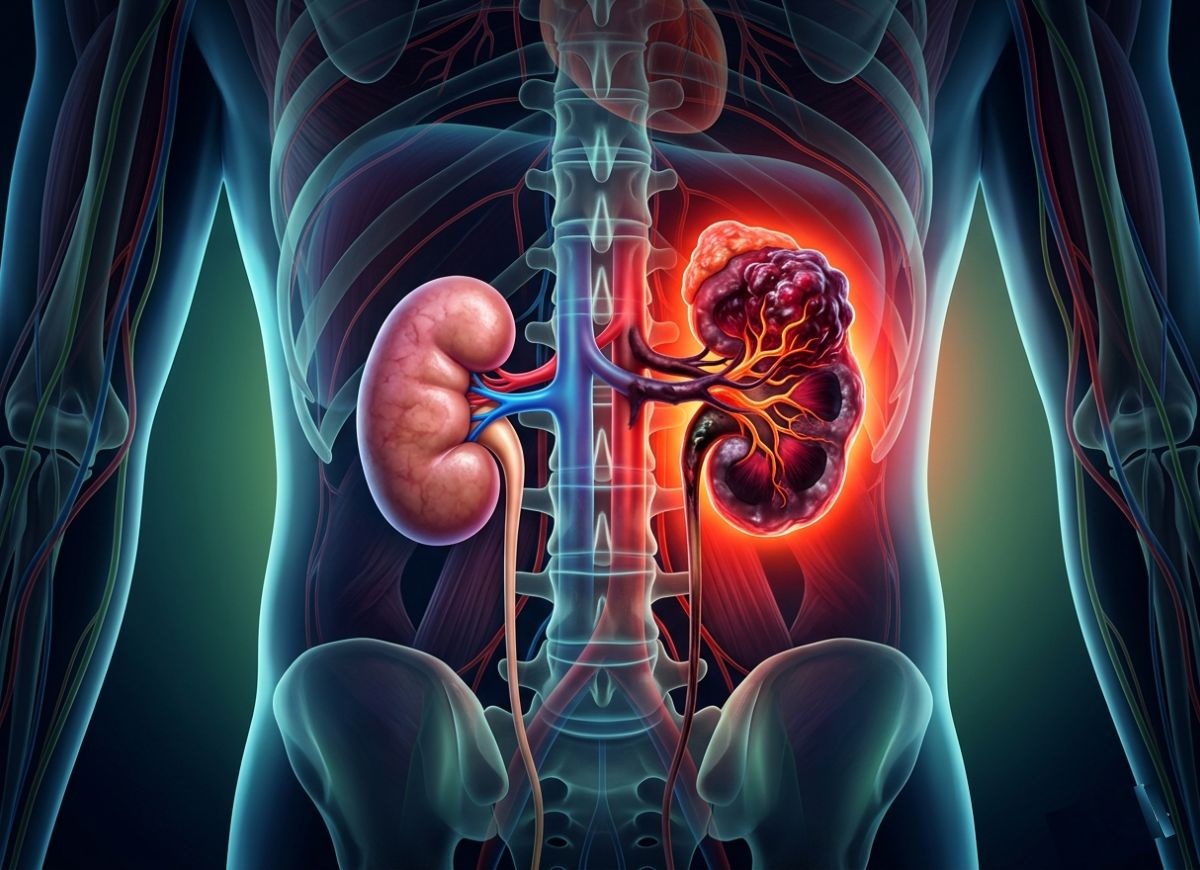
Kidney cancer develops when abnormal cells begin growing uncontrollably in one or both kidneys. In many cases, the disease progresses quietly, and its initial symptoms may be so vague that they are easily mistaken for other health problems. Many people do not notice clear warning signs until the cancer has grown or spread, which can make treatment more complicated. Knowing the possible symptoms and understanding personal risk factors can therefore encourage people to seek medical attention sooner.
Although a kidney cancer diagnosis can be frightening, recognizing possible warning signs can make a meaningful difference. Paying attention to unusual changes, discussing concerns with a healthcare professional, and undergoing appropriate testing can help identify problems earlier. Like many other cancers, kidney cancer is generally easier to treat when it is discovered at an earlier stage. Below are 10 symptoms that may occur with kidney cancer. Some may appear mild or unrelated at first, but they can sometimes indicate a more serious underlying condition.
10 Symptoms of Kidney Cancer
Blood in the Urine (Hematuria)
Blood appearing in the urine is one of the most recognized signs associated with kidney cancer. It may be obvious, causing the urine to look pink, red, or dark brown or cola-colored. This is known as gross hematuria. In other situations, the amount of blood may be too small to see and can only be identified through microscopic examination during a urine test, known as microscopic hematuria.
Bleeding may occur when a kidney tumor affects blood vessels or grows into the urinary system. Although blood in the urine can have many possible causes besides cancer, it should always be evaluated by a healthcare professional.
Persistent Lower Back or Side Pain
Ongoing discomfort in the lower back or flank may sometimes be associated with kidney cancer. The flank is the area between the lower ribs and hips, and the discomfort may occur primarily on one side.
As a tumor becomes larger, it can place pressure on nearby tissues, nerves, or organs, producing a dull or aching sensation. Unlike ordinary muscle pain, this discomfort may continue despite rest and may not have an obvious physical cause.
A Lump or Mass on the Side or Lower Back
In some cases, a kidney tumor can become large enough to create a noticeable lump or swelling in the abdomen, side, or back. A healthcare professional may detect such a mass during a physical examination, although some people may notice it themselves.
A palpable mass is not always present with kidney cancer, and when it does occur, it may indicate that the tumor has grown considerably.
Loss of Appetite
A reduced appetite can occur with many illnesses, including cancer. People with kidney cancer may experience a noticeable decline in their desire to eat.
Several factors may contribute to this change, including the body’s response to the cancer, metabolic alterations, discomfort, or the general effects of illness. Persistent appetite loss should be discussed with a healthcare professional, particularly when it occurs alongside other unexplained symptoms.
Unexplained Weight Loss
Losing a substantial amount of weight without intentionally changing your diet or exercise habits can be an important warning sign. Unintentional weight loss may occur because cancer can alter the body’s metabolism and increase its energy demands.
Significant weight loss may also involve the loss of muscle and fat tissue. Although unexplained weight loss does not automatically indicate cancer, persistent or substantial changes should be medically evaluated.
Persistent Fatigue
Extreme or ongoing tiredness that does not improve even after sufficient sleep can occur in people with kidney cancer. This type of fatigue can be more intense than ordinary tiredness and may interfere with everyday activities.
Several factors may contribute to fatigue, including anemia, the body’s response to cancer, changes in metabolism, and the energy demands associated with the disease.
Fever Not Caused by an Infection
Repeated or unexplained fever can sometimes occur in people with kidney cancer. When a fever is not associated with an obvious infection such as the flu or another illness, further evaluation may be necessary.
Some kidney cancers can produce substances that affect normal body processes and contribute to fever. These effects are sometimes described as paraneoplastic syndromes.
Anemia (Low Red Blood Cell Count)
The kidneys produce erythropoietin, or EPO, a hormone that helps the bone marrow produce red blood cells. Problems involving the kidneys can interfere with this process and contribute to anemia.
Anemia can cause symptoms such as tiredness, weakness, dizziness, pale skin, and shortness of breath. Blood tests can help identify whether a person has a low red blood cell count.
Swelling in the Legs and Ankles (Edema)
Swelling in the lower legs or ankles can occur when a large kidney tumor places pressure on major blood vessels. One of these vessels is the inferior vena cava, which carries blood from the lower body toward the heart.
When blood flow is restricted, fluid can accumulate in the tissues of the legs and ankles, resulting in visible swelling. Edema can have many causes, so persistent swelling should be assessed by a healthcare professional.
High Blood Pressure (Hypertension)
The kidneys are closely involved in regulating blood pressure. A kidney tumor can interfere with normal kidney function or affect hormone pathways involved in blood pressure regulation.
As a result, some people may develop high blood pressure or find that existing hypertension becomes more difficult to control. Kidney tumors may also influence hormones such as renin, which can contribute to elevated blood pressure.
Early Warning Signs of Kidney Cancer
One of the most difficult aspects of kidney cancer is that early tumors frequently cause few or no noticeable symptoms. For this reason, some kidney cancers are discovered unexpectedly when imaging is performed for an unrelated medical concern.
When symptoms do occur, blood in the urine and persistent discomfort in the flank or lower back are among the signs that may raise concern. The traditional combination of hematuria, flank pain, and a palpable abdominal mass is now uncommon and is generally associated with more advanced disease.
During the early stages, a kidney tumor may remain small and contained within the kidney. Because it has not yet grown large enough to press against nearby structures, it may not cause noticeable pain or other physical changes.
However, a tumor can sometimes affect the urinary system and cause bleeding, resulting in either microscopic or visible blood in the urine. For this reason, blood in the urine should never simply be dismissed. Likewise, persistent one-sided back or flank discomfort without an obvious explanation deserves medical attention.
Because these symptoms may be mild, occasional, or similar to symptoms caused by less serious conditions, people can easily overlook them. Paying attention to persistent changes and seeking appropriate medical evaluation can help identify kidney problems at an earlier stage, when treatment may be more effective.
What is Kidney Cancer?
Kidney cancer develops when cells in one or both kidneys become abnormal and begin multiplying uncontrollably. Normally, cells follow a regulated process in which they grow, divide, and eventually die when they are no longer needed. Cancer disrupts this process, allowing abnormal cells to accumulate and form a tumor.
The kidneys contain millions of microscopic filtering structures known as nephrons. Many kidney cancers begin in the lining of the small tubes associated with these filtering units.
As a kidney tumor develops, it can interfere with the kidneys’ normal responsibilities, including filtering waste from the blood, maintaining fluid and electrolyte balance, regulating blood pressure, and producing hormones such as erythropoietin. If cancer cells break away from the original tumor and travel through the bloodstream or lymphatic system to other areas, they can establish tumors elsewhere in the body. This process is called metastasis.
The word “renal” simply refers to the kidneys, so renal cancer is another term commonly used when discussing cancers involving the kidneys.
The Main Types of Kidney Cancer
Kidney cancers are classified according to the characteristics of their cells when examined under a microscope. The most common category in adults is Renal Cell Carcinoma (RCC), which represents the majority of kidney cancer cases.
Firstly, Renal Cell Carcinoma (RCC) is the most common form of kidney cancer in adults. RCC includes several different subtypes, each with its own characteristics:
– Clear Cell RCC (ccRCC): This is the most common RCC subtype and represents roughly 75–80% of RCC cases. Under a microscope, the cells often have a pale or clear appearance. It can be an aggressive form of kidney cancer but may respond to targeted treatments and immunotherapy.
– Papillary RCC (pRCC): This subtype accounts for approximately 10–15% of RCC cases. It is identified by characteristic finger-like structures called papillae. Papillary RCC includes different subtypes, and their behavior can vary.
– Chromophobe RCC (chRCC): Making up around 5% of RCC cases, chromophobe RCC has distinctive cellular characteristics. It generally has a more favorable outlook than some other forms of RCC and is less likely to spread than clear cell RCC.
Next, Transitional Cell Carcinoma (TCC), also called Urothelial Carcinoma, develops in the renal pelvis, the portion of the kidney where urine collects before traveling toward the bladder. These cells resemble those lining the bladder, so urothelial cancers of the renal pelvis are generally treated more similarly to bladder cancer than to RCC.
Finally, Wilms’ Tumor (Nephroblastoma) is the most common kidney cancer in children. It is uncommon in adults. Wilms’ tumor is associated with abnormal development of kidney tissue and, with appropriate treatment, many children have successful outcomes.
Causes and Risk Factors for Kidney Cancer
The exact reason most kidney cancers develop is not always known. However, researchers have identified several factors that can increase the likelihood of developing the disease. These include certain lifestyle factors, medical conditions, environmental exposures, and inherited genetic changes.
The first major risk factor is smoking. Tobacco use is one of the established preventable risk factors for kidney cancer. Chemicals from cigarette smoke enter the bloodstream and are filtered through the kidneys, where they can contribute to cellular damage. The risk generally increases with greater and longer exposure and can decline after quitting.
Another important factor is being overweight or obese, particularly in relation to renal cell carcinoma. Excess body fat can influence hormones and promote chronic inflammation, processes that may contribute to cancer development.
High blood pressure has also been associated with an increased risk of kidney cancer. The precise relationship is not completely understood, but long-term hypertension can damage kidney blood vessels and structures and may contribute to disease development.
People with advanced kidney disease who require long-term dialysis may also have an increased risk of kidney cancer. Chronic kidney failure and the development of acquired kidney cysts during long-term dialysis may contribute to this increased risk.
Family history can also play a role. Having a close relative, such as a parent, sibling, or child, with kidney cancer can increase an individual’s risk. Although most kidney cancers are not inherited, a small proportion are associated with specific genetic syndromes, including:
– Von Hippel-Lindau (VHL) disease: An inherited condition strongly associated with clear cell RCC.
– Hereditary papillary renal cell carcinoma (HPRCC): A genetic condition that increases the risk of developing papillary RCC.
– Birt-Hogg-Dubé (BHD) syndrome: An inherited disorder associated with an increased risk of certain kidney tumors, including chromophobe RCC and oncocytomas.
Certain occupational or environmental exposures may also contribute to kidney cancer risk. Long-term exposure to substances such as cadmium and certain industrial chemicals has been associated with an increased risk.
Having one or more of these risk factors does not mean that a person will definitely develop kidney cancer. Likewise, kidney cancer can occur in people who have no obvious risk factors. Understanding these associations can nevertheless help people make informed lifestyle choices and discuss appropriate monitoring with their healthcare providers when necessary.
Kidney Cancer Diagnosis
Diagnosing kidney cancer generally involves several steps. The process may begin after symptoms such as blood in the urine occur, or after a kidney mass is unexpectedly discovered during imaging for another medical condition.
A doctor may begin by reviewing the person’s medical history and performing a physical examination. Questions may cover smoking history, blood pressure, family history, previous medical conditions, and other possible risk factors.
A urinalysis may be performed to look for microscopic blood or other abnormalities in the urine. Blood tests can also provide useful information by measuring kidney function and checking for abnormalities such as anemia or elevated calcium levels.
Medical imaging plays a central role in evaluating a suspected kidney tumor.
Computed Tomography (CT) scans are commonly used because they provide detailed images of the kidneys and surrounding tissues. A CT scan can help doctors determine the size, position, and characteristics of a kidney mass. A CT urogram may use contrast material to provide additional information about the urinary system.
Magnetic Resonance Imaging (MRI) can also be used when additional detail is needed. It may be particularly useful when doctors need to evaluate whether a tumor has extended into nearby blood vessels or when certain CT contrast agents are unsuitable.
Ultrasound uses sound waves to create images of the kidneys. It can help distinguish fluid-filled cysts from solid masses and may be used as an initial imaging examination.
In some situations, doctors may recommend a biopsy. During a biopsy, a needle is used to remove a small tissue sample from the suspicious area. A pathologist then examines the sample under a microscope to determine whether cancer cells are present.
However, not every kidney mass requires a biopsy before treatment. Depending on the imaging findings and clinical circumstances, doctors may sometimes make treatment decisions based primarily on imaging.
Different Stages of Kidney Cancer
After kidney cancer has been diagnosed, determining its stage is an important part of planning treatment. Staging describes how large the primary tumor is and whether the cancer has spread to nearby lymph nodes or distant parts of the body.
Doctors commonly use the TNM staging system, which considers the primary tumor, lymph nodes, and metastasis. Kidney cancer is generally grouped into four broad stages.
Stage I: The tumor is 7 centimeters or smaller and remains confined to the kidney. There is no evidence that it has spread to lymph nodes or distant organs. Treatment often involves surgery to remove the tumor while preserving as much kidney tissue as possible when appropriate, or removal of the kidney in some cases.
Stage II: The tumor is larger than 7 centimeters but remains contained within the kidney. It has not spread to nearby lymph nodes or distant organs. The larger tumor size can influence treatment decisions.
Stage III: At this stage, the cancer has extended beyond the kidney but has not spread to distant organs. It may have grown into major veins, nearby tissues, or the adrenal gland, or it may have reached nearby lymph nodes.
Stage IV: This represents the most advanced stage. The cancer has spread beyond the immediate kidney region and may have reached distant organs. Common sites of metastasis include the lungs, bones, liver, and brain. Treatment often involves systemic therapies, including immunotherapy or targeted treatments, depending on the specific cancer and individual circumstances.
The Difference Between a Kidney Cyst and a Renal Tumor
Distinguishing between a kidney cyst and a renal tumor is an important part of evaluating an abnormal finding on a kidney scan. These two conditions are different and can have very different implications.
A kidney cyst is typically a round, fluid-filled sac with a thin wall. Simple kidney cysts are extremely common, especially with increasing age, and most are benign. They generally do not require treatment unless they become large or cause complications.
A renal tumor, on the other hand, is a mass formed by abnormal cells or tissue. Some kidney tumors are benign, such as certain angiomyolipomas, while others are malignant. Renal cell carcinoma is the most common malignant kidney tumor in adults.
Imaging tests such as ultrasound, CT, and MRI are important for distinguishing between cysts and solid masses. A simple cyst generally has a smooth appearance and contains fluid, while a solid tumor may have more complex characteristics and may show enhancement after contrast is administered.
Radiologists may use the Bosniak classification system to categorize cystic kidney lesions based on their imaging characteristics. Bosniak I cysts are simple and benign, with an extremely low likelihood of malignancy. As the classification increases, lesions can contain more complex features such as thicker walls, internal septations, or solid components.
Bosniak III and IV lesions are more concerning and may require closer evaluation, follow-up imaging, biopsy in selected circumstances, or surgical treatment depending on the specific findings.
Simple cysts generally do not require treatment. More complex cysts and solid masses may require monitoring or further evaluation to determine whether cancer is present.
How to Prevent Kidney Cancer
There is no guaranteed method for completely preventing kidney cancer. However, reducing known risk factors and maintaining a healthy lifestyle may help lower the risk. Many of these measures also support overall kidney and cardiovascular health.
First, quit smoking. Tobacco use is one of the most established preventable risk factors associated with kidney cancer. Stopping smoking reduces exposure to harmful chemicals that can damage cells throughout the body, including the kidneys.
Next, maintain a healthy weight. Excess body weight is associated with a higher risk of kidney cancer and can contribute to hormonal and inflammatory changes. A nutritious eating pattern and regular physical activity can help support a healthy weight.
It is also important to manage high blood pressure. Keeping hypertension under control can protect kidney function and may help reduce associated health risks. Medication, regular physical activity, a balanced diet, and limiting excess sodium may all play a role in blood pressure management.
A balanced diet can also support overall health. Eating a variety of fruits, vegetables, whole grains, and other nutritious foods while limiting highly processed foods can contribute to a healthy lifestyle.
Adequate hydration is also important for normal kidney function. While drinking enough water supports general kidney health, hydration alone cannot prevent kidney cancer.
FAQs
1. What are the first signs of kidney cancer?
Kidney cancer may not cause noticeable symptoms during its early stages. When symptoms do occur, blood in the urine is one of the more recognized warning signs. Other possible symptoms include persistent pain in the side or lower back, unexplained weight loss, fatigue, fever, swelling in the legs or ankles, and occasionally a lump in the abdomen or side.
Because these symptoms can also occur with many other medical conditions, they cannot confirm kidney cancer on their own. Medical evaluation and appropriate testing are necessary to determine the underlying cause.
2. What is the life expectancy of a person with kidney cancer?
Life expectancy varies considerably from one person to another. Important factors include the stage at diagnosis, tumor characteristics, whether the cancer has spread, the person’s overall health, and how the cancer responds to treatment.
Kidney cancer that remains localized to the kidney generally has a much better outlook than cancer that has spread to distant organs. According to commonly cited cancer statistics, localized kidney cancer has a 5-year relative survival rate of roughly 93%, while distant disease has a substantially lower rate. These figures describe groups of patients and cannot predict the outcome for a specific individual.
3. What is the main cause of kidney cancer?
There is no single known cause responsible for most cases of kidney cancer. Instead, several factors can increase risk.
Smoking is an important preventable risk factor, while obesity and high blood pressure have also been associated with increased risk. Family history, certain inherited genetic syndromes, chronic kidney disease, long-term dialysis, and some occupational exposures can also contribute.
Some people develop kidney cancer without having any known risk factors.
4. How quickly does kidney cancer spread?
The rate at which kidney cancer grows or spreads can vary significantly. Some tumors progress relatively slowly, while others can behave more aggressively.
Kidney cancer may spread to nearby lymph nodes or distant organs such as the lungs, bones, liver, or brain. The specific subtype, tumor characteristics, stage, and other individual factors influence how the disease behaves.
When kidney cancer is discovered early, treatment can often control or remove the disease before it spreads. Depending on the situation, treatment may include surgery, targeted therapy, immunotherapy, or other approaches.
5. Can you live without kidneys?
A person cannot survive indefinitely without kidney function because the kidneys perform essential tasks such as removing waste products, regulating fluids and electrolytes, and helping control blood pressure.
However, people whose kidneys have stopped functioning can survive with dialysis or a kidney transplant. Hemodialysis filters waste from the blood using a machine, while peritoneal dialysis uses the lining of the abdomen to help remove waste and excess fluid.
A kidney transplant can provide functioning kidney tissue from a donor. Without dialysis or a functioning transplant, complete kidney failure is life-threatening.
6. Why no chemo for kidney cancer?
Traditional chemotherapy is generally not very effective against the most common form of kidney cancer, renal cell carcinoma. For this reason, chemotherapy is not usually the primary treatment for RCC.
Instead, treatment may involve surgery, targeted therapies, immunotherapy, or combinations of these approaches. The appropriate treatment depends on factors such as the cancer subtype, stage, overall health, and whether the disease has spread.
7. How long can you have kidney cancer without knowing?
Kidney cancer can remain unnoticed for a long period because early tumors frequently produce few or no symptoms. Some people may have the disease without realizing it until a scan performed for another reason identifies an abnormality.
Symptoms may become more noticeable as a tumor grows or spreads. Blood in the urine, persistent flank pain, unexplained weight loss, fatigue, or other changes should be discussed with a healthcare professional rather than being ignored.
Conclusion
Kidney cancer can be difficult to recognize because it often develops without obvious symptoms during its early stages. Nevertheless, being familiar with possible warning signs—including blood in the urine, persistent flank or back pain, unexplained weight loss, fatigue, fever, and other unusual changes—can encourage people to seek medical advice sooner.
Early diagnosis can provide more treatment options and is generally associated with better outcomes than diagnosis after the cancer has spread. If you experience symptoms that are persistent, unexplained, or concerning, speak with a healthcare professional and ask whether further evaluation is appropriate.
Understanding the potential signs, knowing your risk factors, and taking care of your overall health can help you respond promptly to changes in your body. Kidney cancer can be a serious disease, but early evaluation and appropriate treatment can make a significant difference.