
When to Worry About Hives in Children: Red Flags Parents Should Know
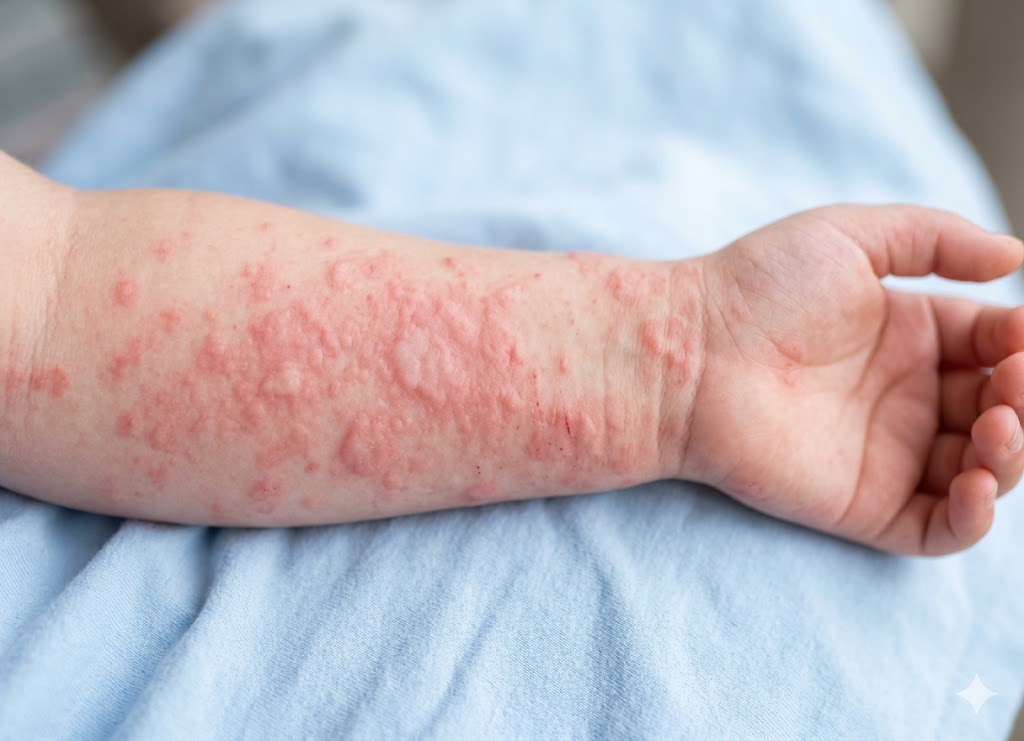
Hives in children, also known as urticaria, are red, itchy welts that appear on the skin and can vary in size and shape. While hives are often harmless and caused by mild allergic reactions, infections, or environmental triggers, they can sometimes indicate a more serious underlying condition that requires medical attention. Parents need to recognize the warning signs of concerning hives in children to ensure timely care and avoid complications.
Hives may appear suddenly and disappear within hours, or they may persist for several days. Common triggers include food allergies, medications, insect bites, or viral infections. However, severe hives can be accompanied by swelling of the lips, tongue, or throat, difficulty breathing, or dizziness, which may signal anaphylaxis, a potentially life-threatening emergency. Understanding the red flags, knowing when to seek medical attention, and being aware of preventive measures can help parents protect their children and manage hives effectively.
What Are Hives in Children?
Hives in children, medically known as urticaria, are raised, red, itchy welts that appear on the skin. These welts can vary in size and shape, often appearing suddenly and sometimes merging to form larger patches. Hives develop when the body releases histamine and other chemicals, usually in response to an allergen, infection, medication, or environmental trigger.
In most cases, hives in children are mild and clear up on their own within a few hours to days. Common triggers include certain foods (like nuts or shellfish), insect bites, viral infections, or exposure to irritants. While hives are usually harmless, they can occasionally signal a more serious allergic reaction, especially when accompanied by swelling of the lips, tongue, or throat, difficulty breathing, or dizziness.
Monitoring symptoms, identifying potential triggers, and seeking timely medical care when necessary are key to managing hives in children and keeping them safe.
What Are the Emergency Warning Signs of Hives in Children?
The primary emergency warning signs associated with hives in children point to anaphylaxis, a life-threatening, multi-system allergic reaction involving breathing difficulties, facial or tongue swelling, dizziness, fainting, and acute abdominal cramps or vomiting. These signs show that the immune response has moved beyond the skin and is affecting the child’s entire body, requiring immediate medical care.
To assess this risk effectively, these urgent signals fall into respiratory, circulatory, and systemic categories, each requiring immediate intervention. Whenever a rash appears suddenly and spreads across the body alongside any of these systemic signs, caregivers should treat the situation as a medical emergency. Widespread skin welts combined with a symptom affecting another organ system, such as the cardiovascular or respiratory system, is the hallmark presentation of anaphylaxis.
What Are the Signs of Breathing Difficulties to Watch For with Hives?
Several critical indicators of respiratory distress require close monitoring during an outbreak, including wheezing, persistent coughing, shortness of breath, a tight feeling in the throat or chest, hoarseness, and difficulty speaking or swallowing. These respiratory issues occur because the same chemical triggers, like histamine, that cause skin welts also produce significant swelling and inflammation inside the airways.
This reaction narrows the respiratory pathways, making it hard for a child to breathe and creating a risk of total airway blockage if treatment is delayed. Recognizing these changes right away is essential for identifying a life-threatening crisis.
Wheezing
This symptom presents as a high-pitched, whistling sound heard when the child exhales, caused by narrowing of the small airways in the lungs. Though often linked to routine asthma, the sudden appearance of wheezing alongside a skin rash is a major red flag for anaphylaxis, signaling significant narrowing of the lower respiratory tract.
Shortness of Breath or Trouble Breathing
An affected child may visibly struggle to breathe, showing retractions where the skin pulls inward around the rib cage or the base of the neck. They might breathe rapidly or appear unable to catch their breath. This points to a serious oxygenation problem and signals advanced respiratory distress.
Persistent Coughing or a Tight Throat
A continuous, hacking cough often reflects the body’s attempt to clear airways that are closing up. Children may describe their throat as feeling strange, tight, or like it’s shutting down. This sensation is typically caused by rapid swelling inside the throat, which affects both breathing and swallowing.
Hoarseness or Trouble Speaking and Swallowing
Any sudden change in a child’s voice, becoming strained, raspy, or nearly silent, is a dangerous sign. It points directly to swelling of the vocal cords. Difficulty swallowing often accompanies this vocal change as swollen tissue blocks the throat. A child who begins drooling excessively because they can’t swallow their own saliva is in immediate danger of airway blockage.
What Are the Circulatory Signs That Indicate a Hive Emergency?
The main cardiovascular indicators of a critical reaction include unusually pale or blue-tinged skin, lightheadedness, fainting, a weak but rapid heart rate, and a sudden drop in blood pressure, all of which characterize anaphylactic shock. These symptoms occur when the allergic reaction causes blood vessels throughout the body to widen and relax dramatically.
This widespread dilation causes blood pressure to drop sharply, depriving vital organs like the heart and brain of oxygenated blood. Recognizing these cardiovascular signs is just as important as spotting breathing problems, since circulatory failure can be fatal quickly.
Pale or Bluish Skin
When blood pressure drops, the body redirects blood away from the skin toward internal organs to protect core functions. This causes the skin to look noticeably pale, gray, or ashen. If oxygen levels drop significantly, the skin, lips, and nail beds may take on a blue tint, known as cyanosis, a serious indicator of respiratory and circulatory failure.
Dizziness, Fainting, or Loss of Consciousness
A sharp drop in blood pressure means the brain isn’t getting normal blood flow. The child may feel lightheaded, confused, or dizzy, and may suddenly pass out. Any noticeable change in a child’s mental state, from mild confusion to full unresponsiveness, signals a life-threatening event.
Weak and Rapid Pulse
The heart tries to compensate for falling blood pressure by beating faster to circulate the reduced blood volume. However, because overall pressure is so low, the pulse often feels weak or difficult to detect at the wrist. An unusually elevated heart rate for the child is a key sign the body is struggling against shock.
Sudden Drop in Blood Pressure
While families rarely have a way to check blood pressure during a crisis at home, accompanying signs like fainting, dizziness, and pallor are the direct results of this drop. This is the defining trait of anaphylactic shock and explains why the reaction is so dangerous. Immediate epinephrine is needed to constrict blood vessels and restore safe blood pressure levels.
What Other Severe Symptoms Can Accompany Emergency Hives?
Additional severe signs that can appear alongside dangerous hives include significant swelling of the lips, face, or tongue (angioedema), intense abdominal pain with repeated vomiting or diarrhea, and a sudden, overwhelming sense of doom or anxiety.
These varied symptoms highlight the systemic nature of anaphylaxis, showing that the reaction has spread beyond the skin and airways to affect the digestive tract and nervous system. The widespread release of inflammatory compounds impacts tissues throughout the body, creating a dangerous chain of events that must be recognized as an emergency.
Swelling of the Lips, Tongue, or Face
While minor localized swelling can occur with simple skin reactions, the rapid, severe swelling seen in anaphylaxis is a major warning sign. Known as angioedema, this condition involves deeper tissue layers. Swelling of the tongue or lips is especially dangerous because it can expand within minutes and completely block the airway. Any fast-moving swelling in these areas needs immediate emergency care.
Severe Stomach Pain, Repetitive Vomiting, or Diarrhea
The digestive tract can experience intense distress during a severe allergic reaction. The same vascular changes that cause fluid to leak into the skin also affect the gut lining, resulting in severe cramping, nausea, forceful vomiting, and diarrhea. While an isolated bout of vomiting might be unrelated, its sudden appearance alongside skin welts, especially if repeated, strongly suggests a systemic reaction.
Sudden Feeling of Doom or Anxiety
A sudden wave of panic is a well-documented neurological symptom of anaphylaxis. A child may become severely agitated or anxious, or may say they feel like something terrible is about to happen. This reaction stems directly from crashing blood pressure and the surge of stress hormones. A sudden, uncharacteristic emotional shift during an allergic flare-up should never be dismissed, as it can indicate a severe reaction.
Is a Widespread Rash That Appears Very Sudden Always an Emergency?
No, a sudden, widespread rash is not automatically a medical emergency on its own, but it does serve as a warning sign that calls for a quick check for other symptoms. Hives themselves are simply raised, itchy welts on the skin, but assessing their overall danger requires looking at the whole body.
While a fast-spreading rash is a defining feature of anaphylaxis, its presence without any respiratory, circulatory, or digestive symptoms may just represent a severe, localized skin reaction. Still, the speed and coverage of the welts often reflect the intensity of the allergen exposure, making it a warning that the situation could escalate quickly, so it’s worth watching closely.
What Do Normal Hives in Children Look Like and What Causes Them?
Normal hives in children, known as urticaria, present as raised, intensely itchy, red or skin-toned welts with clearly defined borders. This skin reaction occurs when the body releases histamine after encountering a trigger, such as a mild environmental allergen, an insect bite, or a common viral illness. These welts can vary dramatically in size, from tiny dots to large patches, and typically turn pale white when pressed.
Recognizing the standard appearance and everyday triggers of non-emergency hives is essential for parents, since this helps separate a benign skin flare-up from the warning signs of a full-body allergic crisis. Unlike the systemic symptoms that accompany anaphylaxis, a typical episode of hives stays confined to the skin, without affecting the respiratory or cardiovascular systems.
What is the Definition of a Typical Hive (Wheal)?
A standard hive, or wheal, is a temporary, raised, swollen area on the skin’s surface with clearly defined edges, often surrounded by localized redness. These lesions are the primary diagnostic sign of urticaria. They appear suddenly because mast cells in the skin release histamine and other inflammatory chemicals into the surrounding tissue.
This chemical release causes tiny blood vessels to leak fluid into the skin, resulting in localized swelling, redness, and irritation. A key diagnostic feature of a true hive is that it blanches, temporarily turning pale when pressed as fluid and blood are pushed out of the swollen area.
Appearance and Shape
These skin eruptions can appear as small, round spots resembling mosquito bites, or merge into larger, irregularly shaped patches called plaques. The raised surface feels smooth to the touch. Even though each lesion’s borders are clearly defined, their shape and location can shift quickly. A welt can fade in one area while new ones appear elsewhere, creating a shifting pattern across the skin.
Color and Sensation
The color of the welts ranges from pale flesh tones to vibrant pink or deep red, depending on the child’s skin tone and the intensity of the reaction. The most disruptive symptom associated with hives is intense itching, which can range from mild annoyance to something that disrupts sleep, mood, and normal activity.
Duration
A hallmark of acute urticaria is how quickly individual lesions come and go. A single hive typically disappears within 24 hours, leaving no permanent mark or discoloration. However, as older welts fade, new ones often appear nearby, meaning a full flare-up can last several days or even weeks. This shifting, temporary quality is exactly how doctors distinguish hives from persistent skin conditions like eczema or contact dermatitis.
What Are the Most Common Non-Emergency Causes of Hives in Children?
Common non-emergency triggers for hives in children fall into five main categories: active infections, mild food or medication sensitivities, insect bites, environmental allergens, and physical triggers. In most acute cases involving toddlers and young children, a basic viral illness is the underlying cause.
Unlike an anaphylactic emergency, which represents an immediate, life-threatening immune response, these everyday triggers cause a localized, controlled release of histamine in the skin. Identifying the source of irritation helps with managing comfort and avoiding future flare-ups.
Infections
This is the single most common cause of sudden hives in children, especially in younger age groups. Everyday viruses, including those responsible for the common cold, seasonal flu, or stomach bugs, are frequent culprits. Occasionally, bacterial infections like strep throat can trigger a similar reaction. Welts often appear while the immune system is actively fighting the illness, though they can also show up a week or two after recovery.
Food and Drug Reactions
While severe, systemic food allergies can lead to full-body anaphylaxis, milder food sensitivities or intolerances often show up as basic hives without dangerous accompanying symptoms. Common food triggers include cow’s milk, eggs, peanuts, soy, wheat, and shellfish. Certain medications, particularly antibiotics like penicillin or amoxicillin, along with over-the-counter pain relievers like ibuprofen, can also cause widespread welts as a mild side effect.
Insect Bites and Stings
For most young children, a routine bite from a mosquito, fly, or ant triggers a small, localized welt at the site. A bee or wasp sting can cause a larger, more noticeable swelling around the puncture. As long as the reaction stays isolated to the skin and doesn’t cause breathing issues, it’s considered non-emergent. Caregivers can confirm the situation is not serious by checking that the reaction isn’t spreading to internal organs or causing breathing distress.
Environmental Allergens
Contact with or inhalation of common outdoor and indoor allergens can easily trigger hives in children with sensitive immune systems. These triggers often include airborne pollen from trees or grasses, mold spores, pet dander, and dust mite debris in carpets or bedding.
Physical Urticaria
In some cases, a child’s welts are triggered by physical force rather than something ingested or inhaled. This category, known as physical urticaria, includes dermatographism, where welts appear after firmly scratching or rubbing the skin, and cold urticaria, triggered by sudden exposure to cold air or water.
Other children may experience solar urticaria from sun exposure, or pressure urticaria, which develops in areas under prolonged, tight pressure, such as from a snug waistband.
When Should You See a Doctor for Non-Emergency Hives in Children?
You should see a doctor for non-emergency hives if they persist for more than a few days, recur frequently over several weeks (chronic urticaria), come with other systemic symptoms like fever or joint pain, or significantly disrupt the child’s daily life, such as itching that interferes with sleep.
While a single, short-lived hive episode is often managed at home with antihistamines, these specific situations call for a medical evaluation to identify a potential underlying cause and create an effective long-term plan. Below are scenarios where consulting a healthcare provider is the wise choice, even outside emergency situations.
Do Hives That Last for Several Days Require a Doctor’s Visit?
Yes, hives that last for several days or recur consistently do warrant a doctor’s visit, mainly to distinguish between acute and chronic urticaria and to look into potential triggers. Acute hives, by definition, last less than six weeks, and a single episode often clears within a few days. If hives persist beyond a week, or new ones appear daily for weeks, it may be classified as chronic urticaria, which requires a different diagnostic and treatment approach. A doctor can help determine the cause, rule out other conditions, and prescribe more effective treatments than over-the-counter options.
A doctor’s visit is helpful for several reasons:
Diagnosis of Chronic Urticaria
If hives occur most days of the week for six weeks or more, it’s considered chronic urticaria. While often idiopathic (no specific cause found), it can sometimes be linked to autoimmune conditions, chronic infections, or other health issues. A proper diagnosis from a pediatrician or allergist is the first step toward effective management, and this is exactly the kind of situation that calls for ongoing tracking.
Identifying Triggers
While the trigger for a single episode of acute hives might be obvious, like a viral illness, persistent hives may have a less obvious cause. A doctor can take a detailed history, perform a physical exam, and if needed, order allergy testing through skin or blood tests to pinpoint potential food, environmental, or physical triggers.
Effective Symptom Management
Intense itching from persistent hives can be miserable for a child, affecting sleep, school performance, and overall quality of life. A doctor can prescribe stronger, longer-acting, non-drowsy antihistamines than what’s available over the counter. In more severe chronic cases, other medications like oral corticosteroids may be necessary. A physician can build a tailored treatment plan for meaningful relief.
Should You See a Doctor if Hives are Accompanied by a Fever?
Yes, you should see a doctor if hives are accompanied by a fever, as this combination can signal an underlying issue beyond a simple allergic reaction. While a common virus can cause both a low-grade fever and hives independently, having both together calls for a medical evaluation to rule out more serious conditions. A doctor can determine whether the cause is a straightforward viral illness or something requiring specific treatment, such as a bacterial infection, drug reaction, or inflammatory condition.
Several specific conditions can present with both hives and fever, making professional diagnosis essential:
Underlying Infection
Many viral infections, like roseola or mononucleosis, can cause both fever and a rash. Some bacterial infections, such as strep throat or a urinary tract infection, can also trigger a hive-like rash along with fever. These bacterial infections require antibiotics, so an accurate diagnosis is important.
Serum Sickness-Like Reaction (SSLR)
This immune response can occur after exposure to certain medications, especially antibiotics like amoxicillin and cefaclor, or after an infection. Classic symptoms include fever, a hive-like rash, and joint pain or swelling, typically developing one to three weeks after exposure. While SSLR isn’t a true allergy and is usually self-limiting, a doctor’s diagnosis is needed to confirm it and rule out more serious issues.
Urticarial Vasculitis
This rarer condition involves inflammation of the blood vessels in the skin, causing hives. Unlike regular hives that fade within 24 hours, vasculitis lesions may last longer, can be painful rather than just itchy, and may leave a bruise-like mark as they fade. This condition often comes with fever, joint pain, and general malaise, requiring medical evaluation and treatment. Seeking medical advice ensures these less common but more serious conditions aren’t overlooked.
How Are Severe Allergic Reactions and Chronic Hives in Children Diagnosed and Managed?
Diagnosing and managing severe allergic reactions and hives in children involves a multi-faceted approach, combining diagnostic testing to identify triggers with long-term management plans focused on avoidance and emergency preparedness. A thorough medical evaluation is essential to differentiate hives from other skin conditions and investigate underlying illnesses in persistent cases.
This process, typically guided by an allergist or immunologist, aims to identify the root cause, provide immediate and long-term treatment, and equip families with the knowledge and tools to prevent future severe episodes and keep the child safe.
What Diagnostic Tests Can Identify Allergy Triggers in Children?
To identify specific substances triggering hives or more severe reactions, an allergist typically uses a series of diagnostic tests. The most common initial test is the skin prick test. During this procedure, a small drop of a purified allergen is placed on the skin, usually on the forearm or back, and gently pricked through.
If the child has a sensitivity, a raised, red, itchy bump similar to a mosquito bite appears within 15 to 20 minutes, indicating the presence of specific antibodies to that allergen. This forms the foundation of environmental and food allergy testing.
Another important diagnostic tool is a blood test, most often a serum-specific IgE test, which measures antibody levels for various allergens in the blood. It’s particularly useful for children with severe skin conditions like eczema that make skin testing difficult, or for those who can’t stop taking antihistamines.
For suspected food allergies, the gold-standard diagnostic method is the oral food challenge, conducted under strict medical supervision, where the child consumes gradually increasing amounts of the suspected allergen to see if a reaction occurs. This test is only used when other tests are inconclusive and the risk of a severe reaction is considered low.
These tests are interpreted alongside the child’s detailed medical history:
Component Resolved Diagnostics (CRD)
This advanced form of blood testing can identify specific proteins within an allergen (such as in peanuts or milk) that the child reacts to. This can help predict the severity of potential reactions and distinguish true allergy from cross-reactivity.
Patch Testing
While less common for standard hives, this test identifies triggers for delayed allergic reactions, known as contact dermatitis. Small patches containing suspected allergens are applied to the back and left for 48 hours to check for a delayed reaction.
Differential Diagnosis
The allergist will also rule out non-allergic causes of hives, especially in chronic cases. This involves reviewing the child’s health history for signs of infections, autoimmune disorders, or physical triggers like cold, heat, or pressure.
How Do Hives Differ from Other Common Childhood Rashes Like Eczema?
Telling hives apart from other common childhood rashes matters, since their causes and treatments differ significantly. Hives present as well-defined, raised, red, intensely itchy welts. A key trait is how quickly they change: individual hives typically appear suddenly and resolve within 24 hours, often disappearing from one spot only to reappear elsewhere. They also blanch, meaning the welt turns white when pressed.
Eczema, by contrast, is a chronic inflammatory skin condition appearing as dry, scaly, thickened patches that are persistently itchy. It isn’t transient and can last for weeks or months if untreated, often leading to raw, sensitive skin from scratching. Eczema commonly affects areas like the creases of the elbows and knees.
Heat rash, another common rash, is caused by blocked sweat ducts and presents as clusters of small red bumps or tiny blisters, typically in areas prone to sweating like the neck, chest, and groin. It feels prickly or stinging rather than intensely itchy.
Understanding these distinctions can help parents give an accurate history to their child’s doctor.
Appearance and Texture
Hives are raised, swollen welts with clear borders, while eczema shows flat or slightly thickened patches of dry, scaly, or weeping skin. Heat rash consists of tiny, pinpoint bumps resembling small pimples.
Duration and Pattern
A hive is fleeting, lasting only a few hours in one spot. Eczema is persistent and chronic, flaring up periodically. Heat rash typically resolves quickly once the child cools down.
Associated Symptoms
Hives are primarily defined by intense itchiness. Eczema involves a chronic itch-scratch cycle that can lead to skin damage and infection. Heat rash is more associated with a stinging or prickly sensation.
What is the Long-Term Management for a Child with a History of Anaphylaxis?
Long-term management for a child with a history of anaphylaxis centers on a proactive strategy designed to prevent future reactions and ensure rapid, effective treatment if one occurs. The foundation of this strategy is a written Anaphylaxis Action Plan, created by the child’s allergist.
This document outlines the child’s specific allergens, the early and severe symptoms of a reaction, and step-by-step instructions on how to respond, including dosages for medications like antihistamines and epinephrine. This plan should be shared with all caregivers, including school nurses, teachers, coaches, and family members.
A critical part of management is having epinephrine auto-injectors readily available. The child should have access to at least two auto-injectors at all times, since a second dose may be needed if symptoms persist. Parents, caregivers, and the child (once old enough) should be thoroughly trained on when and how to use the device, injecting into the outer thigh at the first sign of a severe reaction.
The final piece of management is strict allergen avoidance, which involves carefully reading food labels, communicating clearly with restaurant staff, preventing cross-contamination in the kitchen, and educating the child about their allergies in an age-appropriate way. This comprehensive approach creates a strong safety net, reducing both risk and anxiety.
Education and Training
Everyone in the child’s life should be educated about the signs of anaphylaxis and comfortable administering epinephrine, including regular practice with a trainer device and reviewing the action plan. This training helps caregivers recognize when a rash is becoming a systemic concern.
Medical Identification
The child should wear a medical alert bracelet or necklace clearly stating their allergy. This gives first responders crucial information in an emergency if the child or caregiver can’t communicate.
Regular Follow-Up
Consistent appointments with an allergist are necessary to monitor the child’s allergies, which can change over time. The allergist will review the action plan, check expiration dates on epinephrine auto-injectors, and discuss new management strategies.
Can Hives Be a Symptom of an Underlying Illness Other Than Allergies?
Yes, while most hives in children are triggered by allergies, infections, or have no identifiable cause, they can, in rare cases, signal an underlying systemic illness. This is particularly true for chronic urticaria, defined as hives occurring most days of the week for six weeks or longer. When hives persist for an extended period, a physician may investigate causes beyond common allergens.
One significant category is autoimmune disorders, where the immune system mistakenly attacks healthy tissue, which can show up as chronic hives. Conditions like autoimmune thyroid disease, lupus, and rheumatoid arthritis have been linked to chronic urticaria, often as a result of antibodies that activate mast cells and trigger histamine release.
Certain chronic infections, though less common, can also be a root cause, including parasitic infections, bacterial infections like H. pylori, or chronic viral infections. In these cases, the ongoing immune response to the infection can trigger persistent hives. A thorough medical evaluation is essential for any child with chronic or recurrent hives not clearly linked to a specific trigger.
Conclusion
Most cases of hives in children are mild and resolve on their own or with simple treatments, such as antihistamines or avoiding known triggers. However, parents should remain vigilant for warning signs like swelling, difficulty breathing, or hives accompanied by other severe symptoms. Early recognition and prompt medical evaluation are key to preventing complications and ensuring the child’s safety. By understanding the causes, triggers, and red flags of hives in children, parents can act quickly and confidently to protect their child’s health.
FAQ
1. What causes hives in children?
Hives in children can be caused by allergic reactions to foods, medications, insect bites, or environmental factors. Viral infections are also common triggers, especially in young children. Understanding the potential cause is important to prevent recurrence and guide treatment.
2. How can I tell if my child’s hives are serious?
Hives are serious if accompanied by swelling of the face, lips, or tongue, difficulty breathing, wheezing, or dizziness. These may indicate anaphylaxis, which requires immediate medical attention. Persistent hives that last more than a few days or appear repeatedly should also be evaluated by a healthcare provider.
3. How are hives in children treated?
Mild hives are often treated with over-the-counter antihistamines, cool compresses, and avoiding triggers. Severe reactions may require prescription medications, such as corticosteroids or epinephrine, depending on the symptoms. Proper diagnosis and monitoring ensure safe and effective treatment.
4. Can stress or environmental factors trigger hives?
Yes, emotional stress, temperature changes, or contact with irritants can trigger hives in children. These triggers cause histamine release, leading to itchy, red welts. Identifying environmental factors helps parents reduce the frequency of outbreaks.
5. When should I contact my doctor about hives in children?
Parents should seek medical care immediately if hives occur alongside swelling of the lips or throat, trouble breathing, vomiting, or dizziness. Even for mild hives, persistent or recurrent cases should be discussed with a pediatrician to rule out underlying allergies or other health conditions.
6. Are hives in children usually dangerous?
Most hives in children are harmless and resolve without serious complications. However, severe allergic reactions or hives that are part of an infection or chronic condition require prompt evaluation. Awareness of warning signs ensures timely care and prevents potential complications.