
Understanding Edema Swelling: 6 Key Causes and How to Manage It Effectively
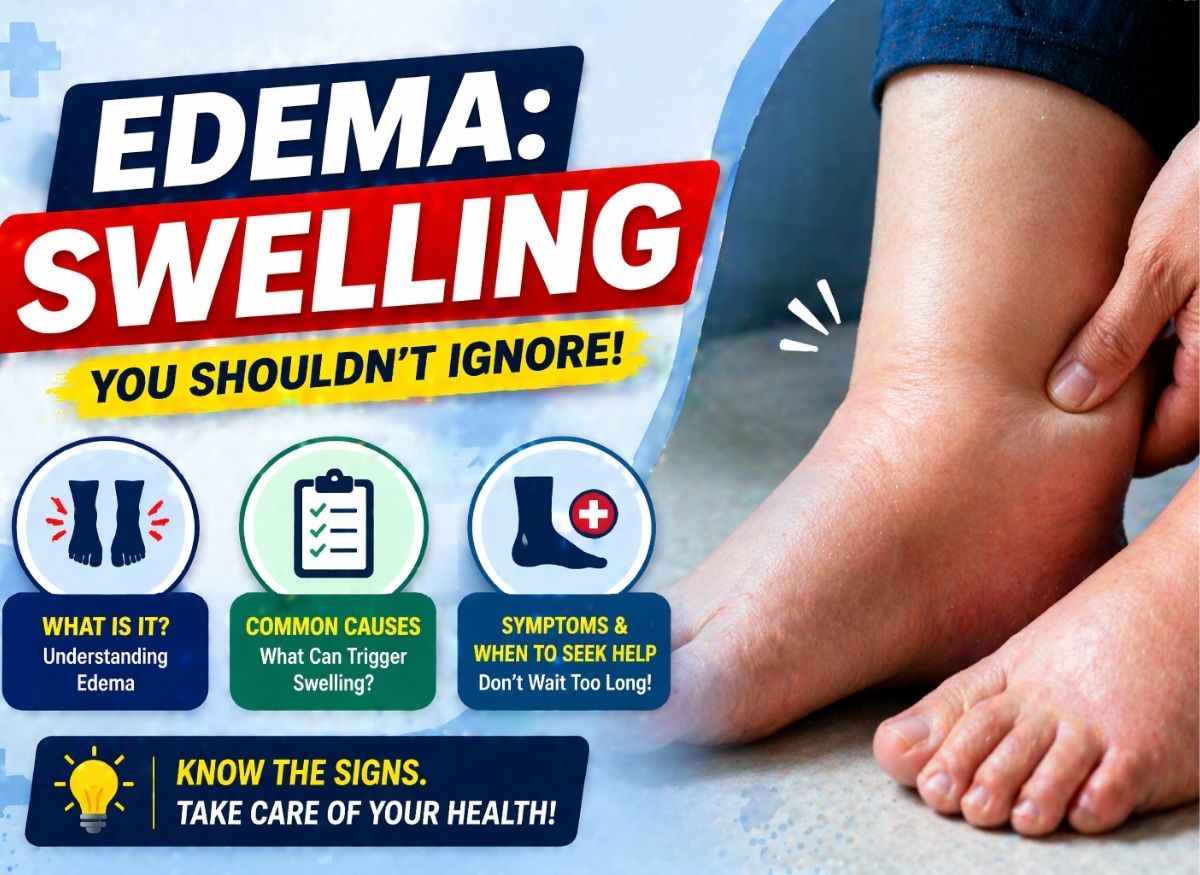
Edema swelling occurs when excess fluid builds up in the body’s tissues, causing noticeable puffiness or enlargement. It most commonly affects the feet, ankles, legs, hands, and sometimes the face. Mild swelling may happen after sitting or standing for a long time and may disappear on its own. However, ongoing or severe edema can sometimes be connected to an underlying health condition.
Several factors can contribute to edema, including prolonged inactivity, pregnancy, certain medications, and a diet high in sodium. More serious causes can include problems involving the heart, kidneys, liver, veins, or lymphatic system.
Understanding what causes edema and recognizing changes in your symptoms can help you determine when simple self-care may be enough and when medical evaluation is needed. In this guide, we’ll look at six common causes of edema swelling, different types of edema, ways to manage mild swelling, and warning signs that should not be ignored.
What Is Edema Swelling?
Edema is the medical term for swelling caused by excess fluid collecting in the body’s tissues. Under normal circumstances, blood vessels, body tissues, and the lymphatic system work together to maintain a balanced amount of fluid.
When this balance is disrupted, fluid can move out of the blood vessels and collect in the surrounding tissues. The result is the puffiness commonly associated with edema.
Edema is a symptom rather than a disease by itself. It can develop in one small area or affect larger parts of the body, depending on the underlying cause.
How Edema Develops
Several forces help control how fluid moves between blood vessels and surrounding tissues. Blood pressure pushes some fluid out of the vessels, while proteins in the blood help draw fluid back in. The lymphatic system also removes excess fluid from tissues.
Edema can occur when:
- Pressure inside blood vessels becomes too high
- Blood protein levels become too low
- Blood vessels become more permeable
- The lymphatic system cannot drain fluid properly
- The kidneys retain too much sodium and water
Depending on the cause, swelling may be temporary or may continue until the underlying problem is treated.
Peripheral Edema
Peripheral edema is one of the most recognizable forms of swelling. It commonly affects the feet, ankles, and lower legs.
Gravity plays an important role. When a person spends hours standing or sitting, fluid can gradually collect in the lower parts of the body. This is why ankle and leg swelling may become more noticeable toward the end of the day.
People who spend long hours at a desk, travel for extended periods, or work on their feet may experience this type of swelling.
How Gravity Contributes to Swelling
When you stand upright, gravity increases pressure in the veins of your legs. Normally, the muscles in your legs help push blood upward toward your heart.
If you remain inactive for a long time, this muscle pump becomes less effective. Blood can pool in the lower limbs, increasing pressure inside the veins and encouraging fluid to move into surrounding tissues.
Temporary ankle swelling after a long trip may not be serious. However, swelling that continues, becomes severe, or affects only one side of the body should be evaluated by a healthcare professional.
Causes of Edema: 6 Common Reasons for Swelling
Edema can develop for many reasons. Some causes are temporary and relatively mild, while others are related to medical conditions that require treatment.
Here are six common causes of edema swelling.
1. Medication Side Effects
Certain medications can cause the body to retain sodium or alter blood flow, resulting in swelling.
For example, some calcium channel blockers used to treat high blood pressure can cause swelling around the ankles. Nonsteroidal anti-inflammatory drugs (NSAIDs), including ibuprofen, may also contribute to fluid retention in some people.
Corticosteroids such as prednisone can increase sodium and water retention as well, sometimes causing puffiness in the face or other parts of the body.
If you notice new swelling after starting a medication, do not stop taking the medicine on your own. Talk with your healthcare provider about whether the medication could be contributing to the problem.
2. Prolonged Sitting or Standing
Spending a long time sitting or standing can lead to what is sometimes called dependent edema.
Your calf muscles normally help move blood from your legs back toward your heart. When you remain in one position for hours, the calf muscles are not working as effectively.
As blood collects in the lower legs, pressure within the veins increases. This can push fluid into nearby tissues and cause swelling around the feet and ankles.
Long flights, car journeys, desk jobs, and occupations that require standing for extended periods can all contribute to this type of edema.
Regular movement, ankle exercises, and changing position throughout the day can help improve circulation.
3. Heart, Kidney, or Liver Problems
Persistent or widespread edema can sometimes be a sign that an important organ is having difficulty regulating fluid.
Heart problems: When the heart cannot pump blood effectively, pressure can build up in the veins. This may contribute to swelling in the legs and feet. In some cases, fluid can also accumulate in the lungs, causing pulmonary edema and serious breathing problems.
Kidney problems: The kidneys help remove excess sodium and fluid from the body. When kidney function is impaired, the body may retain more salt and water, contributing to swelling.
Liver problems: The liver produces albumin, a blood protein that helps keep fluid inside blood vessels. Advanced liver disease can reduce albumin levels and contribute to fluid buildup in the legs or abdomen.
Because these conditions can be serious, unexplained or persistent swelling should not be ignored.
4. High Sodium Intake
Eating too much sodium can cause temporary fluid retention.
Sodium affects the body’s fluid balance. When sodium levels rise, the body retains additional water to maintain an appropriate concentration in the blood.
This can lead to puffiness in the hands, feet, ankles, or face. Some people may notice that their rings feel tighter or that their eyes look puffy after eating a particularly salty meal.
For people with heart, kidney, or liver conditions, excess sodium may have a more significant effect on fluid retention.
Reducing highly processed and salty foods can help some people manage mild fluid retention.
5. Pregnancy
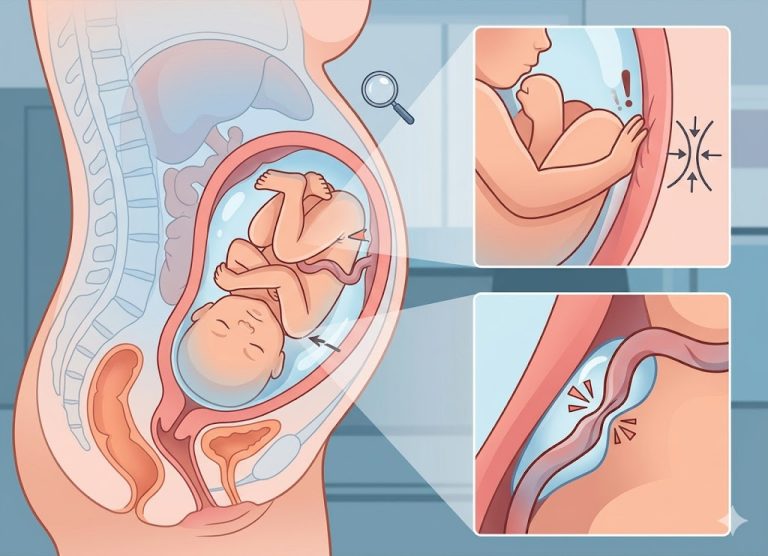
Swelling is common during pregnancy because the body undergoes major changes in blood volume and fluid balance.
As pregnancy progresses, the growing uterus can put pressure on large veins that return blood from the lower body to the heart. This can slow circulation from the legs and contribute to swelling in the feet and ankles.
Mild swelling that develops gradually is often part of normal pregnancy. However, sudden or significant swelling, particularly in the face or hands, can be a warning sign of preeclampsia.
Pregnant individuals should contact their healthcare provider promptly if swelling is sudden or occurs alongside symptoms such as severe headache, vision changes, upper abdominal pain, or high blood pressure.
6. Venous Insufficiency
Chronic swelling in the legs can be caused by venous insufficiency. This occurs when the valves inside the leg veins do not work properly.
Healthy vein valves help keep blood moving upward toward the heart. When these valves become weak or damaged, blood can flow backward and collect in the lower legs.
The resulting increase in venous pressure can cause persistent swelling. Over time, venous insufficiency may also cause skin discoloration, heaviness, aching, or skin ulcers.
Compression therapy, regular movement, leg elevation, and treatment recommended by a healthcare professional may help manage venous insufficiency.
Relief for Edema: How Can You Reduce Swelling?
Treatment for edema depends on its cause. For mild swelling related to prolonged inactivity or temporary fluid retention, several simple measures may help.
Elevate Your Legs
Raising swollen legs above the level of the heart can help gravity move excess fluid back toward the central circulation.
Try lying down and supporting your legs with pillows for a period of time. This can be especially helpful after spending many hours sitting or standing.
Consider Compression
Compression stockings can help reduce swelling associated with certain types of venous problems.
They apply controlled pressure to the legs, helping support blood flow back toward the heart. However, compression is not appropriate for everyone, particularly people with certain circulation problems.
Ask a healthcare professional whether compression stockings are suitable for you and what level of compression is appropriate.
Keep Moving
Movement helps activate the calf muscles, which support circulation in the lower legs.
Simple activities such as walking, changing position regularly, or performing gentle ankle movements can help reduce fluid pooling.
If you spend most of the day sitting, try taking regular movement breaks rather than remaining in one position for several hours.
Dietary Changes for Fluid Retention
Diet can influence the amount of fluid the body retains.
Reduce Sodium
Reducing sodium intake can help decrease water retention in some people. Limit foods that are particularly high in sodium, such as processed meats, packaged snacks, canned foods, fast food, and heavily salted meals.
Instead, choose more fresh foods and check nutrition labels when possible.
Maintain a Balanced Diet
A balanced diet that includes fruits, vegetables, whole grains, lean proteins, and other nutrient-rich foods supports overall health.
Foods containing potassium can be part of a balanced diet, but people with kidney disease or certain medications should not significantly increase potassium without medical advice.
Be Careful With Supplements
Some people use supplements such as magnesium or vitamin B6 for fluid-related symptoms. However, supplements are not appropriate for everyone, and evidence for their use varies depending on the cause of swelling.
Talk to a healthcare professional before starting supplements, especially during pregnancy or if you take prescription medications.
Special Considerations During Pregnancy
Mild swelling of the feet and ankles is common during pregnancy. Elevating the legs, staying moderately active, and avoiding prolonged periods of standing can provide some relief.
Pregnant people should not use herbal diuretics or other products marketed to “flush out” excess water without speaking with their healthcare provider.
Sudden swelling of the face or hands, particularly when accompanied by headache, vision changes, abdominal pain, or elevated blood pressure, requires prompt medical attention because it can be associated with preeclampsia.
When Edema Requires Urgent Medical Care
Some forms of edema cannot be safely managed at home.
Seek urgent medical attention if swelling occurs with:
- Shortness of breath
- Chest pain
- Severe or sudden swelling
- Sudden swelling in one leg
- Redness, warmth, or significant pain in a swollen limb
- Confusion or severe weakness
- Difficulty breathing while lying down
Swelling caused by fluid in the lungs, known as pulmonary edema, can be life-threatening and requires emergency treatment.
How Do Doctors Diagnose the Cause of Edema?
Because edema can have many different causes, doctors usually consider the person’s symptoms, medical history, medications, and physical examination before deciding which tests are needed.
Physical Examination and Medical History
A healthcare professional may press gently on swollen skin to see whether an indentation remains. This is called pitting edema.
They may also determine whether the swelling affects one side or both sides of the body.
The pattern can provide useful clues. For example, swelling in both legs may have a different cause from sudden swelling affecting only one leg.
Doctors may also ask about:
- Recent travel or prolonged inactivity
- Current medications
- Pregnancy
- Heart or kidney problems
- Liver disease
- Diet and sodium intake
- Changes in urination
- Shortness of breath
- Pain or redness in the swollen area
Blood and Urine Tests
Depending on the suspected cause, blood tests may be used to assess kidney and liver function, protein levels, electrolytes, and other markers.
Urine testing can help identify abnormal amounts of protein or other signs of kidney problems.
These tests can help determine whether the swelling is associated with an underlying systemic condition.
Imaging Tests
Imaging may be recommended when a structural or circulation-related problem is suspected.
A Doppler ultrasound can evaluate blood flow through the veins and may be used when a blood clot or venous insufficiency is suspected.
A chest X-ray and other heart or lung tests may be considered when symptoms suggest heart failure or pulmonary edema.
Additional imaging, such as an MRI, may be needed for specific problems involving areas such as bones or soft tissues.
Evaluation During Pregnancy
When significant swelling develops during pregnancy, healthcare providers may check blood pressure and urine protein levels to screen for preeclampsia.
Persistent or unusual swelling after delivery may also require medical assessment, particularly if it is accompanied by pain, shortness of breath, high blood pressure, or other concerning symptoms.
Different Types of Edema
Edema can be classified according to where it occurs and how it behaves.
Peripheral and Pitting Edema
Peripheral edema commonly affects the feet, ankles, and legs.
When pressure is applied to the swollen area and an indentation remains for a short time, it is called pitting edema.
Pitting edema can occur with fluid retention related to heart, kidney, or liver problems, as well as venous insufficiency and prolonged inactivity.
Non-Pitting Edema
In non-pitting edema, pressing the swollen area does not leave a noticeable indentation.
This type of swelling can occur with conditions affecting the lymphatic system, including lymphedema. The tissues may become firmer over time.
Weeping Edema
Severe, long-lasting swelling can stretch and damage the skin. In some cases, fluid may begin leaking through the skin.
This is sometimes referred to as weeping edema and requires medical attention because damaged skin is more vulnerable to infection and other complications.
Pulmonary Edema
Pulmonary edema occurs when fluid accumulates in the lungs.
It can cause severe shortness of breath, coughing, wheezing, or a feeling of suffocation. When caused by a heart problem, it may be referred to as cardiogenic pulmonary edema.
Pulmonary edema is a medical emergency and requires immediate treatment.
Cerebral Edema
Cerebral edema means swelling caused by excess fluid in the brain.
Because the skull provides very little room for expansion, increased fluid or swelling can raise pressure inside the skull and damage brain tissue.
It can occur after conditions such as head trauma, stroke, infection, or other serious neurological problems and requires urgent medical care.
Eye-Related Edema
Fluid can also accumulate in different structures of the eye.
For example, macular edema can affect the retina and interfere with central vision. Corneal edema can cause corneal clouding and blurred vision.
Optic disc swelling can sometimes indicate increased pressure inside the skull and requires medical evaluation.
Bone Marrow Edema
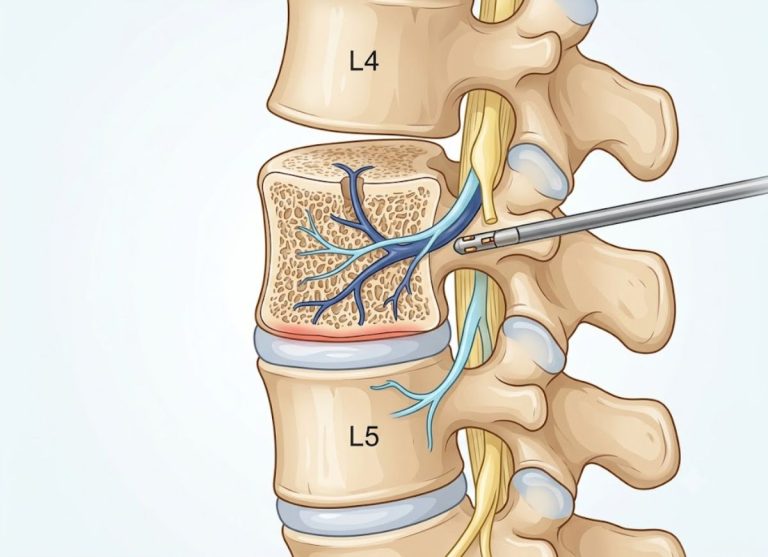
Bone marrow edema refers to excess fluid within the bone marrow. Unlike the visible swelling associated with edema in the legs or feet, it cannot usually be seen externally.
It may cause deep pain and is often identified through imaging such as an MRI.
Pregnancy-Related Edema
Pregnancy can naturally increase fluid retention and cause swelling, particularly in the feet and ankles.
After delivery, some people continue to experience swelling for a period of time while the body removes the extra fluid accumulated during pregnancy.
Although postpartum swelling is often temporary, severe, sudden, or persistent swelling should be discussed with a healthcare professional.
Is Edema Always a Sign of a Serious Health Problem?
Not necessarily. The importance of edema depends on why it developed, how quickly it appeared, how long it lasts, and whether other symptoms occur.
Temporary Causes of Swelling
Mild swelling can occur after sitting or standing for several hours, taking a long trip, eating a salty meal, or during pregnancy.
This type of swelling often improves after movement, rest, leg elevation, or changes in diet.
When Swelling May Be More Serious
Swelling deserves medical attention when it is unexplained, persistent, severe, or associated with other symptoms.
Sudden swelling in only one leg can be a warning sign of a blood clot, particularly if the area is painful, warm, or red.
Swelling combined with shortness of breath or chest discomfort may indicate a serious heart or lung problem and requires urgent medical attention.
Widespread Swelling
When swelling affects large areas of the body, it may indicate a more significant problem involving fluid regulation.
Heart, kidney, and liver disorders can all interfere with the body’s ability to maintain normal fluid balance.
Swelling around the eyes, especially when it is most noticeable in the morning, can sometimes be associated with kidney problems and should be evaluated when persistent or unexplained.
Conclusion
Edema swelling can have many different causes. Sometimes it develops after prolonged sitting, standing, pregnancy, or eating a high-sodium meal. In other cases, it can be associated with medications, vein problems, or conditions affecting the heart, kidneys, or liver.
Simple measures such as regular movement, elevating swollen limbs, reducing excess sodium, and following appropriate medical advice may help with some forms of mild edema. However, the right treatment depends on the underlying cause.
Persistent, worsening, sudden, or unexplained swelling should be evaluated by a healthcare professional. Swelling accompanied by shortness of breath, chest pain, severe pain, or sudden one-sided swelling requires prompt medical attention.
Understanding the possible causes and recognizing warning signs can help you respond appropriately and avoid overlooking a potentially serious health problem.
Frequently Asked Questions About Edema Swelling
What causes edema swelling?
Edema can result from many different factors. Common causes include prolonged sitting or standing, a high-sodium diet, pregnancy, certain medications, and problems with the veins. It can also occur with conditions affecting the heart, kidneys, or liver. Finding the underlying cause is important because treatment depends on why the fluid is accumulating.
What are the symptoms of edema swelling?
The most common sign is visible puffiness or enlargement in areas such as the feet, ankles, legs, hands, or face. The skin may feel tight or appear stretched and shiny. In pitting edema, pressing on the swollen area can leave an indentation for a short time. Some people may also experience heaviness, discomfort, or reduced movement.
Is edema swelling dangerous?
Edema is not always dangerous. Temporary swelling caused by prolonged inactivity, pregnancy, or a salty meal may improve without serious complications. However, persistent or severe edema can sometimes indicate an underlying medical condition. Swelling accompanied by breathing difficulties, chest pain, severe pain, or sudden one-sided swelling requires prompt medical attention.
How can I reduce edema swelling at home?
For mild swelling, you can try elevating the affected area, moving regularly, avoiding prolonged sitting or standing, and reducing excess sodium in your diet. Compression stockings may also help with certain types of leg swelling, but they are not suitable for everyone. If swelling continues or worsens, seek medical advice rather than relying solely on home treatment.
When should I see a doctor for edema swelling?
Contact a healthcare professional if swelling is persistent, unexplained, worsening, or interfering with daily activities. Seek urgent medical care if swelling develops suddenly, particularly in one leg, or occurs with redness, warmth, significant pain, chest pain, or shortness of breath.
Can edema swelling be prevented?
Some forms of edema can be reduced by staying active, avoiding long periods in one position, limiting excess sodium, maintaining a balanced diet, and managing existing medical conditions. Elevating your legs after long periods of standing or sitting may also help. If you take medication that may contribute to swelling, discuss the issue with your healthcare provider rather than stopping the medication yourself.