Headache Behind Left Eye: Causes, Symptoms, and Relief
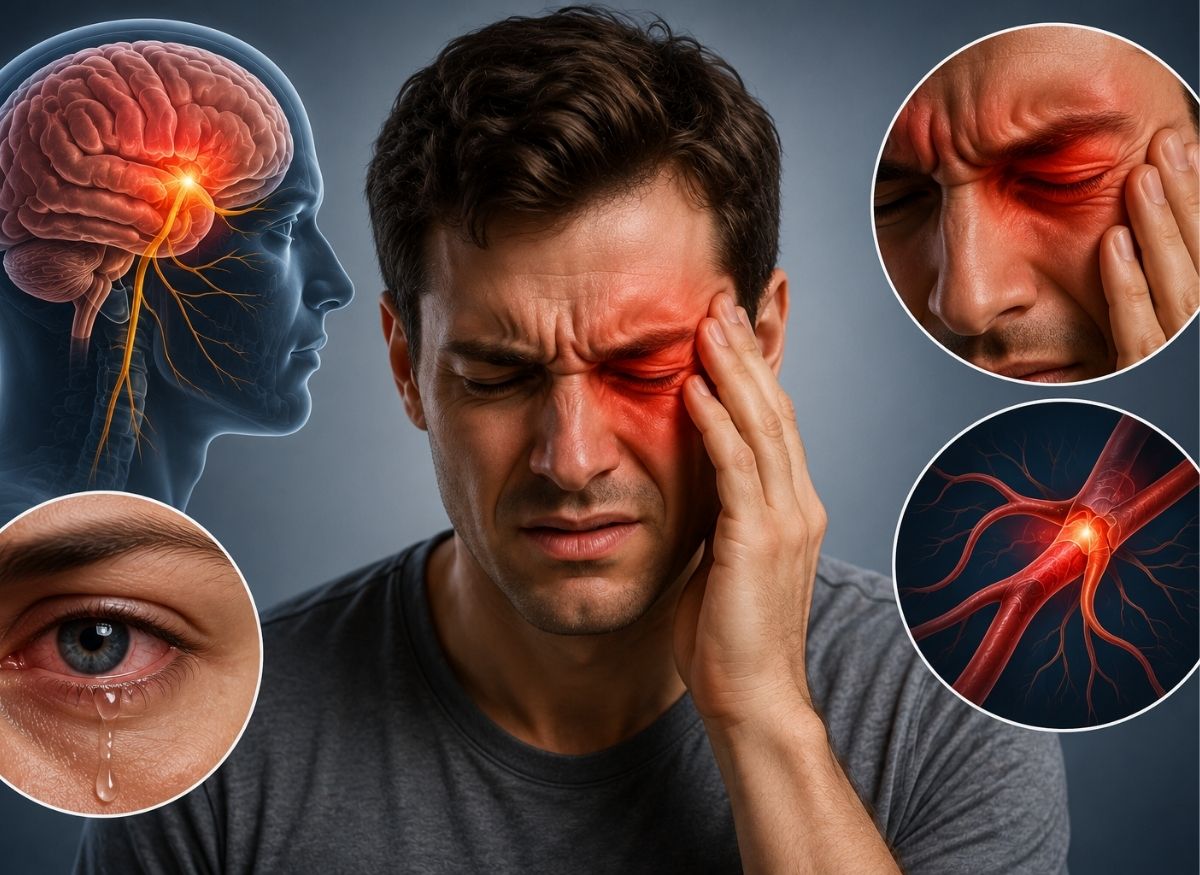
A headache behind the left eye can cause anything from mild pressure to intense, throbbing pain. Several conditions can produce this type of discomfort, including eye strain, sinus problems, migraines, cluster headaches, and certain medical conditions that need prompt attention. Because pain in this area can interfere with concentration, sleep, and everyday activities, understanding its possible cause is important.
Depending on the underlying problem, a headache behind the eye may occur with watery eyes, light sensitivity, blurred vision, nasal congestion, or nausea. Many episodes are temporary and harmless, but severe, recurring, or persistent pain can sometimes point to conditions such as glaucoma, optic nerve inflammation, or neurological problems. This article explains the common causes, symptoms, warning signs, and practical relief strategies for a headache behind the left eye.
How a Headache Behind Left Eye Feels
A headache behind the left eye may feel sharp, throbbing, pulsating, or deeply aching. The discomfort can remain directly around the eye or spread toward the forehead, temple, or one side of the head. Some people experience only mild pressure, while others have pain intense enough to make reading, working, or keeping the affected eye open difficult.
The exact sensation often depends on the cause. Some headaches may feel burning or stabbing, while others produce a steady pressure or a pulse-like sensation. Watering of the eye, sensitivity to light, blurred vision, or nasal congestion may also occur. Migraines and cluster headaches can produce severe episodes around one eye, while sinus-related discomfort is more likely to create a dull feeling of pressure or fullness. Paying attention to the location, intensity, duration, and accompanying symptoms can help identify the likely cause and determine whether medical care is needed.
Causes of a Headache Behind Left Eye
A headache behind the left eye can be uncomfortable and disruptive. The area around the eye contains numerous nerves, blood vessels, muscles, and surrounding structures, so problems affecting different parts of the head or face can create pain in this location.
The discomfort may appear as a pounding sensation behind the eye, pain around the eyeball, a sharp feeling near the left temple, or pressure extending across the forehead and brow. Determining the cause requires considering whether the pain is related to a primary headache disorder, another physical condition, or a problem that requires urgent medical attention.
Primary Headache Disorders: Migraines vs. Clusters
Primary headaches are conditions in which the headache itself is the main medical problem rather than a symptom caused by another underlying disease.
Migraines (The Throbbing Unilateral Ache)
Migraines affecting the area behind the left eye commonly cause severe, pulsating, or throbbing pain. The discomfort may spread beyond the eye and involve the entire left side of the head.
- Accompanying Symptoms: Migraine attacks may occur with nausea, vomiting, strong sensitivity to light, or sensitivity to sound.
- The Aura Phase: Some people experience an aura before the headache begins. This can include flashing lights, zigzag patterns, blind spots, or tingling sensations.
- Triggers: Common migraine triggers include hormonal changes, inadequate sleep, stress, and certain foods such as aged cheeses or foods containing artificial preservatives.
Cluster Headaches (The Excruciating Piercing Strike)
Cluster headaches are known for producing extremely intense pain. The discomfort usually centers around or behind one eye and may feel sharp, burning, or piercing.
The “Cluster” Pattern: These headaches tend to appear in groups, with repeated attacks occurring over several weeks or months followed by periods without symptoms.
Autonomic Features: During an attack, which can last from about 15 minutes to 3 hours, the affected eye may become red and watery. The eyelid can droop, the pupil may become smaller, and the nostril on the same side may become blocked or runny.
Behavioral Shifts: People experiencing migraines often prefer to rest quietly in a dark room. Someone having a cluster headache may instead feel extremely restless and may pace or move around because of the severity of the pain.
Secondary Causes: Sinus Pressure and Allergies
Secondary headaches develop because another condition is producing the pain. Sinus inflammation from allergies, colds, or infections can cause the tissues inside the sinuses to swell. When normal drainage becomes blocked, pressure can build in the surrounding areas and contribute to pain around the eye.
Frontal Sinusitis: Inflammation in the frontal sinuses above the eyebrows can cause aching around the forehead and behind the eye. The discomfort may become worse when bending forward or lying down.
Sphenoid Sinusitis: The sphenoid sinuses are located deep inside the skull behind the nose. Inflammation in this area can cause a persistent, dull ache that may be felt deep behind the eyes or toward the forehead.
The Diagnostic Clue: Sinus-related headaches may occur alongside signs of respiratory illness, including thick nasal discharge, facial tenderness, reduced sense of smell or taste, and fever.
High-Risk Conditions Requiring Urgent Care
Most headaches around one eye are not caused by life-threatening problems. However, certain conditions can require immediate medical treatment because they may threaten vision or overall health.
Acute Angle-Closure Glaucoma
Acute angle-closure glaucoma is a serious eye emergency that develops when fluid cannot drain normally from the eye. This causes pressure inside the eye to rise quickly.
- The Presentation: A person may experience severe pain around or behind the affected eye.
- The Red Flags: The eye may appear red or cloudy, and vision can suddenly become blurred. Halos or rainbow-colored rings may appear around lights, and nausea or vomiting can occur. Emergency treatment is important because prolonged high eye pressure can permanently damage vision.
Cranial Aneurysm or Vascular Rupture
A cerebral aneurysm is a weakened or bulging area in a blood vessel in the brain. A larger unruptured aneurysm can sometimes affect nearby structures and may cause localized pain, double vision, or changes involving one pupil.
The Catastrophic Event: If an aneurysm ruptures, it can cause a subarachnoid hemorrhage. This produces a sudden and extremely severe thunderclap headache that reaches maximum intensity very quickly. Neck stiffness, confusion, seizures, or loss of consciousness may also occur, making immediate emergency treatment essential.
Trigeminal Neuralgia
Trigeminal neuralgia is a condition involving the trigeminal nerve, which carries sensation from much of the face. When the ophthalmic branch is affected, it can cause sudden bursts of pain around the eye or temple.
The Pain Profile: The discomfort can feel like an electric shock, stabbing sensation, or sudden sharp pain. Attacks may last seconds to a few minutes and can be triggered by activities as simple as touching the face, brushing the teeth, chewing, or exposure to cold air.
When Should You See a Doctor for a Headache Behind Left Eye?
A headache behind the left or right eye can sometimes be a minor problem, but in other situations it may signal a serious neurological, vascular, or eye-related condition. Knowing which symptoms require urgent care can help prevent complications.
Mild headaches that follow a familiar pattern may improve with rest and other simple measures. However, certain warning signs require immediate medical evaluation.
Immediate Emergency “Red Flag” Symptoms (Call 911)
If eye or head pain occurs with any of the following warning signs, seek emergency medical attention rather than relying on home treatment.
                    [CRITICAL EMERGENCY HEADACHE ALERTS]
                                     │
         ┌───────────────────────────┼───────────────────────────┐
         ▼                           ▼                           ▼
 [THE THUNDERCLAP STRIKE]     [SYSTEMIC INFECTION]        [STROKE & NEURO SHIFTS]
 • Explodes out of nowhere.   • Paired with a stiff neck. • Sudden facial drooping.
 • Peak intensity < 60 sec.   • High fever & chills.      • Weakness down one side.
 • "Worst headache of life."  • High risk for meningitis. • Slurred speech/confusion.
The Sudden “Thunderclap” Headache: This is a headache that appears abruptly and reaches extreme intensity within about a minute. A sudden “worst headache of life” can be a warning sign of bleeding around the brain and requires emergency evaluation.
Headache with Fever and a Stiff Neck: Severe head pain accompanied by fever and a stiff or rigid neck can be associated with meningitis. Because meningitis can become life-threatening quickly, immediate medical attention is necessary.
Acute Vision Changes: Severe eye or head pain accompanied by sudden blurred or double vision, a dilated pupil, or halos around lights may indicate acute angle-closure glaucoma. Rapid treatment is needed to protect vision.
Sudden Neurological Deficits: Headache accompanied by confusion, difficulty speaking, seizures, loss of coordination, numbness, or weakness on one side of the body requires urgent evaluation for a possible neurological emergency.
Post-Trauma Headaches: A new headache following a head injury, fall, or car accident should be medically assessed because it may be associated with a concussion or bleeding inside the skull.
When to Schedule a Non-Emergency Doctor’s Appointment
Not every headache requires emergency treatment, but recurring or unusual headaches may still need evaluation. Arrange a medical appointment when your usual headache pattern changes or begins interfering with everyday activities.
A Significant Change in Your Headache Pattern
If you normally experience predictable migraines but suddenly notice that the headaches are occurring more often, lasting longer, or feeling very different, the change should be discussed with a healthcare professional.
Progressive Escalation over Time
A headache that gradually becomes stronger or more frequent over several weeks should not be ignored. Progressive pain may have an underlying cause that requires further evaluation.
The Over-the-Counter Medication Trap
Using over-the-counter pain medicines such as ibuprofen, acetaminophen, or aspirin too frequently can contribute to medication-overuse or rebound headaches. If you regularly need pain medication more than a couple of days each week, discuss the pattern with a doctor.
New Onset Headaches in Adults Over 50
A completely new headache after age 50 deserves medical evaluation, particularly when it is accompanied by temple pain or other unusual symptoms. One possible cause is temporal arteritis, also called giant cell arteritis, which can threaten vision if left untreated.
Summary Diagnostic Checklist
The following general situations can help determine the urgency of a headache:
- Go to the ER Immediately: The pain reaches maximum intensity almost instantly; occurs with fever and a stiff neck; causes sudden vision problems; or appears with weakness, confusion, seizures, or slurred speech.
- Schedule a Doctor’s Appointment: Headaches become progressively worse, interfere with sleep or daily activities, change significantly from your normal pattern, or begin for the first time later in life.
- Manage Safely at Home: A mild and gradual headache that follows a familiar pattern, improves with your usual treatment, or is associated with known allergy or sinus symptoms may sometimes be managed with appropriate home measures.
The Diagnostic for Eye-related Headaches
When someone experiences persistent pain behind one eye, identifying the exact cause usually involves a combination of medical history, physical examination, and, when necessary, imaging or specialized testing.
Because pain in this area can result from anything from a primary headache disorder to an eye or neurological emergency, doctors use the characteristics of the pain and associated symptoms to guide further testing.
How a Doctor Diagnoses a One-Sided Headache
A medical evaluation generally moves from a detailed description of symptoms to physical examination and, when needed, diagnostic testing.
Step 1: Detailed Patient History
The doctor will ask questions about the headache to understand its pattern and possible cause.
- The Pain Quality: The doctor may ask whether the pain is throbbing, pressing, constant, stabbing, or similar to an electric shock.
- The Onset Speed: They may ask whether the headache developed gradually or suddenly reached maximum intensity within seconds.
- Associated Symptoms: Information about watery or red eyes, nausea, light sensitivity, nasal symptoms, fever, or vision changes can provide important diagnostic clues.
Step 2: Physical and Neurological Examination
A physical examination may be used to identify signs of sinus disease, eye problems, or neurological abnormalities.
- Palpation: The doctor may gently examine the sinuses and temples for tenderness, swelling, or other abnormalities.
- Cranial Nerve Testing: Eye movements, pupil reactions, facial sensation, and other cranial nerve functions may be checked.
- Reflex and Coordination Evaluation: Balance, muscle strength, coordination, and reflexes can be assessed for signs of nervous system problems.
Advanced Imaging and Specialized Diagnostic Tests
When symptoms are unusual or warning signs are present, doctors may order additional tests to examine the brain, blood vessels, sinuses, or eyes.
Computed Tomography (CT) Scans
A CT scan can be completed quickly and is often used in emergency situations. It can help identify problems such as bleeding in the brain, certain types of stroke, or significant structural abnormalities.
Magnetic Resonance Imaging (MRI)
An MRI provides detailed images of the brain and surrounding soft tissues. It may be recommended for recurring or unusual headaches when doctors need to investigate problems involving nerves, blood vessels, inflammation, tumors, or other structures.
Specialized Specialist Testing
Ophthalmological Evaluation (The Eye Exam): An eye specialist may perform a detailed eye examination, including a slit-lamp evaluation and measurement of intraocular pressure. These tests can help identify glaucoma and other eye-related causes of pain.
Nerve Conduction/EMG: When nerve involvement is suspected, neurological testing may sometimes be used to evaluate nerve function and identify abnormalities.
Left vs. Right: Does the Side of the Headache Matter?
People often wonder whether having a headache behind the left eye means something different from having one behind the right eye.
For Primary Headaches: Laterality is Interchangeable
For many primary headache disorders, including migraines and tension-type headaches, pain can occur on either side. Someone may experience pain behind the left eye during one episode and the right eye during another. The quality, duration, severity, and accompanying symptoms are often more useful diagnostic clues than the side alone.
When Constant Side-Localization Points to a Cause
A headache that remains consistently on one side can sometimes provide additional information about its cause.
Cluster Headaches: Cluster headaches are typically limited to one side during an attack. Pain may repeatedly affect the same eye and be accompanied by tearing, redness, or a drooping eyelid on that side.
Secondary Anatomic Issues: Problems involving a specific sinus or other nearby structure may cause pain that stays on the same side. For example, significant inflammation in a left-sided sinus may produce pain around or above the left eye.
Vascular and Nerve Trauma: Pain that remains fixed to one side, particularly when it is new or persistent, can occasionally be associated with nerve or blood-vessel problems. New, unexplained, or persistent one-sided headaches should therefore be evaluated by a healthcare professional.
Lifestyle Changes can Help Prevent Headache Behind Left Eye
Lifestyle habits can play an important role in reducing the frequency of some headaches, particularly migraines and tension-type headaches. Maintaining regular routines, identifying personal triggers, and managing stress can help reduce fluctuations that may contribute to head and eye pain.
Stabilizing the Body’s Internal Clock
The brain and body generally respond well to consistent daily routines. Major changes in sleeping, eating, and hydration patterns can trigger headaches in some people.
Maintain a Strict Sleep Routine: Try to go to bed and wake up around the same time each day. Both insufficient sleep and major changes in sleep duration can contribute to headaches. Aim for roughly 7 to 9 hours of sleep each night.
Never Skip Meals: Going long periods without food can trigger headaches for some people. Eat balanced meals at regular times and include a combination of carbohydrates, protein, and other nutrients.
Proactive Hydration: Dehydration is a common and preventable headache trigger. Drink fluids regularly throughout the day instead of waiting until you become very thirsty.
Managing Dietary and Chemical Triggers
Certain foods, drinks, and dietary habits may trigger headaches in susceptible individuals. Identifying personal triggers is often more useful than automatically eliminating large groups of foods.
Keep a Detailed Headache Diary
Record when headaches occur, how severe they are, how long they last, and what you ate or drank beforehand. Tracking symptoms can make recurring patterns easier to identify.
Watch Out for High-Risk Preservatives
Some people report headaches after consuming foods containing compounds such as tyramine or certain nitrates and nitrites. A headache diary can help determine whether particular foods consistently appear before symptoms.
Manage Your Caffeine Balance
Caffeine can affect blood vessels and may either help or trigger headaches depending on the person and amount consumed. Large changes in caffeine intake, including suddenly stopping regular caffeine use, can lead to withdrawal headaches. Keeping consumption moderate and consistent may help reduce this risk.
Optimizing Screen Hygiene to Reduce Eye Strain
Long periods of screen use can contribute to eye fatigue and discomfort, particularly when breaks are infrequent or vision problems remain uncorrected.
Implement the 20-20-20 Rule: Every 20 minutes, look at something about 20 feet away for at least 20 seconds. This gives the eyes a short break from prolonged close focusing.
Audit Your Workspace Lighting: Keep room lighting comfortable and reduce glare from windows or overhead lights. Avoid using bright screens in a completely dark room if the contrast causes discomfort.
Update Your Optical Prescription: If eye and temple pain repeatedly develops after hours of work or screen use, consider having your vision checked. An outdated prescription or uncorrected vision problem can contribute to eye strain.
Neurological Decompression: Lowering Stress
Long-term stress can contribute to muscle tension involving the neck, shoulders, and jaw. This tension may contribute to headaches that spread toward the temple and area around the eye.
Practice Active Muscle Relaxation: Spend a few minutes each day practicing relaxation exercises, gentle stretching, yoga, or progressive muscle relaxation. Focus on releasing tension in the neck, shoulders, and upper back.
Protect the Tempromandibular Joint (TMJ): Stress can cause people to clench or grind their teeth, particularly while sleeping. This can place extra pressure on the jaw and temple muscles and may contribute to pain around the eye. If you regularly wake with jaw tightness or temple discomfort, discuss it with a dentist.
Conclusion
A headache behind the left eye can have many possible causes, ranging from eye strain, dehydration, and sinus pressure to migraines, cluster headaches, and more serious medical conditions. Understanding the pain pattern and accompanying symptoms can help determine whether simple self-care may be appropriate or whether medical attention is necessary.
Persistent, severe, recurring, or unusual headaches should be assessed by a healthcare professional, particularly when they occur with vision changes, neurological symptoms, fever, or sudden severe pain. Maintaining healthy sleep and eating routines, staying hydrated, managing stress, taking regular screen breaks, and identifying personal triggers may help reduce recurring headaches. Recognizing warning signs and seeking timely care when needed can help protect both eye and neurological health.
FAQ
What causes a headache behind left eye?
A headache behind the left eye may result from eye strain, vision problems, sinus issues, migraines, cluster headaches, tension headaches, or certain eye and neurological conditions. Migraines and cluster headaches can cause significant one-sided pain, while eye strain may occur after prolonged screen use or close-up work. Identifying other symptoms can help determine the likely cause.
What are the symptoms associated with a headache behind left eye?
Symptoms depend on the underlying cause but may include sharp, aching, or throbbing pain behind the eye, tenderness around the temple, watery eyes, blurred vision, nasal congestion, and sensitivity to light or sound. Migraines may cause nausea, while sinus-related discomfort can occur with facial pressure and nasal symptoms.
How can I relieve a headache behind left eye?
The appropriate relief method depends on the cause. Taking regular screen breaks, improving lighting, staying hydrated, resting, and addressing vision problems may help with eye strain. Over-the-counter pain relievers such as ibuprofen or acetaminophen may help some people when used appropriately. Sinus-related discomfort may improve with hydration, saline nasal sprays, or warm compresses. Severe or recurring migraines and cluster headaches may require specific medical treatment.
When should I see a doctor for a headache behind left eye?
Seek urgent medical care when a headache is sudden and extremely severe or occurs with vision loss, double vision, fever and stiff neck, seizures, confusion, weakness, numbness, or difficulty speaking. A doctor should also evaluate headaches that repeatedly return, progressively worsen, significantly interfere with daily activities, or feel very different from your usual headaches.
Can lifestyle changes prevent headaches behind left eye?
Lifestyle changes may help reduce some headaches. Maintaining regular sleep, staying hydrated, eating meals consistently, managing stress, taking breaks from screens, and limiting personal triggers can be useful. Regular eye examinations can also identify vision problems that may contribute to eye strain. Tracking headache patterns can make it easier to recognize triggers and manage recurring symptoms.