
16 Fashion Mistakes That Are Secretly Ruining Your Look
Every one of us has had an awkward fashion phase while we were still figuring out what suits us. That’s completely normal, and it’s part of learning to dress with confidence.
The good news is that once you spot these slip-ups, they’re easy to correct. Below are sixteen of the most common style mistakes, along with simple ways to fix each one.
Think of this as a fresh chance to level up your wardrobe. Let’s go through them one by one.
1. Fashion Mistakes: Mismatched Colors

Bold color pairings are having a real moment right now, but they can easily tip into looking messy if you’re not careful. The trick is paying attention to hue and saturation before you commit to a combo.
Not every bright shade works with every other bright shade. Learning which tones naturally complement each other will save you from a lot of trial and error.
Once you get the coordination right, though, a bold color combination can genuinely make you stand out. It’s a skill worth developing.
If you’re new to color-blocking, start small. Add just one vibrant piece a top or a bottom and build the rest of the outfit around it with neutral accessories.
This lets you test how a color plays out in real life before you go all in. Small steps here lead to much safer style choices.
2. Incorrect Fitting

Choosing the wrong size is probably the single most common wardrobe mistake out there. Clothes that are too baggy or too snug rarely look put-together, no matter how nice the fabric or design is.
Knowing your own measurements makes shopping so much easier. Don’t hesitate to ask a store associate for help if you’re unsure about sizing.
When clothing actually fits your frame, it does the work of flattering your shape for you. That’s the whole point of getting it right in the first place.
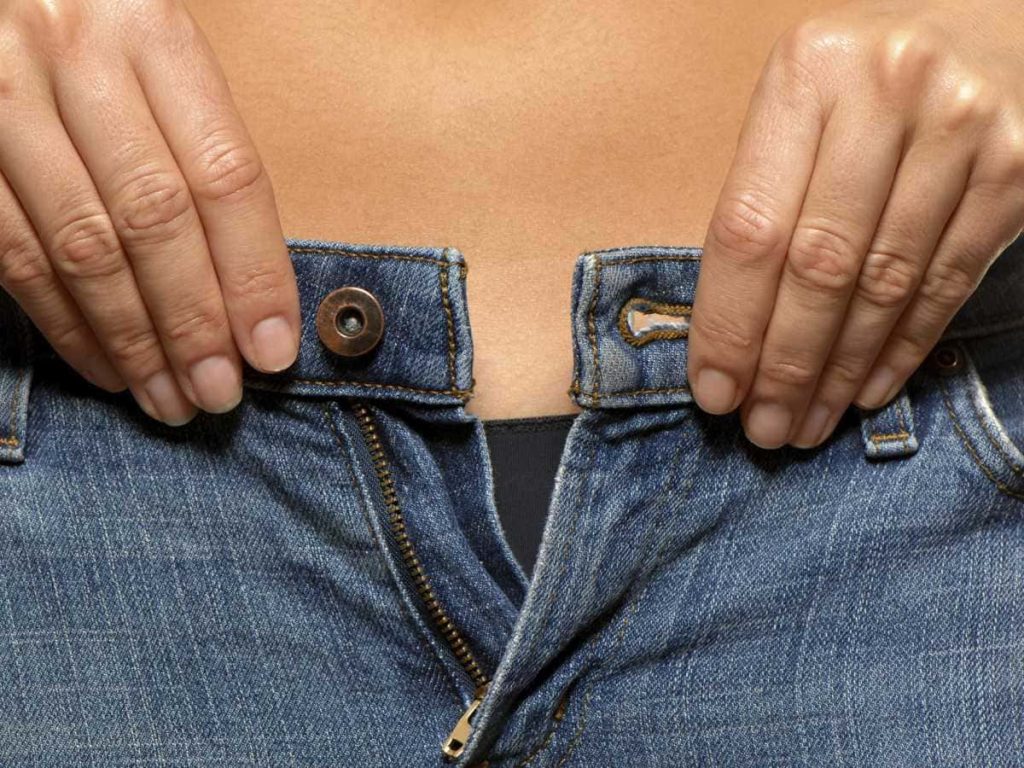
If you already own something that turned out too big, don’t just toss it. A trip to a tailor can often turn a wrong-size purchase into a great-fitting piece.
It’s also worth doing a wardrobe check now and then. Anything that no longer fits but is still in good shape can be donated instead of left to gather dust.
3. Overly Trendy Outfits
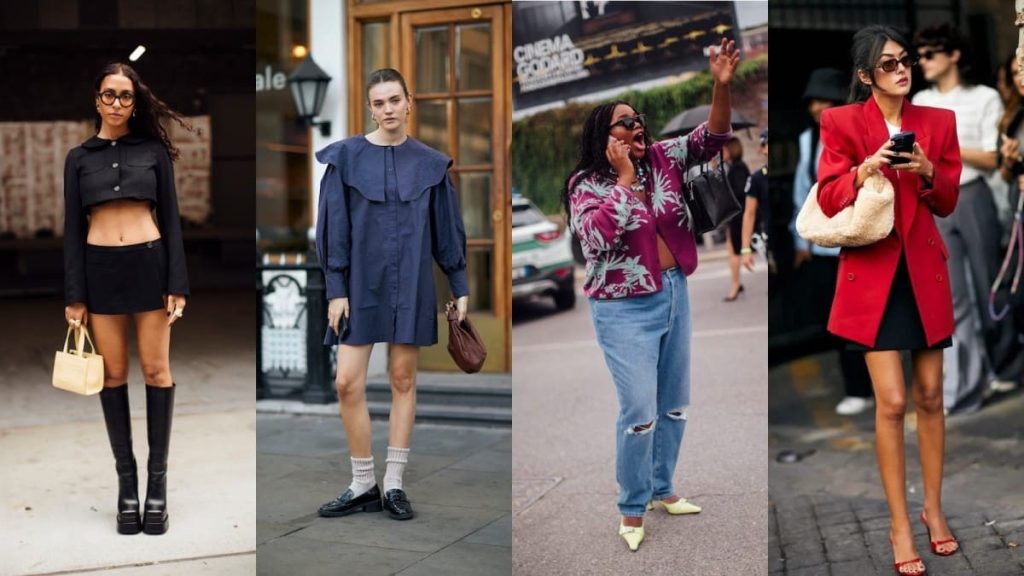
Keeping an eye on trends is smart, but not every trend is meant for you. The goal is figuring out which ones actually match your personal style.
You can absolutely look current without losing your own identity. It just takes a bit of balance.
Big, long-lasting trends the kind that shape fashion globally tend to be safer bets. They stick around long enough to justify investing in them.
Smaller, short-lived trends are more like seasoning. A single accent piece can freshen up an outfit without taking it over.
The mistake happens when you pile on too many trends at once. That’s when an outfit starts to feel busy instead of stylish.
4. Seasonal Misalignment

This mistake sounds obvious, yet it happens all the time. Getting the most out of your closet is great, but some pieces are simply tied to a specific season.
A light, flowy sundress is a perfect example. It’s built for warm, breezy days, not for the middle of winter.
Wearing it out of season usually just leaves you cold and uncomfortable. No outfit is worth that trade-off.
The smarter move is building your wardrobe around versatile staples. Pieces that transition easily between seasons give you far more mileage.
That kind of flexibility keeps your outfits practical without sacrificing style. You stay comfortable and put-together no matter the weather.
5. Too Many Accessories

Piling on every accessory you own usually comes from indecision rather than actual style choices. The truth is, restraint often looks more polished than excess.
That doesn’t mean you can’t stack multiple pieces of the same type, like rings or necklaces. Just make sure they work together as a set, not against each other.
Every outfit has its own accessory limit. Learning to read that limit is part of dressing well.
Simple, minimal outfits generally have more room to play with jewelry and accessories. They act like a blank canvas.
Loud or pattern-heavy outfits are the opposite. Keeping accessories minimal there lets the outfit itself stay the focus.
6. Lack Of Accessories
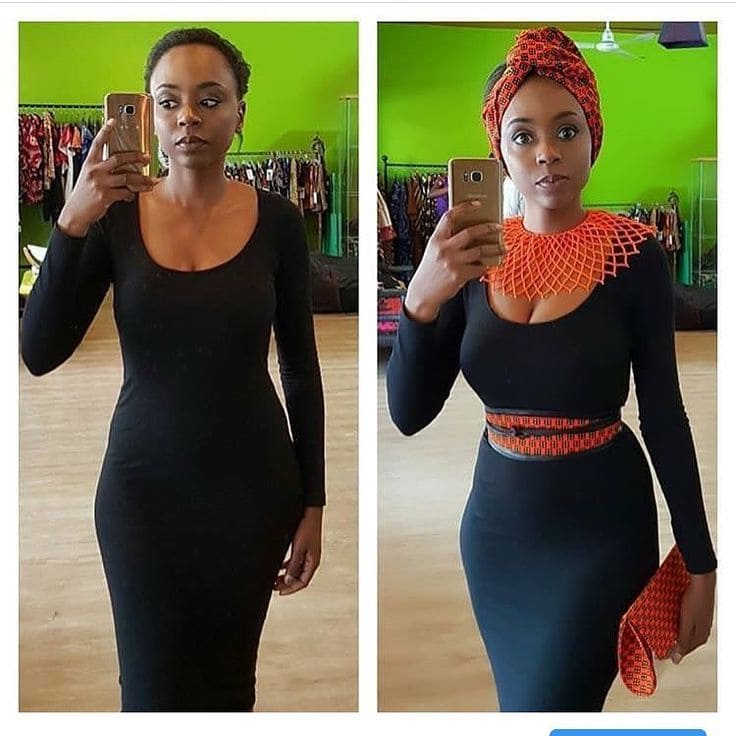
On the flip side, going without any accessories at all can leave an outfit feeling unfinished. A few well-chosen extras can genuinely transform a look.
Investing in a couple of timeless pieces pays off long-term. Simple jewelry or a classic watch works with almost anything you own.
When picking between silver and gold, let your skin tone be the guide. Those with neutral undertones have the easiest time, since both metals tend to work.
Bags deserve the same thought. Different styles suit different occasions.
A tote or shoulder bag is great for everyday errands and work. Save clutches and mini bags for dressier, more formal occasions.
7. Mismatched Accessories
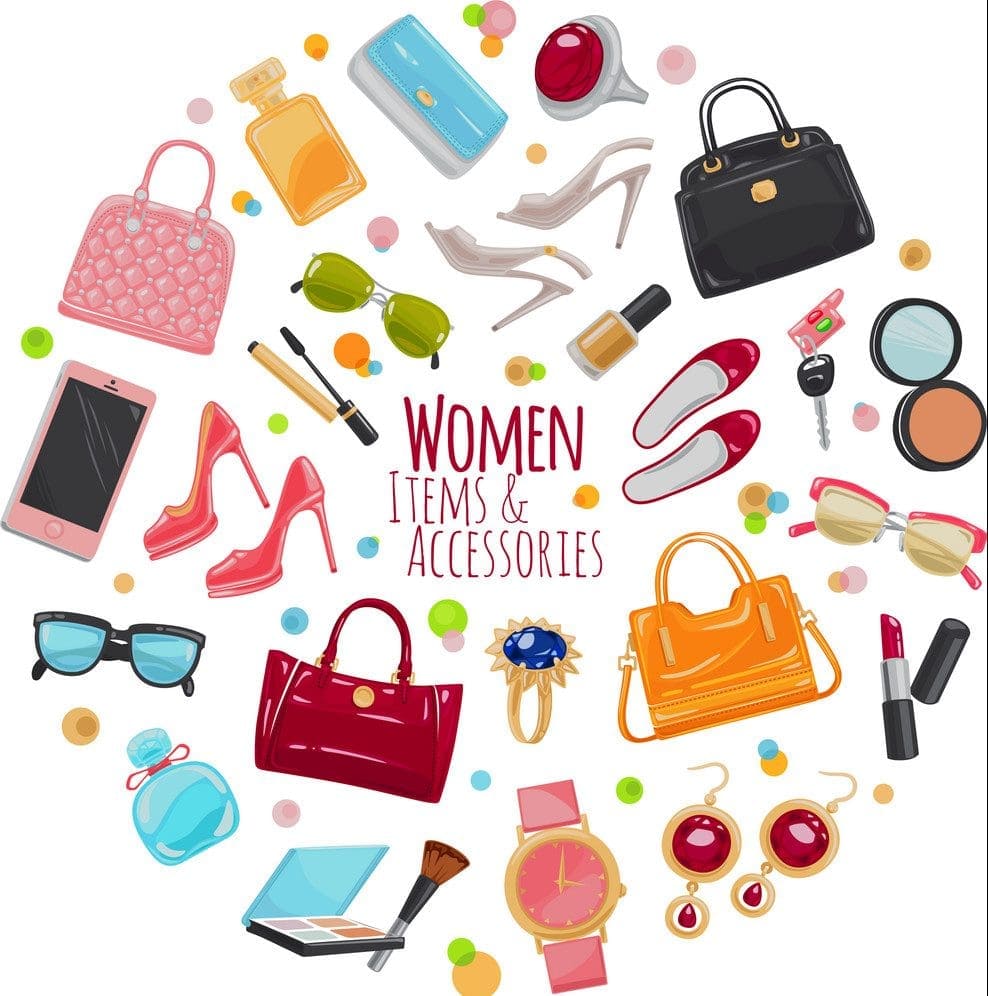
This happens when your chosen pieces just don’t sit well together, whether in color, style, or type. The result is a look that feels scattered rather than intentional.
Avoiding it comes down to picking a clear direction and sticking to it. Consistency is what makes accessories feel cohesive.
Sticking to a coordinated color palette is a good starting point. From there, make sure every piece fits the same overall style theme.
A classic outfit calls for classic accessories throughout. Don’t mix in something that clashes with that vibe.
The same logic applies to a boho look. Every accessory should carry that same relaxed, eclectic energy for the outfit to feel unified.
8.Wrong Shoe Type
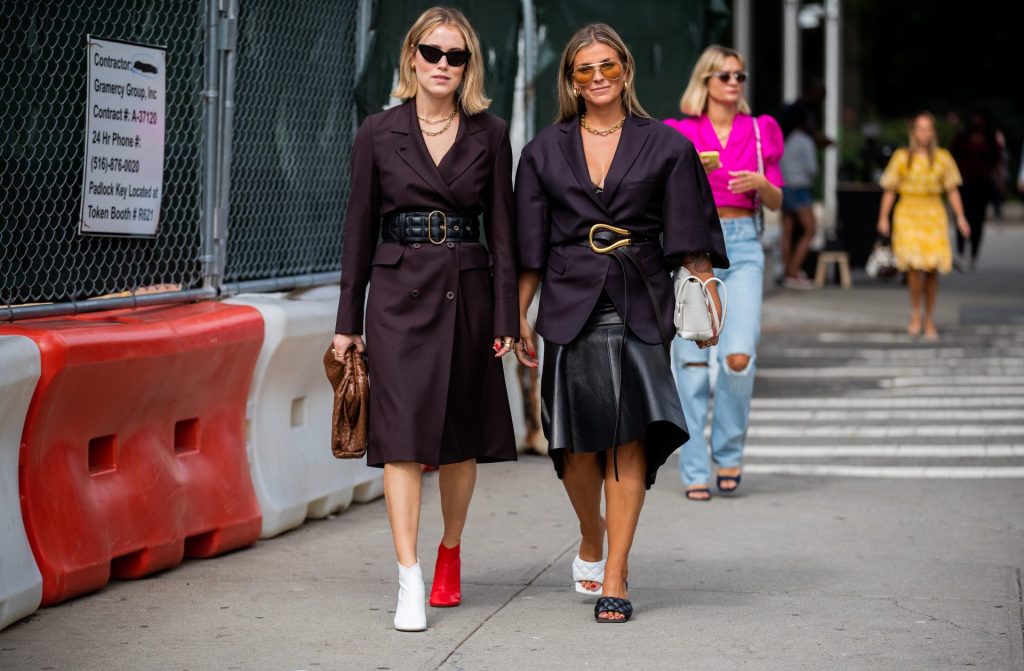
Casual outfits are usually forgiving and pair well with a wide range of shoe styles. Dressier or more specific occasions are a different story.
Formal events like company galas or celebrations call for shoes with a bit more polish. Heels tend to fit that elegant, put-together mood best.
Active days call for the opposite approach. Comfortable sneakers are non-negotiable when you’re on your feet or moving around a lot.
Before getting dressed, think through what your day actually involves. That context should guide your footwear choice from the start.
Getting this right does double duty. It keeps you looking sharp while also keeping you genuinely comfortable.
9. Mismatched Shoes
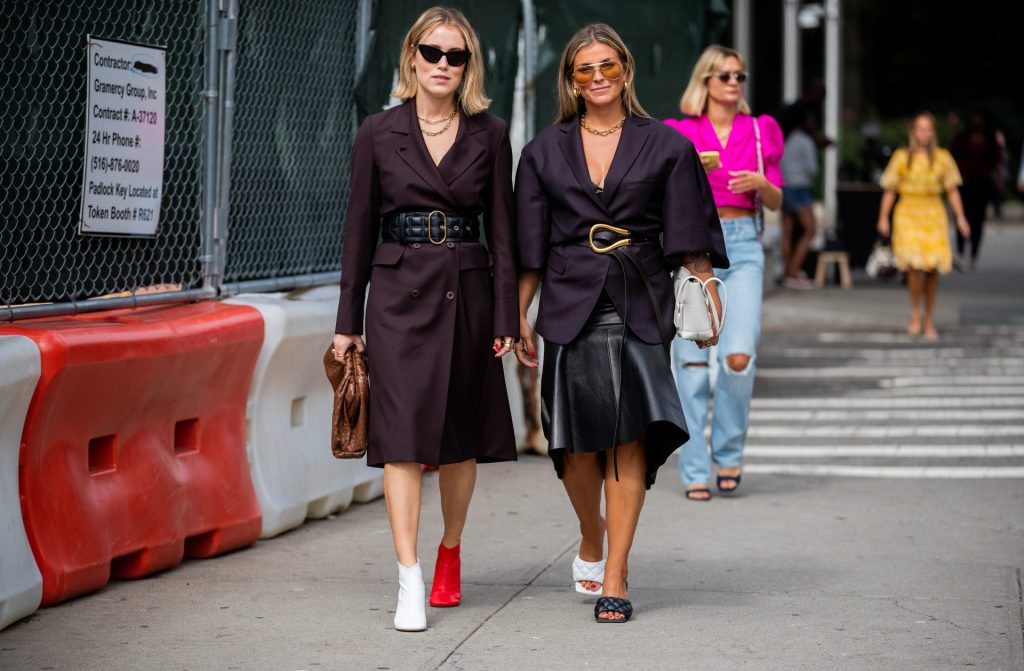
Shoe-related mistakes are surprisingly common, even among people who otherwise dress well. Part of the blame goes to pop culture plenty of us grew up wanting the glamorous, effortless style seen on TV.
One trend that got popularized this way is intentionally mismatched shoes. Done well, it can look playful and intriguing rather than sloppy.
The key is pairing shoes with similar shapes and heel heights. That similarity is what keeps the mismatch looking intentional.
Pairing something like sneakers with heels, though, rarely works. It tends to look chaotic and can even throw off how you walk.
If you want to try this trend, it’s worth looking up a proper style guide first. A little research goes a long way here.
10. Overdone Makeup
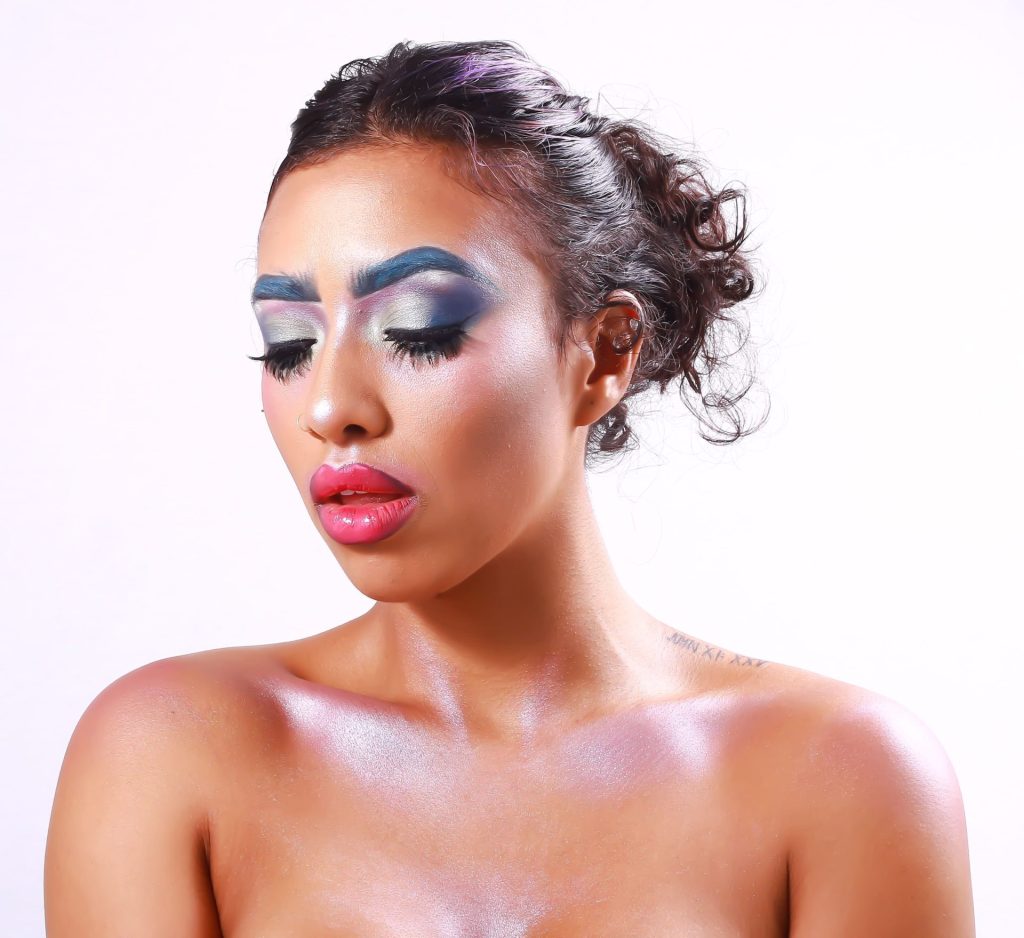
Makeup mistakes are just as common as clothing ones, and overdoing it is the most frequent offender. Reading the context of an event matters just as much for makeup as it does for outfits.
Full glam makeup has its place at parties and evening events where a bolder look fits right in. It’s simply too much for a low-key coffee date or a casual weekend outing.
Learning proper application technique also makes a big difference. Good technique helps makeup enhance your features instead of masking them.
Just like color coordination in clothing, makeup needs its own kind of balance. Nothing should compete for attention.
Matching your makeup intensity to the setting is really the whole secret. Once that clicks, the rest tends to fall into place.
11. Unkempt Hair

Hair that looks messy, dry, or neglected sends a signal you probably don’t intend. Split ends, greasy roots, and constant frizz are the usual culprits.
Even a great outfit can be undercut by hair that looks uncared for. It’s one of those details people notice more than you’d expect.
The fix starts with basic upkeep. Regular trims keep hair looking fresh and prevent damage from building up.
Good haircare products matter too. They nourish your hair and make it easier to manage day to day.
Having a fast, reliable styling routine helps on busy mornings. Even a few extra minutes can completely change how polished you look.
12. Neglecting Personal Hygiene

No outfit, however stylish, can make up for basic hygiene being overlooked. Body odor, unbrushed teeth, or unwashed clothes undo an otherwise great look instantly.
This one is easy to overlook simply because it’s so basic. That’s exactly why it’s worth double-checking before you head out.
Good hygiene is really a baseline expectation, not an optional extra. It should come before anything related to style.
Staying clean and fresh also shows consideration for the people around you. It’s a small habit with a big impact.
Building a simple, consistent hygiene routine solves this permanently. Once it’s a habit, you won’t have to think about it at all.
13. Inappropriate Dress for Occasion
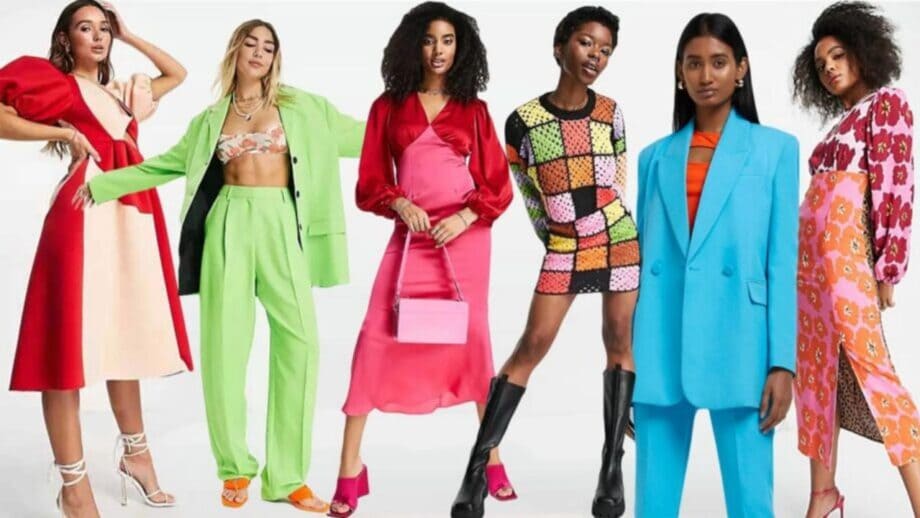
Certain events come with unspoken or very spoken dress expectations. Weddings, funerals, and formal meetings all fall into this category.
Attending a wedding as a guest usually means there’s a dress code to follow. Ignoring it can come across as careless.
Casual pieces like plain t-shirts and jeans generally don’t belong at formal events. The same goes for anything too revealing for the setting.
Keeping a couple of versatile formal outfits on hand solves this problem in advance. A well-chosen suit or dress can be reused across several occasions.
Dressing appropriately signals that you understand and respect the occasion. It’s a small effort that leaves a strong impression.
14. Misunderstanding Body Shapes
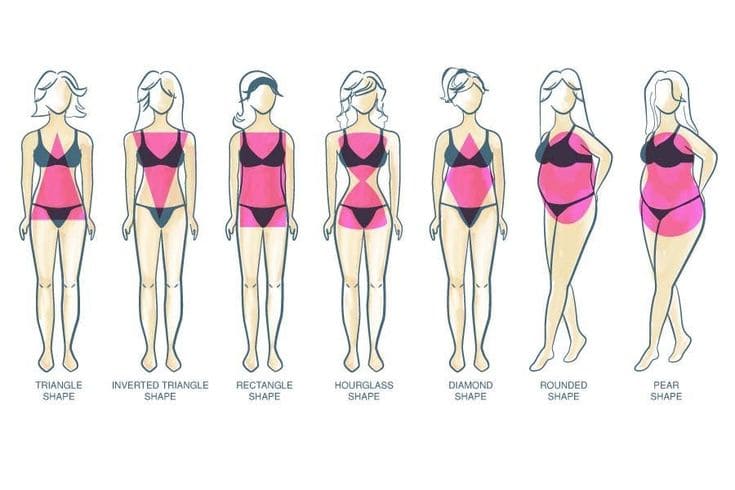
Plenty of resources exist online to help you figure out your body shape. It’s worth spending a little time on this before building out your wardrobe.
Understanding your shape helps you choose clothes that genuinely flatter you. That’s the entire point of shape-based dressing advice.
Three key points matter most: shoulders, waist, and hips. Comparing these gives you a clear read on your general body type.
An hourglass shape, for instance, usually means a narrower waist with shoulders and hips roughly aligned. There are several other recognized shapes beyond that one.
Once you know your shape, dressing gets easier. You can highlight the features you love and downplay the ones you’d rather not emphasize.
15. Overdoing Patterns And Colors
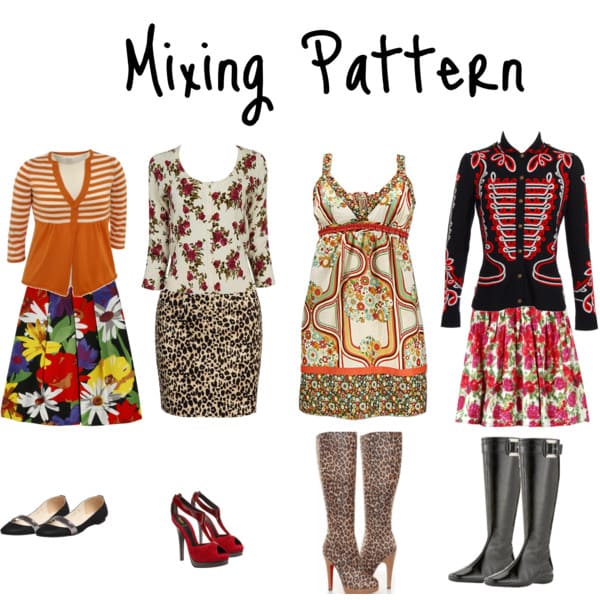
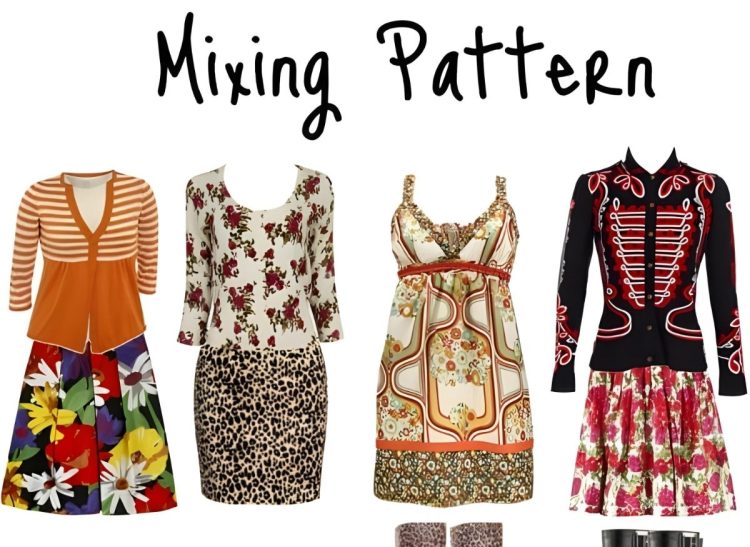
Bold patterns and bright colors are eye-catching on their own. Combined carelessly, though, they can turn into a cluttered, overwhelming mess.
This is one of the trickier mistakes to avoid, since the individual elements are usually attractive. The problem only shows up once they’re combined.
If you’re still building confidence with pattern-mixing, start simple. Pair just one pattern or one bold color with neutral tones for balance.
As your eye develops, you can gradually experiment further. More advanced pairing takes practice and a good sense of proportion.
Keeping the earlier tips in mind fit, color harmony, occasion helps here too. They all work together to keep an outfit looking intentional rather than chaotic.
16. Lack Of Clothes Care
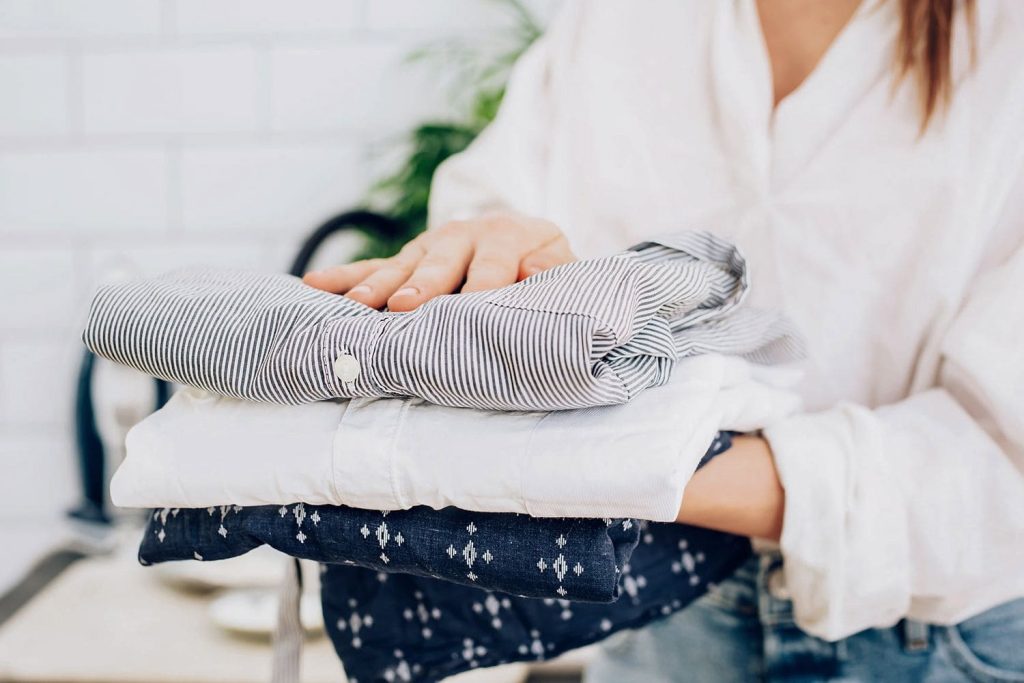
Even if you’ve avoided every mistake above, clothing care is easy to overlook. Most people know the basics of washing, but the details matter more than they seem.
Some fabrics are fine in the washing machine, while others need to be hand-washed to keep their shape and color intact. Knowing the difference protects your clothes long-term.
Certain items go a step further and require dry cleaning. Suits, gowns, and heavier coats usually fall into this category.
How you store clothes matters just as much as how you wash them. Knitwear, for example, should never be hung, since it stretches out of shape over time.
Pieces that wrinkle easily or need to stay crisp like suits should be hung with care instead. A little attention here keeps your wardrobe looking good for much longer.