
Perimenopause Explained: A Comprehensive Guide for Every Woman
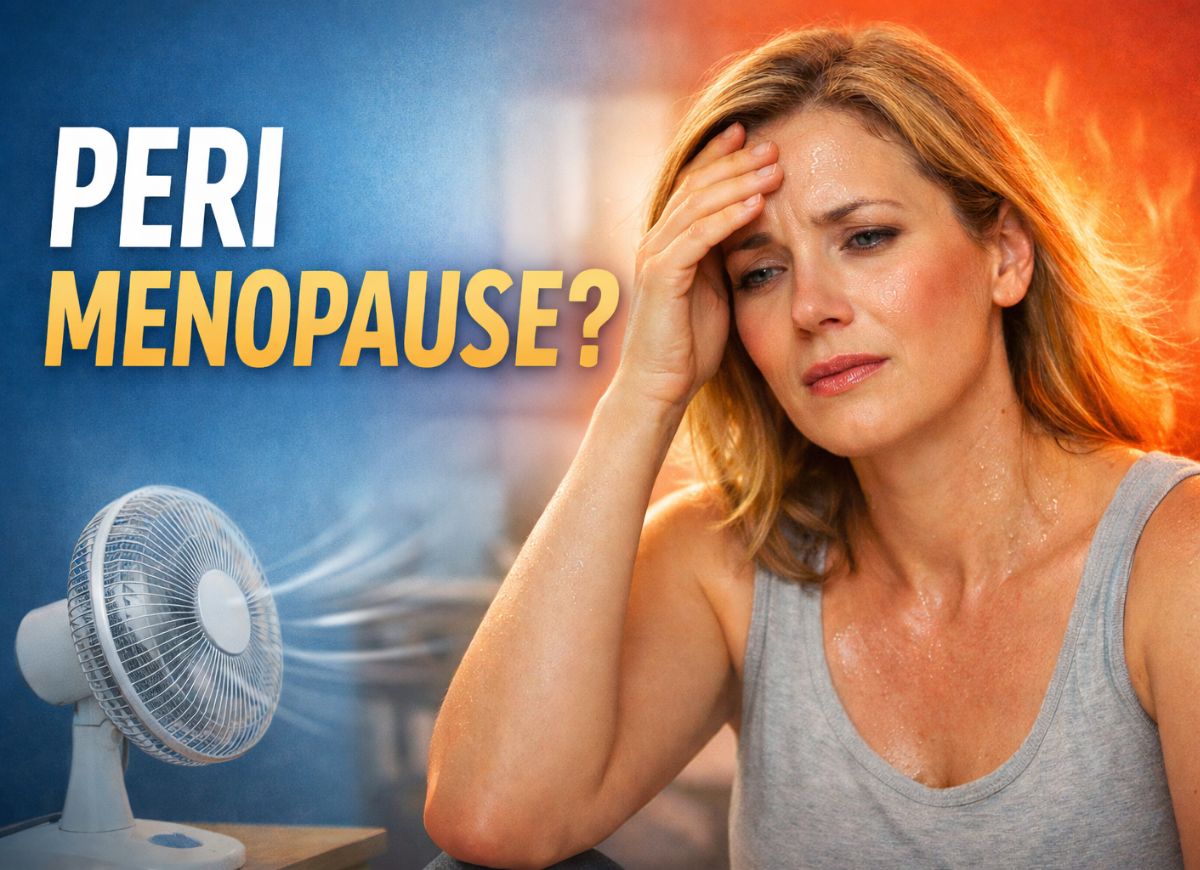
Turning 50 is often considered an important milestone in a woman’s life, but many of the changes associated with this stage actually begin much earlier. For some women, the transition can start during their 40s or even in their late 30s. This period is known as perimenopause, and it can continue for several years before menopause occurs.
Unlike menopause, which is widely recognized as a specific stage of life, perimenopause is a gradual and sometimes unpredictable transition. During this time, reproductive hormones begin to fluctuate, leading to physical, emotional, and cognitive changes. Many women are surprised by how strongly these changes can affect their everyday lives.
Perimenopause is often misunderstood as simply the beginning of menopause. In reality, it involves a series of hormonal changes that may cause symptoms such as hot flashes, mood changes, sleep difficulties, irregular periods, and changes in energy or concentration. These symptoms can interfere with work, relationships, daily routines, and overall well-being.
Understanding this transition can also help partners, family members, and friends provide better support. Some symptoms may not be visible to others, including emotional changes, exhaustion caused by poor sleep, anxiety, or difficulty adjusting to changes in the body. Learning about perimenopause can encourage greater patience, empathy, and understanding for everyone going through or supporting someone through this stage.
What Is Perimenopause?
Perimenopause is the transitional period leading up to menopause. It begins when ovarian hormone production, particularly estrogen, becomes less predictable and continues until menopause is reached. Rather than being one specific event, it is a gradual process involving changes in reproductive hormones and menstrual patterns.
The term “perimenopause” comes from the Greek prefix “peri,” meaning around or near, combined with “menopause.” It therefore describes the period surrounding the transition into menopause. Perimenopause commonly begins during the 40s, although some women may notice changes earlier or later.
The length of perimenopause varies from woman to woman. For many, it lasts several years, while others may experience a shorter or longer transition. One of its most noticeable characteristics is hormonal fluctuation. Estrogen does not simply decline steadily during this period. Instead, its levels can rise and fall unpredictably. These changes can contribute to irregular periods, hot flashes, mood changes, sleep problems, and other symptoms.
Progesterone levels can also change as ovulation becomes less consistent, contributing to menstrual irregularities.
Perimenopause is sometimes described in terms of earlier and later stages. During earlier perimenopause, menstrual cycles may begin to change slightly, becoming shorter or longer than usual. As menopause gets closer, periods may become increasingly irregular, with skipped periods becoming more common. Symptoms such as hot flashes and vaginal dryness may also become more noticeable.
Although fertility declines during perimenopause, pregnancy is still possible because ovulation can continue to occur unpredictably. Women who do not want to become pregnant should therefore continue using contraception until menopause has been confirmed. Menopause is generally considered to have occurred after 12 consecutive months without a menstrual period.
The Difference Between Perimenopause and Menopause
Perimenopause and menopause are related but represent different stages of reproductive aging.
Perimenopause is the transition leading up to menopause. During this period, hormone levels fluctuate, menstrual cycles become less predictable, and symptoms may appear or change in intensity. A woman can still ovulate during perimenopause, meaning pregnancy remains possible.
Menopause, on the other hand, refers to a specific point in time. It is identified retrospectively after a woman has gone through 12 consecutive months without a menstrual period, assuming there is no other explanation for the absence of menstruation.
Once menopause has occurred, a woman enters postmenopause. During postmenopause, estrogen levels remain lower than they were during the reproductive years. Some symptoms that began during perimenopause, including hot flashes and vaginal dryness, may continue for some time.
The average age of menopause in the United States is around 51, although the timing differs from woman to woman.
During perimenopause, menstrual bleeding may become heavier, lighter, shorter, longer, or may occasionally be skipped. Hormonal fluctuations are responsible for many of the symptoms experienced during this period.
After menopause, the ovaries no longer regularly release eggs, and natural pregnancy is no longer possible. The postmenopausal years also bring increased attention to health concerns associated with lower estrogen levels, including bone health and cardiovascular health.
Symptoms of Perimenopause
Perimenopause can cause a wide variety of symptoms. Some women experience only mild changes, while others experience symptoms that significantly affect their daily routines.
Common symptoms include irregular periods, hot flashes, night sweats, sleep problems, mood changes, anxiety, difficulty concentrating, and changes in sexual health. These symptoms are largely associated with changing reproductive hormone levels.
Because every woman experiences perimenopause differently, there is no single pattern that applies to everyone.
The Primary Physical Symptoms of Perimenopause
Physical symptoms are often among the earliest noticeable signs of perimenopause. Changes in menstrual patterns, hot flashes, night sweats, sleep disturbances, vaginal dryness, urinary symptoms, and changes in sexual desire can all occur during this transition.
Irregular Menstrual Cycles
Changes in menstrual cycles are often one of the earliest signs of perimenopause.
As ovulation becomes less predictable, the time between periods may change. For example, a woman may have a shorter cycle one month and a significantly longer cycle the next. Menstrual bleeding can also become heavier or lighter.
Skipped periods are particularly common as a woman gets closer to menopause. These changes occur because ovarian hormone production and ovulation become increasingly irregular.
Hot Flashes and Night Sweats
Hot flashes are among the most recognized symptoms of perimenopause. They involve a sudden sensation of heat, often affecting the face, neck, chest, or upper body. Some women also experience sweating, flushing, a faster heartbeat, and chills afterward.
When hot flashes happen during sleep, they are commonly referred to as night sweats. They can be strong enough to interrupt sleep and may leave bedding or clothing damp.
Changes in estrogen can affect the body’s temperature-regulation system, contributing to these episodes.
Sleep Problems
Sleep difficulties are another frequent complaint during perimenopause.
Night sweats can cause repeated awakenings, but sleep problems can also occur independently of them. Hormonal changes, stress, anxiety, and changes in sleep patterns may all contribute to difficulty falling asleep or staying asleep.
Poor sleep can then make other symptoms, including irritability, fatigue, and difficulty concentrating, feel more noticeable.
Vaginal and Urinary Changes
Lower estrogen levels can affect the tissues of the vagina and urinary tract. These tissues may become thinner, drier, and less elastic.
As a result, some women may experience vaginal dryness, irritation, itching, burning, or discomfort during sexual activity. Urinary symptoms, including increased urinary frequency, urgency, or recurrent urinary tract infections, may also occur.
Changes in vaginal comfort can also contribute to a decrease in sexual desire or make intimacy uncomfortable.
The Common Emotional and Cognitive Symptoms of Perimenopause
Perimenopause can affect emotional and cognitive well-being as well as physical health.
Some women experience mood swings, irritability, anxiety, sadness, or difficulty concentrating. Others describe a feeling commonly known as “brain fog,” which may involve forgetfulness, difficulty finding words, or trouble focusing on everyday tasks.
Hormonal changes can influence brain function and emotional regulation. At the same time, poor sleep, stress, and physical discomfort can further affect mood and concentration.
Mood Swings and Irritability
Some women notice that their emotions become more difficult to predict during perimenopause. Minor frustrations may suddenly feel overwhelming, or emotions may shift more quickly than they did previously.
Increased irritability and feeling unusually emotional can be frustrating, particularly when these changes seem unfamiliar.
These experiences can be influenced by hormonal fluctuations, but they can also be intensified by lack of sleep, stress, and other physical symptoms.
Anxiety and Depression
Perimenopause can also be a period when some women experience increased anxiety or depressive symptoms.
Some may develop anxiety symptoms for the first time, while women with a previous history of anxiety or depression may notice their symptoms becoming more difficult to manage.
Changes in fertility, aging, disrupted sleep, physical symptoms, and other life circumstances may also affect emotional well-being.
It is important to distinguish temporary mood changes from persistent anxiety or depression. If sadness, hopelessness, anxiety, or other emotional symptoms continue or interfere with daily life, professional support can be helpful.
Brain Fog and Cognitive Changes
“Brain fog” is a common term used to describe cognitive difficulties that some women experience during perimenopause.
It can include forgetting names, losing track of why you entered a room, struggling to concentrate, or having difficulty finding the right word during a conversation.
These experiences can sometimes cause concern about serious me