Homemade Aloe Vera Soap for a Fresh, Gentle Skin Feel
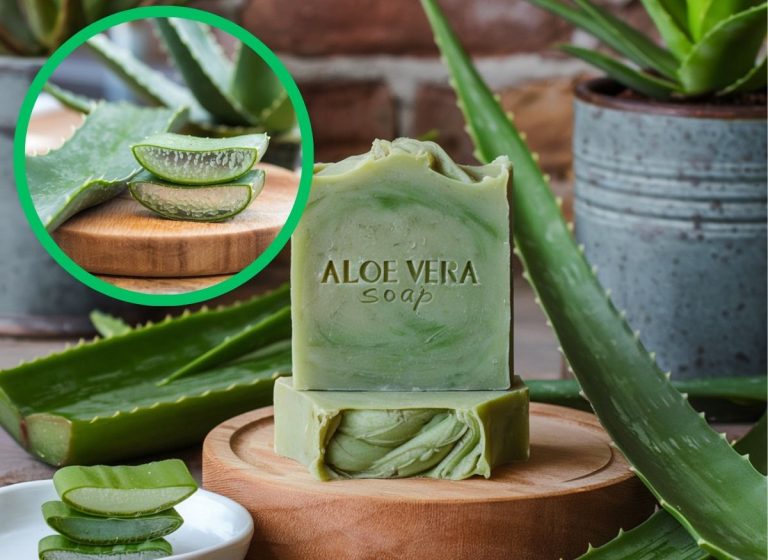
Aloe vera has long been a go-to skincare ingredient, valued for its soothing and hydrating qualities. Worked into a homemade soap, it turns an everyday routine into something a bit more nourishing and enjoyable.
Store-bought soaps often rely on harsh chemicals that strip skin of its natural moisture. Making your own aloe vera soap means every wash uses ingredients you actually recognize and trust.
If glowing, healthier-feeling skin is the goal, homemade aloe vera soap is worth trying, and there’s something genuinely satisfying about making your own skincare from scratch.
The Skin-Loving Benefits of Homemade Aloe Vera Soap
- Deep hydration without clogged pores. Aloe vera hydrates without the greasy feel of heavier moisturizers, thanks to its water-based composition.
- Soothes irritation and redness. Aloe vera is well known for calming inflammation, making it useful for sensitive skin, eczema, or sunburn relief.
- Gentle cleansing. Unlike many commercial soaps loaded with harsh sulfates, homemade aloe vera soap cleanses without stripping skin’s natural moisture barrier.
- Rich in antioxidants. Aloe vera contains vitamins C and E, which help combat free radicals linked to premature aging, supporting elasticity and a more youthful look over time.
- Helps with acne. Its antibacterial and anti-inflammatory properties can help target acne-causing bacteria while calming redness and swelling.
How to Make Homemade Aloe Vera Soap
This DIY soap recipe is more approachable than it might sound, and you control exactly what goes into it.
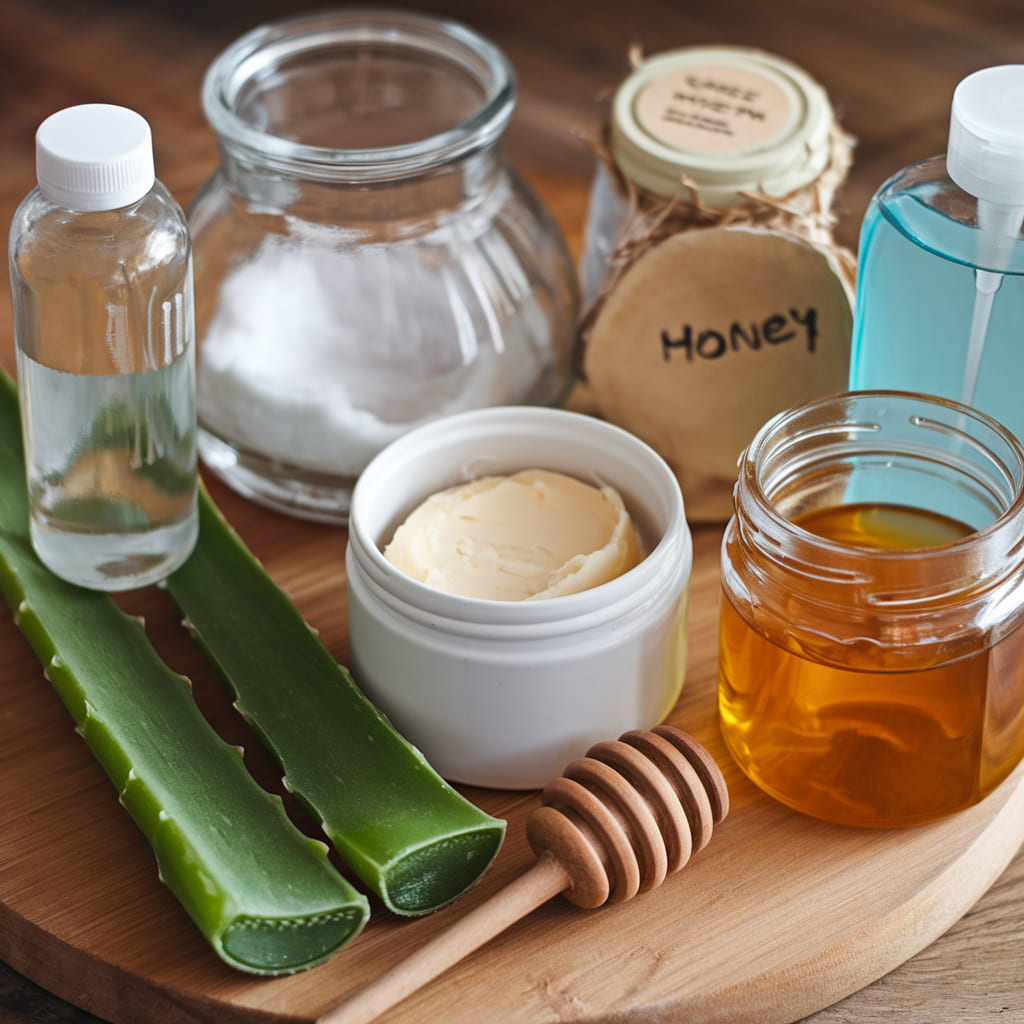
Ingredients:
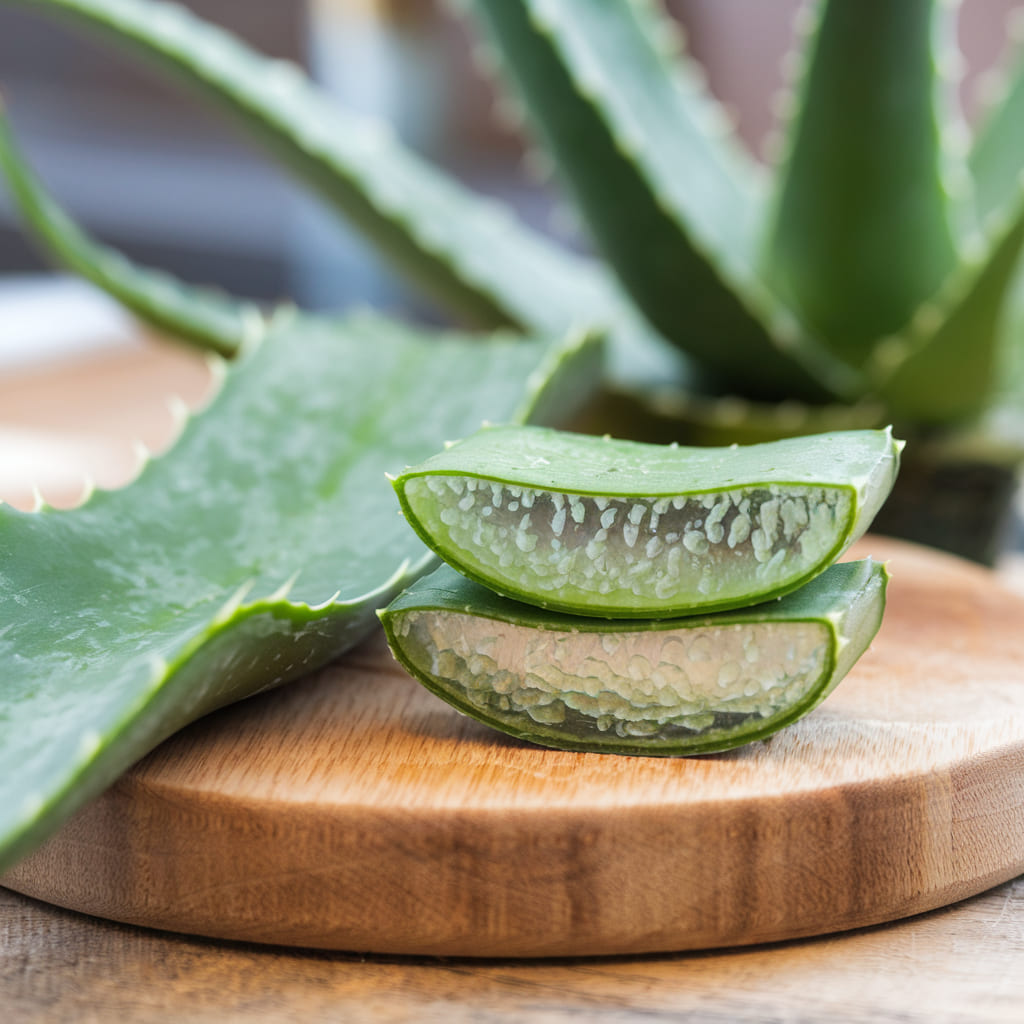
- 1 cup fresh aloe vera gel, blended smooth
- 1/2 cup coconut oil
- 1/2 cup olive oil
- 1/4 cup shea butter
- 1/4 cup castor oil
- 1 tablespoon honey (optional, for added hydration)
- 10 to 15 drops essential oil (lavender, tea tree, or chamomile)
- 1 tablespoon activated charcoal (optional, for deep cleansing)
- 1/2 cup lye (sodium hydroxide)
- 1 cup distilled water
Instructions:
- Prepare your workspace. Wear protective gloves and goggles when handling lye, and work in a well-ventilated area.
- Mix lye and water. Slowly add the lye to the distilled water, never the reverse, and stir until dissolved. Let it cool.
- Melt the oils. In a separate pot, melt the coconut oil, olive oil, shea butter, and castor oil over low heat.
- Add the aloe vera gel. Stir the blended aloe vera gel into the melted oils.
- Combine lye and oils. Slowly pour the cooled lye mixture into the oils, stirring constantly.
- Blend to trace. Use an immersion blender until the mixture reaches “trace,” a pudding-like consistency.
- Add extras. Stir in honey, essential oils, or activated charcoal for extra benefits.
- Pour and set. Pour into a soap mold, cover with a towel, and let set for 24 hours.
- Cure. Cut into bars and let cure in a cool, dry place for 4 to 6 weeks before use.
Customizing the Recipe for Different Skin Types
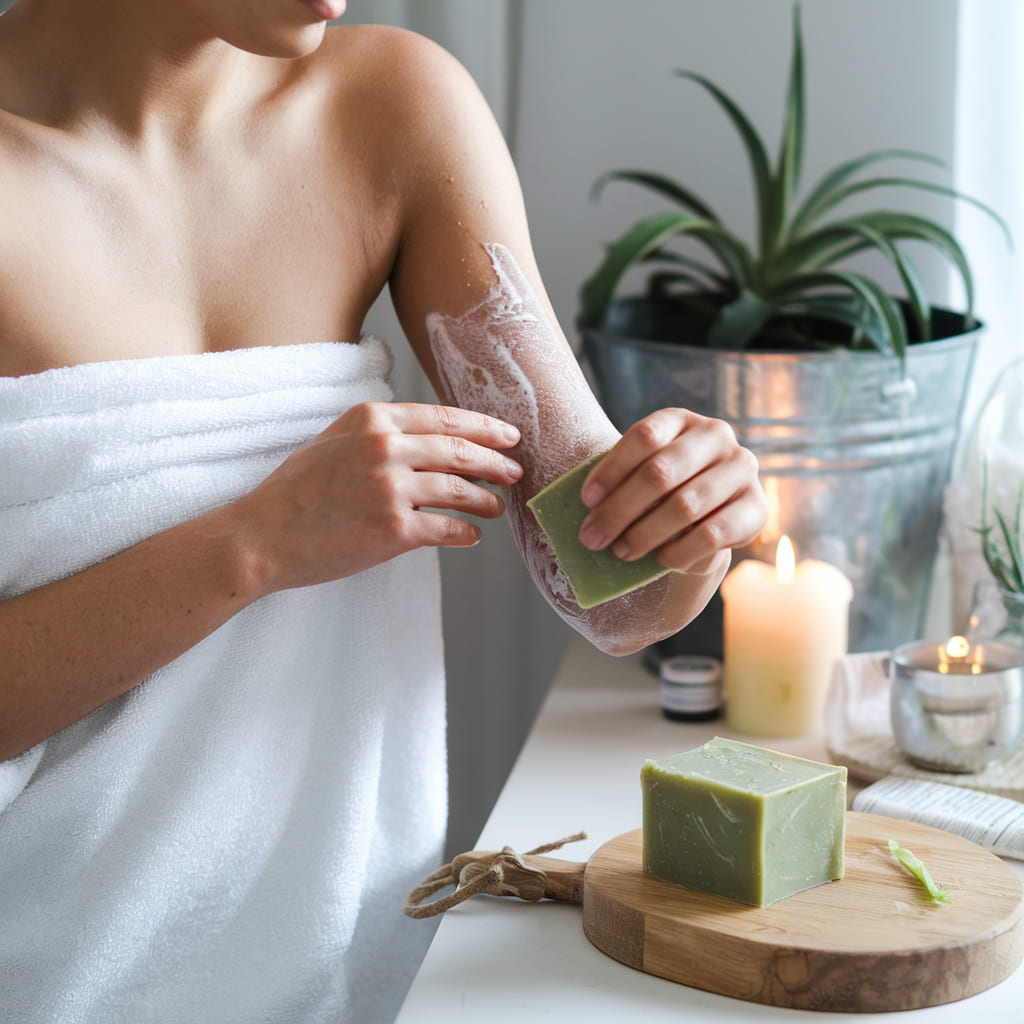
- For dry skin. Add extra shea or cocoa butter for deeper moisture, and consider chamomile essential oil to help calm irritation.
- For acne-prone skin. Mix in activated charcoal to help absorb excess oil, and add tea tree oil for its antibacterial effect.
- For sensitive skin. Skip the lye process entirely and use a melt-and-pour soap base instead, then add colloidal oatmeal for a soothing effect.
Ways to Use Homemade Aloe Vera Soap
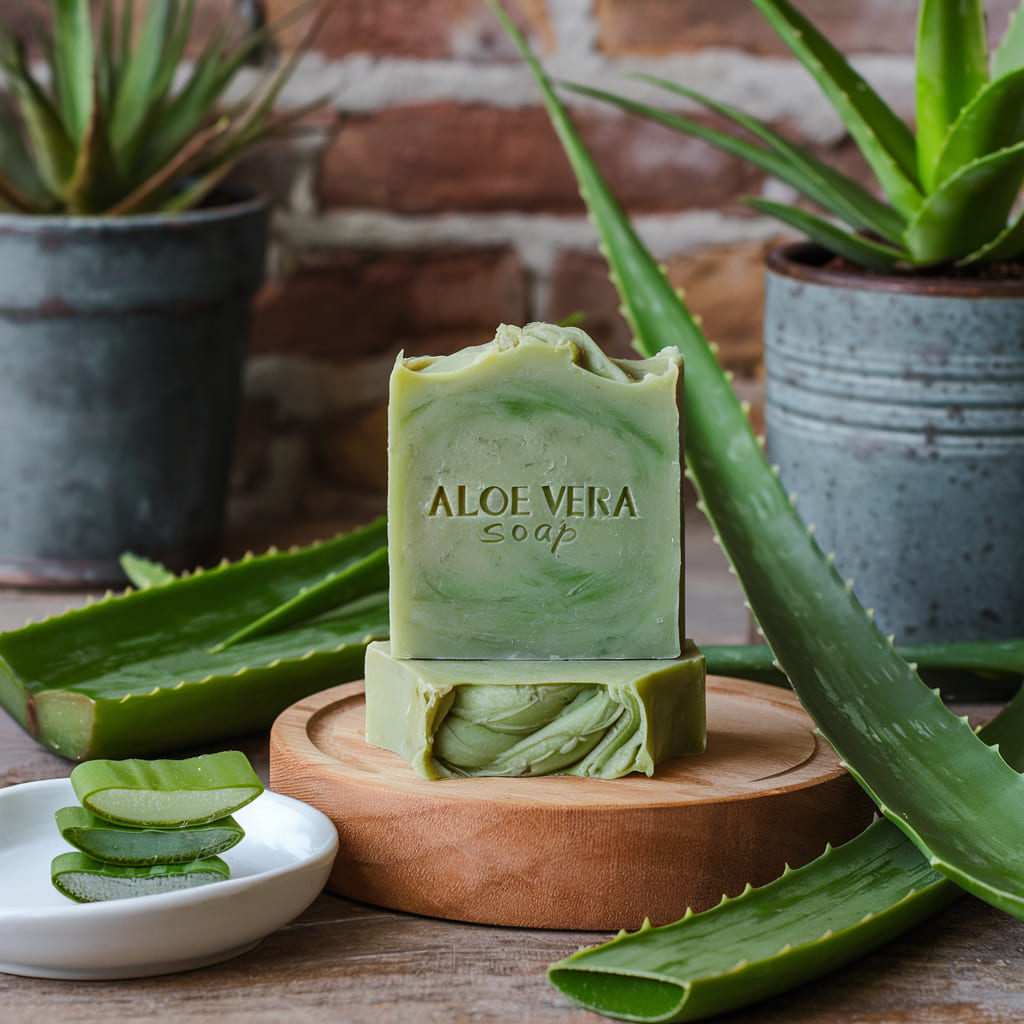
This soap isn’t limited to just washing your face, it’s genuinely versatile.
- As a daily facial cleanser. Gentle enough for everyday use while keeping skin fresh and hydrated.
- As a makeup remover. Lathers well and helps break down makeup without harsh chemicals.
- As a body wash. Leaves skin feeling soft from head to toe.
- As a shaving soap. Provides a smooth glide that can help prevent razor burn.
- As a gentle baby wash. Mild and natural enough for delicate baby skin.
Disclaimer :
This article is for informational purposes only and is not intended as medical advice. Always patch test new skincare products, especially if you have allergies or sensitive skin, and consult a dermatologist if you experience irritation.
Homemade aloe vera soap not only nourishes skin, it also lets you skip the artificial additives common in store-bought options. Knowing exactly what’s in your soap makes each wash feel a little more worthwhile.