
10 Common Heartburn Symptoms of Acid Reflux
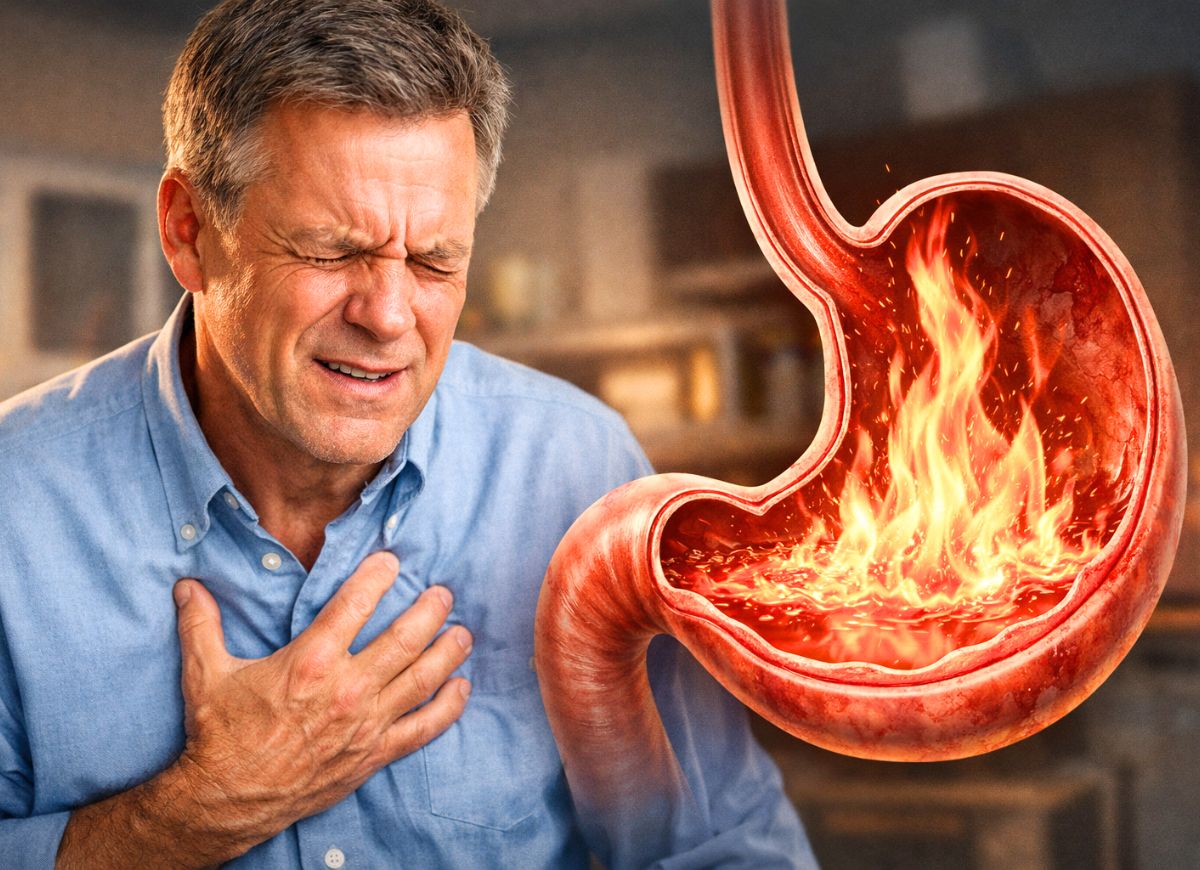
Heartburn and acid reflux are among the most common digestive problems, affecting millions of people around the world. Many people experience occasional reflux after eating certain foods, while others deal with symptoms regularly enough to interfere with daily life.
A burning feeling in the chest is probably the symptom most people associate with acid reflux. However, reflux can appear in many other ways. A sour taste in the mouth, repeated belching, chronic coughing, throat irritation, and even changes in the voice may all be connected to stomach acid moving upward.
Some symptoms can be easy to overlook because they do not always seem related to digestion. Persistent coughing, hoarseness, a lump-like feeling in the throat, or trouble swallowing can sometimes occur when reflux repeatedly irritates the esophagus and upper airway.
Frequent acid reflux may eventually develop into gastroesophageal reflux disease (GERD), which can cause inflammation and other complications when left untreated. Recognizing the symptoms early can help you determine when lifestyle changes may be enough and when medical advice is needed.
In this article, we’ll look at the 10 most common heartburn symptoms associated with acid reflux, along with common causes, warning signs, diagnosis, and ways to manage the condition.
10 Common Heartburn Symptoms of Acid Reflux
Burning Sensation in the Chest (Heartburn)
A burning feeling in the chest, commonly called heartburn or pyrosis, is one of the most recognizable symptoms of acid reflux. It happens when stomach contents move upward and irritate the sensitive lining of the esophagus.
The stomach has a protective mucus barrier that helps shield it from digestive acid. The esophagus does not have the same level of protection, so repeated exposure to stomach acid can cause irritation and inflammation.
Heartburn is often felt behind the breastbone and may travel upward toward the throat or neck. The sensation can range from mild warmth to a more intense burning discomfort.
Symptoms are often more noticeable after eating a large meal. A full stomach creates additional pressure that can make it easier for stomach contents to move through the lower esophageal sphincter (LES).
Lying down or bending over can also make symptoms worse because gravity is no longer helping keep stomach contents in the stomach. This is one reason nighttime heartburn can interfere with sleep.
Certain foods and drinks may also trigger symptoms. Fatty foods, chocolate, mint, caffeine, spicy meals, and other personal triggers can make reflux more likely or make the resulting irritation feel worse.
Regurgitation
Regurgitation occurs when stomach contents flow backward into the throat or mouth. It may involve stomach acid, liquid, or partially digested food and can create an unpleasant sour or bitter sensation.
Unlike vomiting, regurgitation usually happens without forceful stomach contractions or strong nausea. It may feel more like a sudden backflow or “wet burp.”
This can happen when the lower esophageal sphincter does not close properly, allowing stomach contents to move upward into the esophagus.
Regurgitation may become more noticeable when bending over, lifting something heavy, lying down, or going to bed after eating. Some people may even wake up with acidic fluid in their mouth.
In some cases, reflux can cause “water brash,” which is an increase in saliva production as the body attempts to dilute or neutralize the acid. This may leave the mouth feeling unusually watery.
Sour or Bitter Taste
Acid reflux can leave a sour, acidic, or bitter taste in the mouth, particularly when stomach contents reach the back of the throat.
The material that moves upward may contain stomach acid and digestive substances such as pepsin. These can irritate the throat and create an unpleasant taste that may remain for some time.
The sensation can occur suddenly, especially after meals or when changing positions. Bending forward or lying down can make it easier for stomach contents to travel upward.
Some people experience this symptom during sleep and may wake up with an acidic taste in their mouth or throat.
Chest Pain
Acid reflux can cause chest discomfort that may feel sharp, burning, tight, or pressure-like. Because the esophagus is located close to the heart, reflux-related chest pain can sometimes be confused with pain caused by a heart problem.
The discomfort may occur behind the breastbone and can sometimes spread into nearby areas. However, chest pain should never automatically be assumed to be heartburn.
Severe, unexplained, or persistent chest pain—especially when accompanied by shortness of breath, sweating, dizziness, or pain spreading to the arm, jaw, back, or neck—requires immediate medical attention.
Difficulty Swallowing (Dysphagia)
Long-term acid reflux can irritate and inflame the esophagus, making swallowing uncomfortable or difficult. This problem is known as dysphagia.
Repeated acid exposure may cause esophagitis, or inflammation of the esophageal lining. When swallowing becomes painful, the condition may also be described as odynophagia.
In some people, ongoing inflammation can eventually lead to scar tissue. This scar tissue may narrow the esophagus, creating an esophageal stricture that makes it harder for food to pass normally.
Solid foods may become difficult to swallow first, and in more advanced cases, liquids may also cause problems.
Persistent reflux can also affect the normal movement of the esophagus. When the muscles do not coordinate properly, food may feel as though it is moving slowly or becoming stuck.
Chronic Cough
A persistent cough can sometimes be associated with acid reflux. When small amounts of refluxed material reach the throat or airway, they may irritate sensitive tissues and trigger the body’s cough reflex.
This cough is often dry and may become more noticeable at night when a person is lying down.
Repeated irritation can also affect the larynx and vocal cords, potentially causing hoarseness, frequent throat clearing, or changes in the voice.
Hoarseness or Laryngitis
Acid reaching the throat and voice box can irritate the vocal cords and cause a raspy, strained, or hoarse voice.
Some people notice these symptoms more strongly in the morning after spending several hours lying down.
Ongoing throat irritation may also create a raw or uncomfortable feeling. When reflux reaches the upper throat and larynx, it is sometimes referred to as laryngopharyngeal reflux (LPR).
Sensation of a Lump in the Throat (Globus Sensation)
A globus sensation is the feeling that something is stuck or lodged in the throat even though there is no actual object blocking it.
People may describe it as feeling like a pill, piece of food, mucus, or small lump is sitting in the throat.
Reflux-related inflammation and increased muscle tension around the upper esophagus and throat may contribute to this sensation. It can be persistent even when swallowing is otherwise normal.
Nausea
Nausea is another possible symptom associated with acid reflux. It can feel like an unsettled stomach, queasiness, or an urge to vomit.
Repeated reflux and irritation of the upper digestive tract may contribute to this uncomfortable feeling, although nausea can also have many other causes.
If nausea is frequent, severe, or occurs alongside vomiting, significant abdominal pain, weight loss, or other concerning symptoms, medical evaluation may be appropriate.
Bloating and Belching
Bloating and frequent belching can occur alongside acid reflux. Excess gas or pressure in the stomach may encourage the lower esophageal sphincter to open, allowing stomach contents to move upward.
Repeated burping may sometimes bring a small amount of acidic material into the esophagus or throat.
Large meals, eating quickly, carbonated beverages, and swallowing excess air can all contribute to bloating and belching in some people.
What Causes Acid Reflux And Its Associated Heartburn?
The main cause of acid reflux is usually weakness or inappropriate relaxation of the lower esophageal sphincter (LES). This ring of muscle sits between the esophagus and stomach and normally works like a valve.
After food enters the stomach, the LES should close to prevent stomach contents from flowing backward. If it relaxes too often or does not close tightly enough, acid and other stomach contents can move into the esophagus.
A hiatal hernia can also contribute to reflux. This occurs when part of the stomach moves upward through an opening in the diaphragm. The change in anatomy can interfere with the normal function of the LES.
Increased pressure inside the abdomen may also encourage reflux. Obesity, pregnancy, overeating, and tight clothing around the abdomen can increase pressure on the stomach.
Certain foods and substances may relax the LES or worsen reflux symptoms. Common examples include fatty foods, fried foods, chocolate, mint, alcohol, and nicotine.
Other foods and beverages, including caffeine, spicy foods, citrus fruits, and tomatoes, may trigger symptoms in some people. Individual triggers can vary, so keeping track of foods that repeatedly cause symptoms can be useful.
The Difference Between Acid Reflux and Heartburn
Acid reflux and heartburn are related, but they are not exactly the same thing.
Acid reflux describes the physical process in which stomach contents move backward into the esophagus.
Heartburn describes the burning sensation that can occur when reflux irritates the esophageal lining.
In simple terms, acid reflux is the event, while heartburn is one of the symptoms it can produce.
Not everyone with acid reflux experiences classic heartburn. Some people may instead develop coughing, hoarseness, throat irritation, regurgitation, or chest discomfort.
When reflux becomes frequent or causes troublesome symptoms and complications, it may be diagnosed as gastroesophageal reflux disease (GERD).
GERD is a chronic condition associated with repeated reflux. Over time, ongoing irritation can contribute to complications such as esophagitis or Barrett’s esophagus.
Common Dietary and Lifestyle Triggering These Symptoms
Diet and daily habits can play an important role in acid reflux. Certain foods may relax the lower esophageal sphincter, increase stomach pressure, or make reflux symptoms more noticeable.
Fatty and fried foods are common triggers because they can slow stomach emptying and may worsen reflux in some people. Spicy foods, citrus fruits, tomatoes, chocolate, peppermint, onions, and garlic may also trigger symptoms for certain individuals.
Beverages such as coffee, carbonated drinks, and alcohol can also contribute to symptoms in some people.
Eating very large meals increases the amount of food and pressure inside the stomach, making reflux more likely. Eating quickly may have a similar effect.
Lying down shortly after eating can also worsen nighttime reflux because gravity is no longer helping keep stomach contents down. Waiting around two to three hours before lying down after a meal may help reduce symptoms for some people.
Excess abdominal weight can increase pressure on the stomach and contribute to reflux.
Nicotine may also affect the lower esophageal sphincter and make reflux more likely. Smoking can additionally reduce saliva production and expose the digestive system to other irritants.
When to Seek Medical Help?
Frequent Heartburn
Occasional heartburn is common, but frequent symptoms may be a sign of GERD.
GERD is generally considered when reflux symptoms occur repeatedly and become troublesome or interfere with normal activities. Frequent heartburn may require medical evaluation, especially when lifestyle changes and over-the-counter treatments are not enough.
Ongoing exposure to stomach acid can irritate the esophagus and potentially cause complications such as esophagitis, ulcers, bleeding, or narrowing of the esophagus.
Long-term reflux may also contribute to Barrett’s esophagus, in which the normal lining of the lower esophagus changes because of repeated irritation.
A healthcare professional can evaluate recurring symptoms and determine whether medications, lifestyle changes, or further testing may be appropriate.
Red Flag Symptoms Requiring Immediate Medical Attention
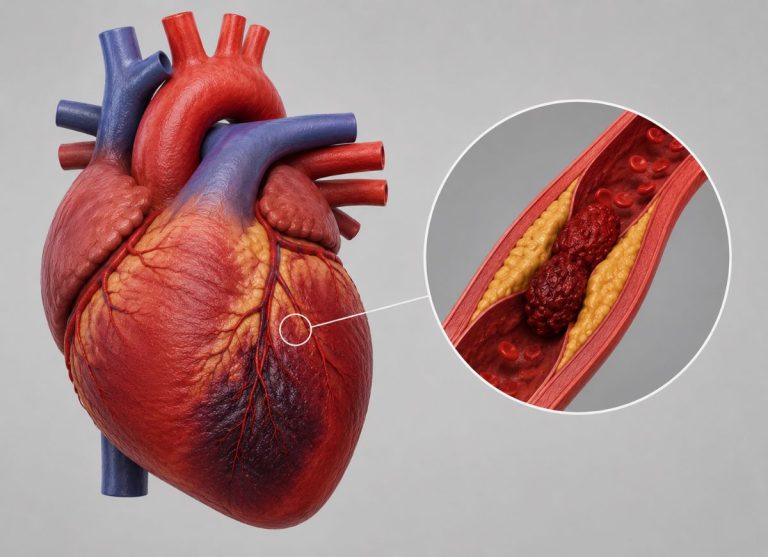
Not all chest discomfort is caused by heartburn. Severe, crushing, squeezing, or unexplained chest pain should be taken seriously, particularly when it spreads to the arm, jaw, back, or neck or occurs with shortness of breath, sweating, dizziness, or nausea.
These symptoms can occur during a heart attack and require immediate emergency medical attention.
Vomiting blood, bright-red blood, or material that resembles coffee grounds can indicate bleeding in the upper digestive tract and also requires urgent medical care.
Black, tarry stools or stools containing visible blood may also indicate gastrointestinal bleeding.
Unexplained weight loss combined with difficulty swallowing should also be evaluated by a healthcare professional. These symptoms can have several causes, including significant esophageal narrowing and other serious conditions.
It is important not to assume that severe or unusual symptoms are simply indigestion.
Chronic Acid Reflux (GERD) Diagnosis
When acid reflux symptoms are persistent, severe, or do not improve with appropriate over-the-counter treatment, a doctor may recommend testing for GERD and possible complications.
One commonly used test is an upper endoscopy. During this procedure, a thin flexible tube with a camera is used to examine the esophagus, stomach, and upper part of the small intestine.
An endoscopy can help identify inflammation, ulcers, narrowing, or other changes. A small tissue sample may also be taken during the procedure when necessary, including to evaluate for Barrett’s esophagus or other conditions.
Another test is ambulatory esophageal pH monitoring. This test measures how often and for how long acid enters the esophagus over a period of time, often 24 to 48 hours.
Depending on the method used, monitoring may involve a thin tube placed through the nose or a temporary capsule attached to the esophageal lining.
Esophageal manometry may also be used when a doctor needs to evaluate how well the esophageal muscles and lower esophageal sphincter are working. It measures muscle contractions and coordination during swallowing.
The Atypical or Silent Symptoms of Acid Reflux
Heartburn is the classic symptom of reflux, but some people experience reflux without noticeable chest burning. This is sometimes called silent reflux or laryngopharyngeal reflux (LPR).
With LPR, stomach contents can move upward toward the throat and voice box. Because these tissues are sensitive to irritation, even small amounts of reflux may cause symptoms.
Possible atypical symptoms include chronic coughing, hoarseness, voice changes, frequent throat clearing, a sensation of something stuck in the throat, post-nasal drip, and dental erosion.
Some people may also experience symptoms that resemble asthma or ongoing throat irritation.
Because these symptoms can have many different causes, persistent problems should be evaluated rather than automatically being attributed to acid reflux.
The Difference Between Heartburn and a Heart Attack
Heartburn and a heart attack can sometimes produce similar chest sensations, so distinguishing between them is extremely important.
Heartburn commonly causes a burning feeling behind the breastbone. The discomfort may move upward toward the throat and can occur after eating, especially after a large or heavy meal. A sour taste or regurgitation may occur at the same time.
Heart attack symptoms can involve pressure, squeezing, fullness, or tightness in the center of the chest. The discomfort may spread to the shoulders, arms, neck, jaw, or back.
Shortness of breath, sweating, dizziness, nausea, or unusual weakness may also occur with a heart attack.
Because symptoms can overlap and cannot always be distinguished reliably based on how they feel, unexplained or severe chest pain should receive immediate medical evaluation.
Can Acid Reflux Damage Your Esophagus and Teeth Over Time?
Long-lasting, untreated acid reflux can damage the esophagus and may also affect dental health.
Repeated exposure to stomach acid can inflame the esophageal lining, causing esophagitis. Symptoms may include painful swallowing, chest discomfort, and a feeling that food is getting stuck.
Continued inflammation may eventually lead to scar tissue and an esophageal stricture. This narrowing can make swallowing solid foods increasingly difficult and, in more severe cases, may affect liquids as well.
Another possible complication is Barrett’s esophagus. This condition involves changes to the cells lining the lower esophagus after prolonged irritation. Barrett’s esophagus is associated with an increased risk of esophageal adenocarcinoma, although the overall risk for an individual remains relatively low.
Acid reflux can also affect the teeth. Stomach acid that repeatedly reaches the mouth can gradually wear away tooth enamel, the protective outer layer of the teeth.
Enamel erosion may increase sensitivity and make teeth more vulnerable to decay. The damage can be especially noticeable on surfaces that are repeatedly exposed to acidic material.
FAQs
1. How to make your heartburn go away?
Several approaches may help relieve occasional heartburn. Over-the-counter antacids can neutralize stomach acid and may provide relatively quick relief.
H2 blockers and proton pump inhibitors (PPIs) reduce acid production and may be useful for people with recurring symptoms when used appropriately.
Lifestyle changes can also help. Try eating smaller meals, avoiding foods that consistently trigger symptoms, and staying upright after eating instead of lying down immediately.
If heartburn occurs frequently, is severe, or continues despite these measures, speak with a healthcare professional rather than relying on self-treatment.
2. What drink kills heartburn?
There is no single drink that instantly eliminates heartburn for everyone. Water is generally a good choice and may provide temporary relief for some people.
Some people find non-caffeinated herbal drinks soothing, but individual responses vary.
It is often helpful to limit beverages that trigger your symptoms, such as alcohol, coffee, carbonated drinks, or acidic juices.
If a particular drink repeatedly makes your heartburn worse, avoiding it may be more useful than trying to find one drink that works for everyone.
3. What can be mistaken for heartburn?
Several conditions can produce symptoms that resemble heartburn.
Heart-related chest pain is particularly important to consider because a heart attack can sometimes feel similar to severe indigestion or reflux.
Other possible causes include gastritis, esophageal spasms, peptic ulcers, and other digestive or esophageal conditions.
Persistent or unexplained chest pain should be evaluated by a healthcare professional so more serious causes can be ruled out.
4. Why should you never ignore heartburn?
Occasional heartburn is usually not a cause for concern, but frequent or severe symptoms should not be ignored.
Repeated acid exposure can contribute to GERD and may eventually cause inflammation, ulcers, bleeding, narrowing of the esophagus, or changes such as Barrett’s esophagus.
Frequent reflux may also interfere with sleep and daily activities and can contribute to throat or dental problems.
Seeking medical advice when symptoms become persistent can help identify the cause and determine appropriate treatment.
5. How long does heartburn usually last?
Heartburn may last from several minutes to an hour or longer, depending on the trigger and the individual.
Symptoms may improve after the stomach empties, the person sits upright, or an appropriate medication is used.
If heartburn continues for a prolonged period, occurs regularly, becomes severe, or does not respond to usual measures, medical evaluation is recommended.
6. What is the best position to sleep with heartburn?
Sleeping on the left side may help reduce nighttime reflux for some people. Elevating the upper part of the body can also use gravity to help keep stomach contents from moving upward.
Raising the head of the bed by around 6 to 8 inches may be helpful for people with frequent nighttime symptoms.
It is also useful to avoid lying down immediately after eating and to leave several hours between a meal and bedtime when possible.
7. When is heartburn serious?
Heartburn should receive medical attention when it becomes frequent, severe, or disruptive, particularly when it occurs several times a week.
Difficulty swallowing, unexplained weight loss, vomiting blood, black stools, persistent vomiting, or severe chest pain are warning signs that require medical evaluation.
Chest pain accompanied by shortness of breath, sweating, dizziness, nausea, or pain spreading to the arm, jaw, neck, or back should be treated as an emergency because it may indicate a heart attack.
8. What not to eat when I have heartburn?
Foods that trigger heartburn vary from person to person, but common triggers include spicy foods, fatty or fried meals, chocolate, citrus fruits, tomatoes, peppermint, and some caffeinated beverages.
Alcohol and carbonated drinks may also worsen symptoms in some people.
Instead of eliminating every possible trigger, pay attention to which foods consistently cause symptoms and reduce those items.
Smaller meals and less heavy foods may also help reduce reflux.
9. Is heartburn worse at night?
Heartburn can be more noticeable at night because lying down removes the effect of gravity that normally helps keep stomach contents in place.
Eating a large meal close to bedtime can make nighttime reflux more likely.
For nighttime symptoms, consider avoiding food for several hours before lying down, elevating the head of the bed, and identifying foods or drinks that trigger your symptoms.
10. Can an empty stomach cause heartburn?
An empty stomach may be associated with burning or upper digestive discomfort in some people, but heartburn is not necessarily caused simply by having no food in the stomach.
Acid continues to be produced even when the stomach is empty, and several other conditions can also cause a burning sensation.
If symptoms repeatedly occur when you have not eaten, it is worth discussing them with a healthcare professional to determine the underlying cause.
Conclusion
Heartburn is a common digestive symptom that can often be managed by identifying personal triggers and making appropriate lifestyle changes.
Recognizing symptoms such as chest burning, regurgitation, sour taste, chronic cough, hoarseness, difficulty swallowing, and frequent belching can help you understand when reflux may be involved.
Occasional heartburn is usually manageable, but frequent, severe, or persistent symptoms should not be ignored. They may indicate GERD or another condition that requires medical attention.
If your symptoms are becoming more frequent or interfering with your everyday life, talk with a healthcare professional for an accurate diagnosis and suitable treatment plan. Early attention can help reduce discomfort and lower the risk of complications associated with long-term acid reflux.