7 Common Causes of Electrolyte Imbalance and How to Correct It
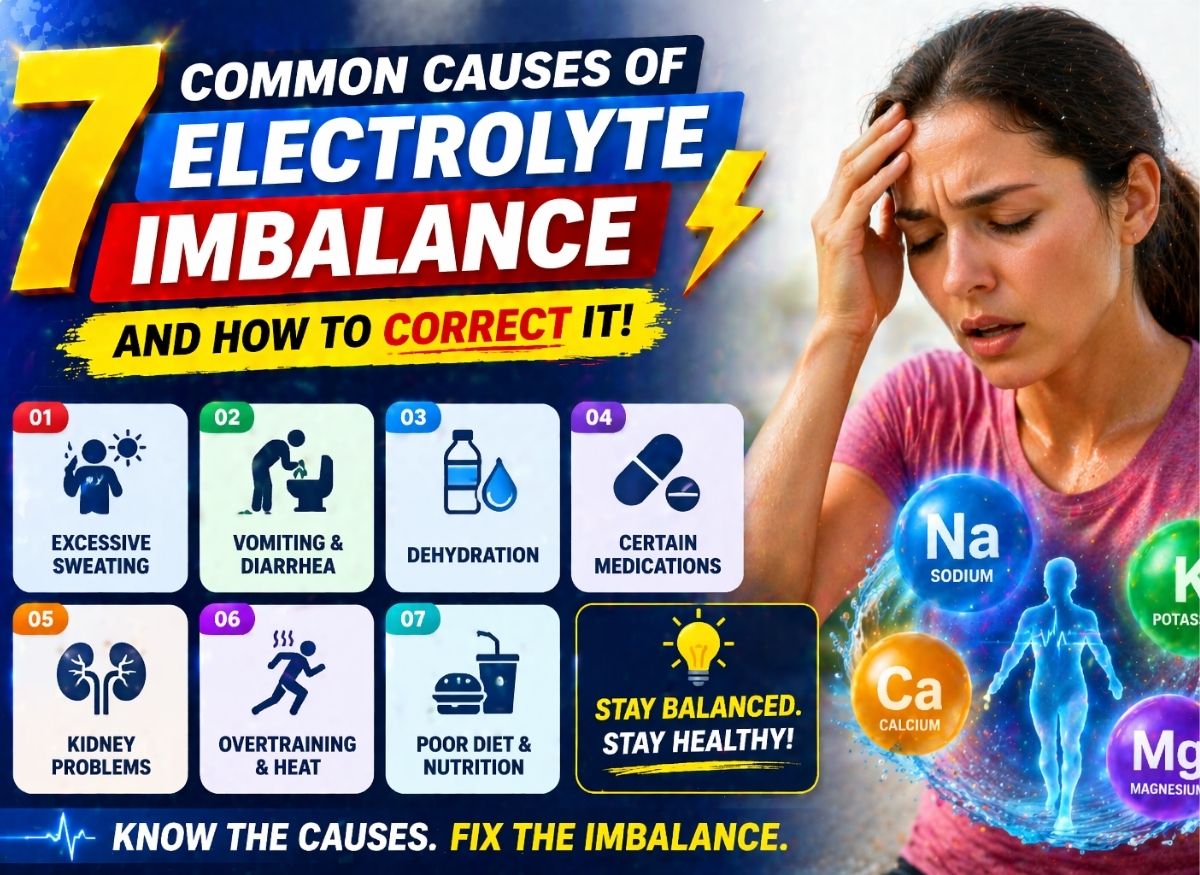
Electrolyte imbalance occurs when the levels of important minerals in the body such as sodium, potassium, calcium, and magnesium become too high or too low. These minerals are essential for many basic functions, including maintaining fluid balance, supporting nerve signals, helping muscles contract, and keeping the heart beating normally.
An imbalance can happen for many reasons. Dehydration, heavy sweating, vomiting, diarrhea, an unbalanced diet, certain medications, and underlying medical conditions can all affect electrolyte levels. In some cases, the changes are mild and temporary, while more serious disturbances can require medical treatment.
In this guide, we’ll look at 7 common causes of electrolyte imbalance, the symptoms to watch for, and practical ways to restore healthy levels.
Definition of Electrolyte Imbalance and Its Symptoms
An electrolyte imbalance develops when the concentration of electrically charged minerals in the blood moves outside the normal range. The main electrolytes include sodium, potassium, calcium, magnesium, chloride, and bicarbonate.
These minerals help the body control fluid levels, transmit nerve signals, support muscle activity, and regulate the heartbeat. Because they work closely with the body’s fluids, significant fluid loss can also affect electrolyte levels.
An imbalance may occur because the body has too little of a particular electrolyte or because it has too much.
Why Electrolytes Are So Important
Electrolytes can be thought of as part of the body’s internal communication system. Sodium and potassium are especially important for creating the electrical signals that allow nerves and muscles to function.
Sodium mainly helps regulate fluid outside cells, while potassium is found primarily inside cells. When their levels change significantly, nerve and muscle function can be affected.
Calcium also plays an important role in muscle contraction, nerve signaling, and bone health. Magnesium is involved in hundreds of chemical reactions throughout the body and contributes to normal muscle and nerve function.
Because these minerals work together, an imbalance in one or more of them can produce a wide range of symptoms.
Common Symptoms of Electrolyte Depletion
Symptoms depend on which electrolyte is affected and how quickly the imbalance develops. Mild changes may cause general symptoms such as:
- Fatigue
- Weakness
- Headaches
- Muscle cramps
- Muscle twitching
- Nausea
- Dizziness
- Tingling or numbness
- Difficulty concentrating
As the imbalance becomes more severe, symptoms may involve the nervous system, muscles, or heart.
For example, low potassium or magnesium may contribute to muscle cramps, weakness, or abnormal heart rhythms. Changes in sodium levels can cause headaches, confusion, or other neurological symptoms.
Severe electrolyte disturbances can lead to seizures, significant changes in consciousness, or dangerous heart rhythm problems and require urgent medical attention.
Electrolyte Imbalance in Older Adults and People With Chronic Conditions
Electrolyte disturbances can be particularly concerning in older adults because symptoms may sometimes resemble other problems, such as confusion or weakness.
Low sodium, for example, can cause confusion, unsteadiness, and an increased risk of falls. Older adults may also be more vulnerable because thirst can decrease with age and certain medications can affect fluid and electrolyte levels.
People with conditions such as kidney disease or heart failure may also need closer monitoring. These conditions can interfere with the body’s ability to maintain the right balance of fluids and minerals.
Too Many Electrolytes Can Also Be a Problem
Electrolyte imbalance does not always mean having too little of a mineral. Excessively high levels can also be dangerous.
For example, high potassium can affect the heart’s electrical activity. High calcium may cause symptoms such as excessive thirst, frequent urination, weakness, nausea, or bone-related discomfort.
The symptoms depend on the specific electrolyte involved, how high or low the level becomes, and how quickly the change occurs.
7 Common Causes of an Electrolyte Imbalance
The body normally keeps electrolyte levels within a carefully controlled range. Problems can develop when fluid intake, mineral intake, kidney function, hormones, or mineral loss become disrupted.
Here are seven common causes.
1. Dehydration and Inadequate Fluid Intake
Dehydration is one of the most common factors associated with electrolyte disturbances.
When the body loses fluid through sweating, fever, vomiting, diarrhea, or inadequate fluid intake, it may also lose electrolytes. The effect depends on what was lost and what is replaced.
For example, heavy sweating can result in significant sodium loss. On the other hand, drinking very large amounts of plain water without replacing sodium during prolonged endurance activity can dilute blood sodium and contribute to hyponatremia.
For this reason, hydration is not simply about drinking as much water as possible. Fluid needs depend on activity level, temperature, illness, and individual health conditions.
2. Illnesses That Cause Vomiting or Diarrhea
Repeated vomiting and diarrhea can cause substantial losses of water and electrolytes.
Vomiting can lead to losses of fluids, chloride, and other electrolytes. Diarrhea can cause losses of sodium, potassium, bicarbonate, and water.
If these losses continue without adequate replacement, dehydration and electrolyte abnormalities may develop. Severe weakness, dizziness, reduced urination, confusion, or abnormal heart rhythms can be warning signs of a more serious problem.
3. Kidney Disease or Reduced Kidney Function
The kidneys play a major role in controlling the body’s electrolyte levels. They filter the blood and determine how much water and how many minerals should remain in the body or leave through urine.
When kidney function is impaired, this regulation can become difficult. Depending on the type and severity of kidney disease, levels of potassium, sodium, calcium, phosphate, and other minerals may become abnormal.
High potassium is particularly important because severe hyperkalemia can interfere with normal heart function.
People with kidney disease should follow their healthcare provider’s advice about fluid and electrolyte intake rather than attempting to correct an imbalance on their own.
4. Certain Medications and Diuretics
Some medications can affect electrolyte levels.
Diuretics, sometimes called water pills, increase urine production and are commonly used for conditions such as high blood pressure and fluid retention. Depending on the medication, they may increase the loss of electrolytes such as potassium or sodium.
Other medications can also influence electrolyte levels. For example, some laxatives, corticosteroids, and other prescription drugs may contribute to changes in fluid or mineral balance.
If you take medications that can affect electrolytes, your healthcare provider may recommend periodic blood tests.
5. Intense Exercise and Excessive Sweating
Heavy exercise, particularly in hot or humid conditions, can result in substantial fluid and sodium loss through sweat.
Most people can replace normal losses through food and fluids, but prolonged endurance exercise can create greater demands.
Athletes who lose large amounts of sweat may need a planned hydration strategy. At the same time, drinking excessive amounts of plain water during prolonged exercise can dilute blood sodium and contribute to exercise-associated hyponatremia.
Muscle cramps, dizziness, unusual fatigue, headache, nausea, or confusion during or after intense activity should not be ignored.
6. Endocrine and Hormonal Disorders
Hormones help regulate how the kidneys handle water and electrolytes.
Hormonal disorders such as Addison’s disease can affect sodium and potassium levels. Another condition, called syndrome of inappropriate antidiuretic hormone secretion (SIADH), can cause the body to retain too much water and lead to low sodium levels.
Because hormone-related electrolyte disturbances involve the underlying regulatory system, simply changing the diet may not correct the problem. Proper medical evaluation and treatment of the underlying condition may be necessary.
7. Poor Diet Lacking Essential Minerals
Diet can also influence electrolyte levels.
A balanced diet generally provides adequate amounts of minerals such as potassium, calcium, and magnesium. However, a diet heavily based on processed foods may contain a large amount of sodium while providing fewer naturally mineral-rich foods.
Fruits, vegetables, beans, nuts, seeds, dairy products, and other nutrient-dense foods can provide important electrolytes.
Diet alone does not explain every electrolyte imbalance, but maintaining a varied, balanced eating pattern can support normal mineral intake.
How to Correct an Electrolyte Imbalance
The right treatment depends on the specific electrolyte involved and the reason it became abnormal.
A mild imbalance related to temporary fluid loss may improve with appropriate hydration and food. More significant abnormalities may require medical treatment, blood tests, IV fluids, or medication.
Restore Electrolytes Through Whole Foods
For people who simply need to maintain adequate mineral intake, whole foods can provide a wide range of electrolytes along with other nutrients.
Good sources include:
- Potassium: potatoes, beans, avocados, bananas, and many fruits and vegetables
- Magnesium: pumpkin seeds, almonds, beans, and leafy green vegetables
- Calcium: milk, yogurt, cheese, fortified foods, and calcium-containing fish such as sardines with bones
- Sodium: commonly obtained through regular food and salt
Most people do not need to deliberately consume large amounts of salt. In situations involving substantial sodium loss, such as prolonged heavy sweating, individual needs can be different.
Rehydrate According to the Situation
Plain water is usually sufficient for routine daily hydration. However, situations involving significant fluid and electrolyte losses may require a drink containing both fluids and electrolytes.
Oral rehydration solutions (ORS) are particularly useful when vomiting or diarrhea causes dehydration. Standard ORS products contain carefully balanced amounts of water, glucose, and electrolytes to improve fluid absorption.
For significant dehydration, especially in children, older adults, or people with underlying medical conditions, medical advice may be necessary.
Use Electrolyte Supplements Carefully
Electrolyte powders, tablets, and sports drinks can be useful in certain circumstances, particularly during prolonged exercise or significant fluid loss.
They are not automatically necessary for everyone. Many products also contain substantial amounts of sugar or sodium.
People with kidney disease, heart conditions, or medications that affect electrolytes should talk with a healthcare professional before using concentrated electrolyte supplements. Taking too much of a particular mineral can also create an imbalance.
How Are Electrolyte Imbalances Diagnosed and Prevented?
Because symptoms can overlap with many other conditions, an electrolyte imbalance cannot always be identified from symptoms alone.
The Diagnostic Process
Blood testing is commonly used to measure electrolyte levels. A Basic Metabolic Panel (BMP) typically checks sodium, potassium, chloride, and bicarbonate, along with other measures of kidney and metabolic function.
A Comprehensive Metabolic Panel (CMP) provides additional information, including liver-related measurements.
Depending on the suspected cause, a healthcare provider may also order:
- Urine tests
- Kidney function tests
- Hormone testing
- Additional blood tests
- An electrocardiogram (ECG)
An ECG may be particularly important when potassium or other electrolyte abnormalities could affect the heart’s rhythm.
Preventing Electrolyte Depletion
Prevention starts with maintaining a balanced approach to hydration and nutrition.
Drink enough fluids throughout the day, with increased attention during hot weather, illness, or physical activity. During prolonged exercise, fluid and sodium needs can vary considerably depending on how much a person sweats.
A varied diet containing fruits, vegetables, beans, nuts, seeds, dairy products, and other nutrient-rich foods can help provide important minerals.
At the same time, people with specific medical conditions should follow individualized dietary recommendations rather than increasing electrolytes on their own.
Extra Care for Older Adults and People Taking Medication
Older adults may be at increased risk because thirst can become less noticeable with age. Certain medications, especially diuretics, can also change electrolyte levels.
People who have kidney disease, heart disease, hormonal disorders, or other chronic conditions may need regular monitoring.
If a medication affects your electrolyte levels, do not stop or change the dose without discussing it with your healthcare provider.
Are Athletes More at Risk for Electrolyte Imbalance Than Sedentary Individuals?
Everyone can develop an electrolyte imbalance, but the causes may differ depending on lifestyle and health status.
Athletes and Exercise-Related Loss
Athletes can lose considerable amounts of water and sodium through sweat, particularly during long-duration exercise or training in hot conditions.
If fluid losses are not adequately replaced, dehydration can occur. However, excessive water consumption can also be problematic because it may dilute blood sodium.
This is why hydration strategies for endurance athletes need to consider both fluid and sodium losses rather than focusing only on the amount of water consumed.
Sedentary Individuals and Chronic Risk Factors
People who are less physically active may not lose large amounts of electrolytes through sweat, but they can still develop electrolyte disturbances.
Kidney disease, heart failure, hormonal disorders, medications, and gastrointestinal illness can all affect electrolyte levels.
Diet can also play a role. Regularly eating highly processed foods may result in high sodium intake while providing fewer foods rich in potassium and magnesium.
The important point is that electrolyte imbalance is not limited to athletes. Both active and sedentary people can develop problems depending on their health, medications, diet, and fluid balance.
The Difference Between Hyponatremia and Hypokalemia
Hyponatremia and hypokalemia are both electrolyte disorders, but they involve different minerals and can produce different complications.
- Hyponatremia: blood sodium is too low.
- Hypokalemia: blood potassium is too low.
Understanding the difference is important because the causes and treatment can vary.
Hyponatremia: Low Sodium
Hyponatremia occurs when the sodium concentration in the blood becomes too low.
It can develop because of excessive water intake, certain medications, hormonal conditions, kidney or heart problems, or significant fluid losses in some situations.
Mild hyponatremia may cause symptoms such as headache, nausea, fatigue, or difficulty concentrating.
More severe or rapidly developing hyponatremia can affect the brain and may lead to confusion, seizures, decreased consciousness, or other serious neurological complications.
Severe symptoms require urgent medical attention.
Hypokalemia: Low Potassium
Hypokalemia occurs when potassium levels in the blood are too low.
It can result from prolonged vomiting or diarrhea, certain diuretics, inadequate intake in some circumstances, or other medical conditions that cause potassium loss.
Symptoms can include:
- Muscle weakness
- Fatigue
- Muscle cramps
- Constipation
- Abnormal heart rhythms
Severe hypokalemia can interfere with normal heart and muscle function and may require prompt medical treatment.
Comparing Their Causes and Diagnostic Clues
Although both conditions involve low electrolyte levels, their causes can be very different.
Hyponatremia is often associated with excess water relative to sodium, certain medications, hormonal disorders, or underlying heart, kidney, or liver problems.
Hypokalemia is more commonly associated with potassium loss through the digestive tract or urine, including losses caused by certain medications.
Blood tests are needed to determine which electrolyte is abnormal and how severe the disturbance is. Additional testing can help identify the underlying cause.
Conclusion
Electrolyte imbalance can affect many parts of the body, from muscles and nerves to the heart and brain. Symptoms may be as mild as fatigue or muscle cramps, but significant disturbances can cause confusion, severe weakness, seizures, or abnormal heart rhythms.
Common causes include dehydration, vomiting and diarrhea, kidney problems, certain medications, heavy sweating, hormonal disorders, and poor dietary intake.
For mild problems, appropriate hydration and a balanced diet may help support recovery. However, significant or persistent symptoms should not be treated with supplements alone. Blood testing and medical evaluation may be necessary to identify the affected electrolyte and determine the underlying cause.
Understanding the factors that influence electrolyte levels can help you recognize potential problems early and make informed choices about hydration, nutrition, and medical care.
Frequently Asked Questions (FAQ) About Electrolyte Imbalance
What is an electrolyte imbalance?
An electrolyte imbalance occurs when minerals such as sodium, potassium, calcium, or magnesium become too high or too low in the body. These minerals are important for fluid balance, nerve signaling, muscle function, and normal heart rhythm.
What are the common symptoms of electrolyte imbalance?
Symptoms vary depending on which electrolyte is affected and how severe the imbalance is. Common symptoms include fatigue, weakness, muscle cramps, headaches, nausea, dizziness, and confusion. More serious disturbances may cause seizures or abnormal heart rhythms.
What causes electrolyte imbalance?
Electrolyte imbalance can have many causes. Common ones include dehydration, excessive sweating, vomiting, diarrhea, kidney disease, hormonal disorders, certain medications, and inadequate or unbalanced nutrition.
How is electrolyte imbalance diagnosed?
A blood test is commonly used to measure electrolyte levels. Doctors may also review your symptoms, medications, medical history, and kidney function. Depending on the situation, urine testing or an ECG may also be recommended.
How can electrolyte imbalance be corrected?
Treatment depends on the cause and severity. Mild problems may improve with appropriate fluids and dietary changes, while more serious cases may require oral rehydration solutions, IV fluids, medication, or treatment of an underlying medical condition.
Can electrolyte imbalance be prevented?
Many electrolyte problems can be reduced by staying appropriately hydrated, eating a balanced diet, and managing underlying health conditions. People who take medications that affect electrolyte levels or have kidney, heart, or hormonal conditions may need regular monitoring and individualized medical advice.