
4 Key Symptoms of Pes Anserine Bursitis You Should Know
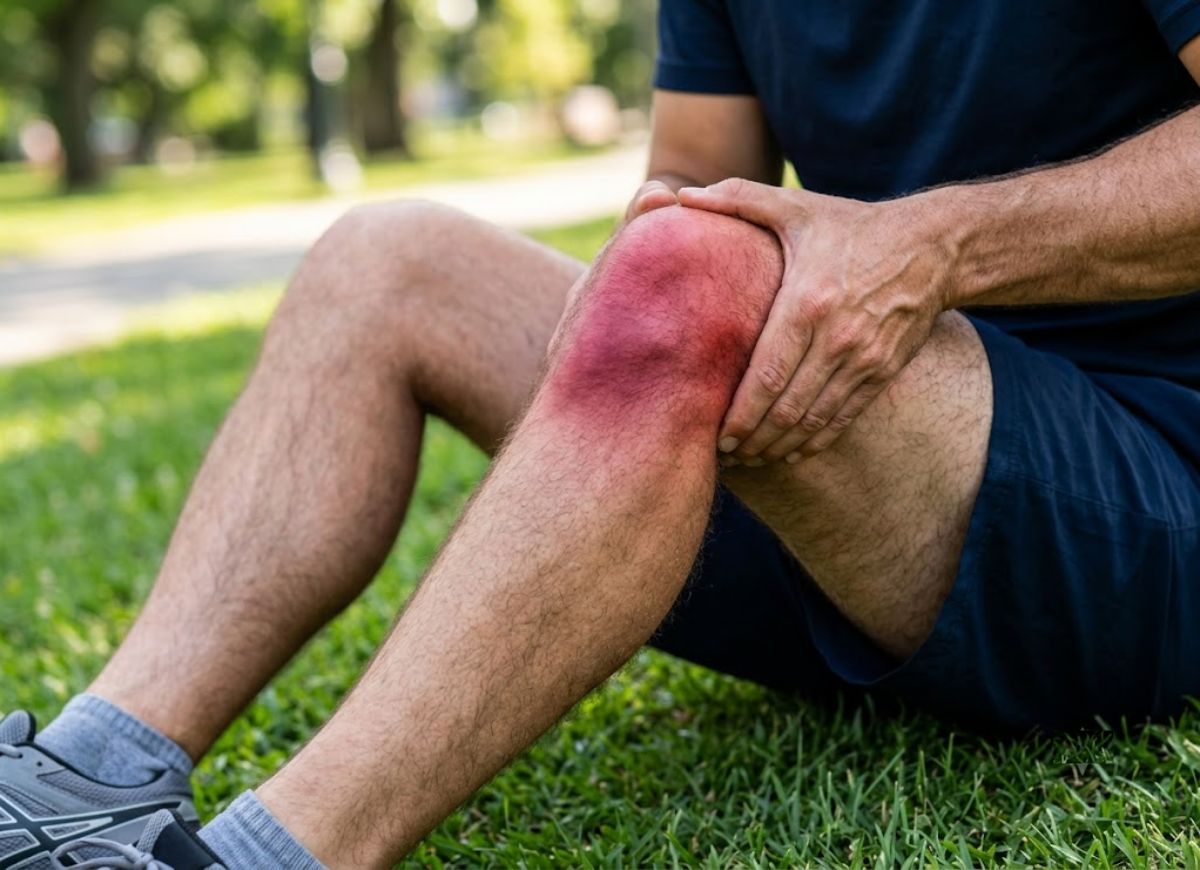
Have you ever noticed an ache, stiffness, or pressure on the inner side of your knee and wondered what was behind it? Inner knee pain is very common. It affects athletes, active people, and anyone whose joints have simply seen years of use. Sometimes it is just a minor strain, but pain that lingers or keeps getting worse deserves a closer look.
The inner (medial) knee holds several structures that keep the joint stable and moving smoothly, including the medial collateral ligament (MCL), the meniscus, tendons, and cartilage. If any of these gets irritated or injured, you may feel pain while walking, taking stairs, bending the knee, or exercising.
There are many possible causes: sports injuries, sudden twists, overuse, arthritis, inflammation, or a sudden change in activity level. The type of pain gives clues too. Some people feel a slow, dull ache. Others have sharp pain, swelling, clicking, or a sense that the knee might give way.
Knowing the symptoms early can stop a small problem from becoming a bigger one. Noticing which movements hurt and what else you feel can help you understand what is going on inside the joint.
Mild knee discomfort often settles with rest and basic care. Pain that sticks around should not be ignored, and a healthcare professional can help find the cause and suggest the right next steps.
In this article, we cover the 4 key symptoms of pes anserine bursitis, its warning signs, possible causes, and when to see a doctor.
4 Key Signs of Pes Anserine Bursitis
Localized Pain and Tenderness on the Inner Knee
The clearest symptom is pain and tenderness on the inner side of the leg, about two to three inches below the knee joint. This spot sits right over the pes anserine bursa, a small cushion between the top of the shinbone (tibia) and the joined tendons of three muscles: the sartorius, gracilis, and semitendinosus.
At rest, the pain is usually a dull, steady ache. It gets sharper with pressure or movement. Doctors look for point tenderness, meaning the spot hurts a lot when pressed firmly with a finger. This is one of the best ways to tell bursitis apart from a medial meniscus tear or arthritis, where pain is usually along the joint line or deeper inside the knee.
Unlike general knee pain, the pain here stays focused on one specific area, which makes it a key first clue for diagnosis. It may spread a little up or down the shin, but it stays centered over the bursa.
Swelling and Warmth Occurring in the Affected Area
Swelling and warmth appear because the body is reacting to irritation or injury. The bursa is a thin sac holding a small amount of lubricating fluid (synovial fluid) that reduces friction.
When the bursa is irritated by overuse, an injury, or an underlying condition, its lining becomes inflamed. Blood flow to the area increases (vasodilation) to bring in immune cells and healing agents. This extra blood flow is why the skin over the bursa feels warmer than the skin around it.
At the same time, the inflamed lining makes extra fluid, and the sac swells. This can create a visible or touchable lump on the inner knee. The swelling can be mild or firm, and it adds to the feeling of tightness and pressure. Warmth together with swelling is a classic sign of active inflammation.
Pain Worsens with Activity
Pain usually gets worse with movements that use the muscles whose tendons cross the bursa, mainly bending and straightening the knee. These muscles bend the knee, turn the leg inward, and help steady the pelvis.
So any action that makes them contract and slide their tendons over the inflamed bursa will hurt more. Common triggers include going up or down stairs, which means repeated knee bending under load, and running, especially uphill or on sloped surfaces.
Other movements that can bring on pain include standing up from a chair, squatting, lunging, and kicking, as in soccer. In severe cases, even ordinary walking can hurt.
The pain rises because tight tendons press and rub against a bursa that is already swollen and sensitive. This creates a loop of friction, irritation, and more inflammation. The pain often builds during the activity and may continue as a throbbing ache afterward.
Morning Stiffness
Morning stiffness is a common symptom, often with extra pain when you first get up. During long periods of rest, such as sleep, inflammatory fluid around the bursa settles and the nearby soft tissues stiffen. Without movement, inflammatory byproducts build up, and the fluid inside the bursa may thicken slightly.
That is why the first few steps of the day are often the hardest. The knee feels tight and reluctant to move. The stiffness usually eases after a few minutes of gentle walking.
Movement improves circulation, warms up muscles and tendons, and spreads the fluid around, which brings back some flexibility and lowers pressure on the bursa. This “gelling” after rest is common in inflammatory conditions of the muscles and joints. When it appears along with the other symptoms above, it strongly points toward bursitis.
Pes Anserine Bursitis Causes
The main triggers are repetitive overuse, biomechanical problems such as tight hamstrings, a direct hit to the knee, and long-term conditions like osteoarthritis. All of these put friction or pressure on the bursa and lead to inflammation.
Overuse and Repetitive Strain
The bursa can handle a normal amount of tendon movement over it. But when that movement becomes much more frequent or intense, the bursa cannot recover between sessions. Tiny repeated injuries (microtrauma) then build up and cause inflammation. This is common in endurance sports and any activity with repeated knee bending.
Long-distance runners are at high risk, especially if they suddenly raise their mileage or train on hills or sloped roads. Every stride bends and straightens the knee, and the tendons rub back and forth over the bursa thousands of times.
Cyclists, swimmers (especially breaststroke swimmers, because of the whip kick), and soccer or basketball players also stress this area again and again. The bursa becomes irritated, swollen, and painful. The onset is usually gradual, building over weeks or months instead of from one event.
Tight Hamstring Muscles
Tight hamstrings raise the tension and pressure that the pes anserine tendons place on the bursa underneath. The semitendinosus, one of the three hamstring muscles, is a main part of the “goose’s foot” (pes anserinus) structure.
When the hamstrings are tight or stiff, they pull harder on their attachment point on the tibia. With every knee movement, the tendon grinds against the bursa with more force than it would in a more flexible person. The bursa, squeezed between a tight tendon and the hard bone, becomes irritated and inflamed. This is why hamstring tightness is seen as a major risk factor.
People with poor flexibility, those who skip stretching after exercise, and those who sit for long hours (which can shorten the hamstrings) are more likely to be affected. A regular stretching routine is a cornerstone of both treatment and prevention.
Direct Injury to the Knee
A direct blow to the inner knee is a well-known cause of sudden (acute) bursitis. Unlike the slow, overuse type, this one starts right after a specific incident. A hit to the front-inner part of the knee, exactly where the bursa sits, can inflame it. This can happen from falling onto the knee, colliding in a contact sport like football or rugby, or striking the knee on a hard object.
The impact can bruise the area and damage tiny blood vessels in and around the bursa, causing bleeding into the sac (hemorrhagic bursitis) and a fast, strong inflammatory response. Sharp pain, marked swelling, and warmth often show up within hours.
Here the cause is a single forceful event, not repeated friction. Treatment usually starts with controlling inflammation and swelling using rest, ice, and anti-inflammatory medication, and then dealing with any leftover symptoms or movement issues.
Link Between Knee Osteoarthritis and Pes Anserine Bursitis
Knee osteoarthritis and pes anserine bursitis are closely linked and often occur together. Osteoarthritis, especially in the inner compartment of the knee, changes how the joint moves and how a person walks. Cartilage wears down, the joint space narrows, bone spurs form, and the knee can become unstable.
To cope with pain and instability, people often change their walking pattern without realizing it, which loads the muscles and tendons on the inner knee more. The pes anserine tendons then work harder to stabilize the joint, which raises tension and friction.
Knock-knees (valgus deformity), which can go along with inner-compartment arthritis, add even more strain on these inner structures. The bursa then becomes inflamed as a secondary result of the abnormal stress.
In many older adults with inner knee pain, arthritis is the real driver and the bursitis is a consequence. Treating only the bursitis, without dealing with the arthritic joint, often gives poor results and the symptoms return.
The Diagnostic and Management Strategies for Pes Anserine Bursitis
Diagnosis is mainly clinical, confirmed by a physical exam. Treatment is usually conservative: reduce inflammation, correct movement or muscle imbalances, and return to activity gradually. Since inner knee pain can come from many sources, getting the diagnosis right is the key to a good recovery.
The first step is almost always a detailed history and physical exam, where the provider asks about when the pain started, activity levels, and the features of the symptoms. Treatment is typically non-surgical and has several parts. It begins with the RICE method (Rest, Ice, Compression, Elevation) to calm acute inflammation and pain.
Nonsteroidal anti-inflammatory drugs (NSAIDs) may be suggested to further lower swelling and discomfort. Once the acute phase settles, the focus moves to rehabilitation. Physical therapy plays a major role, with targeted stretching and strengthening for problems such as tight hamstrings and weak quadriceps.
Therapeutic ultrasound or electrical stimulation may be used to support healing. In stubborn cases, a corticosteroid injection into the bursa can give fast and significant relief by delivering a strong anti-inflammatory medicine right where it is needed.
Pes Anserine Bursitis Diagnosis
Doctors mainly diagnose this condition by combining your medical history with a hands-on exam. Imaging is used mostly to rule out other causes of knee pain. The doctor will ask about the location, type, and duration of your pain, your activity levels, and any recent changes in training.
The physical exam is the most important step. The clinician presses gently on the area two to three inches below the inner knee joint, over the upper shinbone. Clear tenderness and swelling in this exact spot, over the pes anserine bursa, is a hallmark sign.
The exam also checks the knee’s range of motion and muscle strength. You may be asked to bend and straighten the knee, and the doctor may test hamstring and quadriceps strength, since pain during a resisted muscle contraction can help confirm the diagnosis. X-rays cannot show a bursa, but they can rule out bone problems such as stress fractures or arthritis.
Ultrasound or MRI is more definitive. Ultrasound can show fluid buildup and thickening of the bursa directly. MRI gives a detailed view of all the soft tissues and is very good at separating bursitis from a meniscus tear, ligament sprain, or tendonitis.
The Difference Between Pes Anserine Bursitis and a Medial Meniscus Tear
The main differences are where the pain is felt, whether there are mechanical symptoms, and how the problem started. Both cause inner knee pain, but they begin in different places.
Pes anserine bursitis is inflammation of a bursa on the upper shinbone, about two to three inches below the joint, so the pain sits below the joint line. A medial meniscus tear is damage to the C-shaped cartilage inside the joint, so pain is felt right along the inner joint line, between the thighbone (femur) and shinbone.
Mechanical symptoms are another key difference. A torn meniscus can jam a piece of cartilage in the joint, causing locking (you cannot fully straighten the knee), catching, or popping. The knee may also feel unstable or give way. These are generally not seen with bursitis, which usually causes a steady, dull ache that gets worse with activity but does not lock or catch.
How it started also helps. A meniscus tear often follows a sudden event, such as twisting or pivoting on a planted foot in soccer or basketball. Pes anserine bursitis is almost always an overuse problem that builds slowly from repeated friction, tight hamstrings, or movement issues, and it is often seen in runners and people with osteoarthritis.
In short, bursitis hurts on the upper inner shin, well below the joint line, and brings pain and stiffness without mechanical symptoms. A meniscus tear hurts on the joint line and often comes with locking, catching, popping, or instability.
Specific Stretches to Help Alleviate Symptoms
Stretches for the hamstrings, quadriceps, and inner thigh (adductor) muscles can ease symptoms by reducing muscle tightness and the friction on the inflamed bursa. Tendons from these three muscle groups attach at the pes anserine, so their flexibility matters a lot.
Standing Hamstring Stretch: Place the heel of the affected leg on a low stool or step, keeping the knee straight. With a straight back, lean forward from the hips until you feel a gentle stretch along the back of the thigh. Hold for 30 seconds. This lengthens the hamstrings and reduces their pull on the pes anserine tendons.
Standing Quadriceps Stretch: Stand holding a stable surface for balance. Grab the ankle of the affected leg and gently pull the heel toward your buttock, keeping your knees together. You should feel a stretch along the front of the thigh. This improves quadriceps flexibility, which can otherwise affect knee tracking and add stress to the inner knee.
Seated Butterfly Stretch: Sit on the floor with the soles of your feet together and let your knees drop out to the sides. Gently press down on your knees to deepen the stretch in your inner thighs and groin. This targets the adductor muscles.
Together, these stretches create more room around the bursa and reduce tendon rubbing, which addresses the root cause of the inflammation.
Who is Most at Risk for Developing Pes Anserine Bursitis?
People are most at risk when their activities or health conditions put extra or abnormal stress on the inner knee.
- Runners and athletes: Sports with repeated knee bending and straightening are a main risk. A sudden jump in mileage, running on sloped or uneven surfaces, poor footwear, or poor running form can lead to overuse and inflammation.
- Middle-aged and older adults with knee osteoarthritis: Arthritis can change joint mechanics and cause a knock-kneed posture (genu valgum), which increases pressure on inner knee structures, including the bursa.
- People with obesity: Extra body weight loads the knees with every step, which stresses tendons and bursae and makes them easier to irritate.
- People with type 2 diabetes: A strong link has been seen between the two. The exact reason is unclear, but systemic inflammation, poor circulation, or changes in connective tissue may play a part.
- People with anatomical variations: Flat feet or significant hamstring tightness alter the mechanics of the lower leg and raise the risk.
FAQs
1. Will pes anserine bursitis go away on its own?
Mild cases can improve with rest, changes in activity, and good self-care. Cutting back on activities that irritate the knee and using ice give the bursa time to recover. If the pain continues, gets worse, or affects walking and daily life, see a doctor to find the cause and prevent ongoing irritation.
2. What is the trigger point for pes anserine bursitis?
It is the tender spot on the inner knee, a few inches below the joint line, where several tendons attach to the shinbone. Pressing here often brings back the pain. Running, stair climbing, repeated bending, or prolonged pressure on the knee can make it worse.
3. Why did I suddenly get bursitis?
It can appear after a jump in physical activity, repetitive movements, a change in your exercise routine, or extra stress on the knee. Poor biomechanics, tight muscles, excess weight, arthritis, or direct pressure can also play a role. Sometimes symptoms build slowly but only become noticeable all at once.
4. What does stage 1 bursitis feel like?
Early bursitis usually feels like mild tenderness or aching on the inner knee. Some people feel pain only with certain movements, and others only when pressing on the spot. Swelling may be minimal at first, but symptoms can grow if the irritation continues.
5. How long does it take to recover from pes anserine bursitis?
It depends on how severe the inflammation is and how well the cause is treated. Some people improve within a few weeks using rest, stretching, strengthening, and activity changes. Stubborn cases can take several months, especially if the irritation keeps going.
6. Is it okay to massage pes anserine bursitis?
Gentle massage around the area may relax nearby muscles and ease tension. Pressing hard directly on the inflamed bursa can make it worse. Use light techniques and stop if the pain increases. A doctor or physical therapist can suggest suitable methods.
7. Should I wear a knee brace with pes anserine bursitis?
A brace is not always needed, though some people find the support helpful during activity. It depends on the cause and your symptoms. A brace should not replace fixing movement patterns, muscle weakness, or activity triggers.
8. Can shoes cause pes anserine bursitis?
Yes, footwear can contribute. Shoes that are unsupportive, worn out, or that change how you walk or run can put extra stress on the knee. Comfortable, supportive shoes may help reduce strain on the inner knee.
9. How painful is pes anserine bursitis?
Pain ranges from mild soreness to significant discomfort. Many people describe a dull ache, tenderness, or burning on the inner knee. It is usually more noticeable when climbing stairs, standing up from a chair, running, or pressing on the spot.
Conclusion
Pes anserine bursitis is a common cause of inner knee pain. It happens when the small fluid-filled sac near the knee becomes irritated and inflamed. It can be uncomfortable, but knowing the symptoms and triggers makes it easier to start recovering.
Spotting signs like inner knee tenderness, pain with movement, and discomfort after activity helps you catch the problem early. Rest, sensible activity changes, stretching, strengthening exercises, and medical guidance when needed all support healing and lower the chance of the problem returning.
If your inner knee pain does not improve or starts to interfere with daily life, talk to a healthcare professional to find the cause and build an effective treatment plan. Looking after your knees early supports better mobility and comfort in the long run.