
10 Common Symptoms of Eosinophilic Granulomatosis with Polyangiitis
Eosinophilic granulomatosis with polyangiitis, commonly known as EGPA, is a rare condition that can affect several parts of the body, including the lungs, sinuses, skin, nerves, heart, kidneys, and digestive system. It occurs when inflammation damages small to medium-sized blood vessels and eosinophils, a type of white blood cell associated with allergic conditions, become unusually high.
Because EGPA can involve many organs, its symptoms may not always seem connected. Early signs can look like asthma, allergies, or long-term sinus problems. As the condition progresses, symptoms such as nerve pain, skin rashes, chest discomfort, fatigue, fever, abdominal pain, or unexplained weight loss may develop.
EGPA is uncommon, so many people may not recognize its warning signs. It can develop gradually and does not follow the same pattern in everyone. Recognizing possible symptoms can help people seek appropriate medical evaluation and testing sooner.
What is Eosinophilic Granulomatosis with Polyangiitis (EGPA)?
Eosinophilic Granulomatosis with Polyangiitis (EGPA), previously called Churg-Strauss syndrome, is a rare systemic autoimmune disease that causes inflammation of small to medium-sized blood vessels, a condition known as vasculitis.
EGPA belongs to a group of conditions called ANCA-associated vasculitides. It is commonly associated with asthma, increased eosinophils in the blood and tissues, and inflammation affecting multiple organs. When blood vessels become inflamed, blood flow to tissues can be affected, potentially causing a wide range of symptoms and complications.
Three Distinct Phases of EGPA
EGPA is often described as having three phases: the allergic or prodromal phase, the eosinophilic phase, and the vasculitic phase. This pattern is typical but does not occur in exactly the same way for every person.
The three phases can overlap, and some people may not experience all of them.
In the allergic or prodromal phase, respiratory and allergy-related symptoms are usually most noticeable. Adult-onset asthma is common and may be severe or difficult to control. People may also experience allergic rhinitis, chronic sinusitis, or nasal polyps. Because these problems are common, EGPA may not be suspected during this early phase.
In the eosinophilic phase, eosinophils become unusually elevated. These immune cells can build up in organs and tissues and contribute to inflammation. The lungs and digestive tract are commonly affected. This may lead to symptoms such as coughing, breathing problems, abdominal pain, diarrhea, or other digestive symptoms.
The vasculitic phase involves inflammation of blood vessels throughout the body. It can cause fever, fatigue, unintentional weight loss, and muscle or joint pain. Nerves, skin, heart, kidneys, and other organs may also be affected. This phase can lead to serious organ complications and requires medical treatment.
Is Eosinophilic Granulomatosis with Polyangiitis a Type of Cancer?
Eosinophilic Granulomatosis with Polyangiitis is not a type of cancer. It is an autoimmune condition in which the immune system becomes abnormally activated and causes inflammation.
EGPA can involve unusually high numbers of eosinophils, which may sometimes create confusion with certain blood cancers. However, the underlying processes are different.
In EGPA, eosinophils are generally normal immune cells that are produced in excessive amounts and become abnormally activated as part of the immune response. In conditions such as chronic eosinophilic leukemia, the abnormal eosinophils are part of a cancerous or neoplastic process.
Doctors may use blood tests, bone marrow studies, genetic testing, and other investigations when they need to distinguish EGPA from blood disorders or other causes of high eosinophil levels.
Some medicines used for severe EGPA may also be used in cancer treatment, but their purpose is different. In EGPA, these medicines are used to control abnormal immune activity and inflammation.
10 Common Symptoms of Eosinophilic Granulomatosis with Polyangiitis
Asthma
Asthma is one of the most common features of EGPA. It often develops during adolescence or adulthood and may become severe or difficult to control.
Symptoms can include:
- Wheezing
- Persistent coughing
- Shortness of breath
- Chest tightness
For some people, asthma develops years before EGPA is recognized. A history of severe asthma that requires repeated courses of oral corticosteroids may be an important clue.
In some cases, asthma symptoms may change when the vasculitic phase develops. This can make the overall picture harder to recognize.
Allergic Rhinitis/Sinusitis
Long-lasting inflammation of the upper airways is another common feature of EGPA. People may experience allergic rhinitis with symptoms such as a runny nose, sneezing, nasal congestion, and an itchy palate.
Chronic sinusitis may also cause:
- Facial pain or pressure
- Headaches
- Thick nasal discharge
- Difficulty breathing through the nose
Nasal polyps are also common. These noncancerous growths can block the nasal passages and reduce the sense of smell. Repeated sinus infections or ongoing sinus problems may occur for years before EGPA is diagnosed.
Nerve Pain (Neuropathy)
Peripheral neuropathy is a significant complication of EGPA and can cause pain, numbness, tingling, or weakness.
A common pattern is mononeuritis multiplex, in which inflammation damages separate nerves in different parts of the body. Symptoms may develop suddenly in the area supplied by an affected nerve.
For example, nerve damage can cause foot drop, making it difficult to lift the front of the foot. It can also cause wrist drop when the radial nerve is affected.
As nerve damage progresses, symptoms may eventually involve both the hands and feet. Early recognition and treatment may help reduce the risk of lasting nerve damage.
Skin Rashes and Sores
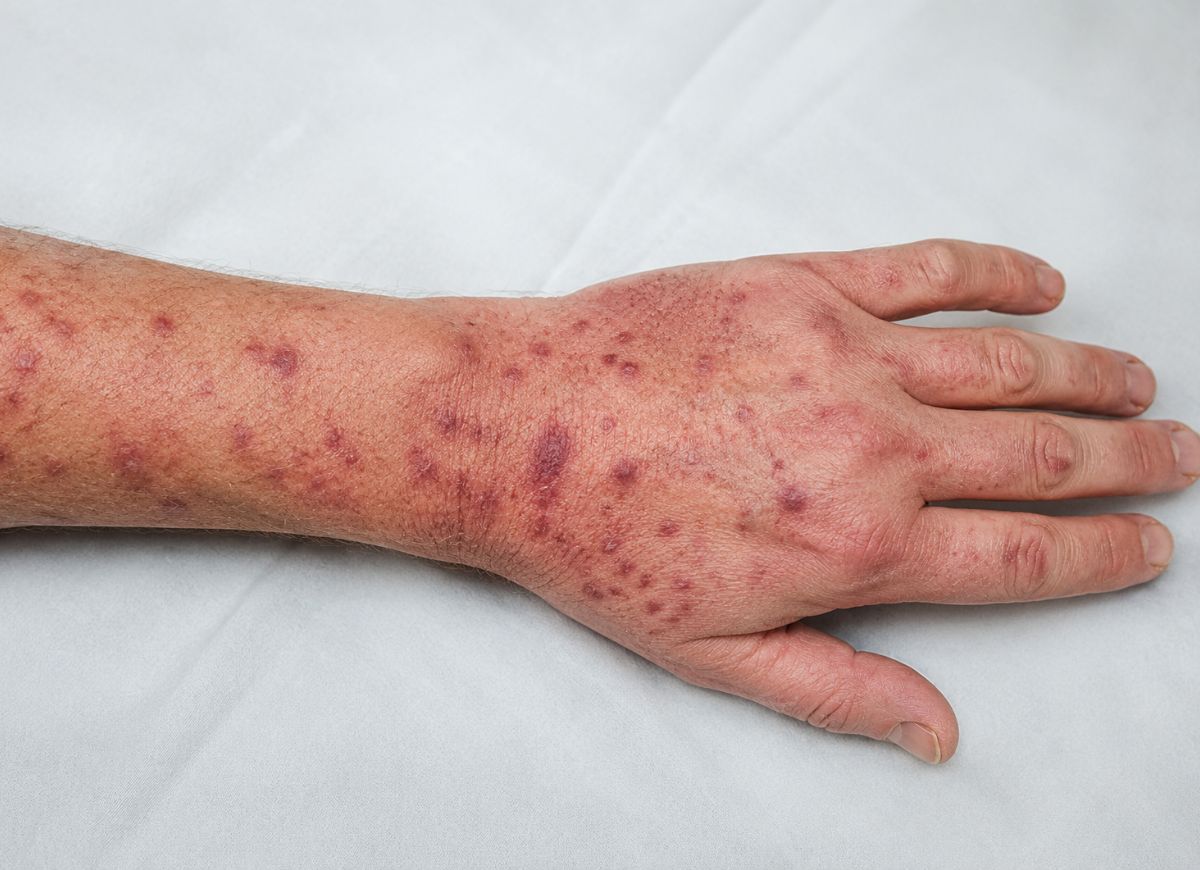
Skin changes can provide visible signs of the blood vessel inflammation associated with EGPA.
One common finding is palpable purpura, which appears as raised reddish-purple spots, often on the lower legs and feet. These spots result from blood leaking from inflamed small blood vessels into the skin.
Other possible skin findings include:
- Firm or tender lumps under the skin
- Painful skin ulcers
- Slow-healing sores
- A mottled, net-like skin pattern called livedo reticularis
The appearance of skin symptoms can vary depending on the severity and extent of blood vessel inflammation.
Fever and Fatigue
A persistent low-grade fever can occur as part of the systemic inflammation caused by EGPA. It may appear without an obvious infection.
Fatigue is also common and may be significant enough to interfere with everyday activities. The ongoing inflammatory process can leave a person feeling exhausted even after adequate rest.
When fever and severe fatigue occur together with asthma, sinus problems, nerve symptoms, or other unusual changes, further medical evaluation may be needed.
Unexplained Weight Loss
Unintentional weight loss can be another sign of systemic inflammation.
Several factors may contribute to weight loss in EGPA. Inflammation can increase the body’s energy demands, while reduced appetite may make it difficult to consume enough food. Digestive involvement may also interfere with nutrient absorption in some people.
Significant weight loss without trying should be evaluated by a healthcare professional, especially when it occurs alongside other symptoms.
Muscle and Joint Pain
Muscle and joint pain are common during active EGPA. Myalgia refers to muscle pain, while arthralgia refers to joint pain.
The discomfort may involve several areas of the body and can sometimes move from one joint to another. Joints may feel painful, swollen, or tender.
Joint symptoms associated with EGPA are generally different from the progressive joint destruction seen in some forms of inflammatory arthritis.
Abdominal Pain
EGPA can affect the gastrointestinal tract when eosinophils or blood vessel inflammation involve the stomach and intestines.
Possible symptoms include:
- Nausea
- Vomiting
- Diarrhea
- Abdominal cramps
- Significant abdominal pain
More serious complications can occur when vasculitis reduces blood flow to the digestive tract. These may include gastrointestinal bleeding and, in rare situations, bowel ischemia or perforation. Severe abdominal pain, bloody stools, or vomiting blood requires urgent medical attention.
Heart Problems
Heart involvement is an important concern in EGPA because inflammation can affect the heart muscle and other cardiac structures.
One possible complication is eosinophilic myocarditis, which is inflammation of the heart muscle. It can interfere with the heart’s ability to pump effectively and may cause symptoms such as:
- Shortness of breath
- Leg swelling
- Fatigue
- Reduced ability to exercise
Other complications can include inflammation around the heart, inflammation of the coronary arteries, and valve problems.
Because cardiac involvement may not always cause obvious symptoms early on, doctors may recommend heart evaluations for people diagnosed with EGPA.
Kidney Issues
Kidney involvement can occur in EGPA, although significant kidney disease is generally less common than in some other ANCA-associated vasculitides.
When the kidneys are affected, inflammation may involve the glomeruli, which are the tiny filtering structures inside the kidneys.
Kidney involvement may initially cause few noticeable symptoms. Urine testing can reveal:
- Blood in the urine
- Protein in the urine
Some people may also develop high blood pressure or reduced kidney function. Regular monitoring can help doctors identify kidney involvement early.
EGPA Diagnosis
Diagnosing EGPA usually requires several pieces of information rather than one single test. Doctors consider a person’s symptoms, medical history, blood tests, imaging results, and, when appropriate, tissue biopsy findings.
A complete blood count with differential can help identify eosinophilia, which is an important feature of EGPA.
Doctors may also test for anti-neutrophil cytoplasmic antibodies (ANCA), particularly MPO-ANCA. However, not everyone with EGPA is ANCA-positive, so a negative result does not rule out the condition.
Imaging may be used to look for organ involvement. Chest X-rays or CT scans can identify areas of lung inflammation, while sinus CT scans may help evaluate chronic sinus disease and nasal polyps.
A tissue biopsy can provide important evidence when an affected area is accessible. Samples from the skin, lung, nerve, or another involved tissue may be examined for eosinophil-rich inflammation, granulomas, and vasculitis.
EGPA vs. Granulomatosis with Polyangiitis (GPA)
EGPA and Granulomatosis with Polyangiitis (GPA) are both forms of ANCA-associated vasculitis, but they have different patterns of disease.
EGPA is strongly associated with asthma, allergic disease, and increased eosinophils. GPA is more commonly associated with destructive upper and lower respiratory tract disease and kidney involvement.
People with GPA may develop severe sinus disease, nasal damage, lung nodules, or other respiratory complications. Kidney inflammation can also be prominent.
The ANCA pattern may provide another clue. EGPA is more often associated with MPO-ANCA, while GPA is more commonly associated with PR3-ANCA. However, ANCA testing alone cannot establish the diagnosis, and doctors consider the entire clinical picture.
The Significance of Being ANCA-positive versus ANCA-negative in EGPA
ANCA status can help doctors understand the pattern of EGPA a person may have.
Around 30% to 40% of people with EGPA are ANCA-positive, most often with MPO-ANCA. This group may have a stronger vasculitic pattern, with symptoms such as nerve damage, skin changes, and kidney inflammation.
Most people with EGPA are ANCA-negative. This group may show a stronger eosinophilic pattern, with organ involvement related more directly to eosinophil infiltration.
Cardiac and lung involvement can be particularly important in ANCA-negative disease.
ANCA status can therefore provide useful information about possible organ involvement and help doctors plan monitoring and treatment. However, it is only one part of the overall assessment.
Can you Have EGPA Without Having Asthma?
EGPA can occur without a history of asthma, but this is uncommon.
Asthma, especially adult-onset asthma, is one of the most characteristic features of the condition and is often present before other systemic symptoms develop.
When someone has eosinophilia and signs of systemic vasculitis but does not have asthma, doctors may need to consider several other possible conditions. Additional evidence is often needed to determine whether EGPA is the correct diagnosis.
In some cases, a tissue biopsy showing eosinophilic inflammation and necrotizing vasculitis can provide important support. Doctors may also look for other features such as nerve damage, sinus abnormalities, or other signs of EGPA.
FAQs
1. Is EGPA life threatening?
EGPA can become life threatening when it significantly affects major organs such as the heart, lungs, kidneys, nervous system, or digestive tract. Severe inflammation and delayed treatment can increase the risk of complications.
Early diagnosis, appropriate treatment, and regular monitoring can help control inflammation and reduce the risk of serious organ damage.
2. Can EGPA go away?
EGPA usually does not disappear permanently on its own. Many people can achieve remission, meaning that symptoms and inflammation become controlled.
However, relapses can occur, so long-term medical follow-up is important. Treatment may be adjusted over time based on symptoms, eosinophil levels, organ involvement, and response to medication.
3. What age is EGPA diagnosed?
EGPA is most commonly diagnosed in adults, often between the ages of 40 and 60. It can occur outside this age range, but it is less common in children.
Many people have a history of asthma, allergies, or chronic sinus problems before EGPA is recognized.
4. What not to eat when eosinophils are high?
There is no single diet that applies to everyone with high eosinophil levels or EGPA.
If eosinophilia is related to a food allergy or eosinophilic gastrointestinal condition, a doctor may recommend avoiding specific trigger foods. Depending on the individual situation, these could include dairy, wheat, eggs, soy, nuts, or seafood.
Major food groups should not be removed without medical guidance, since unnecessary dietary restrictions can cause nutritional deficiencies.
5. Can EGPA affect the brain?
Yes, EGPA can affect the nervous system, although brain involvement is less common than problems involving the lungs, sinuses, skin, or peripheral nerves.
Possible neurological symptoms include:
- Numbness or tingling
- Weakness
- Nerve pain
- Stroke-like symptoms
- Seizures
- Confusion
- Severe headaches
Sudden neurological symptoms require urgent medical evaluation.
Conclusion
Eosinophilic granulomatosis with polyangiitis is a rare autoimmune condition that can affect many parts of the body. Symptoms such as asthma, chronic sinus problems, nerve pain, skin rashes, fatigue, fever, chest discomfort, abdominal pain, and unexplained weight loss may initially seem unrelated.
Recognizing these symptoms can help lead to earlier medical evaluation. With appropriate testing, specialist care, and long-term treatment, many people with EGPA can manage inflammation, protect organ function, and reduce complications.
Anyone experiencing persistent asthma along with unusual symptoms affecting multiple parts of the body should discuss these changes with a healthcare professional rather than waiting for symptoms to worsen.