10 Signs of Bronchitis Beyond a Simple Cough You Shouldn’t Ignore
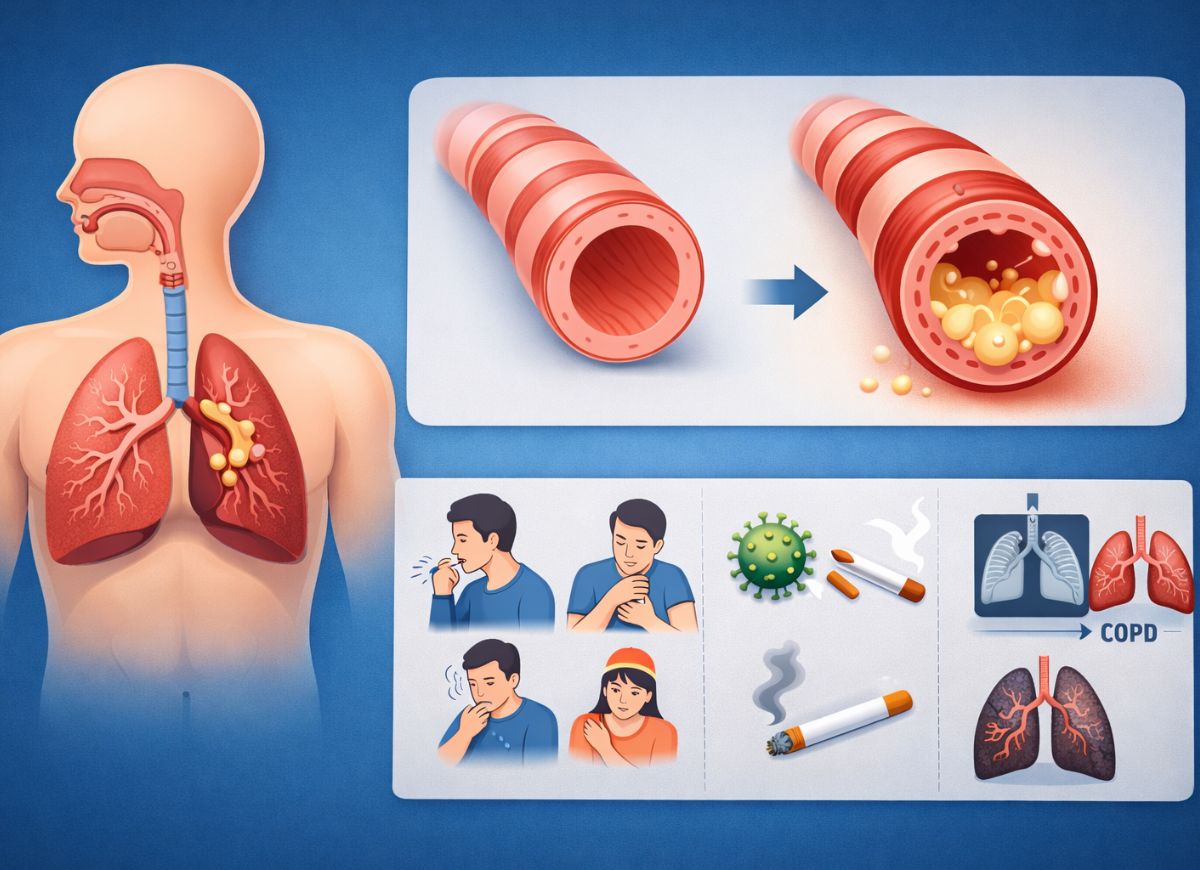
A cough is one of the most common symptoms people experience, particularly during colder seasons. In many cases, it is harmless and may simply be irritation left behind after a cold or a response to changing weather. However, a persistent cough can sometimes be a sign of something more than a temporary irritation, such as bronchitis.
Bronchitis occurs when the bronchial tubes, which carry air into and out of the lungs, become inflamed. A persistent cough is its most recognizable symptom, which is one reason people may overlook the condition. They may assume the cough will eventually disappear on its own. However, bronchitis can cause several other symptoms that gradually develop and may make the illness more uncomfortable or serious.
Many people develop bronchitis each year without recognizing its early signs. The cough may begin as dry and later become productive, producing mucus that can continue for weeks. Other symptoms can include chest tightness, unusual tiredness, and mild shortness of breath. Because these symptoms may appear at different times, they can easily be mistaken for another illness.
Not every cough is caused by bronchitis, but a cough is usually one of its main symptoms. This overlap can make it difficult to know when symptoms are simply part of a minor illness and when they require more attention. Paying close attention to changes in your symptoms can help you respond appropriately and potentially reduce the risk of complications.
In this article, we’ll explore 10 signs of bronchitis disease that go beyond an ordinary cough. Some symptoms may be familiar, while others may be easier to overlook. Recognizing them early can help you take action sooner, support recovery, and avoid allowing a manageable respiratory problem to become more difficult.
What Are the 10 Signs of Bronchitis Beyond a Cough?
Low-Grade Fever and Chills
Fever is one of the body’s natural ways of responding to an infection. When body temperature rises, it can create conditions that are less favorable for viruses and bacteria.
With bronchitis, the fever is generally low-grade and often remains below 101°F (38.3°C). It can indicate that the immune system is actively responding to an infection affecting the airways.
Chills can occur alongside a fever. They happen when the body’s muscles rapidly contract and relax in an effort to produce heat. This can make you feel cold even while your body temperature is elevated.
Although feeling chilled during a fever can seem unusual, it is a normal physical response that can occur while the immune system is fighting the infection responsible for bronchial inflammation.
Body Aches and Malaise
Inflammatory chemicals released by the immune system can contribute to muscle aches and joint discomfort, similar to the body aches experienced with the flu. These symptoms may occur along with malaise, which describes a general feeling of sickness, discomfort, or poor well-being.
The overall feeling of weakness and achiness occurs because the body is directing much of its energy toward fighting the infection. As a result, normal activities may feel more tiring and physically demanding.
Shortness of Breath (Dyspnea)
Shortness of breath can vary from a mild sensation that appears mainly during physical activity to significant breathing difficulty that may occur even while resting.
Inflammation and narrowing within the bronchial tubes can make it harder for air to move normally in and out of the lungs. Some people describe the sensation as being unable to take a satisfying deep breath or becoming unusually winded with simple activities.
Wheezing
Wheezing is a high-pitched or whistling noise that occurs while breathing, particularly when breathing out. It happens when air passes through bronchial passages that have become narrowed because of inflammation or mucus.
Wheezing is commonly associated with airway narrowing and can occur with conditions such as asthma and bronchitis. When it develops with bronchitis, it indicates that inflammation and mucus are interfering with the normal movement of air through the bronchial passages.
Chest Tightness or Pressure
People with bronchitis may experience chest tightness, soreness, or a feeling of pressure. This discomfort can have more than one cause.
Inflammation inside the bronchial tubes can create a sensation of tightness. At the same time, frequent and forceful coughing can strain the muscles between the ribs and the diaphragm, resulting in soreness or pain.
The discomfort may become more noticeable when taking a deep breath or during repeated coughing episodes.
Sputum Production and Color
The mucus that is brought up from the lungs when coughing is known as sputum. During a viral infection, it may initially appear clear or white.
As the immune system responds to the infection, white blood cells move toward the affected area. This can cause sputum to change color and become yellow or greenish. This color change is associated with substances released by certain white blood cells.
Colored sputum does not automatically mean that the infection is bacterial, as viral infections can also produce yellow or green mucus. The texture of sputum can also vary, ranging from thin and watery to thick and sticky.
Sore Throat (Pharyngitis)
A sore, irritated, or scratchy throat commonly occurs alongside bronchitis. Several factors can contribute to this discomfort.
The virus responsible for the respiratory infection may also affect the throat directly and cause inflammation. In addition, repeated coughing can irritate the sensitive tissues of the throat.
Postnasal drip can also contribute to throat irritation. This occurs when excess mucus from the nasal passages moves down the back of the throat and creates additional discomfort.
Persistent Fatigue
Bronchitis-related fatigue can be much more than ordinary tiredness. Some people experience deep exhaustion that makes even simple daily activities feel difficult.
The body uses considerable energy to fight an infection, produce immune cells, eliminate pathogens, and repair irritated tissues in the bronchial tubes. This immune response can leave you feeling extremely drained.
Fatigue may also remain for some time after other symptoms begin to improve because the body may still be recovering from the infection.
Headaches
Headaches can occur during bronchitis for several reasons. Repeated and forceful coughing can increase pressure in the head and place additional strain on the muscles around the neck and scalp, potentially contributing to tension-type headaches.
If bronchitis occurs alongside sinus congestion or sinusitis, pressure within the sinus cavities can also contribute to headaches. Discomfort may be felt around the forehead or eyes.
General inflammation associated with the infection can also contribute to a dull or persistent headache.
Stuffy or Runny Nose (Nasal Congestion)
Acute bronchitis is commonly caused by the same types of viruses responsible for colds and flu. Because of this, upper respiratory symptoms may appear before or alongside bronchitis symptoms.
A stuffy or runny nose and sinus congestion are common features of viral respiratory infections. Because inflammation can affect different parts of the respiratory system, a person may experience both nasal symptoms and chest-related symptoms at the same time.
What Causes Bronchitis?
Bronchitis occurs when the lining of the bronchial tubes becomes inflamed. These tubes are the main airways branching from the trachea, or windpipe, and they carry air into and out of the lungs.
The bronchial tree contains a network of increasingly smaller air passages that eventually lead to the tiny air sacs, known as alveoli, where oxygen and carbon dioxide are exchanged. The inside of these airways is covered by a mucus-producing membrane containing tiny hair-like structures called cilia.
Normally, mucus traps dust, pollen, and other particles that enter the respiratory system. The cilia then move in coordinated waves to carry this mucus upward and out of the lungs so it can either be swallowed or coughed out.
When bronchitis develops, a virus, bacteria, or irritant such as cigarette smoke can trigger inflammation in the airway lining. The bronchial tubes become irritated and swollen.
The body may respond by producing more mucus than usual. As swelling and excess mucus build up, the airways become narrower, making it harder for air to move freely.
Inflammation can also interfere with the normal function of the cilia, reducing the body’s ability to clear mucus effectively. The resulting buildup contributes to the persistent productive cough commonly associated with bronchitis, as the body attempts to remove mucus and other material from the airways.
Types of Bronchitis
Bronchitis is generally divided into two main types: acute bronchitis and chronic bronchitis. Acute bronchitis is usually caused by an infection, particularly a virus, while chronic bronchitis is a long-term condition often linked to prolonged exposure to irritants such as tobacco smoke.
Although both conditions involve inflammation of the bronchial tubes and can cause coughing and mucus production, they differ significantly in their causes, duration, and long-term effects.
Acute bronchitis is the more common form and is often called a chest cold. It frequently develops after an upper respiratory infection.
More than 90% of acute bronchitis cases are caused by viruses, including viruses responsible for the common cold and influenza. Less commonly, bacteria or environmental irritants such as smoke and chemical fumes may contribute to the condition.
Acute bronchitis generally lasts between one and three weeks. Fever, body aches, and other general symptoms may improve within several days, but the cough can continue longer while the bronchial tubes recover.
For most otherwise healthy people, acute viral bronchitis eventually clears without causing permanent lung damage.
Chronic bronchitis is a more serious long-term condition that requires ongoing management. It is clinically defined by a productive cough that occurs for at least three months in a year for two consecutive years.
Long-term exposure to airborne irritants is the primary cause of chronic bronchitis, with cigarette smoking being one of the most significant risk factors. Long-term exposure to secondhand smoke, air pollution, dust, and chemical fumes can also contribute.
Chronic bronchitis is a form of Chronic Obstructive Pulmonary Disease (COPD), a progressive condition that makes breathing increasingly difficult. It may occur alongside emphysema, another major type of COPD.
Unlike acute bronchitis, chronic bronchitis can cause lasting changes to the airways and contribute to a gradual decline in lung function.
When to Seek Medical Help?
Bronchitis Symptoms That Require Immediate Medical Care
A consistently high fever, generally above 100.4°F (38°C), or a fever that continues for several days may suggest that the illness is more serious than uncomplicated viral bronchitis. It can sometimes indicate a secondary bacterial infection, including pneumonia, which may require medical treatment.
Mild breathing difficulty can occur with bronchitis, but immediate medical attention is important if you become short of breath while resting, struggle to speak in complete sentences, or develop severe or new wheezing. These symptoms may indicate significant airway narrowing or problems with oxygen levels.
Blood in your sputum should also be evaluated by a healthcare professional. Severe coughing can occasionally irritate the airways and cause a small amount of blood, but coughing up blood can also occur with more serious conditions such as pneumonia, pulmonary embolism, or lung cancer.
Chest discomfort associated with bronchitis is often described as soreness, pressure, or a dull ache. However, sharp, severe, or persistent chest pain, particularly pain that becomes worse when breathing, should be evaluated. It may be associated with pneumonia, inflammation around the lungs, or another medical condition.
Certain individuals are more vulnerable to complications. Infants, older adults, and people with existing conditions such as COPD, asthma, heart disease, or weakened immune systems should seek medical attention more promptly when concerning symptoms develop.
How Long Do Bronchitis Symptoms Typically Last Before You Should See a Doctor?
The acute stage of bronchitis generally lasts around 7–10 days. However, the cough is often the final symptom to disappear and can continue for three to four weeks because the bronchial tubes may remain irritated and sensitive after the infection has cleared.
You should consider seeing a doctor if symptoms have not started improving after approximately three weeks or if they become worse after initially getting better.
One concern with prolonged or worsening symptoms is a possible secondary bacterial infection. An initial viral infection can weaken the respiratory system’s defenses, allowing bacteria to invade and cause conditions such as bacterial pneumonia.
Warning signs can include symptoms that improve and then suddenly become worse, or a high fever that returns after disappearing.
If coughing continues for many weeks or becomes chronic, the cause may be something other than acute bronchitis. A healthcare professional may need to investigate other possible causes, including whooping cough (pertussis), asthma, gastroesophageal reflux disease (GERD), allergy-related postnasal drip, or chronic bronchitis associated with COPD.
Getting an accurate diagnosis is important because different conditions require different treatments. Delaying evaluation may postpone appropriate management of an underlying condition.
Bronchitis Diagnosis
A healthcare professional usually diagnoses bronchitis through a physical examination, a review of symptoms, and the patient’s medical history. During the examination, a doctor may use a stethoscope to listen to the lungs.
They may listen for sounds such as wheezing, which has a high-pitched quality, or rhonchi, which can sound like low-pitched rattling. These sounds may indicate inflammation or mucus in the larger airways.
For many cases of acute bronchitis, particularly when symptoms develop after an upper respiratory infection, this clinical evaluation may be enough to make a diagnosis.
If symptoms are severe, unusual, or prolonged, additional testing may be necessary to rule out other conditions.
A chest X-ray may be used to help distinguish bronchitis from pneumonia. An uncomplicated case of bronchitis often does not cause significant abnormalities on an X-ray, while pneumonia may produce visible infiltrates or opacities in the affected areas of the lungs.
If a person is producing a significant amount of sputum, a sample may sometimes be collected for analysis. Testing can help identify bacteria when a bacterial infection is suspected, although most cases of acute bronchitis are viral.
For suspected chronic bronchitis, a doctor may perform spirometry. This test measures how much air the lungs can hold and how quickly air can be exhaled. It can provide useful information about lung function and help identify conditions such as Chronic Obstructive Pulmonary Disease (COPD).
Bronchitis and Pneumonia
Bronchitis and pneumonia are both respiratory conditions that may cause coughing and chest discomfort, but they affect different areas of the respiratory system.
Bronchitis primarily involves inflammation of the bronchial tubes, which are the main airways carrying air to and from the lungs. Pneumonia, on the other hand, affects the lung tissue and causes inflammation of the tiny air sacs called alveoli. These air sacs may fill with fluid or pus.
Bronchitis most commonly results from viral infections and affects the larger airways. Pneumonia can be caused by bacteria, viruses, or fungi and directly affects the lung tissue. Bacterial pneumonia can be particularly serious.
The symptoms can also differ in severity. Bronchitis often causes a persistent cough, mucus production, low-grade fever, and mild chest soreness. Pneumonia is more likely to cause severe symptoms such as high fever, shaking chills, significant shortness of breath, and sharp chest pain that may worsen when breathing deeply or coughing.
Acute bronchitis generally improves with supportive care, including rest and adequate fluids. Pneumonia, especially when caused by bacteria, can be more serious and may require antibiotics or hospitalization, particularly for older adults, young children, and people with weakened immune systems.
Complications of Bronchitis
For most healthy people, acute bronchitis is temporary and improves within a few weeks without lasting complications. However, complications can sometimes occur, particularly in people with other health conditions.
One possible complication is a secondary bacterial infection that develops into pneumonia. An initial viral infection can weaken the respiratory system’s defenses and make it easier for bacteria to reach deeper areas of the lungs.
Older adults, people with weakened immune systems, and individuals with conditions such as asthma or chronic lung disease may have a higher risk of complications.
It is important to distinguish acute bronchitis from chronic bronchitis when considering possible complications. Chronic bronchitis is a long-term condition and a major form of Chronic Obstructive Pulmonary Disease (COPD). It is more than simply having a cough that lasts a long time.
Chronic bronchitis involves persistent airway inflammation and can cause lasting changes to the lungs, often following prolonged exposure to irritants such as tobacco smoke.
As chronic bronchitis progresses, lung function may gradually decline and breathing can become increasingly difficult. Ongoing inflammation can thicken the airway walls and increase mucus production, further restricting airflow.
Because damaged airways may not clear mucus and harmful particles as effectively, people with chronic bronchitis can be more vulnerable to repeated respiratory infections and severe flare-ups.
Over time, chronic respiratory problems may contribute to other serious conditions, including emphysema, pulmonary hypertension, and right-sided heart failure, also known as cor pulmonale.
Typical Bronchitis Treatment
Treatment for bronchitis depends largely on whether the condition is acute or chronic because the causes and treatment goals are different.
Acute bronchitis is viral in most cases, so antibiotics generally do not help when there is no bacterial infection. Treatment instead focuses on supportive care while the body’s immune system clears the infection.
Getting sufficient rest, drinking enough fluids to help thin mucus, and using a humidifier or steam may help ease respiratory discomfort.
Over-the-counter medications can also help manage symptoms. Depending on the symptoms and individual circumstances, these may include medicines for fever and pain, cough remedies, or medications that help open the airways.
Chronic bronchitis, which is associated with COPD, requires long-term management. The goal is to control symptoms, reduce flare-ups, and slow further loss of lung function.
Treatment may include lifestyle changes, with smoking cessation being particularly important for people who smoke. Medical treatment may also involve inhaled bronchodilators, medications that reduce airway inflammation, pulmonary rehabilitation, and oxygen therapy in advanced cases.
FAQs
1. Is bronchitis contagious or bronchitis transmittable?
Yes, bronchitis can be contagious when it is caused by a viral or bacterial infection. In these cases, the infection can spread through respiratory droplets released when an infected person coughs or sneezes.
Chronic bronchitis, however, is not contagious because it is generally associated with long-term exposure to irritants such as cigarette smoke, pollution, or other airborne substances rather than an infectious organism.
2. What are the signs of bronchitis in adults?
Common signs of bronchitis in adults include a persistent cough, which may produce mucus, chest discomfort, fatigue, and sometimes shortness of breath. Bronchitis and fever can also occur, particularly during the early stages of an infection.
The cough may continue for several weeks, even after other symptoms have begun to improve.
3. What are bacterial bronchitis symptoms?
Bacterial bronchitis symptoms can sometimes be more pronounced than those associated with viral bronchitis. Possible symptoms include fever, chills, thicker yellow or green mucus, and a worsening cough.
When symptoms fail to improve or become progressively worse, a healthcare professional may need to evaluate whether a bacterial infection or another condition is present.
4. What are bronchial spasms symptoms?
Bronchial spasms symptoms occur when the muscles surrounding the airways tighten and restrict airflow. This can result in wheezing, chest tightness, shortness of breath, and difficulty breathing.
Bronchial spasms may occur alongside bronchitis and can make breathing feel restricted or uncomfortable.
5. Can infants or newborns get bronchitis?
Yes, bronchitis in infants and bronchitis in newborns can occur, and respiratory infections may be more concerning in very young children because their immune systems and airways are still developing.
Possible symptoms include persistent coughing, rapid breathing, difficulty feeding, and unusual irritability. Medical attention should be sought promptly if a young infant develops concerning breathing or feeding symptoms.
6. Does bronchitis cause fever?
Yes, bronchitis fever can occur, particularly when acute bronchitis is caused by an infection. The fever is often mild, although a bacterial infection may sometimes produce a higher temperature.
If a fever continues, becomes higher, or occurs alongside worsening symptoms, it may indicate that a more serious condition or complication needs to be evaluated.
7. Is bronchitis dangerous during pregnancy?
Bronchitis during pregnancy can be uncomfortable, particularly when coughing, fatigue, or other respiratory symptoms persist. In many cases, it can be managed with appropriate care.
However, pregnant individuals should monitor symptoms such as persistent coughing, fever, and breathing difficulty closely and seek medical advice. Professional guidance can help ensure that both the mother’s health and the baby’s safety are considered when choosing treatment.
8. What is canine bronchitis?
Canine bronchitis is a respiratory condition that affects dogs and can cause ongoing coughing and inflammation of the airways.
Canine chronic bronchitis may develop gradually and can require long-term management. Treatment may involve medications along with changes to the dog’s environment to reduce exposure to respiratory irritants.
9. What are chronic bronchitis clinical manifestations?
Chronic bronchitis clinical manifestations include a persistent productive cough that occurs for at least 3 months each year for two consecutive years. Other possible symptoms include increased mucus production, fatigue, and shortness of breath.
Without appropriate management, these symptoms can become more noticeable over time and may interfere with everyday activities and breathing.
10. How would you describe chronic bronchitis?
A clear chronic bronchitis description is a long-term inflammatory condition affecting the bronchial tubes. It is commonly associated with prolonged exposure to irritants such as cigarette smoke, dust, and air pollution.
The condition can cause ongoing coughing and mucus production, making breathing more difficult and potentially affecting everyday activities and overall quality of life.
11. How does bronchitis affect pregnancy?
Bronchitis and pregnancy can be uncomfortable, especially when persistent coughing and fatigue are present. Bronchitis during pregnancy is often manageable, but symptoms such as fever or difficulty breathing should not be ignored.
Seeking medical guidance can help ensure that the condition is properly monitored and that any treatment used is appropriate for both the mother and baby.
Conclusion
A cough may seem like an ordinary symptom, but bronchitis can involve several other warning signs that are easy to overlook. Symptoms such as chest tightness, unusual fatigue, mucus production, or changes in breathing can provide additional clues that something more than a simple cough may be happening.
Recognizing these changes early is not about overreacting. It is about paying attention to what your body is telling you and responding before symptoms become more severe.
Bronchitis can sometimes last longer than expected and interfere with everyday life, particularly when symptoms are ignored. If your cough seems unusual, continues for longer than expected, or develops alongside other concerning symptoms, it deserves attention. Your lungs work continuously to support your breathing, so noticing changes and responding appropriately can make an important difference.