
7 Key Signs of Salmonella Poisoning and What to Do
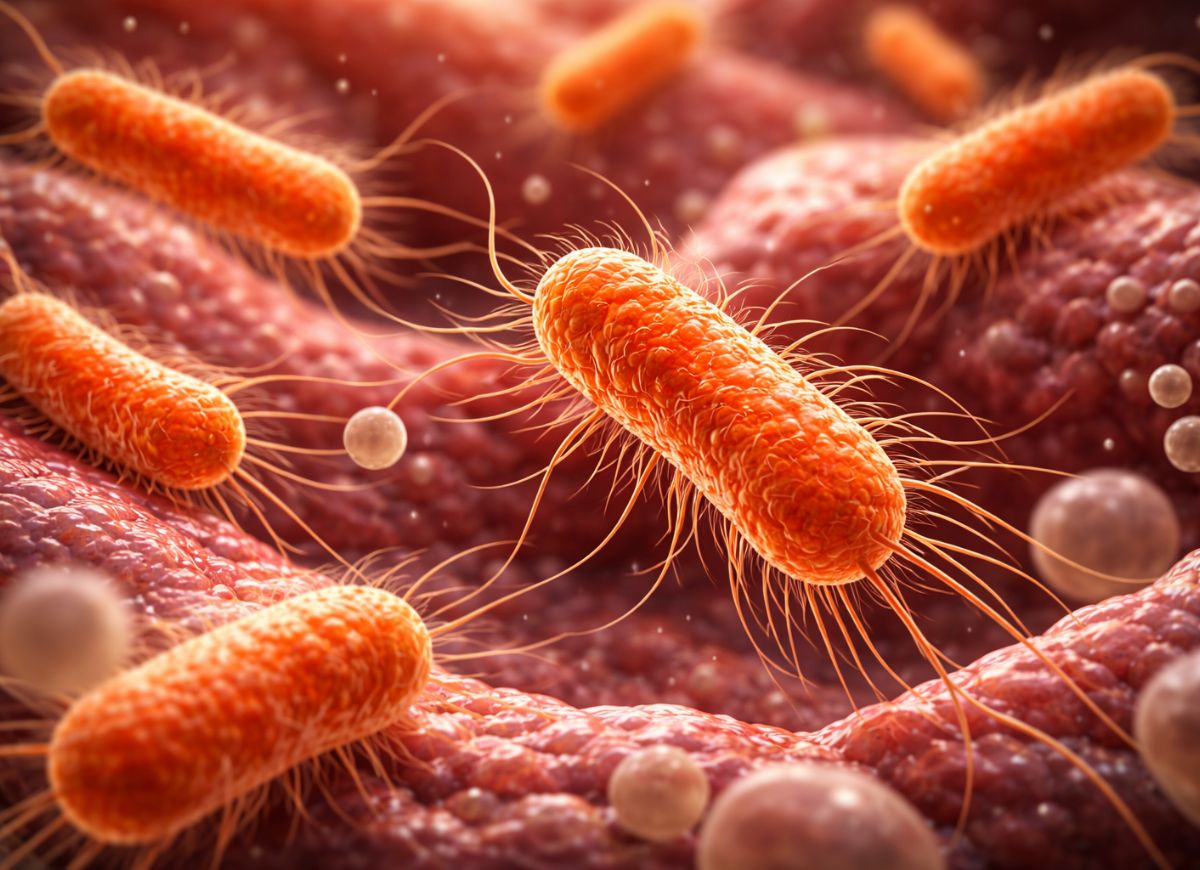
Salmonella poisoning is a serious foodborne illness that can hit unexpectedly, often leaving you feeling miserable and weak. Affecting over 1 million people each year in the United States alone, this bacterial infection comes from eating contaminated food or water, most commonly undercooked poultry, eggs, or unwashed fruits and vegetables. Most cases aren’t life-threatening, but symptoms can still be severe and uncomfortable, especially for young children, older adults, and people with weakened immune systems.
If you’ve experienced nausea, vomiting, diarrhea, or abdominal cramps after eating, you might be dealing with Salmonella poisoning. The bacteria spread rapidly, and symptoms usually appear within 6 to 72 hours after exposure, so acting quickly once they show up matters. Dehydration, a common complication, can occur rapidly, making early recognition essential.
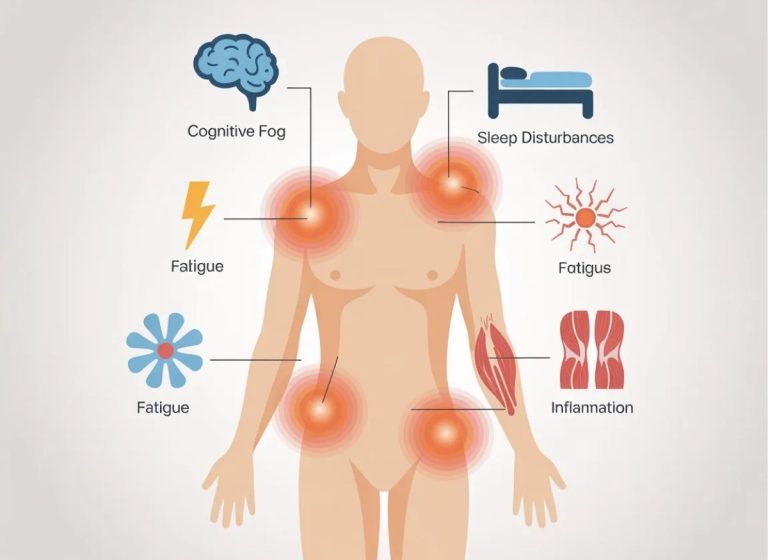
Beyond gastrointestinal distress, Salmonella can occasionally spread beyond the digestive tract, leading to complications like sepsis or reactive arthritis, and the infection itself can last 4 to 7 days, leaving you drained and fatigued. Below, we explore the 7 key symptoms of Salmonella poisoning, so you can recognize it early and take appropriate action.
The 7 Key Symptoms
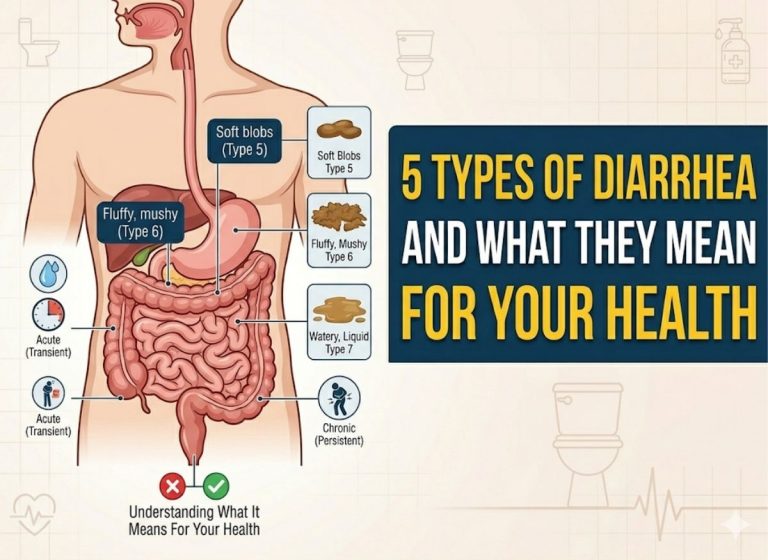
1. Diarrhea. Watery diarrhea is the most common presentation. The bacteria trigger inflammation in the gut, causing large amounts of fluid to be secreted into the intestines as the body tries to flush out the pathogen. Onset is usually sudden, causing frequent, urgent bathroom trips, sometimes ten or more times a day in severe cases. It’s loose and watery because the bacteria damage cells lining the intestines, impairing their ability to absorb water and electrolytes. Diarrhea typically lasts four to seven days, and its main danger is dehydration: significant loss of fluid and electrolytes (sodium, potassium, chloride) can cause weakness, dizziness, reduced urination, and in severe cases shock or kidney failure. Blood in the stool, either bright red streaks or darker, tarry stool, indicates more significant damage to the intestinal wall and always warrants medical attention.
2. Abdominal cramps. These feel like sharp, spasmodic pains, mainly in the stomach and lower abdomen, notably more intense than a typical stomach ache. When Salmonella attaches to the intestinal walls, it releases toxins that trigger acute inflammation of the gut lining (enterocolitis), making the tissue highly sensitive. The body responds by increasing peristalsis (the muscle contractions that move contents through the digestive tract), but these become disorganized and excessively forceful, causing painful spasms. Unlike gas pain, which moves around and eases when gas passes, these cramps stay more localized and occur alongside fever and diarrhea. Cramping may ease briefly after a bowel movement but typically returns as the infection persists.
3. Fever. An oral temperature above 100.4°F (38°C) signals the immune system actively fighting the infection. When the immune system detects the bacteria, it releases inflammatory chemicals (pyrogens) that travel to the hypothalamus and raise the body’s temperature set point, which both inhibits bacterial growth and enhances immune cell function. While low-grade fever is common, temperatures can reach 101°F to 102°F (38.3°C to 39°C) or higher in more severe cases, and a persistent fever above 102°F warrants medical evaluation. Fever is rarely isolated, it’s usually accompanied by chills, shivering, sweating, and general malaise. In rare cases, Salmonella can breach the intestinal barrier and enter the bloodstream (bacteremia), causing a very high, persistent fever, known as typhoid fever if caused by Salmonella Typhi, and this signals the infection may be spreading beyond the gut, requiring immediate care.
4. Nausea and vomiting. These are very common and often appear early, sometimes before diarrhea starts. Nausea can be persistent with loss of appetite, while vomiting can be forceful and recur multiple times, triggered when the bacteria or their toxins irritate the stomach and upper small intestine lining. Vomiting is a protective reflex that removes ingested toxins before they can be absorbed further down the digestive tract. Onset can be sudden, often within hours of eating contaminated food, and vomiting usually lasts the first day or two, tending to subside before diarrhea does, though in some people it persists and makes staying hydrated difficult. Combined with diarrhea, persistent vomiting significantly increases dehydration risk, especially for children and older adults.
5. Headaches. These are typically a secondary symptom from the body’s systemic response to infection, particularly fever and dehydration, described as a dull, throbbing, or persistent ache. Dehydration is one of the most common causes: significant fluid loss from diarrhea and vomiting reduces blood volume, lowering blood flow and oxygen to the brain and triggering pain receptors. The immune response also releases inflammatory chemicals (cytokines and prostaglandins) that can dilate blood vessels in the brain, increasing pressure and pain, an effect fever itself can worsen. Loss of electrolytes like sodium and potassium through diarrhea and vomiting can also disrupt nerve signaling and contribute to headaches, which is why rehydration with electrolyte solutions helps relieve this symptom.
6. Muscle pains (myalgia). Generalized muscle pains and body aches, similar to flu aches, reflect the systemic inflammatory response and contribute to overall fatigue and malaise. The pain isn’t localized to one area but felt throughout the body, in the back, legs, and arms, because the immune system releases inflammatory proteins (cytokines) like interleukin-1 (IL-1) and tumor necrosis factor (TNF) to coordinate its defense, which also cause muscle tissue irritation and nerve sensitivity elsewhere in the body. Combined with fever and headache, muscle pain is a strong sign the infection isn’t just a localized gut issue but a systemic illness, and it typically persists as long as fever and other systemic symptoms are present.
7. Blood in the stool. Visible blood (hematochezia) is a definitive signal the infection may be more severe and needs immediate medical evaluation. While many cases involve only watery diarrhea, blood indicates the bacteria have caused significant inflammation and damage to the intestinal lining, potentially ulcerating or eroding it to the point of bleeding. This can appear as bright red streaks mixed with stool or make the whole stool look reddish or dark. It’s a marker of a more invasive, aggressive infection and raises concern that bacteria could more easily enter the bloodstream (bacteremia), potentially spreading to organs like the bones, joints, or central nervous system. Bloody diarrhea is a clear reason to seek care, since it helps a doctor determine whether antibiotic treatment, generally not recommended for mild cases, is necessary.
When to Seek Medical Help
High-Risk Groups
Some people should seek care much sooner, often at the first sign of illness, because their immune systems are underdeveloped, weakened, or compromised, making a self-limiting illness in a healthy adult potentially life-threatening for them.
- Infants and young children under 5, especially under 12 months, have immature immune systems and are much more susceptible to rapid, dangerous dehydration
- Adults over 65 experience natural immune weakening with age (immunosenescence) and are more likely to have underlying chronic conditions that infection can worsen
- Immunocompromised individuals, including people undergoing chemotherapy, those with HIV/AIDS, organ transplant recipients on immunosuppressants, and people with autoimmune diseases like Crohn’s, rheumatoid arthritis, or lupus, face a much higher risk of the infection spreading into the bloodstream
- Pregnant women, where risk to the mother is similar to other healthy adults, but there’s concern in rare cases about transmission to the fetus or risks from severe illness and dehydration
Specific Warning Signs
- Severe dehydration: little to no urination (or very dark urine), extreme thirst, a very dry mouth and throat, dizziness on standing, sunken eyes, no tears in crying infants, or inability to keep any liquids down
- A very high or persistent fever: for adults, a temperature repeatedly above 102°F (39°C) despite efforts to lower it; for infants and young children, guidelines are stricter, so consult a provider
- Diarrhea lasting more than three days without improvement
- Blood in the diarrhea, always worth a medical consultation to rule out a more severe, invasive infection
- Constant, localized, exceptionally severe abdominal pain, which could indicate complications beyond a standard intestinal infection
How Salmonella Is Diagnosed
Diagnosis is primarily through laboratory analysis of a stool sample. When symptoms like severe diarrhea, fever, and abdominal cramps suggest salmonellosis, a doctor will request a sample for a stool culture, where the sample is placed on a medium that encourages bacterial growth; if Salmonella is present, it forms visible colonies that can be identified.
A thorough patient history is also important, with questions about recent food and activities helping confirm the diagnosis and aiding public health officials in tracking potential outbreaks. Doctors may ask about specific foods eaten in the last 72 hours, recent consumption of undercooked poultry, eggs, or unpasteurized dairy, and whether the person attended group gatherings or ate somewhere others also got sick.
If the infection is severe or suspected to have spread into the bloodstream, a blood culture can detect circulating bacteria, indicating a more serious, systemic infection requiring immediate, aggressive treatment, often with IV antibiotics.
How to Prevent Salmonella
Prevention centers on food safety and hygiene, since the bacteria most commonly spread through contaminated food and water. Public health organizations summarize the key practices as four steps: clean, separate, cook, and chill.
- Cook thoroughly. Use a food thermometer to ensure poultry reaches at least 165°F (74°C), ground meats reach 160°F (71°C), and egg dishes are cooked until the yolk and white are firm.
- Avoid cross-contamination. Use separate cutting boards, plates, and utensils for raw meat, poultry, and seafood, and wash anything that’s touched raw products with hot, soapy water.
- Wash hands thoroughly with soap and water for at least 20 seconds before and after handling food (especially raw meat and eggs), after using the bathroom, after changing diapers, and after contact with animals.
- Avoid risky foods: raw or unpasteurized milk, juice, and cheese, and raw or lightly cooked eggs (found in homemade Caesar dressing, mayonnaise, or hollandaise sauce).
- Chill leftovers promptly, within two hours, to inhibit bacterial growth.
Salmonella vs. Norovirus
Both cause diarrhea, but they differ in key ways. Norovirus, often called the “stomach flu,” is known for severe, sometimes projectile vomiting. Salmonella is more consistently associated with high fever and bloody diarrhea, less common with norovirus.
Salmonella symptoms typically appear 6 hours to 6 days after exposure and can last 4 to 7 days. Norovirus has a much faster onset, symptoms within 12 to 48 hours, but a shorter illness, usually 1 to 3 days.
Salmonella is primarily foodborne, linked to contaminated eggs, poultry, meat, and unwashed produce, transmitted almost exclusively through ingestion. Norovirus is extremely contagious and spreads rapidly in closed environments like schools, cruise ships, and nursing homes, through direct contact with an infected person, contaminated surfaces, or food handled by someone infected.
Complications
Most people recover fully within a week with no lasting effects, but a small percentage develop serious long-term complications.
Reactive arthritis (Reiter’s syndrome) is the most well-documented. It’s not caused by direct joint infection but by the immune system overreacting to the initial intestinal infection, continuing to cause inflammation even after the bacteria are cleared. Symptoms, joint pain and swelling (especially knees, ankles, feet), eye inflammation (conjunctivitis), and painful urination, typically appear 3 to 4 weeks after diarrhea begins. Many cases resolve within a year, though some people develop chronic arthritis.
Invasive infection (bacteremia) is rarer but serious. If bacteria enter the bloodstream, they can spread to other organs, causing meningitis (infection of the membranes around the brain and spinal cord), osteomyelitis (bone infection), or endocarditis (infection of the heart lining), all requiring immediate hospitalization and aggressive antibiotics.
Post-infectious IBS. Some studies suggest severe bacterial gastroenteritis, including from Salmonella, may raise the risk of developing chronic abdominal pain, cramping, bloating, and altered bowel habits that persist long after the initial infection clears.
Frequently Asked Questions
What is Salmonella? A type of bacteria that causes foodborne illness in humans and animals, commonly found in raw meat (particularly chicken), eggs, and unwashed produce. Infections cause diarrhea, vomiting, fever, and abdominal cramps. Salmonella Typhi causes typhoid fever, while other types like Salmonella enteritidis cause typical food poisoning.
What causes it? Ingesting contaminated food or water, typically undercooked meat (especially chicken), eggs, or unpasteurized dairy. It can also spread through contact with infected animals or their environments; eggs are particularly linked, since bacteria can be present in the shell and the egg itself if not handled properly.
What is typhoid fever? A severe bacterial infection caused by Salmonella Typhi, affecting the digestive system and potentially causing high fever, weakness, abdominal pain, and serious complications like intestinal perforation. It results from ingesting food or water contaminated with the bacteria, typically due to poor sanitation.
Is Salmonella contagious? Yes, it spreads through fecal-oral transmission, meaning it can pass person to person through handling contaminated food or contact with infected surfaces, most often contracted from undercooked chicken or eggs, or occasionally from recalled products like frozen shrimp. Thorough handwashing and proper cooking help prevent spread.
How is it treated? Treatment typically focuses on hydration to prevent dehydration from diarrhea and vomiting. Antibiotics may be prescribed in severe cases, especially if the infection spreads beyond the intestines, and vulnerable individuals like infants, older adults, or those with weakened immune systems may need IV fluids and antibiotics.
Can it affect infants? Yes, and it’s a serious concern since infants’ immune systems aren’t fully developed. Infection can come through contaminated breast milk, formula, or food, with symptoms including fever, vomiting, and diarrhea. Immediate medical attention is important, since infants can dehydrate quickly.
Can dogs get Salmonella? Yes, especially from eating contaminated food like raw chicken or eggs, with symptoms including vomiting, diarrhea, fever, and appetite loss. A vet visit is important if a dog shows these signs, since it can also spread to humans.
What diseases does Salmonella cause? Food poisoning, typhoid disease, and enteric fever, with common symptoms of abdominal pain, diarrhea, fever, and vomiting. Salmonella Typhi can cause severe complications, while Salmonella enteritidis typically causes more common foodborne illness.
What happens if you get Salmonella? You may experience diarrhea, vomiting, fever, and abdominal cramps within 6 to 72 hours of exposure. For most people, it resolves on its own with rest and hydration, though severe or spreading infections may need antibiotics, and severe cases like typhoid fever can lead to life-threatening complications.
What’s the connection to food recalls? Recalls often happen when products like eggs, chicken, or shrimp are found contaminated with Salmonella during routine safety testing. These recalls are critical for preventing widespread infection, since contamination can spread quickly if affected products stay on shelves.
The Bottom Line
Salmonella is a highly contagious bacteria that can cause illness ranging from mild food poisoning to more severe conditions like typhoid fever. Understanding the causes, symptoms, and potential risks is essential for both prevention and treatment. Whether it’s eggs, raw chicken, or seafood, knowing where Salmonella might lurk and how to handle food safely reduces infection risk. For vulnerable groups, infants, older adults, and pets, extra precautions matter. If you suspect infection, seeking timely medical attention is key to recovery, and staying informed while practicing good hygiene and food safety helps minimize Salmonella’s impact and protect your health.