10 Causes of Stress Incontinence and What They Mean
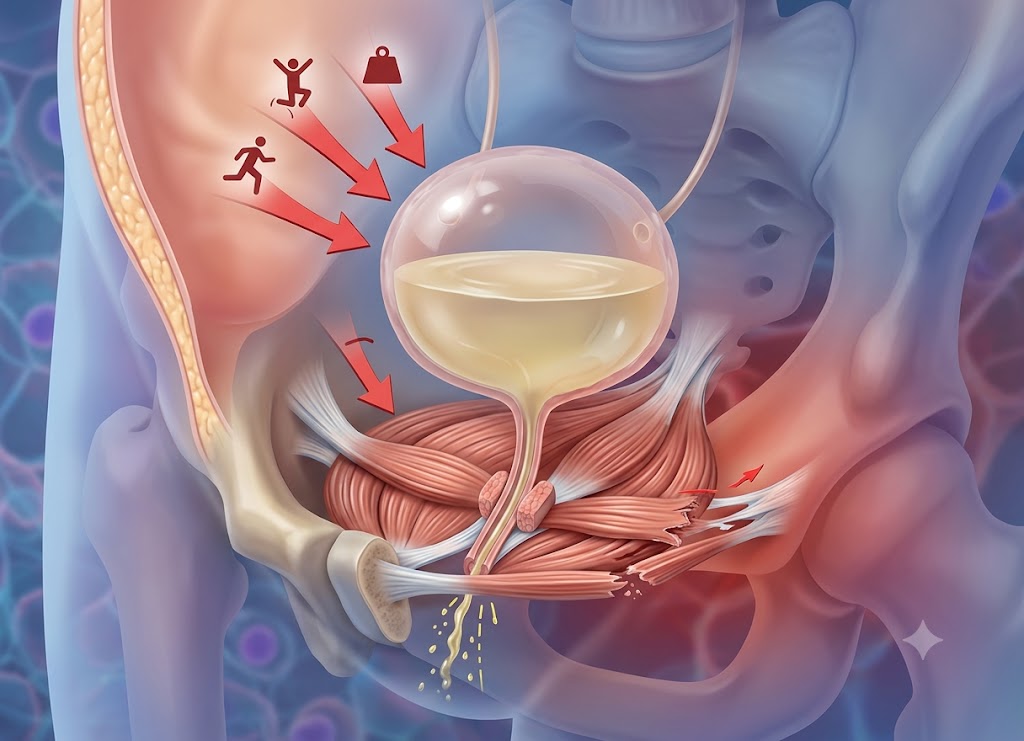
Stress incontinence is a form of urinary leakage that occurs when extra pressure is placed on the bladder during normal physical activities. Actions such as coughing, sneezing, laughing, lifting, running, or exercising can cause urine to leak when the pelvic floor muscles or tissues supporting the urethra cannot provide enough resistance. Although it is common, urinary leakage is not something a person simply has to live with because of aging, childbirth, or exercise.
Understanding what causes stress incontinence can make it easier to identify why leakage begins and what it may indicate about pelvic floor health. Pregnancy, childbirth, menopause, excess weight, chronic coughing, pelvic surgery, aging, high-impact exercise, connective tissue weakness, and prostate surgery can all play a role. These factors may weaken or stretch the muscles and tissues that keep the bladder and urethra supported, allowing urine to escape when abdominal pressure suddenly increases.
This article explains 10 causes of stress incontinence and what they may reveal about bladder control, pelvic floor function, everyday comfort, and possible treatment options.
What Is Stress Incontinence?
Stress incontinence occurs when urine leaks because physical pressure is suddenly placed on the bladder. This can happen when a person coughs, sneezes, laughs, runs, jumps, lifts something heavy, or performs another activity that increases pressure inside the abdomen. The term “stress” refers to physical pressure on the bladder rather than emotional stress.
The condition commonly develops when the pelvic floor muscles, urethra, or surrounding support tissues become weak, stretched, or damaged. If these structures cannot keep the urethra closed tightly enough, urine may escape during physical activity. Pregnancy, childbirth, menopause, aging, obesity, chronic coughing, pelvic procedures, and prostate surgery are among the factors that can contribute.
Even though stress incontinence is common, it can interfere with exercise, work, confidence, sleep, and social activities. Fortunately, several treatment approaches are available. Depending on the cause and severity, pelvic floor exercises, physical therapy, lifestyle changes, support devices, selected medications, or surgery may help. A healthcare professional can determine the likely cause and recommend an appropriate treatment approach.
Causes of Stress Incontinence: What Are the 10 Primary Factors and What Do They Reveal?
The 10 primary factors associated with stress incontinence include pregnancy and childbirth, menopause, pelvic surgery, excess body weight, chronic coughing, high-impact exercise, pelvic organ prolapse, neurological conditions, chronic constipation, and certain medications or bladder irritants.
Together, these factors can reveal weaknesses within the body’s urinary continence system. Depending on the cause, the problem may involve the pelvic floor muscles, connective tissues, hormones, bladder support, nerves, or urethral sphincter.
Looking at each cause individually can help explain what has changed. Some causes mainly affect muscle strength, while others alter the structure, hormonal environment, or nerve signals needed to keep the urethra closed when pressure suddenly rises.
Pregnancy, Childbirth, and Pelvic Floor Trauma
Pregnancy and vaginal childbirth are major risk factors for developing stress incontinence. During pregnancy, the growing uterus places increasing pressure on the structures supporting the bladder and pelvic organs. This prolonged load can stretch and weaken the pelvic floor muscles and connective tissues over time.
Pregnancy also causes hormonal changes that affect the ligaments and connective tissues around the pelvis. Hormones such as relaxin help prepare the body for delivery by making these tissues more flexible. While this is a normal part of pregnancy, the reduced stiffness can temporarily decrease the structural support around the bladder and urethra.
Vaginal delivery can place additional stress on the pelvic floor. As the baby moves through the birth canal, pelvic floor muscles and surrounding nerves can become stretched or compressed. This may lead to muscle weakness or changes in nerve function that make it harder to maintain urinary control.
Instrument-assisted delivery, including the use of forceps or vacuum extraction, may increase the risk of pelvic floor injury in some cases. Leakage that continues after childbirth may therefore indicate that the muscles, connective tissues, or nerves involved in bladder support need time and possibly targeted rehabilitation to recover.
Menopausal Transitions and Estrogen Atrophy
Menopause can trigger or worsen stress incontinence because declining estrogen affects the tissues involved in urinary control. Estrogen receptors are found throughout the urethra and surrounding pelvic tissues, where the hormone helps maintain tissue thickness, elasticity, and healthy blood flow.
As estrogen levels fall during menopause, the tissues lining the urethra may become thinner and less elastic. This change is sometimes referred to as urogenital atrophy. A healthy urethral lining contributes to the seal that helps prevent urine from escaping. When the tissue becomes thinner and less resilient, that seal may become less effective.
Lower estrogen can also affect the muscles and tissues supporting the pelvic organs. Reduced tissue tone may make it more difficult for the urethral sphincter and pelvic floor to respond quickly when abdominal pressure rises from coughing, sneezing, or laughing.
For some postmenopausal individuals, locally applied vaginal estrogen may help improve the health of affected tissues. However, treatment should be discussed with a healthcare professional to determine whether it is appropriate.
Surgical Disruptions and Structural Changes
Pelvic surgery can sometimes contribute to stress incontinence by changing the position of pelvic structures or affecting muscles and nerves involved in urinary control. Procedures such as hysterectomy in women and radical prostatectomy in men can alter the anatomy around the bladder and urethra.
During a hysterectomy, removal of the uterus can change the relationships among the bladder, urethra, and surrounding supporting tissues. In some individuals, these changes may affect how the bladder neck and urethra respond to physical pressure.
| Surgical Procedure | Primary Anatomical Disruption | Direct Impact on Continence Mechanism |
|---|---|---|
| Hysterectomy (Female) | Removal of the uterus and possible changes to surrounding pelvic support tissues. | May alter bladder and urethral support and contribute to leakage during exertion. |
| Radical Prostatectomy (Male) | Removal of the prostate located beneath the bladder and around the urethra. | Can affect urinary sphincter function and surrounding nerves. |
| Pelvic Organ Prolapse Repair | Repositioning pelvic organs that have moved from their normal positions. | Restoring anatomy may sometimes reveal previously hidden weakness in the urinary sphincter. |
In men, the prostate sits beneath the bladder and surrounds part of the urethra. Radical prostatectomy removes the prostate and can affect the structures responsible for maintaining urinary control.
The nerves involved in sphincter function also run close to the prostate, so surgery may affect them. Urinary leakage after prostate surgery is therefore a recognized complication, and pelvic floor rehabilitation may be recommended during recovery.
Chronic Physical Pressures: Weight, Coughing, and Constipation
Repeated pressure inside the abdomen can place ongoing stress on the pelvic floor and urinary support system. Excess body weight, particularly when weight is concentrated around the abdomen, can increase the pressure placed on the bladder and pelvic floor.
When the pelvic floor has to support greater pressure throughout the day, its muscles may become strained over time. This can make it more difficult for them to respond quickly when pressure suddenly increases during coughing, sneezing, or exercise.
The Mechanics of Chronic Intra-Abdominal Force:
When the pelvic floor is repeatedly exposed to increased pressure, the muscles and supporting tissues may become less effective at resisting sudden downward forces. Chronic respiratory symptoms or repeated straining can add to this physical burden and may contribute to urinary leakage.
Chronic coughing can have a similar effect. Conditions such as chronic bronchitis, asthma, COPD, or severe allergies can cause repeated episodes of coughing or forceful sneezing. Each episode briefly increases pressure inside the abdomen and places additional demand on the pelvic floor.
Constipation can also contribute because repeated straining during bowel movements increases downward pressure on the pelvic floor. Over time, frequent straining may place additional stress on the muscles and connective tissues responsible for supporting the bladder and urethra.
For this reason, managing chronic cough and maintaining healthy bowel habits can be an important part of reducing factors that may worsen stress incontinence.
High-Impact Impact, Neurological Drops, and Bladder Irritants
The occurrence of stress incontinence among athletes shows that being physically fit does not necessarily mean the pelvic floor muscles are equally strong or well coordinated. High-impact activities such as gymnastics, running, volleyball, jumping sports, and CrossFit can place repeated stress on the pelvic floor.
Every landing creates force that travels through the body and requires the pelvic floor muscles to respond quickly. Long or intense training sessions may lead to pelvic floor fatigue, particularly if the muscles are not conditioned for the specific demands of the activity.
Heavy lifting can also cause a substantial increase in abdominal pressure. Athletes and weightlifters may use intense abdominal bracing or the Valsalva maneuver while lifting. If pelvic floor control is insufficient, urine leakage can occur during these activities.
When stress incontinence is associated with a neurological condition, the problem may involve disrupted communication between the nervous system and the muscles responsible for urinary control.
[Neurological Command Failure] ──► Disrupted Motor Signal ──► Sphincter Fails to Close Under Sudden PressureConditions such as multiple sclerosis, Parkinson’s disease, spinal cord injuries, and stroke can affect the nervous pathways that coordinate bladder and sphincter function.
Diabetes can also contribute through peripheral neuropathy, which may damage nerves involved in bladder and pelvic floor function.
Certain medications can make urinary leakage worse even though they do not directly weaken the pelvic floor. For example, some diuretics can increase urine production, while medications that relax certain muscles may affect bladder outlet control.
Bladder irritants can also increase symptoms. Caffeine, alcohol, carbonated beverages, and some acidic foods may irritate the bladder in sensitive individuals. If the urinary control system is already weakened, increased bladder activity or urgency may make leakage more noticeable.
Management of Stress Incontinence: What Are the Effective Treatment Options?
Effective treatment for stress incontinence generally begins with conservative approaches and may progress to devices or surgery when needed. The main treatment categories include pelvic floor and behavioral therapies, mechanical support devices, and surgical procedures.
This step-by-step approach allows treatment to be tailored to the individual. Less invasive options are often tried first, while procedures are considered when symptoms remain troublesome despite conservative care.
First-Line Behavioral and Physical Interventions
Managing stress incontinence often starts with non-invasive strategies that improve pelvic floor strength, coordination, and bladder habits. For many people, consistent physical rehabilitation can significantly reduce leakage.
Pelvic Floor Muscle Training (PFMT)
Pelvic floor muscle training, commonly called Kegel exercises, is one of the main conservative treatments for stress incontinence. These exercises involve repeatedly tightening and relaxing the muscles that support the bladder and urethra.
With regular practice, pelvic floor muscles may become stronger and better able to respond when pressure suddenly increases. A pelvic health physical therapist can help identify the correct muscles and may use techniques such as biofeedback to improve coordination.
Bladder Training and Timed Voiding
Bladder training is used more commonly for urgency-related symptoms, but it may still be helpful as part of an overall bladder management plan.
Timed voiding involves using a planned bathroom schedule instead of waiting until the bladder feels extremely full. This can help reduce situations in which a very full bladder is more difficult to control.
Strategic Lifestyle Modifications
- Targeted Mass Reduction: For people who are overweight, gradual weight loss may reduce pressure on the bladder and pelvic floor. Even modest weight reduction can improve symptoms for some individuals.
- Smoking Cessation: Stopping smoking can reduce chronic coughing, which may lower repeated pressure placed on the pelvic floor.
- Dietary and Fluid Adjustments: Maintaining appropriate fluid intake while reducing beverages or foods that worsen bladder symptoms can help some people manage leakage. Common triggers include caffeine, alcohol, carbonated drinks, and certain acidic foods.
Second-Line Mechanical Supports and Medical Devices
When pelvic floor training alone does not provide enough support, certain devices can offer additional mechanical assistance. These options may be useful for people who want non-surgical treatment or temporary protection during particular activities.
[Image showing the anatomical placement of an incontinence ring pessary supporting the bladder neck]
Vaginal Pessaries
A vaginal pessary is a removable medical device, usually made from medical-grade silicone, that is fitted inside the vagina by a healthcare professional. Certain pessaries, including supported rings and incontinence dishes, are designed to help manage stress incontinence.
The device provides additional support beneath the bladder neck and urethra. During coughing, exercise, or other activities that increase abdominal pressure, the pessary can help maintain the position of the urethra and reduce leakage.
Disposable Urethral Inserts
Disposable urethral inserts are small devices that can be placed inside the urethra before activities likely to cause leakage. They can provide temporary support by helping block urine from escaping.
These inserts may be particularly useful for predictable situations such as exercise or heavy physical activity. They are removed before urination and discarded afterward, so they are intended for targeted rather than continuous use.
Pharmacological Limitations and Targeted Tissue Therapies
The Mechanical Realities of Medication:
Pure stress incontinence is primarily related to weakness or altered support of the pelvic floor and urethra, so medication generally does not correct the underlying structural problem. Treatment with medicines is therefore more limited than it is for some other forms of urinary incontinence.
For postmenopausal individuals experiencing tissue changes related to low estrogen, low-dose vaginal estrogen may be prescribed in suitable cases. It can help improve the health, thickness, and elasticity of vaginal and urethral tissues.
However, vaginal estrogen does not directly strengthen the pelvic floor muscles. A healthcare professional can determine whether it is appropriate based on symptoms, medical history, and individual risk factors.
In some countries, including parts of Europe, duloxetine may be used for stress incontinence. Its use and availability vary by country, and it can cause side effects. Anyone considering medication for urinary leakage should discuss the benefits and risks with a qualified healthcare professional.
Third-Line Surgical Corrections and Long-Term Durability
For people with persistent moderate to severe stress incontinence who do not receive enough relief from conservative treatment, surgery may provide longer-term structural support.
          [Progressive Surgical Tiers for SUI Correction]
                                 │
     ┌───────────────────────────┼───────────────────────────┐
     ▼                           ▼                           ▼
[Injectable Bulking]     [Bladder Neck Suspension]    [Mid-Urethral Sling]
 ├── Office-based gel     ├── Surgical support        ├── Supportive sling
 ├── Minimally invasive   ├── Restores position       ├── Supports urethra
 └── May need repeats     └── More invasive           └── Common surgical option
Mid-Urethral Slings
Mid-urethral sling procedures are commonly used surgical treatments for female stress incontinence. A supportive strip is positioned beneath the middle portion of the urethra to provide additional support when abdominal pressure rises.
When a person coughs, jumps, or exercises, the sling helps stabilize the urethra and can reduce urine leakage. Different surgical approaches may be used depending on the patient’s anatomy and the surgeon’s recommendation.
Bladder Neck Suspension (Colposuspension)
Burch colposuspension is another surgical option for stress incontinence. It can be performed through an abdominal incision or laparoscopically.
During the procedure, tissues around the bladder neck are lifted and secured to strong pelvic structures. This helps restore support around the bladder neck and urethra so they can better resist pressure during physical activity.
Injectable Bulking Agents
Urethral bulking injections provide a less invasive alternative for selected patients. A healthcare professional uses a small instrument to inject a material into the tissue surrounding the urethra.
The injected material increases the thickness of the urethral walls and narrows the opening, helping the urethra close more effectively. The treatment is usually performed without major surgery, but the effects may decrease over time and repeat treatments may be needed.
Surgical Intervention Comparison Matrix
| Surgical Method | Procedural Approach | Primary Mechanism of Action | Long-Term Durability & Success |
|---|---|---|---|
| Mid-Urethral Sling (TVT / TOT) | Minimally invasive procedure using a supportive sling. | Provides support beneath the urethra during increased abdominal pressure. | Generally offers durable symptom improvement for many patients. |
| Burch Colposuspension | Open or laparoscopic abdominal surgery. | Lifts and supports tissues around the bladder neck. | Can provide long-term improvement but involves a more invasive recovery. |
| Urethral Bulking Agents | Endoscopic injection around the urethra. | Thickens the urethral wall and narrows the outlet. | Less durable than some surgical options and may require repeat injections. |
Exploring Urinary Incontinence: How Does Stress Incontinence Differ from Other Types?
Stress incontinence occurs when physical pressure causes urine to escape, while other types of urinary incontinence have different mechanisms. Urge incontinence is associated with sudden involuntary bladder contractions, whereas overflow incontinence occurs when the bladder does not empty properly and becomes overly full.
Understanding these differences is important because the cause of leakage determines which treatments are most appropriate.
Physiological Differentiation: Stress vs. Urge Mechanisms
Although stress and urge incontinence can both cause urine leakage, the underlying mechanisms are different.
Stress Incontinence
Stress incontinence is primarily a problem with the physical support system that keeps the urethra closed.
Leakage typically occurs immediately when pressure rises, such as during coughing, sneezing, laughing, running, jumping, or lifting. There may be little or no warning beforehand.
The amount of urine lost is often relatively small, although the severity can vary from person to person.
Urge Incontinence
Urge incontinence is commonly associated with overactive bladder symptoms. In this situation, the bladder muscle contracts involuntarily during the filling stage.
A person may experience a sudden and difficult-to-delay urge to urinate, followed by leakage before reaching the bathroom. The amount of urine lost can range from a small amount to a larger volume.
The Clinical Realities of Mixed Incontinence
Some people experience both stress and urge symptoms. When these two forms occur together, the condition is called mixed incontinence.
                    [Mixed Incontinence Presentation]
                                    │
     ┌──────────────────────────────┴──────────────────────────────┐
     ▼                                                             ▼
[Stress Component: Structural]                        [Urge Component: Neurological]
 ├── Leaking during jumps/laughs                       ├── Sudden bladder contractions
 └── Reduced pelvic floor support                      └── Strong, urgent need to urinate
Mixed incontinence requires an individualized treatment plan because both components may need attention.
- Dominance Assessment: A healthcare professional may determine whether stress or urgency symptoms are causing the greatest disruption.
- Dual-Action Therapy: Treatment may combine pelvic floor exercises with bladder training, behavioral strategies, or medication when appropriate for urgency symptoms.
Gender-Specific Anatomical Deficits
The symptoms of stress incontinence can be similar in men and women, but the causes are often different because the anatomy and common risk factors differ.
Female Structural Vulnerabilities
In women, stress incontinence is commonly associated with pregnancy, vaginal childbirth, pelvic floor weakness, and changes that occur with aging and menopause.
Pregnancy and childbirth can stretch the pelvic floor muscles and supporting tissues, while menopause-related estrogen changes may affect the tissues surrounding the urethra.
Male Post-Surgical Causes
Stress incontinence is less common in men and is often associated with prostate surgery. Radical prostatectomy can affect the structures and nerves involved in urinary control.
Other possible contributors include certain procedures for an enlarged prostate, pelvic injuries, and radiation treatment involving the pelvis.
Advanced Diagnostic and Urodynamic Testing
When the type or cause of urinary leakage is unclear, healthcare professionals may use several diagnostic tools to understand bladder and urethral function.
[Clinical History/Exam] ──► [Home Bladder Diary] ──► [Urodynamic Pressure Testing] ──► Definitive DiagnosisInitial Screening and Baseline Tools
The evaluation generally begins with a medical history and physical examination. A urine test may also be performed to rule out infections or other conditions that can cause urinary symptoms.
A healthcare professional may perform a cough stress test, in which the patient coughs while the bladder is appropriately filled to see whether urine leakage occurs.
Multi-Day Bladder Tracking and Volume Logs
A bladder diary can provide useful information about symptoms in everyday life. Over several days, a person may record fluid intake, bathroom visits, urine volume, urgency, and activities associated with leakage.
A pad test may also be used in selected cases to estimate how much urine is lost over a particular period.
Comprehensive Urodynamic Testing
Urodynamic testing can provide detailed information about how the bladder, urethra, and surrounding muscles function. It may be especially useful in complicated or mixed cases.
| Diagnostic Sub-Test | Procedural Method | Primary Clinical Measurement | Target Diagnostic Finding |
|---|---|---|---|
| Uroflowmetry | The patient urinates into a specialized measuring device. | Measures urine flow speed and volume. | Can identify abnormal flow or possible obstruction. |
| Cystometrogram | A catheter records bladder pressure while the bladder fills. | Measures bladder pressure and storage behavior. | Can identify involuntary bladder contractions. |
| Abdominal Leak Point Pressure | The patient coughs or strains while pressures are measured. | Determines the pressure at which leakage occurs. | Helps assess stress-related leakage. |
| Post-Void Residual | Ultrasound or another method measures urine remaining after urination. | Determines how completely the bladder empties. | Helps identify retention or overflow problems. |
Conclusion
Stress incontinence usually develops when the muscles, tissues, nerves, or other structures supporting the bladder and urethra cannot adequately prevent leakage during increased physical pressure. Common contributing factors include pregnancy, childbirth, menopause, excess weight, chronic coughing, pelvic surgery, high-impact activities, pelvic organ prolapse, neurological conditions, constipation, and prostate-related procedures.
Although stress incontinence can interfere with daily activities and confidence, it can often be managed with appropriate treatment. Pelvic floor exercises, physical therapy, lifestyle adjustments, supportive devices, urethral treatments, and surgery may all have a role depending on the individual situation.
If leakage is persistent, worsening, or interfering with everyday activities, a healthcare professional can help identify the cause and discuss suitable treatment options. Urinary leakage accompanied by pain, blood in the urine, fever, burning, or difficulty emptying the bladder should also be medically evaluated.
Frequently Asked Questions
1. What is stress incontinence?
Stress incontinence is urine leakage that occurs when physical pressure is placed on the bladder. It can happen while coughing, sneezing, laughing, running, jumping, exercising, or lifting something heavy. The term “stress” refers to physical pressure rather than emotional stress. It commonly develops when the pelvic floor muscles or tissues supporting the urethra are not strong enough to prevent leakage.
2. What causes stress incontinence?
Stress incontinence can result from weakness or changes in the pelvic floor and tissues supporting the bladder and urethra. Pregnancy, childbirth, menopause, aging, excess weight, chronic coughing, constipation, pelvic surgery, and high-impact activities may contribute. In men, prostate surgery is a common cause of persistent stress-related leakage. A healthcare professional can help determine the specific factors involved.
3. Is stress incontinence common after childbirth?
Yes, stress incontinence can occur after childbirth, particularly following vaginal delivery. Pregnancy places increased pressure on the pelvic floor, while childbirth can stretch the muscles, connective tissues, and nerves involved in bladder support. Some people improve naturally after delivery, while others continue to experience symptoms. Pelvic floor exercises and specialized pelvic floor physical therapy may help improve bladder control.
4. Can weight gain make stress incontinence worse?
Yes, additional body weight can increase pressure on the bladder and pelvic floor. This may make urine leakage more likely during coughing, sneezing, exercise, or lifting. For some people, gradual weight management can reduce symptoms. A healthcare professional can provide guidance on safe and appropriate weight-management strategies.
5. How is stress incontinence treated?
Treatment depends on the severity of symptoms and the underlying cause. Common approaches include pelvic floor muscle training, pelvic floor physical therapy, lifestyle changes, bladder habit adjustments, and weight management. Some people may benefit from a vaginal pessary or urethral insert, while others may be candidates for urethral bulking treatments or surgery. A healthcare provider can help determine which option is appropriate based on individual symptoms, anatomy, medical history, and treatment preferences.